VW Auto Intake Pressure Sensor Suppliers and Manufacturers
Source 31 verified suppliers for VW Auto Intake Pressure Sensor parts. Compare dimensions like lead time, MOQ, and response rates to find the right partner. Review product specs and request quotes today; review the available evidence before requesting comparable quotations from suitable candidates.
Suppliers List
Guangzhou Gangji Auto Parts Company Limited
- Verified by SGS Group
- Manufacturer, Trading Company
- Lead time30 days
- Avg. response≤ 4h
Main productsTransmission Parts, Engine Parts, Car Sensors
Main marketsMid East(30%), North America(20%), South America(20%)

Guangzhou first Jun Technology Co., Ltd.
- Verified by SGS
- Trading Company
- China Guangdong
- Lead time30 days
Main productsFuel Pump, Ignition Coil, Fuel Injector, Oxygen Sensor, Injector, Diesel Injector, Nozzle, Common Rail Parts, Head Rotor
Main marketsDomestic

Ningbo Hi-Tech Smart Machinery Co., Ltd.
- Trading Company
- China Zhejiang
- Lead time15 days
Main productsPneumatic Cylinder, Air Cylinder, Solenoid Valve, Pneumatic Component, Pneumatic, One Touch Fitting, Pneumatic Valve, Pneumatic Fitting, Push in Fitting, Brass Fitting
Main marketsSoutheast Asia/ Mideast,Europe,North America

Guangzhou Gangzheng Automobile Parts Co.,Ltd.
- Verified by BV
- Manufacturer/Factory
- China Guangdong
- Lead time15 days
Main productsShock Absorber, Clutches, Brake Disc, Brake Pads, Electronic Fuel Injection System Parts, Engine Assembly, Headlamp, Aluminium Wheel
Main marketsSouth America,Eastern Europe,Mid East,North America,Southeast Asia,Eastern Asia,Oceania,Western Europe,Africa


Fuel Pressure Sensor of BO SCH used for Vehicle
MOQ: 1 Pieces
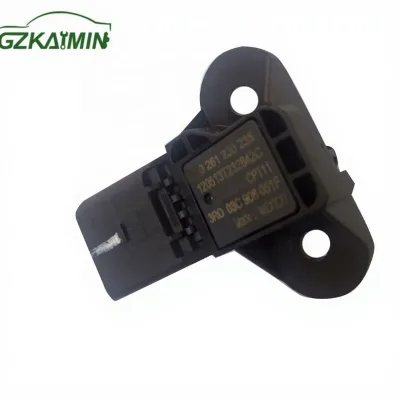
Guangzhou Kaimin Trading Co., Ltd.
- Verified by TüVRheinland
- Trading Company
- Lead time5 days
- Avg. response≤ 2h
Main productsCar Sensors, Ignition Coil, Fuel Injector, Car Door Lock, Control Valve
Main marketsNorth America(28%), South America(28%), Eastern Europe(8%)

Guangdong South China Sea Electronic Measuring Technology Co., Ltd.
- Verified by TUVRHEINLAND
- Manufacturer/Factory
- China Guangdong
- Lead time0 days
Main productsStrain Gauges, Weigh Pads, Pressure Sensors, Wheel and Axle Weighing Scales, Load Cells, Force Sensors, Instruments, Bending Plates, Personal Scales, Pressure Indicator
- Verified by TüVRheinland
- Trading Company
- Lead time30 days
- Avg. response≤ 2h
Main productsFuel Pump, Filter, Clutch Cylinder, Alternator And Parts, Ignition Coil
Main marketsNorth America(40%), South America(25%), Eastern Europe(20%)

Wenzhou Ao-Jun Auto Parts Co., Ltd.
- Verified by BV
- Trading Company
- China Zhejiang
- Lead time30 days
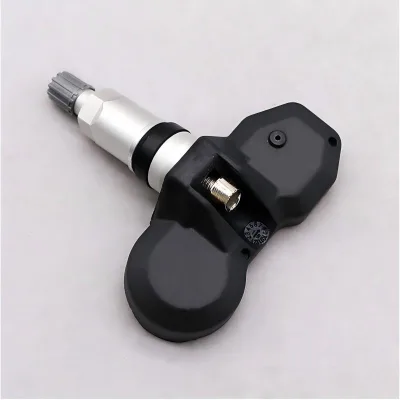
Main productsSpark Plug, Ignition Coil, Fuel Pump, Tire Pressure Sensor, Window Power Switch, Sensor, Water Pump
Main marketsDomestic
Chongqing Jns Import And Export Co., Ltd.
- Trading Company
- Chongqing, China
- Lead time2 days
- Avg. response≤ 3h
Main productsautomobile steering system,automobile suspension system,cooling system of automobile,Automobile fuel system,Auto Parts
Main marketsSouthern Europe(10.00%), Northern Europe(10.00%), Western Europe(10.00%), Eastern Asia(10.00%), Mid East(10.00%), Africa(10.00%), Southeast Asia(10.00%), Eastern Europe(10.00%), South America(10.00%), North America(10.00%)
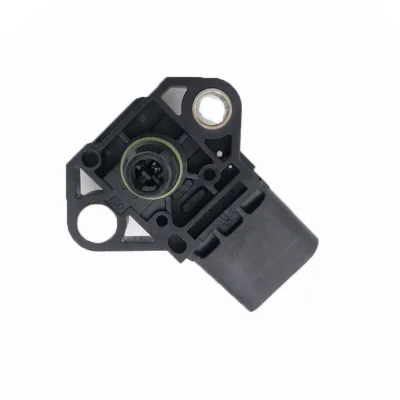
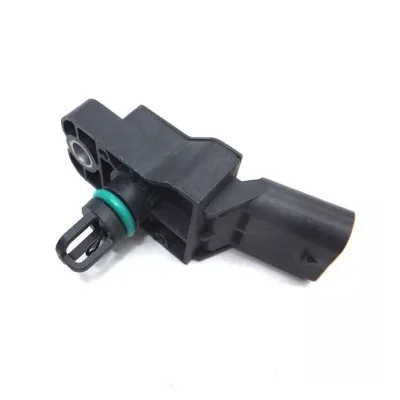
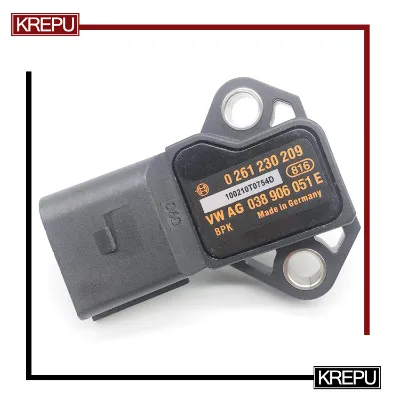
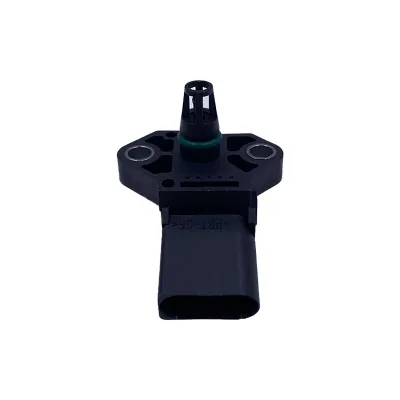
Universal Auto Parts Engine Intake Pressure Sensor 0261230411 04E906051A for VW SENSOR
$0.92 - $4.13
MOQ: 1 sets
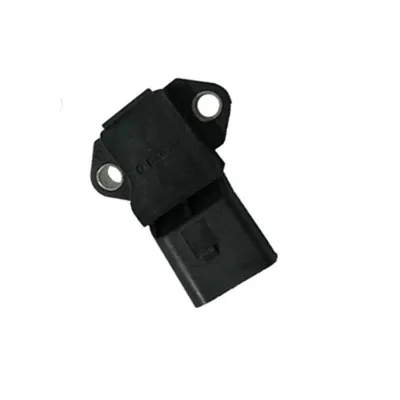
$1.99 - $3.81
MOQ: 100 pieces
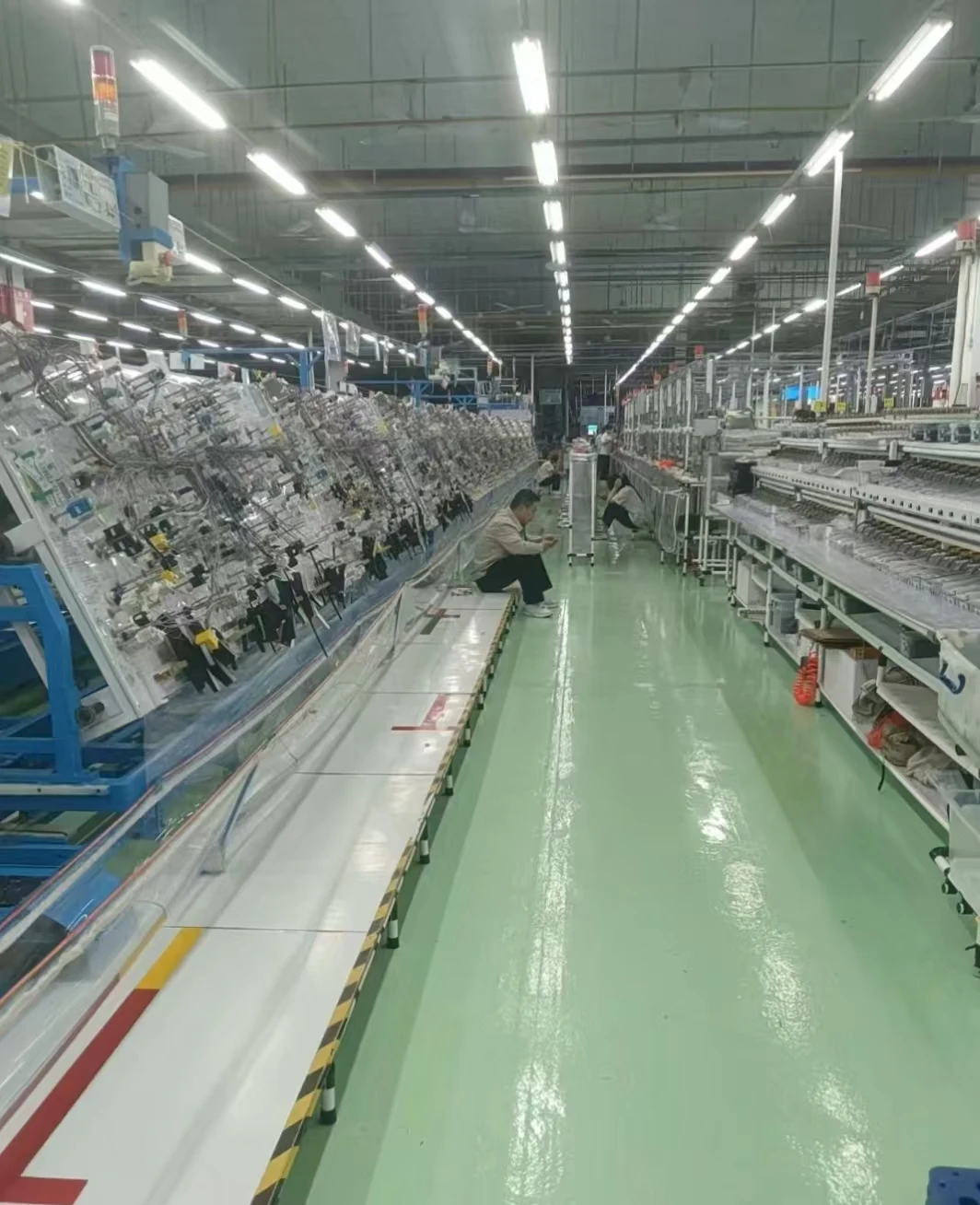
Juqing (guangzhou) International Trade Co., Ltd.
- Trading Company, Buying Office, Distributor/Wholesaler
- Guangdong, China
- Lead time0 days
- Avg. response≤ 4h
Main productsAutomatic transmission and its accessories,shock absorbers,automotive lighting,automobile cylinder head,automobile headlights
Main marketsWestern Europe(16.00%), Domestic Market(15.00%), Eastern Europe(14.00%), South America(13.00%), North America(12.00%), Northern Europe(12.00%), Southeast Asia(8.00%), South Asia(6.00%), Mid East(4.00%)
Guangzhou Best Auto Parts Co., Ltd.
- Trading Company, Buying Office, Distributor/Wholesaler
- Lead time旺季: "1 - 10":7,"11 - 50":10,"> 50":"To be negotiated", 淡季: "1 - 10":7,"11 - 50":10,"> 50":"To be negotiated"
- Avg. response≤ 4h
Main productscar headlight,car brake disc,automobile gearbox,automobile wheel hub,Automotive lighting
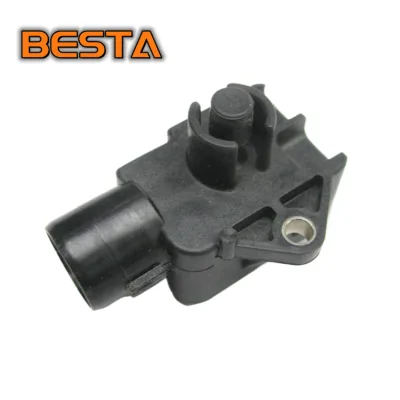
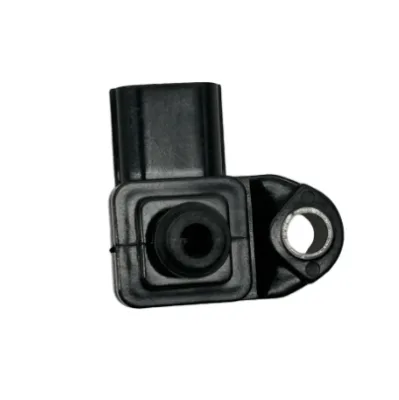
31372487 Suitable for Volvo Intake Pressure Sensors
$16.00 - $20.00
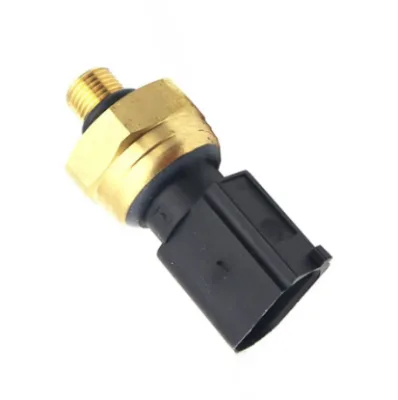
Hangzhou Meisu Automotive Parts Co., Ltd
- Verified by SGS
- Trading Company
- China Zhejiang
- Lead time30 days
Main productsTransmission Parts, Automatic Transmission, Transmission Clutch, Transmission Tcu, Transmission Flywheel, Transmission Valve Body, Transmission Mechatronics Unit, Gearbox, Transmission Actuator, Transmission Line Board
Main marketsDomestic
Guangzhou Yihua Yiyu Trading Co., Ltd.
- Trading Company, Buying Office, Distributor/Wholesaler
- Guangdong, China
- Lead time7 days
- Avg. response≤ 2h
Main productsAuto Electrlcal Systems,Auto Engine Systems,Auto Transmission Systems,Auto Sensor,Control Valve
Main marketsSouth America(40.00%), North America(17.00%), Western Europe(5.00%), Eastern Asia(5.00%), Mid East(5.00%), Southern Europe(5.00%), Northern Europe(5.00%), Central America(5.00%), Eastern Europe(5.00%), Southeast Asia(3.00%), South Asia(2.00%), Africa(2.00%), Oceania(1.00%)

Hebei Daimosi Auto Parts Co., Ltd
- Verified by BV
- Trading Company,Manufacturer/Factory
- China Hebei
- Lead time23 days
Main productsKorean Car Engine, Automobile Fuel Nozzle, Spark Plug, High-Pressure Pump, Ignition Coil, Window Lifter Motor, Engine Tensioner, Thermostat, Sensor, Oxygen Sensor
Main marketsSouth America,Eastern Europe,Mid East,North America,Southeast Asia,Eastern Asia,Oceania,Western Europe,Africa
Yichun Hengjin Auto Parts Co., Ltd.
- Verified by TüVRheinland
- Trading Company
- Lead time7 days
- Avg. response≤ 3h
Main productsAuto Sensors, Auto Electronics Accessories
Main marketsNorth America(33%), Southeast Asia(30%), Mid East(23%)
Guangzhou Juhongsheng Automotive Parts Co., Ltd.
- Manufacturer, Trading Company
- Guangdong, China
- Lead time0 days
- Avg. response≤ 3h
Main productsComplete series of engine parts,All series of automotive chassis components,Water pump additional water pump electronic water pump,High pressure oil pump Low pressure oil pump Oil pump Vacuum pump,Timing repair kit engine repair kit
Main marketsSouth America(20.00%), Eastern Asia(20.00%), North America(20.00%), Eastern Europe(15.00%), Mid East(15.00%), Western Europe(10.00%)

Guangzhou Xin Sande Auto Parts Co., Ltd.
- Verified by TUVRHEINLAND
- Trading Company
- China Guangdong
- Lead time30 days
Main productsCar Part
Main marketsSouth America,Southeast Asia/ Mideast,North America

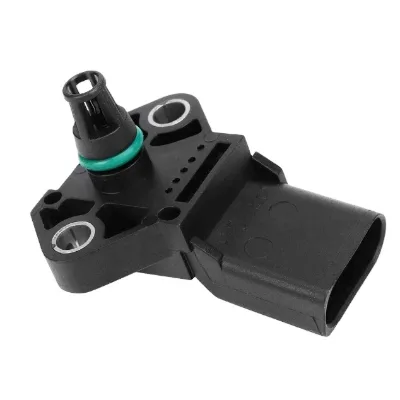
Intake Manifold Pressure Sensor for VW Jetta Golf Beetle Passat Tiguan Audi A3 A4 A6 A8 0261230095
$6.85 - $7.77
MOQ: 20 Pieces


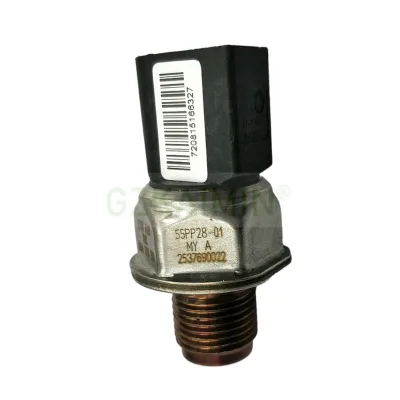
Diesel Fuel Rail Common Pressure Sensor for VW Golf Jetta Audi 2.0 Tdi OEM 03L906054A 85PP26-93
$5.00 - $5.90
MOQ: 20 Pieces

Flying Bull (Ningbo) Electronic Technology Co., Ltd.
- Verified by SGS
- Combined
- China Zhejiang
- Lead time23 days
Main productsSolenoid Valve
Main marketsEurope

Fuel Pressure Sensor 03c906051A for Audi / VW / Seat, 3-Pin, M6-1.0, Replaces 03c 906 051 a
$7.00 - $10.00
MOQ: 10 pieces


03L906051 / 55PP26-02 Fuel Rail Pressure Sensor for VW/Audi Tdi, Replaces 03L906089b / 03L906054A
$5.19 - $5.23
MOQ: 20 Pieces


Wenzhou Credit Parts Co., Ltd.
- Verified by TUVRHEINLAND
- Combined
- China Zhejiang
- Lead time15 days
Main productsFuel Injector, Fuel Pump, Vvt Variable Valve, Sensor, Fuel Injector Repair Kits, Fuel Pressure Regulator, Idle Air Control Valve, Diesel Injector
Main marketsNorth America


Auto Electrical System S6761 Sw5440 Sw-5440 Electric Oil Pressure Sensor/Switch for Ford
$12.50 - $13.00
MOQ: 100 Pieces
Shanghai Borui Hong Industrial Trading Co., Ltd
- Verified by CTI
- Trading Company,Manufacturer/Factory
- China Shanghai
- Lead time15 days
Main productsThree Phase Transformer, Diesel Generator, Gasoline Generator, Generator Genset, Control Cabinet, Transformer Core, Generator Accessories, Tiller, Marine Engine, Transformer Accessories
Main marketsSouth America,North America,Southeast Asia,Africa

Ruian Ouri I/E Trade Co., Ltd.
- Verified by TUVRHEINLAND
- Trading Company,Manufacturer/Factory
- China Zhejiang
- Lead time45 days
Main productsHeavy Duty Truck Tensioner & Pulley, Truck Sensor, Truck Combination Power Window Switch, Truck Coolant Expansion Tank, Heavy Duty Truck Gas Spring, Truck Cabin Door Handle, Heavy Duty Trucks Accessories, Truck Gear Shift Lever Cable, Truck Cable Wiring Harness, Truck Air Brake Valve
Main marketsSouth America,Eastern Europe,Mid East,North America,Southeast Asia,Eastern Asia,Oceania,Western Europe,Africa
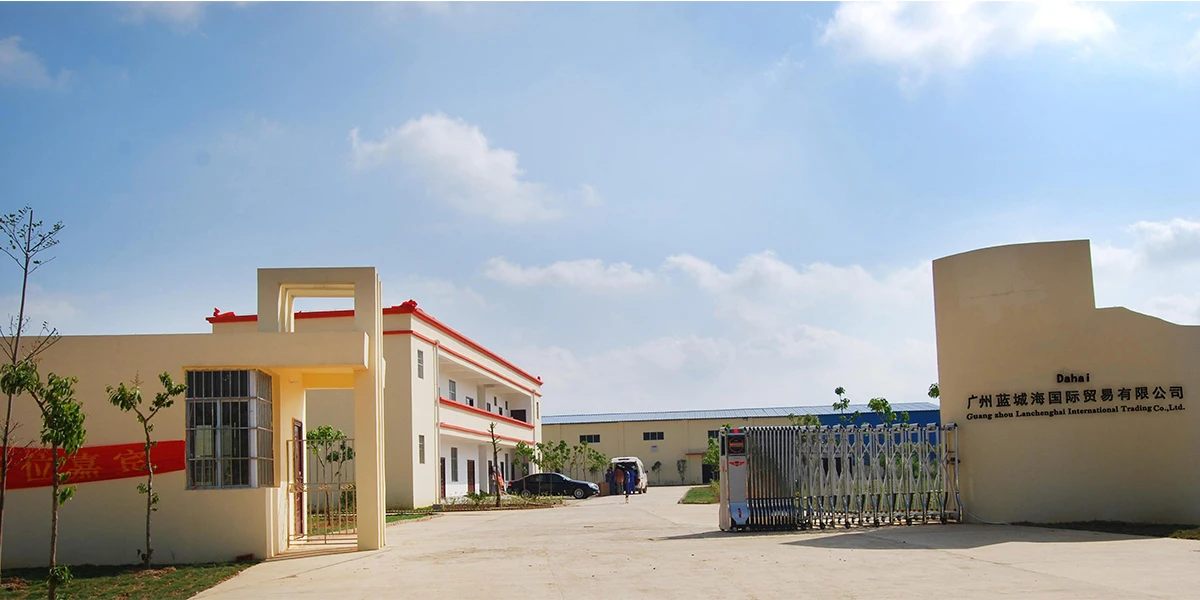
Guangzhou Lanchenghai International Trading Co., Ltd.
- Manufacturer, Trading Company, Distributor/Wholesaler
- Guangdong, China
- Lead time0 days
- Avg. response≤ 8h
Main productsAuto Parts,CAR SENSOR,auto engine parts,car parts,excavator sensor
Main marketsAfrica(12.00%), South America(7.00%), Southeast Asia(6.00%), Eastern Asia(6.00%), Eastern Europe(5.00%), Mid East(5.00%), North America(4.00%), Central America(2.00%), Oceania(2.00%), Domestic Market(1.00%), South Asia(1.00%), Southern Europe(1.00%), Northern Europe(1.00%)

Guangzhou Goson Autopart Co., Ltd
- Verified by BV
- Trading Company
- China Guangdong
- Lead time15 days
Main productsIgnition Coil, Fuel Pump, Oil Nozzle, Fuel Oil Pump Assembly, Computer Board, Oxygen Sensor, Water Temperature Sensor, Idle Speed Motor
Main marketsDomestic

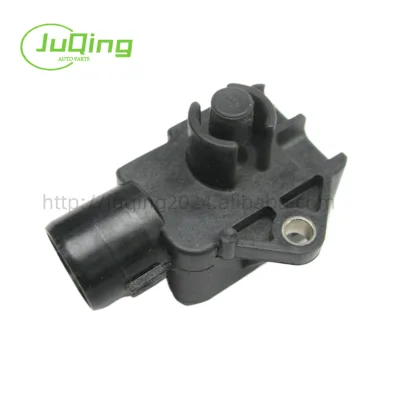
Intake Pressure Sensor Air Pressure Sensor Automobile Pressure Sensor. 89420-97214 Qing Ling Pickup
$8.00 - $12.00
MOQ: 10 Pieces

Guangzhou Gangjie Auto Parts Co., Ltd.
- Manufacturer, Trading Company, Distributor/Wholesaler
- Guangdong, China
- Lead time3 days
- Avg. response≤ 2h
Main productsEngine Parts,Chassis Parts,wheel bearing,Braking System,suspension system
Main marketsSoutheast Asia(20.00%), Oceania(15.00%), Southern Europe(11.00%), Western Europe(9.00%), Eastern Europe(8.00%), Domestic Market(7.00%), Eastern Asia(6.00%), North America(5.00%), Northern Europe(4.00%), South America(3.00%), Africa(3.00%), Mid East(3.00%), Central America(3.00%), South Asia(3.00%)

Wenzhou Jinyue Auto Parts Co.,Ltd
- Verified by CTI
- Trading Company
- China Zhejiang
- Lead time23 days
Main productsPickup Parts, Engine Auto Parts, Clock Spring, Sensors, Window Switches, Isuzu Parts, Ford Parts, Dmax Parts
Main marketsSoutheast Asia/ Mideast,North America

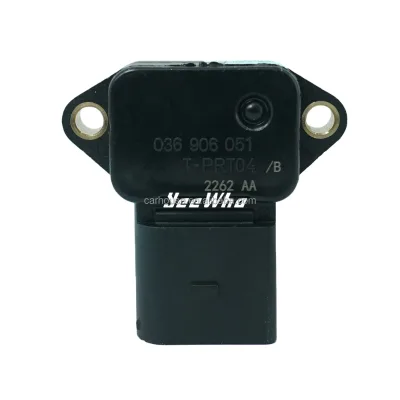
Map Pressure Sensor 036906051g for V_W Jetta Golf Passat Tiguan Au_Di A3 A4 A6 A8 1 Year Car Senser
$3.60 - $4.50
MOQ: 50 Pieces

for 2017-2022 Au-Di A4 B9 Fuel Pressure Sensor 06L906054e Engine Spare Part Car Senser
$7.50 - $9.00
MOQ: 50 Pieces
Shenzhen Boundless Sensor Technology Co., Ltd.
- Verified by TüVRheinland
- Manufacturer, Trading Company
- Lead time0 days
- Avg. response≤ 3h
Main productsAuto Sensor, Pressure Sensor, Temperature Sensor, Current Sensor, Tire Pressure Monitoring System
Main marketsDomestic Market(60%), Western Europe(6%), Southern Europe(6%)

Guangzhou 329 Engineering Machinery Parts Company
- Trading Company,Manufacturer/Factory
- China Guangdong
- Lead time38 days
Main productsExcavator, Track, Engine, Hydraulic Pump, Hydraulic Motor, Radiator, Filter, Motor, Sensor, Seal
Main marketsSouth America,Mid East,North America,Southeast Asia,Eastern Asia,Oceania,Western Europe,Africa
Guangzhou Suqing Trading Co., Ltd.
- Manufacturer, Trading Company
- Guangdong, China
- Lead time0 days
- Avg. response≤ 2h
Main productsEngine parts,Brake system accessories,Electrical system accessories,Car body accessories,Chassis components
Main marketsNorth America(30.00%), Southeast Asia(20.00%), Mid East(10.00%), Eastern Europe(10.00%)
Guangzhou Anderui Electronic Technology Co., Ltd.
- Verified by Intertek
- Manufacturer, Trading Company
- Lead time0 days
- Avg. response≤ 3h
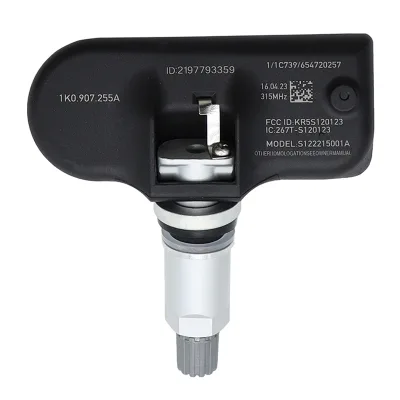
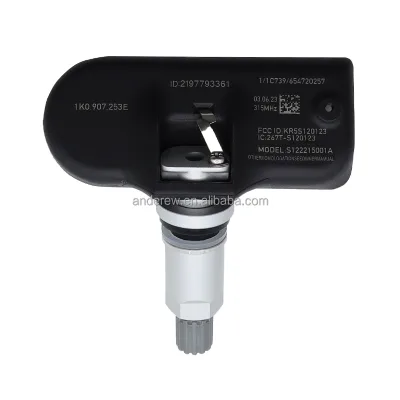
Main productsTPMS Sensor
Main marketsDomestic Market(70%), Mid East(9%), North America(8%)

Fuzhou Guangling Electrical Machinery Equipment Co., Ltd.
- Verified by CTI
- Manufacturer/Factory
- China Fujian
- Lead time15 days
Main productsDiesel Generator, Alternator, Diesel Generator Parts, Marine Generator, Gasoline Generator, RV Generator, Light Tower Generator
Main marketsSouth America,Eastern Europe,Mid East,North America,Southeast Asia,Eastern Asia,Oceania,Western Europe,Africa

Hubei Diyue Auto Parts Co., Ltd.
- Verified by SGS
- Trading Company
- China Hubei
- Lead time15 days
Main productsDiesel Engine Parts, Auto Spare Parts, Engine Assembly, Fuel Pump Oil Pump Doser Pump Urea Pump, Fuel Injector, Ecm & ECU, Filter Fleetguard, Turbocharger Holset, Sensor Nox Sensor Wiring Harness, Bearing Rocker Arm Tappet Valves
Main marketsEurope








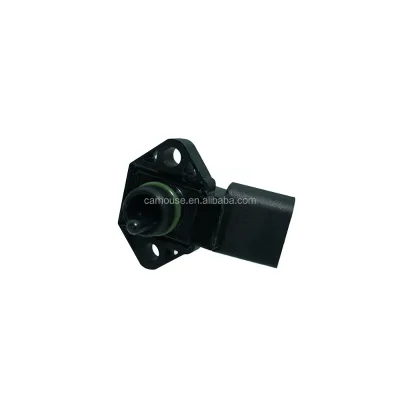


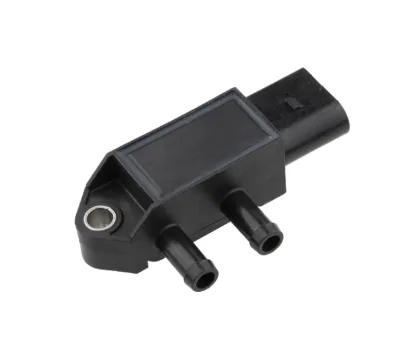
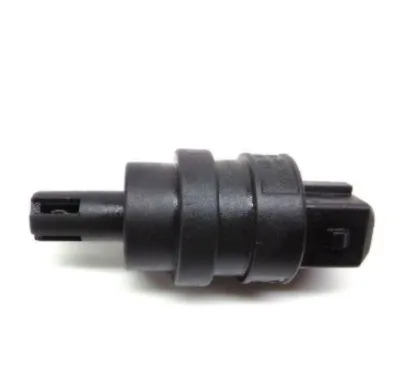
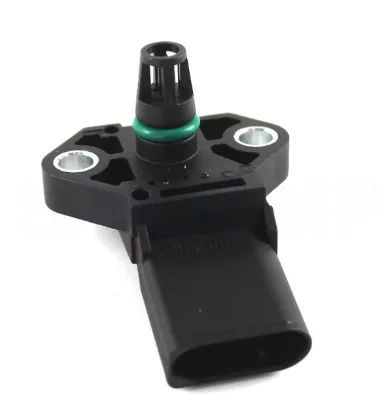
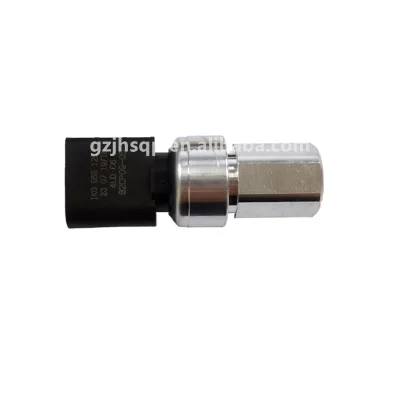


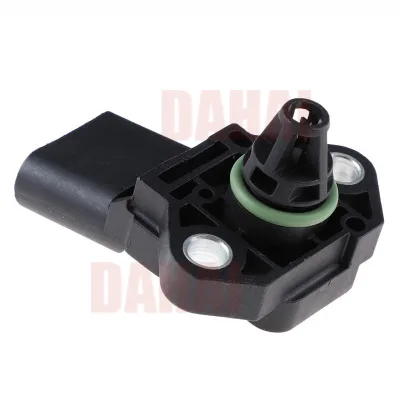
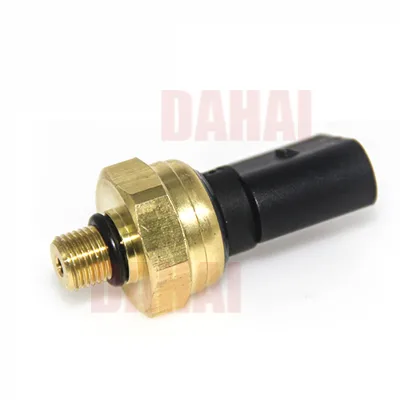
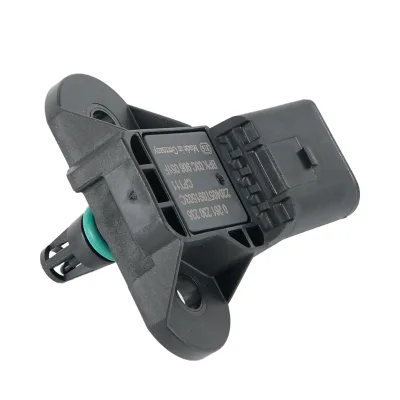




Comprehensive Sourcing Guide
VW Auto Intake Pressure Sensor Supplier Concentration and Factory Types
The current supplier landscape for VW auto intake pressure sensors reveals a mix of manufacturer and trading company entities operating primarily within China. Specific results indicate a concentration of activity in Guangdong, with additional presence noted in Zhejiang. These regions serve as the primary hubs where production capabilities and trading operations converge to support the automotive aftermarket. Buyers observing these results should note that the supplier pool includes entities offering sample processing and customized on-demand graphic processing, suggesting a capacity for tailored production runs rather than purely off-the-shelf inventory.
Company types vary significantly across the available results, with some suppliers identified strictly as trading companies while others function as manufacturers. This distinction is critical for understanding the supply chain structure. Manufacturers often provide direct access to production lines and may offer broader customization options like ODM and OEM services. Trading companies, conversely, may aggregate products from various factories to offer a wider range of SKUs, such as fuel pumps, ignition coils, and various sensor types alongside intake pressure sensors. Buyers must verify the specific operational model of each potential partner to ensure alignment with their sourcing strategy.
How to Verify VW Auto Intake Pressure Sensor Suppliers
Verification of supplier credibility relies heavily on third-party validation and specific product evidence found in the search results. Several suppliers in the current dataset display verification status from SGS Group, a recognized international inspection and certification body. This verification serves as a primary indicator of a supplier's commitment to quality standards and operational transparency. When evaluating potential partners, buyers should prioritize those with active SGS verification or similar recognized credentials to mitigate the risk of dealing with unvetted entities. The presence of such verification is a concrete fact that can be used to filter the supplier list effectively.
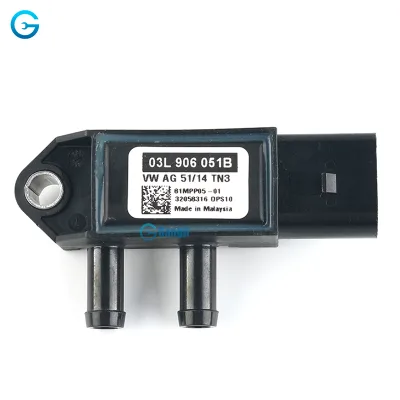
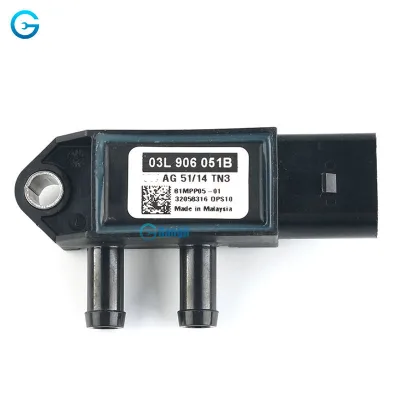
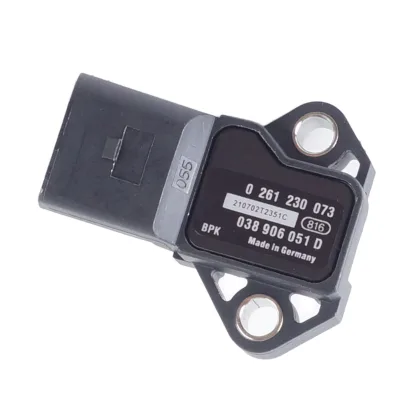
Beyond general verification, buyers must scrutinize specific product attributes and test claims to ensure authenticity. Results show products labeled with specific OEM numbers like 03L 906 051B and 03L906051d, which are essential for matching parts to specific VW and Audi models. Some listings explicitly state that products undergo "100% Professional Tested" quality checks before shipment. Buyers should request detailed test reports or certificates of conformity that correspond to these specific claims. Additionally, checking the "Place of Origin" listed in product attributes, such as Guangdong or Zhejiang, helps confirm the physical location of the manufacturing or trading entity against the claimed verification status.
What to Compare Across VW Auto Intake Pressure Sensor Suppliers
When comparing suppliers, key operational metrics such as lead time, minimum order quantity (MOQ), and response time provide a clear basis for differentiation. Current data indicates a response time of approximately four hours for some suppliers, which is a significant factor for urgent procurement needs. Lead times vary, with some listings showing a standard 30-day window, while others offer faster shipment options of three days for specific stock items. Buyers should create a comparison matrix that weighs these timeframes against their specific inventory requirements and production schedules to identify the most suitable partners.
Pricing and order volume constraints are equally critical dimensions for comparison. The observed price range for specific sensor models spans from 6.00 to 10.00 units of currency, with MOQs fluctuating between 10 and 50 pieces depending on the supplier and product configuration. Some suppliers offer a low MOQ of just one piece, while others require bulk purchases of 50 units. Buyers must analyze these thresholds in the context of their budget and storage capacity. Furthermore, comparing the main product focus of each supplier, such as those specializing in transmission parts versus those focusing on pneumatic components, helps ensure the supplier has the necessary expertise and inventory depth for VW auto intake pressure sensors.
Common VW Auto Intake Pressure Sensor Sourcing Risks
One significant risk in sourcing these components involves the discrepancy between product descriptions and actual specifications. Some listings describe items as "Remanufactured" while others imply "Original" status, creating potential confusion regarding the quality and origin of the parts. Buyers must carefully distinguish between remanufactured units and brand-new OEM equivalents to avoid receiving products that do not meet their quality expectations. The presence of conflicting attributes, such as varying model numbers or inconsistent condition descriptions, necessitates rigorous pre-order verification to ensure the received goods match the intended application.
Another risk pertains to the reliability of delivery timelines and the consistency of product availability. While some suppliers advertise a shipment time of three days, others indicate a delivery window of 3 to 10 working days, and general lead times can extend to 30 days. This variability can disrupt supply chains if not managed proactively. Additionally, the lack of standardized certifications across all suppliers, with some showing "NIL" for system certification, introduces uncertainty regarding compliance with international safety and quality standards. Buyers should verify the specific certification status of each supplier before committing to large orders to prevent potential regulatory or quality issues.
VW Auto Intake Pressure Sensor Regional Sourcing and Logistics
Geographic location plays a pivotal role in determining logistics efficiency and cost structures for sourcing VW auto intake pressure sensors. The current results highlight a strong concentration of suppliers in Guangdong, China, with a secondary cluster in Zhejiang. These regions are well-established manufacturing hubs that offer robust infrastructure for exporting automotive parts. Buyers sourcing from these areas can generally expect access to established shipping routes and logistics networks. However, the specific location of the supplier, whether in Guangdong or Zhejiang, may influence transit times and freight costs, requiring buyers to calculate these variables based on their destination port.
Logistics planning must also account for the specific packaging and shipping details provided in product attributes. Listings often specify packaging standards, such as "PP Bag+Box+Carton" or "OEM Package," which impact the weight and volume of the shipment. For instance, some products list a single gross weight of 0.200 kg, while others provide detailed package dimensions like 15x18x20 cm. These details are essential for accurate freight calculation and customs clearance. Buyers should request precise packing lists and shipping documents from suppliers to ensure that the logistics plan aligns with the physical characteristics of the goods being sourced.
VW Auto Intake Pressure Sensor Commercial Terms and Order Planning
Commercial terms regarding customization and warranty are vital components of the order planning process for VW auto intake pressure sensors. Many suppliers in the current dataset indicate that customization is available, offering options for OEM and ODM services. This flexibility allows buyers to tailor products to specific vehicle models or branding requirements. However, the extent of customization varies, with some listings noting "Non-Customized" options alongside available customization. Buyers must clearly define their customization needs and confirm the supplier's capacity to meet these specific requirements before finalizing the order to avoid production delays.
Warranty and payment terms further define the commercial relationship and risk allocation between buyer and supplier. Current product evidence shows a standard warranty period of 12 months for certain sensor models, providing a baseline for after-sales support. Buyers should verify if this warranty applies to all units or only specific configurations. Additionally, understanding the payment structure and any escrow options is crucial for financial security. While specific payment terms are not detailed in the provided facts, buyers should negotiate clear terms that protect their interests, ensuring that payment is released only after the goods meet the agreed-upon quality and delivery specifications.
FAQs
What is the typical lead time for VW intake pressure sensors?
The typical lead time for these sensors is 30 days. Some suppliers offer faster shipment options within 3 days for stock items. Buyers should confirm specific delivery windows based on their order quantity and the supplier's current production schedule before placing an order.
What is the minimum order quantity for these auto sensors?
Minimum order quantities vary by supplier, ranging from 10 to 50 pieces. Some listings show a minimum of 20 units, while others require 50 pieces for bulk pricing. Buyers must check the specific product page to verify the exact MOQ required for their purchase.
Are these sensors verified by third-party inspection agencies?
Yes, several suppliers are verified by SGS Group. This verification adds a layer of trust regarding the supplier's business legitimacy. Buyers should look for the SGS badge on the supplier profile to confirm that the company has undergone this specific third-party assessment process.
Where are these auto parts primarily manufactured?
Most of these sensors originate from Guangdong, China. Some listings also indicate origins in Guangzhou or Zhejiang. Buyers should verify the specific place of origin listed on the product page to ensure it matches their sourcing preferences or regulatory requirements.
What is the price range for VW exhaust pressure sensors?
Prices for these sensors typically range from 6.00 to 10.00 USD per unit. Specific listings show costs between 7.00 and 9.00 USD for certain models. The final price depends on the order quantity, the specific sensor model, and the supplier's pricing structure.
Do suppliers offer customization for these pressure sensors?
Customization is available for many of these auto sensors. Suppliers offer ODM and OEM services to meet specific requirements. Buyers should check the product attributes to confirm if customization is available for their specific model and what the associated lead times might be.
How quickly do suppliers typically respond to inquiries?
Suppliers generally respond within 4 hours to buyer inquiries. This response time helps facilitate faster communication regarding product details and order status. Buyers can expect a prompt reply when contacting verified suppliers for immediate assistance with their sourcing needs.