Electric Window Switch Suppliers and Manufacturers
Source 15 verified suppliers for Electric Window Switch components and assemblies. Compare key dimensions including lead times, MOQs, certifications, and response rates to identify suitable partners. Review product specifications and request quotes directly from the listed manufacturers; review the available evidence before requesting comparable quotations from suitable candidates.
Suppliers List

NINGBO FBELE ELECTRONICS CO., LTD.
- Trading Company
- China Zhejiang
- Lead time15 days
- Avg. response≤ 15h
Main productsSolar Cell, Buzzer, Fuse and Fuse Holder, Terminal Block, Switch, Speaker, Telephone Receiver, Siren, Rj, USB Connector
Main marketsSouth America,Southeast Asia/ Mideast,Europe

Shanghai Junxiang Auto Parts Co., Ltd.
- Verified by SGS
- Trading Company
- China Shanghai
- Lead time38 days
- Avg. response≤ 1h
Main productsIgnition Starter Switch, Wire Harness/Clip, Connectors&Terminals, Head/Fog/Tail Light, Metal Parts, Fuse Box, Turn Signal Switch, Power Window Switch, Wiper Switch, Fog Light Switch
Main marketsSouth America,Domestic,North America
Guangzhou Hengyang Technology Development Co., Ltd.
- Verified by BV
- Manufacturer/Factory
- China Guangdong
- Lead time23 days
- Avg. response≤ 5h
Main productsAir Filter, Oil Filter, Spark Plug, Ignition Coil, Oxygen Sensor, Fuel Pump, Fuel Injector, Spark Plug Wire, Fuel Filter, Head Gasket
Main marketsSouth America,Mid East,North America,Southeast Asia,Eastern Asia,Africa

Original Electric Power Window Switches Universal Window Lifter Switch for 25401-Jg410
$8.00 - $18.00
MOQ: 50 Pieces


High Qualtiy Window Lifter Control Switch Electric Window Switch 84820-33060
$8.00 - $18.00
MOQ: 50 Pieces


Wenzhou Gaoxinte Electric Co., Ltd.
- Trading Company,Manufacturer/Factory
- China Zhejiang
- Lead time38 days
- Avg. response≤ 19h
Main productsSwitch, Socket, Plug, Outlet, Lampholder, Switch Socket, Switched Socket with USB Outlet, Socket with Switch, GFCI, Type C
Main marketsSouth America,North America,Eastern Asia
Ningbo Kara Electronic Co., Ltd.
- Combined
- China Zhejiang
- Lead time30 days
- Avg. response≤ 23h
Main productsSwitch, Rocker Switch, Push Button Switch, Rotary Switch, Micro Switch, Automotive Switch, Waterproof Switch, Door Switch, in Line Switch, Trigger
Main marketsSouth America,Southeast Asia/ Mideast,East Asia(Japan/ South Korea),Domestic,Australia,North America

Wenzhou Huafeng Electric Co., Ltd.
- Verified by SGS
- Combined
- China Zhejiang
- Lead time30 days
- Avg. response≤ 4h
Main productsWall Switch, Socket, Plug, Circuit Breakers, Lighting Equipment, Wall Socket, Swith Socket, LED Bulb, Switches, Cable Tie
Main marketsSouth America,Africa,Others(foreignTradeCapacity.exportBusinessCapacityMarketOther),Europe,North America


High Quality European Style Switch Window Curtain up Down Switch With Spring
$2.70 - $2.78
MOQ: 500 Pieces


Ningbo Sentek Electronics Co., Ltd.
- Verified by BV
- Combined
- China Zhejiang
- Lead time30 days
- Avg. response≤ 16h
Main productsSmoke Alarm, Smoke Detector, Fire Detector, Magnetic Contact, Co Alarm, Co Detector, Gas Detector, Carbon Monoxide Detector, Heat Detector, Smoke Sensor
Main marketsSouth America,Africa,Southeast Asia/ Mideast,East Asia(Japan/ South Korea),Europe,Australia,North America


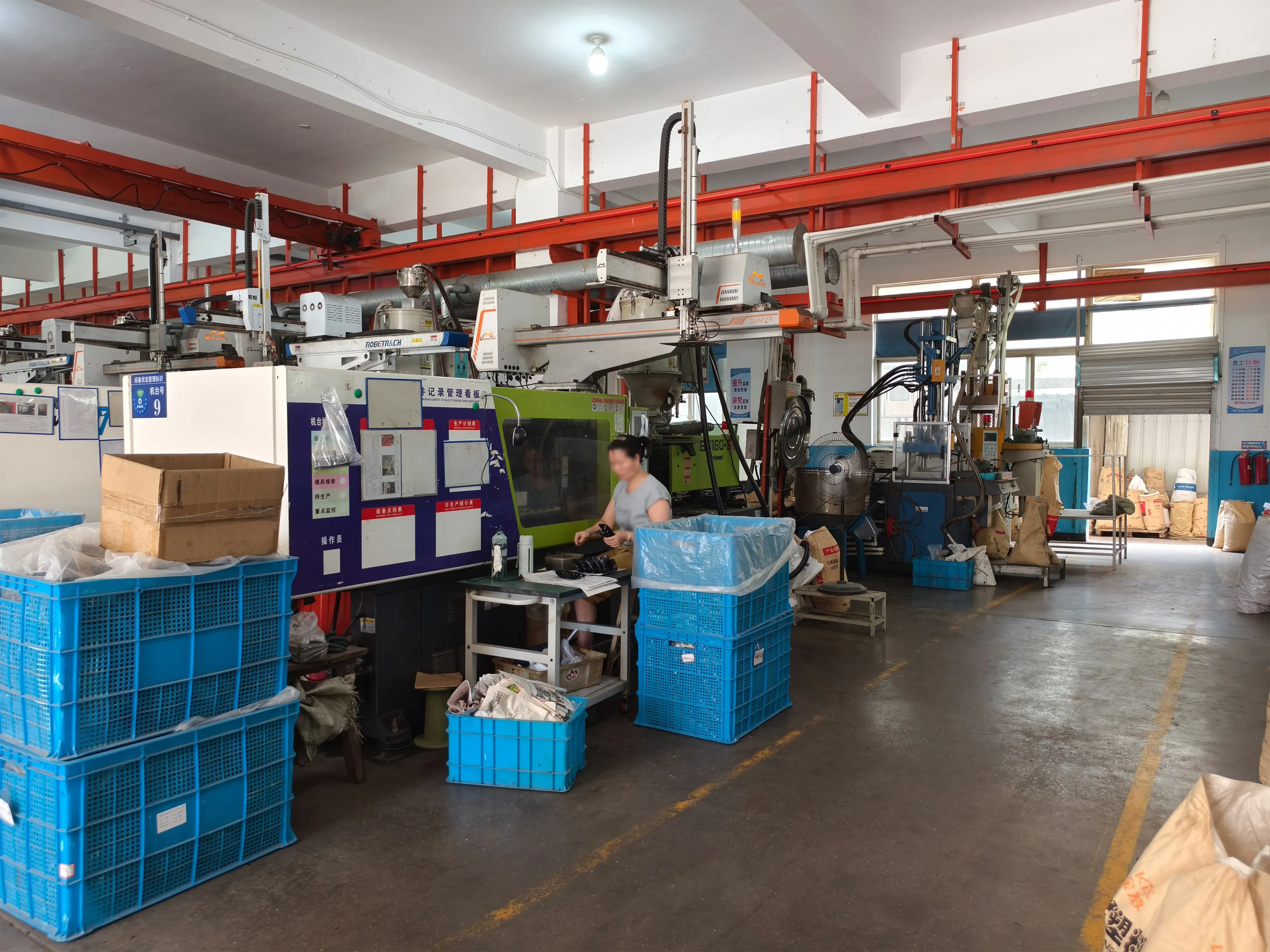
Wired Magnetic Sensor Window Contact Switches
MOQ: 1000 Pieces
Changsha Sainengte Electronic Technology Co., Ltd.
- Trading Company
- Hunan, China
- Lead time30 days
- Avg. response≤ 3h
Main productsAuto Parts,Electronics,Automobile
Main marketsDomestic Market(30.00%), North America(30.00%), Mid East(10.00%), South America(10.00%), Central America(10.00%), Africa(5.00%), Southeast Asia(5.00%)

Shenzhen Hongrun Vehicle Parts Co., Ltd.
- Verified by SGS
- Trading Company
- China Guangdong
- Lead time30 days
- Avg. response≤ 25h
Main productsLED Trailer Light, Trailer LED Lamp, Excavator Part, Trailer Spare Part, Air Bag and Air Spring, Volvo Truck Part, Scania Truck Part, Daf Truck Part, Excavator Undercarriage Part, Bulldozer Part
Main marketsSoutheast Asia/ Mideast,Australia

Power Window Lifter Switch 943820097
MOQ: 1 Pieces


Zuden Technology (HK) Co., Limited
- Verified by CTI
- Combined
- China Guangdong
- Lead time15 days
- Avg. response≤ 8h
Main productsAlarm System, Access Control, Electromagnetic Lock, Home Security System, Alarm Strobe Siren, Magnetic Contact, WiFi Home Security Wireless Burglar GSM Alarm, Home Security Wireless Burglar GSM Alarm System, Metal Standalone RFID Door Access Control, Smart Home
Main marketsSouth America,Southeast Asia/ Mideast,Europe,Australia

Hangzhou Safedoor Automation & Hardware Co., Ltd.
- Verified by TUVRHEINLAND
- Trading Company
- China Zhejiang
- Lead time15 days
- Avg. response≤ 17h
Main productsAutomatic Door, Door Opener, Automatic Door Operator, Sliding Door Operator, Swing Door Operator, Microwave Sensor and Photocell, Access Control Reader, Electric Locks, Automatic Door Battery, Glass Door
Main marketsOthers(foreignTradeCapacity.exportBusinessCapacityMarketOther),Southeast Asia/ Mideast


MOQ: 1 Pieces

Shanghai Wafer Microelectronics Co., Ltd.
- Trading Company,Manufacturer/Factory
- China Shanghai
- Lead time0 days
- Avg. response≤ 25h
Main productsCoin Acceptor, Coin Selector, Vending Machine, Door Sensor, Remote Control, Automatic Door

Fuzhou Keruida Electric Porcelain And Appliance Co., Ltd.
- Verified by SGS
- Combined
- China Fujian
- Lead time15 days
- Avg. response≤ 5h
Main productsRetro Switch
Main marketsEurope

Taicang Xinxing Machinery Factory
- Verified by TUVRHEINLAND
- Trading Company,Manufacturer/Factory
- China Jiangsu
- Lead time23 days
- Avg. response≤ 10h
Main productsElevator Guide Rail, Elevator Parts, Elevator Lift, Escalator Parts, Elevator Rope Attchment, Elevator Guide Shoe, Elevator Sheave, Elevator Button, Precision CNC Machining Parts, Elevator Lop Hall Lantern/ Lamp
Main marketsSouth America,Eastern Europe,Mid East,North America,Southeast Asia,Eastern Asia,Oceania,Western Europe,Africa

- Manufacturer/Factory
- Taiwan_China Taiwan
- Lead time0 days
- Avg. response≤ 25h
Main productsKey Switch Lock, Furniture Locks, Notebook Security Lock, Padlock, Cam Locks

MOQ: 3000 Pieces

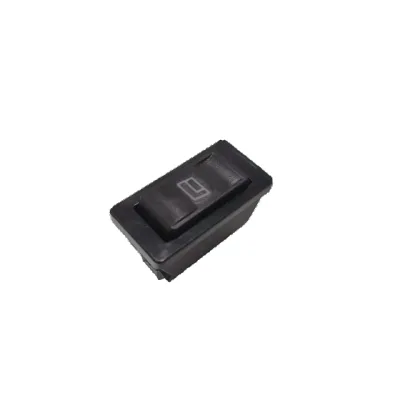
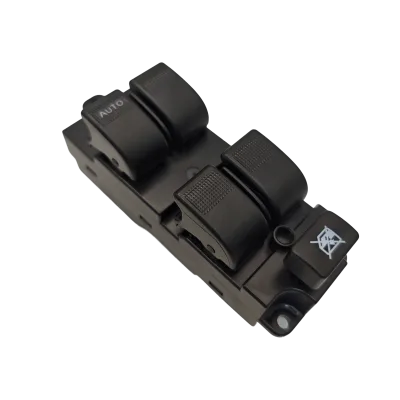
Dual Functional Key Lock Switch
MOQ: 2000 Pieces




Comprehensive Sourcing Guide
Electric Window Switch Supplier Concentration and Factory Types
Current data indicates a concentration of suppliers in China, specifically within the Zhejiang and Shanghai regions. Fact records show Ningbo as a specific origin point for several automotive switch models, suggesting a localized manufacturing cluster for these components. Buyers should verify if a supplier's stated location aligns with these known industrial hubs to ensure proximity to established supply chains. The available results identify a mix of trading companies and manufacturers, with some entities explicitly listing ODM and OEM capabilities alongside their own brand production. This distinction is critical because trading companies may aggregate products from various factories, whereas manufacturers control the production process directly.
When evaluating the factory type, buyers must look for explicit statements regarding production capacity and customization. Some supplier profiles list main products that include ignition starter switches, wire harnesses, and power window switches, indicating a broader automotive electrical focus. Others specialize in specific components like micro switches or rotary switches, which may require integration into a larger window switch assembly. The presence of "Power Built-in Type" structures in product attributes suggests specific manufacturing expertise. Buyers should confirm whether the supplier's primary business model supports the volume and technical requirements of their specific project, as trading companies might offer faster sourcing but less control over the manufacturing timeline.
How to Verify Electric Window Switch Suppliers
Verification begins with checking for recognized third-party certifications and system standards. While some product listings display certifications such as CCC, CE, UL, ISO, FCC, and RoHS, other entries show "NIL" for system certification. This variance requires buyers to request specific documentation for the exact model they intend to purchase rather than assuming all products from a supplier carry the same credentials. A verified status, such as an SGS verification mentioned in one profile, adds a layer of confidence regarding the supplier's business legitimacy. However, buyers must distinguish between product-level certifications and company-level system audits, as a supplier may have certified products but lack a verified management system.
Response time and delivery details serve as practical indicators of supplier reliability and operational efficiency. Data shows response times ranging from 0.03 to 14.37, with some suppliers providing specific delivery details like "10 days" for certain items. A rapid response time often correlates with active sales teams and streamlined communication channels, which is vital for resolving technical queries about switch specifications. Buyers should also verify the "Delivery Detail" claims against the stated lead times, which vary from 15 to 38 days depending on the supplier and order complexity. Cross-referencing these metrics helps identify suppliers who can meet urgent project deadlines without compromising on quality assurance processes.
What to Compare Across Electric Window Switch Suppliers
Comparing suppliers requires a detailed analysis of technical specifications and product attributes. Key differentiators include the electrical life, contact resistance, and insulation resistance, which vary significantly between models like the MRS-101A and ASW-02D. Some products offer a mechanical life of 20,000 cycles, while others specify 100,000 cycles, directly impacting the longevity of the window switch in automotive applications. Buyers must also evaluate the contact type, such as "Type c Contact," and the voltage ratings, which range from 125VAC to 250VAC. These technical parameters determine the switch's suitability for specific vehicle electrical systems and must match the buyer's engineering requirements precisely.
Commercial terms and minimum order quantities (MOQ) are equally critical for cost planning and inventory management. The data reveals MOQs ranging from 100 units to 2,000 units, with prices varying from $0.08 to $0.50 per unit. A supplier with a low MOQ of 100 may be suitable for prototyping or small-batch orders, whereas a supplier requiring 2,000 units might offer better economies of scale for mass production. Additionally, customization availability is a key factor; some listings explicitly state that customization is available, allowing for tailored solutions, while others may only offer standard configurations. Buyers should calculate the total cost of ownership, including shipping and potential rework costs, rather than focusing solely on the unit price.
Common Electric Window Switch Sourcing Risks
One significant risk involves the discrepancy between claimed certifications and actual product compliance. While some listings display extensive certification lists including DOT, E-MARK, and ASTM, others show no system certification. This inconsistency can lead to compliance issues if the buyer imports products into markets with strict regulatory requirements. Buyers must verify that the specific batch of switches they receive carries the necessary certifications for their target market, rather than relying on general supplier claims. The absence of a verified system certification in some profiles increases the risk of receiving non-compliant goods, which could result in customs delays or product recalls.
Another risk is the variability in lead times and the potential for supply chain disruptions. Lead times in the data range from 15 to 38 days, and some suppliers provide specific delivery windows while others do not. Relying on a supplier with a long lead time without a buffer can jeopardize production schedules, especially if the supplier is a trading company managing multiple clients. Furthermore, the "Standard Export Carton" packing method may not be sufficient for all shipping conditions, potentially leading to damage during transit. Buyers should assess the supplier's capacity to handle rush orders and their contingency plans for delays, ensuring that the supply chain remains resilient against unforeseen logistical challenges.
Electric Window Switch Regional Sourcing and Logistics
Sourcing from China, particularly from Zhejiang and Shanghai, offers access to a dense network of automotive electrical component manufacturers. The presence of Ningbo as a specific origin for several switch models highlights the region's specialization in this sector. Buyers should prioritize suppliers located in these established industrial zones to benefit from mature logistics infrastructure and experienced shipping partners. However, the distance between the factory and the port can impact transit times and costs. It is essential to confirm the exact shipping origin and the supplier's experience with international freight to ensure that the goods arrive on time and in good condition.
Logistics planning must account for the specific packaging and handling requirements of electronic components. The data indicates that most suppliers use "Standard Export Carton" or "White Box" packaging, which provides a baseline level of protection. However, for high-value or sensitive switches, additional protective measures may be necessary to prevent damage from moisture or impact during transit. Buyers should also consider the impact of regional holidays and customs procedures on delivery schedules. Establishing a clear communication channel with the supplier regarding shipping updates and tracking information is crucial for managing expectations and mitigating the risks associated with international freight delays.
Electric Window Switch Commercial Terms and Order Planning
Order planning should begin with a clear understanding of the pricing structure and payment terms. The observed price range of $0.08 to $0.50 per unit suggests that volume discounts may be available, but buyers must confirm the exact pricing tiers with the supplier. Some listings show fixed prices, while others may require negotiation based on order volume and customization needs. Buyers should also inquire about payment methods, such as escrow services, to protect their financial interests until the goods are delivered and verified. Understanding the total cost, including taxes and duties, is essential for accurate budgeting and financial planning.
Customization and warranty terms are vital components of the commercial agreement. Many suppliers indicate that customization is available, allowing buyers to tailor switches to specific vehicle models or design requirements. However, the extent of customization and the associated costs must be clearly defined before placing an order. Additionally, warranty periods, such as the 12-month warranty mentioned in one profile, provide a safety net for product failures. Buyers should ensure that the warranty terms cover the specific defects they are concerned about and that the supplier has a clear process for handling warranty claims. Clear communication of these terms helps prevent disputes and ensures a smooth transaction.
FAQs
What is the typical lead time for electric window switches?
Lead times vary by supplier, with observed ranges from 15 to 38 days. Some manufacturers offer faster delivery within 10 days for specific models. Buyers should confirm exact timelines based on order volume and customization needs before placing an order.
What certifications are available for these automotive switches?
Products often carry certifications such as CCC, CE, UL, ISO, FCC, RoHS, and DOT. Specific models may also include E-MARK, MUTCD, ASTM, or AS/NZS standards. Verify the exact certification list for each product to ensure compliance with your regional regulations.
What is the minimum order quantity for window switches?
Minimum order quantities typically range from 100 to 2000 units depending on the specific switch model. Some standard automotive switches require 1000 units, while specialized variants may have lower thresholds. Check individual product listings for precise MOQ requirements.
Where are the manufacturers of these switches located?
Manufacturers are primarily located in China, specifically in Zhejiang and Shanghai regions. Ningbo is also noted as a production origin for several switch models. Buyers can filter results by these locations to find suppliers with established logistics networks.
How quickly do suppliers typically respond to inquiries?
Response times vary significantly, with some suppliers replying within 0.03 hours while others take around 14 hours. Faster response times often indicate higher availability or dedicated support teams. Buyers should prioritize suppliers with shorter response windows for urgent orders.
Are customization options available for electric window switches?
Yes, customization is available for many switch models, including specific colors, contact types, and structural designs. Options often include double control switches or multi-control configurations. Buyers should specify their requirements clearly to ensure the manufacturer can meet their unique needs.
What is the price range for automotive window switches?
Prices generally range from 0.08 to 0.50 USD per unit depending on the model and specifications. Some high-quality switches with extended warranties or specific certifications may fall at the higher end of this range. Bulk orders often influence the final unit cost.