Noise Cancelling Wireless Lavalier Microphone Suppliers and Manufacturers
Browse 32 suppliers of Noise Cancelling Wireless Lavalier Microphone products and compare verified status, location, response time, lead time, ODM and OEM capability, MOQ, and price ranges. Shortlist candidates and request quotations with your target specifications; review the available evidence before requesting comparable quotations from suitable candidates.
Suppliers List
- Verified by SGS
- Trading Company
- China Zhejiang
- Lead time15 days
- Avg. response≤ 12h
Main marketsOthers(foreignTradeCapacity.exportBusinessCapacityMarketOther),North America


Portable Omnidirectional Wireless Microphone with Noise Reduction Technology
$4.89 - $5.47
MOQ: 183 Sets

Hot Selling Portable Wireless Lavalier Microphone Noise Cancelling Clip on Mic
$7.29 - $8.14
MOQ: 200 Pieces

New Arrival Private Model Wireless Lavalier Microphone Charging Case Noise Cancelling
$15.79 - $17.64
MOQ: 100 Pieces

Newest Wireless Lavalier Microphone Private Mold Digital Display Charging Case Noise Canceling
$8.26 - $9.23
MOQ: 200 Pieces

Hot Selling Wireless Lavalier Microphone Clip on Mic Noise Cancelling Live Streaming
$6.07 - $6.79
MOQ: 200 Pieces
Shenzhen Casdony Technology Co., Ltd.
- Manufacturer, Trading Company
- Lead time旺季: "1 - 100":10,"> 100":"To be negotiated", 淡季: "1 - 100":10,"> 100":"To be negotiated"
- Avg. response≤ 13h
Main productsguitar accessory,music toy,drum accessory,music effect,woodwind
- Verified by TüVRheinland
- Trading Company
- Lead time15 days
Main productsPhotographic Flash, Continuous Light, LED Panel Light, Light Stand, Photography Accessories
Main marketsNorth America(15%), South America(15%), Southeast Asia(10%)
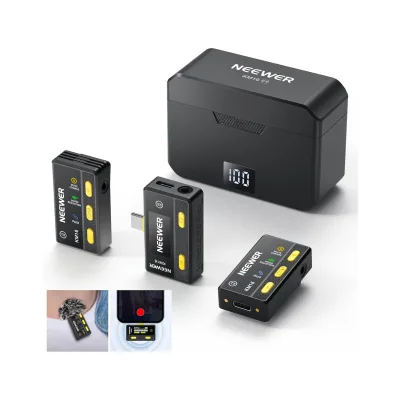
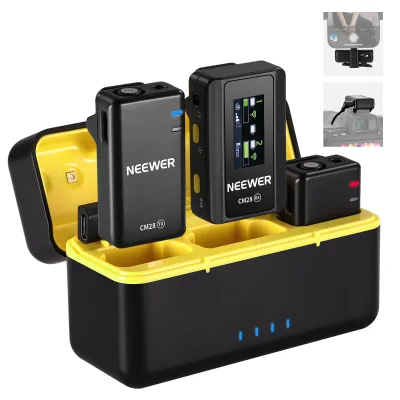
4GB Storage Wireless Lavalier Microphone Professional Wireless Lavalier Microphone
$68.00 - $81.00
MOQ: 30 pieces


Dongguan Bowen Electronic Technology Limited
- Trading Company
- Dongguan, China
- Lead time0 days
- Avg. response≤ 2h
Main productsToys&Hobbies,Educational Toys,Puzzle & Games,Blocks&Model Building Toys,Remote Control Toys
Main marketsNorth America(25.00%), South America(20.00%), Eastern Europe(10.00%), Western Europe(8.00%), Central America(8.00%), Northern Europe(6.00%), Southern Europe(5.00%), Southeast Asia(5.00%), Eastern Asia(4.00%), Africa(3.00%), Mid East(3.00%), Oceania(2.00%), South Asia(1.00%)

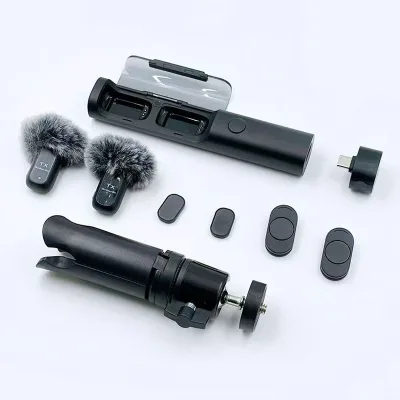
$15.42 - $16.44
MOQ: 10 Minimum
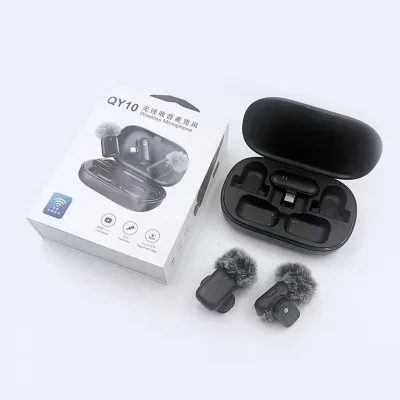
Portable Professional Wireless Lavalier Microphone for Podcast Recording (Plastic)
$9.01 - $9.73
MOQ: 10 pieces
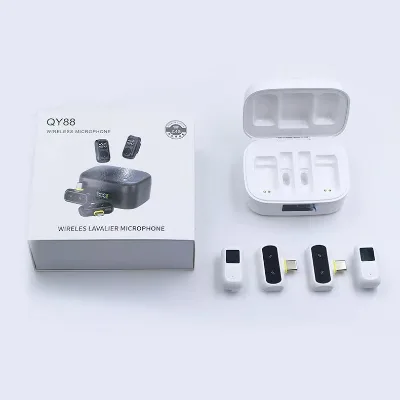
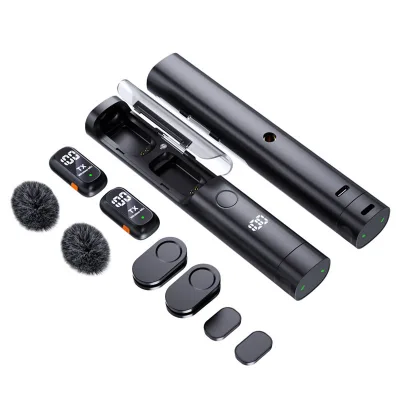
QY99 Wireless Dynamic Multi-Mode Lavalier Handheld Desktop Clip-on Microphone and Noise Reduction
$15.35 - $16.38
MOQ: 10 Minimum
Shenzhen LGYD Electronics Co., Ltd.
- Verified by SGS Group
- Trading Company
- Lead time5 days
Main productsMobile Phone, Tablet PC, Photo Studio Box, LED Ring Light, Electric Rotating Turntable Display Stand
Main marketsEastern Europe(20%), North America(10%), Western Europe(10%)
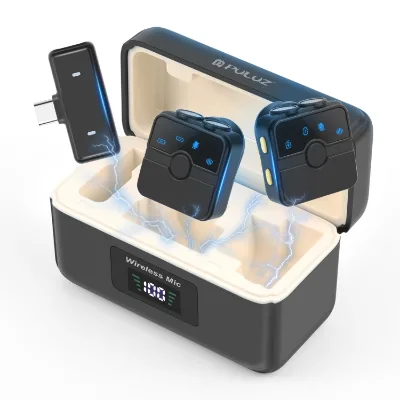
$12.50 - $13.80
MOQ: 1 pieces

Enping Jiduobao Acoustic Technology Co., Ltd.
- Verified by Intertek
- Manufacturer, Trading Company
- Lead time0 days
Main productsAudio Mixer, Microphone, Sound Card
Main marketsSouth America(70%), North America(20%), Southeast Asia(10%)

Guangzhou Xinbaosheng Audio Equipment Co., Ltd.
- Verified by SGS
- Combined
- China Guangdong
- Lead time15 days
- Avg. response≤ 6h
Main productsLine Array, Subwoofer, Fp Power Amplifier, Digital Amplifier, Audio Processor, Professional Speaker, Professional Microphone, Other Audio Equipment
Main marketsEurope,North America

Skm9000 Wireless Microphone Professional Sound System Lavalier Microphone
$160.00 - $182.00
MOQ: 1 Pieces

Dual Channel Wireless Microphone Skm9000 Professional Lavalier Microphone Wireless
$150.00 - $190.20
MOQ: 1 Pieces
Enping Yinpeng E-Commerce Co., Ltd.
- Verified by SGS Group
- Manufacturer, Trading Company
- Lead time30 days
Main productsMicrophone, Audio Mixer, Wireless IEM System
Main marketsSouth America(40%), Southeast Asia(30%), North America(20%)
Dongguan Ermai Electronic Technology Co., Ltd.
- Verified by TüVRheinland
- Manufacturer, Trading Company
- Lead time10 days
Main productsMicrophone, Gaming Microphone, Audio Cable
Main marketsNorth America(35%), Domestic Market(20%), Western Europe(10%)

- Manufacturer/Factory,Group Corporation
- China Guangdong
- Lead time15 days
- Avg. response≤ 8h
Main productsConference System, Conference Microphone, Matrix Switcher, Signal Management, IR Interpretation, Translation, Discussion Vote
Main marketsSouth America,Eastern Europe,Mid East,North America,Southeast Asia,Eastern Asia,Oceania,Western Europe

Shenzhen GooMac Technology Co., Ltd.
- Verified by BV
- Trading Company
- China Guangdong
- Lead time15 days
- Avg. response≤ 5h
Main productsSmart Electronics, Lavalier Microphone, Electric Pepper Grinder, Wireless Charger, Gimbal Stabilizer, Electric Milk Frother, Coffee Tools, Selfie Stick Tripod, Wireless Carplay Android, Wireless Bluetooth Earphones
Main marketsEurope,North America

Shenzhen BringYourHope Electronics Co., Ltd.
- Verified by TUVRHEINLAND
- Trading Company
- China Guangdong
- Lead time15 days
- Avg. response≤ 4h
Main productsPower Bank, Bluetooth Speaker, Digital Photo Frame, USB Flash Drive, Memory Card, Travel Adapter, USB Charger, Computer Speaker, Android TV Box, Mini PC
Main marketsOthers(foreignTradeCapacity.exportBusinessCapacityMarketOther),North America


$7.15 - $7.45
MOQ: 100 Pieces

Guangzhou strong sound electronic equipment Co., Ltd
- Verified by BV
- Combined
- China Guangdong
- Lead time30 days
- Avg. response≤ 6h
Main productsSpeaker, Audio
Main marketsSouth America,Africa,Southeast Asia/ Mideast,East Asia(Japan/ South Korea),Europe,Australia,North America


2.4G Wireless Lavalier Microphone for Vlog Recording and Multiplayer Shooting PC-7
$1.00 - $30.00
MOQ: 1 Pieces

GZ SKYRANN ELECTRONIC TECH CO., LTD.
- Trading Company,Manufacturer/Factory
- China Guangdong
- Lead time23 days
- Avg. response≤ 6h
Main productsAmplifier, Speaker, Woofer and Driver, Mixer
Main marketsEastern Europe,North America,Southeast Asia

Guangzhou MINGXUAN Stage Light Equipment CO.,LTD
- Verified by BV
- Trading Company,Manufacturer/Factory
- China Guangdong
- Lead time38 days
- Avg. response≤ 16h
Main productsMoving Head Light, Line Array Speaker, Truss Stage, Tent, Microphone, LED Screen, Mixer, LED PAR Can, LCD Screen, Small Speaker
Main marketsSouth America,Eastern Europe,Mid East,North America,Southeast Asia,Eastern Asia,Oceania,Western Europe,Africa

Wireless Lavalier Microphone Digital Professional UHF Wireless Microphone System
$150.00 - $300.00
MOQ: 1 Pieces


Shenzhen Keeptech Electronics Limited
- Trading Company,Manufacturer/Factory
- China Guangdong
- Lead time15 days
- Avg. response≤ 9h
Main productsUSB Flash Drive, USB Hub, USB Sound Card, USB Card Reader, USB Cable, HDMI Cable, USB LAN Adapter
Main marketsSouth America,Eastern Europe,Mid East,North America,Western Europe,Africa
- Manufacturer
- Tianjin, China
- Lead time45 days
- Avg. response≤ 4h
Main productsDrum,Melodica,Accordion,Wind Instrument,Guitar
Main marketsSouth America(50.00%), Domestic Market(25.00%), Africa(25.00%)
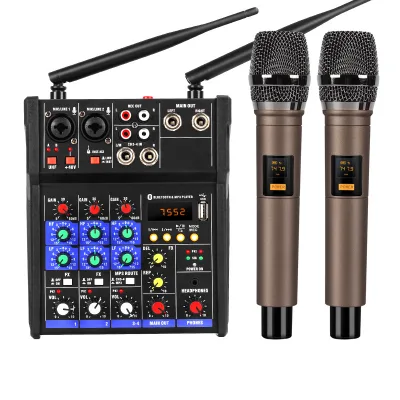
Four Channel Mixer One to Two Wireless Microphone for Performance Microphone
$34.00 - $36.00
MOQ: 1 pieces
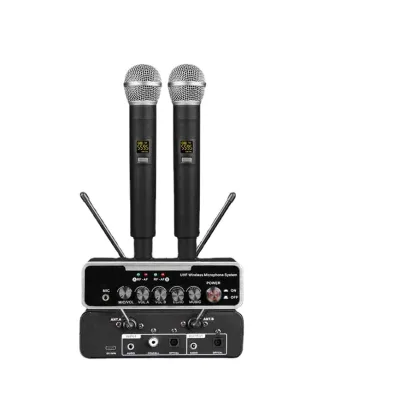
Professional Hot Selling 2-Channel Wireless Microphone System Dynamic Microphones
$41.80 - $48.00
MOQ: 2 pieces

Huanyu Electronics Industrial Co., Limited
- Verified by BV
- Trading Company,Manufacturer/Factory
- China Guangdong
- Lead time15 days
- Avg. response≤ 10h
Main productsPower Bank, Wireless Charger, Bluetooth Speaker, Bluetooth Earphone/Earbuds/Headphone, Smart Watch, Drone, Charger/Adapter, Solar Radio, USB Cable, Other Mobiles& Computer Accessoriess
Main marketsSouth America,Eastern Europe,Mid East,North America,Southeast Asia,Eastern Asia,Oceania,Western Europe,Africa

2023 Factory Wholesale Portable Wireless Stereo Mini Noise Cancelling Lapel Lavalier Microphone
$11.97 - $13.66
MOQ: 30 Pieces

Phone Mini Wireless Lavalier Microphone Portable Microphone Noise Reduction No Delay
$2.80 - $3.70
MOQ: 50 Pieces


Guangzhou Temeisheng Audio Technic Co Ltd
- Verified by BV
- Combined
- China Guangdong
- Lead time15 days
- Avg. response≤ 5h
Main productsLoudspeaker, Amplifier, Conference System, Portable Speaker, Home Audio, Microphone
Main marketsAustralia


Professional 8-Channel FM Wireless Dynamic Mic Microfone Wireless Handheld Microphone
$347.00 - $445.00
MOQ: 1 Sets
Gansu Xinyao Zhilian Technology Co., Ltd.
- Verified by SGS
- Trading Company
- China Gansu
- Lead time15 days
- Avg. response≤ 2h
Main productsAction Camera, Robot, 360 Motion Camera, Waydoo, Camera, Drone, Robot Dog, Hydrofoil, Handheld Photography, DJ Drone
Main marketsDomestic

Enping Meigao Electronic Technology Co., Ltd.
- Verified by BV
- Combined
- China Guangdong
- Lead time15 days
- Avg. response≤ 2h
Main productsWireless Microphone, Conference System, Audio Mixer, Microphone, Condenser Microphone, Universal Microphone
Main marketsSouth America,Africa,Others(foreignTradeCapacity.exportBusinessCapacityMarketOther),Europe,North America

Whynot Information Technology Co. Ltd
- Manufacturer/Factory
- China Guangdong
- Lead time15 days
- Avg. response≤ 10h
Main productsDSLR Photo Booth, 360 Photo Booth, 360 Video Booth, 3D Hologram Fan, iPad Photo Booth, 3D Holographic Display, LCD/OLED Digital Signage, Interactive Whiteboard, Interactive Touch Kiosk, LCD Video Wall Display
Main marketsSouth America,Eastern Europe,Mid East,North America,Southeast Asia,Eastern Asia,Oceania,Western Europe,Africa
SHENZHEN AIL INDUSTRIAL LIMITED
- Verified by TUVRHEINLAND
- Trading Company,Manufacturer/Factory
- China Guangdong
- Lead time15 days
- Avg. response≤ 6h
Main productsPower Bank, Bluetooth Earbuds, Bluetooth Speaker, Bluetooth Watch, USB Flash Drive, Video Book, Promotional Gifts, USB Fan, Book, T Shirt
Main marketsSouth America,Eastern Europe,Mid East,North America,Southeast Asia,Eastern Asia,Oceania,Western Europe,Africa


New Hot Selling Wireless Lavalier Microphone, Noise Cancelling Microphone
$2.70 - $3.00
MOQ: 1000 Pieces

- Verified by SGS
- Trading Company
- China Guangdong
- Lead time15 days
- Avg. response≤ 8h
Main productsConsumer Electronics, Car Accessories, Mini Thermal Printers, Garden Lights, Lawn Mower Accessories, Portable Speakers, Digital Camera, Mini Projectors
Main marketsOthers(foreignTradeCapacity.exportBusinessCapacityMarketOther),Europe


M8 Dual Type-C Wireless Lavalier Microphone with Noise Cancellation and Single Receiver
$11.72 - $12.60
MOQ: 2 Pieces

Lavalier Wireless Microphone - for Streaming, Vlogging & Live Broadcast (8Pin)
$6.34 - $8.09
MOQ: 1 Pieces
Shenzhen Ruizhien Technology Co., Ltd.
- Manufacturer, Government ministry/Bureau/Commission, Business Service (Transportation, finance, travel, Ads, etc)
- Guangdong, China
- Lead time7 days
- Avg. response≤ 19h
Main productsselfie sticker,tripod,microphone,earphone,speaker
Main marketsSoutheast Asia(30.00%), North America(10.00%), South America(10.00%), Eastern Europe(10.00%), Mid East(10.00%), South Asia(10.00%), Africa(5.00%), Eastern Asia(5.00%), Northern Europe(5.00%), Southern Europe(5.00%)
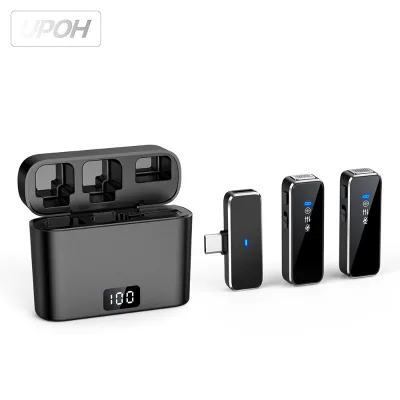
$12.65 - $13.72
MOQ: 10 pieces


Ningbo E-Reise Photographic Equipment Co., Ltd.
- Manufacturer
- Zhejiang, China
- Lead time0 days
- Avg. response≤ 11h
Main productsPhotographic Equipment,comsumer electronics
Main marketsDomestic Market(30.00%), Western Europe(30.00%), South America(20.00%), Southeast Asia(10.00%), North America(10.00%)
Shenzhen Xixin Electronic Technology Co., Ltd.
- Verified by SGS
- Trading Company,Manufacturer/Factory
- China Guangdong
- Lead time15 days
- Avg. response≤ 16h
Main productsEarphone, Headphone, Speaker, Powerbank, Phone Charge, Phone Cable, Gamed, Memory Card, Smart Watch, Hair Dryer
Main marketsSouth America,Eastern Europe,Mid East,North America,Southeast Asia,Eastern Asia,Oceania,Western Europe,Africa

T-4II Two in One UHF Lavalier Wireless Microphone, Suitable for Speakers/Ampifier
$22.78 - $35.80
MOQ: 50 Pieces

Shenzhen Dongdayang Industrial Co., Ltd.
- Verified by Intertek
- Trading Company
- Guangdong, China
- Lead time15 days
- Avg. response≤ 3h
Main productsProcurement Agent For Handicrafts, Procurement Agent For Hardware Tools, Procurement Agent For Furniture And Home Decor, Procurement Agent For Electronic Products
Main marketsNorth America(51%), South America(10%), Mid East(10%)

- Verified by TUVRHEINLAND
- Trading Company,Manufacturer/Factory,Other
- China Guangdong
- Lead time23 days
- Avg. response≤ 9h
Main productsTwo Way Radio Batteries, Two Way Radio Headset, Two Way Radio Earpiece, Two Way Radio Earphone, Two Way Radio Speaker Microphone, Two Way Radio Charger, Two Way Radio Accessories, Two Way Radio, Two Way Radio Antenna, Two Way Radio Programming Cable
Main marketsSouth America,Eastern Europe,Mid East,North America,Southeast Asia,Eastern Asia,Oceania,Western Europe,Africa

Valiant Wireless Shoulder Microphone with Noise Cancelling - Compact Design for Professional Use
$14.50 - $14.99
MOQ: 50 Pieces

$15.00 - $17.00
MOQ: 10 Pieces
Guangdong Besell Electronics Co., Ltd
- Verified by SGS
- Combined
- China Guangdong
- Lead time30 days
- Avg. response≤ 5h
Main marketsSouth America,Africa,East Asia(Japan/ South Korea),Europe,Australia,North America
Shenzhen Huchangshen Yang Electronic Technology Co., Ltd.
- Trading Company, Distributor/Wholesaler
- Guangdong Province, China
- Lead time10 days
- Avg. response≤ 3h
Main productsPOWER BANK,MOBILE PHONE,WIRELESS CHARGER,MASSAGER,game
Main marketsNorthern Europe(60.00%), North America(30.00%), South America(10.00%), Central America(5.00%), Eastern Asia(5.00%), Southeast Asia(2.00%)

Shenzhen Qiyin Electronics Co., Ltd
- Verified by TUVRHEINLAND
- Combined
- China Guangdong
- Lead time30 days
- Avg. response≤ 3h
Main productsMicrophones, Gaming Mic, Studio Mic, Mobile & Camera Mic, Computer Mic, Accessories, Yanmai
Main marketsSoutheast Asia/ Mideast,East Asia(Japan/ South Korea),Domestic,Europe,North America

Professional Wireless Lavalier Microphone with Dual-Camera Extension Cable for Interviews
$27.00 - $27.30
MOQ: 1000 Sets


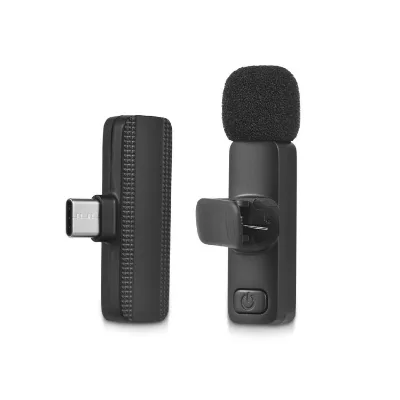






Comprehensive Sourcing Guide
Noise Cancelling Wireless Lavalier Microphone Supplier Concentration and Factory Types
When mapping the supply landscape for noise cancelling wireless lavalier microphones, buyers should look for clusters where audio hardware and consumer electronics manufacturing intersect. High-confidence data indicates significant activity in Zhejiang and Guangdong, China. These regions host both dedicated manufacturers and trading companies that specialize in portable audio accessories. The distinction between a factory and a trading house is critical here. Manufacturers often control the injection molding and PCB assembly processes, allowing for deeper customization of the noise cancellation algorithms and battery management systems. Trading companies, however, may aggregate products from multiple factories, offering a wider variety of models but potentially less control over specific technical modifications.
Buyers must verify the operational status of these suppliers by checking their primary product lists. If a supplier’s main products include unrelated items like musical instruments or photographic lights, they may be a generalist trading company rather than a specialized audio manufacturer. This distinction affects your ability to negotiate technical specifications. A specialized factory will have dedicated R&D capacity for ODM and OEM services, which is essential if you require custom firmware or unique form factors. Generalist suppliers might offer standard off-the-shelf units with minimal branding options. Understanding this structural difference helps you determine whether you are dealing with a source that can innovate or one that simply resells existing inventory.
How to Verify Noise Cancelling Wireless Lavalier Microphone Suppliers
Verification begins with checking third-party audit reports. Look for suppliers verified by recognized bodies such as SGS or TüVRheinland. These certifications confirm that the supplier’s physical facilities, production lines, and quality control processes have been independently inspected. For audio devices, specific attention should be paid to the supplier’s ability to provide test reports for signal-to-noise ratio and battery capacity. While general verification confirms the company exists, technical verification ensures the product meets the performance claims made in the catalog. Do not rely solely on the supplier’s self-reported data; request raw test logs from their quality assurance team.
Beyond third-party audits, assess the supplier’s responsiveness and transparency. A reliable supplier will provide detailed technical datasheets, including output impedance, transducer principle, and directivity patterns. If a supplier cannot explain the difference between condenser and electrodynamic transducers, or if they hesitate to share battery capacity details, this is a red flag. Additionally, check the supplier’s response time metrics. A response time of under 12 hours often indicates a dedicated sales team that understands the technical nuances of wireless audio. Slow responses may suggest that the sales staff are not technically trained, leading to miscommunication during the specification phase.
What to Compare Across Noise Cancelling Wireless Lavalier Microphone Suppliers
When comparing suppliers, focus on lead times and minimum order quantities (MOQs). Lead times vary significantly based on order volume and seasonality. Some suppliers offer a standard 10-day lead time for orders under 100 units, while larger quantities may require negotiation. MOQs also differ; some suppliers accept orders as low as 5 units, which is ideal for testing, while others require 100 or more units for production runs. A lower MOQ allows for faster market validation, but a higher MOQ might unlock better unit pricing. Evaluate whether your initial order size aligns with the supplier’s minimum requirements to avoid storage costs or production delays.
Response speed and customization capabilities are also key differentiators. Suppliers with ODM and OEM capabilities can modify the product’s appearance, add custom logos, or adjust the charging case design. Check if the supplier offers sample processing and graphic processing services. These capabilities indicate a more integrated supply chain that can handle branding and packaging in-house. Additionally, compare the supplier’s main products. If their core focus is on musical instrument accessories or photographic lights, their expertise in audio signal processing may be limited. Prioritize suppliers whose main product list includes microphones or consumer electronics, as they are more likely to have the specialized knowledge required for high-quality noise cancellation.
Common Noise Cancelling Wireless Lavalier Microphone Sourcing Risks
One major risk is the variability in noise cancellation performance. While many suppliers claim "noise cancelling" or "noise reduction," the actual effectiveness can vary widely depending on the microphone’s transducer type and signal processing algorithms. Some units may use basic hardware filtering, while others employ advanced digital signal processing. If you do not verify the specific technology used, you may end up with a product that does not meet your quality standards. Always request a sample for real-world testing in noisy environments before committing to a bulk order. This step is crucial to ensure that the noise cancellation feature works as advertised.
Another risk is battery life inconsistency. Suppliers may list a working time of 6 to 10 hours, but actual performance can be shorter due to battery degradation or inefficient power management. Verify the battery capacity, typically ranging from 300 to 500mAh, and ask for data on charging times. Inconsistent battery performance can lead to customer complaints and returns. Additionally, be wary of suppliers who do not provide clear information on the wireless technology used, such as UHF or Bluetooth. Different technologies have different range and interference characteristics. If the supplier cannot specify the wireless protocol, it may indicate a lack of technical oversight, increasing the risk of connectivity issues in the final product.
Noise Cancelling Wireless Lavalier Microphone Regional Sourcing and Logistics
Regional sourcing impacts logistics costs and delivery times. Suppliers located in Zhejiang and Guangdong, China, are common sources for these microphones. These regions have well-established export infrastructure, which can streamline the shipping process. However, buyers should consider the distance from the supplier’s location to their destination port. If you are sourcing from a region far from your primary market, expect higher freight costs and longer transit times. Additionally, check if the supplier offers consolidated shipping options. This can reduce per-unit shipping costs, especially for smaller orders. Understanding the regional logistics landscape helps you plan your inventory more effectively.
Customs and compliance are also regional considerations. Ensure that the supplier provides all necessary documentation for customs clearance, including certificates of origin and compliance declarations. Some regions may have stricter export controls or require specific certifications for electronic devices. Verify that the supplier is familiar with the regulatory requirements of your target market. For example, if you are importing into the European Union, the supplier should be able to provide a Declaration of Conformity. Failure to provide these documents can result in customs delays or seizures. By understanding the regional regulatory environment, you can avoid unexpected costs and ensure a smooth import process.
Noise Cancelling Wireless Lavalier Microphone Commercial Terms and Order Planning
Commercial terms should be negotiated carefully to protect your investment. Pay attention to the payment terms, such as whether the supplier requires full payment upfront or offers a deposit structure. A common arrangement is a 30% deposit with the balance due before shipment. Ensure that the contract clearly states the payment milestones and any penalties for late payment. Additionally, review the warranty terms. A reliable supplier will offer a warranty period for defects, typically ranging from 6 to 12 months. If the supplier does not offer a warranty, it may indicate a lack of confidence in their product quality.
Order planning should account for lead times and production capacity. If you are planning a large order, confirm the supplier’s production capacity and whether they can meet your deadline. Some suppliers may have limited capacity during peak seasons, which can extend lead times. It is advisable to place orders well in advance to avoid delays. Additionally, consider the packaging requirements. Ensure that the supplier can provide custom packaging that meets your branding standards. This includes the box design, user manual, and any included accessories. By planning your order carefully and negotiating clear commercial terms, you can minimize risks and ensure a successful sourcing experience.
FAQs
What is the typical minimum order quantity for noise cancelling wireless lavalier microphones?
Minimum order quantities vary widely by supplier and model on this page. Some listings start as low as 5 units, while others require 100 to 200 units per order. Entry-level clip-on models often carry lower MOQs, and private-mold designs with charging cases usually sit at the higher end. Always confirm the exact MOQ with each supplier before quoting.
How long does production take after an order is confirmed?
Lead times differ by supplier and order volume. One trading company on this page lists a 15-day lead time, and a manufacturer-supplier quotes 10 days for orders of 1 to 100 units, with larger volumes negotiated individually. Peak season can affect schedules, so request a written production timeline that covers your specific quantity before placing a deposit.
What wireless technology do these lavalier microphones use?
The listed Noise Cancelling Wireless Lavalier Microphone models use UHF wireless transmission, with omnidirectional condenser or electrodynamic capsules and stereo sound channels. Some units offer 50 to 1000 ohm output impedance and signal-to-noise ratios around 60 dB. Connectivity options include USB, Type-C, 3.5mm, and Lightning plugs, so verify compatibility with the phones, cameras, or recorders your customers use.
What price range should I expect when sourcing these microphones?
Listed unit prices on this page range roughly from 4.25 to 17.64 US dollars depending on the model. Basic dual-mic clip-on systems sit at the lower end, while private-mold designs with digital-display charging cases cost more. Price usually moves with order quantity, noise cancellation features, and accessories, so compare several quotations at your target volume.
Do these suppliers support OEM or ODM customization?
Yes, customization is available from several suppliers on this page. One Zhejiang-based trading company lists ODM and OEM capability, while a Guangdong manufacturer offers sample processing, graphic processing, and customized-on-demand services. Some products are already branded as OEM-ready private molds. Provide your logo, packaging, and feature requirements early, since custom tooling and sampling add time before mass production.
Where are these microphone suppliers located?
The suppliers on this page are based in China. One trading company is located in Zhejiang province, while the microphone manufacturer and other listings are in Guangdong province, a major electronics production hub. Guangdong sourcing typically offers convenient factory visits and port access. Confirm the exact city and warehouse address before arranging inspection or shipment.
How quickly do these suppliers respond to buyer inquiries?
Response times vary among suppliers on this page. One Zhejiang trading company reports an average response time of about 11.4 hours, while a Guangdong manufacturer-supplier averages around 13 hours. For time-sensitive projects, message several suppliers at once and note how quickly each replies with quotes, samples, and specification answers before committing to a partner.