Padded Suede Sole Dance Shoes Suppliers and Manufacturers
Explore 20 verified suppliers offering Padded Suede Sole Dance Shoes with customizable options and varying lead times. Compare response times, MOQs, and material specifications to find the right partner. Contact suppliers directly to request samples and confirm pricing details; review the available evidence before requesting comparable quotations from suitable candidates.
Updated
Suppliers List

INNER MONGOLIA BENIS COMMERCIAL AND TRADE CO., LTD.
- Trading Company
- China InnerMongolia
- Lead time15 days
- Avg. response≤ 9h
Main productsDance Wear, Dance Shoes, Dance Accessories, Ballet Shoes, Ballet Tights
Main marketsSoutheast Asia/ Mideast
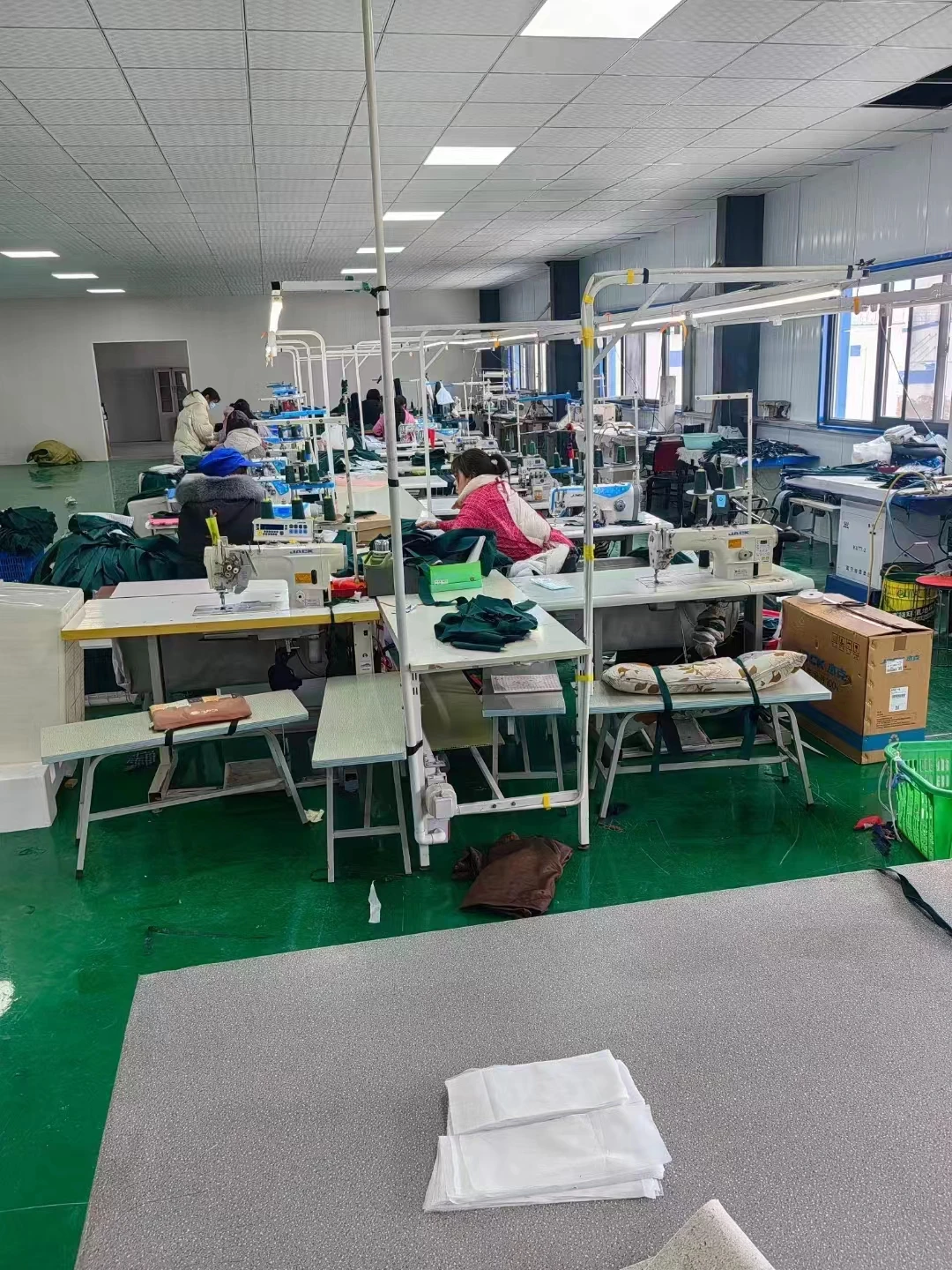
- Trading Company
- Henan, China
- Lead time15 days
- Avg. response≤ 5h
Main productsDance shoes,dance dress,dance socks
Main marketsDomestic Market(70.00%), North America(5.00%), Southern Europe(5.00%), Northern Europe(5.00%), Western Europe(5.00%), Eastern Asia(5.00%), South America(5.00%)
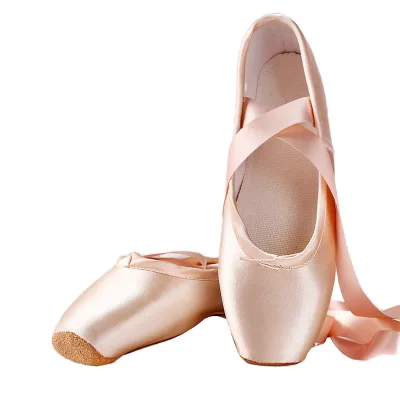
Women's Satin Soft Soled Canvas Ballet Shoes Dance Shoes
MOQ: 1 Minimum
- Trading Company
- henan, China
- Lead time5 days
- Avg. response≤ 4h
Main productsdance shoes,clothes,dance costume,Yoga sportswear,sneakers
Main marketsNorth America(30.00%), Northern Europe(12.50%), Western Europe(12.50%), Eastern Europe(12.50%), Southern Europe(12.50%), Central America(5.00%), South America(5.00%), South Asia(2.00%), Mid East(2.00%), Southeast Asia(2.00%), Oceania(2.00%), Africa(1.00%), Eastern Asia(1.00%)
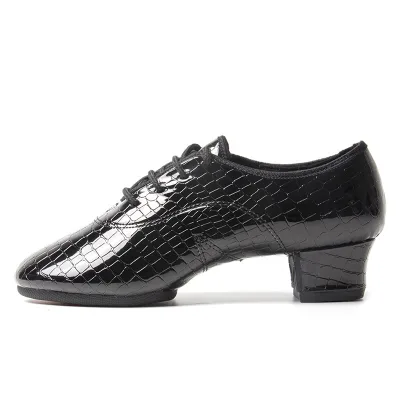
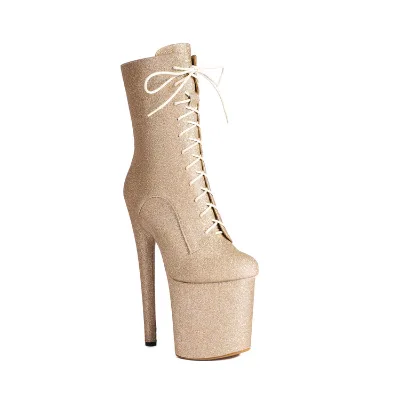
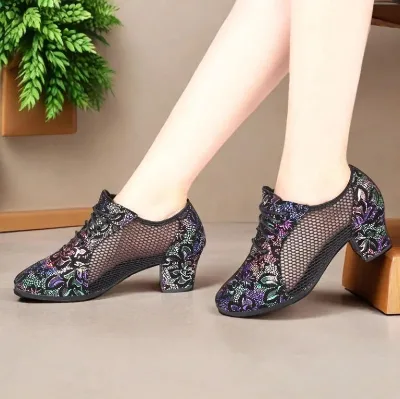
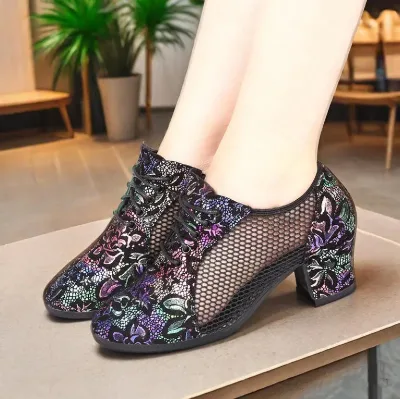
Sequins, Non Slip Cowhide Sole, Steel Tube Dance Shoes
$38.50 - $40.00
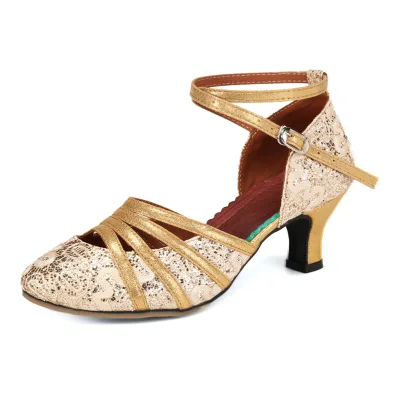
$7.9724 - $10.0426
MOQ: 10 pairs
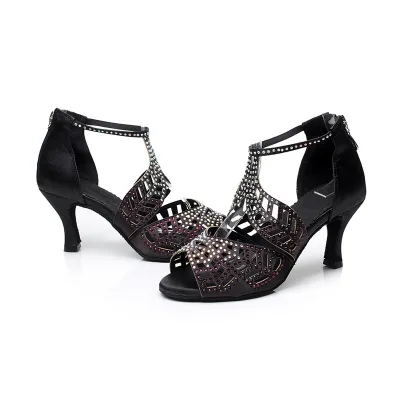
New Fashion 7014 Satin Microfiber Inner Ladies Adult Ballroom Dance Shoes
$15.20 - $17.50
MOQ: 10 pairs
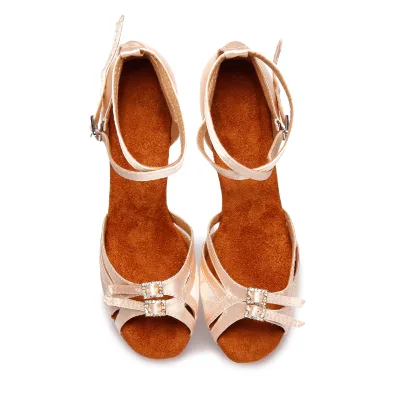
YCD8high-end Fashionable Popular Latin Dance Shoes
$15.40 - $17.50
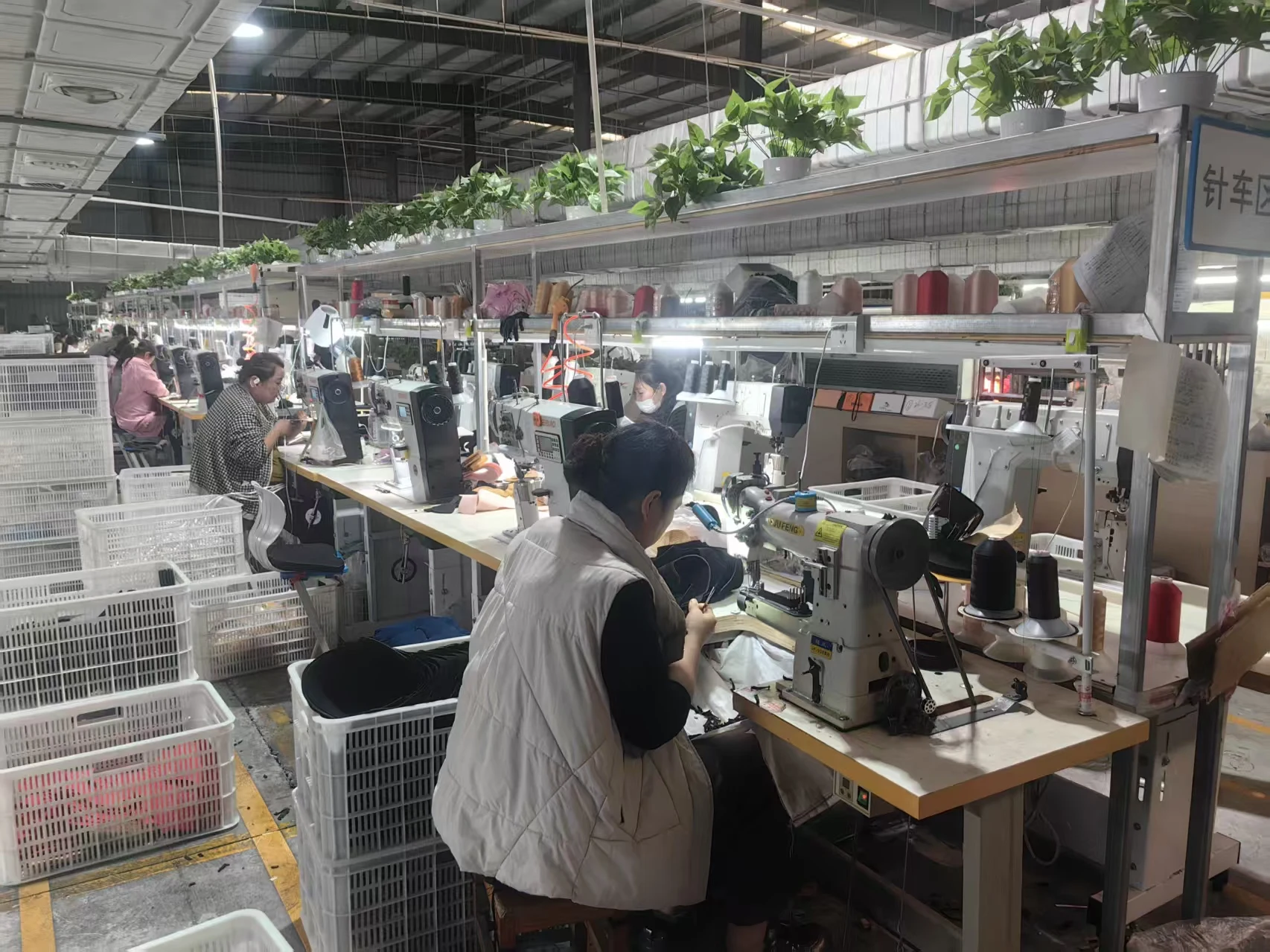
Luoyang Hualang Electronic Commerce Co., Ltd.
- Trading Company
- Henan, China
- Lead time10 days
- Avg. response≤ 1h
Main productsDance Shoes,Dance Dress,Dance supplies
Main marketsNorth America(26.00%), Domestic Market(20.00%), Western Europe(11.00%), South America(7.00%), Oceania(7.00%), Mid East(5.00%), South Asia(5.00%), Southern Europe(4.00%), Northern Europe(4.00%), Africa(3.00%), Southeast Asia(3.00%), Eastern Europe(2.00%), Eastern Asia(2.00%)
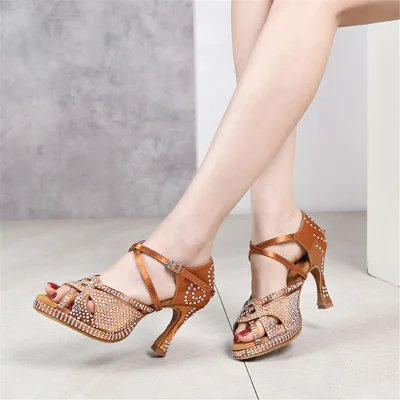
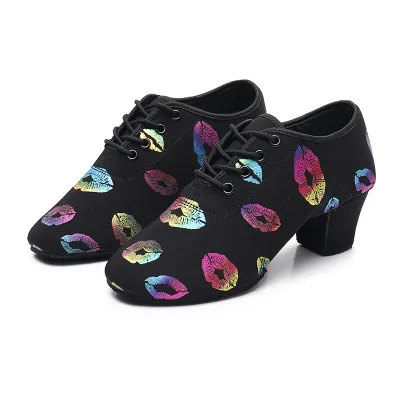
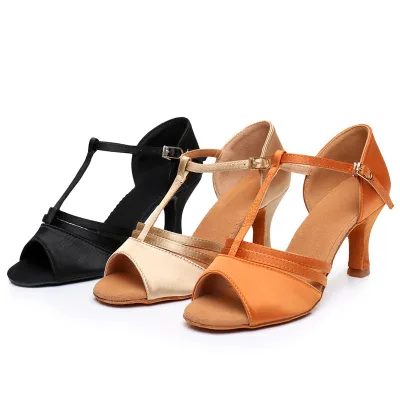
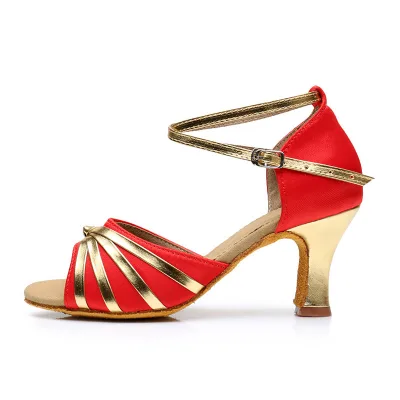
Wholesale Women's Latin Dance Shoes Women Ladies Ballroom Dance Shoes for Women
$5.3464 - $6.7859
MOQ: 1 pairs
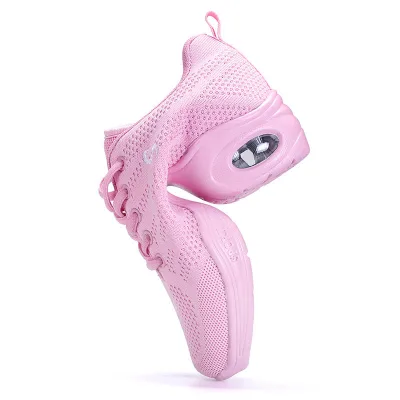
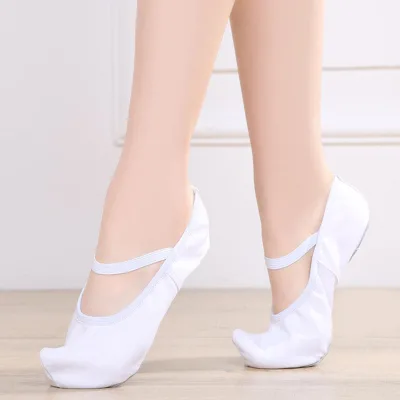

Yangzhou Lucky Bear Craft & Gifts Co., Ltd.
- Verified by TUVRHEINLAND
- Trading Company
- China Jiangsu
- Lead time30 days
- Avg. response≤ 3h
Main productsTeddy Bear, Plush Toy, Stuffed Animal, Toy Shoes, Baby Toy, Rocking Horse, Unstuffed Animal Skin, Indoor Slippers, Snow Boots, Promotional Toys
Main marketsEurope,North America

Luoyang Qianhanyun Trading Co., Ltd
- Verified by BV
- Trading Company
- China Henan
- Lead time15 days
- Avg. response≤ 4h
Main productsLatin Dance Shoes, Pole Dance Shoes, Women Sandals, Standard Dance Shoes, Ballroom Shoes, Tango Shoes, Ballet Dance Shoes, Men Dance Shoes
Main marketsEurope

Latin Dance Shoes Women Soft Soled Sandals Shoes Salsa Ballroom Dance Shoes
$19.90 - $22.80
MOQ: 2 Pairs

Men Dance Shoes Modern Dancing Suede Sole Male Tango Jazz Latin Shoes Genuine Leather Men Shoes
$14.50 - $15.70
MOQ: 2 Pairs

Women Latin Dance Shoes High Heeled Dance Shoes Soft Soled Ladies Standard Salsa Tango Dance Shoes
$15.50 - $17.80
MOQ: 2 Pairs

Latin Dance Shoes Women Adults High Heeled Dance Sandals Soft Soled Ladies Dancing Shoes
$15.90 - $17.80
MOQ: 2 Pairs

$19.90 - $22.80
MOQ: 2 Pairs

Boy Dance Shoes Soft Soled Ballroom Latin Dancing Shoes Exhibition Competition Men Dance Shoes
$5.90 - $6.80
MOQ: 2 Pairs

Kunshan Huaqiao Baoyan Trading Company
- Trading Company
- Jiangsu, China
- Lead time3 days
- Avg. response≤ 3h
Main productsdance shoes,latin shoes,jazz shoes,ballet shoes,ballet slippers
Main marketsWestern Europe(25.00%), Eastern Europe(25.00%), Central America(17.00%), Northern Europe(10.00%), South America(8.00%), North America(8.00%), Africa(5.00%), Southeast Asia(2.00%)
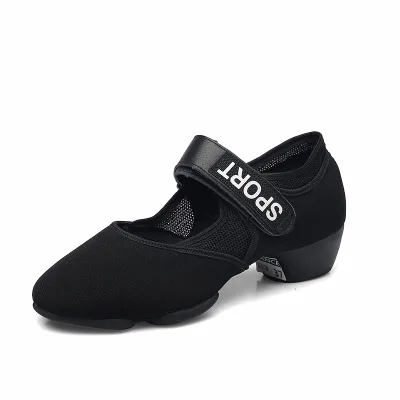
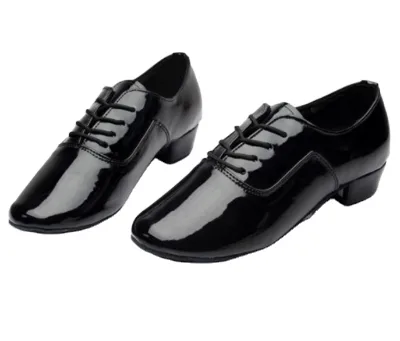
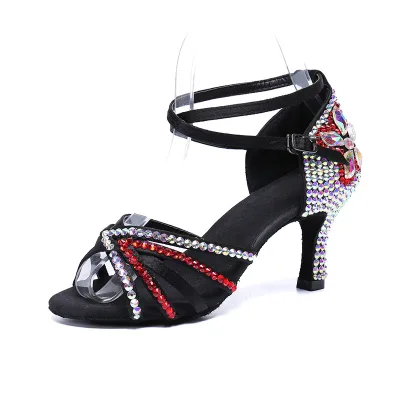
Rhinestone Latin Dance Shoes Satin Upper Medium High Heels Performance Dancing Shoes Women
$11.00 - $12.80
MOQ: 2 pairs
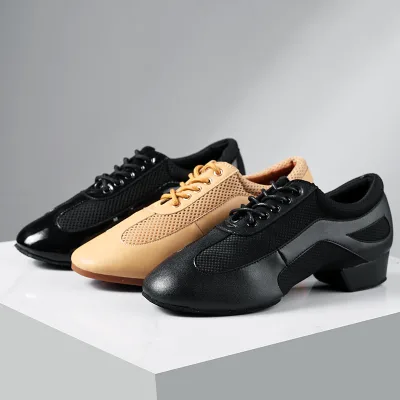
Black 3.5cm Jazz Leather Dance Shoes soft Split Sole ballet shoes flat for Teacher
$9.7475 - $11.0822
MOQ: 2 pairs
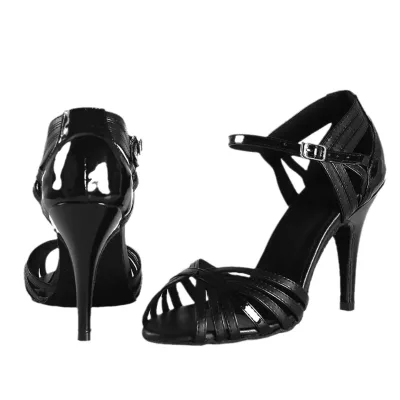
High Quality Latin Dance Shoes with Black Satin and Seven Straps for Women
$11.30 - $13.30
MOQ: 2 pairs
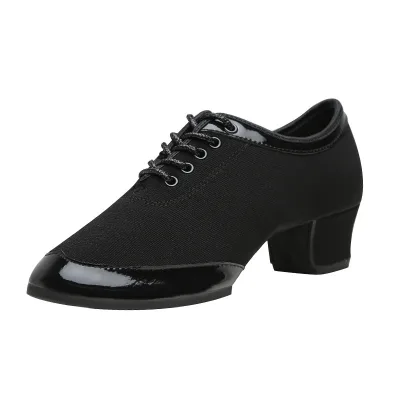
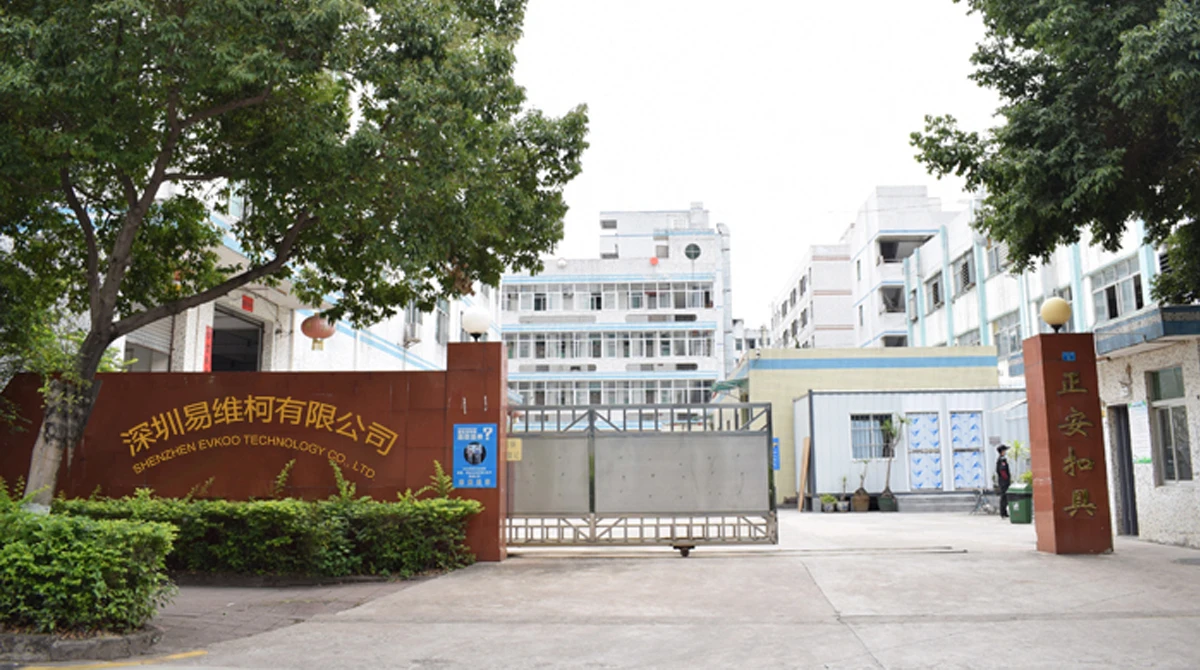
Shenzhen EVKOO Technology Co., Ltd.
- Manufacturer, Trading Company, Distributor/Wholesaler
- Guangdong, China
- Lead time10 days
- Avg. response≤ 1h
Main productsdance shoes,Latin dance shoes,ballroom dance shoes,men's latin shoes,women latin shoes
Main marketsSouth America(30.00%), Eastern Europe(30.00%), North America(20.00%), Western Europe(15.00%), Africa(5.00%)
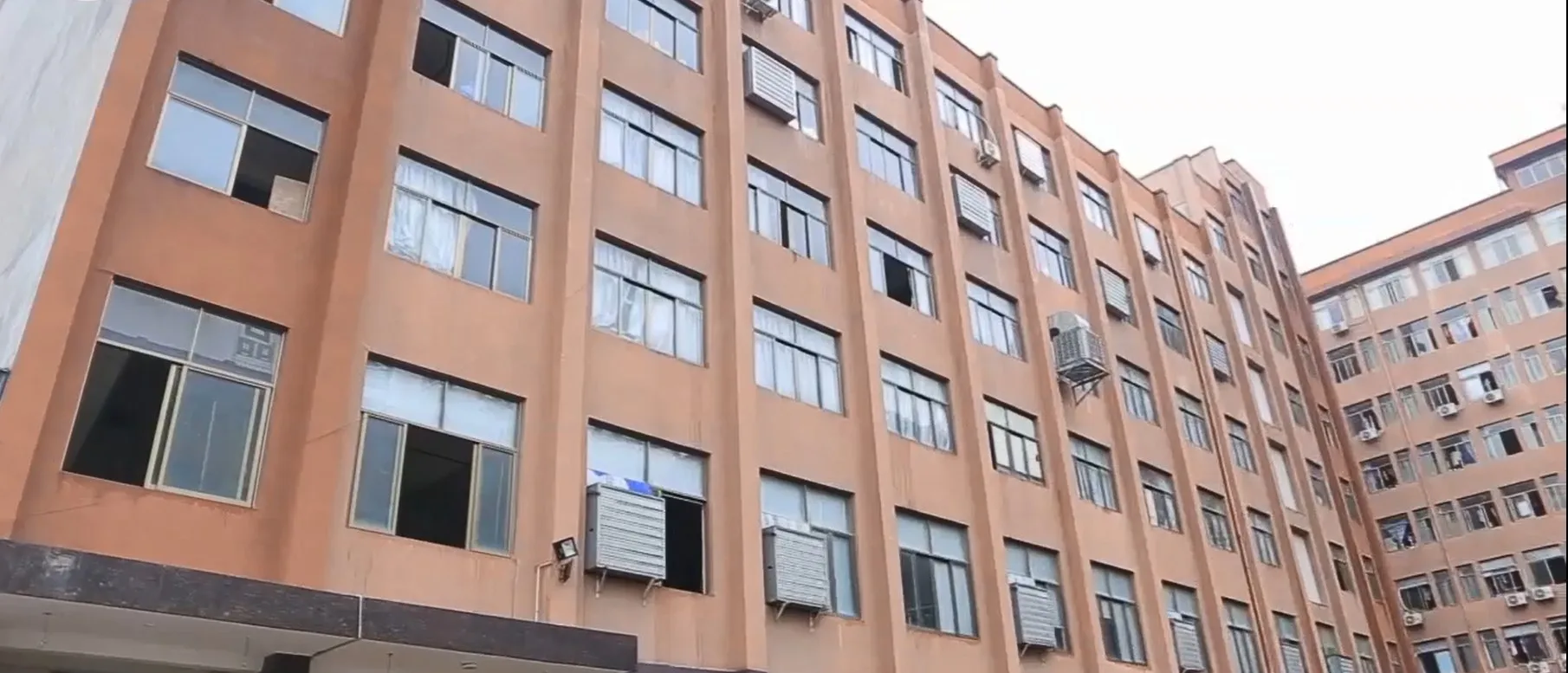
Shanghai JW Enterprise Co., Ltd.
- Manufacturer, Trading Company
- Shanghai, China
- Lead time60 days
- Avg. response≤ 3h
Main productsDancewear,Dance shoes,Dance tights,Leotard,Dance accessories
Main marketsNorth America(55.00%), Mid East(25.00%), Southern Europe(10.00%), Oceania(5.00%), Western Europe(3.00%), Domestic Market(2.00%)
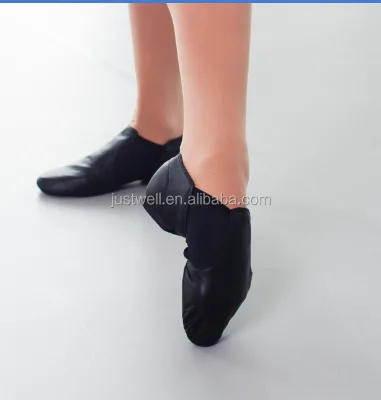
Dance Genuine Leather Jazz Shoes
$8.18 - $9.90
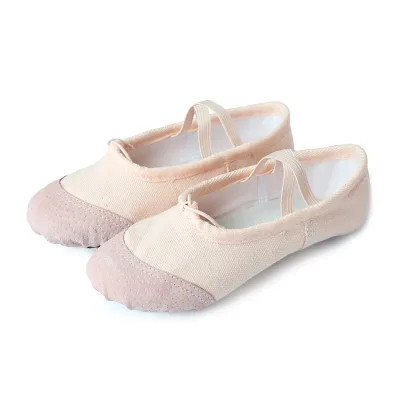
Professional Soft Split Sole Dance Ballet Shoe Cotton Canvas Shoes for Trainer
$0.90 - $1.25
MOQ: 2000 pairs

Huizhou Xinmeisheng Trading Co., Ltd.
- Trading Company
- Guangdong, China
- Lead time4 days
- Avg. response≤ 2h
Main productsclothing,bags,shoes,gift,home decoration
Main marketsNorth America(30.00%), Mid East(15.00%), Southeast Asia(15.00%), South Asia(10.00%), Northern Europe(10.00%), Central America(10.00%), Eastern Asia(10.00%)
Hefei Blooming Dancewear Co., Ltd.
- Trading Company,Manufacturer/Factory
- China Anhui
- Lead time45 days
- Avg. response≤ 2h
Main productsBallet Shoes, Jazz Shoes, Dance Tights, Dance Sneakers, Latin Dance Shoes, Ballroom Dance Shoes, Tap Shoes, Pointe Shoes, Leotards, Dance Shoes
Main marketsSouth America,Eastern Europe,North America,Southeast Asia,Oceania,Western Europe

Blooming Flexible Soft Padded Cushioned Elastic Strap Canvas Split Sole Ballet Shoes
$3.50 - $4.90
MOQ: 50 Pairs

Blooming Performance Ribbon Elastic Strap Comfortable Durable Dance Ballet Toe Shoe
$7.90 - $9.90
MOQ: 50 Pairs

Blooming Women Comfortable Padded Suede Sole Cotton Lined Beginner Satin Ballet Shoe
$7.90 - $9.90
MOQ: 50 Pairs

Blooming Elegant Satin Ribbon Cotton Inner Professional Dancer Stage Ballet Dance Shoe
$7.90 - $9.90
MOQ: 50 Pairs

Blooming Ballerina Stage Rehearsal Professional White Durable Suede Sole Ballet Shoes
$5.50 - $7.90
MOQ: 50 Pairs

Blooming Performance Stage Durable Comfortable Elegant Full Sole Practice Ballet Shoes
$4.90 - $9.90
MOQ: 50 Pairs

- Manufacturer, Trading Company
- Zhejiang, China
- Lead time15 days
- Avg. response≤ 2h
Main productsshoes,Kids shoes,slippers
Main marketsEastern Europe(30.00%), Domestic Market(15.00%), North America(10.00%), Southeast Asia(5.00%), South Asia(5.00%), Southern Europe(5.00%), Northern Europe(5.00%), Western Europe(5.00%), Eastern Asia(5.00%), Mid East(5.00%)
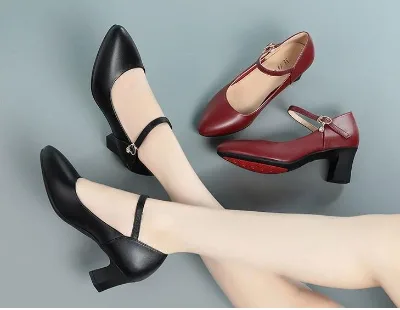
Fashionable Red Latin Dance Shoes for Women with Medium Soft Leather Heels Shoes
$1.25 - $5.95
MOQ: 2 pieces
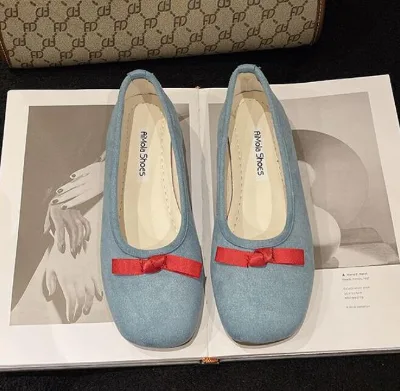
Custom Bow Decoration Colorful Bow Shoes Suede and Leather Square Toe Ballet Flats Shoes
$1.1999 - $4.121
MOQ: 2 pieces
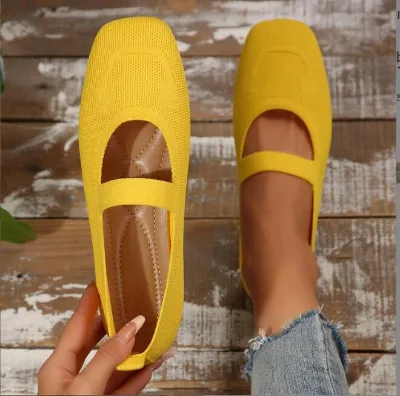
Breathable Flat Bottomed Shallow Mouth Single Shoe for Women With Hollowed Out Round Toe Dance Shoes
$1.25 - $4.95
MOQ: 2 pieces
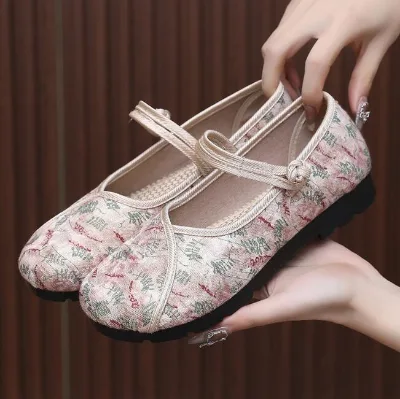
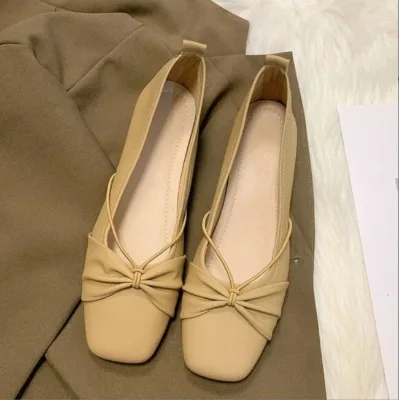
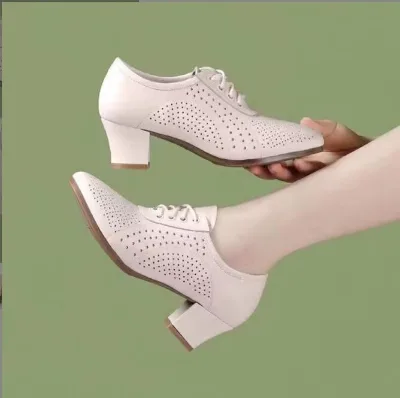

Shenzhen Fashion Industrial Co., Ltd.
- Trading Company,Manufacturer/Factory
- China Guangdong
- Lead time38 days
- Avg. response≤ 6h
Main productsShoes, Sneaker Shoes, Sports Shoes, Women Shoe, Casual Shoes, Ladies Shoes, Fashion Shoes, Slippers, Sandals, Boots
Main marketsSouth America,Eastern Europe,Mid East,North America,Southeast Asia,Eastern Asia,Oceania,Western Europe,Africa

Fa-009 New Diamond Studded Latin Dance Shoes Indoor Soft Soled Dance Shoes
$18.20 - $19.30
MOQ: 50 Pairs


Fa-2525 New Indoor Soft Soled Dance Shoes Competition Performance Women's Dance Shoes
$14.80 - $15.80
MOQ: 50 Pairs

$16.70 - $17.70
MOQ: 50 Pairs

Fa-557 Professional Latin Dance Shoe Indoor Dedicated Soft Sole Social Dance Shoe Factory
$14.40 - $15.30
MOQ: 50 Pairs

Fa-044 Diamond Studded Latin Dance Shoes, High Heels, Modern Dance Shoe Manufacturer
$18.90 - $20.00
MOQ: 50 Pairs

Shenzhen Ailebi Clothing Co., Ltd.
- Manufacturer, Distributor/Wholesaler, Business Service (Transportation, finance, travel, Ads, etc)
- Guangdong, China
- Lead time0 days
- Avg. response≤ 3h
Main productsdance shoes,Latin Dance Shoes,Ballet Shoes,Dance Trainer Shoes,Jazz Dance Shoes
Main marketsNorth America(30.00%), Northern Europe(20.00%), Domestic Market(10.00%), Mid East(10.00%), South America(10.00%), Western Europe(5.00%), Southern Europe(5.00%), Southeast Asia(5.00%), Central America(5.00%)
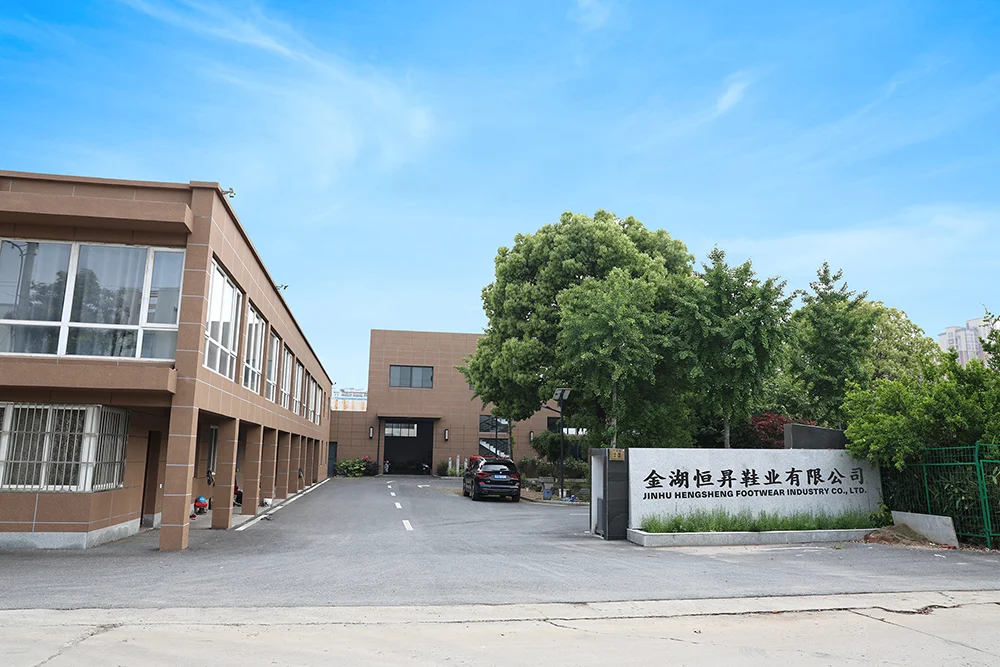
Jinhu Hengsheng Shoe Industry Co., Ltd.
- Manufacturer, Trading Company
- Jiangsu, China
- Lead time5 days
- Avg. response≤ 7h
Main productsPole dancing shoes,Dance shoes,Cold adhesive shoes,Leather slippers,Leather sandals
Main marketsNorth America(38.00%), Domestic Market(20.00%), Western Europe(18.00%), Eastern Europe(12.00%), South America(12.00%)

FUZHOU SHOO-IN IMP & EXP CO., LTD.
- Verified by SGS
- Trading Company
- China Fujian
- Lead time15 days
- Avg. response≤ 3h
Main productsPadel Ball, Tennis Ball, Hat, Pet Leash, Pickleball, Yoga Mat, Sports Towel
Main marketsEast Asia(Japan/ South Korea),North America
- Trading Company
- Sichuan, China
- Lead time20 days
- Avg. response≤ 2h
Main productsBoots,Casual Shoes,Sports Shoes,Baby Shoes,Sandals
Main marketsNorth America(45.00%), Western Europe(20.00%), Mid East(15.00%), Southeast Asia(10.00%), Eastern Europe(5.00%), Africa(5.00%)
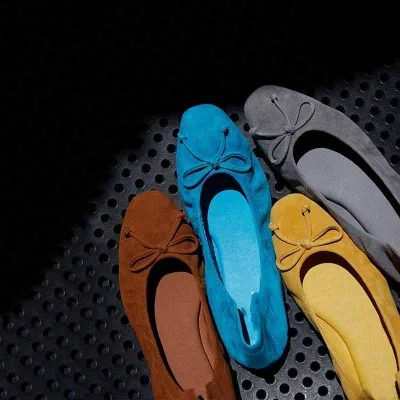
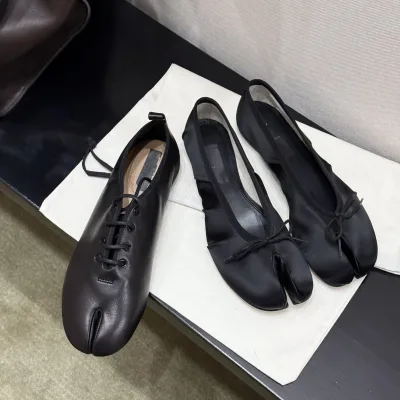
$33.0594 - $35.594
MOQ: 50 pairs
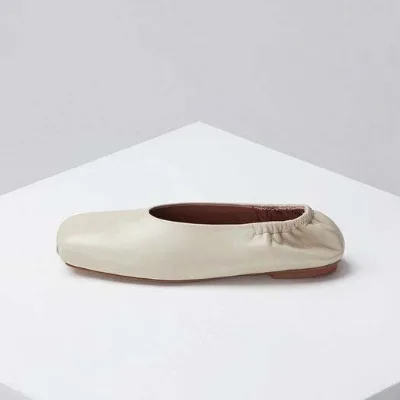

Xiamen Newtop Footwear Co., Ltd.
- Verified by SGS
- Trading Company
- China Fujian
- Lead time60 days
- Avg. response≤ 3h
Main marketsSoutheast Asia/ Mideast,Europe,North America


Ladies PU Dance Shoes Outdoor Comfortable Sport Footwear Anti-Slip for Walking
$9.65 - $9.85
MOQ: 1 Pairs


Quan Zhou Jin Jiang Cenki Imp&Exp Co., Ltd.
- Verified by SGS
- Trading Company
- China Fujian
- Lead time30 days
- Avg. response≤ 2h
Main productsSport Shoes, Casual Shoes, Slippers, Sandals, Boots, Flip Flops, Football Shoes, Clog Shoes, Safety Shoes, Children Shoes
Main marketsAfrica

Custom Made Soft Breathable Cotton Padded Heel Support Comfortable Durable Ballet Shoes for Girl
$1.50 - $4.00
MOQ: 100 Pairs

Factory Direct Comfortable Lightweight Non-Slip Odor-Control Performance Stage Cotton Ballet Shoes
$1.50 - $4.00
MOQ: 100 Pairs
- Verified by SGS Group
- Manufacturer, Trading Company
- Lead time30 days
- Avg. response≤ 4h
Main productsSlipper
Main marketsDomestic Market(50%), North America(10%), Western Europe(10%)


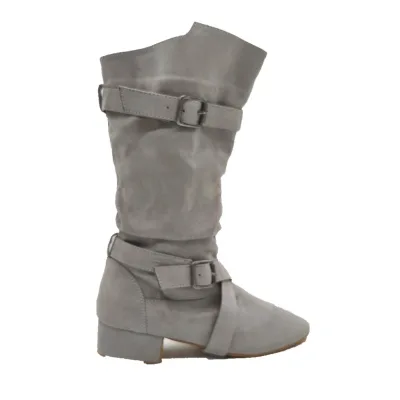
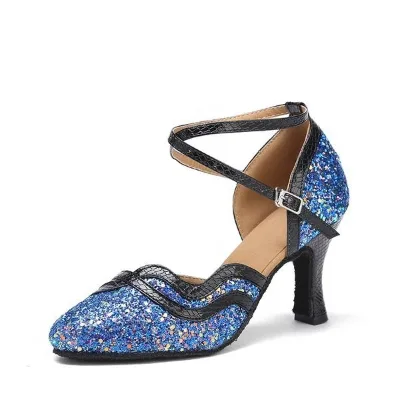
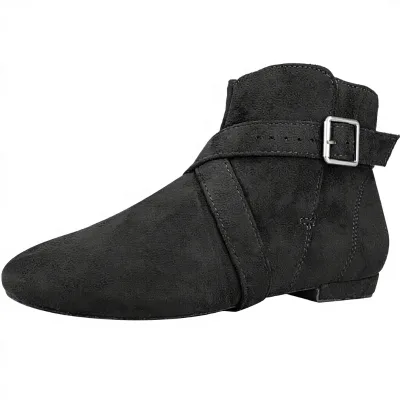
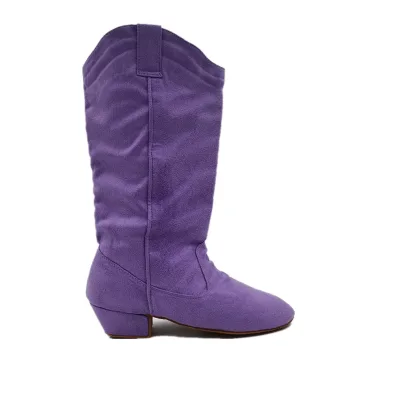
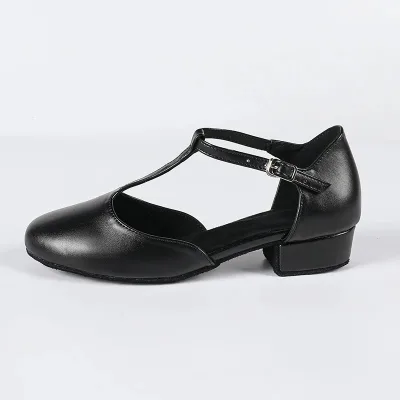
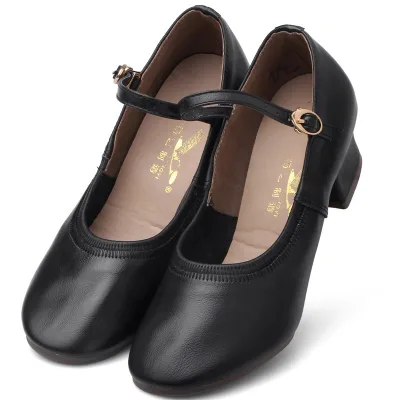
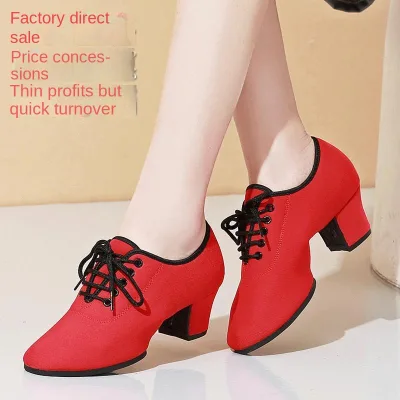
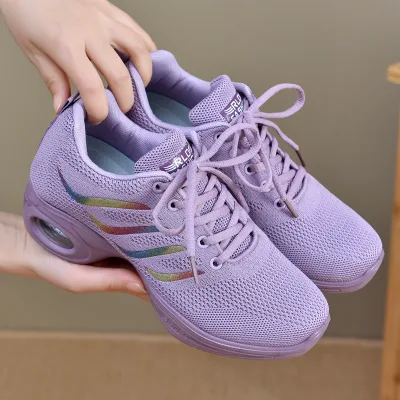
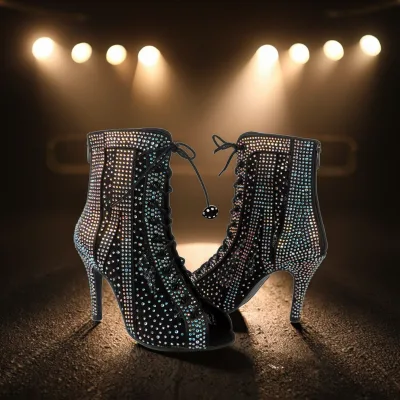
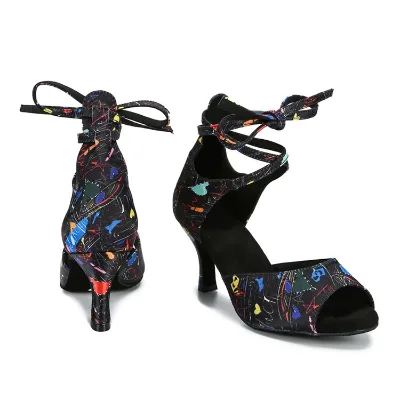
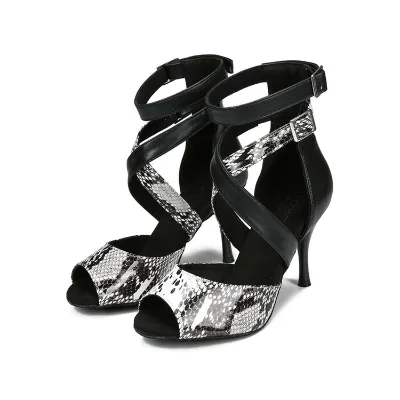
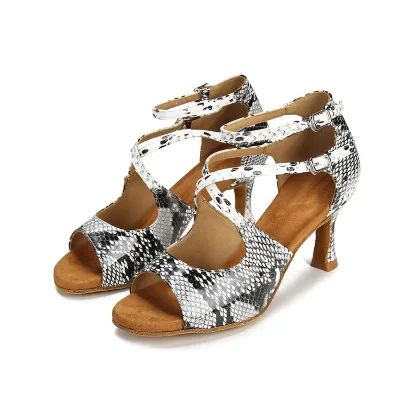
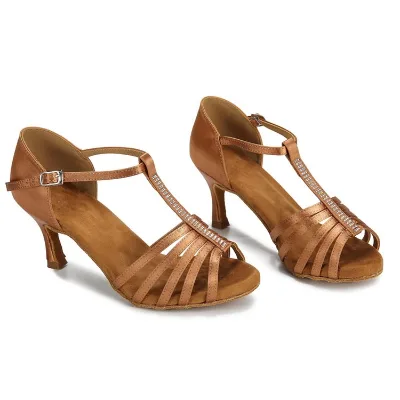
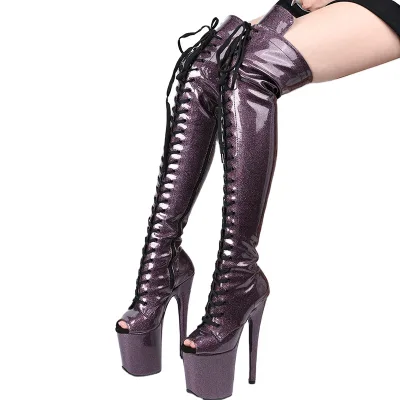
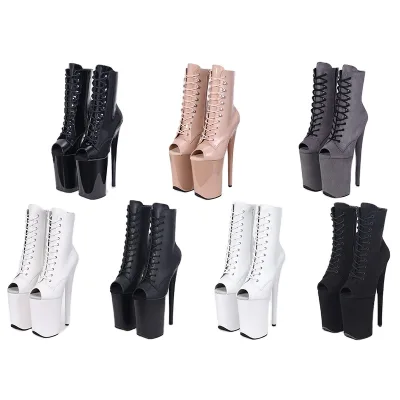


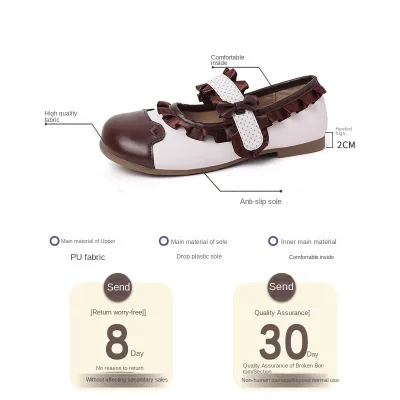
Comprehensive Sourcing Guide
Padded Suede Sole Dance Shoes Supplier Concentration and Factory Types
The current supplier landscape for dance footwear reveals a distinct geographic concentration in China, specifically within the Inner Mongolia and Henan regions. These areas serve as primary manufacturing hubs for various dance shoe categories, including ballet, Latin, and jazz styles. Suppliers located in these regions often specialize in specific materials and construction methods, such as canvas uppers with PU linings or satin exteriors with genuine leather outsoles. The presence of trading companies alongside manufacturing entities indicates a mixed supply chain where some suppliers focus on aggregation and others on direct production. Buyers should note that while the core keyword specifies padded suede soles, the available data highlights a broader range of sole materials, including genuine leather, rubber, and unspecified "other" materials. This suggests that sourcing for a specific padded suede sole may require filtering through a larger pool of general dance shoe manufacturers. The concentration in these specific Chinese provinces implies that logistics and supply chain efficiencies are likely optimized for these regions, potentially offering competitive advantages in terms of raw material access and labor costs. Understanding this geographic distribution is crucial for buyers aiming to establish direct relationships with factories rather than intermediaries, as it allows for more targeted outreach and clearer communication regarding production capabilities.
Factory types in this sector vary significantly, ranging from specialized dance wear manufacturers to general trading companies. Trading companies often offer a wider variety of products, such as dance accessories, leotards, and multiple shoe styles, which can be beneficial for buyers seeking a one-stop solution. However, specialized factories may provide deeper expertise in specific shoe constructions, such as the hard shank strength found in ballroom and Latin shoes or the soft flexibility required for ballet styles. The data indicates that customization is widely available across different supplier types, with options for custom models, packing, and design elements. This flexibility allows buyers to tailor products to their specific brand requirements, whether that involves adjusting heel heights, upper materials, or packaging standards. Buyers must carefully distinguish between trading companies and actual factories to ensure they are getting accurate information about production capacity and quality control processes. While trading companies can facilitate easier communication and order consolidation, factories may offer better pricing and more direct control over the manufacturing process. Evaluating the company type is a critical first step in determining the best partner for your specific sourcing needs, as it influences everything from lead times to minimum order quantities and customization options.
How to Verify Padded Suede Sole Dance Shoes Suppliers
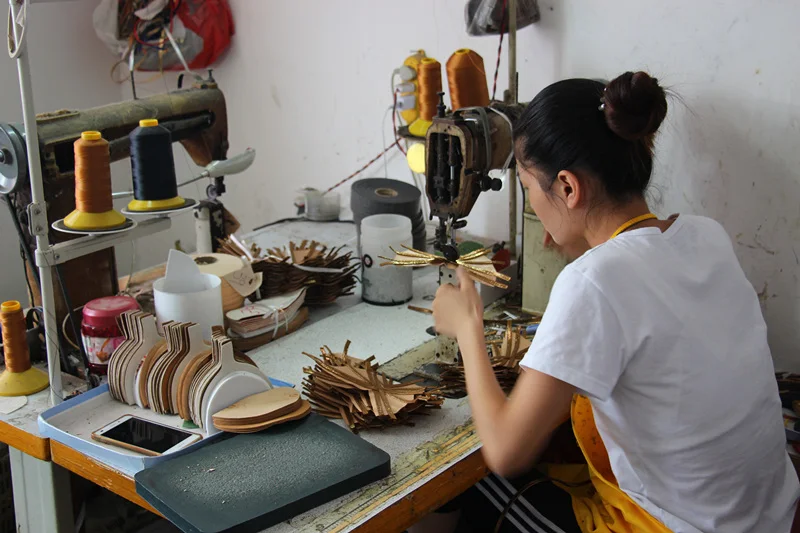
Verifying the authenticity and capability of dance shoe suppliers requires a multi-layered approach that goes beyond surface-level product listings. Buyers should prioritize suppliers who provide detailed product attributes, such as specific upper materials like satin or canvas, lining materials like cotton fabric or PU, and outsole compositions. The presence of detailed specifications, including heel heights ranging from low to high platforms and shank strength indicators, suggests a higher level of manufacturing transparency. Suppliers that clearly list their production standards, such as packaging dimensions and model numbers, are often more reliable than those with vague descriptions. It is essential to cross-reference the stated location of the supplier with their actual factory address to ensure they are not just a trading entity. For suppliers located in regions like Henan or Inner Mongolia, buyers can request video tours of the production floor to verify the existence of specialized machinery for dance shoe assembly. This visual verification helps confirm that the supplier has the actual capacity to produce the specific padded suede sole construction you require, rather than just sourcing from third-party factories.
Response time and communication quality are also critical indicators of supplier reliability. The data shows varying response times, with some suppliers responding within hours and others taking longer. A quick and professional response often correlates with better overall service and order management. Buyers should test supplier responsiveness by asking specific questions about the padded suede sole construction, such as the thickness of the padding, the type of suede used, and the bonding method to the upper. Suppliers who provide detailed, technical answers are likely more knowledgeable about their products. Additionally, buyers should inquire about the supplier’s experience with international orders and their familiarity with export regulations. Checking for any displayed certifications or compliance with international standards can further validate their credibility. While the current data does not explicitly list certifications, buyers should proactively ask for proof of quality management systems or material safety tests. This due diligence helps mitigate the risk of partnering with unreliable suppliers and ensures that the final product meets your quality and safety standards.
What to Compare Across Padded Suede Sole Dance Shoes Suppliers
When evaluating multiple suppliers for Padded Suede Sole Dance Shoes, buyers must compare key operational metrics to determine the best fit for their business model. Lead time is a critical factor, with some suppliers indicating a standard lead time of around fifteen days. This timeframe can vary based on order volume and customization requirements, so it is important to clarify the exact delivery schedule for your specific order. Minimum order quantity (MOQ) is another significant differentiator, ranging from as low as one piece for sample orders to fifty or one hundred pieces for bulk production. Buyers with smaller budgets or those testing new markets may prefer suppliers with lower MOQs, while those with established distribution channels might benefit from the economies of scale offered by higher volume orders. Comparing these metrics across different suppliers allows buyers to balance cost, speed, and flexibility according to their specific needs. It is also important to consider the supplier’s main product focus; those specializing in dance shoes may offer better quality and variety than general footwear manufacturers.
Price and customization options are equally important comparison points. The available data shows a wide price range, from approximately two dollars for basic ballet shoes to over twenty dollars for specialized Latin or ballroom shoes. This variation reflects differences in materials, construction complexity, and brand positioning. Buyers should request detailed quotes that break down costs for materials, labor, and shipping to understand the true value proposition. Customization capabilities, such as the ability to adjust heel heights, upper materials, and packaging, add significant value for brands looking to differentiate their products. Suppliers that offer flexible customization options, even at higher MOQs, can help buyers create unique products that stand out in the market. Additionally, buyers should compare the supplier’s response time and communication style, as these factors impact the overall sourcing experience. A supplier that is responsive and transparent about their processes is often easier to work with and less likely to encounter issues during production. By systematically comparing these factors, buyers can make informed decisions that align with their strategic goals and operational constraints.
Common Padded Suede Sole Dance Shoes Sourcing Risks
One of the primary risks in sourcing dance shoes is the discrepancy between advertised specifications and actual product quality. Suppliers may list generic materials like "PU" or "satin" without providing details on the grade or durability of these materials. For padded suede soles, the thickness and density of the padding are critical for comfort and performance, yet these details are often omitted from standard product listings. Buyers must explicitly request samples to verify the quality of the sole construction and ensure it meets their comfort and durability standards. Another risk is the inconsistency in sizing, as dance shoes often have specific fit requirements that differ from standard footwear. The data shows a wide range of shoe sizes, but buyers should confirm that the supplier uses consistent sizing charts and offers size adjustment services if necessary. Inconsistent sizing can lead to high return rates and customer dissatisfaction, so it is essential to establish clear size specifications before placing large orders.
Communication barriers and cultural differences can also pose significant risks, especially when working with suppliers in different regions. Misunderstandings about design requirements, packaging standards, or delivery schedules can lead to costly errors. Buyers should maintain clear and documented communication channels, using written confirmations for all critical details. Additionally, there is a risk of intellectual property infringement if buyers share proprietary designs without proper legal protections. It is important to use non-disclosure agreements and ensure that suppliers respect your brand’s intellectual property rights. Another potential risk is the reliance on trading companies that may not have direct control over production quality. Buyers should verify the actual manufacturing location and quality control processes to ensure that the final product meets their standards. By proactively identifying and mitigating these risks, buyers can build a more secure and reliable supply chain for their dance shoe products.
Padded Suede Sole Dance Shoes Regional Sourcing and Logistics
Sourcing dance shoes from specific regions in China, such as Henan and Inner Mongolia, offers distinct logistical advantages and challenges. These regions are known for their manufacturing clusters, which can lead to efficient supply chains and competitive pricing. However, buyers must consider the distance from major ports and transportation hubs, which can impact shipping costs and lead times. Suppliers in these regions may have established relationships with local logistics providers, which can streamline the export process. Buyers should inquire about the supplier’s experience with international shipping and their ability to handle customs clearance. Understanding the logistics infrastructure in these regions helps buyers plan their inventory and delivery schedules more effectively. Additionally, buyers should consider the environmental and regulatory conditions in these regions, as they can affect production stability and compliance with international standards.
Logistics planning also involves selecting the appropriate shipping method based on order volume and urgency. For smaller orders, air freight may be the most cost-effective option, while larger bulk shipments are better suited for sea freight. Buyers should compare shipping rates and transit times from different suppliers to determine the best option for their needs. It is also important to consider the packaging standards, as proper packaging is crucial for protecting dance shoes during transit. The data shows that suppliers use various packaging methods, such as OPP bags, which provide basic protection but may require additional packaging for international shipping. Buyers should specify their packaging requirements to ensure that the products arrive in good condition. By carefully planning the logistics and understanding the regional advantages, buyers can optimize their supply chain and reduce overall costs. This proactive approach to logistics management helps ensure that products are delivered on time and in perfect condition, enhancing customer satisfaction and brand reputation.
Padded Suede Sole Dance Shoes Commercial Terms and Order Planning
Commercial terms and order planning are essential components of a successful sourcing strategy for Padded Suede Sole Dance Shoes. Buyers should negotiate clear payment terms, such as a deposit followed by balance payment upon shipment, to protect their financial interests. It is important to understand the supplier’s policy on sample orders, including costs and refundability, as samples are crucial for quality verification. Buyers should also clarify the terms for customization, including any additional costs for mold creation or design changes. Understanding these commercial terms helps buyers budget accurately and avoid unexpected expenses. Additionally, buyers should establish a clear order planning process, including lead times, production schedules, and delivery deadlines. This planning ensures that inventory levels are maintained and that products are available when needed by customers.
Risk management in commercial terms includes understanding the supplier’s policy on defects and returns. Buyers should negotiate a clear warranty period and a process for handling defective products. This protection is crucial for maintaining quality standards and customer satisfaction. Buyers should also consider the impact of currency fluctuations and exchange rates on pricing, especially for long-term contracts. Establishing a stable pricing structure can help mitigate these risks. Furthermore, buyers should plan for scalability, ensuring that the supplier can handle increased order volumes as their business grows. This may involve negotiating volume discounts or securing production capacity in advance. By carefully planning the commercial terms and order logistics, buyers can build a resilient and efficient supply chain. This strategic approach helps ensure that the sourcing process is smooth, cost-effective, and aligned with the buyer’s long-term business goals.
FAQs
What materials are used for dance shoe uppers?
Suppliers offer various upper materials including canvas, satin, PU leather, and elastic fabric. Canvas provides breathability for practice, while satin delivers a polished look for performance. PU leather offers durability and a sleek finish. Elastic fabric ensures a snug fit for modern styles. Buyers should select based on the specific dance genre and comfort requirements.
What heel heights are available for Latin dance shoes?
Latin and ballroom dance shoes typically feature heel heights of 3.2cm, 3.5cm, 4.5cm, 5.5cm, and 7.5cm. Some styles offer low heels under 3.5cm for beginners or children. The shank strength is often hard to support arches. Buyers can choose heights based on skill level and performance needs, ensuring proper support and style.
What is the minimum order quantity for dance shoes?
Minimum order quantities vary by supplier and product type. Some suppliers require a minimum of 10 pairs, while others may ask for 50 or 100 pairs. Certain sellers offer low MOQs of just one pair for sampling. Buyers should check specific product listings to confirm the exact MOQ before placing bulk orders to ensure alignment with their inventory needs.
How long does production take for dance shoes?
Standard lead times for dance shoes are approximately 15 days. This duration allows for manufacturing and quality checks. Buyers should confirm specific timelines with suppliers as rush orders may incur extra fees. Planning ahead ensures timely delivery for events or seasonal stock. Always verify the lead time in the product details before finalizing purchase agreements.
Can dance shoes be customized for branding?
Customization is available for many dance shoe models. Suppliers allow custom branding, packaging, and design adjustments. Buyers can request specific colors, logos, or packaging styles like OPP bags. This service helps retailers create unique product lines. Confirm customization options and any associated costs with the supplier before placing orders to ensure your brand requirements are met.
What is the price range for wholesale dance shoes?
Wholesale dance shoe prices range from approximately $2.89 to $21.00 per pair. Basic ballet shoes start around $2.89, while professional Latin shoes cost up to $21.00. Jazz and modern styles fall in between. Prices depend on materials, heel height, and customization. Buyers should compare multiple listings to find the best value for their specific quality and budget requirements.