Padded Satin Clothing Hangers Suppliers and Manufacturers
Source Padded Satin Clothing Hangers from 25 verified suppliers in China. Compare lead times, MOQs, and response rates to find the right partner. Contact suppliers directly to request samples and confirm pricing; review the available evidence before requesting comparable quotations from suitable candidates.
Updated
Suppliers List

- Verified by TUVRHEINLAND
- Trading Company
- China Guangxi
- Lead time30 days
- Avg. response≤ 5h
Main productsHanger, Leather Hanger, Wooden Hanger, Wooden Cloth Hangers, Satin Hanger, Bamboo Hanger, Metal Hanger, Plastic Hanger, Wood Hanger, Clothes Rack
Main marketsSouth America,Europe

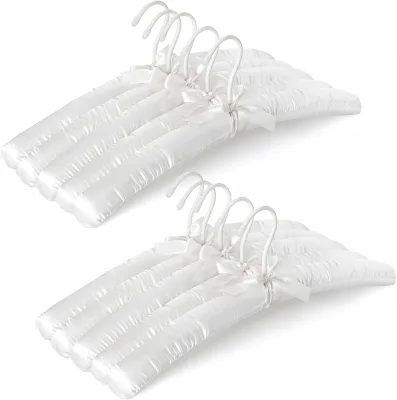
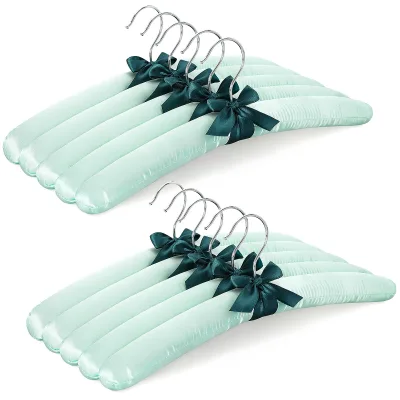
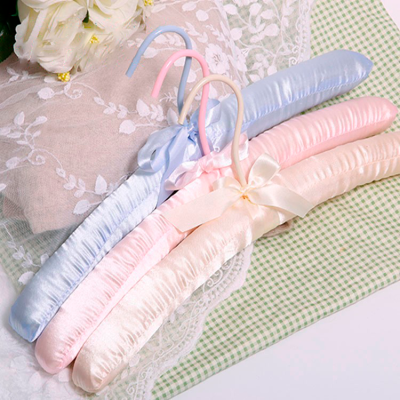
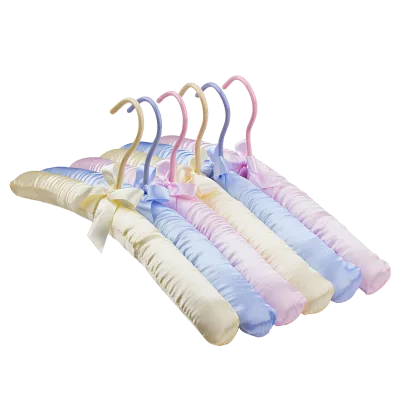
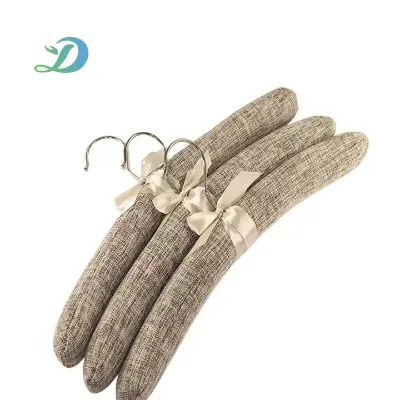
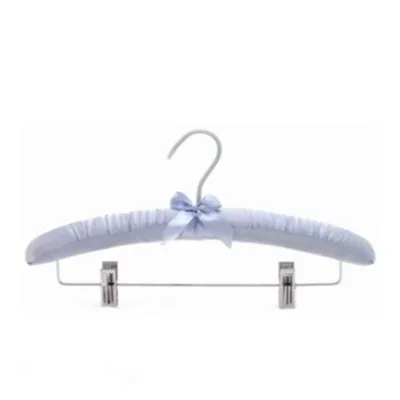
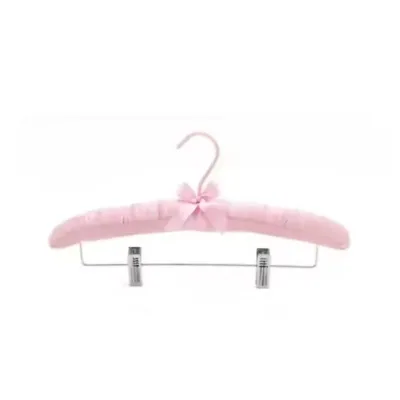
Satin Padded Clothes Hangers for Women Foam Sweater Hangers Padded Fabric Coat Hanger
$0.49 - $0.68
MOQ: 3000 Pieces

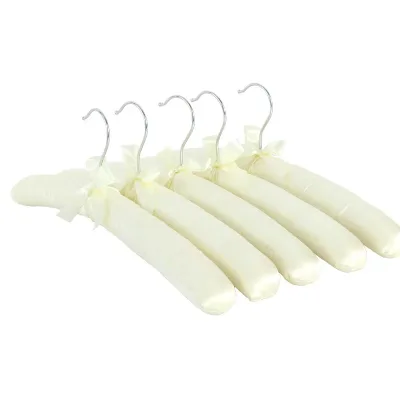
Slip Satin Padded Clothes Hangers for Women Foam Sweater Hangers Padded Fabric Coat Hanger
$0.49 - $0.68
MOQ: 3000 Pieces

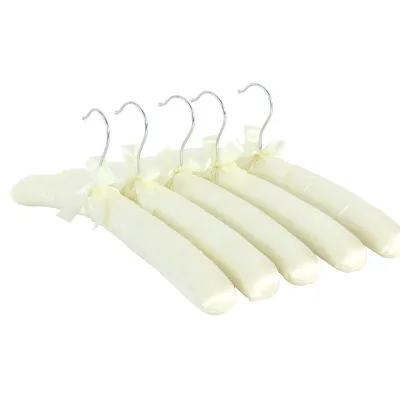
$0.49 - $0.68
MOQ: 3000 Pieces

$0.49 - $0.68
MOQ: 3000 Pieces

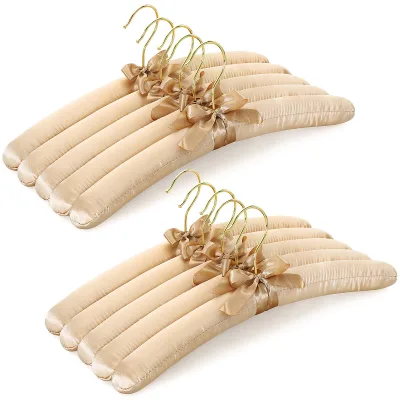
Padded Clothes Hangers for Women Foam Sweater Hangers Padded Fabric Coat Hanger
$0.49 - $0.68
MOQ: 3000 Pieces


Guangxi Guilin Winsun Hanger Co., Ltd.
- Verified by BV
- Combined
- China Guangxi
- Lead time30 days
- Avg. response≤ 19h
Main productsWooden Hanger, Velvet Hanger, Plastic Hanger, Metal Hanger
Main marketsSouth America,Africa,Southeast Asia/ Mideast,East Asia(Japan/ South Korea),Europe,Australia,North America

- Manufacturer, Trading Company
- Guangxi, China
- Lead time45 days
- Avg. response≤ 1h
Main productsHanger,Wood hanger,Metal hanger,Plastic hanger,Storage
Main marketsWestern Europe(30.00%), North America(30.00%), South America(10.00%), Eastern Europe(6.00%), Oceania(6.00%), Southeast Asia(4.00%), Domestic Market(3.00%), Northern Europe(2.00%), Central America(2.00%), South Asia(2.00%), Southern Europe(2.00%), Mid East(1.00%), Africa(1.00%), Eastern Asia(1.00%)
Guilin Jason Bamboo & Wooden Product Co., Ltd.
- Verified by TüVRheinland
- Manufacturer, Trading Company
- Lead time30 days
- Avg. response≤ 4h
Main productsMetal Hangers, Pant & Skirt Hangers, Plastic Hangers, Velvet & Fabric Hangers, Wood Hangers
Main marketsNorth America(25%), Western Europe(15%), Africa(10%)
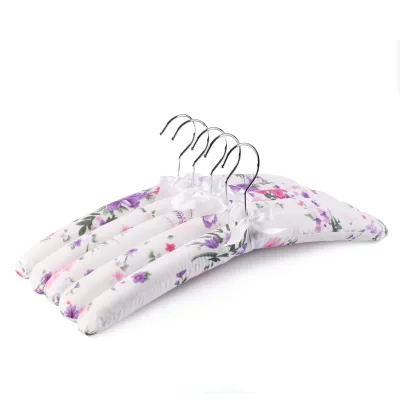
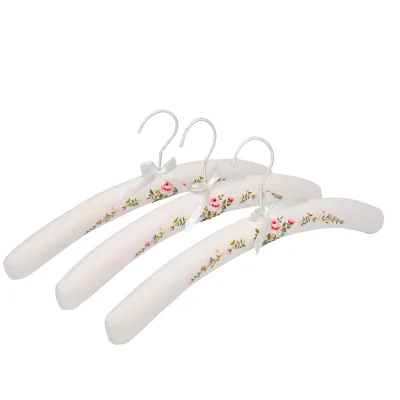
Satin Padded Wooden Clothes Hanger Anti Slip Cushioned Hangers for Sweaters, Dress
$0.40 - $0.58
MOQ: 1000

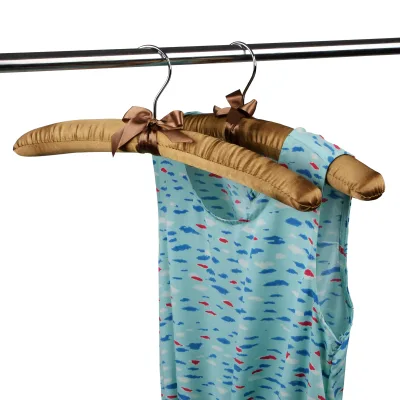
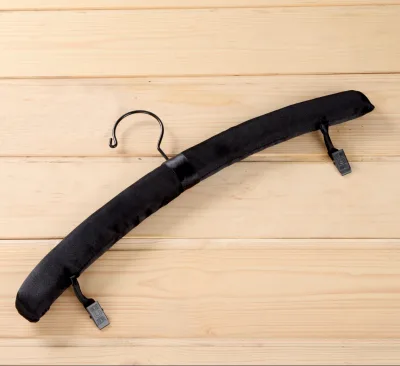
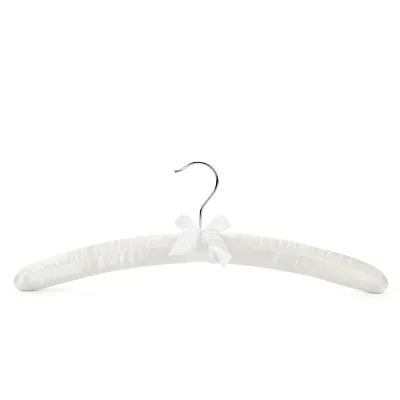
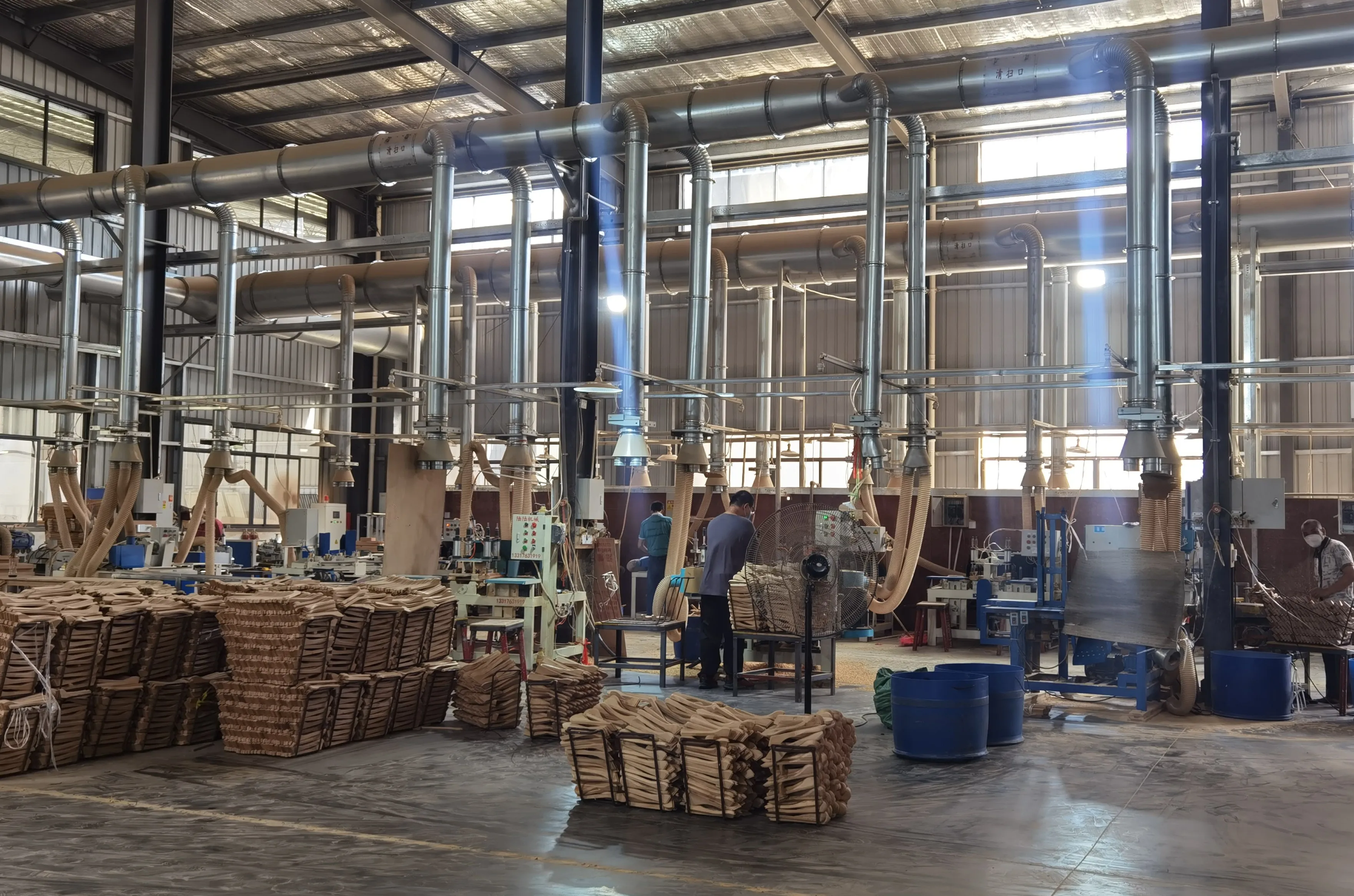
- Manufacturer, Trading Company
- Guangxi, China
- Lead time15 days
- Avg. response≤ 3h
Main productsWooden hanger,metal hanger,plastic hanger,velvet hangers,Storage organization
Main marketsNorth America(22.00%), Western Europe(18.00%), Southeast Asia(15.00%), South America(10.00%), Southern Europe(5.00%), Africa(5.00%), Eastern Asia(5.00%), Eastern Europe(4.00%), Northern Europe(3.00%), Mid East(3.00%), South Asia(3.00%), Oceania(3.00%), Central America(2.00%), Domestic Market(2.00%)
Guilin Lovehome Household Articles Co., Ltd.
- Manufacturer, Trading Company
- Guangxi, China
- Lead time30 days
- Avg. response≤ 8h
Main productsWooden Hanger,Metal Hanger,Plastic Hanger,Velvet Hanger,Storage Baskets
Main marketsWestern Europe(25.00%), North America(21.00%), Eastern Europe(20.00%), Mid East(10.00%), Eastern Asia(10.00%), South America(5.00%), South Asia(3.00%), Africa(2.00%), Oceania(2.00%), Southeast Asia(2.00%)
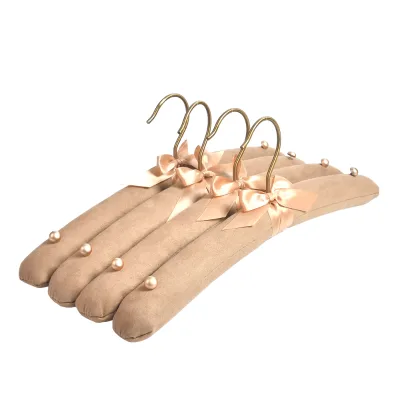
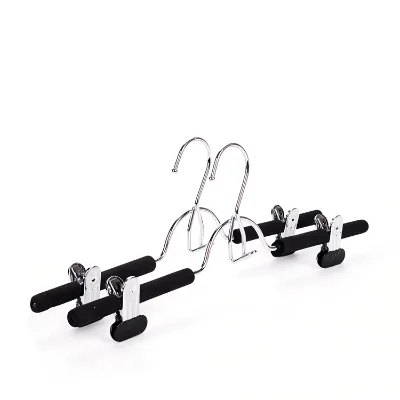
Wholesale Black Foam Padded Hangers Dress Hangers Multifunctional Metallic Pants Hanger
$0.37 - $0.53
MOQ: 2000
- Verified by SGS Group
- Manufacturer, Trading Company
- Lead time45 days
- Avg. response≤ 3h
Main productsHanger, Wood Hangers, Plastic Hangers, Metal Hangers, Storage
Main marketsNorth America(30%), Western Europe(30%), South America(10%)
Guilin Betterall Household Articles Group Co., Ltd.
- Manufacturer, Trading Company
- Guangxi, China
- Lead time30 days
- Avg. response≤ 14h
Main productsWooden Hanger,Metal Hanger,Dish Rack,steel hook,luggage rack
Main marketsDomestic Market(34.70%), North America(21.69%), South America(7.81%), Western Europe(6.07%), Central America(5.21%), Northern Europe(4.77%), Southern Europe(4.34%), Eastern Europe(4.34%), Eastern Asia(3.47%), Oceania(3.04%), Mid East(2.17%), Southeast Asia(2.17%), Africa(0.22%)

Guangxi Guilin Glory Hanger Co., Ltd.
- Verified by BV
- Trading Company,Manufacturer/Factory
- China Guangxi
- Lead time30 days
- Avg. response≤ 9h
Main productsHanger, Wood Hangers, Metal Hangers, Clothes Hangers, Garment Hangers, Deluxe Hanger, Hotel Product, Kid Hanger, Wooden Hanger, Suit Hanger
Main marketsSouth America,Eastern Europe,Mid East,North America,Western Europe


Colorful Satin Padded Coat Hangers with Anti-Rust Hook, Non-Crease for Clothes
$0.32 - $0.78
MOQ: 5000 Pieces


Hanger Factory Wholesale Pants Hanger, High Quanlity Clothes Hanger Sales
$0.27 - $2.00
MOQ: 3000 Pieces
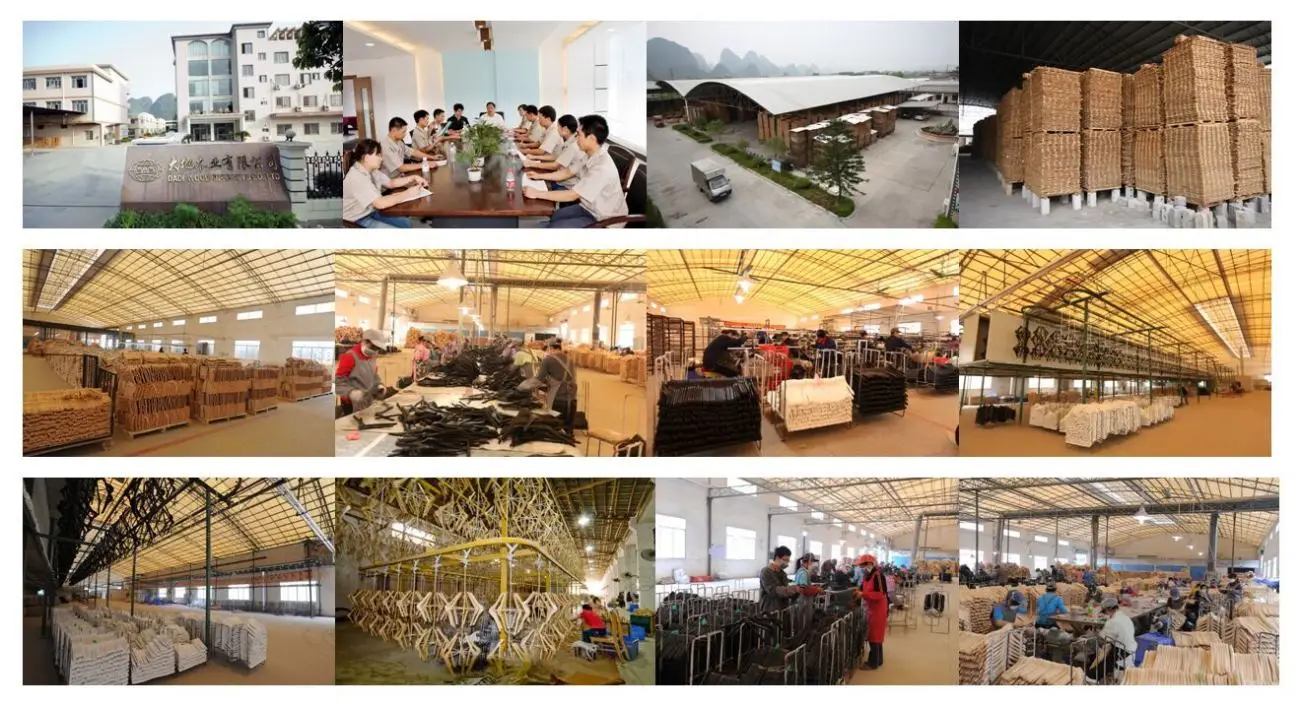
- Manufacturer, Trading Company
- Guangxi, China
- Lead time35 days
- Avg. response≤ 3h
Main productswooden hangers,metal hangers,plywood hanger,acrylic hanger,satin hanger
Main marketsWestern Europe(25.00%), Domestic Market(18.00%), Central America(11.00%), North America(10.00%), Eastern Asia(10.00%), Eastern Europe(9.00%), Southeast Asia(4.00%), Oceania(3.00%), Mid East(3.00%), South America(3.00%), Northern Europe(2.00%), Southern Europe(2.00%)
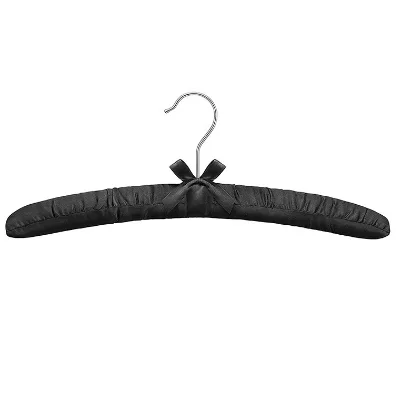



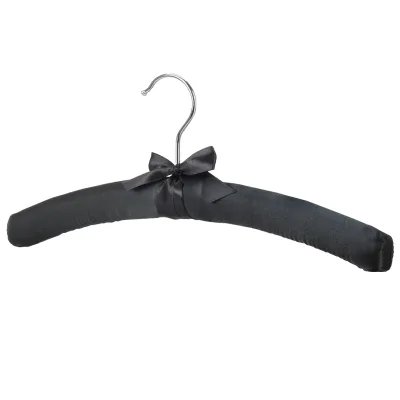
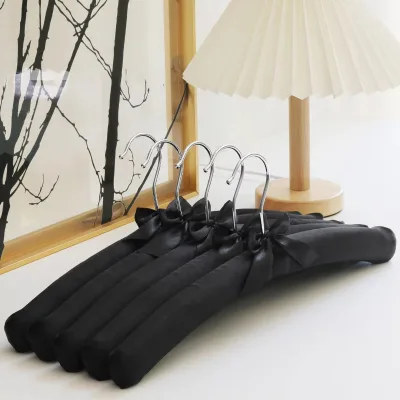
Hot Selling Satin Padded Hanger Black With Solid Wood Inside Heavy Duty for Clothing
$0.403 - $0.4434
MOQ: 1 pieces

Ningbo Yaohui Plastic Co., Ltd.
- Trading Company,Manufacturer/Factory
- China Zhejiang
- Lead time15 days
- Avg. response≤ 16h
Main productsHanger, Plastic Hanger, Coat Hanger, Zipper, Button, Cloth Accessories, Suit Hanger, Pants Hanger, Plastic Bottle, Ice Bucket
Main marketsSouth America,Eastern Europe,Mid East,North America,Southeast Asia,Eastern Asia,Oceania,Western Europe,Africa

- Trading Company,Manufacturer/Factory
- China Guangdong
- Lead time23 days
- Avg. response≤ 11h
Main productsHotel Amenity, Hotel Supplies, Hair Dryer, Ironing Board, Safe Box, Ice Bucket, Magnifying Mirror, Luggage Rack, Waste Bin, Electric Kettle
Main marketsSouth America,Eastern Europe,Mid East,North America,Southeast Asia,Eastern Asia,Oceania,Western Europe,Africa
Quanzhou Hexing Display Factory
- Verified by TüVRheinland
- Manufacturer, Trading Company
- Lead time8 days
- Avg. response≤ 3h
Main productsMannequins, Clothes Hanger, Shoe Tree
Main marketsSouthern Europe(15%), North America(10%), Eastern Europe(10%)

Guangzhou Youde Hotel Supplies Co., Ltd.
- Manufacturer, Trading Company
- Guangdong, China
- Lead time35 days
- Avg. response≤ 5h
Main productsWooden hanger,Luggage rack,Pu products,Trash Bin,Storage basket
Main marketsOceania(10.00%), Mid East(10.00%), Southeast Asia(10.00%), Eastern Asia(10.00%), South America(10.00%), North America(10.00%), Western Europe(6.00%), South Asia(5.00%), Southern Europe(5.00%), Northern Europe(5.00%), Domestic Market(5.00%), Africa(5.00%), Eastern Europe(5.00%), Central America(4.00%)
Guangxi Guilin Glory Hanger Co., Ltd.
- Manufacturer, Trading Company
- Guangxi, China
- Lead time30 days
- Avg. response≤ 10h
Main productsWooden Hanger, Metal Hanger, Plastic Hanger, Velvet Hanger, Clothes Rack
Main marketsNorth America(45.00%), Western Europe(30.00%), South America(6.00%), Eastern Europe(5.00%), Domestic Market(5.00%), Southeast Asia(5.00%), Oceania(4.00%)

Easton Hotel Supplies Co., Ltd.
- Verified by TUVRHEINLAND
- Trading Company
- China Guangdong
- Lead time15 days
- Avg. response≤ 3h
Main productsHotel Accessories, Hotel Amenity, Hotel Supplies, Wall Mounted Hair Dryer, Magnifying Mirror, Ironing Board, Welcome Tray, Wooden Hanger, Digital Safe, Luggage Rack
Main marketsSoutheast Asia/ Mideast

Ningbo V. K. Industry and Trading Co., Ltd.
- Verified by BV
- Trading Company
- China Zhejiang
- Lead time30 days
- Avg. response≤ 6h
Main productsIce Bath Tub, Cosmetic Glass Bottle, Hydroponics Grow Box, Baby Bottle, Inflatable Tent, Cream Jar, Reed Diffuser Bottle, Jewish Products, Mezuzah Case
Main marketsSouth America,Europe,Australia,North America

- Combined
- China Guangdong
- Lead time45 days
- Avg. response≤ 4h
Main productsDoor Handle, Door Lock, Door Hinge, Door Bolt, Cabinet Handle, Cabinet Hinge, Door Closer, Barn Door Hardware, Door Stopper, Glass Hardware
Main marketsSouth America,Southeast Asia/ Mideast,East Asia(Japan/ South Korea),Domestic,Europe,North America

CLEANUP Industrial & Trading Co., Ltd.
- Trading Company,Manufacturer/Factory
- China Zhejiang
- Lead time45 days
- Avg. response≤ 8h
Main productsMop, Microfiber Cloth, Cleaning Brush, Window Cleaner, Duster, Lint Roller, Broom
Main marketsEastern Europe,Mid East,North America,Western Europe

Dongguan Chinyik Plastic and Hardware Products Factory
- Verified by SGS
- Combined
- China Guangdong
- Lead time30 days
- Avg. response≤ 13h
Main productsMould, Acrylic Mould Injection, LED, Plastic Injection Mould
Main marketsDomestic

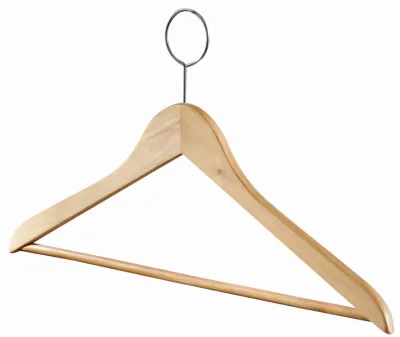
Personalized Transparent Clothing Hangers for Elegant Wardrobe Presentation
$3.50 - $8.00
MOQ: 50 Pieces

Custom Transparent Clothing Hangers for Elegant Closet Organization Solutions
$2.10 - $3.00
MOQ: 50 Pieces


Dongguan Yongzhao Hardware Products Co., Ltd.
- Combined
- China Guangdong
- Lead time15 days
- Avg. response≤ 5h
Main productsHanger, Plastic Hanger, Clothes Hangers, Mannequins, Fiberglass Mannequins, Clothing Hangers, Velvet Hangers, Rubber Coating Hanger, Lingerie Hanger, Swimwear Hanger
Main marketsSouth America,Southeast Asia/ Mideast,Europe,Australia,North America
Quanzhou Yingchuan Import & Export Trade Co.,ltd
- Verified by TüVRheinland
- Trading Company
- Lead time10 days
- Avg. response≤ 2h
Main productsMannequin, Hanger
Main marketsWestern Europe(30%), North America(20%), Oceania(20%)
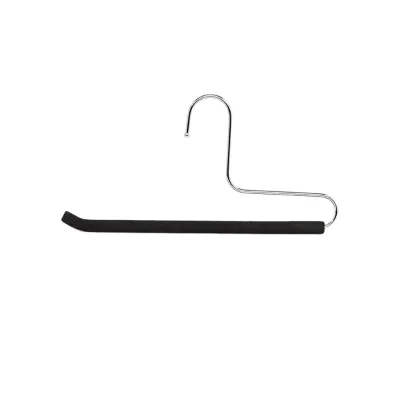
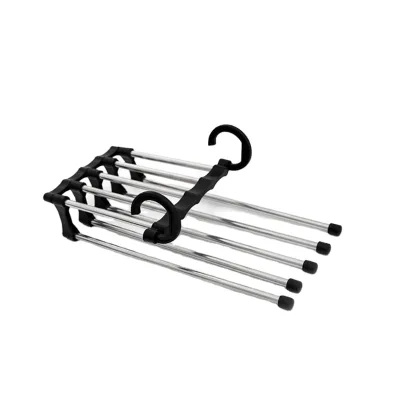
High Load Bearing and Not Easy to Bend Multipurpose Shop Pants Hanger Metal Hanger
$1.28 - $1.68
MOQ: 100
Ningbo Partner Leisure Products Co., Ltd.
- Trading Company
- Zhejiang, China
- Lead time0 days
- Avg. response≤ 8h
Main productspet supplies,cooker,kitchen accessories,egg incubator,storage box
Main marketsNorth America(80.00%), South America(15.00%), Eastern Europe(5.00%)
Quanzhou Hexing Display Products Co., Ltd.
- Verified by TüVRheinland
- Manufacturer, Trading Company
- Lead time7 days
- Avg. response≤ 1h
Main productsMannequins, Shoe Tree, Clothes Hanger
Main marketsSouthern Europe(15%), North America(10%), Eastern Europe(10%)

Shandong Ruifu Trading Co., Ltd.
- Verified by SGS
- Trading Company
- China Shandong
- Lead time15 days
- Avg. response≤ 5h
Main productsPackaging Box, Custom Packaging, Paper Box, Paper Bag, Perfume Box, Tractor, Safe Box, Jewelry Box, Custom Box, Clothing Box
Main marketsSoutheast Asia/ Mideast










Comprehensive Sourcing Guide
Padded Satin Clothing Hangers Supplier Concentration and Factory Types
The current supplier landscape for Padded Satin Clothing Hangers reveals a distinct concentration of manufacturing and trading entities within specific geographic regions, with Guangxi, China, emerging as a notable hub for this category. This regional clustering suggests a localized supply chain ecosystem where raw materials, such as satin fabric and foam padding, are readily accessible to producers, thereby reducing logistical friction and potentially lowering base production costs. Buyers evaluating suppliers should recognize that this geographic concentration does not imply uniformity in quality or capability; rather, it indicates a mature industrial zone where specialized knowledge in textile-covered hanger production has accumulated over time. The presence of suppliers in this area often correlates with established infrastructure for handling delicate materials like lace and satin, which require careful handling to prevent snagging or damage during the manufacturing process. Understanding this geographic context helps buyers anticipate the types of suppliers they will encounter, ranging from pure trading companies that aggregate products from multiple small workshops to integrated manufacturers who control the entire production line from foam molding to final packaging.
Supplier types in this sector vary significantly, influencing the buyer’s relationship with the vendor and the flexibility of the supply chain. Data indicates a mix of company structures, including trading companies, manufacturers, and combined entities that offer both production and sourcing services. Trading companies often provide a broader catalog of hanger styles, including wooden, metal, and plastic options alongside padded satin varieties, acting as a one-stop shop for buyers who need diverse storage solutions. In contrast, manufacturers may offer deeper customization capabilities, such as specific foam density adjustments or unique hook designs, but might have higher minimum order quantities. The distinction is crucial because combined entities can offer the best of both worlds, providing the breadth of a trader with the production control of a manufacturer. Buyers must carefully assess which model aligns with their volume needs and customization requirements, as the supplier type directly impacts communication efficiency, pricing structure, and the ability to scale production during peak seasons.
How to Verify Padded Satin Clothing Hangers Suppliers
Verifying the legitimacy and capability of Padded Satin Clothing Hangers suppliers requires a multi-layered approach that goes beyond surface-level profile reviews. One critical step is to examine third-party verification badges, such as those from TÜV Rheinland or Bureau Veritas, which indicate that an independent agency has inspected the supplier’s facilities or business practices. These verifications provide a layer of confidence regarding the supplier’s operational stability and compliance with basic business standards, though they do not guarantee product quality for every order. Buyers should prioritize suppliers who display these credentials prominently, as they suggest a willingness to undergo external scrutiny. Additionally, checking the supplier’s response time can serve as a proxy for their operational efficiency and customer service commitment. A rapid response time, such as under five hours, often correlates with a well-stocked team and streamlined internal processes, whereas slower responses may indicate bottlenecks or a lack of dedicated account management resources.
Beyond verification badges and response metrics, buyers should scrutinize the supplier’s product evidence and attribute consistency to ensure they are dealing with a genuine source. Detailed product listings that include specific material compositions, such as satin or lace covers, and precise dimensions, like 38x3.5cm, demonstrate a high level of product knowledge and transparency. Buyers should look for suppliers who provide comprehensive product attributes, including customization options, hook types, and packaging specifications, as these details reveal the supplier’s ability to meet specific client requirements. It is also advisable to request samples to physically assess the quality of the satin finish, the density of the foam padding, and the durability of the chrome hooks. This hands-on verification is essential because visual descriptions on a platform cannot fully convey the tactile qualities of the product, such as the slip-resistance of the satin or the smoothness of the foam edge, which are critical for protecting delicate garments.
What to Compare Across Padded Satin Clothing Hangers Suppliers
When evaluating multiple suppliers for Padded Satin Clothing Hangers, buyers must systematically compare key operational metrics to identify the most suitable partner for their specific needs. One of the most significant differentiators is the minimum order quantity (MOQ), which can range from 2,000 to 5,000 pieces depending on the supplier’s production model and customization requirements. Suppliers with lower MOQs may be more accessible for small businesses or trial orders, but they might charge higher unit prices to cover setup costs. Conversely, suppliers with higher MOQs often offer more competitive pricing, making them ideal for large-scale retail chains or established brands with consistent demand. Buyers should also compare lead times, which can vary from 30 to 45 days, to ensure they can meet their inventory replenishment schedules. A shorter lead time is particularly valuable for businesses that operate on just-in-time inventory models or need to respond quickly to seasonal fashion trends.
Price and customization capabilities are another critical area for comparison, as they directly impact the bottom line and product differentiation. Unit prices for padded satin hangers can range from $0.25 to $0.68 per piece, depending on factors such as material quality, hook finish, and order volume. Buyers should request detailed quotes that break down costs for standard versus customized options, including logo printing or unique color combinations. Suppliers that offer extensive customization, such as adjustable hook shapes or specific packaging solutions, may command a premium but can provide significant value in terms of brand presentation. Additionally, comparing the supplier’s main product focus can reveal their expertise; suppliers who specialize in hangers and storage solutions may offer better technical support and product innovation than general trading companies. By aligning these comparative metrics with their business goals, buyers can make informed decisions that balance cost, quality, and operational efficiency.
Common Padded Satin Clothing Hangers Sourcing Risks
Sourcing Padded Satin Clothing Hangers from international suppliers introduces several risks that buyers must proactively manage to ensure a smooth procurement process. One significant risk is the potential for quality inconsistency, particularly regarding the satin material and foam padding. Since these products are often made from textiles and synthetic foams, variations in dye lots, fabric weave, or foam density can occur between production batches. Buyers may receive hangers that are prone to snagging delicate fabrics or that lose their shape over time, leading to customer complaints and returns. This risk is exacerbated when working with suppliers who have limited quality control processes or who outsource parts of the production chain. To mitigate this, buyers should establish clear quality standards in their purchase agreements and conduct regular inspections, either through third-party agencies or by visiting the factory, to ensure that production meets the specified requirements.
Another common risk is the misalignment of communication and expectations, which can lead to delays or incorrect orders. Language barriers and cultural differences can sometimes result in misunderstandings regarding product specifications, packaging requirements, or shipping instructions. For instance, a supplier might interpret a request for "custom colors" differently than the buyer, leading to the production of hangers in shades that do not match the brand’s palette. Additionally, reliance on digital communication platforms can sometimes obscure critical details, especially if product images are not high-resolution or if technical drawings are not provided. Buyers should invest time in building a strong relationship with their supplier, using clear and detailed documentation to minimize ambiguity. Establishing a single point of contact and using standardized templates for product specifications can help streamline communication and reduce the likelihood of errors. Furthermore, buyers should be aware of potential logistical risks, such as shipping delays or customs issues, which can impact the timely delivery of goods.
Padded Satin Clothing Hangers Regional Sourcing and Logistics
The regional sourcing of Padded Satin Clothing Hangers, particularly from Guangxi, China, offers distinct logistical advantages and challenges that buyers should consider when planning their supply chain. Guangxi’s proximity to major shipping ports and its established manufacturing infrastructure make it a convenient location for exporting goods to global markets. This geographic advantage can result in shorter transit times and lower freight costs compared to sourcing from more distant regions. However, buyers must also account for the potential for regional disruptions, such as weather-related port closures or local labor shortages, which can impact production schedules. Understanding the local logistics landscape helps buyers anticipate potential bottlenecks and develop contingency plans to ensure continuous supply. Additionally, suppliers in this region may have established relationships with local freight forwarders, which can facilitate smoother export processes and provide buyers with more competitive shipping rates.
Logistics planning for Padded Satin Clothing Hangers also involves considerations related to product packaging and handling. These hangers are often bulky and require careful packaging to prevent damage during transit. Suppliers typically use carton packaging, with quantities ranging from 100 pieces per carton, to optimize space and protect the products. Buyers should work closely with their suppliers to determine the most efficient packaging configuration, balancing protection with cost-effectiveness. For example, using vacuum-sealed packaging can reduce volume and shipping costs, but it may not be suitable for all satin finishes. Additionally, buyers should consider the impact of packaging on sustainability goals, as many retailers are increasingly demanding eco-friendly packaging solutions. By collaborating with suppliers on packaging design and logistics strategy, buyers can optimize their supply chain efficiency and reduce overall costs. It is also important to verify the supplier’s ability to handle different shipping methods, such as sea, air, or express freight, to accommodate varying urgency levels and budget constraints.
Padded Satin Clothing Hangers Commercial Terms and Order Planning
Effective order planning for Padded Satin Clothing Hangers requires a thorough understanding of commercial terms, including payment structures, pricing tiers, and after-sales support. Payment terms such as T/T (Telegraphic Transfer) or L/C (Letter of Credit) are common in this sector, offering varying levels of security for both buyers and suppliers. Buyers should negotiate terms that align with their cash flow needs while providing sufficient assurance to the supplier. For instance, a deposit followed by a balance payment upon shipment is a standard arrangement that balances risk for both parties. Additionally, buyers should be aware of any additional costs associated with customization, such as mold fees for unique hook designs or setup charges for specific packaging. These costs can significantly impact the total order value, so it is essential to request a comprehensive quote that includes all potential charges. By understanding the full cost structure, buyers can make more accurate budget forecasts and avoid unexpected expenses.
Pricing tiers and volume discounts are another critical aspect of commercial terms that buyers should leverage to optimize their procurement strategy. Suppliers often offer tiered pricing based on order quantity, with significant discounts available for larger orders. Buyers should analyze their historical demand and forecast future needs to determine the optimal order size that maximizes cost savings without tying up excessive capital in inventory. For example, increasing an order from 3,000 to 5,000 pieces might result in a substantial per-unit price reduction, making it worthwhile to hold additional stock. However, buyers must also consider storage costs and the risk of obsolescence, especially if fashion trends change rapidly. Establishing a long-term partnership with a supplier can also lead to more favorable commercial terms, such as extended payment periods or priority production slots. By strategically managing commercial terms and order planning, buyers can enhance their profitability and build a resilient supply chain for Padded Satin Clothing Hangers.
FAQs
What is the typical lead time for padded satin hangers?
Manufacturers in China Guangxi generally require 30 to 45 days for production and delivery. This timeframe accounts for material sourcing, manufacturing, and quality checks. Buyers should confirm specific schedules with suppliers, as rush orders may incur additional costs or require alternative shipping methods to meet tight deadlines.
What are the minimum order quantities for these hangers?
Minimum order quantities typically range from 2,000 to 5,000 pieces depending on the supplier and customization level. Some suppliers offer lower MOQs of 1,000 pieces for standard models. Bulk orders often benefit from better pricing tiers. Buyers should verify exact MOQ requirements before placing orders to ensure alignment with their inventory needs.
Are custom logos and colors available for satin hangers?
Yes, customization is widely available for logos, colors, and shapes. Suppliers offer options for flat or curved designs with customizable packaging. Buyers can select from various colors like yellow or purple, or request specific custom shades. This flexibility allows brands to maintain consistent visual identity across their retail displays and storage solutions.
What materials are used for the padded coating?
The padding is primarily made from satin or lace fabric, providing a soft surface for delicate garments. The core often uses foam for shape retention. Hooks are typically shiny chrome metal. These materials ensure clothes do not slip or develop shoulder bumps, making them ideal for wedding dresses, sweaters, and silk items.
How quickly do suppliers respond to inquiries?
Response times vary significantly among suppliers, ranging from 1 hour to over 18 hours. Faster response rates indicate active sales teams ready to assist with quotes and samples. Buyers seeking urgent procurement should prioritize suppliers with quicker response metrics to ensure timely communication throughout the sourcing and production process.
What is the price range for wholesale satin hangers?
Wholesale prices generally range from $0.25 to $0.68 per piece. Costs depend on material quality, customization options, and order volume. Higher-end luxury specifications or complex logo printing may increase the unit price. Bulk purchases often secure the lower end of this price spectrum, offering better value for large-scale retail operations.
Where are these hangers manufactured?
Most suppliers are located in Guangxi, China, with specific origins often cited as Guilin. This region is a known hub for hanger manufacturing, offering efficient supply chains for wood, plastic, and metal components. Buyers should verify the exact place of origin on product listings to ensure compliance with import regulations and shipping logistics.