Paintless Repair Car Dent Puller Suppliers and Manufacturers
Compare 24 verified suppliers offering Paintless Repair Car Dent Puller tools from Zhejiang and Shandong. Review response times, lead times, and certifications before requesting quotes for your automotive repair needs; review the available evidence before requesting comparable quotations from suitable candidates.
Updated
Suppliers List
Jiande Zhengxin Manufacturing Tools Co., Ltd.
- Manufacturer, Trading Company
- Zhejiang, China
- Lead time35 days
- Avg. response≤ 4h
Main productscable reel,air hose reel,hot melt glue stick,glue gun,EV reel
Main marketsWestern Europe(25.00%), Northern Europe(13.00%), Eastern Europe(9.00%), North America(8.00%), Oceania(6.00%), South America(6.00%), Southeast Asia(5.00%), Eastern Asia(4.00%), Africa(3.00%), South Asia(2.00%), Southern Europe(2.00%), Mid East(2.00%), Domestic Market(2.00%), Central America(1.00%)
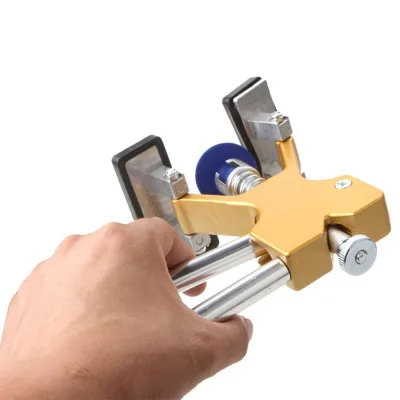
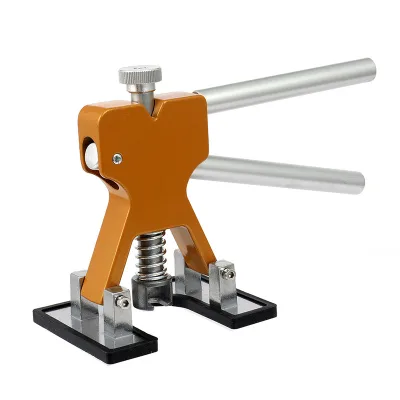
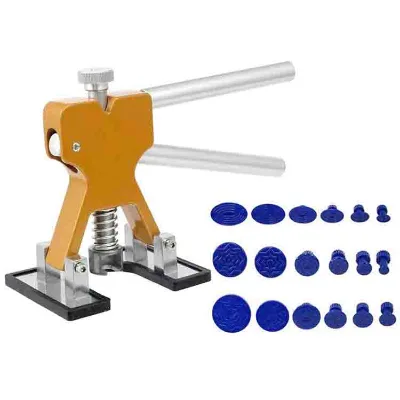
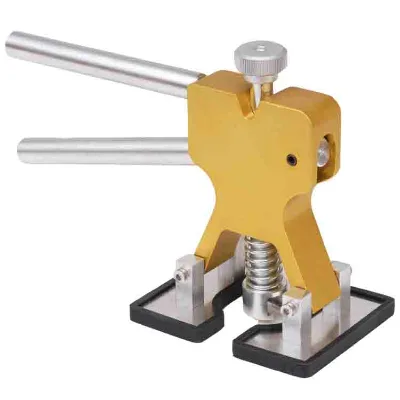
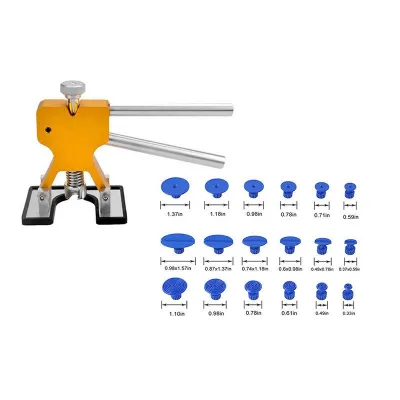
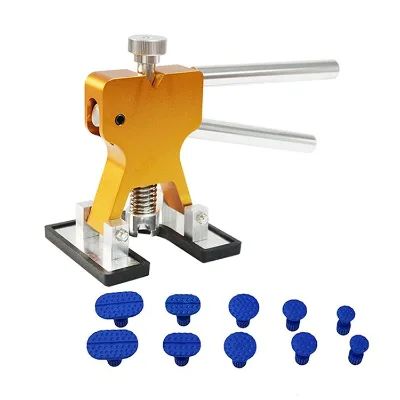
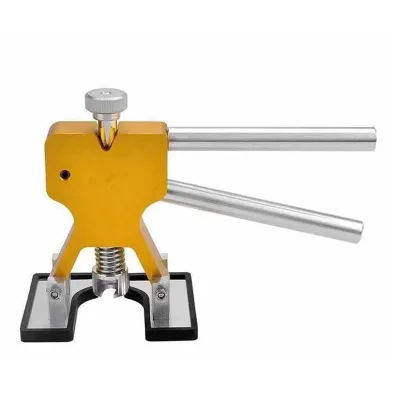
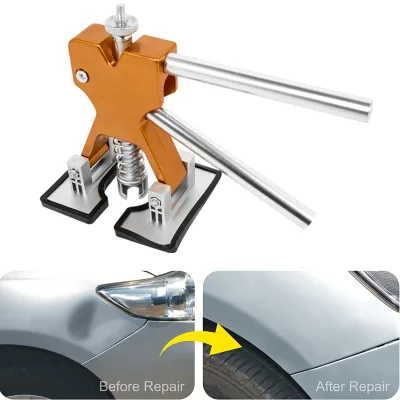
Paintless Dent Repair Tool Golden Lifter Dent Puller Dent Removal for Cars
$2.90 - $3.20
MOQ: 300 pieces
Jinan Dashuai Auto Products Co., Ltd.
- Trading Company
- Shandong, China
- Lead time3 days
- Avg. response≤ 2h
Main productsSand Paper,Paint Gun,Auto Shaping Machine
Main marketsNorthern Europe(30.00%), North America(30.00%), Southeast Asia(20.00%), Oceania(20.00%)
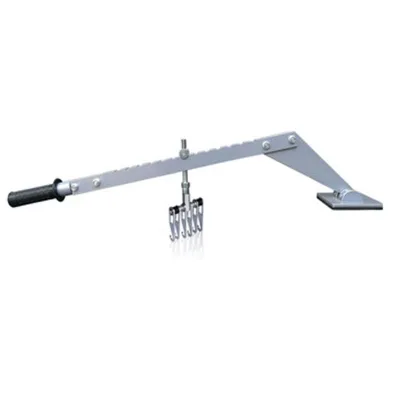
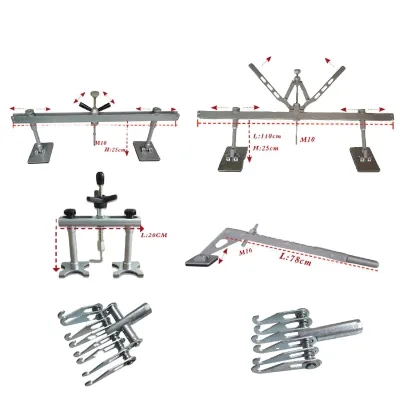
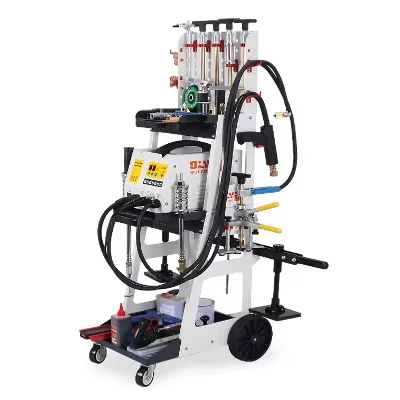
Hot Sell Dent Repair Puller Paintless Dent Repair Tool Panel Spot Puller
$28.7217 - $68.6529
MOQ: 1 Minimum
Weifang Jinxin Industrial Equipment Co., Ltd
- Trading Company
- Shandong, China
- Lead time0 days
- Avg. response≤ 2h
Main productsAutomotive sheet metal repair equipment,Hardware Tools,Car Beauty Supplies
Main marketsDomestic Market(100.00%)
Suzhou Toryin Trading Co., Ltd.
- Trading Company
- Jiangsu, China
- Lead time30 days
- Avg. response≤ 4h
Main productsHand Tools,Car Tools,Outdoor Tools,Garden Tools,Kitchen Tools
Main marketsSouth America(21.00%), North America(18.00%), Western Europe(8.00%), Eastern Europe(8.00%), Southern Europe(7.00%), Domestic Market(7.00%), Central America(5.00%), Southeast Asia(5.00%), Northern Europe(5.00%), Africa(5.00%), South Asia(3.00%), Eastern Asia(3.00%), Mid East(3.00%), Oceania(2.00%)
Qingdao Hammer Rubber&Plastic Products Co., Ltd.
- Manufacturer, Trading Company
- Shandong, China
- Lead time3 days
- Avg. response≤ 2h
Main productsPDR King,slide hammer,dent lifter,PDR lamp,line board
Main marketsNorth America(20.00%), Southern Europe(10.00%), Western Europe(10.00%), Mid East(10.00%), Domestic Market(5.00%), South Asia(5.00%), Southeast Asia(5.00%), Northern Europe(5.00%), Central America(5.00%), Eastern Europe(5.00%), Eastern Asia(5.00%), South America(5.00%), Oceania(5.00%), Africa(5.00%)

Guangdong DuroPower Industries Ltd
- Verified by BV
- Combined
- China Guangdong
- Lead time23 days
- Avg. response≤ 5h
Main productsInduction Heater, Induction Heating Machine, Welding Machine, Spot Welding Machine, Butt Welding Machine, 2D Wire Forming Machine, Portable Inductor, Pipe Process Machine, Tube and Pipe Producing Machine, Wire Bending Machine
Main marketsSouth America,Africa,Southeast Asia/ Mideast,East Asia(Japan/ South Korea),Europe,Australia,North America


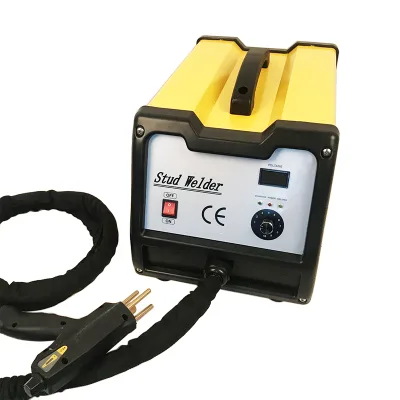
Hot Selling Paint Less Dent Repair Tools Car Dent Repair Lifter Dent Puller for Auto Repair
$130.00 - $200.00
MOQ: 1 Pieces
Cangzhou Xuanhe Tools Co., Ltd.
- Manufacturer, Trading Company
- Hebei, China
- Lead time0 days
- Avg. response≤ 4h
Main productsSheet metal repair tool,Automobile repair tools,Slide hammer tool,Tow rope,Engine oil filter wrench
Main marketsEastern Europe(100.00%), Southeast Asia(100.00%), Africa(100.00%), Oceania(100.00%), Mid East(100.00%), Eastern Asia(100.00%), Western Europe(100.00%), Central America(100.00%), Northern Europe(100.00%), Southern Europe(100.00%), South Asia(100.00%), Domestic Market(100.00%), North America(100.00%), South America(100.00%)
Guangzhou Liangu International Trade Co., Ltd.
- Manufacturer, Trading Company
- Guangdong, China
- Lead time3 days
- Avg. response≤ 6h
Main productsPower tools,Hardware tools,Hand Tool,pneumatic tool,electrical tools
Main marketsNorth America(30.00%), Eastern Europe(10.00%)
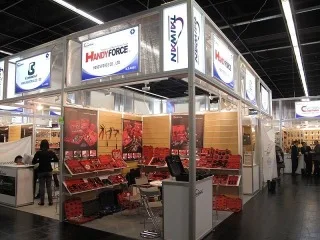
- Trading Company
- Taiwan, China
- Lead time0 days
- Avg. response≤ 13h
Main productsAuto Repair Tool,Hand Tool,Engine Repair Tool,Under Car Repair Tool,Body Service Tool
Main marketsNorthern Europe(20.00%), Eastern Europe(20.00%), Southern Europe(10.00%), Western Europe(10.00%), North America(10.00%), South Asia(5.00%), South America(5.00%), Africa(5.00%), Central America(5.00%), Southeast Asia(5.00%), Oceania(5.00%)
Guangzhou Haohui Technology Co., Ltd.
- Verified by SGS Group
- Trading Company
- Lead time7 days
- Avg. response≤ 1h
Main productsCar Care Chemicals, Automotive Fasteners, Car Detailing Tools, Motorcycle And Automotive Electrical Parts, Automotive Testing Tools
Main marketsNorth America(30%), Southern Europe(20%), Western Europe(20%)
Hefei Chegongshe Hardware Technology Co., Ltd.
- Verified by Intertek
- Manufacturer, Trading Company
- Lead time7 days
- Avg. response≤ 2h
Main productsJack, Grease Gun, Tool Sets, Dent Repairing Machine, Snow Chain
Main marketsNorth America(20%), South America(20%), Eastern Asia(20%)
Changzhou Bangcan Electronic Technology Co., Ltd.
- Manufacturer, Trading Company
- Jiangsu Province, China
- Lead time15 days
- Avg. response≤ 5h
Main productsElectrical equipment and supplies, Instruments and meters, Silicone Wire, Aviation plug, Test Instruments
Main marketsDomestic Market(70.00%), North America(20.00%), Southern Europe(5.00%), Western Europe(5.00%)

SHANGHAI TECHWAY INDUSTRIAL CO., LTD.
- Verified by BV
- Trading Company
- China Shanghai
- Lead time15 days
- Avg. response≤ 6h
Main productsSanders, Polishers, Vacuum Cleaner, Car Films, Sandpaper, Pdr Tools, Tile Cutter, Tile Vibrator, Hot Glue Gun, Suction Cup
Main marketsSouth America,Europe,North America
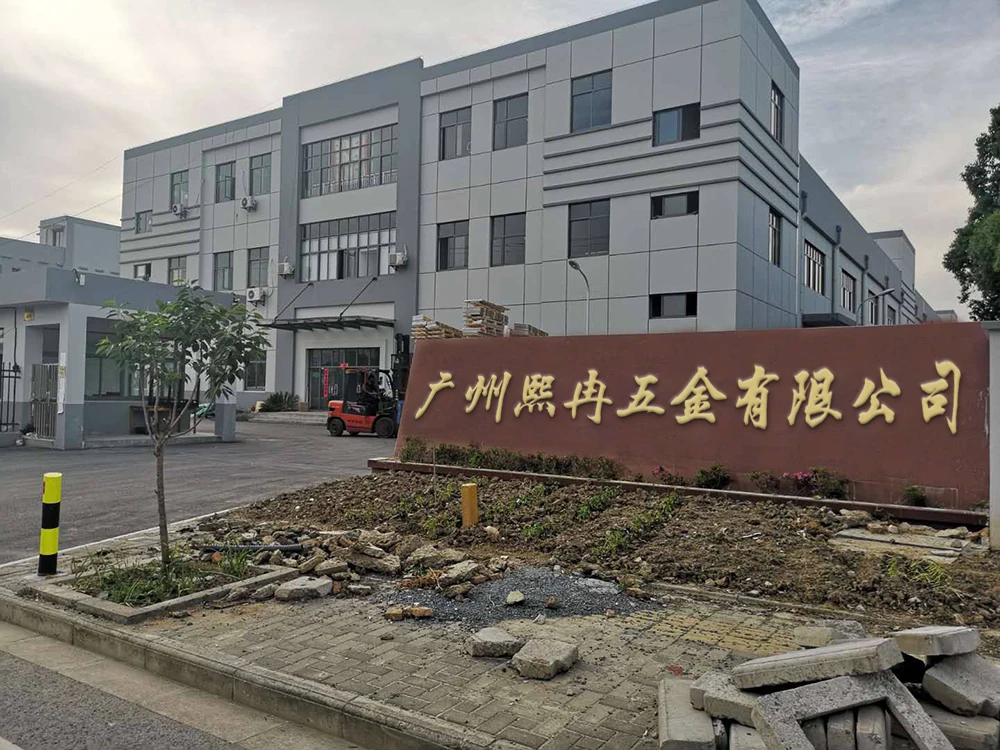
Guangzhou Xiran Hardware Co., Ltd.
- Manufacturer, Trading Company
- Guangdong, China
- Lead time7 days
- Avg. response≤ 4h
Main productsHardware tools,Hand Tool,Power tools,pneumatic tool,Spray gun
Main marketsSouth Asia(5.00%), Mid East(5.00%), Central America(5.00%), Western Europe(5.00%), Southeast Asia(5.00%), Eastern Europe(5.00%), South America(5.00%), North America(5.00%), Southern Europe(4.00%), Oceania(3.00%), Eastern Asia(2.00%), Africa(2.00%), Northern Europe(2.00%), Domestic Market(1.00%)
Yantai Autenf Automobile Services Co., Ltd.
- Verified by SGS Group
- Manufacturer, Trading Company
- Lead time15 days
- Avg. response≤ 2h
Main productsCar Frame Machine, Spray Paint Booth, Car Lift, Truck Lift, Tire Machines
Main marketsNorth America(22%), Southeast Asia(18%), Domestic Market(15%)
Ningbo Dicong Machinery Co., Ltd.
- Verified by SGS Group
- Manufacturer, Trading Company
- Lead time45 days
- Avg. response≤ 2h
Main productsAutomotive Tools , Automotive Hand Tools, Engine Timing Tools, Brake Bleeding Kit, Mechanic Tools
Main marketsNorth America(22%), Western Europe(16%), Eastern Europe(13%)
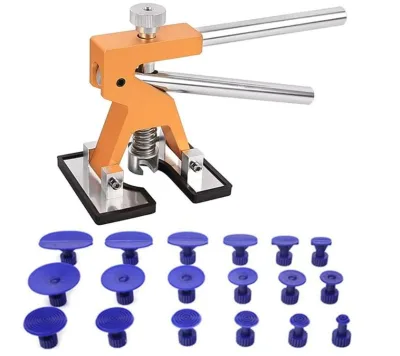
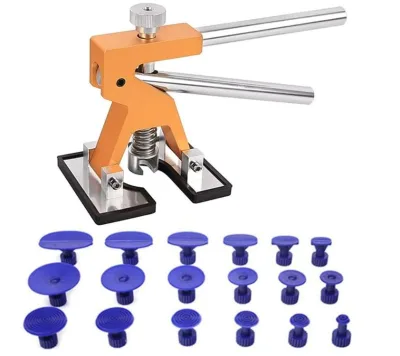
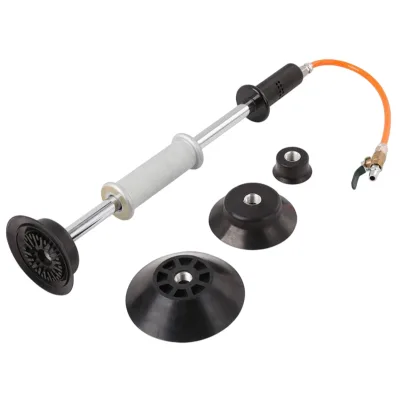
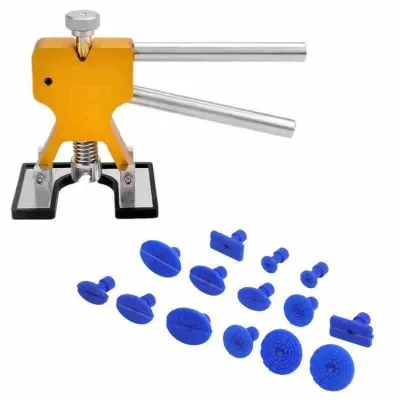
VIKTEC Car Body Paint-less Dent Lifter Glue Puller Kit
$5.80 - $10.80
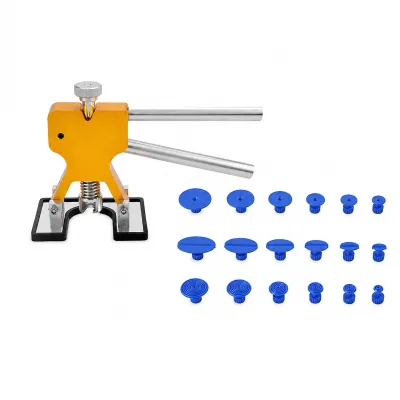
Yantai Autenf Import & Export Trading Co., Ltd.
- Trading Company
- Shandong, China
- Lead time15 days
- Avg. response≤ 2h
Main productsCar Lift,Truck Lift,Spray Booth,Tire Changer,Wheel Balancing Machine
Main marketsNorth America(15.00%), Southeast Asia(10.00%), Eastern Europe(10.00%), South America(10.00%), Domestic Market(5.00%), South Asia(5.00%), Southern Europe(5.00%), Northern Europe(5.00%), Central America(5.00%), Western Europe(5.00%), Eastern Asia(5.00%), Mid East(5.00%), Oceania(5.00%), Africa(5.00%)
Hefei Xilaide Trading Co., Ltd.
- Trading Company
- Anhui, China
- Lead time0 days
- Avg. response≤ 4h
Main productsAutomotive spare parts
Main marketsEastern Asia(50.00%), Eastern Europe(20.00%), Western Europe(10.00%), Mid East(10.00%), Domestic Market(1.00%), South Asia(1.00%), Southern Europe(1.00%), Northern Europe(1.00%), Central America(1.00%), South America(1.00%), Southeast Asia(1.00%), North America(1.00%), Oceania(1.00%), Africa(1.00%)
Kuaiyixing (beijing) Trading Co., Ltd.
- Trading Company
- Beijing, China
- Lead time14 days
- Avg. response≤ 1h
Main productsAutomotive Interior Products,Automotive Exterior Products,Automotive Gifts & Toys,Automotive Maintenance & Cleaning,Automotive modification parts
Main marketsNorth America(30.00%), Western Europe(10.00%), Mid East(10.00%), Africa(10.00%), Southeast Asia(10.00%), Eastern Europe(10.00%), South America(10.00%), Northern Europe(5.00%), Eastern Asia(5.00%)
Henan Amazing Bright Auto Accessories Co., Ltd.
- Trading Company
- Henan, China
- Lead time10 days
- Avg. response≤ 2h
Main productsauto led lights,auto decoration,auto accessories,home lights,motor accessories
Main marketsWestern Europe(10.00%), Central America(10.00%), Mid East(10.00%), Northern Europe(10.00%), South Asia(10.00%), Southeast Asia(10.00%), Eastern Europe(10.00%), South America(10.00%), North America(10.00%), Southern Europe(5.00%), Eastern Asia(2.00%), Oceania(2.00%), Africa(1.00%)
Changzhou Baidi Technology Co., Ltd.
- Manufacturer, Trading Company
- Jiangsu, China
- Lead time15 days
- Avg. response≤ 4h
Main productsBoxed Clip Car Expansion Screw Plastic Clip,test pen,OBD Car Tester
Main marketsEastern Asia(10.00%), Mid East(10.00%), Central America(10.00%), Southeast Asia(10.00%), Northern Europe(10.00%), South America(10.00%), Western Europe(10.00%), North America(10.00%), Domestic Market(5.00%), Oceania(5.00%), Africa(3.00%), Eastern Europe(3.00%), Southern Europe(2.00%), South Asia(2.00%)
Jinan Aos International Co., Ltd.
- Trading Company
- Shandong, China
- Lead time15 days
- Avg. response≤ 1h
Main productsSpray booth,tire triple machine,Car repair equipments,oil burner,car frame machine
Main marketsEastern Europe(20.00%), Western Europe(20.00%), South Asia(18.00%), Southeast Asia(15.00%), Eastern Asia(5.00%), Mid East(5.00%), Oceania(5.00%), Africa(5.00%), South America(3.00%), North America(3.00%), Domestic Market(1.00%)
Guangzhou Karjoys Auto Equipment Co., Ltd.
- Verified by Intertek
- Manufacturer, Trading Company
- Lead time35 days
- Avg. response≤ 2h
Main productsSpray Paint Booth, Dust- free Sanding Machine, Shortwave Infrared Curing Lamp, Car Lift, Tire Changer
Main marketsDomestic Market(20%), North America(15%), Southeast Asia(15%)

SHANGHAI JUST BETTER TOOLS CO., LTD.
- Trading Company,Manufacturer/Factory
- China Shanghai
- Lead time0 days
- Avg. response≤ 13h
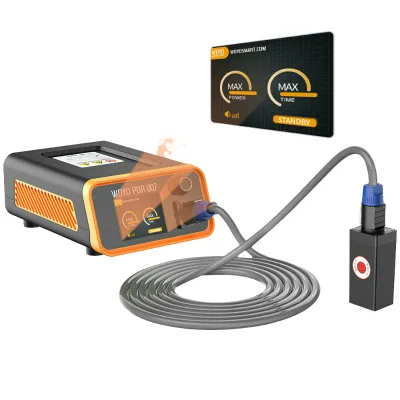
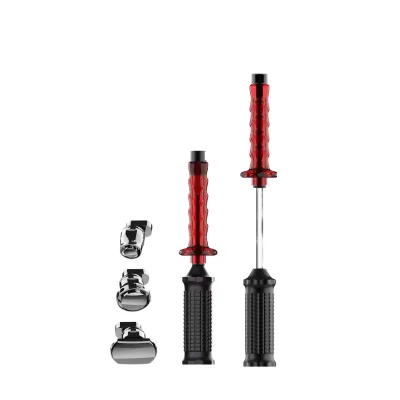
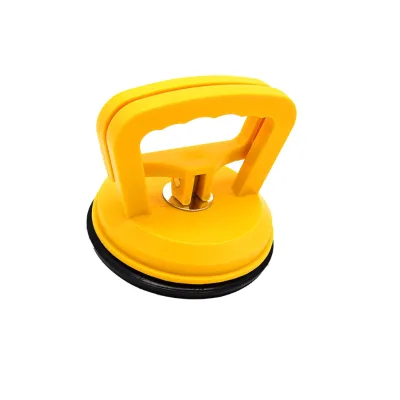
Main productsPdr Tools, Auto Tools, Paintless Dent Repair Tools, Car Dent Repair Tools, Dent Tool Kit, Dent Puller Kit, Pdr Car Body Repair Tool, Pdr Kit
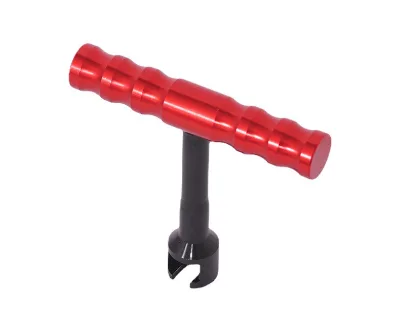
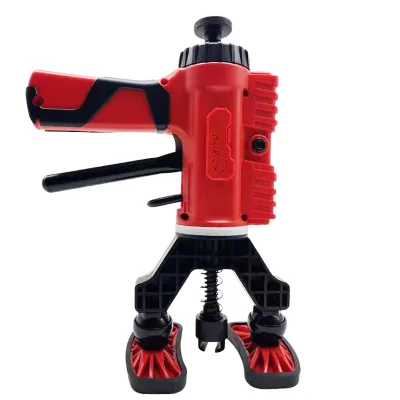
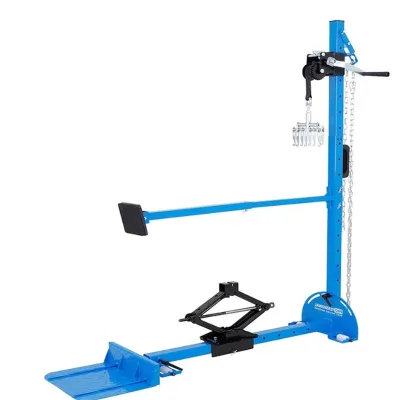
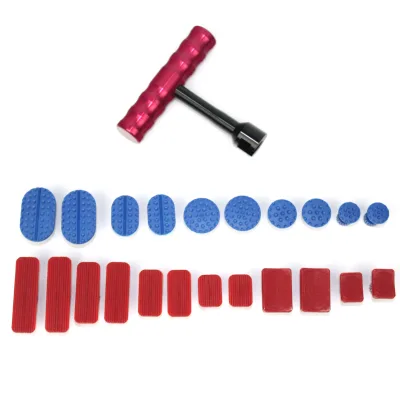


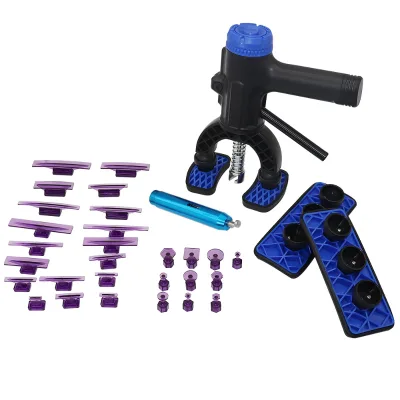
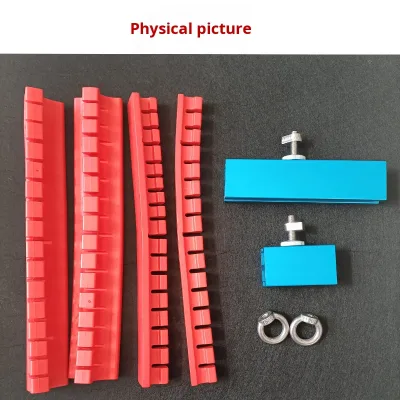
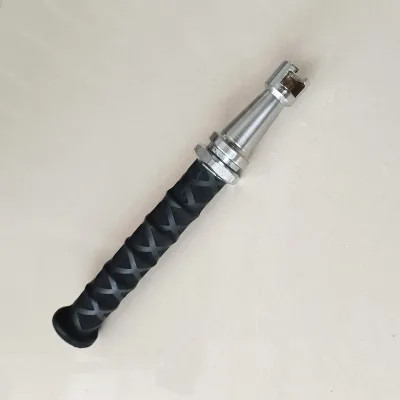
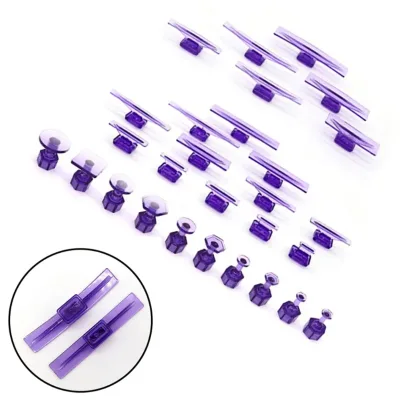


Comprehensive Sourcing Guide
Paintless Repair Car Dent Puller Supplier Concentration and Factory Types
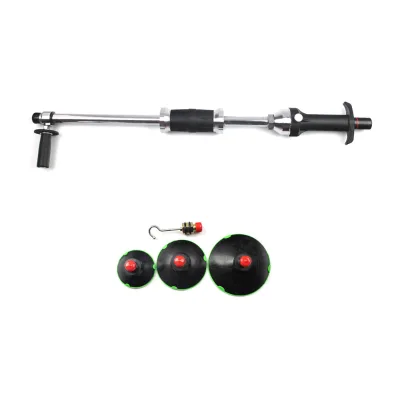
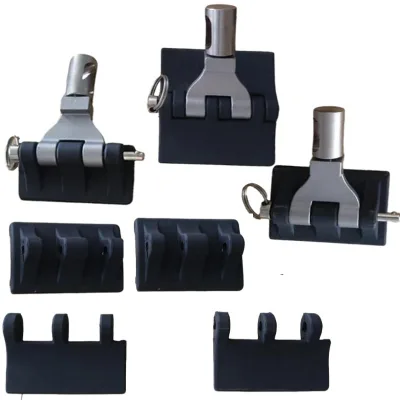
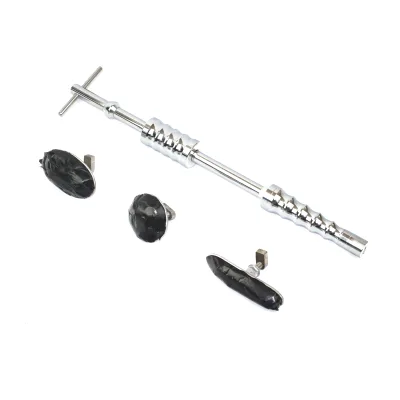
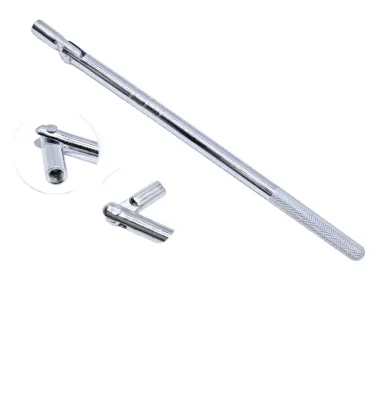
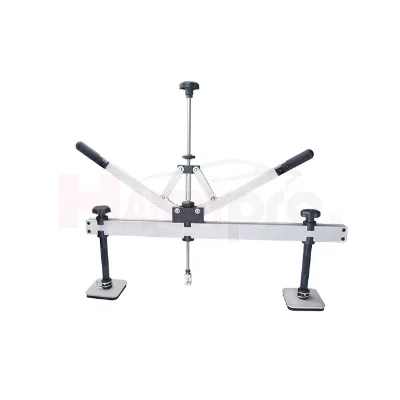
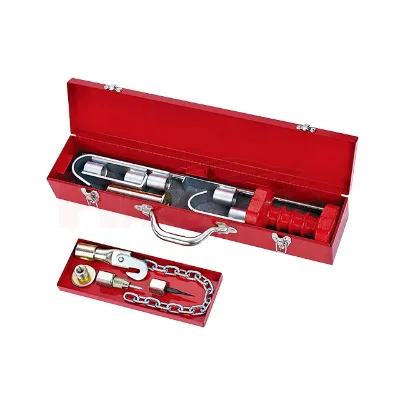
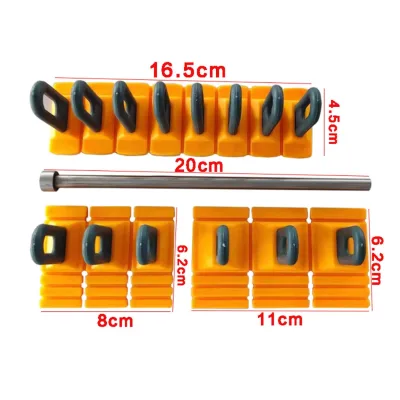
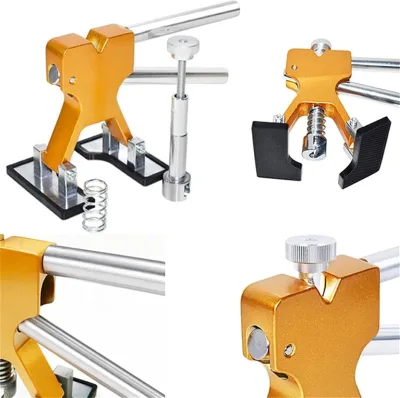
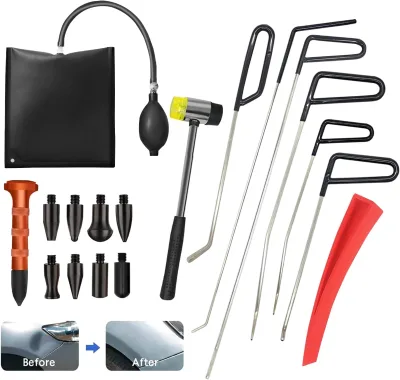
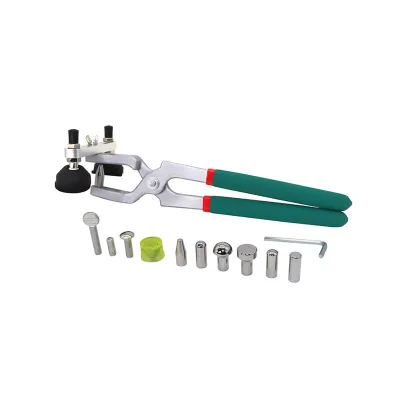
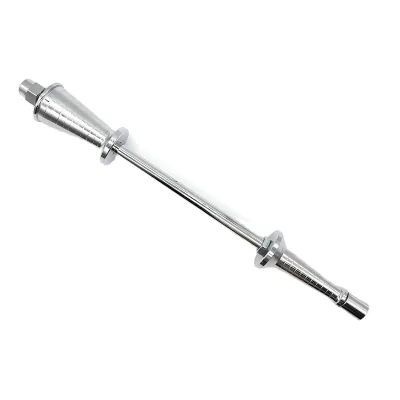
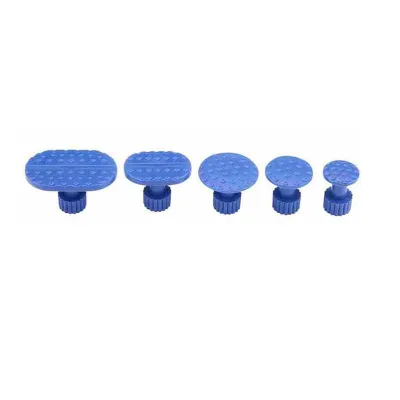
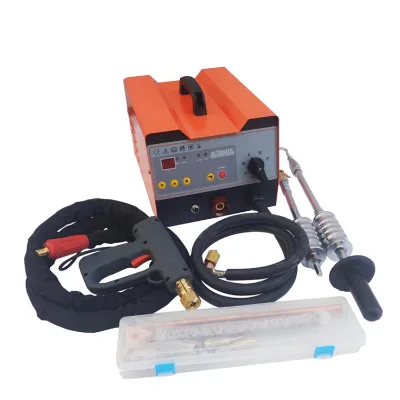
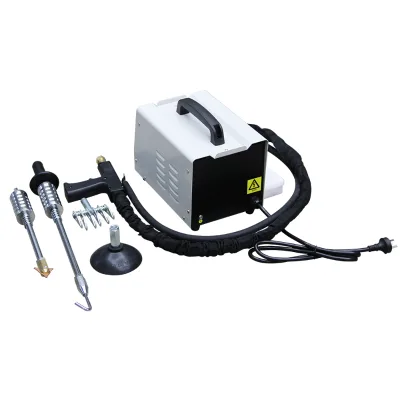
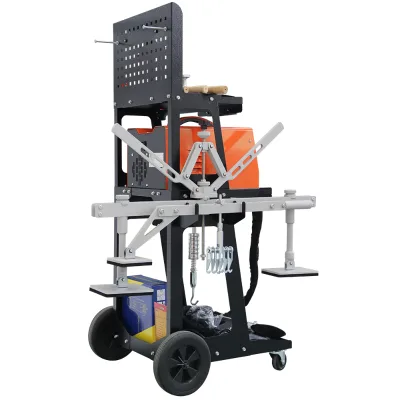
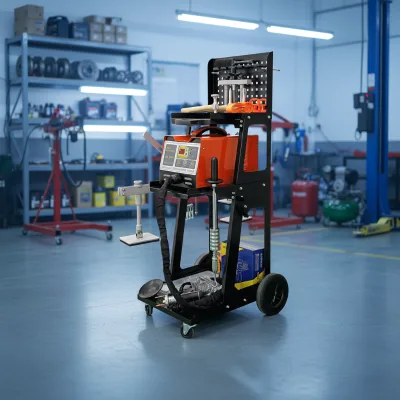
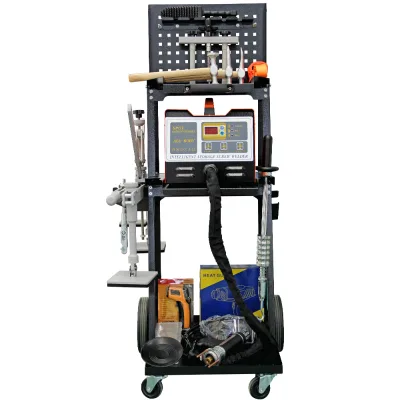
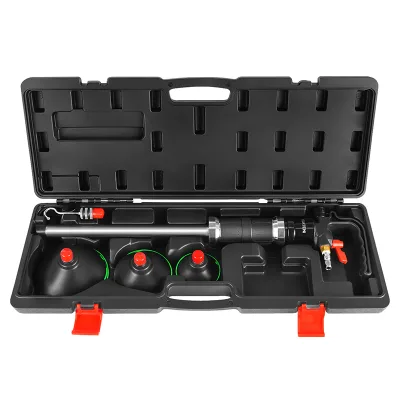
The current supplier landscape for Paintless Repair Car Dent Puller equipment reveals a distinct geographic and structural diversity that buyers must navigate carefully. Evidence indicates that manufacturing and trading entities are concentrated in specific industrial hubs within China, with Zhejiang and Shandong provinces emerging as primary locations for these specialized automotive tools. Suppliers in Zhejiang often present themselves as manufacturers or trading companies, offering a range of products that include cable reels, air hose reels, and specific car dent repair tools like glue pullers and PDR (Paintless Dent Repair) pullers. This concentration suggests a mature supply chain ecosystem where component sourcing and assembly are streamlined, potentially offering buyers access to a wider variety of tool configurations and material compositions, such as metal and plastic combinations. The presence of both manufacturer and trading company types in this region implies that buyers can choose between direct factory engagement for custom OEM work or trading companies for faster access to standardized inventory.
In contrast, suppliers located in Shandong, China, appear to lean more heavily toward trading company models, focusing on broader categories like sandpaper, paint guns, and auto shaping machines, while also offering specialized dent repair pullers. These entities often list main products that encompass a wider array of body repair equipment, suggesting a one-stop-shop approach for workshops that require multiple tool types. The distinction between Zhejiang-based manufacturers and Shandong-based traders is critical for buyers assessing their sourcing strategy. While Zhejiang suppliers may offer deeper technical customization and direct production oversight for specific PDR tools, Shandong suppliers might provide greater flexibility in order quantities and a broader catalog of complementary automotive repair equipment. Understanding this regional and structural split allows buyers to align their procurement goals with the appropriate supplier type, whether they prioritize manufacturing control or logistical convenience and product variety.
How to Verify Paintless Repair Car Dent Puller Suppliers
Verifying the legitimacy and capability of Paintless Repair Car Dent Puller suppliers requires a multi-layered approach that goes beyond surface-level product listings. Buyers should prioritize suppliers who provide clear evidence of their operational history and compliance standards. For instance, some suppliers display system certifications such as a Declaration of Conformity, which serves as a baseline indicator of their adherence to certain quality or safety standards. However, certification alone is not sufficient; buyers must cross-reference these claims with other verifiable data points. Response time is a critical metric for assessing supplier reliability and communication efficiency. Suppliers with faster response times, such as those indicating a response time of 2 or 4 hours, often demonstrate a more active and engaged customer service infrastructure, which is vital for resolving technical queries or order issues promptly. Buyers should use this metric as a proxy for the supplier’s overall operational responsiveness.
Furthermore, buyers must scrutinize the detailed product attributes and specifications provided by suppliers to ensure they match their specific technical requirements. Evidence shows that product listings include detailed attributes such as material composition (e.g., Metal+Plastic, Iron), power sources (Manual, Hand), and specific applications (Car / Motorcycle). Buyers should verify that the supplier’s stated capabilities align with the actual product evidence, such as checking if a supplier claiming to be a manufacturer actually provides detailed manufacturing-related attributes like OEM support. Additionally, the presence of specific brand names and model numbers in product evidence can help buyers trace the origin and authenticity of the tools. Buyers should also look for consistency in the place of origin and brand information across different product listings from the same supplier to ensure there is no discrepancy that might indicate a lack of direct control over the supply chain. This thorough verification process helps mitigate the risk of engaging with unreliable or misrepresentative suppliers.
What to Compare Across Paintless Repair Car Dent Puller Suppliers
When evaluating multiple suppliers for Paintless Repair Car Dent Puller equipment, buyers must systematically compare key commercial and operational dimensions to identify the most suitable partner. One of the most significant factors is the Minimum Order Quantity (MOQ), which varies considerably across the supplier base. Some suppliers may have an MOQ of 300 pieces, which is typical for manufacturing-oriented entities that require batch production to be economically viable. In contrast, other suppliers, particularly trading companies, may offer an MOQ of just 1 piece, catering to buyers who need small quantities for testing or immediate workshop needs. This disparity allows buyers to align their order volume with their inventory strategy, whether they prefer bulk purchasing for cost efficiency or small-batch ordering for flexibility. Comparing MOQs helps buyers determine which suppliers can accommodate their specific purchasing scale without imposing excessive inventory costs.
Lead time and pricing are equally critical comparison points that directly impact project planning and budget allocation. Lead times for Paintless Repair Car Dent Puller tools can range significantly, with some suppliers indicating a lead time of 35 days, while others may offer much faster turnaround times, such as 3 days. This variation often reflects the supplier’s production capacity, inventory status, and logistical capabilities. Buyers should compare these lead times against their project deadlines to ensure timely delivery. Additionally, price ranges vary widely, with some products listed between $2.90 and $3.20, while others may cost between $28.72 and $68.65. These price differences often correlate with the complexity of the tool, material quality, and included accessories. Buyers should compare not just the unit price but also the value proposition, considering factors like warranty periods (e.g., 1 year vs. 6 months) and included features such as OEM customization support. A comprehensive comparison of these dimensions ensures that buyers select a supplier that offers the best balance of cost, speed, and quality.
Common Paintless Repair Car Dent Puller Sourcing Risks
Sourcing Paintless Repair Car Dent Puller equipment from international suppliers introduces several risks that buyers must proactively manage to ensure a smooth procurement process. One significant risk is the potential mismatch between product specifications and actual delivery, particularly when dealing with suppliers who offer extensive customization options like OEM and ODM support. While customization can be beneficial, it also increases the complexity of quality control and verification. Buyers must ensure that the detailed product attributes, such as material composition and functional features, are clearly defined in the purchase agreement to avoid receiving tools that do not meet their technical requirements. For example, if a buyer requires a specific type of PDR puller with a particular power source or material, failing to specify these details can lead to receiving a generic or incompatible product. This risk is exacerbated when suppliers have multiple product lines, making it essential to verify that the specific item ordered matches the exact specifications provided.
Another common risk is the variability in warranty and after-sales support, which can significantly impact the long-term usability of the tools. Evidence shows that warranty periods can vary, with some suppliers offering a 1-year warranty while others provide only 6 months. Buyers must carefully review these terms to understand the extent of coverage and the process for claiming repairs or replacements. Additionally, the risk of logistical delays or damage during transit is heightened when dealing with suppliers in different regions, such as those in Zhejiang or Shandong. Buyers should assess the supplier’s packaging standards and shipping practices to minimize the risk of damage, especially for tools with delicate components or specific weight requirements. Furthermore, the risk of communication barriers or delayed responses can hinder issue resolution. Buyers should prioritize suppliers with proven response times and clear communication channels to mitigate these operational risks and ensure a reliable supply chain for their Paintless Repair Car Dent Puller needs.
Paintless Repair Car Dent Puller Regional Sourcing and Logistics
The geographic location of suppliers plays a crucial role in determining logistics efficiency, shipping costs, and overall supply chain reliability for Paintless Repair Car Dent Puller equipment. Suppliers located in Zhejiang, China, are part of a well-established manufacturing cluster that benefits from robust infrastructure and specialized supply chains for automotive tools. This concentration can lead to more efficient production processes and potentially lower shipping costs due to the proximity to major ports and logistics hubs. Buyers sourcing from Zhejiang-based suppliers may benefit from faster transit times and more consistent shipping schedules, which are critical for maintaining workshop operations. Additionally, the presence of both manufacturers and trading companies in this region offers buyers flexibility in choosing between direct factory shipments and consolidated orders through trading partners, allowing for optimized logistics strategies based on order volume and urgency.
In contrast, suppliers in Shandong, China, offer a different logistical profile, often characterized by their focus on trading and broader product categories. While Shandong is also a significant industrial region, the logistical advantages may differ based on the specific port access and local infrastructure. Buyers sourcing from Shandong-based suppliers should consider the potential impact of regional logistics on lead times and shipping costs. For instance, suppliers with shorter lead times, such as those indicating a 3-day lead time, may offer more agile logistics solutions, which can be advantageous for urgent orders. However, buyers must also account for the potential variability in shipping times due to the supplier’s reliance on third-party logistics or trading networks. Understanding these regional logistical nuances allows buyers to make informed decisions about which suppliers to engage based on their specific shipping requirements, budget constraints, and timeline expectations, ensuring that the procurement process is both efficient and cost-effective.
Paintless Repair Car Dent Puller Commercial Terms and Order Planning
Effective order planning for Paintless Repair Car Dent Puller equipment requires a thorough understanding of the commercial terms offered by suppliers, including pricing structures, payment terms, and customization policies. Buyers should carefully analyze the price ranges provided by different suppliers, noting that costs can vary significantly based on factors such as material quality, tool complexity, and included accessories. For example, some suppliers may offer basic PDR pullers at lower price points, while others provide more advanced kits with additional features at higher costs. Buyers should compare these prices not only in absolute terms but also in relation to the value provided, such as warranty coverage and OEM support. Additionally, buyers must consider the MOQ requirements when planning their orders, as higher MOQs may offer better unit prices but require larger capital outlays and storage capacity. Aligning order quantities with supplier MOQs helps optimize cost efficiency and inventory management.
Customization support is another critical commercial term that buyers should evaluate when planning their orders. Suppliers that offer OEM and ODM services can provide tailored solutions that meet specific technical or branding requirements, which can be valuable for buyers looking to differentiate their product offerings. However, customization often involves additional costs and longer lead times, which must be factored into the overall order planning process. Buyers should also consider the supplier’s response time and communication efficiency, as these factors can impact the speed of order processing and issue resolution. By carefully reviewing and comparing these commercial terms, buyers can develop a comprehensive order plan that balances cost, quality, and delivery timelines. This strategic approach ensures that buyers secure the best possible value from their suppliers while minimizing risks associated with order fulfillment and product performance.
FAQs
What is the typical lead time for paintless dent pullers?
Manufacturers in Zhejiang, China generally require 35 days to fulfill orders for these tools. Some suppliers in Shandong offer faster turnaround times of just 3 days. Buyers should confirm specific delivery windows with the supplier before placing bulk orders to ensure production schedules align with project deadlines.
What is the minimum order quantity for these tools?
Minimum order quantities vary significantly by supplier. Some manufacturers require a minimum of 300 pieces per order. Others, particularly trading companies, may accept orders as low as one unit. Buyers should verify the specific MOQ requirements directly with the supplier to determine the best fit for their volume needs.
What is the price range for paintless dent repair pullers?
Prices for these tools typically range from $2.90 to $3.20 per unit for basic models. More complex kits or aluminum-specific pullers can cost between $28.72 and $68.65. The final price depends on the material, brand, and specific features included in the tool set.
What certifications do these suppliers provide?
Suppliers in Zhejiang provide a Declaration of Conformity for their products. This certification ensures the tools meet specific safety and quality standards. Buyers should request this documentation to verify compliance with local regulations and ensure the tools are suitable for professional automotive repair applications.
How quickly do suppliers respond to inquiries?
Response times vary by location. Suppliers in Shandong typically respond within 2 hours. Those in Zhejiang may take up to 4 hours to reply. Quick response times indicate active customer service teams, which is crucial for resolving technical questions or negotiating custom orders efficiently.
What materials are used in these dent pullers?
Most paintless dent repair pullers are constructed from a combination of metal and plastic. Some heavy-duty kits use iron or aluminum for durability. The specific material affects the tool's weight and strength, so buyers should check product specifications to ensure the material suits their repair tasks.