Petrol Edging Power Trowel with Combination Blade Suppliers and Manufacturers
Explore 19 verified options for Petrol Edging Power Trowel with Combination Blade from China. Compare response times, lead times, certifications, and prices to find suitable factories. Contact suppliers directly to request quotes; review the available evidence before requesting comparable quotations from suitable candidates.
Suppliers List

Chongqing Geyo Machinery Co., Ltd.
- Verified by TUVRHEINLAND
- Trading Company
- China Chongqing
- Lead time15 days
- Avg. response≤ 5h
Main productsTamping Rammer, Power Trowel, Scarifying Machine, Wire Rope, Wire Rope Slings, Road Cutting Machine, Hooks, Shackles, Lifting Slings, Turnbuckles
Main marketsEast Asia(Japan/ South Korea),Europe

Ningbo Max Machinery Co., Ltd.
- Manufacturer/Factory
- China Zhejiang
- Lead time45 days
- Avg. response≤ 3h
Main productsConcrete Vibrator, Vibrator Motor, Power Trowel
Main marketsSouth America,Eastern Europe,Mid East,North America,Southeast Asia,Eastern Asia,Oceania,Western Europe,Africa

Shanghai Jiezhou Engineering & Mechanism Co., Ltd.
- Verified by SGS
- Combined
- China Shanghai
- Lead time23 days
- Avg. response≤ 7h
Main productsPower Trowel, Tamping Rammer, Plate Compactor, Cutting Machine, Concrete Cutter, Ride-on Power Trowel, Truss Screed, Laser Screed, Trowel Blades
Main marketsSouth America,Africa,Southeast Asia/ Mideast,East Asia(Japan/ South Korea),Domestic,Europe,Australia,North America

Ningbo Ace Machinery Co., Ltd.
- Verified by BV
- Combined
- China Zhejiang
- Lead time30 days
- Avg. response≤ 8h
Main productsConcrete Vibrator Custom Factory, Plate Compactor Factory, Tamping Rammer Supplier, Power Trowel Wholesale, Concrete Cutter Factory Wholesale, Vibrator Shaft Custom Factory, OEM/ODM Concrete Mixer Factory, Steel Bar Cutting Machine, OEM/ODM Concrete Vibrator Motor, Vibratory Roller Factory Supplier
Main marketsSouth America,Africa,Southeast Asia/ Mideast,East Asia(Japan/ South Korea),Europe,Australia,North America


China Brand Electric Edging Power Trowel 24 Inch Power Trowel Wholesaler
$228.00 - $289.00
MOQ: 49 Pieces

Construction Workers Tools Finishing Plastering Trowel Electric Power Trowel Factory
$269.00 - $289.00
MOQ: 10 Pieces


Shandong Roadway Construction Machinery Manufacturing Co., Ltd.
- Verified by TUVRHEINLAND
- Combined
- China Shandong
- Lead time15 days
- Avg. response≤ 6h
Main productsRoad Roller, Concrete Laser Screed, Ride on Power Trowel, Road Cutting Machine, Light Tower, Plate Compactor, Road Curb Paver, Concrete Scabbler, Concrete Truss Screed, Shot Blasting Machine
Main marketsAustralia

Hangzhou Vleader Tools Co., Ltd.
- Verified by CTI
- Combined
- China Zhejiang
- Lead time30 days
- Avg. response≤ 1h
Main productsPower Trowel, Table Saw, Concrete Floor Grinder, Diamond Tools, Post Driver, Floor Grinder, Floor Saw, Earth Auger, Wet/Dry Core Bits, Grinding Shoes/Cup Wheels
Main marketsSoutheast Asia/ Mideast,Domestic,Europe

Gasoline Walk Behind Power Trowel with 4 Blades for Construction Concrete Troweling
$498.00 - $570.00
MOQ: 10 Pieces


Multi Purpose Ride-on Power Trowel with Grinding Function for Floor Polishing
$8395.00 - $11075.00
MOQ: 1 Pieces

Professional Ride-on Power Trowel with Mechanical Blade Adjustment System
$8395.00 - $11075.00
MOQ: 1 Pieces

Stable Performance Ride-on Power Trowel with 10 Blades for Floor Smoothing
$8395.00 - $11075.00
MOQ: 1 Pieces

Durable Ride-on Power Trowel with Mechanical Blade Adjustment for Floors
$8395.00 - $11075.00
MOQ: 1 Pieces

- Combined
- China Anhui
- Lead time23 days
- Avg. response≤ 15h
Main productsTamping Rammer, Compactor, Concrete Cutter, Road Roller, Light Tower, Generator, Welding Generator, Gasoline Engine, Concrete Mixer, Water Pump
Main marketsSouth America,Africa,Southeast Asia/ Mideast,East Asia(Japan/ South Korea),Domestic,Europe,Australia,North America

HENAN XINGSHENGDA MACHINERY TECHNOLOGY CO., LTD.
- Verified by SGS
- Combined
- China Henan
- Lead time15 days
- Avg. response≤ 3h
Main productsBar Cutting Machine, Bar Bending Machine, Power Trowel, Plate Compactor, Road Roller, Floor Grinder, Road Cutter, Small Excavator, Concrete Pump, Concrete Vibrator
Main marketsSoutheast Asia/ Mideast,Domestic,North America


Strong Power Concrete Trowel Multi-Function Concrete Finishing Power Trowel
$140.00 - $350.00
MOQ: 1 Pieces

Strong Power Trowel Machine Multi-Function Construction Concrete Power Trowel
$105.00 - $330.00
MOQ: 1 Pieces

High Quality Material Construction Machinery Strong Power 4 Blades Concrete Power Trowel
$105.00 - $330.00
MOQ: 1 Pieces

Long Service Life Construction Equipment Easy to Operate Hand Push Mini Power Trowel
$105.00 - $330.00
MOQ: 1 Pieces
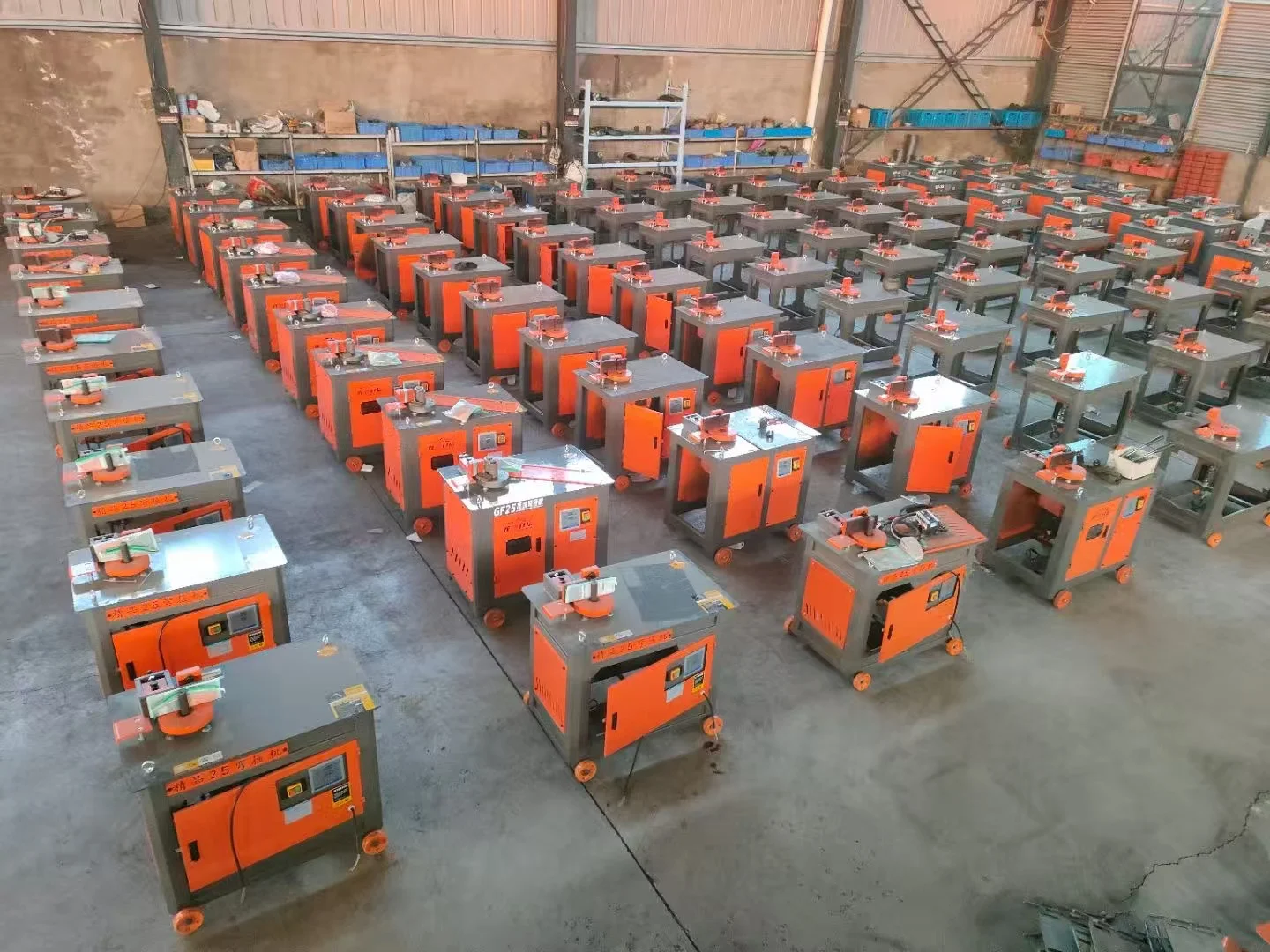
Xuchang Oudi Machinery Co., Ltd.
- Manufacturer, Trading Company
- Henan Province, China
- Lead time20 days
- Avg. response≤ 5h
Main productspower trowel,Remote-controlled lawn mower,roller,forklift truck,Brick cutting machine
Main marketsSouth America(18.00%), South Asia(15.00%), Mid East(15.00%), North America(10.00%), Africa(10.00%), Southeast Asia(10.00%), Eastern Europe(5.00%), Eastern Asia(5.00%), Western Europe(2.00%)
Henan Yuandong Machinery Equipment Co., Ltd.
- Verified by TüVRheinland
- Manufacturer, Trading Company
- Lead time7 days
- Avg. response≤ 3h
Main productsConcrete Mixer, Road Roller, Floor Grinder, Concrete Power Trowel, Plate Compactor
Main marketsNorth America(55%), Western Europe(12%), South America(10%)

Tianjin Kangfusi Intelligent Technology Co., Ltd.
- Verified by SGS
- Combined
- China Tianjin
- Lead time15 days
- Avg. response≤ 5h
Main marketsDomestic


Professional Heavy Duty Compact Design Electric Engine Floor Power Trowel
$3799.00 - $3999.00
MOQ: 1 Pieces

Henan Hong Road Machinery Co.,Ltd.
- Trading Company,Manufacturer/Factory
- China Henan
- Lead time15 days
- Avg. response≤ 2h
Main productsRebar Bending Machine, Vibratory Road Roller, Road Cutter, Road Polishing Machine
Main marketsSouth America,Mid East,Southeast Asia,Africa

Hot Sale Compact Walk-Behind Power Trowel with 4 Blade System for Concrete Surface Smoothing Work
$280.00 - $1280.00
MOQ: 1 Piece

$280.00 - $1280.00
MOQ: 1 Piece

$280.00 - $1280.00
MOQ: 1 Piece

$280.00 - $1280.00
MOQ: 1 Piece

Zhuji Shuang Pu Machinery Co., Ltd
- Verified by TUVRHEINLAND
- Combined
- China Zhejiang
- Lead time30 days
- Avg. response≤ 1h
Main productsPilot-Type Combustion Concrete Power Trowel, Internal Combustion Concrete Power Trowel, Pilot-Type Combustion Concrete Trowel Machine, Internal Combustion Concrete Trowel Machine, Internal Combustion Polish Power Trowel, Pilot-Type Combustion Polish Power Trowel, Honda Power Trowel, B&S Cutting, Heavy-Duty Gasoline Power Trowel, Efficient Gasoline Power Trowel
Main marketsDomestic

Jining Furuide Machinery Manufacturing Co., Ltd.
- Verified by TUVRHEINLAND
- Combined
- China Shandong
- Lead time23 days
- Avg. response≤ 3h
Main productsRoad Roller, Concrete Screed, Light Tower, Concrete Cutter, Plate Compactor, Concrete Trowel Machine
Main marketsAfrica,Europe
Henan Province Wires Electronic Technology Co., LTD.,
- Trading Company
- Henan, China
- Lead time3 days
- Avg. response≤ 1h
Main productsSteel bar bending machine,concrete floor grinder,Concrete screw pump,Tamping Rammer,Plate Compactor
Main marketsSoutheast Asia(25.00%), North America(21.00%), Africa(18.00%), South America(10.00%), South Asia(5.00%), Mid East(5.00%), Oceania(3.00%), Southern Europe(3.00%), Eastern Asia(3.00%), Northern Europe(3.00%), Eastern Europe(2.00%), Central America(1.00%), Western Europe(1.00%)
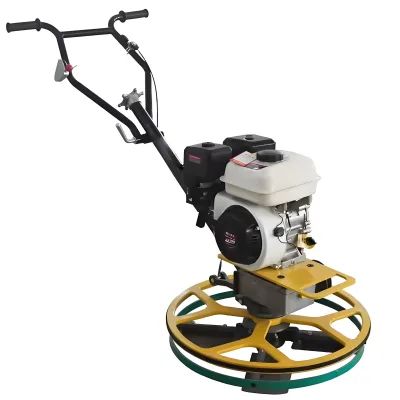
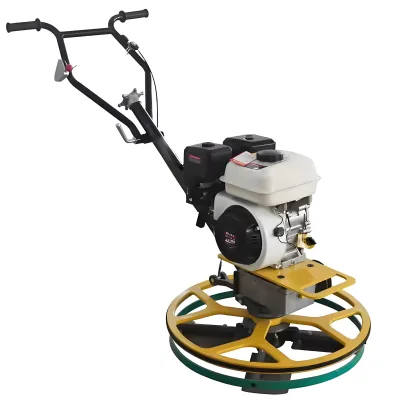
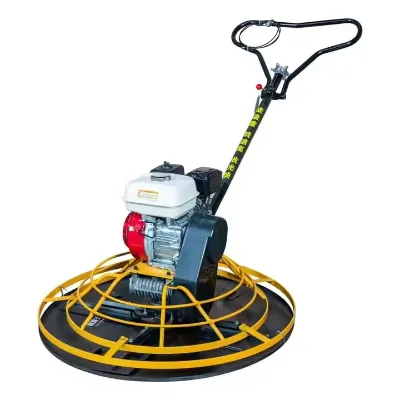
Exported Around the World Gasoline Power Trowel Power Trowel for Road Leveling
$142.25 - $162.72
MOQ: 1 sets
Henan Lingye Industrial Co., Ltd.
- Verified by SGS Group
- Trading Company
- Lead time0 days
- Avg. response≤ 2h
Main productsRoad Machine, Concrete Machine, Mining Machine, Power Trowel, Cutting Machine
Main marketsSouth America(35%), North America(20%), Southeast Asia(10%)
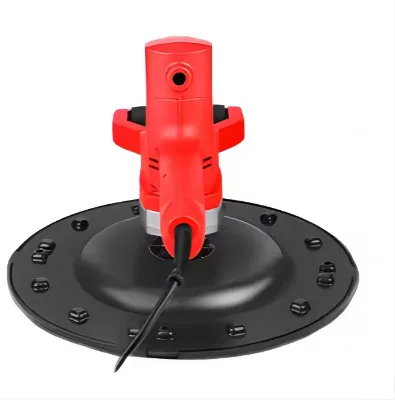
$40.80 - $50.99
MOQ: 1 pieces
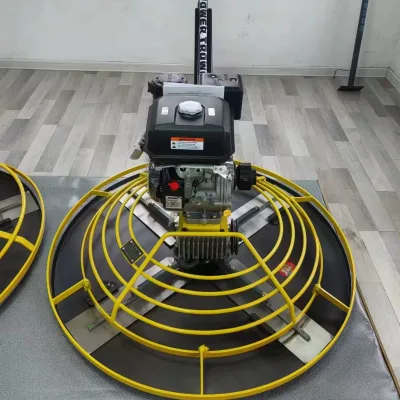
$470.00 - $498.00
MOQ: 1 sets

Shanghai Techway Industrial Co., Ltd.
- Verified by BV
- Trading Company,Manufacturer/Factory
- China Shanghai
- Lead time45 days
- Avg. response≤ 5h
Main productsSanders, Polishers, Vacuum Cleaner, Car Films, Sandpaper, Pdr Tools, Tile Cutter, Tile Vibrator, Hot Glue Gun, Suction Cup
Main marketsSouth America,Eastern Europe,Mid East,North America,Southeast Asia,Eastern Asia,Oceania,Western Europe,Africa
Jining Zhuoshun Machinery Co., Ltd.
- Verified by SGS Group
- Trading Company
- Lead time0 days
- Avg. response≤ 2h
Main productsWater Well Drilling Machine, Spraying Machine for Wall, Mining Dump Truck, Diamond Chain Saw, Gold and Diamond Detector
Main marketsSoutheast Asia(40%), Africa(20%), Eastern Europe(10%)
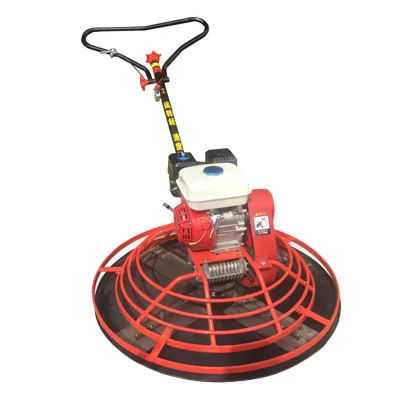
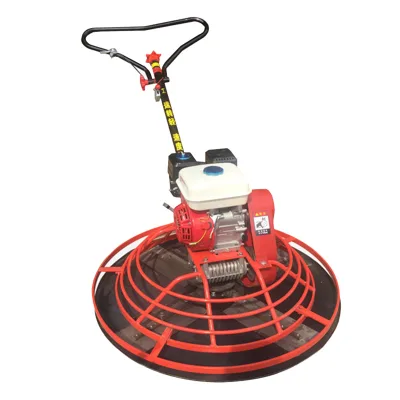
Walk Behind Handheld Small Round Power Finishing Trowel
$450.00 - $480.00

Wuxi Konstant Power Tech. Co., Ltd.
- Verified by BV
- Combined
- China Jiangsu
- Lead time45 days
- Avg. response≤ 7h
Main productsMini Dumper Power Barrow, Mortar Plastering Machine, Construction Machines, Mini Transporter, Oil Palm Infield Collector, Power Trowel, Plate Compactor, Tamping Rammer, Road Roller, Concrete Vibrator
Main marketsSouth America,Europe




Comprehensive Sourcing Guide
Petrol Edging Power Trowel with Combination Blade Supplier Concentration and Factory Types
Current data indicates a concentration of suppliers in China, specifically within the Chongqing and Zhejiang regions. In Chongqing, available results identify trading companies that aggregate a diverse range of construction machinery, including tamping rammers, road cutting machines, and various lifting accessories alongside power trowel components. These entities often list combination blades and complete edging machines as part of a broader catalog, suggesting a hub for distribution rather than primary manufacturing of the heavy machinery itself. The presence of these trading companies implies a supply chain structure where sourcing may involve intermediaries who manage logistics and inventory for multiple product lines.
In contrast, the Zhejiang region features suppliers classified as manufacturers or factories, which suggests a different operational model focused on direct production. These entities often highlight capabilities in OEM and ODM services, indicating they can customize machinery specifications or branding. Their product lists frequently include concrete vibrators and power trowels, pointing to a specialized manufacturing cluster for this specific equipment type. Buyers should verify if the specific factory type aligns with their needs, as trading companies may offer faster access to varied models while manufacturers might provide deeper customization for engine types or blade configurations.
How to Verify Petrol Edging Power Trowel with Combination Blade Suppliers
Verification of supplier credentials is critical when sourcing heavy construction equipment like petrol edging power trowels. Some suppliers in the current results display verification from TUVRHEINLAND, a recognized third-party inspection body, which adds a layer of confidence regarding their business legitimacy. Additionally, specific manufacturers list ISO 9001 system certifications, confirming adherence to international quality management standards for their production processes. Buyers must actively check for these specific badges or certificates on supplier profiles, as the absence of such verification does not automatically disqualify a vendor but requires deeper due diligence to ensure product reliability and safety compliance.
Beyond certifications, response time serves as a practical metric for assessing supplier engagement and operational efficiency. Data shows response times varying significantly, with some suppliers responding in under three hours while others take nearly five hours. A faster response time often correlates with a more active sales team and better communication channels, which is vital for resolving technical queries about blade compatibility or engine specifications. Buyers should prioritize suppliers with rapid response metrics to ensure timely support during the negotiation and order placement phases, reducing the risk of delays caused by communication gaps or unresponsive sales representatives.
What to Compare Across Petrol Edging Power Trowel with Combination Blade Suppliers
When evaluating potential partners, lead time is a primary differentiator that impacts project scheduling and inventory planning. Available data reveals lead times ranging from fifteen days for specific components like combination blades to forty-five days for complete machinery units. This variance suggests that suppliers may have different production capacities or stock levels depending on the product complexity. Buyers must align their order timelines with these specific lead times to avoid production bottlenecks, ensuring that the delivery schedule matches the construction project requirements without causing costly delays on the job site.
Minimum Order Quantity (MOQ) and pricing structures also require careful comparison to optimize procurement costs. For combination blades, MOQs can be as low as fifty units, whereas complete petrol edging power trowels may require orders of just one or two units. Price ranges vary significantly, with blades listed between twelve and twenty-six dollars, while full machines range from three hundred seventy-six to six hundred eighteen dollars. Buyers should calculate the total cost of ownership by factoring in these MOQs and unit prices, ensuring that the selected supplier offers a volume that matches their budget and operational scale without forcing unnecessary inventory accumulation.
Common Petrol Edging Power Trowel with Combination Blade Sourcing Risks
One significant risk involves the variability in product specifications and customization availability. While many suppliers list customization as available, the specific parameters for blade thickness, engine type, or working diameter may differ between vendors. For instance, some blades are designed for specific trowel sizes like twenty-four or thirty-six inches, while others offer broader compatibility. Buyers must explicitly confirm that the combination blades are compatible with their existing machinery or intended engine models to prevent installation failures. Relying on generic product descriptions without verifying exact dimensions can lead to receiving parts that do not fit the intended equipment.
Another risk pertains to the consistency of certifications and safety standards across different product lines. Although some products display CE and ISO 9001 certifications, the specific application of these standards may vary between a trading company and a manufacturer. A trading company might source blades from various factories, potentially leading to inconsistencies in quality control compared to a dedicated manufacturer with a single production line. Buyers should request detailed test reports or specific certification documents for the exact model they intend to purchase, ensuring that the safety and performance standards meet the regulatory requirements of their target market.
Petrol Edging Power Trowel with Combination Blade Regional Sourcing and Logistics
Sourcing from China, particularly from the Chongqing and Zhejiang regions, offers access to a robust supply chain for construction machinery. Chongqing-based trading companies often consolidate products from various manufacturers, which can simplify the logistics of ordering multiple types of equipment in a single shipment. However, buyers should verify the specific origin of the goods, as some products may be manufactured in different locations before being shipped from a central hub. Understanding the origin helps in assessing shipping routes and potential transit times, ensuring that the logistics plan accounts for the specific departure point of the machinery.
Logistics planning must also consider the packaging and shipping requirements for heavy machinery like petrol edging power trowels. Available data indicates that blades are often packed in cartons, while larger machines may require wooden cartons with steel frames for protection during transit. This difference in packaging affects shipping costs and handling procedures, as heavier and bulkier items require specialized freight arrangements. Buyers should confirm the packaging details with the supplier to ensure that the equipment arrives without damage and to accurately calculate freight charges based on the volume and weight of the shipment.
Petrol Edging Power Trowel with Combination Blade Commercial Terms and Order Planning
Commercial terms regarding delivery time and payment conditions are essential for effective order planning. The data indicates a standard delivery time of fifteen days for certain components, while complete machines may have different lead times. Buyers must clarify whether the quoted delivery time includes manufacturing, packaging, and shipping, or if it refers only to the production phase. Understanding these distinctions helps in setting realistic expectations for project timelines and ensures that the supply chain can meet the critical path requirements of the construction schedule without unexpected delays.
Order planning should also account for the specific engine types and power specifications available from different suppliers. Some suppliers offer machines with Honda engines, while others may provide options with Loncin or generic gasoline engines. The choice of engine affects the long-term maintenance costs and parts availability, making it a crucial factor in the purchasing decision. Buyers should verify the engine model and power output, such as the four-point-zero kilowatt or five-point-five horsepower ratings, to ensure the machine meets the performance demands of the specific concrete finishing tasks they intend to undertake.
FAQs
What does a Petrol Edging Power Trowel with Combination Blade do?
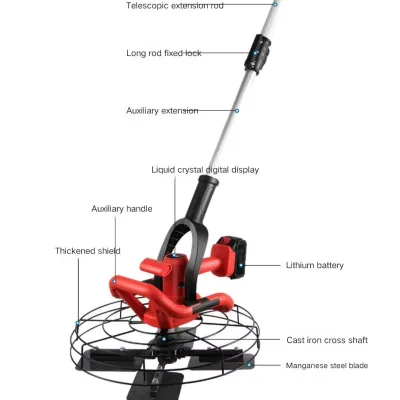
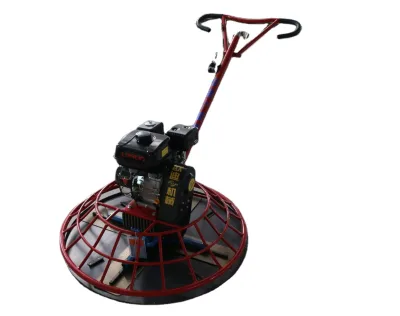
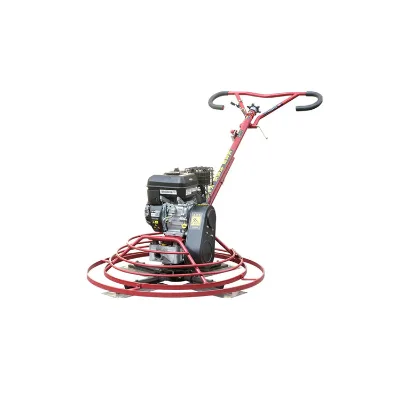
It power-floats concrete slab edges and surfaces in one pass using a gasoline engine and combination blades. The combination blade smooths, levels, and consolidates fresh concrete, while the edging function reaches close to walls and formwork where larger walk-behind machines cannot operate. Buyers typically use it on slabs, driveways, sidewalks, and floors after initial screeding.
What engine options are common on petrol edging power trowels?
Listed machines use engines such as the Honda GX160 with power around 4.0 kW (5.5 HP) and max speeds of 3600 rpm, while other suppliers offer Honda, Robin, Loncin, diesel, or Chinese gasoline engines at 5.0-6.5 HP. Confirm with suppliers which engine brands and equivalents they stock, since engine choice affects parts availability and service support in your market.
What blade sizes do combination blades come in?
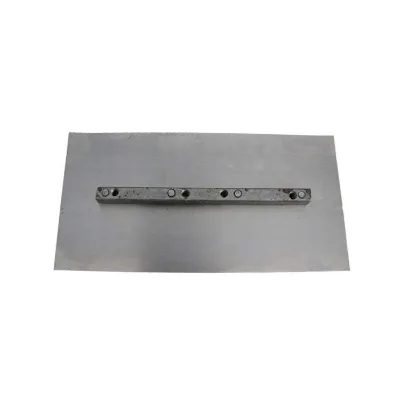
Combination blades commonly match 24 inch, 30 inch, 36 inch, and 46 inch power trowels, with thicknesses around 1.6 to 2.0 mm and carbon steel construction. Many are electroplated, carton-packed, and offered with CE certificates and customization. Verify that the blade size and mounting pattern match your specific trowel model before ordering, especially for 30 inch edging machines.
What are typical lead times and minimum order quantities?
Observed supplier data shows trowel lead times of 15 to 45 days and minimum orders as low as 1 to 2 units for walk-behind edging trowels, with MOQs of 5 for 36 inch machines and 50 for blades. Prices for edging trowels ranged roughly from 376 to 618 USD, and 12 to 26 USD for combination blades, so confirm current quotes directly.
Which certifications should I check before sourcing?
Relevant listings carry CE and ISO 9001 certification, and some suppliers hold additional verification such as TUV Rheinland assessment or ISO 9001 quality system registration. Ask each supplier for the specific certificate numbers, issuing body, and validity dates for the machine and blade model you intend to buy, rather than relying on generic claims shown in marketplace profiles.
Should I buy from a trading company or a factory?
Both appear among the suppliers in this category. A manufacturer in Zhejiang offers OEM, ODM, and its own brand with roughly 45 day lead times, while a Chongqing trading company ships trowel blades in about 15 days and also supplies lifting hardware. Factories may offer better pricing on volume; traders can consolidate wider product ranges. Compare quoted terms before committing.
What technical specs matter when comparing edging trowels?
Focus on working diameter (observed at 60 cm and 79 cm, or 24 and 30 inch), blade speed of roughly 75-150 rpm, productivity figures such as 180 m2/h, machine weight of 59 to 75 kg, and whether machining is hydraulic or rotor type. Also check blade speed range, blade count, and whether customization is available, since these affect finish quality and operating comfort.