PFOA Free Silicone Baking Mat Suppliers and Manufacturers
Explore 24 verified options for PFOA Free Silicone Baking Mat from China Zhejiang and Jiangsu. Compare response times, lead times, certifications like FDA and ISO 9001, and MOQs ranging from 100 to 1000 units. Review product specifications and pricing to select a suitable partner.
Suppliers List

Ningbo July Packaging Co., Ltd.
- Verified by BV
- Trading Company
- China Zhejiang
- Lead time23 days
- Avg. response≤ 5h
Main productsSkincare Packaging, Airless Bottle, Cosmetic Packaging, Trigger Sprayer, Cream Jar, Lotion Pump, Plastic Bottle, Plastic Goblet, Plastic Cup, Wine Glass
Main marketsSoutheast Asia/ Mideast,Europe

JIANGSU BOCHENG NEW TECH MATERIALS CO., LTD.
- Verified by TUVRHEINLAND
- Trading Company
- China Jiangsu
- Lead time0 days
- Avg. response≤ 4h
Main productsPTFE Coated Fiberglass Fabric, PTFE Mesh Belt, PTFE Fiberglass Adhesive Tape, PTFE Skived Film Tape, BBQ Grill Mat, Silicone Fiberglass Fabric, Silicone Baking Mat, PTFE Conveyor Belt, PTFE Seamless Belt, Gas Stove Burner Protector
Main marketsSouth America,Eastern Europe,Mid East,North America,Southeast Asia,Eastern Asia,Western Europe,Africa

Taizhou Zhongsheng Glass Fiber Products Co., Ltd.
- Verified by SGS
- Manufacturer/Factory
- China Jiangsu
- Lead time15 days
- Avg. response≤ 5h
Main productsFiberglass Cloth, Fiberglass Fabric, Chopped Strand Mat, Fiberglass Mesh Cloth, Fire Blanket
Main marketsSouth America,Eastern Europe,North America,Southeast Asia,Oceania,Western Europe,Africa
Jiangsu Veik Technology & Materials Co., Ltd.
- Manufacturer, Trading Company
- Lead time旺季: "1 - 1000":7,"> 1000":"To be negotiated", 淡季: "1 - 1000":7,"> 1000":"To be negotiated"
- Avg. response≤ 4h
Main productsPTFE Open Mesh Belt Series, PTFE Coated Fabric Series, Class A Fireproof Decorative Material, PTFE Self Adhesive Fabric And Tapes, PTFE Architecture Membrane Series
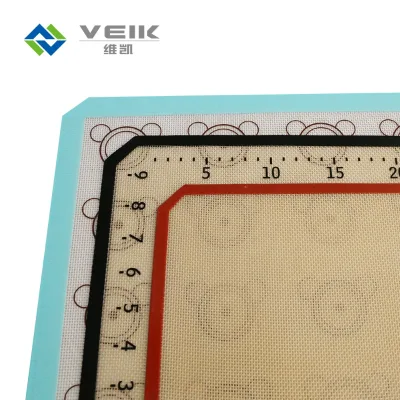
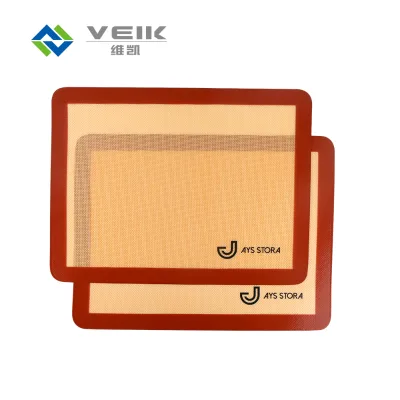
Food Grade Customized Design Silicone Baking Mat
$6.77 - $6.88
Guangzhou Mind Innovation New Material Co., Ltd
- Verified by CTI
- Trading Company
- China Guangdong
- Lead time15 days
- Avg. response≤ 11h
Main productsSiliconised Baking Paper, Capsule Printing Machine, Edible Ink Marker
Main marketsDomestic
Taixing Chuanda Plastics Co., Ltd
- Verified by SGS Group
- Manufacturer, Trading Company
- Lead time0 days
- Avg. response≤ 2h
Main productsPTFE Tape, Silicone Cloth, Mesh Belt, Grill Mat
Main marketsDomestic Market(60%), North America(6%), Southeast Asia(6%)

YONGKANG HOMESHINE SILICONE PRODUCTS CO., LTD.
- Combined
- China Zhejiang
- Lead time23 days
- Avg. response≤ 24h
Main productsGlass Lid
Main marketsSouth America,East Asia(Japan/ South Korea),Domestic,Europe,North America


Eco-Friendly Quality Competitive Price Wholesale Non-Stick Silicone Baking Mat
$0.58 - $0.78
MOQ: 1500 Pieces
Jiangsu Beite New Material Co., Ltd.
- Verified by TüVRheinland
- Manufacturer, Trading Company
- Lead time3 days
- Avg. response≤ 2h
Main productsPTFE BBQ Grill Mat, Silicone Pastry Mat, Silicone Baking Mat, Silicone Induction Mat
Main marketsDomestic Market(65%), Eastern Asia(10%), North America(5%)
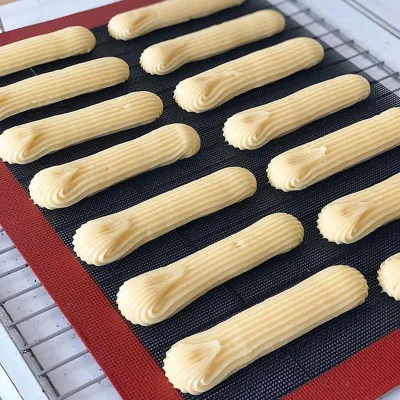
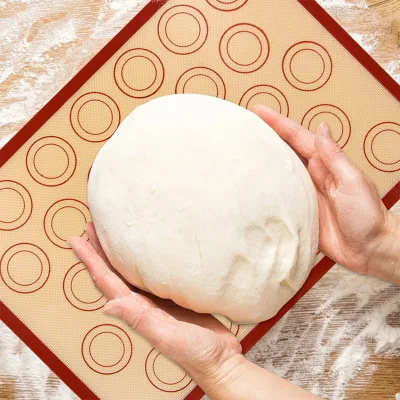
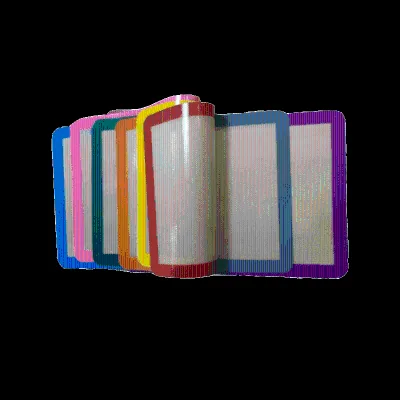
High Quality Fondant Cake Biscuit Baking Tool Anti slip Kitchen Silicone Baking Mat
$0.60 - $0.68
MOQ: 100

Shanghai Runzi Rubber And Plastic Co., Ltd.
- Verified by SGS
- Trading Company
- China Shanghai
- Lead time23 days
- Avg. response≤ 6h
Main productsSilicone Rubber Sheets, Silicone Foam Tubes, Rubber Sheets, Cow Mat/Horse Mat/Pig Mat, EPDM Rubber Sheets, Viton Rubber Sheets, Silicone Rubber Profiles, PVC Sheet Curtain
Main marketsSoutheast Asia/ Mideast,Europe,North America
Fuyang Jiarun Sports Goods Co., Ltd
- Manufacturer, Trading Company
- Anhui, China
- Lead time7 days
- Avg. response≤ 3h
Main productsSportswear,Fitness clothing,Yoga clothing,Water sports products,Silicone products
Main marketsNorth America(20.00%), Western Europe(20.00%), South America(10.00%), Northern Europe(10.00%), Oceania(8.00%), Southeast Asia(8.00%), Eastern Asia(7.00%), Africa(5.00%), Mid East(5.00%), Eastern Europe(5.00%), Central America(2.00%)
Jiangsu Star PTFE Materials Co., Ltd.
- Verified by SGS Group
- Manufacturer, Trading Company
- Lead time30 days
- Avg. response≤ 1h
Main productsPTFE Coated Fiberglass Fabric, PTFE Adhesive Tapes, PTFE BBQ Grill Mats, PTFE Mesh Conveyor Belts, Silicone Coated Fiberglass Fabric
Main marketsDomestic Market(50%), South Asia(50%)

Xiamen Newtop Material Company
- Verified by TUVRHEINLAND
- Combined
- China Fujian
- Lead time15 days
- Avg. response≤ 1h
Main productsSilicone Pet Prodcuts, Silicone Housewares Product, Silicone Baby Product, Silicone Parts, Silicone Cap, Silicone Breast Pump, Slow Feeder, Silicone Pet Mat, Silicone Gasket, Silicone Hose
Main marketsEurope,North America

Silicone Baking Matsilicone Rolling Matsilicone Top Baking Mat Thickening Boardsilicone Kneading Mat
$0.90 - $2.30
MOQ: 100 Pieces

E-Great (Nanjing) Import & Export Co., Ltd.
- Trading Company
- Jiangsu, China
- Lead time5 days
- Avg. response≤ 9h
Main productsSilicone baking mats,BBQ grill mats,Silicone Products,Silicone pastry mat,Oven liner
Main marketsEastern Europe(20.00%), Western Europe(20.00%), North America(20.00%), Northern Europe(10.00%), South America(10.00%), Mid East(10.00%), Africa(10.00%)

Zhongshan Xinyuan Silicone Rubber Co. Ltd
- Verified by TUVRHEINLAND
- Combined
- China Guangdong
- Lead time15 days
- Avg. response≤ 2h
Main productsSilicone Mold, Silicone Ice Cube Tray, Silicone Wristband, Silicone Tea Infuser, Silicone Bakeware, Silicone Keychain, Silicone Cup Coaster, Silicone Bag
Main marketsSouth America,Southeast Asia/ Mideast,Domestic,Europe,North America

Yangzhou Guotai Fiberglass Co., Ltd.
- Trading Company,Manufacturer/Factory
- China Jiangsu
- Lead time23 days
- Avg. response≤ 4h
Main productsFiberglass Roofing Tissue, Chopped Strand Mat, Silicone Baking Mat, Core Combination Mat, Grc Roving, Silicone Coated Fiberglass Fabric, PVC Battery Separator, PE Battery Separator, Silicone Bread Form, Neoprene Coated Fiberglass Fabric
Main marketsSouth America,Eastern Europe,Mid East,North America,Southeast Asia,Eastern Asia,Oceania,Western Europe,Africa

Xiamen Zhongying Electronic Technology Co., Ltd.
- Verified by SGS
- Combined
- China Fujian
- Lead time15 days
- Avg. response≤ 6h
Main productsPlastic Products, Rubber Ring, Sealing Ring, Gasket
Main marketsSoutheast Asia/ Mideast,Australia,North America


Non-Stick Silicone Baking Mat Kitchen Pad Measurements for Pastry Dough Rolling
$0.85 - $0.98
MOQ: 200 Pieces

Ningbo Happy Valley Household Co., Ltd.
- Verified by SGS
- Trading Company
- China Zhejiang
- Lead time30 days
- Avg. response≤ 12h
Main productsPot Lid, Glass Pot Lid, Kitchen Utensil Set, Kitchen Tool, Bento Box, Lunch Box, Plastic Lunch Box, Silicone Lunch Box, Collapsible Bucket, Plastic Bucket
Main marketsEurope

Dongguan Yangtai Silicone Products Co., Ltd
- Verified by SGS
- Combined
- China Guangdong
- Lead time15 days
- Avg. response≤ 3h
Main productsSilicone Bag, Silicone Pencil Case, Silicone Products, Silicone Kitchenware, Silicone Toys, Silicone Mold, Silicone Tap Night Light, Silicone Gift
Main marketsDomestic


Reusable Silicone Baking Mat, Non-Stick Fiberglass Mat for Cookies, Bread & Pastry
$1.21 - $1.25
MOQ: 500 Pieces


Heat-Resistant Silicone Pastry Mat, Non-Stick Thickened Baking Mat for Bread & Pizza
$2.24 - $2.28
MOQ: 500 Pieces


1.3mm Thick Silicone Baking Mat, Non-Slip with Measurement Mat for Dough Rolling
$2.24 - $2.28
MOQ: 500 Pieces

Eagle Catering Equipment Co., Ltd.
- Manufacturer/Factory
- China Guangdong
- Lead time30 days
- Avg. response≤ 9h
Main productsTrolleys, Gastronorm Containers, Table, Shelves, Sink, Barrier Post, Cookware, Buffetware, Barware, Kitchen Utensils
Main marketsSouth America,Eastern Europe,Mid East,North America,Southeast Asia,Eastern Asia,Oceania,Western Europe,Africa

Huai An Jiuzhong New Material Co., Ltd.
- Manufacturer/Factory
- China Jiangsu
- Lead time23 days
- Avg. response≤ 1h
Main productsFiberglass Chopped Strand Mat, Fiberglass Stake, PE Separator, PVC Separator, Woven Roving, Fiberglass Combo Mat, Silicone Baking Mat, SMC Sheet, Fiberglass Yarn, Fiberglass Fabric
Main marketsSouth America,Eastern Europe,Mid East,North America,Southeast Asia,Eastern Asia,Oceania,Western Europe,Africa


China Manufacturer Temperature Resistant Non Stick Silicone Baking Mat Non Stick Baking Mat
$0.50 - $3.00
MOQ: 100 PC

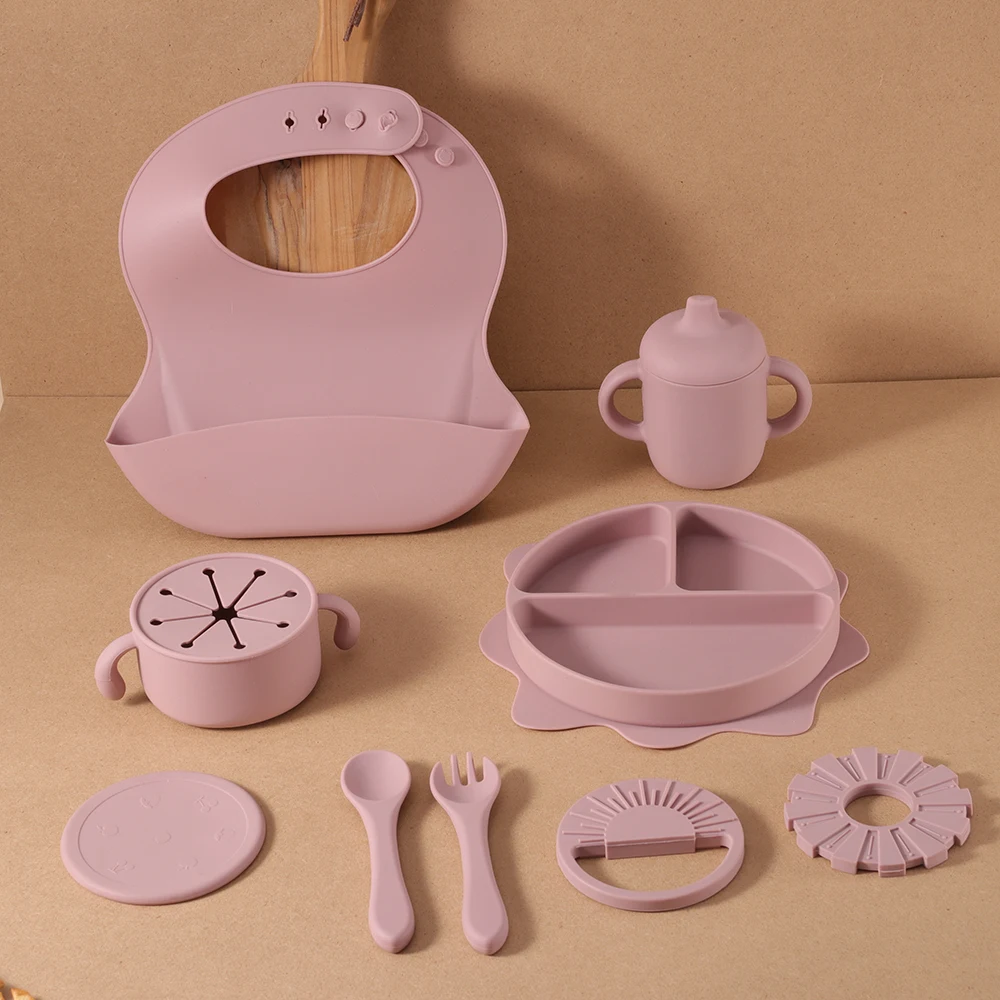
Yiwu Huixuan Home Furnishings Co., Ltd.
- Manufacturer, Trading Company
- Zhejiang, China
- Lead time30 days
- Avg. response≤ 3h
Main productsSilicone Tableware,Silicone Feeding Set,Silicone Food Storage Box,Silicone Teether,Silicone Bib
Main marketsWestern Europe(30.00%), North America(30.00%), South America(20.00%), Southern Europe(10.00%), Northern Europe(10.00%)

Shenzhen Guangyufeng Rubber Co., Ltd.
- Verified by SGS
- Trading Company,Manufacturer/Factory
- China Guangdong
- Lead time23 days
- Avg. response≤ 3h
Main productsSilicone Product, Silicone Rubber Product, Baby Product, Silicone Tube, Silicone Rubber Roller, Silicone Sex Toy, Silicone Mold, Silicone Kitchenware, Silicone Case, Silicone Strap
Main marketsSouth America,Eastern Europe,Mid East,North America,Southeast Asia,Eastern Asia,Oceania,Western Europe,Africa

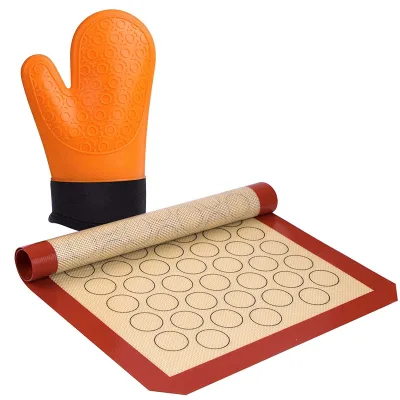
Heat Resistant Custom Silicone Baking Mat Reusable Non-Stick Food Grade Silicone Cooking Mat Sheet
$0.65 - $10.00
MOQ: 50 Pieces


Food-Grade Silicone Kneading Mat Can Be Customized with Logo, Thickened and Heightened
$1.30 - $10.00
MOQ: 50 Pieces

Yangjiang C&B Consumer Product Limited
- Verified by CTI
- Trading Company
- China Guangdong
- Lead time15 days
- Avg. response≤ 6h
Main productsBarbecue Tongs, Grilling Brushes, Outdoor Shovel, Grilling Tools, Kitchen Ware, Outdoor Products, Pizza Tools, Knife Set
Main marketsSouth America,Africa,Southeast Asia/ Mideast,Europe,Australia,North America

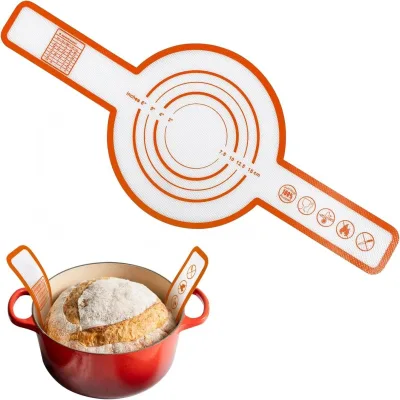
Food-Grade Heat-Resistant Round Silicone Dough Mat Baking Mat with Measurements
$1.01 - $1.19
MOQ: 1000 Pieces


Food-Grade Round Silicone Dough Mat Non-Stick Baking Mat with Measurements
$1.01 - $1.19
MOQ: 1000 Pieces

Food-Grade Reusable Silicone Dough Mat Non-Stick Baking Mat with Measurements
$0.87 - $1.29
MOQ: 1000 Pieces

Wenzhou Cathylin International Trade Co., Ltd.
- Verified by TUVRHEINLAND
- Trading Company
- China Zhejiang
- Lead time15 days
- Avg. response≤ 13h
Main productsFlatware, Cutlery, Kitchen Tools, Tableware, Cookware, Bakeware, Drinkware
Main marketsNorth America








Comprehensive Sourcing Guide
PFOA Free Silicone Baking Mat Supplier Concentration and Factory Types
Current data indicates a concentration of suppliers in China, specifically within the Zhejiang and Jiangsu provinces. These regions host a mix of trading companies and manufacturers, with some entities listing main products that include skincare packaging alongside baking mats, while others specialize in fiberglass and PTFE coated fabrics. The presence of Zhejiang-based trading companies suggests a hub for sourcing diverse packaging and kitchenware items, whereas Jiangsu suppliers often demonstrate capabilities in industrial materials like PTFE mesh belts and fiberglass fabrics. This geographic clustering allows buyers to access a variety of production models, from pure trading firms to factories with in-house R&D for OEM and ODM services.
When evaluating factory types, it is critical to distinguish between trading companies and manufacturers based on their stated company type and capacity. Some suppliers explicitly list OEM and ODM capabilities, indicating they can customize materials, logos, and packaging, while others may focus on standard inventory. The distinction matters because manufacturers often provide more direct control over production processes and material sourcing, such as the specific fiberglass yarn or silicone compounds used. Buyers should verify if a supplier's main products align with their specific needs, noting that some vendors offer a broad range of items like plastic bottles and cosmetic packaging alongside baking mats, which may indicate a broader trading scope rather than specialized manufacturing depth.
How to Verify PFOA Free Silicone Baking Mat Suppliers
Verification of supplier credibility relies heavily on third-party audit reports and specific certification claims found in the data. Several suppliers display verification badges from recognized bodies such as BV, TÜV Rheinland, and SGS, which serve as initial indicators of operational stability and compliance. Additionally, system certifications like ISO 9001, BSCI, and RoHS are explicitly mentioned for certain manufacturers, providing evidence of quality management systems and environmental compliance. Buyers must cross-reference these claims with the specific product attributes, ensuring that the supplier's stated certifications, such as FDA for food contact materials, are relevant to the silicone baking mats being sourced.
Beyond certifications, response times and verification status offer practical insights into supplier reliability and communication efficiency. Data shows response times ranging from approximately 3.57 to 4.38, which can serve as a metric for evaluating how quickly a potential partner addresses inquiries. A lower response time often correlates with better operational readiness and customer service focus. Buyers should prioritize suppliers who have undergone rigorous verification processes and maintain active communication channels. It is essential to confirm that the specific product listings, such as those with FDA certification or specific thickness measurements, are backed by the supplier's verified status, ensuring that the claims made in the product description are not merely marketing assertions but are supported by the supplier's overall verified profile.
What to Compare Across PFOA Free Silicone Baking Mat Suppliers
Comparing suppliers requires a detailed analysis of key operational metrics including lead times, minimum order quantities, and pricing structures. Lead times vary significantly, with some suppliers indicating a standard duration of 23 days, while others report zero days, suggesting immediate availability or a drop-shipping model. Minimum order quantities also differ, ranging from as low as 100 pieces to 1000 pieces, which directly impacts the feasibility of small-batch testing versus large-scale production runs. Buyers must align these figures with their inventory strategy, noting that lower MOQs may come with higher per-unit costs, while larger orders often secure better pricing tiers, such as the observed range between $0.62 and $4.89 depending on the specific product model and customization level.
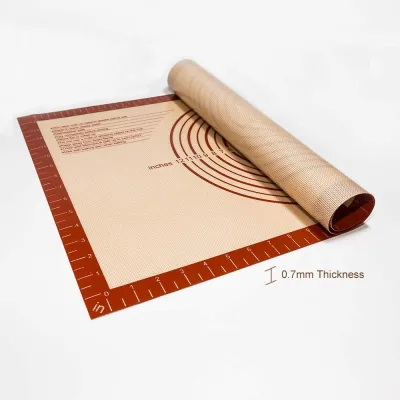
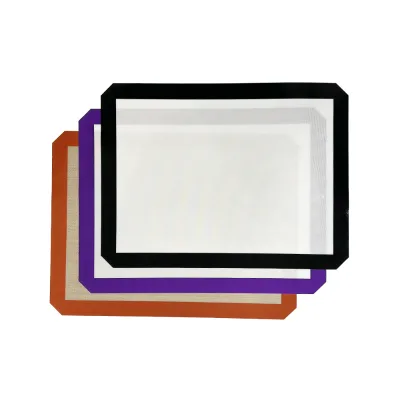
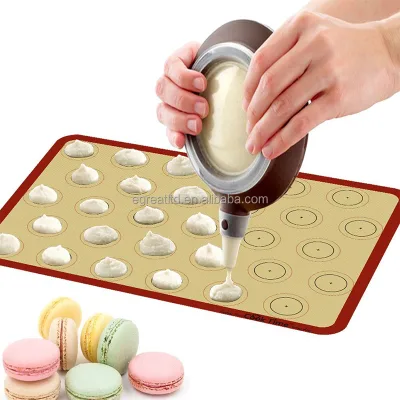
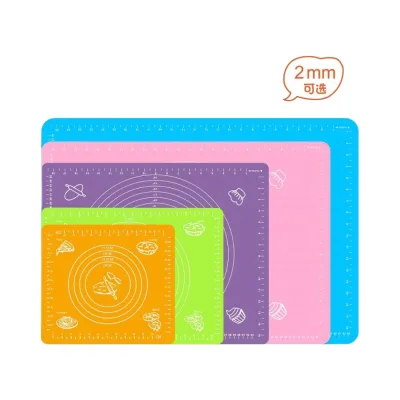
Product specifications and customization options form another critical comparison dimension. Suppliers offer varying thicknesses, from 0.4mm to 0.75mm, and different standard sizes, including 55x38cm or custom dimensions like 40x30cm. The availability of customization for logos, colors, and shapes is a key differentiator, with some vendors offering fully customized packaging and others providing standard polybag or box options. Buyers should evaluate the material composition, noting distinctions between pure silicone and fiberglass-reinforced silicone mats, as well as the presence of features like high-temperature resistance up to 260 degrees Celsius. Comparing these technical attributes ensures the selected supplier can meet the specific performance requirements of the end product.
Common PFOA Free Silicone Baking Mat Sourcing Risks
One significant risk involves the discrepancy between claimed certifications and actual product compliance, particularly regarding food safety standards. While some suppliers list FDA or RoHS certifications, others may lack specific system certifications or provide incomplete product evidence. Buyers must be vigilant in verifying that the "PFOA free" and "BPA free" claims are substantiated by the specific product attributes listed, such as the material composition and testing results. Relying solely on general supplier verification without confirming the specific product's compliance can lead to receiving goods that do not meet regulatory requirements in the target market, potentially resulting in customs delays or product recalls.
Another risk stems from inconsistent lead times and capacity limitations, which can disrupt supply chain planning. While some suppliers report a lead time of zero, others indicate a standard 23-day production window, and a few list a 15-day timeline. These variations can create bottlenecks if a buyer assumes immediate availability based on a single listing. Furthermore, the distinction between trading companies and manufacturers can impact the ability to scale production or resolve quality issues quickly. If a trading company acts as an intermediary, they may have less direct control over the manufacturing process, potentially leading to delays or communication gaps. Buyers should assess the supplier's R&D capacity and production capabilities to ensure they can handle volume fluctuations and maintain consistent quality standards.
PFOA Free Silicone Baking Mat Regional Sourcing and Logistics
Sourcing from China, specifically the Zhejiang and Jiangsu provinces, offers access to a robust manufacturing ecosystem but requires careful logistics planning. The concentration of suppliers in these regions means that shipping costs and transit times may vary depending on the specific port of origin and the supplier's location within the province. Buyers should consider the proximity of the factory to major shipping hubs to minimize inland transportation costs and reduce the overall lead time. Additionally, the type of packaging, whether polybag, box, or carton, can influence the efficiency of container loading and the protection of goods during transit, which is critical for maintaining product integrity.
Logistics planning must also account for the specific product dimensions and weight, which affect freight calculations. Products like silicone baking mats are relatively lightweight but can be bulky, especially when ordered in large quantities with custom packaging. Buyers should verify the packing details, such as the use of polybags or cartons, to ensure they align with their shipping requirements and storage capabilities. Furthermore, the origin of the product, consistently listed as China, means that import duties and tariffs will apply based on the destination country's regulations. Understanding these regional logistics factors helps in accurately calculating the landed cost and ensuring a smooth delivery process from the factory floor to the final destination.
PFOA Free Silicone Baking Mat Commercial Terms and Order Planning
Commercial terms and order planning are pivotal for managing costs and ensuring timely delivery. Pricing structures vary widely, with observed ranges from $0.62 to $4.89 per unit, influenced by factors such as material thickness, customization, and order volume. Buyers must carefully analyze the price tiers against the minimum order quantities to determine the most cost-effective strategy. For instance, lower MOQs of 100 pieces may be suitable for initial market testing, while larger orders of 1000 pieces could unlock better pricing. It is essential to clarify whether the quoted prices include packaging, shipping, or other ancillary costs to avoid unexpected expenses during the final settlement.
Order planning should also incorporate the supplier's response time and production capacity to ensure alignment with business timelines. With response times ranging from 3.57 to 4.38, buyers can gauge the efficiency of communication and the likelihood of quick issue resolution. Additionally, the availability of samples and the flexibility of customization options, such as logo printing and color selection, should be factored into the planning phase. Buyers should establish clear communication channels to confirm production schedules and quality control measures before placing large orders. By integrating these commercial and operational details into the planning process, buyers can mitigate risks and optimize their sourcing strategy for PFOA-free silicone baking mats.
FAQs
What certifications do the silicone baking mats have?
Many products listed carry FDA certification for food safety. Some suppliers also provide RoHS and ISO certifications for their fiberglass silicone mats. Always verify specific product certificates before ordering to ensure compliance with your regional standards.
What is the minimum order quantity for these mats?
Minimum order quantities vary significantly by supplier and product type. Some listings require 100 pieces, while others set the threshold at 1000 units. Check the specific product page for the exact MOQ applicable to your chosen size and customization needs.
How long does it take to receive the order?
Lead times reported range from zero days to 23 days depending on the supplier location and stock availability. Some manufacturers in Jiangsu offer immediate dispatch, while others in Zhejiang may require up to three weeks for production and shipping preparation.
Can I customize the size and logo on the mat?
Customization is widely available for both size and logo printing on these silicone baking mats. Suppliers offer standard dimensions like 40x30cm or fully custom sizes. You can request specific logo placements and packaging options directly through the product customization fields.
What is the price range for a single mat?
Prices for these mats typically range from 0.62 to 4.89 USD per unit based on material and thickness. Thinner fiberglass options often cost less, while thicker silicone mats with specific features command higher prices. Bulk orders usually affect the final unit cost.
Are the mats heat resistant for oven use?
Yes, these mats are designed for high-temperature resistance, typically ranging from -70 to 260 degrees Celsius. They feature non-stick surfaces suitable for baking, pastry, and ovenware. Ensure the specific product listing confirms the temperature rating for your intended cooking applications.
Where are the suppliers located and what is their type?
Suppliers are primarily located in Zhejiang and Jiangsu provinces in China. Company types include trading companies and manufacturers offering OEM and ODM services. Verification statuses vary, with some suppliers holding BV, SGS, or TÜV Rheinland certifications for their operations.