Plastic Fork Hoe for Flower and Green Plant Suppliers and Manufacturers
Source a Plastic Fork Hoe for Flower and Green Plant from 17 verified suppliers. Compare response times, lead times, and certifications to find the right partner. Contact suppliers directly to request quotes and verify production capabilities; review the available evidence before requesting comparable quotations from suitable candidates.
Suppliers List

- Trading Company
- China Jiangsu
- Lead time30 days
- Avg. response≤ 15h
Main productsElectric Pruning Shear, Sparkplug, Grass Timmmer, Trimmer Line, Trimmer Head, Brush Cutter Blade, Paint Brush, Paint Roller, Work Gloves, Safety Helmet
Main marketsDomestic,Europe

Ningbo Zhixin Metal Product Co., Ltd
- Verified by TUVRHEINLAND
- Trading Company,Manufacturer/Factory
- China Zhejiang
- Lead time0 days
- Avg. response≤ 8h
Main productsFastener, Tool Set, Sheet Metal Fabrication, Metal Stamping Part, CNC Machining Parts

Garden Weeding-Hoe Thickening Hoe for Planting Flowers and Vegetables Digging Hoe
$1.10 - $2.10
MOQ: 2000 Pieces


High Quality All Steel Hollow Hoe Farm Tools Landscaping Garden Tools Small Hoe
$1.21 - $1.68
MOQ: 2000 Pieces

TANGSHAN MIRACLE IMPORT AND EXPORT CO., LTD.
- Verified by SGS
- Combined
- China Hebei
- Lead time15 days
- Avg. response≤ 14h
Main productsShovel, Hoe, Pickaxe, Machete, Fork, Rake, Farming Tools, Garden Tools
Main marketsOthers(foreignTradeCapacity.exportBusinessCapacityMarketOther)

High Quality Garden Tool Plastic Handle Hoe for Home Flower Planting Hoe
$1.36 - $1.38
MOQ: 2400 Pieces


Three Tooth Harrow Outdoor Grow Vegetables Garden Flowers Digging Fork Hoe
$1.50 - $3.00
MOQ: 3000 Pieces


Huamaoji Construction Machinery Trading (beijing) Co., Ltd.
- Trading Company
- Beijing, China
- Lead time10 days
- Avg. response≤ 10h
Main productsshovel,Machete,Undercarriage Part,Rubber track,Diesel Engine Assy
Main marketsAfrica(30.0%), Eastern Asia(20.0%), Domestic Market(10.0%), Southeast Asia(7.000000000000001%), Oceania(6.0%), South America(5.0%), Mid East(5.0%), South Asia(5.0%), Eastern Europe(2.0%), North America(2.0%), Southern Europe(2.0%), Northern Europe(2.0%), Central America(2.0%), Western Europe(2.0%)
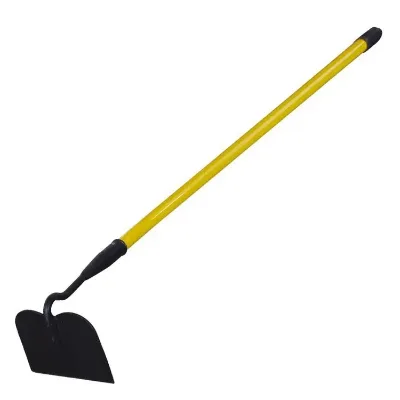
Wooden Handle Agricultural Gardening Tool Fork and Hoe for Outdoor Shoveling and Weeding
$2.58
MOQ: 1000 Minimum

Tianjin Perfect Machinery Co. Ltd.
- Verified by CTI
- Trading Company
- China Tianjin
- Lead time30 days
- Avg. response≤ 5h
Main productsHoe, Shovel, Pickaxe, Matchet
Main marketsSoutheast Asia/ Mideast

Tangshan Las Import & Export Co., Ltd.
- Trading Company,Manufacturer/Factory
- China Hebei
- Lead time45 days
- Avg. response≤ 18h
Main productsHandle Shovel, Pick, Hoe, Fork, Axe and Hammer, Shovel Head, Nails, Sickle, Wire Mesh, Machete
Main marketsSouth America,Mid East,Southeast Asia,Eastern Asia,Africa
Tianjin Jinyuan International Ltd
- Verified by TüVRheinland
- Trading Company
- Tianjin, China
- Lead time0 days
- Avg. response≤ 1h
Main productsAgricultural Tools, Gardening Tools, Shovels, Rakes, Lawn mower
Main marketsNorth America(30%), Eastern Europe(30%), Western Europe(20%)
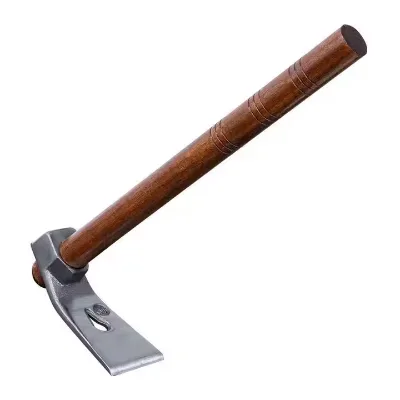
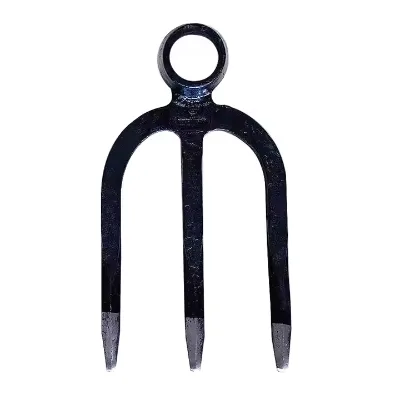
Multi-Function Outdoor Hoe for Flower Digging and Weeding Hand-Forged Digging Tools
$0.72 - $1.03
MOQ: 2 pieces
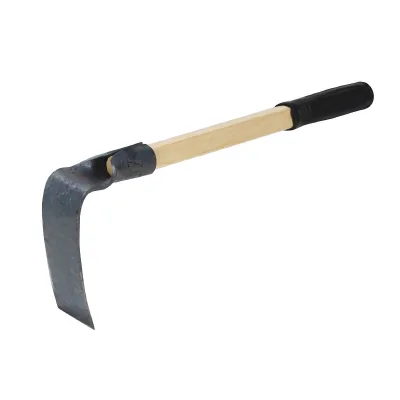
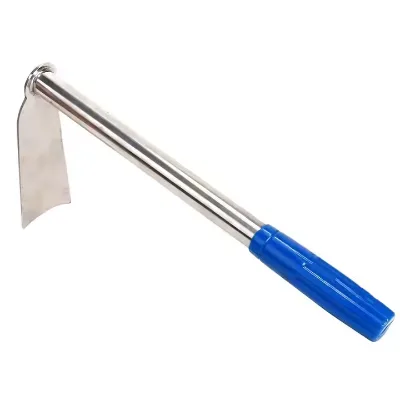
$1.54 - $2.15
MOQ: 1000 packs
$1.54 - $2.16
MOQ: 1000 packs

Dingzhou Gemlight Cutting Tools Co., Ltd.
- Verified by SGS
- Combined
- China Hebei
- Lead time30 days
- Avg. response≤ 2h
Main productsShovel, Hoe, Sickle, Pickaxe, Farm Fork, Rake, Hand Tools, Wheelbarrows, Farm Tools
Main marketsAfrica,Southeast Asia/ Mideast,Domestic

Tangshan Renhe Hardware Tools Co., Ltd.
- Verified by SGS
- Combined
- China Hebei
- Lead time45 days
- Avg. response≤ 1h
Main productsShovel, Hoe, Fork, Pickaxe, Rake, Garden Tool, Snow Shovel, Plastic Shovel, Hand Tools, Agricultural Tool
Main marketsSouth America,Africa,Others(foreignTradeCapacity.exportBusinessCapacityMarketOther),Southeast Asia/ Mideast,East Asia(Japan/ South Korea),Europe,North America


Durabe Multifunction Farming Tool Garden Fork Hoe with Steel and Wood Handle
$2.12 - $2.52
MOQ: 2400 pieces


Quality Guaranteed Aqricultural Hand Tools Garden Forged Fork Hoe for Weeding
$2.58 - $2.78
MOQ: 2000 pieces

Hangzhou Happyfull Import & Export Co., Ltd.
- Verified by TUVRHEINLAND
- Trading Company
- China Zhejiang
- Lead time15 days
- Avg. response≤ 16h
Main productsDrawer Slide
Main marketsAfrica,Others(foreignTradeCapacity.exportBusinessCapacityMarketOther)

$2.03 - $3.99
MOQ: 5000 Pieces

Loose Soil Artifact Hoe Flat Hoe Weeding Farm Tool Weeding Hoe Root Overturning Hoe
$3.07 - $4.69
MOQ: 5000 Pieces
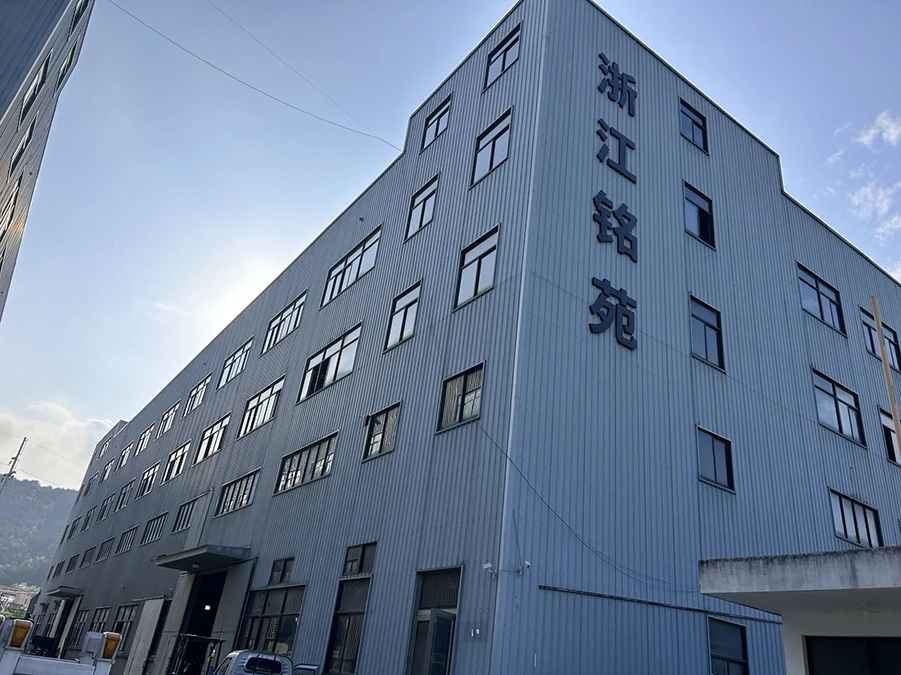
Zhejiang Mingyuan Garden & Leisure Products Co., Ltd.
- Manufacturer
- Zhejiang, China
- Lead time45 days
- Avg. response≤ 2h
Main productsPlastic products (watering cans, flower pots, bird feeders, garden tools, sprayer, fence)
Main marketsEastern Asia(30.0%), North America(30.0%), Domestic Market(25.0%), Western Europe(10.0%), Northern Europe(5.0%), South Asia(0.0%), South America(0.0%), Oceania(0.0%), Southern Europe(0.0%), Central America(0.0%), Africa(0.0%), Eastern Europe(0.0%), Mid East(0.0%), Southeast Asia(0.0%)

Shandong Yifa Casting & Forging Co., Ltd.
- Verified by SGS
- Manufacturer/Factory
- China Shandong
- Lead time45 days
- Avg. response≤ 6h
Main productsRigging Hardware, Shackle G209 G210 G2130 G2150, Load Binder L140 L150 EU. Safety Type, Wire Rope Clip DIN741 DIN1142 JIS Type, Hook G70 G80 Grab Hook Slip Hook Rtj Hook, Power Line Fittings Turnbuckle Wire Rope, Carabiner& Belt Hook Quick Links, Chain En818-2 G100 Alloy Lifting&Lashing DIN766, Stainless Steel Items&Swivel&Thimble&Block, Construction Accessories Links Eyebolt&Nut
Main marketsSouth America,Eastern Europe,Mid East,North America,Southeast Asia,Eastern Asia,Oceania,Western Europe,Africa


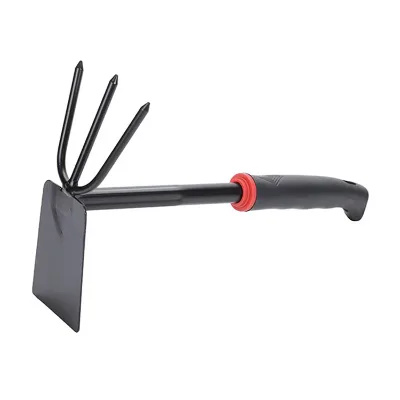
Wholesale Garden Tools 2 in 1 Mini Fork Cultivator Weeding Hoe with Plastic Hoe Handle
$0.90 - $2.50
MOQ: 500 Pieces


Multifunctional 4prong Garden Tools Fork Hoe Wooden Handle Dual-Purpose Small Hoe
$1.50 - $2.50
MOQ: 500 Pieces

Factory Wholesale Portable Hand Tools Steel Head 3 Prong Digging Weeding Garden Fork Hoe
$0.90 - $2.50
MOQ: 500 Pieces
Ningbo Gamry Import & Export Co., Ltd.
- Trading Company
- Zhejiang, China
- Lead time30 days
- Avg. response≤ 7h
Main productsGarden,thermometer,Pet items,Stationary
Main marketsNorth America(20.0%), Eastern Europe(15.0%), Northern Europe(10.0%), Western Europe(10.0%), Southern Europe(10.0%), South America(10.0%), Central America(6.0%), Oceania(5.0%), Mid East(4.0%), Southeast Asia(4.0%), Domestic Market(3.0%), Eastern Asia(2.0%), South Asia(1.0%)
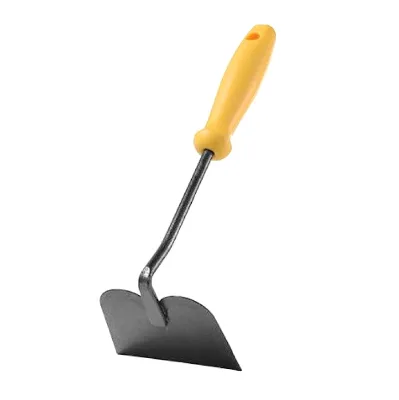
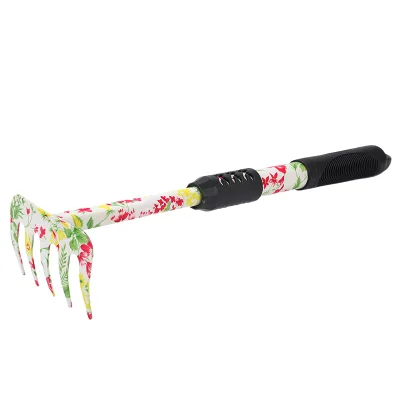
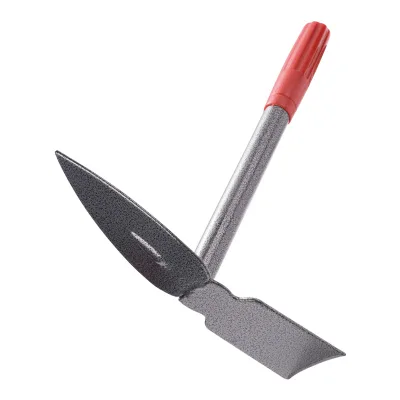
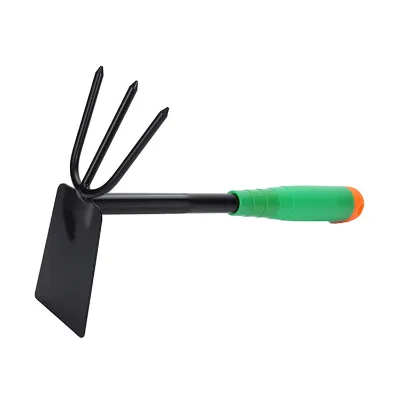
Carbon steel head PE plastic green powder coating handled garden hand tools hoe
$0.62 - $0.66
MOQ: 3 pieces
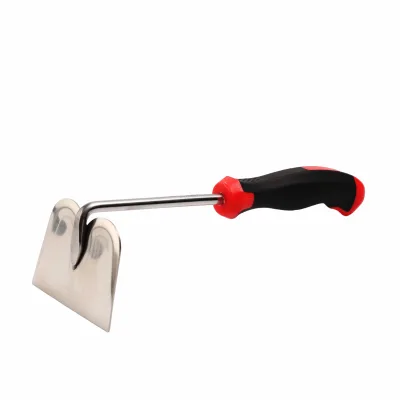
$0.80 - $0.86
MOQ: 3000 pieces

Guangzhou 247 International Co., Ltd
- Trading Company,Manufacturer/Factory
- China Guangdong
- Lead time23 days
- Avg. response≤ 13h
Main productsIron Nails, Screws, Welding Rods, Iron Wire, Welding Wires, Wire Mesh, Safety Products, Welding Gloves, Fastener, Labour Protection Tools
Main marketsSouth America,Eastern Europe,Mid East,North America,Southeast Asia,Eastern Asia,Oceania,Western Europe,Africa

Taizhou HAODING Import & Export Co., Ltd.
- Verified by BV
- Combined
- China Zhejiang
- Lead time15 days
- Avg. response≤ 3h
Main productsCorn Seeder
Main marketsAfrica,Southeast Asia/ Mideast


High-Quality Adjustable Gardening Wheel Rotary Hoe with Nursery Seed Tray
$50.00 - $55.00
MOQ: 100 Pieces


Zhengzhou Yunyun Technology Co., Ltd.
- Trading Company
- Henan, China
- Lead time15 days
- Avg. response≤ 1h
Main productsHardware tools,industrial machinery,power tools,electric tools,tool sets
Main marketsDomestic Market(12.0%), North America(11.0%), Southeast Asia(10.0%), South America(10.0%), Central America(8.0%), Eastern Asia(8.0%), Africa(7.000000000000001%), Western Europe(6.0%), South Asia(5.0%), Southern Europe(5.0%), Northern Europe(5.0%), Eastern Europe(5.0%), Mid East(5.0%), Oceania(3.0%)
$11.00 - $14.00
MOQ: 2 Minimum
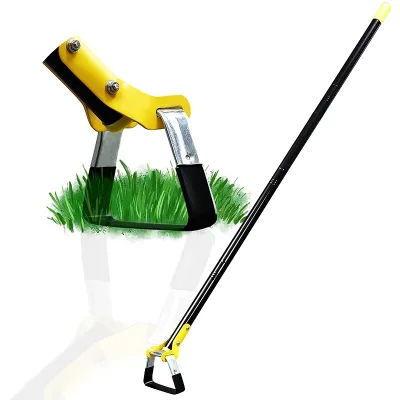
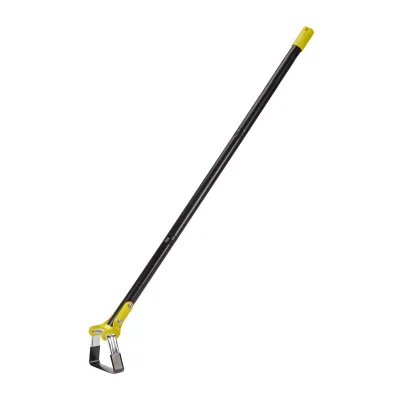
Weeding Ring Stirrup Ring Hoe Carbon Steel Garden Tool
Contact supplier

TANGSHAN KAITU IMPORT AND EXPORT CO., LTD.
- Trading Company
- China Hebei
- Lead time30 days
- Avg. response≤ 25h
Main productsShovel, Pickaxe, Fork, Spade, Axe, Hammer, Machete, Hoe, Nail, Rake
Main marketsSouth America,Africa,Southeast Asia/ Mideast,East Asia(Japan/ South Korea),Europe,Australia,North America




Comprehensive Sourcing Guide
Plastic Fork Hoe for Flower and Green Plant Supplier Concentration and Factory Types
Current data indicates a concentration of suppliers in China Jiangsu and China Zhejiang, where specific product listings for garden tools like hoes and forks are actively available. These regions host a mix of trading companies and manufacturers, with some entities listing main products that include electric pruning shears, trimmer lines, and various hand tools alongside the requested plastic fork hoes. Buyers should note that while some suppliers are identified as trading companies, others operate as manufacturers or factories, which can influence the directness of the supply chain and the availability of customization options. The presence of these diverse company types in these specific provinces suggests a robust ecosystem for sourcing garden hardware, though the exact distribution of factory versus trading company status varies by individual vendor.
When evaluating the factory types in these regions, buyers must distinguish between entities that primarily trade goods and those that own production lines. The observed data shows suppliers offering products with specific attributes like carbon steel heads or stainless steel materials, which implies a manufacturing capability for metal components, even if the handle might be plastic or wood. Some listings indicate customization availability, a trait often associated with manufacturers who can adjust molds or assembly lines, whereas trading companies may aggregate stock from various sources. It is critical for buyers to verify the actual production capacity and ownership structure of the supplier, as the label "Trading Company" or "Manufacturer/Factory" directly impacts lead times, quality control processes, and the ability to handle large volume orders for specialized garden tools.
How to Verify Plastic Fork Hoe for Flower and Green Plant Suppliers
Verification of suppliers requires a rigorous check of their system certifications and third-party audit reports, as these documents provide concrete evidence of operational standards. The available data highlights certifications such as ISO 9001, ISO 14001, BSCI, and OHSAS 18001 for certain suppliers, which are strong indicators of a commitment to quality management and environmental safety. Buyers should specifically look for verification badges from recognized bodies like TÜV Rheinland, which confirms that the supplier has undergone independent assessment. If a supplier lacks these specific certifications in their profile, it does not necessarily disqualify them, but it necessitates a deeper inquiry into their internal quality assurance protocols and whether they can provide equivalent documentation upon request.
Beyond certifications, buyers must scrutinize the response time and lead time metrics provided in supplier profiles to gauge operational reliability. The observed data shows response times ranging from approximately 7 hours to over 14 hours, with lead times varying significantly from immediate availability to thirty days. A supplier with a rapid response time and a short lead time may be better suited for urgent orders, while a longer lead time might indicate a more complex production schedule or a need for custom tooling. Buyers should also verify the "Customization" status listed for products, as some suppliers offer non-customized stock while others allow for logo customization or material changes. Confirming these details through direct communication ensures that the supplier can meet the specific timeline and specification requirements of the buyer's project.
What to Compare Across Plastic Fork Hoe for Flower and Green Plant Suppliers
Comparing suppliers requires a detailed analysis of product specifications, particularly the head material and connection modes, which directly affect durability and performance. The data reveals a range of materials including carbon steel, 65 Mn steel, and stainless steel, with connection modes varying from integrated designs to insert sleeve connections. Buyers should prioritize suppliers whose product attributes align with their specific application needs, such as agriculture or general gardening, and verify if the handle material is plastic, wood, or another substance. The finish options, such as zinc plating or heat treatment, also play a crucial role in corrosion resistance, and comparing these attributes across different vendors helps identify the most suitable product for the intended environment.
In addition to product specs, buyers must compare commercial terms like Minimum Order Quantity (MOQ) and pricing structures to ensure alignment with their budget and volume requirements. The observed data indicates MOQs ranging from 1,000 to 3,000 units, with prices varying based on material and finish. Some suppliers list prices as low as $1.00 per unit, while others range up to $2.10, reflecting differences in quality and production costs. Buyers should also consider the packing methods, such as inner boxes with master cartons or bulk packaging, as these impact shipping efficiency and product protection. By systematically comparing these variables, buyers can select a supplier that offers the best balance of cost, quality, and logistical feasibility for their specific order volume.
Common Plastic Fork Hoe for Flower and Green Plant Sourcing Risks
One significant risk in sourcing these tools is the potential mismatch between advertised customization capabilities and actual production flexibility. While some product listings explicitly state that customization is available, others note that the items are non-customized, which can lead to confusion if the buyer assumes flexibility where none exists. Buyers must carefully read the product attributes to confirm whether the supplier can accommodate specific requests for handle materials, head shapes, or branding. Relying on general descriptions without verifying the specific "Customized" status for each item can result in receiving standard stock that does not meet the buyer's unique requirements, leading to delays and additional costs.
Another critical risk involves the variability in lead times and the potential for supply chain disruptions. The data shows lead times ranging from zero to thirty days, indicating that some suppliers may have immediate stock while others require production time. If a buyer places an order with a supplier who has a long lead time without confirming the current production schedule, they risk missing critical delivery deadlines. Furthermore, the lack of standardized certifications across all suppliers means that quality consistency can vary. Buyers should mitigate this risk by requesting samples and verifying the supplier's ability to maintain consistent quality standards before committing to large orders, ensuring that the final product meets the necessary durability and safety expectations.
Plastic Fork Hoe for Flower and Green Plant Regional Sourcing and Logistics
Sourcing from China Jiangsu and China Zhejiang offers access to a dense network of suppliers specializing in garden tools and hardware, but logistics planning must account for regional shipping dynamics. These provinces are established hubs for manufacturing and trading, providing a wide array of options for buyers seeking plastic fork hoes and related equipment. However, the distance from these inland manufacturing centers to major ports can influence transit times and freight costs. Buyers should work with logistics partners who understand the specific shipping routes from Jiangsu and Zhejiang to their destination, ensuring that the chosen method balances speed and cost effectively.
Logistics planning also involves understanding the packaging standards used by suppliers in these regions, as this affects how goods are loaded and shipped. The data indicates that products are often packed in inner boxes and master cartons, or sometimes in bulk, which impacts the volume and weight of the shipment. Buyers need to verify the exact packing dimensions and weight to calculate accurate freight charges and ensure that the packaging is robust enough to protect the tools during transit. Additionally, buyers should consider the impact of seasonal factors on shipping schedules, as peak seasons in these manufacturing regions can lead to congestion at ports and extended delivery times.
Plastic Fork Hoe for Flower and Green Plant Commercial Terms and Order Planning
Order planning for plastic fork hoes requires a clear understanding of the commercial terms, including payment structures and delivery schedules, to avoid financial or operational surprises. The data shows that suppliers may have varying lead times and MOQs, which necessitates careful planning to align production schedules with demand forecasts. Buyers should establish a clear timeline that accounts for the supplier's lead time, production duration, and shipping transit time to ensure that goods arrive when needed. It is also essential to confirm the payment terms, such as whether escrow services are available, to protect the buyer's financial interests until the goods are delivered as specified.
When finalizing orders, buyers must pay close attention to the specific product attributes and certifications listed to ensure compliance with their market requirements. Some suppliers offer products with CE and RoHS certifications, which may be mandatory for entry into certain markets, while others may only have general system certifications. Buyers should verify that the supplier's product standards, such as JIS or other industry norms, match the requirements of their target market. By meticulously reviewing these commercial and technical details before placing an order, buyers can minimize the risk of non-compliance and ensure a smooth transaction that meets all regulatory and quality expectations.
FAQs
What is the minimum order quantity for plastic fork hoes?
Minimum order quantities vary by supplier and specific product model. Some listings require 2000 units, while others start at 1200 or 2400 pieces. Buyers should verify the exact MOQ for the specific fork hoe model they intend to purchase before placing an order.
How long does it take to receive orders for garden tools?
Lead times for garden tools like fork hoes typically range from zero to thirty days depending on the supplier. Some manufacturers in China offer immediate dispatch, while others may require up to a month for production and shipping. Confirm the specific lead time with the seller.
Are customization options available for plastic fork hoes?
Customization is available for many garden tool models, including options for logos and specific handle materials. Some products allow for custom branding, while others are sold as non-customized standard items. Check the product attributes to confirm if your specific needs can be met.
What materials are used for the heads of these hoes?
Heads are commonly made from carbon steel, stainless steel, or manganese steel to ensure durability. Some models feature zinc plating or black color plating for corrosion resistance. The handle material often includes wood or plastic depending on the specific design and intended use.
Do suppliers offer certifications for these garden tools?
Certain suppliers hold certifications such as ISO 9001, CE, RoHS, and BSCI for their manufacturing processes. These certifications indicate adherence to quality and safety standards. Buyers should verify if the specific fork hoe model carries the required certifications for their market.
What is the typical price range for a plastic fork hoe?
Prices for these tools generally range from one dollar to over two dollars per unit. The final cost depends on the material quality, order quantity, and specific customization requirements. Buyers should request a quote based on their target volume to get an accurate price.
Where are the manufacturers of these garden tools located?
Manufacturers are primarily located in China, specifically in provinces like Jiangsu and Zhejiang. These regions are known for producing a wide variety of agricultural and garden tools. Buyers can expect suppliers from these areas to offer competitive pricing and established supply chains.