Plastic Concrete Flower Pot Molds Suppliers and Manufacturers
Source 25 verified suppliers for Plastic Concrete Flower Pot Molds. Compare key dimensions including lead times, MOQs, and certifications to find the right partner. Review product specifications and request quotes directly from manufacturers in China; review the available evidence before requesting comparable quotations from suitable candidates.
Suppliers List

TAIZHOU GREEN MOULD PLAST CO., LTD.
- Verified by BV
- Combined
- China Zhejiang
- Lead time45 days
- Avg. response≤ 10h
Main productsInjection Plastic Mould, Plastic Mould, Plastic Household Mould, Plastic Preform Mould, Blowing Mould, Plastic Crate Mould, Plastic Pallet Mould, Plastic Car Parts Mould, Plastic Electric Part Moulds, Molds
Main marketsAfrica,Southeast Asia/ Mideast


Good Quality Different Size Plastic Injection Beautiful Flowerpot Garden Pot Mould
$1750.00 - $2200.00
Moq: 1

Low Price Professional Manufacturer Cheap Plastic Injection Flower Pot Mould
$3300.00 - $3500.00
Moq: 1


SHANXI BRILLIANT MOULD PLASTIC TECHNOLOGY CO., LTD
- Verified by TUVRHEINLAND
- Manufacturer/Factory
- China Shanxi
- Lead time60 days
- Avg. response≤ 11h
Main productsPlastuc Injection Mold, Plastic Ap Mold, Lotion Pump Mold, Trigger Sprayer Mold, Mist Sprayer Mold, Flip Cap Mold
Main marketsSouth America,Eastern Europe,Mid East,North America,Southeast Asia,Eastern Asia,Oceania,Western Europe,Africa
Foshan Inspiration Decoration Material Co., Ltd.
- Manufacturer, Trading Company
- Lead time旺季: "1 - 10":25,"> 10":"To be negotiated", 淡季: "1 - 10":25,"> 10":"To be negotiated"
- Avg. response≤ 4h
Main productsGRC/UHPC Landscape Bench, Landscape Planters, Fiberglass Sculpture, Artificial Sandstone Sculpture, Architectural Ornament
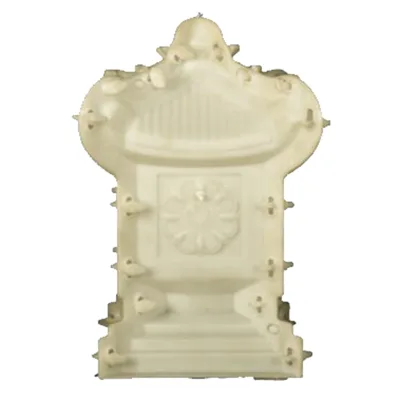
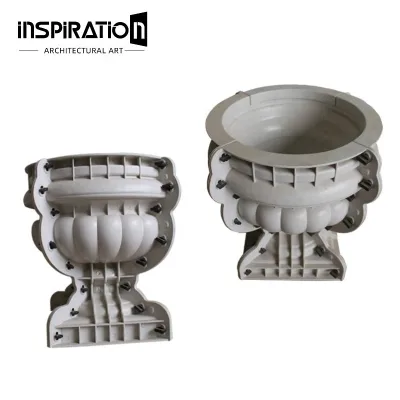
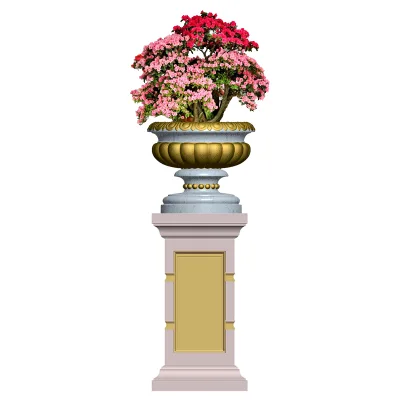
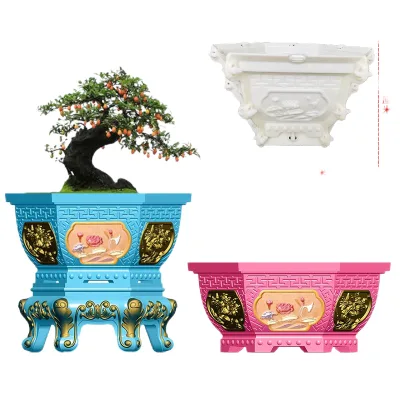
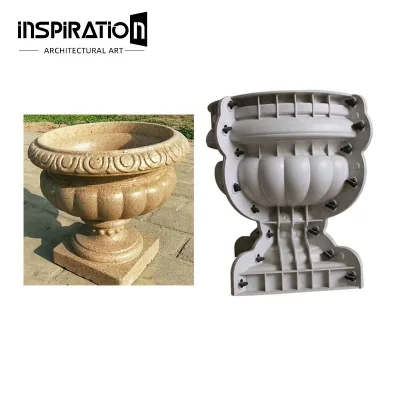
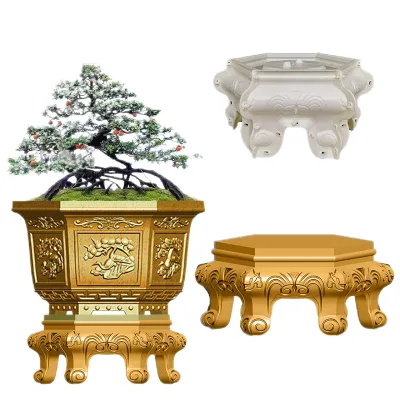
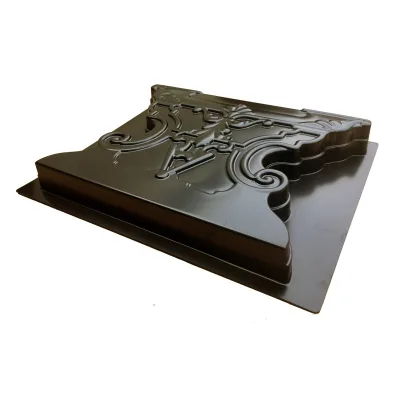
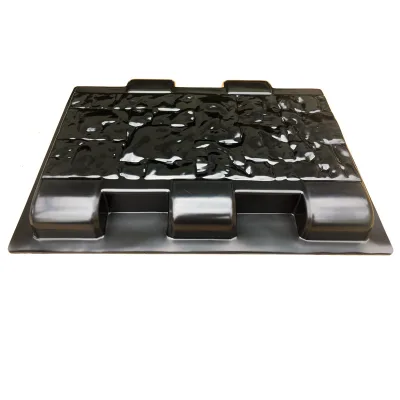
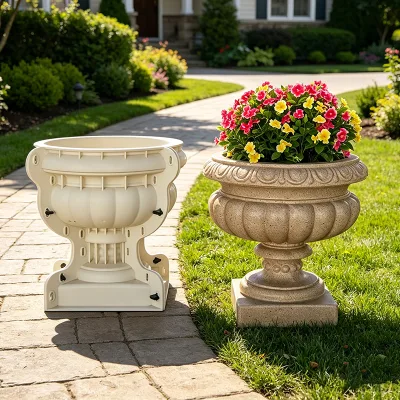
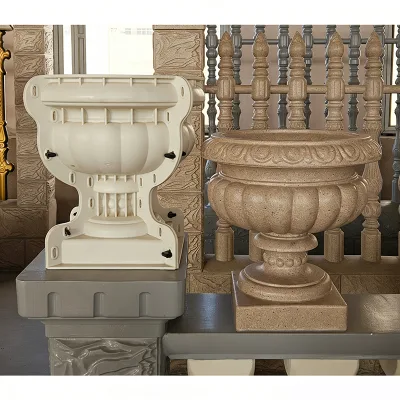
Plastic Concrete Cement Plant Pot Molds Mould Column Pillar Silicone Mold for Concrete
$15.51 - $25.85
Moq: 10

Taizhou City Huangyan Beiwei Mould Industry Co., Ltd.
- Verified by SGS
- Combined
- China Zhejiang
- Lead time30 days
- Avg. response≤ 4h
Main productsPlastic Mold, Plastic Mould, BMC/SMC/DMC/Gmt Compression Mould, Glass Fiber Mould, Automotive Mould, Motorcycle Mould, Household Plastic Mould, Home Appliance Mould, Injection Mould, Injection Molding
Main marketsAfrica,Others(foreignTradeCapacity.exportBusinessCapacityMarketOther),Southeast Asia/ Mideast,East Asia(Japan/ South Korea),Europe,Australia,North America
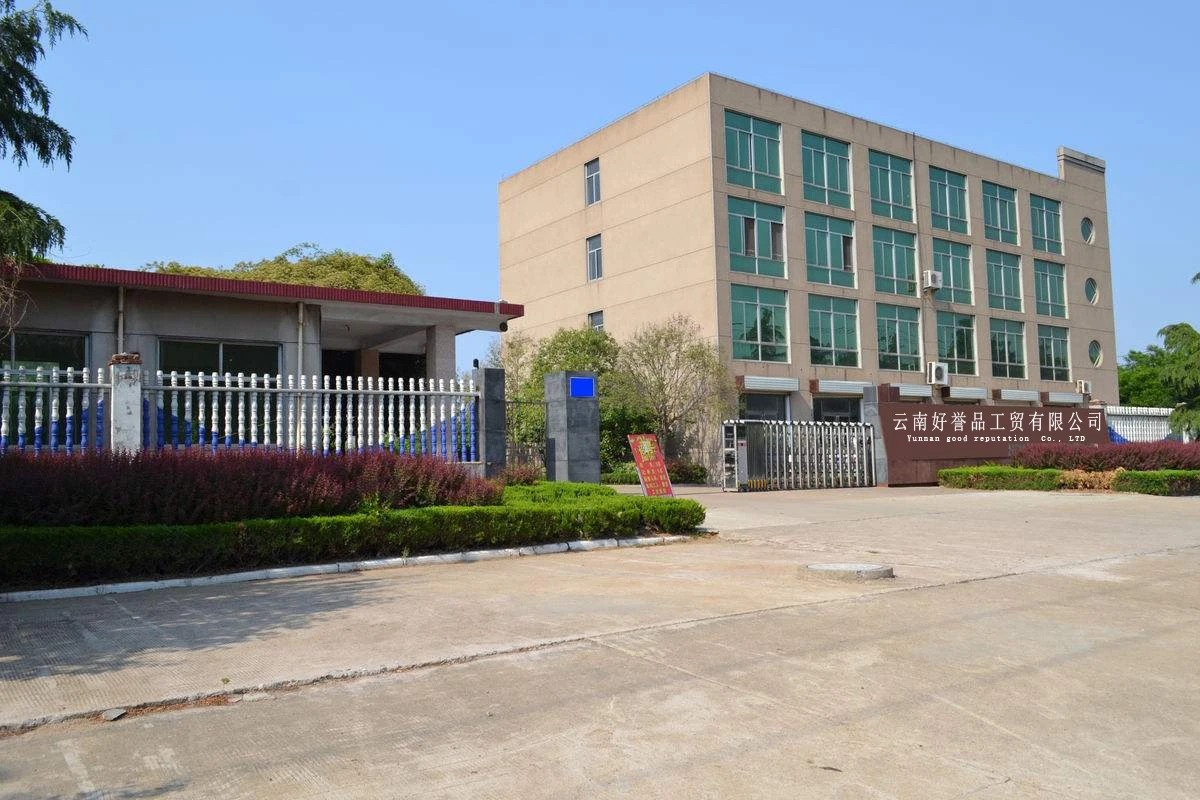
Yunnan Good Reputation Products Industry And Trade Co., Ltd.
- Manufacturer, Trading Company
- Yunnan, China
- Lead time7 days
- Avg. response≤ 2h
Main productsConcrete Molds Mould,High Precision Moulds,Abs Injection Mould,resin molds,plastic mold
Main marketsNorth America(30.0%), Africa(10.0%), Mid East(10.0%), Southeast Asia(9.0%), South Asia(8.0%), Western Europe(8.0%), Eastern Asia(8.0%), Eastern Europe(8.0%), Domestic Market(6.0%), Northern Europe(2.0%), Southern Europe(1.0%)

Taizhou Huangyan JTP Mould Co., Ltd.
- Trading Company,Manufacturer/Factory
- China Zhejiang
- Lead time45 days
- Avg. response≤ 7h
Main productsPlastic Mould, Plastic Mold, Plastic Crate Mould, Injection Mold, Mould, Mold, Plastic Injection Mold, Plastic Injection Mould, Household Mould, Plastic Basket Mould
Main marketsSouth America,Eastern Europe,Mid East,North America,Southeast Asia,Eastern Asia,Oceania,Western Europe,Africa


New Design High Quality Flower Pot Plastic Injection Appliance Garden Ornament Mould
$8000.00 - $12000.00
Moq: 1


Henan Cekly Building Material Co., Ltd.
- Trading Company
- Henan, China
- Lead time10 days
- Avg. response≤ 3h
Main productsMould,Building material,Commodity,Mechanical Parts,Decorative material
Main marketsAfrica(20.0%), Eastern Europe(20.0%), Central America(15.0%), North America(15.0%), Western Europe(10.0%), Oceania(5.0%), Southern Europe(5.0%), Eastern Asia(5.0%), Northern Europe(2.0%), South Asia(1.0%), Mid East(1.0%), South America(1.0%)

Shenzhen Jasmine Import& Export Ltd.
- Manufacturer, Trading Company
- Guangdong, China
- Lead time20 days
- Avg. response≤ 8h
Main productssilicone kitchenware,silicone promotion gifts,Plastic bottles,stainless steel kitchen tools,silicone kitchen utensils
Main marketsWestern Europe(20.0%), North America(15.0%), Domestic Market(10.0%), South America(10.0%), Northern Europe(10.0%), Eastern Asia(10.0%), Oceania(5.0%), Central America(5.0%), Eastern Europe(5.0%), Southern Europe(3.0%), Southeast Asia(3.0%), Africa(2.0%), South Asia(2.0%)
Weifang Ainika International Trade Co., Ltd.
- Verified by TüVRheinland
- Manufacturer, Trading Company
- Lead time10 days
Main productsSilicone Mold, Plastic Mold, Baking Tools
Main marketsNorth America(30%), Domestic Market(30%), Africa(5%)

Shanghai Jumptop Trading Co Ltd
- Verified by SGS
- Trading Company
- China Shanghai
- Lead time15 days
- Avg. response≤ 1h
Main productsElectric Vehicle, Mining Crusher, Drone, CNC Machining, 3D Printing, PCBA, Injection Mould, Battery
Main marketsSoutheast Asia/ Mideast,North America

Dongguan Zhizong Technology Co., Ltd
- Verified by TUVRHEINLAND
- Combined
- China Guangdong
- Lead time15 days
- Avg. response≤ 1h
Main productsTPU Cutting Board, Pet Water Dispenser Parts, Controller Shell, Industrial Plastic Parts, Fan Parts, Electronic Product Plastic Protective Cover, Children's Toy Accessories, Small Storage Box, Meter Case, Mobile Phone Protection Shell
Main marketsDomestic
Xiamen Goldcattle Plastic & Metal Products Co., Ltd.
- Verified by SGS Group
- Manufacturer, Trading Company
- Lead time15 days
- Avg. response≤ 2h
Main productsInjection Mold, Metal Parts, Plastic Parts
Main marketsNorth America(70%), Northern Europe(15%), Africa(5%)

Taizhou Ruijie Plastic Mould Co., Ltd.
- Verified by TUVRHEINLAND
- Combined
- China Zhejiang
- Lead time30 days
- Avg. response≤ 5h
Main productsPlastic Injection Mould, Plastic Mol
Main marketsAfrica,Southeast Asia/ Mideast,Domestic,Europe
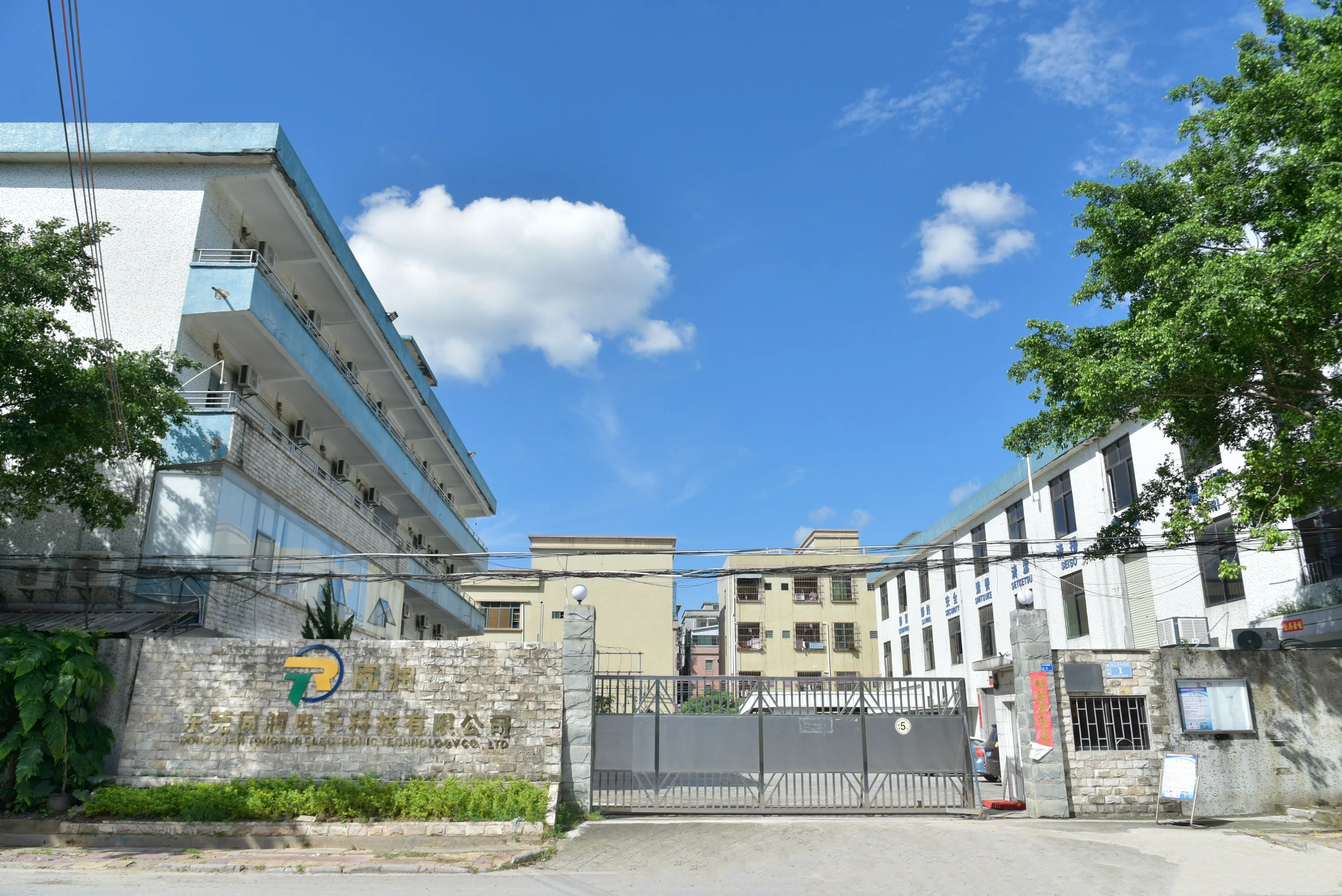
Huizhou Sidi Technology Co., Ltd.
- Trading Company
- Guangdong, China
- Lead time7 days
- Avg. response≤ 3h
Main productsCandle Mold,silicone mold,Cake mold,Flowerpot mould
Main marketsNorth America(40.0%), Eastern Europe(20.0%), South America(20.0%), Southern Europe(10.0%), Western Europe(10.0%)

Taizhou Huangyan Youchao Mould&Plastic Co., Ltd
- Combined
- China Zhejiang
- Lead time45 days
- Avg. response≤ 10h
Main productsPlastic Household Mould, Fruit&Vegetable Crate Mould, Paint Bucket Mould, Pipe Fitting Mould, Thin Wall Mould, Furniture Mould, Crate Mould, Children Product Mould
Main marketsAfrica,Southeast Asia/ Mideast,North America

TAIZHOU HUANGYAN HONGNUO MOULD CO., LTD.
- Verified by TUVRHEINLAND
- Combined
- China Zhejiang
- Lead time45 days
- Avg. response≤ 20h
Main productsInjection Mould, Mould, Blowing Mould, Mould for Auto Parts, Mould for Washing Machine, Mould for Indusstrial Products, Logistic Pallet Injection Mould, Dustbin Mould, Storages Mould, Baskets Mould
Main marketsSouth America,Others(foreignTradeCapacity.exportBusinessCapacityMarketOther),Southeast Asia/ Mideast,Europe


Plastic Injection Moulds Dried Flowers Pot Mould Decorative Flowerpot Mould Heromould
$1000.00 - $20000.00
Moq: 1
Henan Bekebe Building Material Co., Ltd.
- Trading Company
- Henan, China
- Lead time7 days
- Avg. response≤ 3h
Main productsAll kinds of Construction decoration molds,plastic paver mold,Hydraulic press machine,Flexible tile manufacture line,Construction equipment
Main marketsAfrica(59.0%), Mid East(10.0%), Southeast Asia(10.0%), Central America(5.0%), Western Europe(5.0%), Southern Europe(3.0%), South Asia(2.0%), Eastern Europe(2.0%), Eastern Asia(1.0%), Oceania(1.0%), North America(1.0%), South America(1.0%)
- Verified by Intertek
- Manufacturer, Trading Company
- Lead time7 days
- Avg. response≤ 1h
Main productsMoulds, Mixing Machine, Vibration Forming Machine
Xiamen Geno Industry Co., Ltd.
- Manufacturer, Trading Company
- Lead time旺季: "1 - 200":70,"> 200":"To be negotiated", 淡季: "1 - 200":70,"> 200":"To be negotiated"
- Avg. response≤ 6h
Main productsGarden Pots, Fire Pits, Water Fountain, Chimney, Garden Accessories

Shanghai Shengye Mould Co., Ltd.
- Verified by BV
- Trading Company,Manufacturer/Factory
- China Shanghai
- Lead time45 days
- Avg. response≤ 2h
Main productsRotomolding Mould, Rotomolding Mold, China Rotomoulder, Rotational Moulding Mould, Rotomold, Rotomolder Mould, Rotomoulder, Pipe Float Mould, Flower Pots Mould, Dust Bin Mould
Main marketsSouth America,Eastern Europe,Mid East,North America,Southeast Asia,Eastern Asia,Oceania,Western Europe,Africa

Rotomolding Mould for Rotomolded Polyethylene Plant Pot Roto-Molded Plastic Pot
$3500.00 - $4000.00
Moq: 1

Rotomoulding Mould Rotomolding Mould China Manufacturer Plastic Flower Pot Mould
$4000.00 - $5000.00
Moq: 1

Taizhou Hongmei Mould Plastic Co., Ltd.
- Verified by TUVRHEINLAND
- Manufacturer/Factory
- China Zhejiang
- Lead time0 days
- Avg. response≤ 6h
Main productsMould, Plastic Mould, Injection Mould, Plastic Products, Home Appliance Mold Auto Parts Mold, Household Mould Crate Mould Pallet Mould, Mold Semi-Finished Products Processing, Children's Products Mould Pet Products Mould, Electric Scooter Mould Lamp Mould, Auto Parts Mould
Main marketsSouth America,Eastern Europe,Mid East,North America,Southeast Asia,Eastern Asia,Oceania,Western Europe,Africa


Industry Plastic Injection Mold Maker Direct Factory High Quality Plastic Flower Pot Mould
$900.00 - $1000.00
Moq: 1


Dongguan gangtian polymer materials Co.Ltd.
- Manufacturer
- China Guangdong
- Lead time15 days
- Avg. response≤ 7h
Main productsRTV 2 Mold Making Silicone Rubber, Liquid Silicone Rubber, Htv Silicone Rubber, Silicone Oil & Silicone Ink, Silicone Pigment/Paste, Electronic Potting Compound, Life Casting Silicone Rubber
Main marketsSouth America,Southeast Asia/ Mideast,Europe,North America

Taizhou Tuofang Plastic Mould Co., Ltd
- Verified by SGS
- Combined
- China Zhejiang
- Lead time60 days
- Avg. response≤ 13h
Main productsPlastic Injection Mould, Plastic Mould, Car Radiator Tank Mould, Auto Parts Mould, Household Product Mould, Motorcycle Parts Mould, Washing Machine Mould, Plastic Table Mould, Plastic Mold, Car Grille Mould
Main marketsSouth America,Africa


Plastic Flower Pots Planter Mould/Flower Garden Pots/Plastic Injection Flower Pot Mould
$15000.00 - $25000.00
Moq: 1

Taizhou Xiongshi Plastic Mould Co., Ltd.
- Verified by SGS
- Combined
- China Zhejiang
- Lead time60 days
- Avg. response≤ 3h
Main productsMould, Plastic Mould, Injection Mould, Cap Mould, Preform Mould, Automotive Injection Mould, Household Injection Mould, Home Appliance Injection Mould, Industrial Part Mould, Motorcycle Injection Mould
Main marketsOthers(foreignTradeCapacity.exportBusinessCapacityMarketOther)

Taizhou Enji Mold Plastic Technology Co., Ltd.
- Verified by SGS
- Combined
- China Zhejiang
- Lead time60 days
- Avg. response≤ 15h
Main marketsAfrica,Southeast Asia/ Mideast,Domestic,Europe

Custom Plastic Flowerpot Mould Design Plastic Injection Moulds for Garden Products
$5000.00 - $7800.00
Moq: 1


Custom Good Design Plastic Injection Flowerpot Garden Pot Mould for Home Office
$2000.00 - $2300.00
Moq: 1



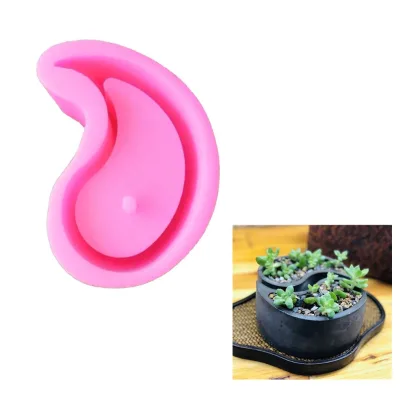
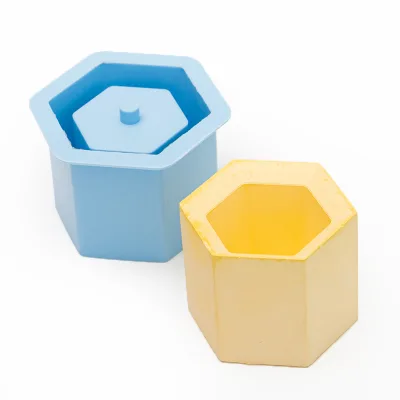
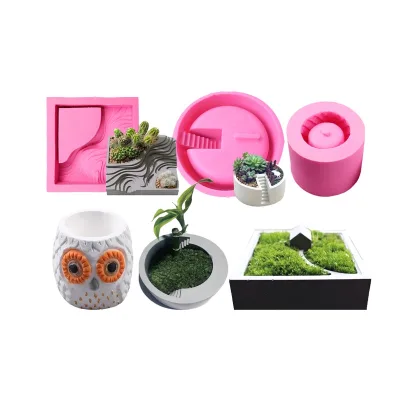


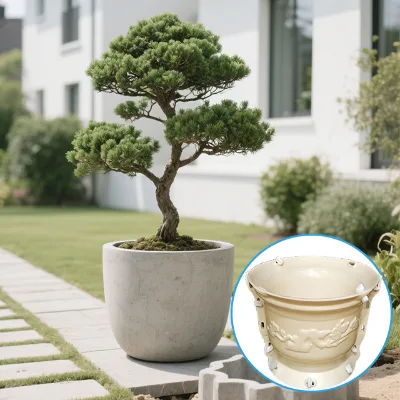
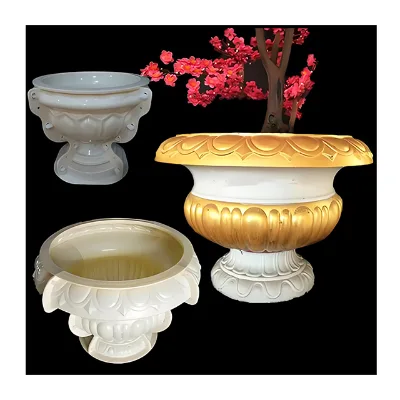
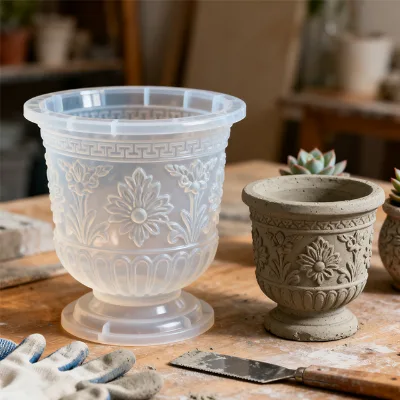


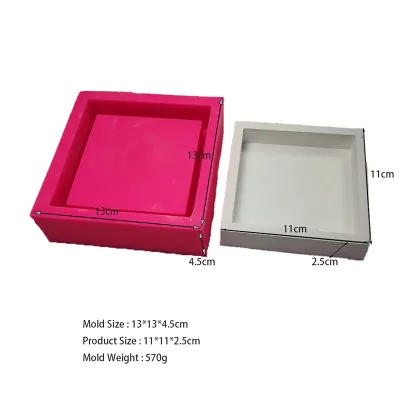
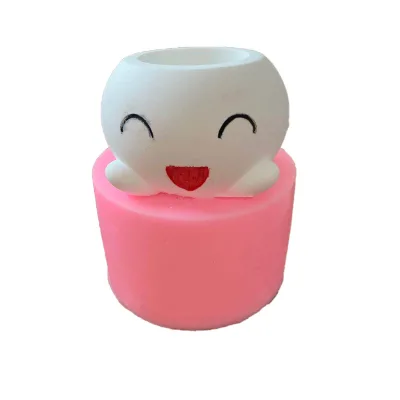




Comprehensive Sourcing Guide
Plastic Concrete Flower Pot Molds Supplier Concentration and Factory Types
Suppliers offering Plastic Concrete Flower Pot Molds appear across a small number of Chinese manufacturing regions, and the results on this page point to Zhejiang and Shanxi as provinces where active sellers are located. Zhejiang listings concentrate on injection molds for flowerpots, planters, household items, crates, pallets and preforms, typically from combined manufacturer-trading companies that also offer ODM and OEM work. Shanxi listings focus more narrowly on plastic injection molds for household-appliance packaging, lotion pumps, trigger sprayers and flip caps, and are labeled as factories. Understanding which province a supplier operates from helps you judge whether flower pot molds sit at the center of their business or at the edge of a broader mold portfolio.
When results do not show a cluster for your exact category, identify one yourself by running filtered searches for the mold type, sorting by location and counting how many verified sellers appear per province. The company-type label matters: a factory may control tooling and machining in-house, while a combined company may add export handling and design services. Neither label alone guarantees quality. Match the supplier's main products to your requirement — a seller whose catalog is dominated by flowerpot and planter tooling will usually quote more precisely than one listing your item among dozens of unrelated molds.
How to Verify Plastic Concrete Flower Pot Molds Suppliers
Start with the verification badge shown in the results, since it reflects an independent inspection or audit process rather than self-declared claims. On this page some suppliers carry BV verification while others are verified through TÜV Rheinland, and a few may display neither. Treat a third-party verification as a screening filter, not an approval: read what the audit covered, and check whether the verification scope includes the factory that would actually produce your mold rather than a sales office. Also confirm the company type — manufacturer/factory versus combined — because this affects who is accountable when steel hardness or cavity dimensions come into question.
Go beyond the badge with three practical checks. First, ask for the mold design documentation standard they follow, since several listings on this page state they work to HASCO or DME standards and use UG software; a supplier who names these confidently is easier to audit. Second, request references or photos of completed flower pot or planter molds of comparable size and cavity count. Third, test responsiveness under realistic conditions — the displayed response times here range roughly between nine and eleven hours, so measure how quickly a technical question, not just a price inquiry, gets answered. A supplier that answers commercial questions fast but delays on engineering details may be a trading intermediary without its own tooling engineers.
What to Compare Across Plastic Concrete Flower Pot Molds Suppliers
Build a comparison sheet around the attributes actually displayed, without assuming every supplier shows the same fields. Useful columns include location, company type, verification body, response time, stated lead time, ODM/OEM capability and main product lines. On this page, for example, one Zhejiang supplier shows a 45-day lead time while a Shanxi factory shows 60 days, with response times near 9.5 and 10.6 hours respectively — differences that become meaningful once you add internal review time to your project schedule. Lead times for individual mold listings can be stated differently again, such as 1.5 to 2 months for delivery on one multi-cavity flower pot mold, so always compare the listing-level figure against the company-level figure and ask about the gap.
Then compare technical depth, which is where weak suppliers differentiate themselves. Look at what each listing discloses: mold material (P20, 718, S136, H13 appear in these results), cavity number (single, double or multi-cavity options), runner design (cold versus hot runner), gate type, surface finish process (polishing or mirror polishing), design software and packaging method. A supplier who specifies all of these unprompted has real engineering discipline; one who sends a bare price first should be pressed for the same details before you weight their quote. Note that MOQ and pricing fields are not shown uniformly — some listings show a MOQ of one while others omit it — so confirm both directly rather than assuming the displayed values apply across a supplier's range.
Common Plastic Concrete Flower Pot Molds Sourcing Risks
The most frequent risk is scope drift between quotation and delivery. A quote based on a single-cavity, cold-runner, P20 steel mold is not comparable to a multi-cavity hot-runner mold in S136 steel, yet buyers often compare prices without aligning these parameters. Because several listings on this page show wide price ranges even within one supplier's catalog, a low number may simply describe a smaller or simpler tool. Require every quote to be broken down by steel grade, cavity count, runner system, standard (HASCO or DME) and surface finish, and state these requirements in writing before payment terms are negotiated.
The second risk cluster concerns timeline and capability misrepresentation. A stated lead time of 45 or 60 days, or a delivery window of 1.5 to 2 months, usually counts from design approval — not from your first message — so clarify the start point and what approvals trigger it. Suppliers without in-house ODM/OEM capacity may subcontract design, adding silent delays. Packaging is a smaller but real risk: these molds ship in wooden cases, and inadequate crating during long transit can damage polished surfaces. Finally, beware of sellers whose main products are far from your category, such as cap or pump molds; they may accept your order without flowerpot tooling experience. Ask for photos of the actual finished molds and, where possible, sample parts shot from the tool before final payment.
Plastic Concrete Flower Pot Molds Regional Sourcing and Logistics
The results here place suppliers in Zhejiang and Shanxi, and each province suggests a different logistics pattern. Zhejiang is a dense mold-manufacturing region with many combined companies handling injection tooling for household and garden products, which typically means more options for door-to-door export from nearby ports. Shanxi-based factory listings, focused on packaging-component molds, may sit farther from major container ports, so ask specifically which port the supplier ships from and how mold crating is transferred inland. Since these tools are heavy — one listing here states a shipping standard of 1–1.5 tons per case — freight cost scales directly with steel weight, and a longer inland leg can change your landed cost noticeably.
Plan logistics around the physical product, not general freight habits. An injection mold travels in a fixed or semi-fixed installation configuration, packed in a wooden export case, and cannot be reshipped cheaply if a forwarder mishandles it. Confirm who books freight, who insures the tool, and whether the wooden case complies with ISPM-style treatment requirements in your market — verify the exact compliance status with the supplier rather than assuming it. Also align the delivery claim with reality: a listing that quotes 1.5–2 months for delivery implies ocean freight planning should start when the mold enters machining, not when it is finished. Build in buffer time for customs clearance of tooling, which some markets classify differently from consumer goods.
Plastic Concrete Flower Pot Molds Commercial Terms and Order Planning
Commercial terms in this category are typically simple but must be confirmed in writing. One listing on this page states payment terms of 50% and 50%, a common structure for custom tooling: half upfront to fund steel and machining, half after approval or before shipment. Whatever split you agree, define the trigger for the second payment precisely — a signed sample part, a video of the mold running, or inspection at the factory — because vague triggers are where disputes begin. Pricing on this page varies widely across listings, from under two thousand dollars for a single-cavity tool to eight thousand for a multi-cavity mold, so obtain itemized quotes matching your exact steel, cavity and runner specification rather than averaging displayed figures.
Order planning should account for MOQ, customization and the buyer-side review cycle. Customization is listed as available across these flowerpot mold products, and one listing shows a MOQ of one, which suits tooling purchases since the mold itself is the unit. Your real "quantity" decision is the mold configuration — single versus multi-cavity — because it determines output rate, cycle time and unit cost of every pot produced afterward; one listing here cites an average 45-second cycle time, a figure worth requesting for your specific part. Sequence the project as: specification freeze, design approval, first payment, machining milestones, trial shots, second payment, shipping. Add calendar buffer beyond the stated 45–60 day lead times for revisions, and keep a written record of every agreed parameter before funds move.
FAQs
What is the price range for plastic flower pot molds?
Prices for plastic injection flower pot molds typically range from $1,750 to $8,000 per unit. The cost varies based on cavity count, runner type, and steel grade. Single-cavity molds with cold runners start around $1,750, while multi-cavity options with hot runners can reach $8,000. Buyers should verify specific pricing for their required specifications.
What is the standard lead time for these molds?
Manufacturers generally require 45 to 60 days to produce plastic flower pot molds. Some suppliers list a standard lead time of 45 days, while others indicate a delivery window of 1.5 to 2 months. These timelines depend on the complexity of the design and the chosen steel material, such as P20 or S136.
Are customization options available for these molds?
Yes, customization is widely available for plastic flower pot molds. Suppliers offer custom designs using UG software and provide options for single or multi-cavity configurations. Buyers can select specific runner types, such as cold or hot runners, and choose from various steel grades like P20, 718, or S136 to meet their production needs.
What is the minimum order quantity for these molds?
The minimum order quantity for plastic flower pot molds is typically one unit. Suppliers often list an MOQ of 1, allowing buyers to purchase single molds for testing or small-scale production. This low entry point facilitates easier procurement for businesses looking to source specific mold designs without committing to large bulk orders.
Where are these plastic molds manufactured?
These plastic molds are primarily manufactured in China, with suppliers located in Zhejiang and Shanxi provinces. Zhejiang is a common hub for injection molding manufacturers, while Shanxi also hosts factories producing plastic injection molds. Buyers can filter results by these specific locations to align with their logistical preferences or regional sourcing strategies.
What steel materials are used for these molds?
Common steel materials for plastic flower pot molds include P20, 718, S136, and H13. Suppliers offer molds constructed from these grades to ensure durability and appropriate surface finishes. The choice of steel often depends on the production volume and the specific requirements for surface polishing, such as mirror polishing for high-gloss finishes.