Plastic Orchid Tissue Culture Bottle Suppliers and Manufacturers
Source 28 verified suppliers for plastic orchid tissue culture bottles. Compare OEM/ODM capabilities, ISO certifications, lead times, and MOQs to find the right partner. Review product specs and request quotes today; review the available evidence before requesting comparable quotations from suitable candidates.
Suppliers List
Hunan Bkmam International Trade Co., Ltd.
- Verified by TüVRheinland
- Manufacturer, Trading Company
- Lead time0 days
- Avg. response≤ 4h
Main productsLaboratory Instruments, Laboratory Glass, Laboratory Consumables
Main marketsSoutheast Asia(30%), Mid East(30%), North America(20%)

Hangzhou A-Gen Biotechnology Co., Ltd.
- Verified by SGS
- Combined
- China Zhejiang
- Lead time15 days
- Avg. response≤ 2h
Main productsDeep Well Plate, Pipette Tips, Cell Culture, Elisa Plate, Cryotubes, Centrifuge Tube, Reagent Bottle, PCR Tube & PCR Plate, Reagent Reservoir, Serologica Pipette
Main marketsSoutheast Asia/ Mideast,Domestic,North America

Lab 175ml Cell Tissue Culture Flask Plastic Sterile Plant Tissue Culture Bottle
$0.96 - $1.44
MOQ: 10 pcs

$0.96 - $1.44
MOQ: 1000 Pieces


Zhejiang Liquan Biotechnology Co., Ltd.
- Verified by BV
- Manufacturer/Factory
- China Zhejiang
- Lead time23 days
- Avg. response≤ 10h
Main productsSerological Pipette, Pipette, Pipette Tip, Centrifuge Tube, PCR Plate, Petri Dish, Filter Tip, Blood Collection Tube, Medical Device, Test Tube
Main marketsEastern Europe,North America,Western Europe

Lab 50ml Cell Tissue Culture Flask Plastic Sterile Plant Tissue Culture Bottle
$0.35 - $2.15
MOQ: 100 Pieces

Sterile Plastic Cell Culture Bottle with Vented Cover Cell Culture Flask
$1.03 - $1.15
MOQ: 500 Pieces

Medical Science Cell Tissue Culture Bottle Flask 250ml Plastic Sterile Cell Culture Flask
$0.46 - $0.50
MOQ: 1000 Pieces


Disposable Sterile Laboratory Use 50ml 175ml 550ml Cell Culture Bottle Plastic Cell Culture Flask
$0.46 - $0.50
MOQ: 1000 Pieces

Lab Plastic PP Sterile Tissue Cell Culture Flask or Bottle with Filter Cap
$0.46 - $0.50
MOQ: 1000 Pieces

Zhejiang Gongdong Medical Technology Co., Ltd.
- Verified by SGS
- Combined
- China Zhejiang
- Lead time30 days
- Avg. response≤ 12h
Main productsBlood Collection Tube, Viginal Speculum, Urine Container, Transfer Pipette, Pipette Tips, Petri Dish, Centrifugation Tube, Test Tube Rack, Samples Cup, Culorimetric Cup
Main marketsSouth America,Africa,Southeast Asia/ Mideast,East Asia(Japan/ South Korea),Europe,Australia,North America

Laboratory Sterile Cell Culture Bottle Plastic 250ml Culture Bottles Media Bottle
$0.40 - $0.80
MOQ: 5000 Pieces


Laboratory Plastic Tissue Cell Culture Flask with Screw Cap 25ml 75ml 175ml Bottle
$0.25 - $1.04
MOQ: 1 Pieces

Laboratory Plastic Tissue Cell Culture Flask Cell Culture Flask with Vent Cap
$0.25 - $1.04
MOQ: 1000 Pieces

Laboratory Plastic 25ml 75ml 175ml Tissue Cell Culture Flasks with ISO Certified
$0.25 - $1.04
MOQ: 10000 Pieces

Data Biotechnology (Hangzhou) Co., Ltd
- Manufacturer, Trading Company
- Zhejiang, China
- Lead time0 days
- Avg. response≤ 2h
Main productsBicycle,Electric bicycle,Bicycle accessories,Customized bicycle,electrocar
Main marketsNorth America(40.0%), Mid East(10.0%), Western Europe(10.0%), Eastern Europe(10.0%), South America(10.0%), Southern Europe(5.0%), Northern Europe(5.0%), Southeast Asia(5.0%), Eastern Asia(5.0%)

Taizhou Sun Trine Biotechnology Co., Ltd.
- Manufacturer/Factory
- China Jiangsu
- Lead time0 days
- Avg. response≤ 19h
Main productsReagent Bottle, Deep Well Plate, Centrifuge Tube, Pipette Tip, PCR Plate and Tube, Square Media Bottle, Single-Use Bottle Assembly, Carboy, Biotainer Bottle, Cryogenic Vial
Xuzhou Bolite Import & Export Trading Co., Ltd.
- Verified by SGS Group
- Trading Company
- Lead time30 days
- Avg. response≤ 3h
Main productsGlass Bottle and Accessories
Main marketsSoutheast Asia(26%), South Asia(12%), Domestic Market(12%)
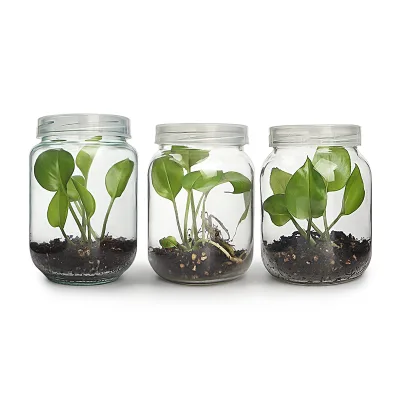
$0.26 - $0.36
MOQ: 500 pieces
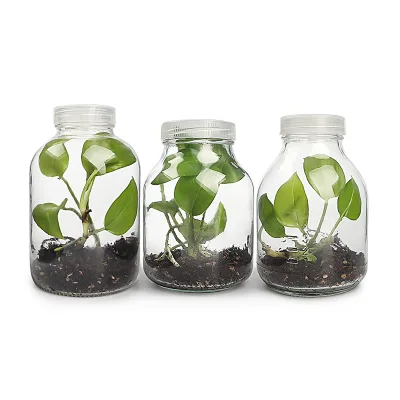

- Verified by CTI
- Trading Company
- China Zhejiang
- Lead time30 days
- Avg. response≤ 6h
Main productsPipette Tip, Nasal Swab, Oral Swab, PCR Plate, Cryo Vial, Face Mask, Virus Transport Medium, Centrifuge Tube, Robotic Tip, PCR Tube
Main marketsEurope


250ml 500ml 1000ml Sizes Tissue Culture Treated Cell Flasks and China Supplier
$0.32 - $0.33
MOQ: 1 box

250ml 500ml 1000ml Sizes Treated Cell Flask Tissue Culture Flasks and China Supplier
$0.32 - $0.33
MOQ: 1 box

Haining Huajin Plastics Co., Ltd.
- Verified by SGS
- Combined
- China Zhejiang
- Lead time15 days
- Avg. response≤ 4h
Main productsNursery Pots, Blueberry Planters, Flower Pots, Garden Pots, Seeding Trays, Weed Mat, Watering Cans, Garden Ornaments
Main marketsSouth America,Southeast Asia/ Mideast,East Asia(Japan/ South Korea),Domestic,Europe,Australia,North America


Industry Leading Plastic Gallon Flower Pots Nursery Pots for Plant Cultivation
$0.07 - $0.12
MOQ: 500 Pieces


Hunan BKMAM International Trade Co., Ltd.
- Trading Company,Manufacturer/Factory
- China Hunan
- Lead time15 days
- Avg. response≤ 6h
Main productsSterile Sampling Bag, Centrifuge Tube, Laboratory Glassware, Petri Dishes, Serologial Pipette, Glass Cuvette, Biohazard Bag, Culture Medium, Laboratory Instruments, Whirl Pack Bag
Main marketsSouth America,Eastern Europe,Mid East,North America,Southeast Asia,Eastern Asia,Oceania,Western Europe,Africa

Chongqing New World Trading Co., Ltd.
- Trading Company
- China Chongqing
- Lead time15 days
- Avg. response≤ 4h
Main productsFlocked Swab, Pipette Filter Tips, Vtm Kits, Blood Collection Tubes, Face Mask, Pipette Tips, Microscope Slides, Centrifuge Tube, Cryotube, Petri Dish
Main marketsSouth America,Africa,Southeast Asia/ Mideast,East Asia(Japan/ South Korea),Europe,Australia,North America

Lab Use 50ml 250ml Tissue Culture Bottle Graduated Plastic Cell Culture Flask with Cover
$0.40 - $0.95
MOQ: 500 Pieces

Laboratory Disposables 50ml/250ml/600ml Glassware Cell Culture Bottle Culture Flask
$0.36 - $0.42
MOQ: 1000 Pieces

$0.35 - $0.50
MOQ: 500 Pieces

$0.40 - $0.95
MOQ: 500 Pieces


Plastic Tissue Cell Culture Flask 50ml 250ml 600ml Cell Culture Flask with Vent Cap Cover Filter Cap
$0.26 - $2.00
MOQ: 500 Pieces

ZHANGZHOU XIANGCHENG GREENHOME HORTICULTURE CO., LTD
- Trading Company,Manufacturer/Factory
- China Fujian
- Lead time15 days
- Avg. response≤ 14h
Main productsOrchid, Live Plants, Seedlings, Indoor Plants & Outdoor Plants, Flowerpot
Main marketsSouth America,Eastern Europe,Mid East,North America,Southeast Asia,Eastern Asia,Oceania,Western Europe,Africa
Anhui Fulaier E-Commerce Co., Ltd.
- Verified by Intertek
- Manufacturer, Trading Company
- Lead time0 days
- Avg. response≤ 3h
Main productsDrip irrigation Fittings, irrigation dripper, irrigation sprinkler, irrigation hose & pipe, Misting System Fittings
Main marketsSouth America(25%), Southeast Asia(25%), North America(21%)
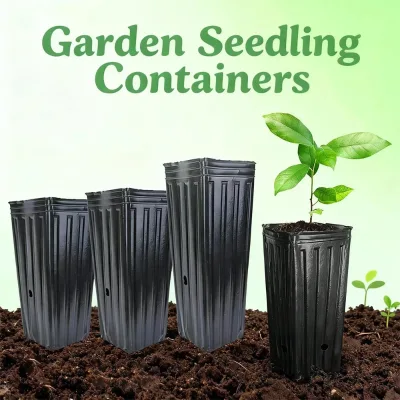
$0.04 - $0.12
MOQ: 2000 Minimum
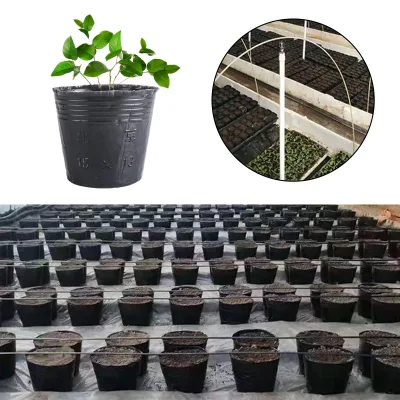
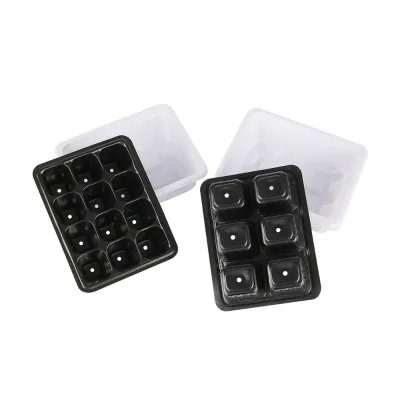

Zibo Chuangxinzhe International Trade Co., Ltd
- Verified by TUVRHEINLAND
- Trading Company
- China Shandong
- Lead time15 days
- Avg. response≤ 2h
Main productsGlass Bottle, Glass Jar, Bottle, Glass Storage Jar, Glass Tube, Mason Jar, Food Jar, Dropper Bottle, Empty Candle Jars, Perfume Bottle
Main marketsSouth America


100ml Hydroponic Bottles for Succulents Potted Plants: Low-Maintenance Flowers
$0.05 - $0.50
MOQ: 5000 Pieces
- Trading Company
- Henan, China
- Lead time3 days
- Avg. response≤ 1h
Main productsRain barrel net,shade sail,anti insect net,seed tray,Pe rope
Main marketsSouth America(20.0%), North America(20.0%), Eastern Asia(10.0%), Domestic Market(10.0%), Africa(10.0%), Eastern Europe(10.0%), Oceania(5.0%), South Asia(5.0%), Southern Europe(5.0%), Central America(5.0%), Western Europe(5.0%)
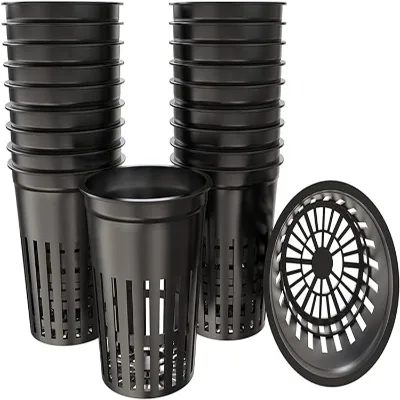
For Aquaponics Orchids Plastic Net Cups, Pots Plant Containers Hydroponics Grow Pots
$4.93 - $5.29
MOQ: 1 bags
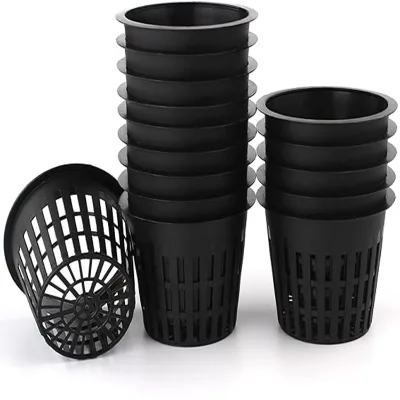
For Aquaponics Buckets Insert Orchid Kratky Vegetable Garden Gardening Growing Netted Baskets
$4.76 - $5.31
MOQ: 1 bags

Ningbo Yingmed Medical Instruments Co., Ltd.
- Verified by TUVRHEINLAND
- Trading Company,Manufacturer/Factory
- China Zhejiang
- Lead time23 days
- Avg. response≤ 17h
Main productsSurgical Gloves, Alcohol Pads, Surgical Mask, Syringe, IV Set, Bandage, Urine Bag, Oxygen Mask, Nebulizer Mask, Surgical Suture
Main marketsMid East,Southeast Asia,Western Europe,Africa

Breathable Cell Culture Flask/Cell Culture Flask Sizes/Cell Tissue Culture Flask
$0.40 - $0.50
MOQ: 1000 Pieces


$0.40 - $0.50
MOQ: 1000 Pieces


Dezhou Chunyang Environmental Protection Materials Co., Ltd.
- Verified by SGS
- Combined
- China Shandong
- Lead time23 days
- Avg. response≤ 1h
Main productsKidney Dish, Gift Box, Lunch Box, Kidney Basin, Paper Pulp Bowl, Plant Pot, Coffee Cup Holder, Egg Tray, Paper Box, Custom Packaging Box
Main marketsDomestic

Water-Retaining Biodegradable Gardening Plant Seedling Cup for Fruit Tree Seedling Cultivation
$0.01 - $0.01
MOQ: 1000 Pieces


Hot Sale DIY Planting Cultivation Paper Pots Cup Cultivation Organic Plant Garden Pot
$0.07 - $0.30
MOQ: 1000 Pieces
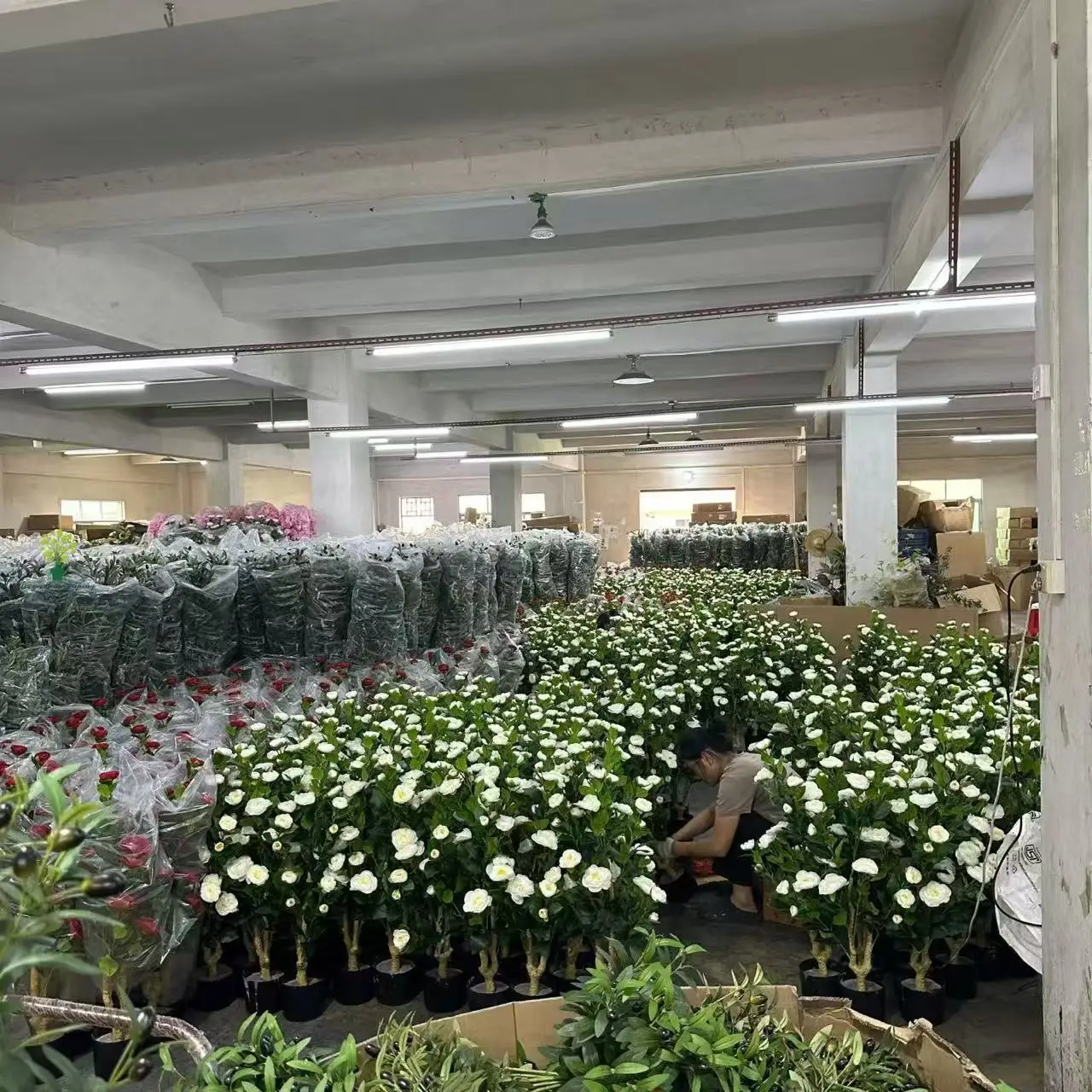
Shenzhen Yitaihe Trade Import And Export Co., Ltd.
- Manufacturer, Trading Company, Agent
- Guangdong, China
- Lead time10 days
- Avg. response≤ 1h
Main productsHome & Garden,Artificial plant decorative flowers,artificial plant trees,large artificial tree customization,seedling planting pots
Main marketsSouthern Europe(40.0%), North America(20.0%), Domestic Market(15.0%), Oceania(10.0%), Northern Europe(10.0%), Eastern Europe(5.0%)

- Manufacturer
- China Guangdong
- Lead time23 days
- Avg. response≤ 3h
Main productsPVC Trunking, PVC Pipe, PVC Fittings, Gi Box, Street Light, Flood Light, Light Fitting, AAC Cable, Metal Box, PPR Pipe
Main marketsAfrica,Southeast Asia/ Mideast,Australia
Henan Joconn Machinery Co., Ltd.
- Trading Company
- Henan, China
- Lead time5 days
- Avg. response≤ 6h
Main productsMushroom growing machinery,Agricultural waste recycling machinery
Main marketsNorth America(30.0%), Southeast Asia(10.0%), Mid East(10.0%), South America(10.0%), Central America(7.000000000000001%), Eastern Europe(6.0%), Africa(6.0%), Eastern Asia(5.0%), South Asia(4.0%), Western Europe(4.0%), Oceania(3.0%), Northern Europe(3.0%), Domestic Market(1.0%), Southern Europe(1.0%)
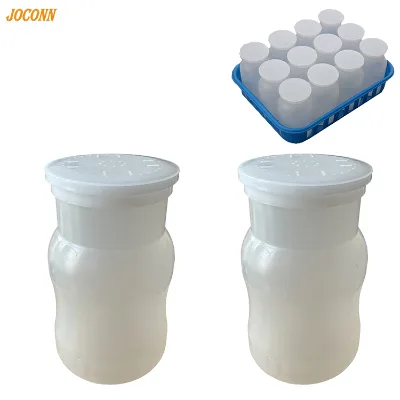
Good Price Mushroom Plastic Bottle Mushroom Growing Bottle Mushroom Cultivation Bottle for Hot Sale
$0.45 - $0.60
MOQ: 50 Minimum
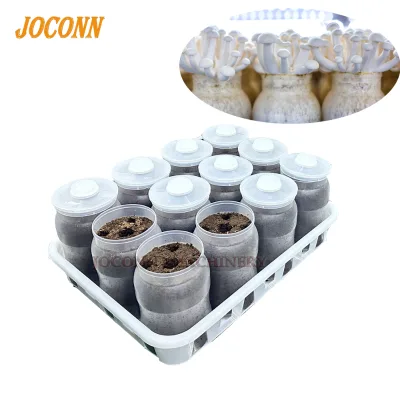
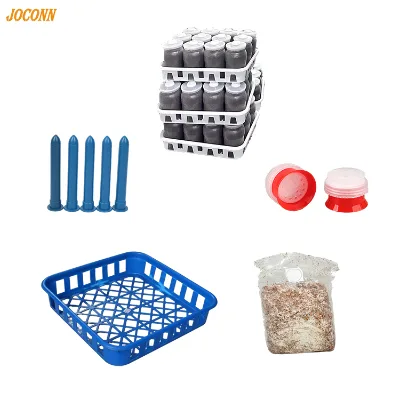
Hot Selling Oyster Mushroom Growing Bottle Mushroom Cultivation Bottle Mushroom Production
Contact supplier
MOQ: 50

Sainty International Group Jiangsu Yangzhou Sumex Imp. & Exp. Co., Ltd.
- Trading Company
- China Jiangsu
- Lead time30 days
- Avg. response≤ 13h
Main productsSyringe, Suction Catheter, Endotracheal Tube, Drainage Bag, Bandage, Dental Instrument, Surgical Gown, Vaginal Speculum, Vacutainer, Suture
Main marketsSouth America,Africa,Southeast Asia/ Mideast,East Asia(Japan/ South Korea),Europe,Australia,North America

Dongguan Riteng Industrial Co., Ltd.
- Trading Company,Manufacturer/Factory
- China Guangdong
- Lead time15 days
- Avg. response≤ 25h
Main productsPlastic Extrusion Profiles, Plastic Injection Profiles, Aluminum Extrusion Profiles, Nft Hydroponic System, Low-Smoke Halogen-Free Trunking
Main marketsSouth America,Eastern Europe,Mid East,North America,Southeast Asia,Eastern Asia,Oceania,Western Europe,Africa

Taizhou Shengerda Plastic Co., Ltd.
- Combined
- China Zhejiang
- Lead time30 days
- Avg. response≤ 8h
Main productsPlastic, Plastic Flower Pot, Plastic Tray, Plastic Bucket, Plastic Trash Can, Plastic Basin
Main marketsSouth America,Europe,Australia


Cheap Durable Greenhouse 1 Gallon Black Plastic Planter Plant Flower Seedling Nursery Grow Pots
$0.11 - $0.15
MOQ: 300 Pieces

$0.19 - $0.22
MOQ: 300 Pieces


DongGuan Besco Garden Design Co.,Ltd
- Manufacturer/Factory
- China Guangdong
- Lead time60 days
- Avg. response≤ 3h
Main productsArtificial Grass & Flower, Garden Plant Decor, Succulent & Cactus, PVC Grass, Artificial Tree
Main marketsSouth America,Eastern Europe,Mid East,North America,Southeast Asia,Eastern Asia,Oceania,Western Europe,Africa

- Trading Company
- China Shandong
- Lead time15 days
- Avg. response≤ 4h
Main productsComplete Biobanking Solutions, General Laboratory Supplies, Laboratory Instruments, Pipet Tips, Celll Culture Products, PCR Products, Microbiology Products, Centrifuge Tube, Filter Tips, Petri Dishes
Main marketsSouth America,Africa,Southeast Asia/ Mideast,East Asia(Japan/ South Korea),Domestic,Europe,Australia,North America

Cell Culture Flasks with Plug-Cap Tc Treated
Contact supplier

Culture Flasks Surface Areas of 75cm2 Filter Cap Sterile
Contact supplier

Zhejiang Bioland Biotechnology Co., Ltd.
- Verified by CTI
- Combined
- China Zhejiang
- Lead time15 days
- Avg. response≤ 8h
Main productsReagent Bottle, Micropipette Tips, Cell Culture Dish, Centrifuge Tube, Centrifuge Bottle, Cell Culture Flask, Cell Culture Plate, PCR Tube, PCR Plate, Vacuum Filter
Main marketsAfrica,Domestic,North America
- Trading Company
- Zhejiang, China
- Lead time0 days
- Avg. response≤ 5h
Main productsgarden pot,garden tool,garden decoration
Main marketsNorth America(60.0%), Northern Europe(20.0%), South Asia(10.0%), Western Europe(10.0%)

- Verified by BV
- Trading Company
- China Guangdong
- Lead time30 days
- Avg. response≤ 4h
Main productsHydroponic System, Hydroponic Sponge, Nft Channel, Strawberry Gutter/Tower, Raised Garden Bed, Dutch Bucket, Plastic Net Pot, Substrate, Vegetable Mould, Greenhouse
Main marketsSouth America,Africa,Southeast Asia/ Mideast,East Asia(Japan/ South Korea),Europe,Australia,North America


Orchid Growing Plastic Basket Cup Plastic Planting Net Basket Rim Mesh Pot
$0.05 - $0.06
MOQ: 2000 Pieces

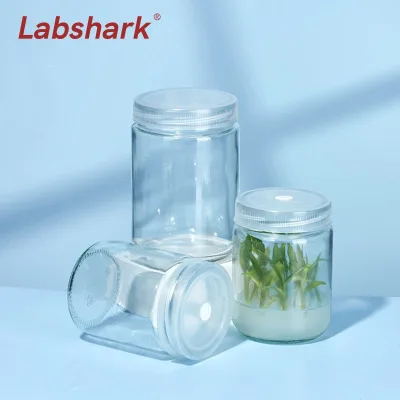
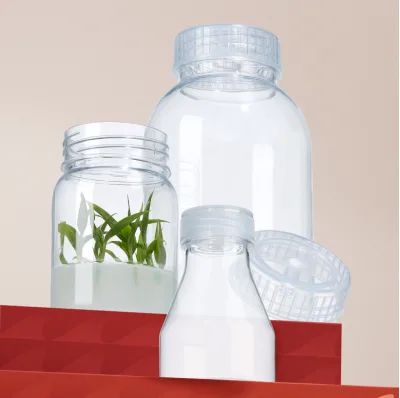
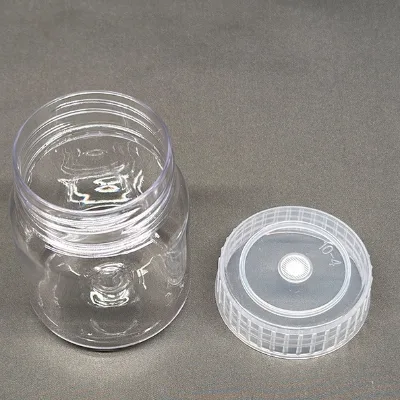




Comprehensive Sourcing Guide
Plastic Orchid Tissue Culture Bottle Supplier Concentration and Factory Types
The current supplier landscape for plastic orchid tissue culture bottles reveals a mix of manufacturer and trading company entities, with some operating as combined entities to offer broader service ranges. Evidence indicates that suppliers are located in specific regions such as Hunan and Zhejiang in China, which serve as primary hubs for laboratory consumables and glass or plastic processing. These locations often host facilities capable of producing items like glass tissue culture bottles and plastic variants, suggesting a regional concentration of industrial capacity. Buyers should look for suppliers explicitly stating their location within these known manufacturing clusters to ensure proximity to established supply chains. The presence of companies offering customized on-demand processing and graphic processing further indicates that these hubs support flexible production models.
Factory types vary significantly, ranging from pure manufacturers to trading companies and combined entities that blend both roles. Some suppliers list their company type as a manufacturer or factory, while others identify as trading companies or combined operations. This distinction is critical because manufacturers typically control the production process directly, whereas trading companies may source from multiple factories. The data shows that some entities possess specific capabilities like sample processing and customized support, including OEM and ODM services. Buyers must verify whether a supplier is a direct factory or a middleman by checking their stated company type and capacity details. Understanding this structure helps in assessing the potential for direct communication regarding technical specifications and production timelines.
How to Verify Plastic Orchid Tissue Culture Bottle Suppliers
Verification of suppliers for plastic orchid tissue culture bottles relies heavily on third-party audit reports and specific certification claims found in supplier profiles. Available data points to verification bodies such as TüVRheinland, SGS, and BV, which provide external validation of a supplier's operational status. Some suppliers also display system certifications like ISO 9001, ISO 14000, and ISO 13485, which indicate adherence to quality management and medical device standards. Buyers should prioritize suppliers who have undergone these specific verifications rather than relying solely on self-declared claims. The presence of a verification badge from a recognized body is a strong indicator of a supplier's legitimacy and operational stability.
Beyond external verification, buyers must scrutinize the specific product attributes and certifications listed for the tissue culture bottles themselves. Product evidence often includes details on material composition, such as Boro 3.3 glass or PC plastic bodies, and features like high light transmittance or breathability. Certifications like RoHS, CE, and ISO are frequently cited in product attributes, signaling compliance with safety and environmental standards. It is essential to confirm that these certifications apply to the specific product being sourced, as they may vary between different product lines within the same supplier. Buyers should request copies of these certificates and cross-reference them with the supplier's profile to ensure consistency and authenticity before proceeding with any order.
What to Compare Across Plastic Orchid Tissue Culture Bottle Suppliers
When evaluating potential partners, buyers should compare key operational metrics such as response time, lead time, and minimum order quantities to gauge supplier efficiency. The data shows response times ranging from approximately 1.92 hours to nearly 10 hours, indicating significant variation in communication speed. Lead times also differ, with some suppliers offering immediate availability while others require up to 23 days for delivery. These factors directly impact project timelines and inventory planning. Buyers must align their urgency requirements with the supplier's stated response and lead times to avoid delays. Comparing these metrics across multiple suppliers helps identify those best suited for specific project needs, whether they require rapid turnaround or can accommodate longer production schedules.
Minimum order quantities and pricing structures are another critical area for comparison. Evidence suggests MOQs can vary widely, with some suppliers requiring as few as 10 units while others demand 1000 units or more. Pricing data indicates a range from roughly 0.10 to 1.57 per unit, depending on the product specifications and order volume. Buyers should analyze these thresholds to determine which suppliers fit their budget and volume constraints. Additionally, comparing main products and capacity capabilities, such as the ability to handle customized orders or specific material types, ensures the supplier can meet technical requirements. A thorough comparison of these commercial and operational parameters allows buyers to select a partner that offers the best balance of cost, volume flexibility, and service speed.
Common Plastic Orchid Tissue Culture Bottle Sourcing Risks
One significant risk in sourcing plastic orchid tissue culture bottles involves the discrepancy between claimed capabilities and actual production capacity. Some suppliers list extensive capabilities like ODM and OEM support, yet their stated capacity for sample processing or graphic processing may be limited or non-existent. Buyers must verify that the supplier can actually deliver the specific customization or volume required before committing to an order. Relying solely on marketing claims without confirming operational capacity can lead to production bottlenecks or failure to meet specifications. It is crucial to ask for evidence of past projects or capacity utilization reports to validate these claims.
Another risk pertains to the consistency of product quality and material standards. While product attributes often highlight features like high borosilicate glass or specific plastic types, the actual material quality can vary between batches. Suppliers may list certifications like ISO or CE, but these do not guarantee that every unit meets the same rigorous standards. Buyers should request sample testing results or third-party inspection reports to verify material integrity and compliance with stated features. Additionally, the risk of inconsistent lead times exists, as some suppliers may promise short delivery windows but fail to meet them due to internal capacity constraints. Mitigating these risks requires rigorous due diligence and ongoing quality monitoring throughout the sourcing process.
Plastic Orchid Tissue Culture Bottle Regional Sourcing and Logistics
Regional sourcing for plastic orchid tissue culture bottles is heavily influenced by the location of manufacturing hubs, with evidence pointing to specific provinces in China such as Hunan and Zhejiang. These regions host a concentration of factories capable of producing laboratory glass and plastic consumables, offering logistical advantages for bulk shipping. Buyers should prioritize suppliers located in these established clusters to benefit from mature supply chains and efficient logistics networks. However, if a supplier's location is not explicitly stated or falls outside these known hubs, buyers must investigate the logistics capabilities of the facility to ensure reliable shipping. Understanding the regional distribution of suppliers helps in estimating shipping costs and transit times more accurately.
Logistics planning must also account for the specific packaging and handling requirements of tissue culture bottles, which are often fragile or require sterile conditions. Product evidence indicates that items are packed in cartons with specific quantities per bag, which affects how they are loaded and shipped. Buyers should verify that the supplier uses appropriate packaging to prevent damage during transit, especially for glass variants. Additionally, the lead time data suggests that delivery times can vary significantly, from a few days to several weeks, depending on the supplier's location and current workload. Buyers need to factor in these variables when planning their inventory and production schedules to avoid stockouts or delays.
Plastic Orchid Tissue Culture Bottle Commercial Terms and Order Planning
Commercial terms for plastic orchid tissue culture bottles often include specific warranty periods and customization options that must be clearly defined in the purchase agreement. Evidence shows that some suppliers offer a one-year warranty, while others provide customization support through OEM and ODM services. Buyers should ensure that these terms are explicitly stated in the contract to protect against defects or non-compliance. Additionally, the availability of customized support allows for tailored solutions, but buyers must confirm the feasibility and cost implications of such requests before finalizing the order. Clear communication regarding these terms prevents misunderstandings and ensures that the final product meets the buyer's specific needs.
Order planning requires careful consideration of pricing structures and payment terms to manage cash flow effectively. The data indicates a wide range of prices, from low-cost single items to higher-priced bulk orders, which impacts the overall budget. Buyers should negotiate based on volume and long-term partnership potential to secure favorable pricing. Furthermore, understanding the minimum order quantities is essential for planning production runs and inventory levels. Buyers must align their order sizes with the supplier's MOQs to avoid unnecessary costs or stock shortages. By integrating these commercial terms into a comprehensive order plan, buyers can optimize their procurement strategy and ensure a smooth supply chain operation.
FAQs
What materials are used for plastic tissue culture bottles?
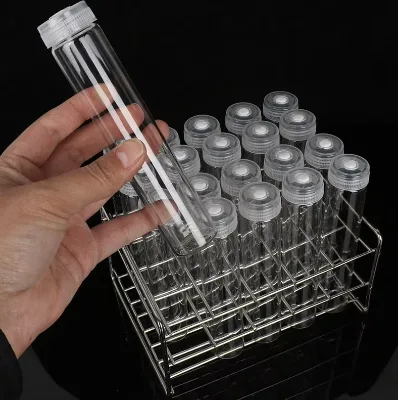
Plastic tissue culture bottles typically use PC body material with PP caps. Some options feature high borosilicate glass bodies for superior heat resistance. These materials ensure durability and safety during laboratory experiments involving cell cultures or plant propagation tasks.
What is the minimum order quantity for these bottles?
Minimum order quantities vary by product type and supplier. Some listings require 100 units, while others accept orders as low as 10 units. Buyers should verify specific MOQ requirements with the supplier before placing an order to ensure compliance with their policies.
How long does it take to receive the products?
Lead times range from zero days for immediate availability to 23 days for standard production cycles. Some suppliers offer faster delivery for small cargo within five days. Buyers must confirm the exact lead time with the specific vendor to plan their procurement schedule effectively.
Are these bottles certified for laboratory safety standards?
Many suppliers provide bottles certified under ISO, CE, and RoHS standards. Some facilities operate within 100,000 level dust-free clean workrooms to ensure sterility. Buyers should request specific certification documents to verify that the products meet their required laboratory safety and quality protocols.
What is the price range for tissue culture bottles?
Prices generally range from 0.10 to 1.57 per unit depending on material and capacity. Plastic options often cost between 0.50 and 1.00, while glass variants may be slightly higher. Final pricing depends on order volume and specific customization requirements agreed upon with the supplier.
Can suppliers provide customized designs for these bottles?
Yes, many manufacturers offer OEM and ODM customization services for tissue culture bottles. Buyers can request specific sizes, branding, or cap types to match their unique needs. Customization availability should be confirmed directly with the supplier to ensure the design meets technical specifications.
Where are these bottles manufactured?
Manufacturing locations include Hunan and Zhejiang provinces in China. These regions host various suppliers specializing in laboratory glass and plastic consumables. Buyers should verify the specific place of origin for each product to ensure it aligns with their sourcing preferences and logistics requirements.