Source Custom Dog Tags for ID, Gifts, and Promotions
Source 30 customized Dog Tags for pet ID, promotional gifts, and souvenirs. Compare metal options with waterproof, coldproof, and laser engraving features from Chinese manufacturers. Find models like DT-01 and A-10 for durable, lightweight pet accessories; compare the available evidence and request quotations based on your requirements.
Updated
Key considerations
Products List







Comprehensive Sourcing Guide
Dog Tags Sourcing Guide
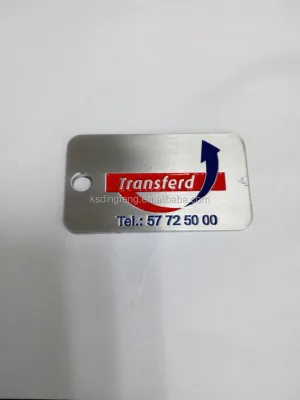
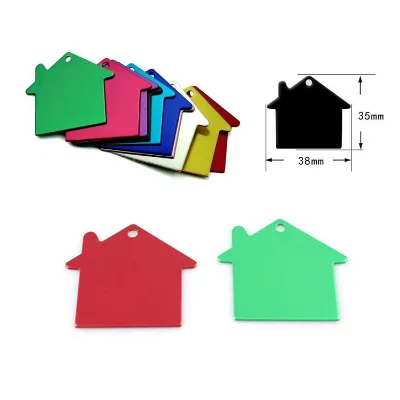
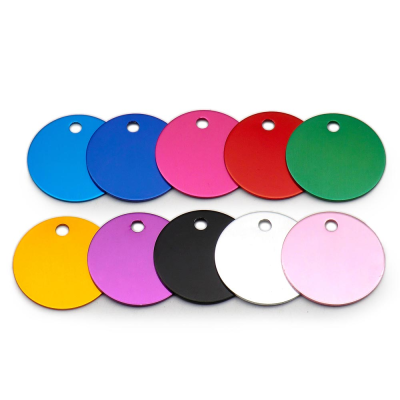
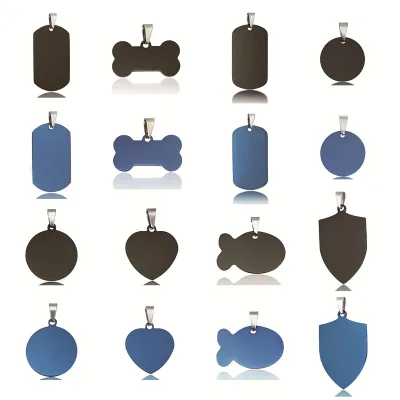
Sourcing Dog Tags requires a clear understanding of the diverse product landscape available from manufacturers, particularly those based in regions like Zhejiang, China. Buyers must distinguish between standard identification tags and specialized items such as metal bottle key rings or promotional souvenirs, as these categories serve different end-use cases. The market offers a variety of shapes, including rectangles and rounds, with sizes ranging from small identifiers like 50x28mm to more compact options such as 11x28mm. Understanding these physical distinctions is the first step in aligning procurement with specific operational needs, whether for pet safety, advertising, or business gifting.
Procurement teams should also evaluate the functional attributes that define tag utility, such as waterproof and coldproof capabilities, which are critical for outdoor or harsh-environment usage. The material composition, predominantly metal, offers durability and a lightweight profile, making it suitable for frequent wear. Additionally, customization options like laser engraving, embossing printing, and electroplating allow for brand integration or unique identification. Buyers must assess whether their requirements lean toward generic stock items or fully customized solutions, as this decision significantly impacts lead times, minimum order quantities, and overall cost structures in the supply chain.
Product Scope and Observed Listing Signals
The current market listings reveal a wide spectrum of product types under the dog tag category, ranging from traditional pet identification tags to versatile promotional items. Observed models include specific designations like DT-01, DT-02, DT-03, and DT018, indicating a structured product line from suppliers. These items are often marketed with features such as being environmentally friendly, durable, and lightweight, which appeal to modern consumers and corporate buyers alike. The presence of items labeled as "metal bottle key rings" suggests that the term "dog tag" is sometimes used broadly to describe similar-shaped metal accessories, requiring careful verification of the actual intended use case.
Listing signals also highlight significant customization capabilities, with many suppliers offering OEM and ODM services to accommodate specific branding needs. Attributes such as "customized," "available customization," and "no logo" options indicate flexibility in production, allowing buyers to choose between branded and unbranded inventory. The packing methods, typically involving individual poly bags, suggest a focus on retail-ready presentation or efficient bulk shipping. Furthermore, the observation of "supporting Amazon FBA" implies that some suppliers are equipped to handle the specific packaging and labeling requirements of major e-commerce platforms, streamlining the logistics process for digital-first retailers.
Technical Specifications to Verify
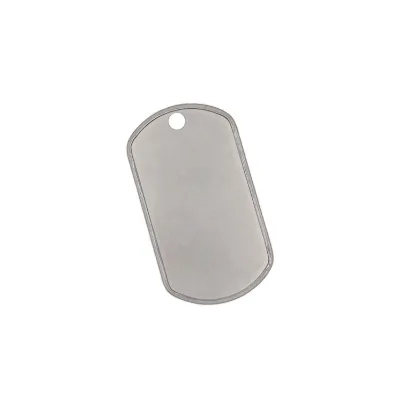
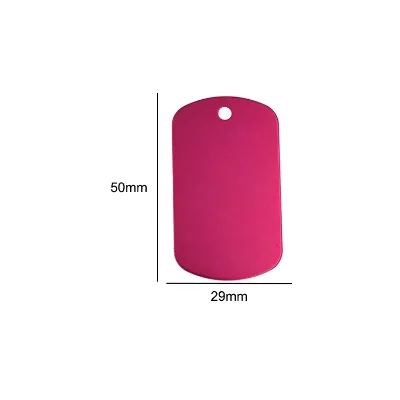
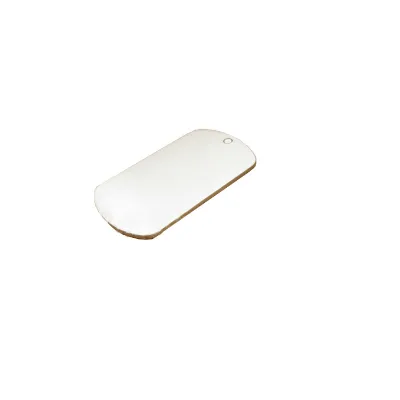
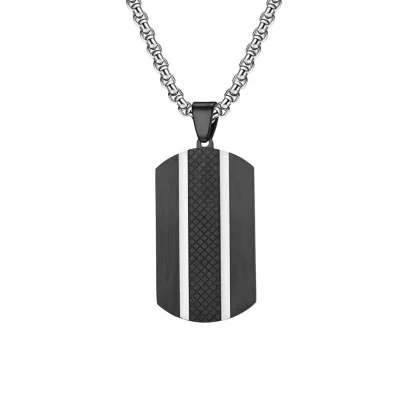
When evaluating technical specifications, buyers must prioritize the physical dimensions and weight of the tags to ensure compatibility with existing collars or attachment mechanisms. Standard sizes observed include 50x28mm and 11x28mm, with weights ranging from 4.4g to 9g, which directly impacts comfort and wearability for pets or users. The shape, whether rectangular or round, and the technique used, such as polished finishes, contribute to the aesthetic and functional quality of the product. Verifying these precise measurements against internal requirements prevents issues related to fit and durability, ensuring that the final product meets the expected performance standards in real-world applications.
Material and surface treatment specifications are equally critical for long-term performance and brand perception. Most observed tags are made from metal with electroplating and laser engraving or embossing printing, which enhances legibility and resistance to wear. Buyers should verify the quality of the plating to prevent tarnishing or peeling, especially for items marketed as waterproof or coldproof. Additionally, the use of QR codes or ID tag functionalities requires testing the scannability and durability of the printed or engraved surfaces. Confirming these technical details with the supplier ensures that the product will maintain its integrity and functionality over time, reducing the risk of customer complaints or product failures.
Compliance and Safety Documentation
Compliance and safety documentation are essential for mitigating risks associated with product liability and regulatory adherence, particularly for items intended for pet use. While specific certifications like ROHS were observed in background contexts, buyers must verify the current status and validity of any environmental or safety standards claimed by the supplier. It is crucial to request up-to-date test reports that confirm the absence of harmful substances, ensuring that the metal components and any coatings are safe for prolonged contact with animals or humans. This due diligence protects the brand from potential legal issues and aligns with growing consumer demand for environmentally friendly and non-toxic products.
Furthermore, buyers should inquire about adherence to international standards that may apply to metal accessories, such as UL 94 for flammability or EN standards for general product safety, if relevant to the specific use case. Although these standards were noted in background data, their applicability depends on the final product classification and target market regulations. Suppliers should be asked to provide documentation that demonstrates compliance with these or equivalent regional requirements. Establishing a clear chain of custody for compliance certificates ensures that the products can be legally sold and distributed in various jurisdictions, avoiding customs delays or market restrictions.
Cost Drivers and Commercial Terms
Cost drivers for Dog Tags are influenced by material choices, customization complexity, and order volume. Metal tags with electroplating and laser engraving typically incur higher costs due to the additional processing steps involved. Buyers should analyze the price range, which has been observed between $0.03 and $3.10 per unit, to understand the value proposition of different suppliers. Lower prices may correspond to simpler designs or bulk quantities, while higher prices reflect premium finishes, smaller order sizes, or specialized features like QR code integration. Understanding these variables helps in budgeting accurately and negotiating favorable terms based on expected order volumes.
Commercial terms, including minimum order quantities (MOQ) and lead times, vary significantly across suppliers. Observed MOQs range from 1 to 10,000 units, offering flexibility for both small-scale testers and large-volume purchasers. Buyers should clarify whether samples are free or charged, as this affects initial prototyping costs. Additionally, terms related to packaging, such as individual poly bags or batch packaging with specific dimensions and weights, impact shipping efficiency and costs. Negotiating clear terms for payment, shipping, and returns ensures a smooth procurement process and minimizes unexpected expenses that could erode profit margins.
Supplier Qualification and Quality Control
Supplier qualification involves assessing the manufacturer's capability to deliver consistent quality and meet customization requirements. Buyers should verify the supplier's experience in producing metal tags and their proficiency with techniques like laser engraving and electroplating. Requesting references or case studies from previous clients, particularly those in similar industries such as pet products or promotional gifting, provides insight into the supplier's reliability. Additionally, evaluating their responsiveness to OEM and ODM requests helps determine their flexibility and willingness to collaborate on unique design needs, ensuring a partnership that aligns with the buyer's strategic goals.
Quality control measures are critical to maintaining product standards and minimizing defects. Buyers should inquire about the supplier's internal QC processes, including inspection protocols for dimensions, weight, and surface finish. Asking for pre-shipment inspection reports or arranging third-party inspections can provide an additional layer of assurance. It is also important to discuss how the supplier handles defective items and returns, ensuring a clear resolution process in case of quality issues. Establishing robust quality control expectations from the outset helps build a reliable supply chain and protects the brand's reputation for delivering high-quality products.
Long-Term Procurement Checks
Long-term procurement checks focus on sustaining supplier performance and adapting to market changes. Buyers should conduct regular reviews of supplier metrics, including on-time delivery rates, defect rates, and responsiveness to issues. Establishing key performance indicators (KPIs) and sharing them with the supplier fosters accountability and continuous improvement. Additionally, monitoring market trends for new materials, designs, or technologies can help identify opportunities for product enhancement or cost reduction. Staying informed about industry developments ensures that the procurement strategy remains competitive and aligned with evolving customer preferences.
Relationship management is equally important for long-term success. Building strong communication channels with the supplier facilitates collaboration on new product development and problem-solving. Regular feedback sessions and joint planning meetings can strengthen the partnership and align expectations. Buyers should also consider diversifying their supplier base to mitigate risks associated with single-source dependencies. By maintaining a proactive approach to supplier management and market analysis, buyers can ensure a resilient and efficient supply chain that supports sustained business growth and customer satisfaction.
FAQs
What materials are used for these Dog Tags?
The Dog Tags are crafted from durable metal, ensuring longevity for pet identification. They feature a polished finish and are available in silver or other colors. The material choice supports both aesthetic appeal and functional durability for everyday use by pets.
Can I customize the logo on the Dog Tags?
Yes, customization is available for these metal Dog Tags. Buyers can request ODM or OEM services to add specific logos or designs. Options include laser engraving or embossing printing, allowing for personalized branding or unique pet identification details on the product surface.
What sizes are available for the pet ID tags?
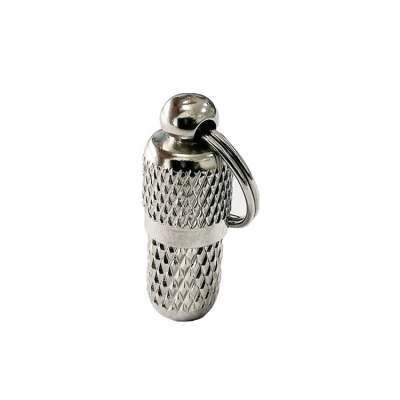
The product line offers various sizes to fit different needs. Specific models include sizes such as S, M, L, and One Size. Additionally, certain rectangular tags measure 50 by 28 millimeters, while round tube barrel tags measure 11 by 28 millimeters for precise fitting.
Are these Dog Tags waterproof and durable?
Yes, the Dog Tags are designed with waterproof and coldproof functions. They are built to be durable and lightweight, making them suitable for all seasons. The metal construction ensures they withstand environmental exposure while maintaining their appearance and functionality for pet safety identification.
What is the minimum order quantity for these tags?
The minimum order quantity ranges from 1 to 10,000 pieces, offering flexibility for various buyer needs. This wide range accommodates both small sample orders and large bulk purchases. Buyers can select quantities that align with their inventory requirements or promotional campaign scales effectively.
Where are these metal Dog Tags manufactured?
These Dog Tags are made in China, specifically originating from Zhejiang province. The manufacturing location supports efficient production and sourcing for global buyers. Products are packed individually in poly bags, ensuring safe transit from the origin facility to the final destination for distribution.