Source two-level natural material cat bed for Cats, Dogs, Small Animals
Compare 30 listings for the two-level natural material cat bed suitable for cats, dogs, and small animals. Options include customized designs, eco-friendly features, and various sizes like S, M, and L with or without mattresses; compare the available evidence and request quotations based on your requirements.
Updated
Key considerations
Products List


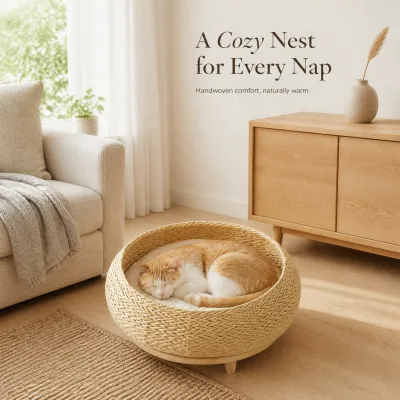
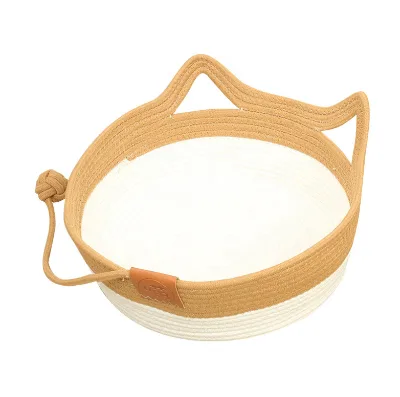
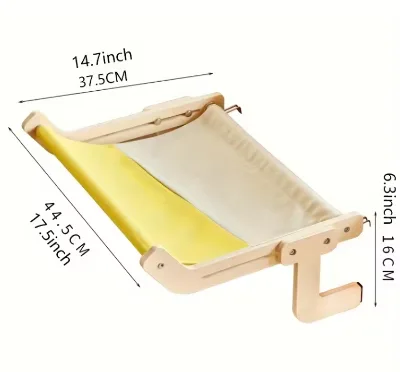

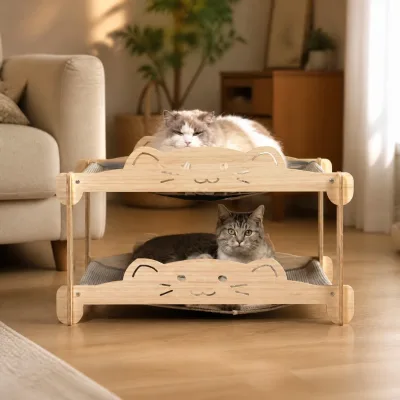
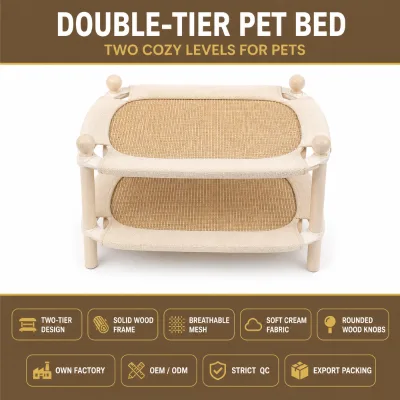
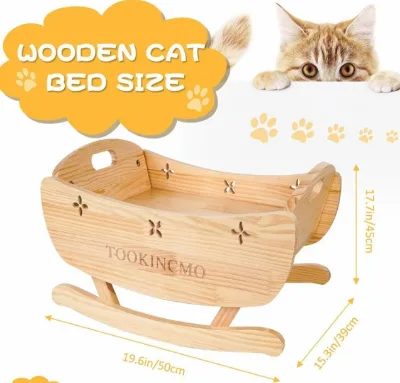
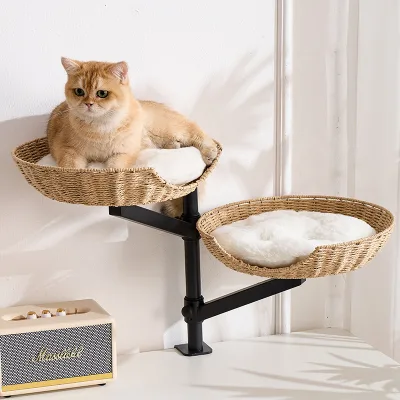


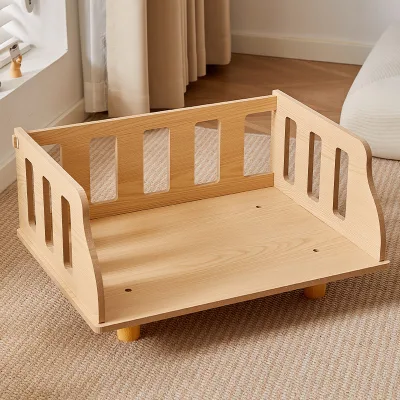
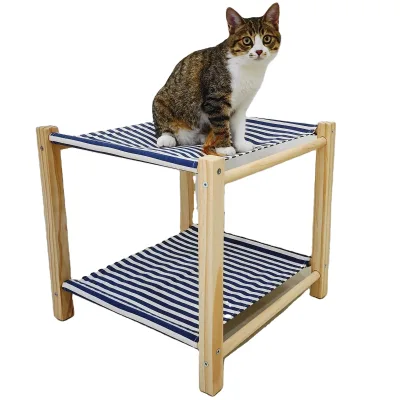
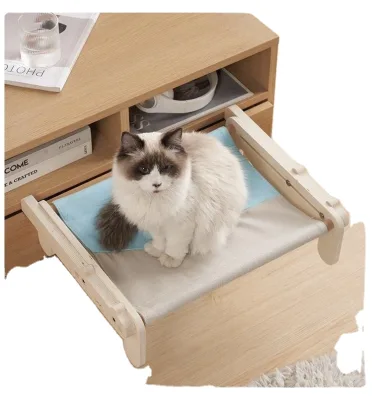
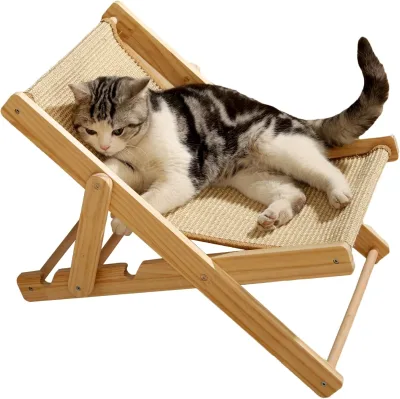
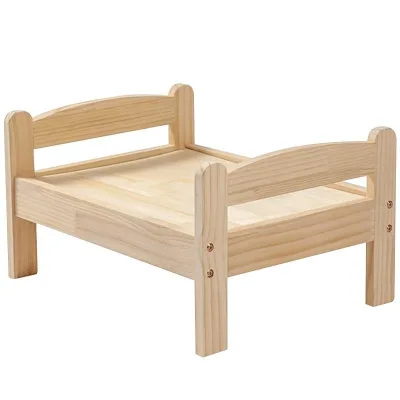


Comprehensive Sourcing Guide
Two-Level Natural Material Cat Bed Sourcing Guide
Product Scope and Observed Listing Signals
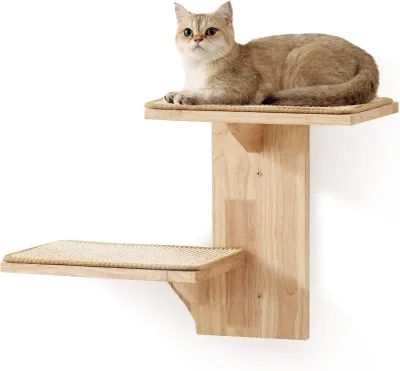
The current market landscape for pet bedding reveals a diverse array of options, though specific listings for "two-level natural material" structures are not explicitly detailed in the provided data. Observed product attributes indicate a strong presence of single-level house-style beds, such as the model YS105437, which features a house design with four or one window options. These items are primarily constructed from cotton, a natural fiber, and are marketed as eco-friendly and suitable for cats. Buyers should note that while the material aligns with natural sourcing preferences, the structural design observed is predominantly single-tier rather than the multi-level configuration specified in the core keyword.
Price observations range from $1.28 to $48 USD, suggesting significant variation based on size, complexity, and included accessories like mattresses. The minimum order quantities (MOQ) vary widely, from as low as 5 units to 500 units, with specific models like YF113200 requiring a MOQ of 100 PCS. This variability allows for flexible sourcing strategies, whether for small boutique orders or large-scale retail distribution. However, procurement teams must carefully verify if the "natural material" claim extends to the structural supports and if the two-level design is available, as current listings emphasize single-level mats, pads, and house beds in colors like red, gray, and blue.
Technical Specifications to Verify
When evaluating potential suppliers for natural material cat beds, verifying the exact material composition is paramount. The supplied data confirms cotton as a primary material for models like YS105437 and YF73117, but buyers must confirm if other natural fibers such as bamboo, wool, or untreated wood are used for structural elements, especially for two-level designs. It is crucial to distinguish between "natural" marketing claims and actual material certifications. Additionally, dimensions should be closely monitored; while some products offer S, M, and L sizes, others are listed as "One Size" with specific dimensions like 564642CM for model YF113200. Ensuring the bed fits the target cat demographic is essential for customer satisfaction.
Structural integrity and safety features require rigorous scrutiny, particularly for elevated or multi-level beds. Buyers should verify if the beds include mattresses, as seen in model YS105437, or if they are sold without them, like YF73117. The waterproof status is another critical technical attribute; the data indicates that observed products are "Not Waterproof," which may limit their suitability for certain environments or cleaning protocols. Furthermore, check if the beds are designed to be folded or remain unfolded, as this impacts storage and shipping efficiency. Confirming these specifications ensures the product meets both functional requirements and safety standards for pet use.
Compliance and Safety Documentation
Compliance with international standards is a non-negotiable aspect of sourcing pet products. The provided context lists several certifications, including CE, BSCI, ISO9001, SGS, and others, which indicate a baseline level of quality and ethical manufacturing practices. Buyers must verify that these certifications are current and applicable to the specific product type, especially if the bed involves complex structures or treated materials. It is advisable to request copies of these certificates and confirm their validity with the issuing bodies. This due diligence helps mitigate risks associated with regulatory non-compliance in target markets, ensuring that the products can be legally imported and sold.
Safety documentation should also encompass material safety data sheets and any relevant test reports for toxicity or flammability. While the data mentions "Eco-Friendly" features, buyers should seek specific evidence supporting these claims, such as organic certifications or low-VOC emissions tests. Additionally, payment terms like T/T, L/C, D/P, and Western Union are noted, which may influence the level of trust and verification required from suppliers. Establishing clear communication regarding compliance requirements early in the sourcing process helps align supplier capabilities with buyer expectations, reducing the likelihood of disputes or shipment rejections due to documentation gaps.
Cost Drivers and Commercial Terms
Understanding the cost structure of pet beds involves analyzing material, labor, and logistics factors. The observed price range of $1.28 to $48 USD reflects these variables, with higher prices likely associated with more complex designs, premium natural materials, or included accessories like mattresses. Buyers should request detailed quotations that break down costs by component, allowing for better comparison and negotiation. Additionally, the delivery time of approximately 20-40 days is a significant factor in inventory planning and cash flow management. Longer lead times may necessitate larger safety stocks or more frequent ordering cycles, impacting overall operational costs.
Commercial terms such as MOQ, payment methods, and shipping ports also play a crucial role in total cost of ownership. The wide MOQ range, from 5 to 500 units, offers flexibility but may affect unit pricing. Suppliers often provide better rates for larger orders, so buyers should evaluate their sales volume against potential discounts. Payment terms like T/T and L/C provide security but may involve bank fees. The port of shipment, typically Shanghai or Ningbo, should be considered when calculating freight costs and insurance. Understanding these commercial dynamics enables buyers to optimize their procurement strategy and achieve better value for money.
Supplier Qualification and Quality Control
Supplier qualification is a critical step in ensuring consistent product quality and reliable delivery. Buyers should conduct thorough background checks on potential suppliers, verifying their business licenses, production capacity, and past performance. The data indicates that customization is available, which suggests suppliers have flexible manufacturing processes. However, buyers must assess the supplier's ability to maintain quality standards during customization. Requesting samples before placing bulk orders is essential to evaluate material quality, stitching durability, and overall craftsmanship. This hands-on verification helps identify potential issues early in the sourcing process.
Quality control measures should be established and communicated clearly to suppliers. This includes defining acceptable defect rates, inspection protocols, and packaging standards. The observed packing methods, such as carton packing, polybag with hang tags, or custom requests, should be specified in the purchase agreement. Buyers should also consider implementing third-party inspections during production or before shipment to ensure compliance with quality requirements. Regular communication and feedback loops with suppliers help maintain high standards and address any emerging issues promptly. A robust quality control system protects the buyer's brand reputation and ensures customer satisfaction.
Long-Term Procurement Checks
Long-term procurement success depends on continuous monitoring and relationship management with suppliers. Buyers should establish key performance indicators (KPIs) to track supplier performance, including on-time delivery rates, product quality consistency, and responsiveness to issues. Regular audits and reviews help identify areas for improvement and reinforce accountability. Additionally, staying informed about market trends and regulatory changes is crucial for adapting sourcing strategies. The data suggests that OEM/ODM services are welcomed, indicating opportunities for product differentiation and innovation. Buyers should leverage these capabilities to develop unique offerings that meet evolving consumer demands.
Sustainability and ethical sourcing are increasingly important considerations for long-term procurement. Buyers should verify that suppliers adhere to ethical labor practices and environmental standards, as indicated by certifications like BSCI and ISO9001. Engaging in open dialogue about sustainability goals can strengthen partnerships and drive positive change. Furthermore, diversifying the supplier base can mitigate risks associated with supply chain disruptions. By maintaining a proactive approach to supplier management and continuously evaluating procurement strategies, buyers can build a resilient and efficient supply chain that supports long-term business growth and success.
FAQs
What materials are used in these pet beds?
The beds are primarily made from cotton, offering a soft and comfortable surface for pets. This material choice ensures breathability and gentle contact with animal fur. While some listings highlight eco-friendly features, the core composition remains cotton-based. Buyers should verify specific material blends with suppliers to ensure they meet their pet's comfort and safety requirements.
Can these beds be customized for specific brands?
Yes, customization is available for these pet beds. Suppliers offer OEM and ODM services to accommodate specific brand requirements. Buyers can request customized designs, colors, or packaging options. This flexibility allows businesses to tailor products to their market needs. It is advisable to discuss specific customization details and minimum order quantities directly with the manufacturer to ensure feasibility.
What certifications do these products hold?
These products typically hold certifications such as CE, BSCI, ISO9001, and SGS. These standards indicate compliance with international quality and safety regulations. Buyers can rely on these certifications for market entry in regions requiring such documentation. It is recommended to request valid certification copies from suppliers before placing orders to ensure ongoing compliance and product safety.
What is the typical delivery time for orders?
The typical delivery time is approximately 20 to 40 days. This timeframe allows for production and preparation of goods for shipment. Buyers should plan their inventory accordingly to avoid stockouts. Lead times may vary based on order volume and customization requirements. Confirming the exact schedule with the supplier before finalizing the purchase is essential for accurate logistics planning.
Are these beds suitable for cats and dogs?
Yes, these beds are suitable for both cats and dogs. Some models are specifically designed for small animals and cats, while others accommodate dogs. The application scope is broad, covering various pet sizes. Buyers should check the specific size options, such as S, M, or L, to ensure the bed fits their pets comfortably and meets their usage needs.
What payment methods are accepted by suppliers?
Suppliers generally accept payment methods including T/T, L/C, D/P, and Western Union. These options provide flexibility for international transactions. Buyers should choose the method that best suits their financial processes and risk management strategies. It is important to agree on payment terms clearly in the contract to ensure smooth transaction processing and timely order fulfillment.