Mosaic Crystal Animal Carvings Suppliers and Manufacturers
Explore 25 verified suppliers offering Mosaic Crystal Animal Carvings with varying lead times, response speeds, and certifications. Buyers can compare MOQs, prices, and origins like Guangdong or Jiangsu before requesting quotes for specific styles; review the available evidence before requesting comparable quotations from suitable candidates.
Updated
Suppliers List
Guangzhou Gui Jing Crafts Co., Ltd
- Verified by TüVRheinland
- Trading Company
- Lead time60 days
- Avg. response≤ 10h
Main productsCrystal Gift Box, Crystal Animals Sphere Point Carving, Crystal Tumble Gravel Stone, Crystal Healing Chakra Pendant, Crystal Tower Tree
Main marketsNorth America(50%), Southeast Asia(20%), Domestic Market(15%)
Donghai Vardy Crystal Company Limited
- Trading Company
- Jiangsu, China
- Lead time10 days
- Avg. response≤ 2h
Main productscrystal points and wands,crystal spheres,crystal clusters,gemstone carving,mineral specimens
Main marketsWestern Europe(30.00%), North America(25.00%), South America(12.00%), Eastern Europe(12.00%), Northern Europe(11.00%), Oceania(6.00%), Mid East(4.00%)

Xiamen Amore Gift Solutions Co., Ltd.
- Verified by BV
- Trading Company
- China Fujian
- Lead time30 days
- Avg. response≤ 9h
Main productsCrystals, Gemstones, Crystal Skulls, Crystal Animals
Main marketsEast Asia(Japan/ South Korea),North America

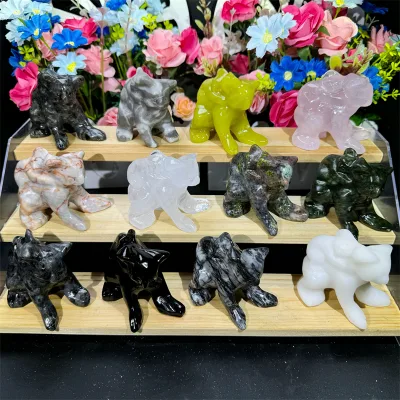
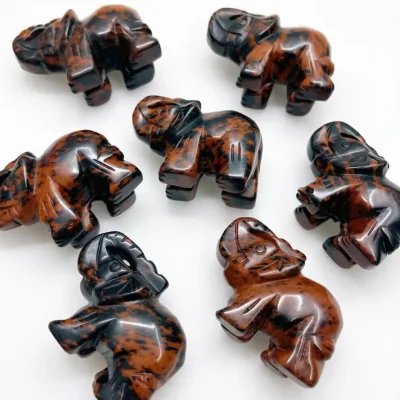
Natural Crystal Black Obsidian Stone Elephant Animal Carvings for Home Decor
$327.00 - $523.00
MOQ: 2 Pieces

Bulk Natural Green Aventurine Crystal Elephant Carving Crystal Animal Carvings
$53.00 - $84.00
MOQ: 2 Pieces

Natural Rose Quartz Crystal Animal Hippo Carving Crystal Stone Hippo Craft
$11.50 - $18.50
MOQ: 2 Pieces


$38.00 - $60.00
MOQ: 2 Pieces
Lianyungang Nuoheng Crystal Jewelry Co., Ltd.
- Manufacturer, Trading Company
- Jiangsu, China
- Lead time0 days
- Avg. response≤ 8h
Main productsFluorite Tower/Moonstone Sphere/Moonstone/Sunstone/Crystal Skull,Augen pyramid/pyramid/Perfume bottle/crystal,healing crystal,Custom made crystal,crystal carving
Main marketsNorth America(80.00%), Southeast Asia(20.00%)
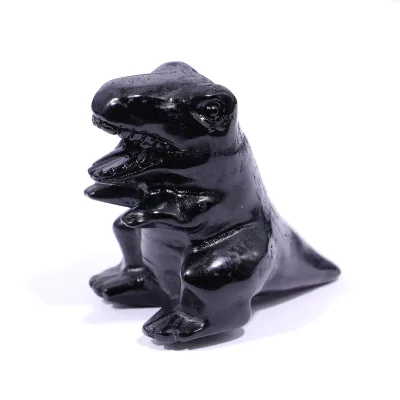
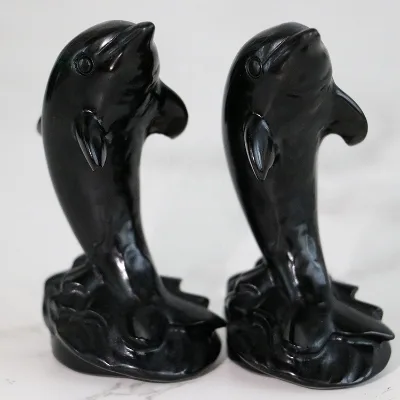
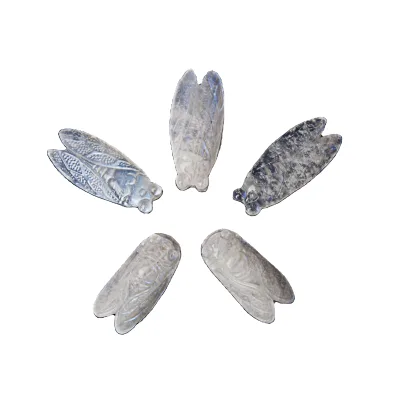
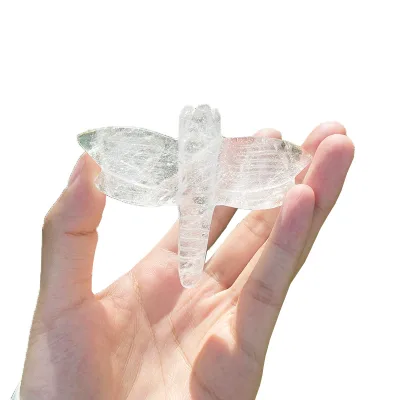
Hot Sale Crystals Healing Stones Cicada Shaped Moonstone Crystal Animal Carving for Pendant
$10.2538 - $15.38
MOQ: 2 Minimum
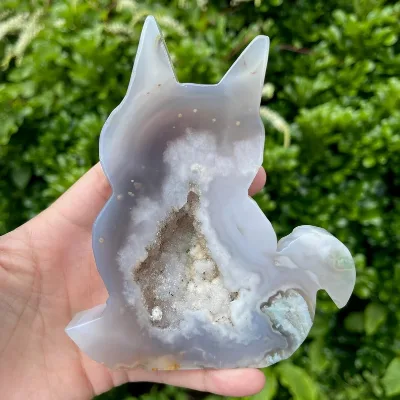

- Trading Company,Manufacturer/Factory
- China Guangdong
- Lead time23 days
- Avg. response≤ 8h
Main productsGemstone, Jewelry, Gemstone Jewelry, Loose Gemstone Beads, Jewelry Rings, Jewelry Set, Jewellery Earrings, Pendant, Created Emerald, Cubic Zirconia
Main marketsSouth America,Eastern Europe,North America,Western Europe
Donghai County Boheng Crystal Jewelry Co., Ltd.
- Verified by SGS Group
- Manufacturer, Trading Company
- Lead time3 days
- Avg. response≤ 2h
Main productsCrystal Water Bottle; Crystal Smoking Pipes; Crystal Point/Crystal Gravel/Crystal Ball
Main marketsNorth America(60%), Oceania(15%), Southeast Asia(10%)

Fujian Huian Haobo Stone Company Limited
- Manufacturer
- China Fujian
- Lead time23 days
- Avg. response≤ 17h
Main productsGranite Tile, Marble Tile, Granite Countertops, Quartz Countertops, Granite Slab, Stone Carving, Basin Sinks, Paving Stone&Cobble Stone, Stone Steps&Stair, Monument
Main marketsEurope,North America
Donghai Kindfull Crystal Product Co., Ltd.
- Manufacturer, Trading Company
- Lead time旺季: "1 - 100":15,"> 100":"To be negotiated", 淡季: "1 - 100":15,"> 100":"To be negotiated"
- Avg. response≤ 2h
Main productsCarving/Crystal Points/Crystal Palm/Crystal Sphere/Beauty Tools
Donghai County Dongqing Crystal Products Co., Ltd.
- Manufacturer, Trading Company
- Jiangsu, China
- Lead time15 days
- Avg. response≤ 2h
Main productsCrystal Crafts,crystal ball,crystaltower,skull,agate
Main marketsNorth America(50.00%), Oceania(22.00%), Southeast Asia(7.00%), Domestic Market(4.00%), Eastern Europe(3.00%), South America(3.00%), Central America(2.00%), Western Europe(2.00%), South Asia(2.00%), Mid East(2.00%), Northern Europe(1.00%), Eastern Asia(1.00%), Southern Europe(1.00%)
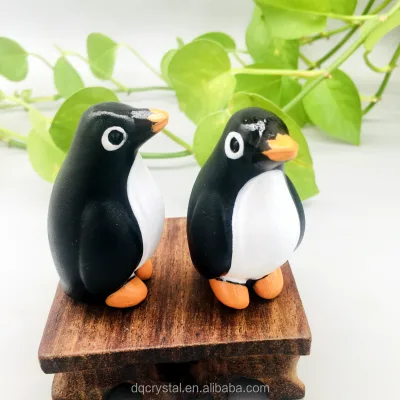
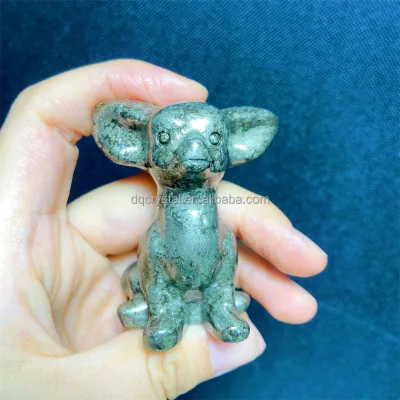
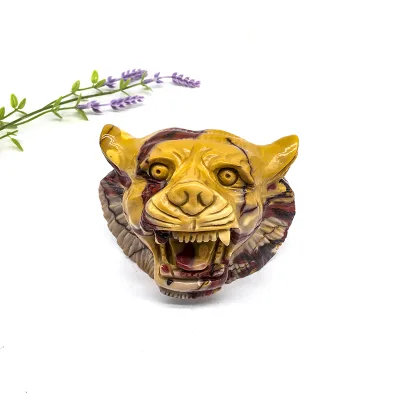
$6.1703 - $6.6841
MOQ: 10 pieces

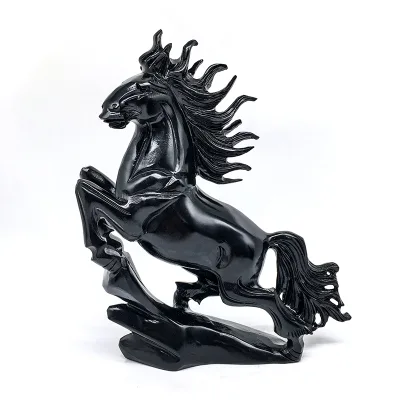
$77.111 - $82.2522
MOQ: 1 kilograms
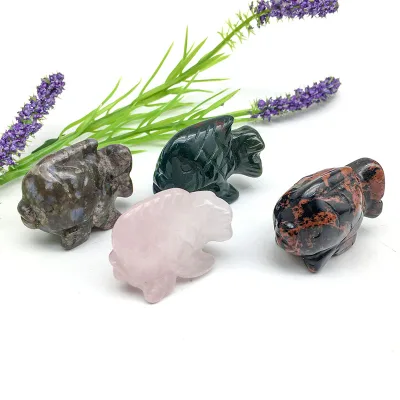
Donghai Buildful Jewelry Co., Ltd.
- Verified by Intertek
- Manufacturer, Trading Company
- Lead time10 days
- Avg. response≤ 2h
Main productsCrystal Tumbled Gravel Stone, Crystal Handmade Pendant, Crystal Tower Point, Crystal Sphere Ball, Crystal Chakra Gift Box
Main marketsNorth America(48%), South America(22%), Oceania(8%)
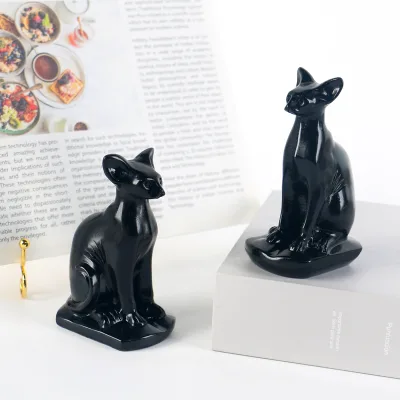
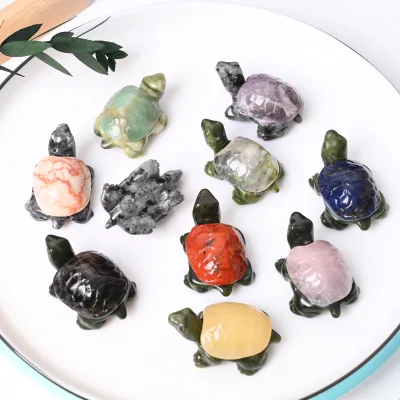
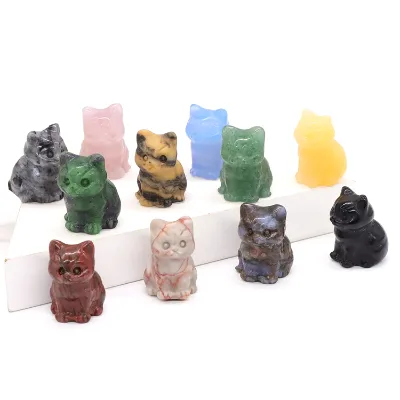
Natural Crystal Carvings and Sculpture Crystal Obsidian Cat for Home Decoration
$10.2958 - $12.3555
MOQ: 2 pieces

Quanzhou Tianyuan Stone Co., Ltd.
- Verified by BV
- Trading Company
- China Fujian
- Lead time15 days
- Avg. response≤ 3h
Main productsGranite Marble Tile and Slab, Countertop Vanity Table, Slate Sandstone Pebble Travertine, Pillar Column Fountain, Waterjet Medallion Mosaic Tile, Cobblestone Kerbstone Paving, Sculpture Statue, Construction Landscape Stone, Fireplace Bathtub, Floor and Wall Stone
Main marketsSouth America,Southeast Asia/ Mideast,Europe,North America

Yiwu Hongzhuo Art&crafts Factory
- Manufacturer, Trading Company
- Zhejiang, China
- Lead time30 days
- Avg. response≤ 6h
Main productsCrystal Crafts,Beauty Tools,Massage Tools,Gemstone Carving,Jewelry & Accessories
Main marketsDomestic Market(100.00%)
$1.29 - $3.99
MOQ: 100 pieces
Donghai Fanxingji Crystal Jewelry Co., Ltd.
- Verified by TüVRheinland
- Trading Company
- Jiangsu, China
- Lead time10 days
- Avg. response≤ 2h
Main productsCrystal Gift, Crystal Spheres, Crystal Mineral Specimen, Crystal Point, Crystal Carving
Main marketsNorth America(50%), Oceania(22%), Southeast Asia(7%)
$4.6663 - $6.2212
MOQ: 5 pieces
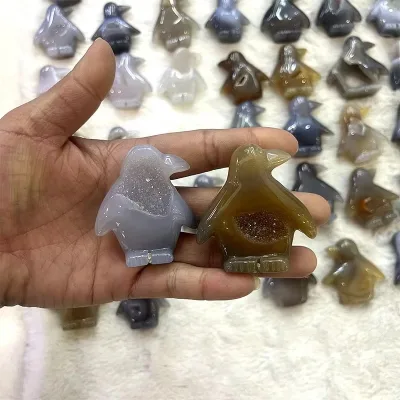
Donghai Liuxiuli Crystal Factory
- Verified by SGS Group
- Trading Company
- Lead time0 days
- Avg. response≤ 2h
Main productsHealing Crystal Spheres, Feng Shui Weath Crystal, Rose Quartz Tower, Amethyst Geode, Natural Crystal Obelisk
Main marketsDomestic Market(100%)
Donghai Kindfull Crystal Product Co., Ltd.
- Manufacturer, Trading Company
- Lead time旺季: "1 - 2":9,"3 - 20":20,"21 - 50":30,"> 50":"To be negotiated", 淡季: "1 - 2":9,"3 - 20":20,"21 - 50":30,"> 50":"To be negotiated"
- Avg. response≤ 2h
Main productsCarving/Crystal Points/Crystal Palm/Crystal Sphere/Beauty Tools
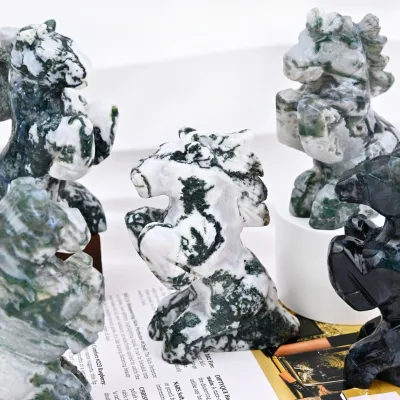
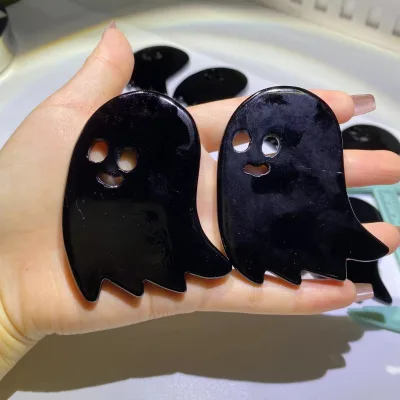
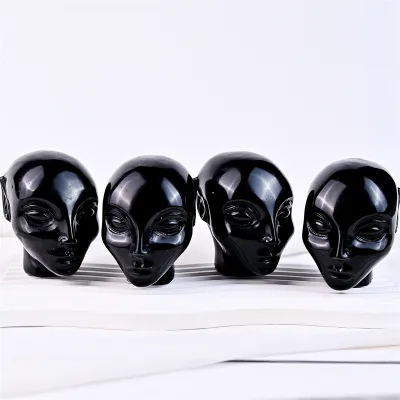
Wholesale Natural High Quality Crystal Crafts Black Obsidian Ghost Carving for Decoration
$2.10 - $2.50
MOQ: 2 pieces

Xiamen Everong Industry&Trade Co., Ltd.
- Trading Company,Manufacturer/Factory
- China Fujian
- Lead time15 days
- Avg. response≤ 6h
Main productsGranite Tile Slab Table, Marble Tile Slab Table, Quartz Tile Slab, Stone Statues Products, Stone Monuments Products, Pebble Stone, Stone Waterfountain Products, Stone Fireplace Products, Stone Mosaic Products, Artificial Flower Products
Main marketsSouth America,Eastern Europe,Mid East,North America,Southeast Asia,Eastern Asia,Oceania,Western Europe,Africa
Donghai County Bozhiluan Jewelry Co., Ltd.
- Trading Company
- JiangSu, China
- Lead time0 days
- Avg. response≤ 2h
Main productscrystal point,crystal sphere,crystal carving,minerals,rough
Main marketsSouth America(30.00%), Northern Europe(30.00%), South Asia(20.00%), North America(20.00%)

Quyang Zhongou Yishu Marble Sculpture Manufactory
- Verified by TUVRHEINLAND
- Combined
- China Hebei
- Lead time30 days
- Avg. response≤ 4h
Main productsStatue, Fireplace, Sculpture, Fountain, Gazebo, Animal Statue, Column, Urn, Tombstone & Monument, Kitchen Hood
Main marketsDomestic

East Sunrise Jewelry Co., Limited
- Verified by SGS
- Manufacturer/Factory
- China Guangdong
- Lead time23 days
- Avg. response≤ 8h
Main productsPendant, Necklace, Bracelet, Ring, Earring, Carving, Ornament, Loose Bead, Jewelry, Semi-Precious Stones
Main marketsSouth America,Eastern Europe,Mid East,North America,Southeast Asia,Eastern Asia,Oceania,Western Europe,Africa


Semi Precious Stonefemale Model Accessories Carving Statue Carving and Decorative Crafts
Negotiable
MOQ: 100 Pieces


Weieryang (Wuhan) Information Technology Co., Ltd
- Verified by CTI
- Combined
- China Hubei
- Lead time23 days
- Avg. response≤ 1h
Main productsBathroom Mirror, Stainless Steel, Stainless Steel Screen, Sculpture Crafts, Painting, Stainless Steel Niche, Stainless Steel Hanger, Stainless Steel Tray, Stainless Steel Mirror, Stainless Steel Hanging Painting
Main marketsDomestic
Donghai Pingtouge Jewelry Co., Ltd.
- Trading Company
- Jiangsu, China
- Lead time0 days
- Avg. response≤ 3h
Main productscarved crystal,carving natural crystal stones,crystal carving,crystal animal carvings,crystal moon carving
Main marketsEastern Europe(30.00%), Northern Europe(20.00%), North America(20.00%), South Asia(20.00%), South America(10.00%)
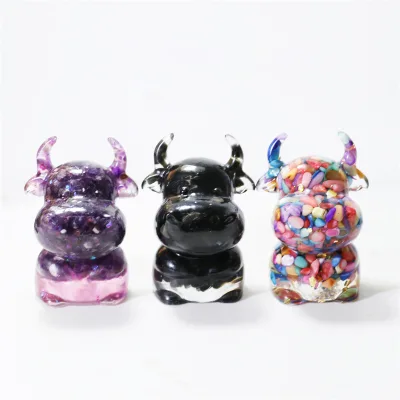
$33.8593 - $35.9116
MOQ: 2 pieces

- Verified by SGS
- Trading Company
- China Fujian
- Lead time15 days
- Avg. response≤ 6h
Main productsGranite Slabs and Tiles, Marble Slabs and Tiles, Basalt Stone, Onyx Marble, Building Stone and Carving, Quartz Stone, Limestone, Countertop and Vanity Top, Culture Stone, Semiprecious Stone Slabs and Tiles
Main marketsSoutheast Asia/ Mideast,Domestic,Europe,Australia

China Arts Building Material Group Co.,Limited
- Trading Company,Manufacturer/Factory
- China Fujian
- Lead time23 days
- Avg. response≤ 6h
Main productsStone/ Granite/ Marble, Kitchen Countertop and Vanity Tops, Slab and Tiles, Quartz and Artificial Stone, Composite Products, Mosaic and Medallion, Sink Basin Sculpture and Tomb, Sand Stone, Crafts and Arts, Paving Stone
Main marketsEastern Europe,Mid East,North America,Southeast Asia,Western Europe
Donghai Yiqi Crystal Products Co., Ltd.
- Manufacturer, Trading Company
- Jiangsu, China
- Lead time10 days
- Avg. response≤ 3h
Main productsCrystal Crafts,gemstone carving,gemstone necklace,gemstone rings,gemstone bracelet
Main marketsAfrica(100.00%), North America(50.00%), Oceania(22.00%), Southeast Asia(7.00%), Domestic Market(4.00%), South America(3.00%), Eastern Europe(3.00%), Mid East(2.00%), Central America(2.00%), Western Europe(2.00%), South Asia(2.00%), Northern Europe(1.00%), Eastern Asia(1.00%), Southern Europe(1.00%)
Donghai Shama Jewelry Co., Ltd.
- Manufacturer
- Jiangsu, China
- Lead time0 days
- Avg. response≤ 2h
Main productsCrystal crafts,Jewelry & Accessories,Crystal items,Crystal key chain,Crystal mineral specimen
Main marketsSouth America(40.00%), North America(40.00%), Southeast Asia(10.00%), Eastern Europe(10.00%)










Comprehensive Sourcing Guide
Mosaic Crystal Animal Carvings Supplier Concentration and Factory Types
When evaluating the landscape for Mosaic Crystal Animal Carvings, buyers must first understand the structural composition of the available supplier base. The current market data indicates a significant presence of trading companies rather than direct manufacturing factories. This distinction is critical because trading companies often aggregate products from multiple smaller workshops or factories, which can affect quality control consistency and communication efficiency. In this specific category, the observed company types are predominantly classified as trading entities, suggesting that the supply chain may involve intermediaries who manage inventory and logistics rather than the actual carving and assembly processes. Buyers should be aware that while trading companies offer convenience and a broader range of styles, they may not provide the same level of direct oversight over the manufacturing floor as a dedicated factory would. Understanding this dynamic helps in setting realistic expectations regarding customization capabilities and production transparency.
Furthermore, the geographic distribution of these suppliers provides insight into potential manufacturing clusters, although specific factory locations are not always explicitly detailed in every listing. Some suppliers are identified as operating out of Jiangsu, China, while others are located in Guangdong, China, and Fujian. These regions are known for their expertise in crafts and gemstone processing, which suggests that the actual production of crystal carvings likely occurs within these industrial hubs. For instance, products originating from Jiangsu often feature specific carving techniques and styles, while those from Guangdong might leverage different supply chain efficiencies. Buyers should use these location facts to infer the likely origin of the raw materials and the craftsmanship style. It is advisable to verify the actual factory location if deep customization is required, as trading companies may source from various points within these provinces. This geographic awareness aids in assessing shipping logistics and potential regional quality standards.
How to Verify Mosaic Crystal Animal Carvings Suppliers
Verification is a crucial step in mitigating risk when sourcing Mosaic Crystal Animal Carvings, as the market contains a mix of verified and unverified entities. Buyers should prioritize suppliers who have undergone third-party verification processes, as these provide an additional layer of trust regarding the company’s legitimacy and operational capacity. In the current results, some suppliers are verified by TüV Rheinland, while others hold BV verification. These certifications indicate that an independent agency has inspected the supplier’s business license, factory conditions, or quality management systems. However, buyers must recognize that verification status can vary significantly across the supplier base. Not all suppliers will display these credentials prominently, so it is essential to actively check the verification badge on each supplier’s profile. Relying solely on the platform’s general listing without confirming specific verification status can lead to engagements with less reliable partners.
Beyond verification badges, buyers should assess the responsiveness and professionalism of the supplier as indicators of reliability. The response time is a key metric that reflects how quickly a supplier can address inquiries, provide quotes, or resolve issues. In the observed data, response times vary, with some suppliers responding within two hours, while others may take up to ten hours or more. A faster response time often correlates with better customer service and a more organized internal team. Additionally, buyers should look for suppliers who provide detailed product information, such as clear specifications for materials, dimensions, and carving techniques. For example, some listings specify the use of obsidian, quartz, or other semi-precious stones, along with precise dimensions like 4cm or 16mm. Suppliers who provide comprehensive and accurate product details are likely more professional and transparent. Buyers should also check for any displayed certifications, such as RoHS, which may indicate compliance with certain environmental or safety standards, although this is more common in electronic goods than in crystal crafts.
What to Compare Across Mosaic Crystal Animal Carvings Suppliers
When comparing suppliers, buyers must evaluate a range of commercial and operational metrics to determine the best fit for their specific needs. One of the most critical factors is the minimum order quantity (MOQ), which can vary widely depending on the supplier’s production model and inventory strategy. In the current market, MOQs for crystal animal carvings range from as low as two pieces to as high as one hundred pieces. This flexibility allows buyers to test the market with small orders or place larger bulk purchases depending on their sales volume. For instance, some suppliers offer an MOQ of just two units, which is ideal for sampling or small boutique orders, while others require a minimum of fifty or one hundred units, catering to larger retailers. Buyers should align their order size with their inventory capacity and sales forecast to avoid overstocking or stockouts. Understanding these MOQ variations helps in negotiating better terms and selecting suppliers that match the buyer’s scale.
Another essential comparison point is the lead time and pricing structure, which directly impact profitability and delivery schedules. Lead times for crystal carvings can range from ten days to sixty days, depending on the complexity of the carving, the availability of raw materials, and the supplier’s current workload. Suppliers with shorter lead times, such as those offering ten-day turnaround, may be preferable for urgent orders or fast-moving inventory. However, these suppliers might have higher prices or limited customization options. Conversely, suppliers with longer lead times may offer more competitive pricing or greater flexibility for custom designs. Pricing also varies, with some products ranging from $0.95 to $1.05 per unit, while others can cost up to $14.80 per unit, depending on the material quality, size, and intricacy of the carving. Buyers should compare these prices against their target retail margins and consider the total cost of ownership, including shipping and potential duties. Additionally, the main products offered by each supplier should be assessed to ensure they specialize in the specific types of animal carvings the buyer is seeking, such as cats, dogs, or frogs.
Common Mosaic Crystal Animal Carvings Sourcing Risks
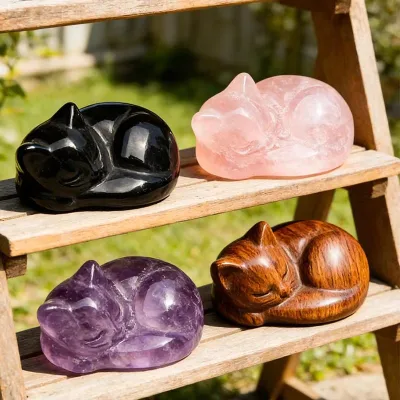
Sourcing Mosaic Crystal Animal Carvings comes with specific risks that buyers must proactively manage to ensure a successful procurement process. One significant risk is the variability in product quality and consistency, especially when dealing with natural materials like crystal and gemstones. Each piece of natural stone has unique inclusions, color variations, and imperfections, which can lead to inconsistencies in the final product. Buyers should be aware that images provided by suppliers may not always accurately represent the actual product received, particularly regarding color and size. For example, a listing might show a vibrant rose quartz cat, but the actual product could have a more muted tone or different dimensions. To mitigate this risk, buyers should request physical samples before placing large orders. Samples allow buyers to inspect the quality of the carving, the finish, and the material authenticity firsthand. This step is crucial for verifying that the supplier can meet the buyer’s quality standards and expectations.
Another risk is the potential for miscommunication regarding customization and specifications. Since many suppliers are trading companies, they may not have direct control over the manufacturing process, leading to delays or errors in fulfilling custom requests. Buyers should clearly define all specifications, including dimensions, materials, and packaging requirements, in writing before confirming the order. Ambiguity in these details can result in products that do not meet the buyer’s needs, leading to returns or disputes. Additionally, buyers should be cautious of suppliers who do not provide clear information about their production capabilities or who are unwilling to share detailed product attributes. For instance, some listings provide extensive details about the carving technique, such as engraving or polishing, while others may lack this information. Buyers should prioritize suppliers who are transparent about their processes and willing to answer detailed questions. This transparency helps in building a reliable partnership and reduces the likelihood of misunderstandings that could disrupt the supply chain.
Mosaic Crystal Animal Carvings Regional Sourcing and Logistics
The geographic location of suppliers plays a pivotal role in determining logistics costs and delivery times for Mosaic Crystal Animal Carvings. Based on the available data, suppliers are primarily located in China, with specific mentions of Jiangsu, Guangdong, and Fujian provinces. These regions are well-established hubs for craft and gemstone manufacturing, offering access to raw materials and skilled labor. However, the specific location of the supplier can impact shipping options and transit times. For example, suppliers in Jiangsu may have different logistical advantages compared to those in Guangdong, depending on the buyer’s destination. Buyers should consider the proximity of the supplier to major ports or airports to minimize shipping costs and reduce transit times. Additionally, buyers should verify the supplier’s ability to handle international shipping and provide necessary documentation, such as commercial invoices and packing lists. This ensures smooth customs clearance and avoids delays at the destination.
Furthermore, buyers should assess the supplier’s experience with international logistics and their ability to offer reliable shipping solutions. Some suppliers may have established relationships with freight forwarders, which can result in more competitive shipping rates and better tracking capabilities. Buyers should inquire about the available shipping methods, such as air freight or sea freight, and the associated costs and delivery times. Air freight is typically faster but more expensive, making it suitable for urgent or high-value orders, while sea freight is more cost-effective for bulk shipments but takes longer. Buyers should also consider the packaging requirements for crystal carvings, as these items are fragile and require careful handling to prevent damage during transit. Suppliers who use robust packaging materials and methods can reduce the risk of breakage and ensure that products arrive in good condition. By evaluating these logistical factors, buyers can optimize their supply chain and ensure timely delivery of their Mosaic Crystal Animal Carvings.
Mosaic Crystal Animal Carvings Commercial Terms and Order Planning
Effective order planning for Mosaic Crystal Animal Carvings requires a thorough understanding of the commercial terms offered by suppliers. Payment terms are a critical aspect of this planning, as they can affect cash flow and risk management. Buyers should negotiate payment terms that align with their financial capabilities and risk tolerance. Common terms include partial upfront payment with the balance due before shipment, or full payment upon receipt of goods. Buyers should also inquire about the availability of escrow services, which can provide an additional layer of security by holding funds until the buyer confirms receipt and satisfaction with the products. While some suppliers may offer escrow options, buyers should verify this capability directly with the supplier. Understanding the payment structure helps in budgeting and ensuring that funds are available when needed. Additionally, buyers should clarify any additional costs, such as tariffs, taxes, or handling fees, to avoid unexpected expenses.
Another key consideration is the after-sales support and return policies offered by suppliers. Given the fragile nature of crystal carvings, there is a risk of damage during transit or upon arrival. Buyers should establish clear guidelines for handling damaged goods, including the process for filing claims and receiving replacements or refunds. Suppliers who offer robust after-sales support can help mitigate these risks and ensure a smoother procurement experience. Buyers should also consider the supplier’s flexibility in handling order modifications or cancellations, as market conditions can change rapidly. Suppliers who are willing to accommodate changes or provide flexible order terms can be valuable partners in a dynamic market. By carefully reviewing and negotiating these commercial terms, buyers can protect their interests and build a sustainable supply chain for Mosaic Crystal Animal Carvings. This proactive approach helps in minimizing risks and maximizing the value of the sourcing relationship.
FAQs
What is the price range for crystal animal carvings?
Prices for wholesale crystal animal carvings typically range from $0.95 to $14.80 per unit. The final cost depends on the material type, such as obsidian or amethyst, and the specific size of the figurine. Buyers should check the minimum order quantity to determine the exact per-unit price for their specific order volume.
What is the minimum order quantity for these items?
The minimum order quantity varies significantly by supplier and product style. Some listings require as few as two units, while others demand up to one hundred pieces. Buyers must review the specific product details to confirm the exact MOQ before placing an order to ensure it aligns with their inventory needs.
How long does production take for these carvings?
Lead times for crystal animal carvings generally range from ten to sixty days. Faster production is often available from suppliers with shorter turnaround times, while more complex custom orders may require additional time. Buyers should confirm the specific lead time with the supplier before finalizing the purchase agreement.
Are these suppliers verified for quality assurance?
Many suppliers offering crystal carvings hold third-party verification badges from organizations like TüV Rheinland and BV. These verifications help ensure that the company meets specific operational and quality standards. Buyers should look for these badges to gain confidence in the supplier's reliability and business practices.
What materials are used for these animal figurines?
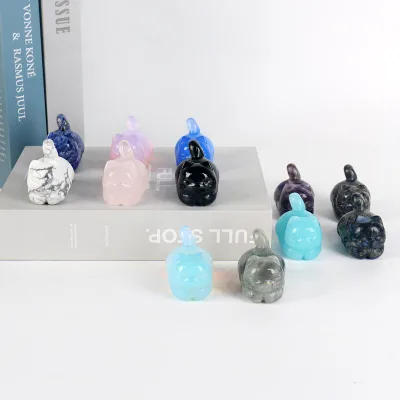
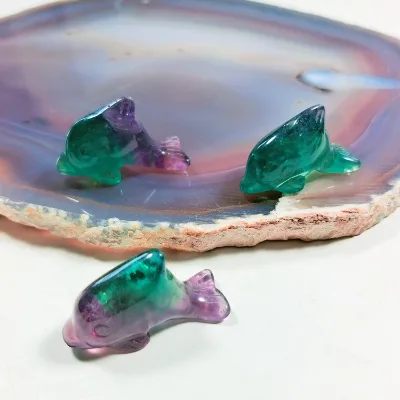
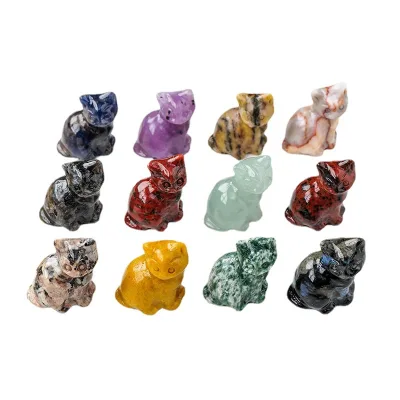
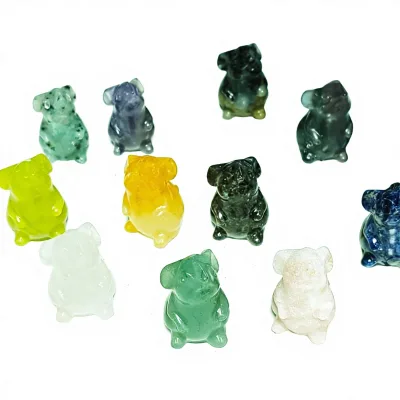
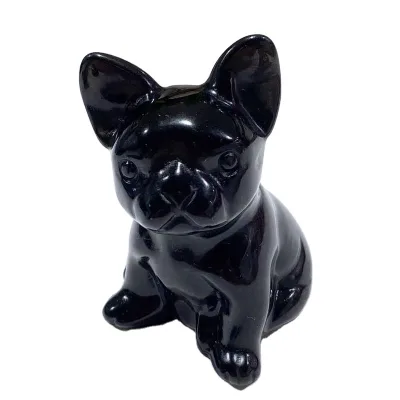
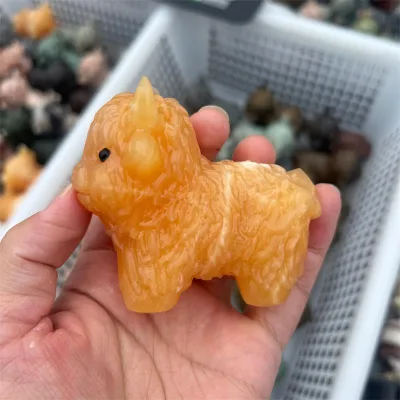
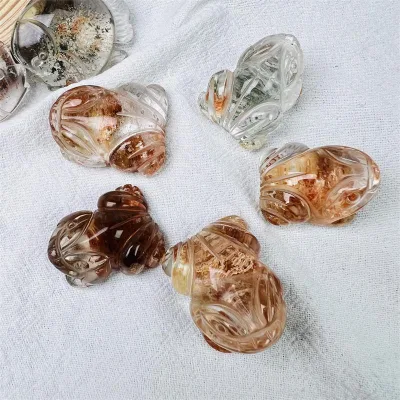
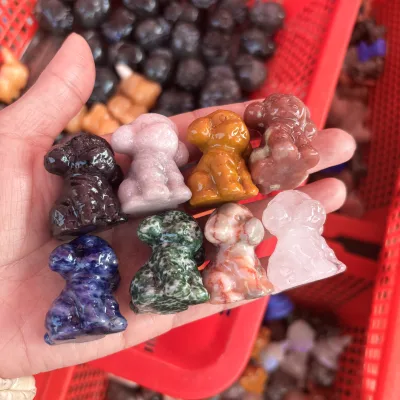
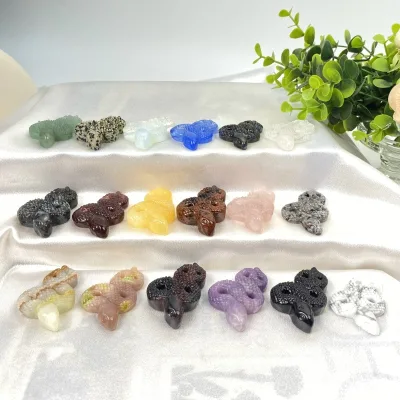
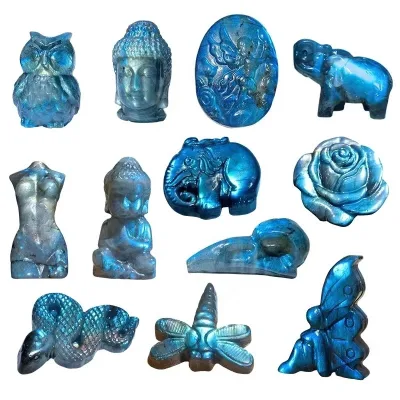
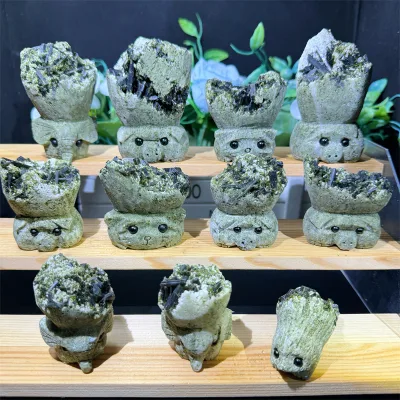
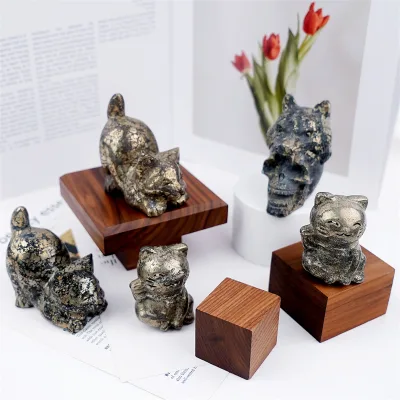
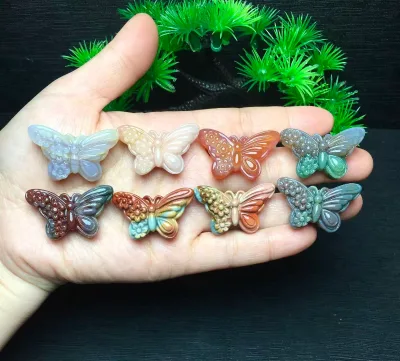
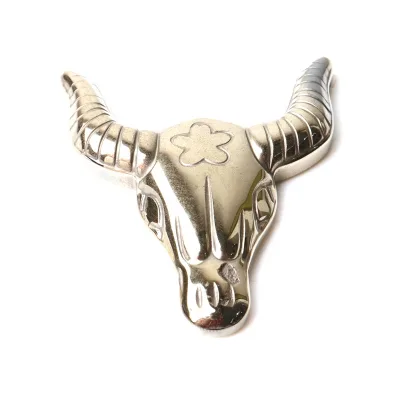
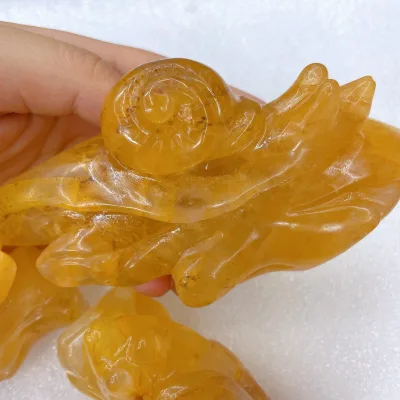
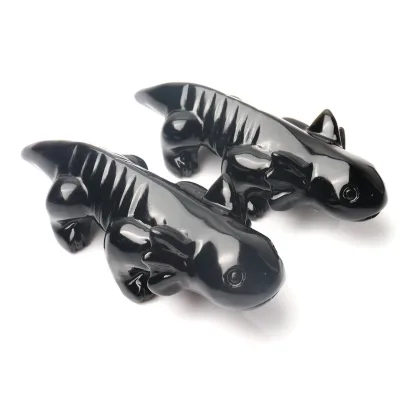
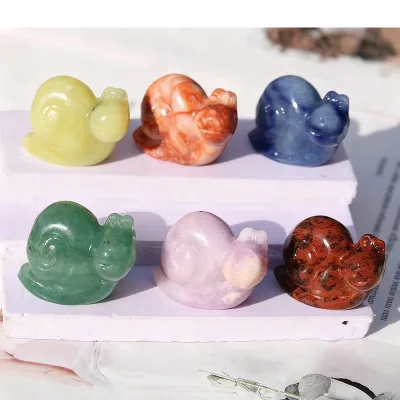
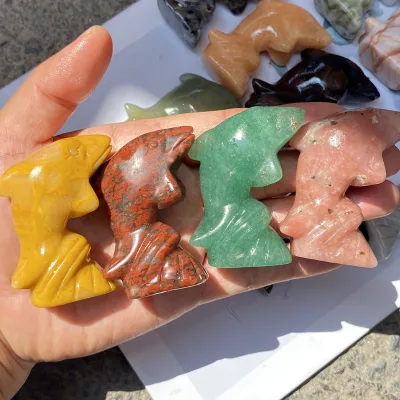
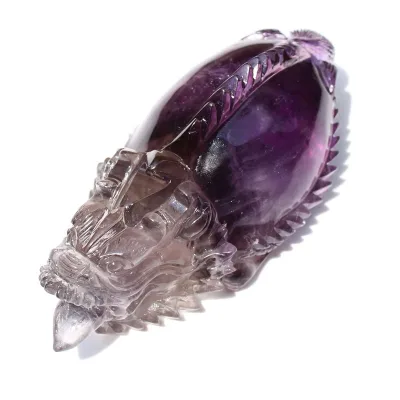
These carvings are primarily made from natural crystals and gemstones, including obsidian, amethyst, quartz, and jade. The shapes often feature animals like cats, dogs, frogs, and cows. Buyers can choose from various colors and sizes depending on the specific material availability and the desired aesthetic for their collection.
Where are these crystal carvings manufactured?
Most crystal animal carvings are manufactured in China, specifically in regions like Guangdong and Jiangsu. These areas are known for their expertise in crystal processing and gemstone carving. Buyers should verify the place of origin on the product listing to understand the supply chain and potential shipping logistics.