Polished Aventurine Jade Charm Suppliers and Manufacturers
Source Polished Aventurine Jade Charm items from 26 verified suppliers. Compare response times, lead times, and MOQs to find the right partner. Review product details and contact suppliers directly to initiate your order; review the available evidence before requesting comparable quotations from suitable candidates.
Updated
Suppliers List

Yiwu Hongzhuo Art&crafts Factory
- Manufacturer, Trading Company
- Zhejiang, China
- Lead time30 days
- Avg. response≤ 6h
Main productsCrystal Crafts,Beauty Tools,Massage Tools,Gemstone Carving,Jewelry & Accessories
Main marketsDomestic Market(100.00%)
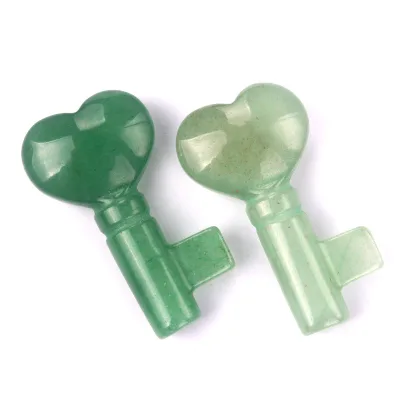
$1.00 - $9.00
MOQ: 100 Minimum
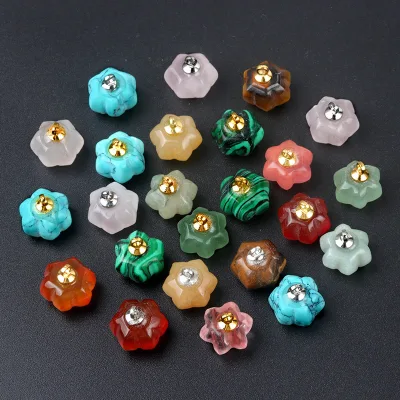
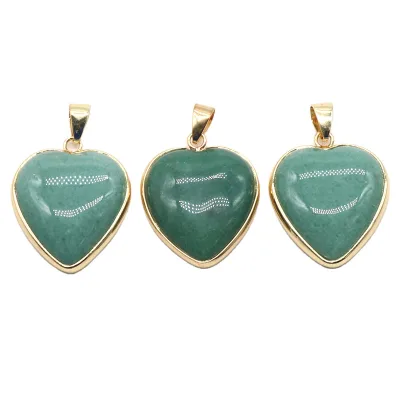
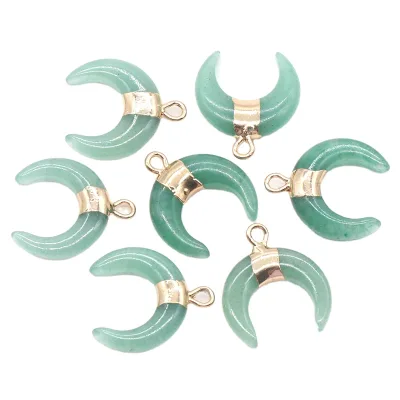
$1.00 - $9.00
MOQ: 100 Minimum
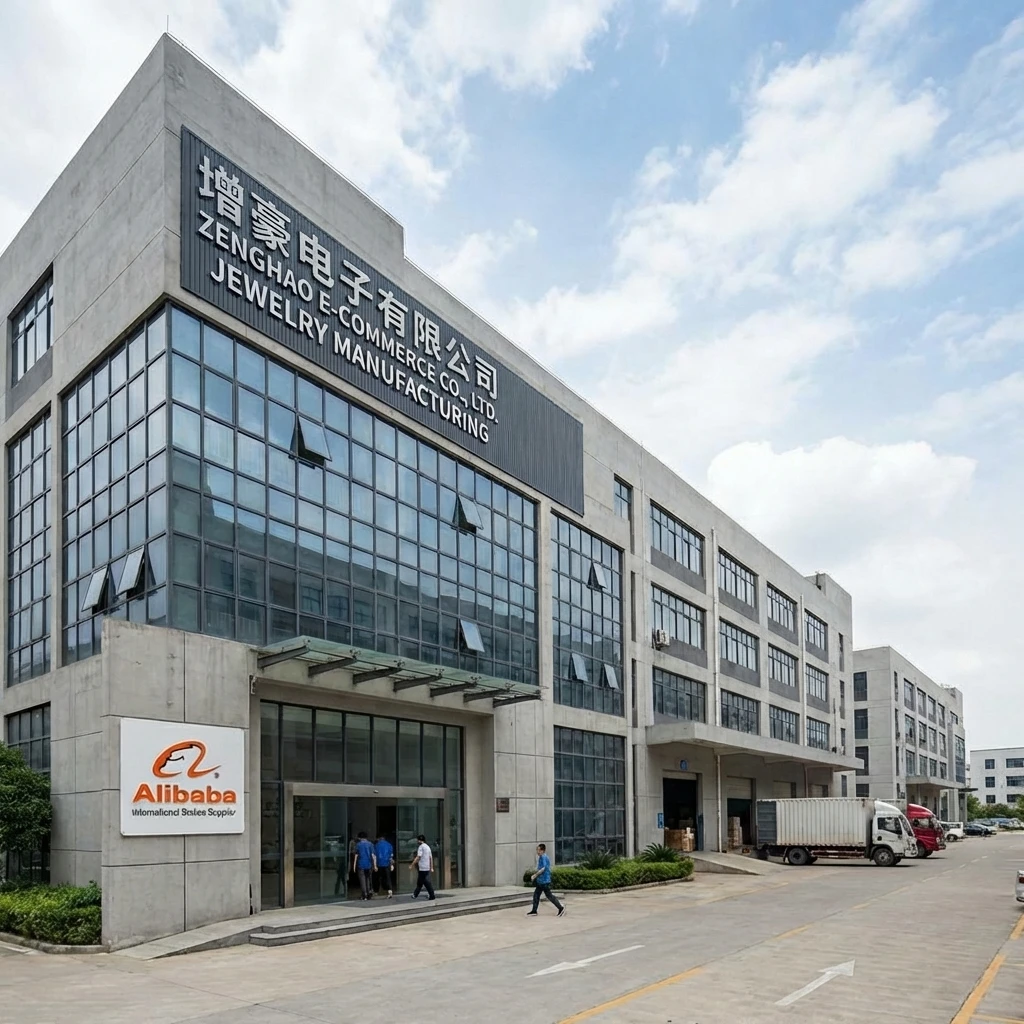
Yiwu Zenghao E Commerce Corporation
- Trading Company
- Zhejiang, China
- Lead time30 days
- Avg. response≤ 5h
Main productsnecklace,earring,bracelet,ring,keychain
Main marketsCentral America(40.00%), Eastern Europe(10.00%), Western Europe(10.00%), North America(5.00%), Domestic Market(5.00%), Mid East(5.00%), Oceania(5.00%), Southern Europe(5.00%), Northern Europe(5.00%), South Asia(3.00%), South America(2.00%), Africa(2.00%), Southeast Asia(2.00%), Eastern Asia(1.00%)

Jinjiang Jiaxing Supply Management Co., Ltd.
- Verified by TUVRHEINLAND
- Trading Company
- China Fujian
- Lead time30 days
- Avg. response≤ 2h
Main productsEVA Clogs, Flip Flop, Shoe Charms, Shopping Bags, Wristbands, Gifts, Promotional Gifts, Slipper, Sport Cap, Ball
Main marketsNorth America

- Manufacturer, Trading Company
- Zhejiang, China
- Lead time15 days
- Avg. response≤ 6h
Main productsCrystal Jewelry,Crystal Bracelet,Gemstone Jewelry,Gemstone Pendant,Crystal necklace
Main marketsSouthern Europe(8.33%), Northern Europe(8.33%), Central America(8.33%), Western Europe(8.33%), Eastern Asia(8.33%), Mid East(8.33%), Oceania(8.33%), Africa(8.33%), Southeast Asia(8.33%), Eastern Europe(8.33%), South America(8.33%), North America(8.33%)

Jingzhou Luhang Electronic Commerce Co., Ltd.
- Trading Company
- Hubei, China
- Lead time7 days
- Avg. response≤ 10h
Main productsSemi-precious stone crafts,Semi-precious stone jewelry,Healing stone,Jade carving,Crystal point
Main marketsNorth America(25.00%), South America(15.00%), Western Europe(10.00%), Eastern Europe(10.00%), Southeast Asia(8.00%), Northern Europe(5.00%), Africa(5.00%), Eastern Asia(5.00%), Southern Europe(5.00%), Oceania(5.00%), South Asia(3.00%), Central America(2.00%), Mid East(2.00%)
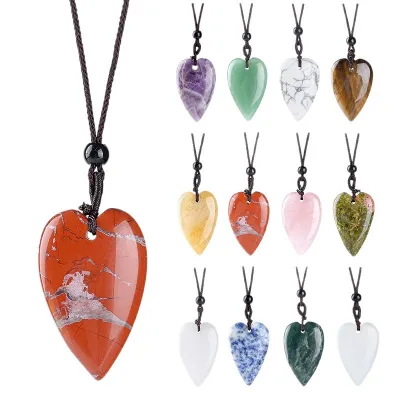
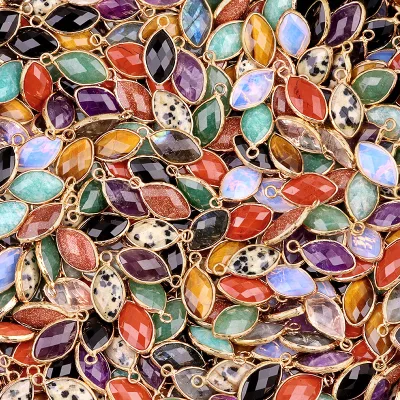
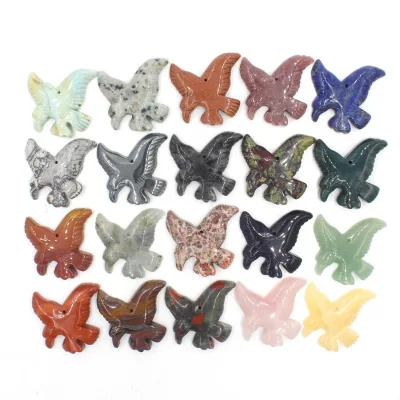
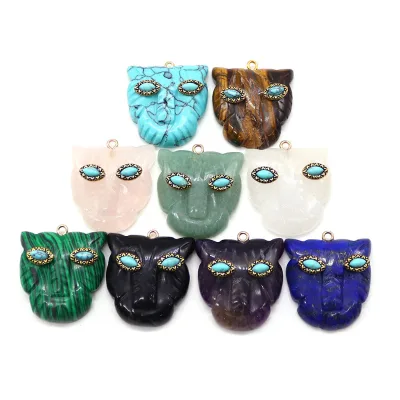
$1.6845 - $2.0002
MOQ: 20 pieces
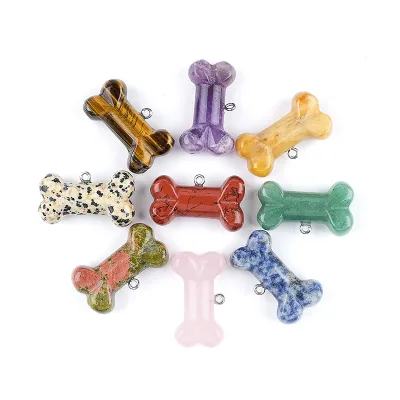
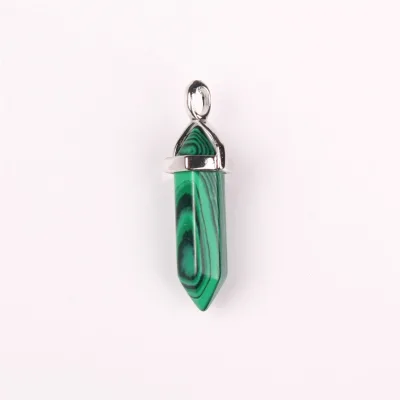

East Sunrise Jewelry Co., Limited
- Verified by SGS
- Manufacturer/Factory
- China Guangdong
- Lead time23 days
- Avg. response≤ 8h
Main productsPendant, Necklace, Bracelet, Ring, Earring, Carving, Ornament, Loose Bead, Jewelry, Semi-Precious Stones
Main marketsSouth America,Eastern Europe,Mid East,North America,Southeast Asia,Eastern Asia,Oceania,Western Europe,Africa
Yiwu Shanmei Arts And Gifts Co., Ltd.
- Manufacturer, Trading Company
- Lead time旺季: "1 - 10":7,"11 - 100":15,"> 100":"To be negotiated", 淡季: "1 - 10":7,"11 - 100":15,"> 100":"To be negotiated"
- Avg. response≤ 8h
Main productsGemstone Jewelry, Metal Jewelry, Jewelry Accessories, Sterling Sliver Jewelry, Gemstone Decorations
Qingdao Dadongsheng Jewelry Co., Ltd.
- Verified by SGS Group
- Manufacturer, Trading Company
- Lead time30 days
- Avg. response≤ 5h
Main productsJewelry
Main marketsNorth America(64%), Western Europe(20%), Southeast Asia(6%)
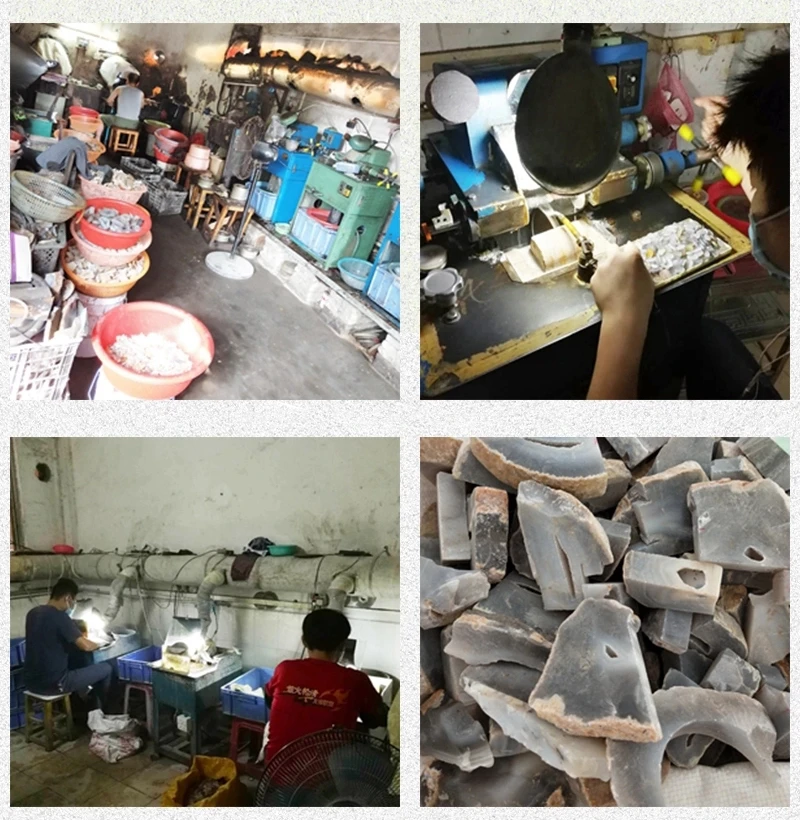
Guangzhou Yasa Jewelry Co., Ltd.
- Manufacturer, Trading Company
- Guangdong, China
- Lead time10 days
- Avg. response≤ 3h
Main productsjewelry,crystal jewelry,natural gemstone,925 silver jewelry,gold plated jewelry
Main marketsNorth America(40.00%), Southeast Asia(10.00%), Eastern Europe(10.00%), South America(10.00%), Eastern Asia(5.00%), Mid East(5.00%), Oceania(5.00%), Western Europe(5.00%), Southern Europe(2.00%), Northern Europe(2.00%), Central America(2.00%), Africa(2.00%), Domestic Market(1.00%), South Asia(1.00%)
Nanning Haosiqi Jewelry Company Ltd.
- Trading Company
- Guangxi, China
- Lead time7 days
- Avg. response≤ 2h
Main productsNatural Semi-precious stones,Natural Stone Pendant,Bracelet,Rings,Necklace
Main marketsNorth America(45.00%), South America(25.00%), Domestic Market(10.00%), Eastern Europe(5.00%), Mid East(5.00%), Oceania(5.00%), Southeast Asia(5.00%)
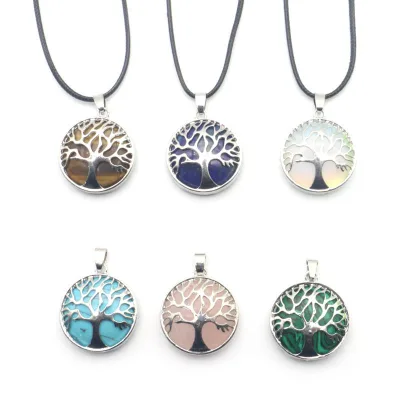
Wholesale Natural Stone Pendant Green Aventurine Gemstone Tree of Life Pendant Necklace Charm
$0.9709 - $1.1744
MOQ: 20 Minimum
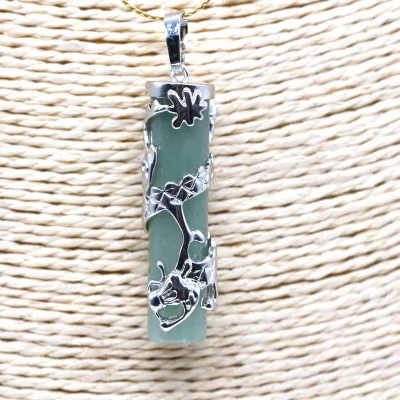
$0.9096 - $3.3271
MOQ: 10 Minimum
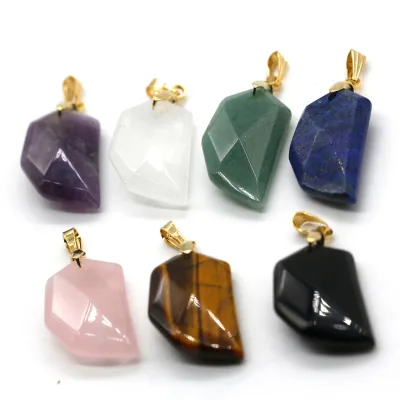
$0.95 - $1.11
MOQ: 20 Minimum

Dongguan weiyizao import and Export Co., Ltd.
- Verified by BV
- Trading Company,Manufacturer/Factory
- China Guangdong
- Lead time45 days
- Avg. response≤ 10h
Main productsUnderwear, Sportwear, Seamless Underwear, Mould Bra, Nursing Bra, Panty, Garment Accessories, Garment Decoration-Jewelry, Bra Strap, Belt
Main marketsSouth America,Eastern Europe,Mid East,North America,Southeast Asia,Eastern Asia,Oceania,Western Europe,Africa

Crown Fashion Designs with Stones Pendant Jewelry Charm for Ladies Bra Bow
$0.29 - $0.49
MOQ: 200 Pieces

Fashion Different Designs with Stones Pendant Jewelry Charm for Ladies Decoration
$0.29 - $0.49
MOQ: 200 Pieces

$0.29 - $0.49
MOQ: 200 Pieces

Yiwu Shanmei Arts And Gifts Co., Ltd.
- Manufacturer, Trading Company
- Lead time旺季: "5 - 200":15,"> 200":"To be negotiated", 淡季: "5 - 200":15,"> 200":"To be negotiated"
- Avg. response≤ 4h
Main productsJewelry
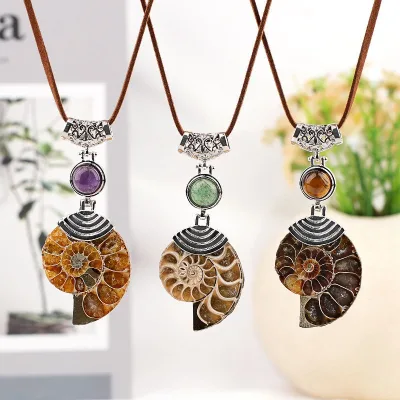
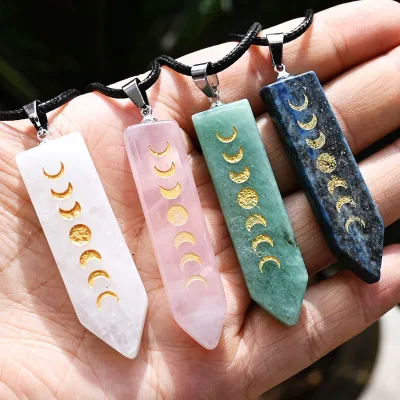
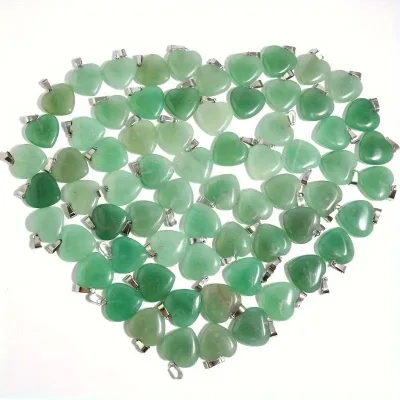
$0.3142 - $0.4189
MOQ: 20 pieces
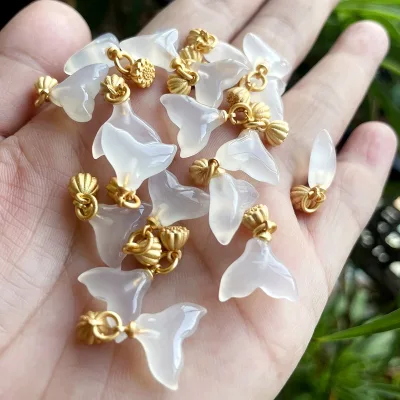
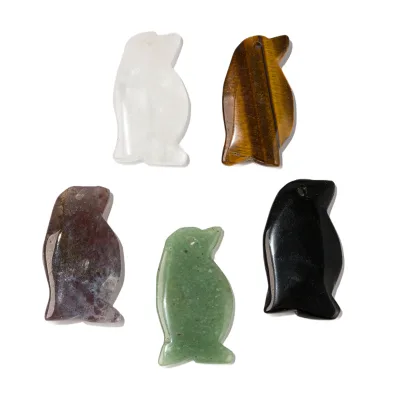
$1.1295 - $1.3359
MOQ: 20 pieces
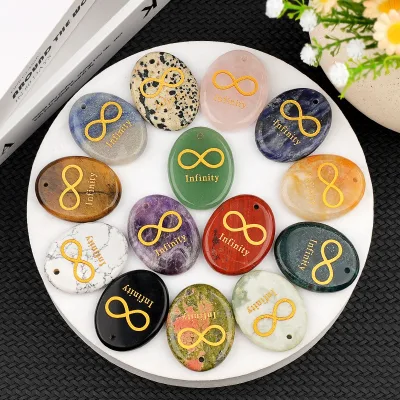
Huizhou Jinshiyuan Stone Crafts Co., Ltd.
- Verified by TüVRheinland
- Manufacturer, Trading Company
- Guangdong, China
- Lead time10 days
- Avg. response≤ 4h
Main productsGemstone Crafts, Gemstone Loose Beads
Main marketsNorth America(59%), Eastern Europe(21%), Domestic Market(9%)

Quanzhou Guqi Plastic Products Co., Ltd.
- Verified by SGS
- Combined
- China Fujian
- Lead time15 days
- Avg. response≤ 1h
Main productsKeychain, Bag Charm, Shoe Charm, Shoe Buckle, Custom Keychain, Key Chain, Bagcharm, Custom Bagcharm, Shoe Buckle Accessories, Shoe Decoration
Main marketsDomestic


Moderate Weight Everyday Companion Functional Portable and Compact Bag Charm
$0.58 - $0.66
MOQ: 10 Pieces


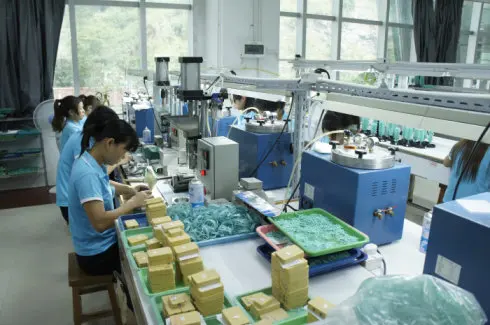
Guangzhou Bangmingwei Jewelry Co., Ltd.
- Trading Company
- Guangdong, China
- Lead time5 days
- Avg. response≤ 3h
Main productsBracelet/ Necklace/ Ring/ Earring/ Jewelry accessories
Main marketsNorth America(50.00%), South America(20.00%), Mid East(15.00%), Eastern Europe(10.00%), Africa(5.00%)

- Combined
- China Guangdong
- Lead time15 days
- Avg. response≤ 3h
Main productsOpal
Main marketsDomestic,Europe,North America


Lovely Blue Fire Moon and Star Synthetic Opal Loose Gems Stone Charms for Jewelry Making
$2.70 - $3.30
MOQ: 20 pcs


Guangzhou IO Jewelry Co., Ltd.
- Combined
- China Guangdong
- Lead time30 days
- Avg. response≤ 6h
Main productsJewelry, Fashion Jewelry, Stainless Steel Jewelry, Custom Jewelry, Stainless Steel Beads, Stainless Steel Charms, Stainless Steel Rings, Stainless Steel Pendants, Beads, Charms
Main marketsSouth America,Domestic,Europe,Australia,North America

Enamel Charms with Lobster Clasp Strewberry Pendant Guangzhou Jewelry Factory
$1.00 - $2.50
MOQ: 100 Pieces


Small Crown Pendant Charm with Lobster Clasp Custom 925 Sterling Silver Jewellery
$1.00 - $3.00
MOQ: 100 Pieces

Huizhou Yammy Jewelry Co., Ltd.
- Trading Company
- Guangdong, China
- Lead time3 days
- Avg. response≤ 5h
Main productsJewelry,Bracelets,Rings,Earring,Necklace
Main marketsCentral America(20.00%), South America(20.00%), North America(20.00%), Southern Europe(10.00%), Eastern Europe(10.00%), Northern Europe(10.00%), Western Europe(10.00%)
Yiwu Dibishi Jewelry Co., Ltd.
- Trading Company
- Zhejiang, China
- Lead time旺季: "5 - 2500":7,"2505 - 10000":15,"> 10000":"To be negotiated", 淡季: "5 - 2500":7,"2505 - 10000":15,"> 10000":"To be negotiated"
- Avg. response≤ 3h
Main productsBeads,Bracelets,Crystal,Gemstone,Loose Beads
Main marketsNorth America(40.00%), Western Europe(20.00%), Northern Europe(10.00%), Eastern Europe(10.00%), Southeast Asia(5.00%), Central America(5.00%), South America(5.00%), Oceania(5.00%)

Dianzi Jewelry Manufacture Co., Ltd
- Verified by CTI
- Manufacturer/Factory
- China Guangdong
- Lead time23 days
- Avg. response≤ 8h
Main products925 Silver Collection, Brass Collection, Moissanite Diamond Collection, Lab Grown Diamond Collection, Zircon Collection, Pearl Collection, Fashion Accessories, Jewellery Sets
Main marketsSouth America,Eastern Europe,Mid East,North America,Southeast Asia,Eastern Asia,Oceania,Western Europe,Africa


925 Sterling Silver Amazing Charms Bracelet Charm Pendant Kids Charms for Bracelet Making Jewelry
$3.50 - $10.70
MOQ: 2 Pieces

Gradient Butterfly Art Charms Butterfly Pendant Decorations Jewelry Accessories
$1.89 - $2.49
MOQ: 30 Pieces

Zhongshan Lucky Art & Crafts Gifts Co., Ltd.
- Verified by BV
- Combined
- China Guangdong
- Lead time15 days
- Avg. response≤ 3h
Main productsCustom Medal, Key Chain, Custom Coin, Custom Lapel Pin, Custom Lanyard, Custom Badge, Custom Patch, Custom Air Fresheners, Custom Silicone Bracelets, Custom Cufflinks
Main marketsEast Asia(Japan/ South Korea),Europe,North America

Custom Enamel Pendants Alloy Charms for Necklace Bracelet Crafts Jewelry Making Charms
$0.20 - $0.80
MOQ: 100 Pieces

Fashion Pendants Different Kinds of Gold Plated Charms Enamel Pendants Charms
$0.20 - $0.80
MOQ: 100 Pieces

Custom Logo Gold Sliver Plated Enamel Charms Animal Charm Colorful Pendant Charms
$0.20 - $0.80
MOQ: 100 Pieces


Pendant Charm DIY Jewelry Making Wholesale Custom Gold Plated Enamel Pendant Charm
$0.20 - $0.80
MOQ: 100 Pieces

Fashion Sliver Plated Enamel Charms for Jewelry Making Bracelet Necklace Pendant
$0.20 - $0.80
MOQ: 100 Pieces

Dongguan Jing Hong Metal Zipper Co., Ltd.
- Verified by TUVRHEINLAND
- Combined
- China Guangdong
- Lead time15 days
- Avg. response≤ 20h
Main productsMetal Plate, Label, Snap Hook, Keychain, Buckle, Bottle Opener, Dog Tag, Bag Hanger, Jewelry, Zipper Puller
Main marketsDomestic

Decorative Charms Metal Custom Bag Accessories Bracelet Charms Necklace Pendant
$0.25
MOQ: 2000 Pieces

Huizhou FubaoYing jewelry Co., LTD.
- Manufacturer, Trading Company
- Guangdong, China
- Lead time0 days
- Avg. response≤ 3h
Main productsStone Pendant,Bracelets,Stone Beads,Cabochon Stone,Stone Crafts
Main marketsNorth America(50.00%), Western Europe(15.00%), Oceania(10.00%), Southeast Asia(10.00%), Northern Europe(5.00%), South America(5.00%), Mid East(5.00%)

Hongkong Season Jewelry Co., Limited
- Manufacturer/Factory
- China Guangdong
- Lead time23 days
- Avg. response≤ 10h
Main productsCostume Jewelry, Fashion Jewelry, 925 Silver Jewelry, Stainless Steel Jewelry, Brass Jewelry, Gold Jewelry, Silver Ring and Earrings, Silver Pendant Necklace, Brass Bangle and Bracelet, Brass Brooch and Cuff Button
Main marketsSouth America,Eastern Europe,Mid East,North America,Southeast Asia,Eastern Asia,Oceania,Western Europe,Africa

Fashion Costume Jewelry 925 Sterling Silver Antique Charm Jewellery (SC8097)
$4.99 - $6.99
MOQ: 30 Pieces

Fashion 925 Sterling Silver Antique Charm Jewellery Costume Jewelry (SC8092)
$4.99 - $6.99
MOQ: 30 Pieces

925 Sterling Silver Antique Charm Jewellery Fashion Costume Jewelry (SC8102)
$4.99 - $6.99
MOQ: 30 Pieces

925 Sterling Silver Antique Charm Jewellery Fashion Costume Jewelry (SC8106)
$4.99 - $6.99
MOQ: 30 Pieces
Donghai Shanhuiju Trading Co., Ltd.
- Verified by Intertek
- Manufacturer, Trading Company
- Jingsu, China
- Lead time15 days
- Avg. response≤ 1h
Main productsCrystal Points, Crystal Hearts, Crystal Spheres, Crystal Skulls, Crystal Carving
Main marketsNorth America(80%), Western Europe(11%), Oceania(8%)
Guangzhou Tengyue Jewelry Co., Ltd.
- Manufacturer, Trading Company
- Lead time旺季: "1 - 500":14,"> 500":"To be negotiated", 淡季: "1 - 500":14,"> 500":"To be negotiated"
- Avg. response≤ 4h
Main productsPendant/Earring/Bracelet/Bead/Charms
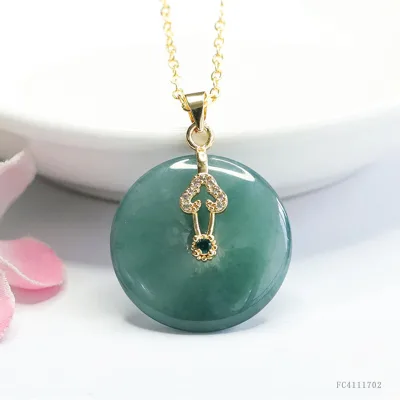
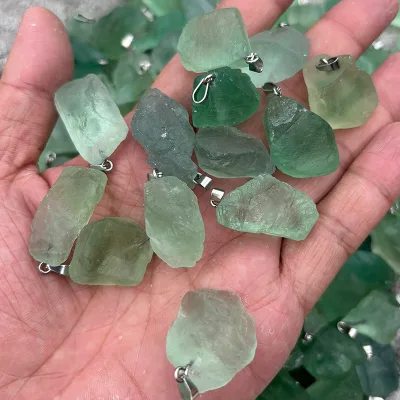


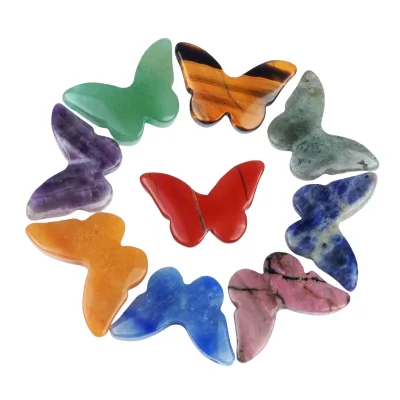


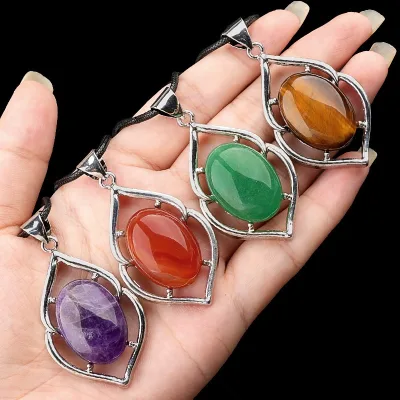
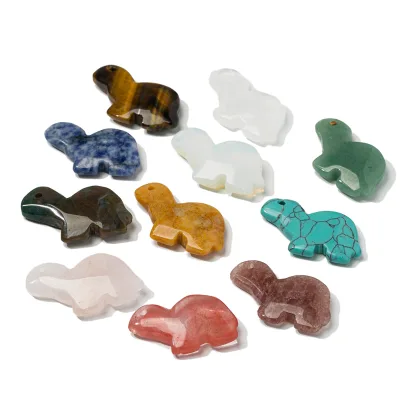
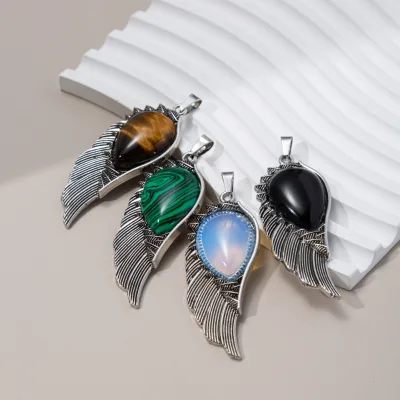
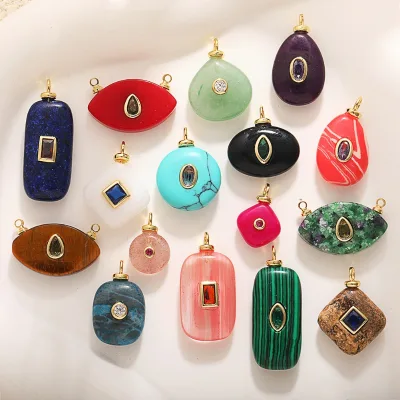
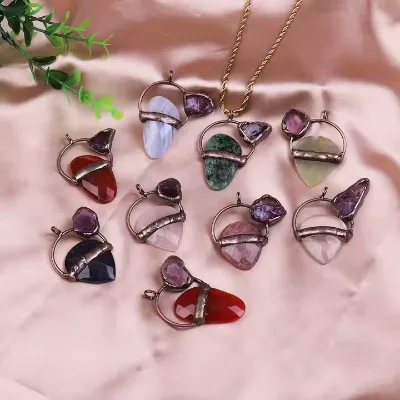
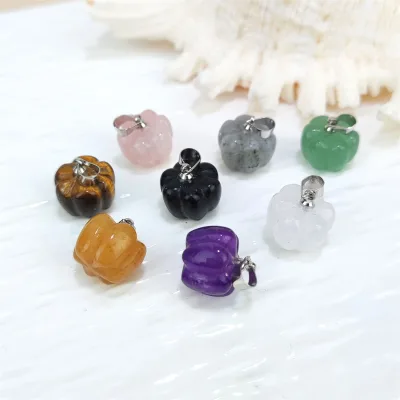
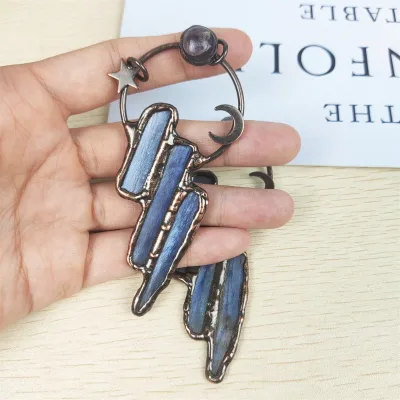
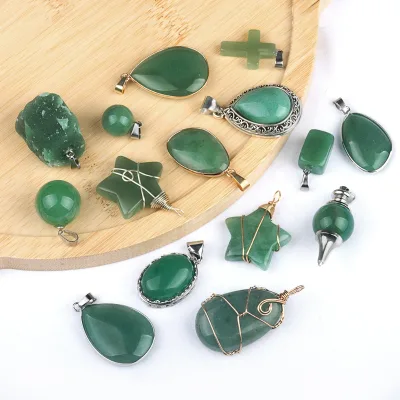
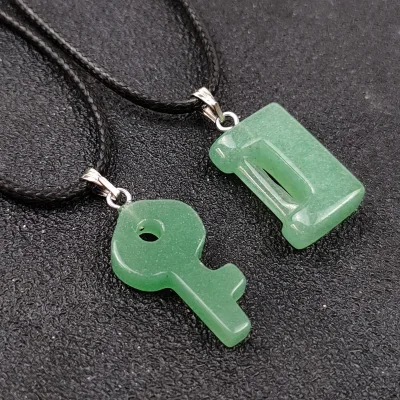
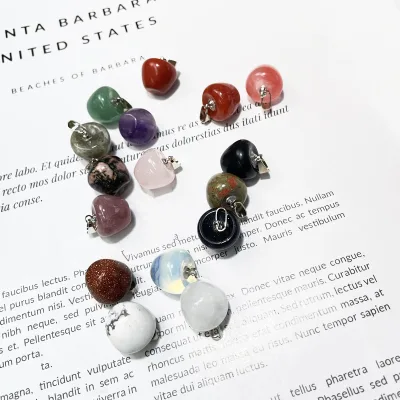
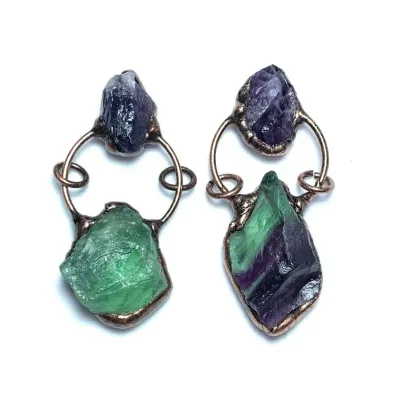
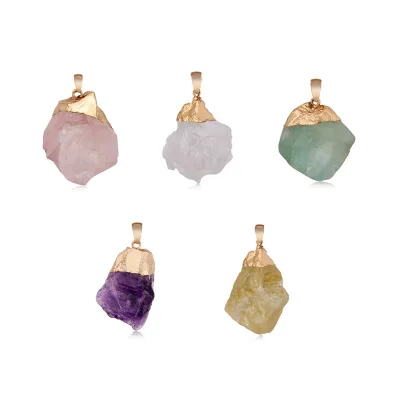
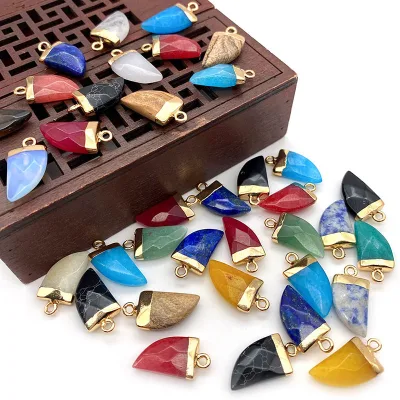
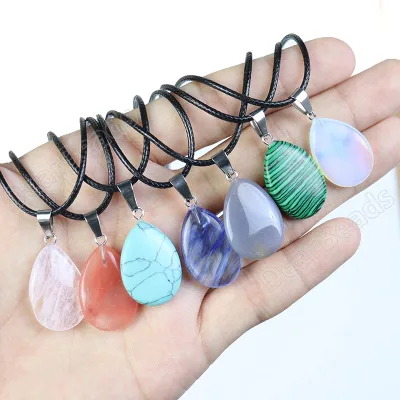
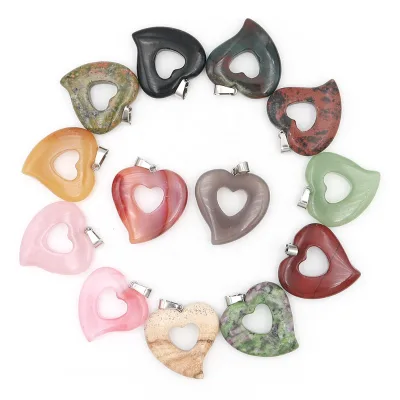
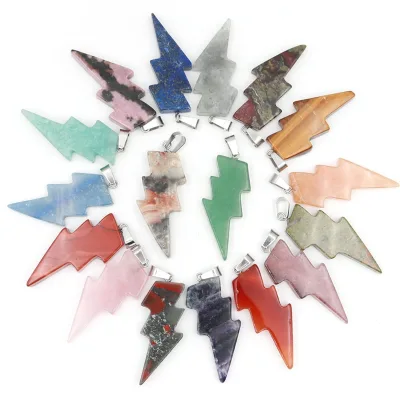
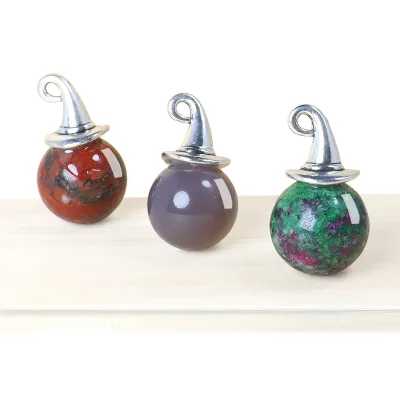
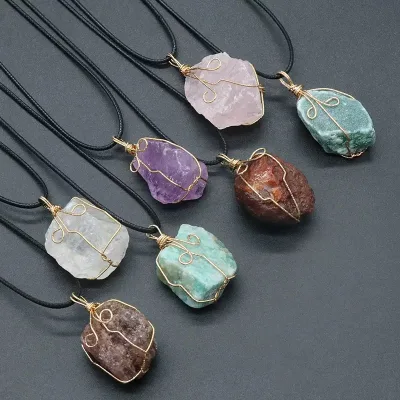
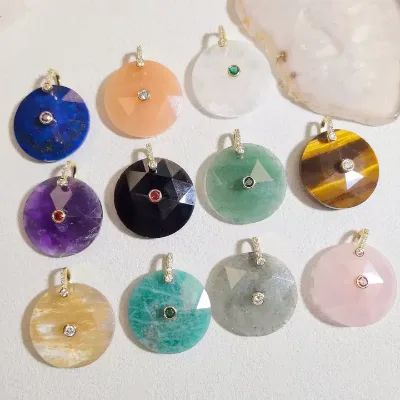
Comprehensive Sourcing Guide
Polished Aventurine Jade Charm Supplier Concentration and Factory Types
Buyers searching this category will encounter suppliers whose listings trace back to two Chinese provinces. Several product records place the origin of carved green aventurine items in Guangdong, while other supplier profiles and product attributes list Zhejiang as the company location and origin. A third profile points to Fujian and focuses on promotional gifts and accessories rather than gemstone carving itself. This spread matters because a Polished Aventurine Jade Charm can come from a specialist carving workshop, a crystal craft producer, or a general accessories trader that sources from either province. Treat the province shown on a product attribute as the production origin, and the supplier's registered location as the operating base, since the two frequently differ.
The supplier types split into manufacturers and trading companies. One profile combines both roles, listing crystal crafts, beauty tools, massage tools, gemstone carving, and jewelry alongside its manufacturing identity. Another is purely a trading company whose main products are necklaces, earrings, bracelets, rings, and keychains, with the aventurine pendant appearing as one jewelry line among many. A third trading company sells shoe charms, slippers, and promotional items, suggesting limited category depth for stone work. Judge fit accordingly: a dedicated gemstone carver usually offers more shape and finish control, while a generalist trader may offer wider SKU variety but weaker technical knowledge about stone quality, polishing consistency, and natural color variation.
How to Verify Polished Aventurine Jade Charm Suppliers
Verification should begin with the attributes suppliers actually display, then extend to what you must request. One profile carries third-party verification from TUVRheinland, which is a meaningful signal but confirms company identity rather than stone quality. Location fields, company type, and main product lists are self-declared or platform-confirmed data points; cross-check that a supplier claiming gemstone carving expertise actually lists gemstone or crystal products among its main categories. Where a product record names a specific origin, such as Guangdong or Zhejiang, ask the supplier to confirm whether production happens at that site or at a partner workshop, because carved stone work is often outsourced within a cluster.
Beyond the displayed data, request evidence specific to this material. Ask for close-up photographs of several units from different production batches so you can judge natural color banding and polish uniformity, since aventurine varies widely in tone. Request the carving and polishing workflow in writing, including whether stones are tumbled, hand-polished, or machine-finished. If a listing includes a verification badge, ask what scope it covers. For natural stone categories, also confirm whether the supplier can supply material certificates or at least a written material declaration, because quartz-based stones like aventurine are sometimes substituted or dyed. Finally, weigh communication behavior itself: response times in this dataset range from roughly one hour to six hours, and slow pre-sale replies usually predict slow problem-solving after payment.
What to Compare Across Polished Aventurine Jade Charm Suppliers
Build a comparison table using the dimensions that appear on supplier profiles. Lead time is displayed for at least one supplier at thirty days, which gives you a realistic baseline for carved stone production, though a product-level attribute on another listing cites two to four weeks. Response time is a second hard comparator, with observed values of about one hour, five hours, and six hours; for a natural stone category where batch photos and clarifications matter, faster responders reduce total sourcing time. Main product lines reveal specialization: a supplier listing gemstone carving and crystal crafts as core categories is structurally different from one whose core is footwear charms or slippers.
Then compare commercial attributes on the product level. Minimum order quantities in the observed data run to one hundred pieces for a carved charm item, with unit prices spanning roughly one to nine dollars depending on size and complexity, so normalize quotes to the same MOQ and same carving detail before ranking suppliers. Company type separates manufacturers from trading companies, which affects who answers technical questions. Check whether OEM and ODM service is explicitly offered, as at least one listing states this, and note accepted payment methods, which in the observed records include PayPal, Western Union, wire transfer, and Trade Assurance. Location and displayed certifications complete the table. Remember that not every supplier displays every field; absence of a value is a question to ask, not a fault to assume.
Common Polished Aventurine Jade Charm Sourcing Risks
The largest risk in this category is material substitution or quality drift. Aventurine is an affordable quartz-family stone, which makes it a target for dyed glass, resin, or lower-grade stone sold under the same name. Product records show listings labeled as green aventurine jade with raw crystal material types and hand carving, but a listing label is not a laboratory result. Because color and translucency vary naturally between quarry batches, a sample you approve may not match a bulk run. Mitigate this by approving a golden sample, photographing it under agreed lighting, and writing an acceptable color and inclusion range into the purchase order.
Operational risks cluster around the mismatch between supplier identity and product category. A trading company that primarily sells slippers, shoe charms, or shopping bags will depend on third-party carving workshops, adding a layer between you and the actual producer; that can work, but it slows defect investigation. Watch for attribute inconsistencies in listings, such as one record listing Zhejiang as the supplier location while product attributes cite Guangdong origin; ask which is true before planning audits. Small single-item gross weights, as low as tens of grams in the observed data, make these charms vulnerable to chipping in transit if packaging is not specified. Finally, because much of the observed production targets gift and European regional markets, confirm any destination-specific requirements yourself rather than assuming the supplier's default specification fits your market.
Polished Aventurine Jade Charm Regional Sourcing and Logistics
The supplied facts place relevant activity in Zhejiang, with product-level origins also recorded in Guangdong and a Fujian-based trading profile, plus a Yiwu origin on one agate pendant listing. Yiwu's presence is notable because it is a well-known small-commodities hub within Zhejiang, which explains why a mixed-material pendant appears there alongside jewelry traders. For logistics planning, what matters is not the province label but the shipping reality: carved stone charms are small, dense, and individually light, so freight cost per unit is low, but breakage risk is concentrated. Specify inner packaging with individual compartments or foam, and require the supplier to confirm gross and net weights in writing, since one observed record lists a hundred-gram gross weight for a single charm while another lists ten grams.
International buyers should also account for the split between supplier location and production origin. A supplier registered in one province may ship from a workshop in another, which affects which port goods leave from and how quickly you can audit. Ask for the actual dispatch point and the standard export carton configuration before quoting freight. For time planning, use the displayed thirty-day lead time as a working assumption for carved production and confirm whether it applies to your specific shape and finish, because simpler polished shapes may run faster while engraved or UV-printed variants, which also appear in this category, may need longer schedules.
Polished Aventurine Jade Charm Commercial Terms and Order Planning
Commercial terms in this category are workable for small and mid-sized buyers. The observed minimum order of one hundred pieces and the one-to-nine-dollar unit price band mean you can validate a design without heavy capital exposure. Payment flexibility is documented: observed listings accept PayPal, Western Union, telegraphic transfer, and Trade Assurance. For first orders with an unproven supplier, prefer the escrow-style Trade Assurance route, since it ties fund release to shipment milestones. One profile also shows OEM and ODM acceptance and customized logo service, so treat customization as a standard negotiation point rather than a special request, and price it separately from the base charm.
Order planning should respect natural stone realities. Write a tolerance for color variation into the contract, and define what happens when a batch falls outside it, including rework, replacement, or refund terms. Sequence a pre-production sample, then a golden sample, then bulk, with photos at each stage; with a thirty-day lead time, expect roughly a month between confirmed specifications and shipment, so build your retail calendar backward from that. For repeat orders, confirm whether the supplier will hold your carving mold or reference sample, since handmade stone charm batches vary and continuity depends on a fixed physical standard. Finally, compare payment terms across suppliers alongside price, because a supplier offering escrow-backed terms at a slightly higher unit price often carries lower total risk than one demanding full wire transfer upfront.
FAQs
What is the typical lead time for polished aventurine jade charms?
The standard production time for these items is approximately 30 days. Some suppliers indicate a window of about two to four weeks for manufacturing. Buyers should confirm specific delivery schedules with the supplier before placing orders to ensure timely arrival for their projects.
What is the minimum order quantity for these crystal crafts?
The minimum order quantity is typically set at 100 units. This threshold applies to various styles including key charms and pendants. Buyers seeking smaller quantities may need to negotiate directly with the manufacturer or trading company to see if exceptions are possible for initial trials.
Are these aventurine jade products considered eco-friendly?
Yes, the product attributes explicitly list the environment as eco-friendly. These natural stone crafts are designed with sustainability in mind. Buyers looking for green sourcing options can rely on this classification when evaluating suppliers for environmentally conscious gift and craft projects.
What payment methods are accepted for these gemstone charms?
Suppliers accept several secure payment methods including PayPal, Western Union, TT, and Trade Assurance. Using Trade Assurance provides additional protection for your transaction. Buyers should verify the specific payment terms with the supplier to ensure the method aligns with their financial preferences.
Can I get a customized logo on these jade charms?
Yes, customized logos are acceptable for these products. The service supports OEM and ODM requirements for branding. Buyers can request specific logo placements or designs to match their brand identity. This customization option is available for various crystal craft items including pendants and keychains.
Where are these polished aventurine jade charms manufactured?
The products originate from manufacturing hubs in Zhejiang and Guangdong, China. Some specific items list Yiwu as the place of origin. Buyers should check the detailed product specifications to confirm the exact location, as this can impact shipping logistics and supplier verification.
What is the price range for these crystal gemstone charms?
The price range for these items is between 1.00 and 9.00 USD per unit. Specific styles like heart-shaped pendants may have different pricing tiers. Buyers should request a detailed quotation based on their quantity and customization needs to get an accurate final cost estimate.