Camphor Powder Suppliers and Manufacturers
Source 21 verified Camphor Powder suppliers from China. Compare lead times, MOQs, certifications like ISO 9001 and BSCI, and prices. Request samples to verify quality and specifications for your specific needs; review the available evidence before requesting comparable quotations from suitable candidates.
Updated
Suppliers List

- Verified by SGS
- Manufacturer/Factory
- China Liaoning
- Lead time30 days
- Avg. response≤ 6h
Main productsCosmetic Ingredients, Cosmetic Preservatives, Biocides, Molecular Sieve, Color Developer, Glyoxylic Acid, PARA Nitrobenzoic Acid, Benzoic Acid, 6-Methyluracil, Methyl Salicylate
Main marketsSouth America,Eastern Europe,Mid East,North America,Southeast Asia,Eastern Asia,Oceania,Western Europe,Africa


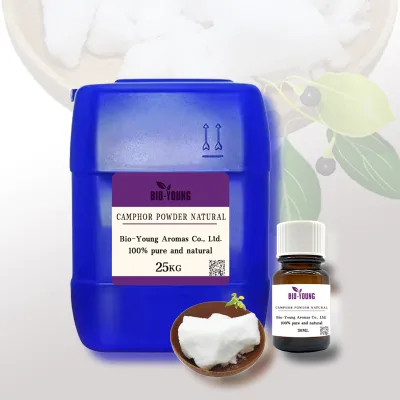
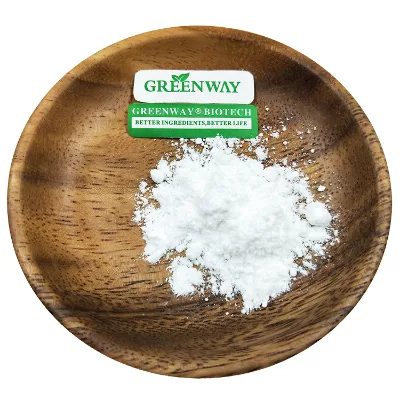
Natural Camphor Powder CAS No. 76-22-2 Raw Material Camphor Powder Synthetic
$10.00 - $25.00
MOQ: 1 kg


Camphor - High Purity Natural/Synthetic for Pharmaceuticals, Cosmetics & Industrial Use
$8.00 - $20.00
MOQ: 25 kg

Jiangxi Planty Manor Health Industry Co., Ltd.
- Verified by SGS Group
- Manufacturer, Trading Company
- Lead time10 days
- Avg. response≤ 3h
Main productsCarrier Oil, Flavors and Fragrances Oil, Cosmetic Oil, Daily Chemical Use Oil, Eucalyptus Oil
Main marketsSoutheast Asia(30%), Eastern Europe(15%), North America(10%)
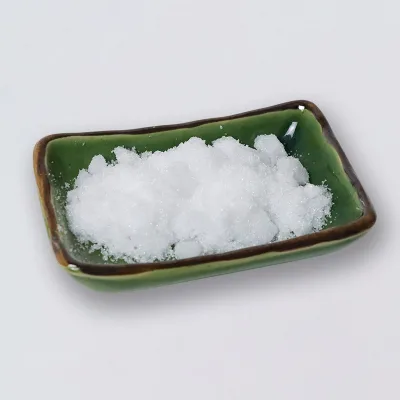
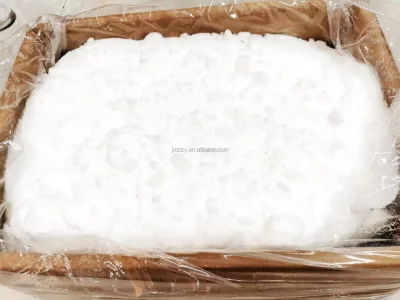
Factory Natural Camphor Powder Bulk 25 kg Bag Synthetic Camphor Crystal
$4.9263 - $8.2086
MOQ: 1 kilograms
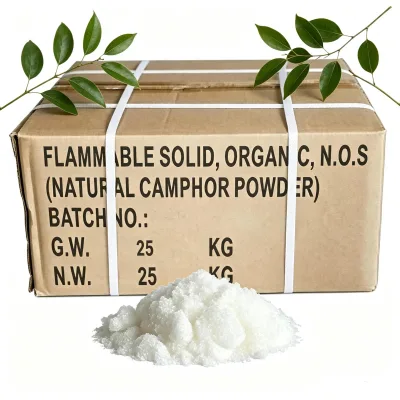
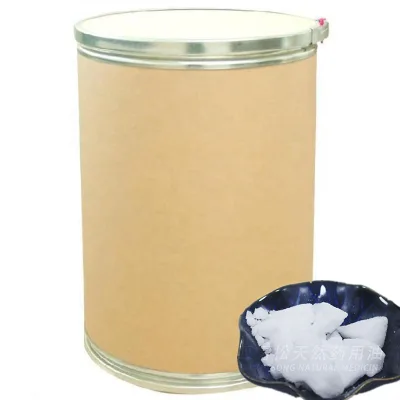
$4.9263 - $8.2086
MOQ: 1 kilograms
Jiangxi Wanlu Natural Fragrance Co., Ltd.
- Verified by Intertek
- Manufacturer, Trading Company
- Lead time0 days
- Avg. response≤ 1h
Main productsPlant Essential Oil , Plant Hydrosol , Vegetable Base Oil, Plant Extract, Flavours And Fragrances
Main marketsMid East(27%), North America(20%), Africa(12%)
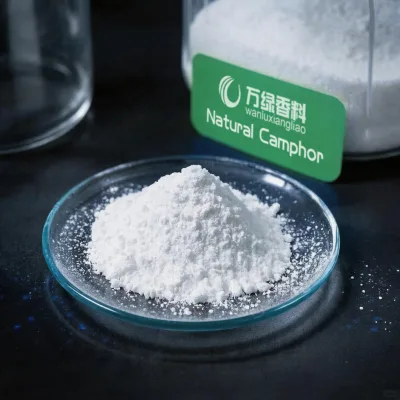
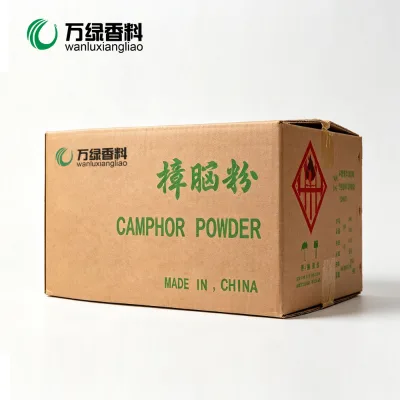
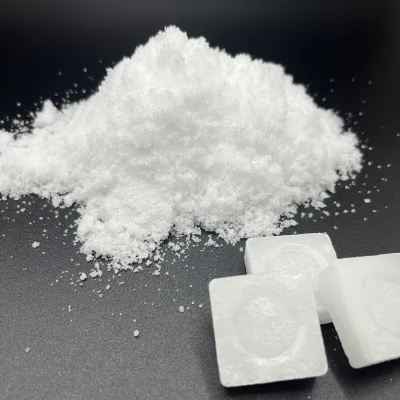
Wholesale Camphor Powder Bulk Supply
$6.00 - $9.00
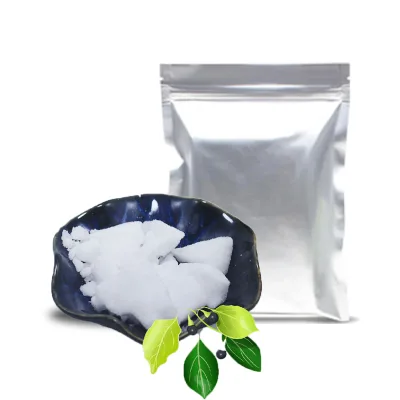
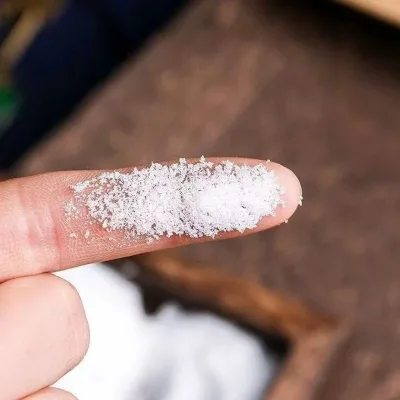
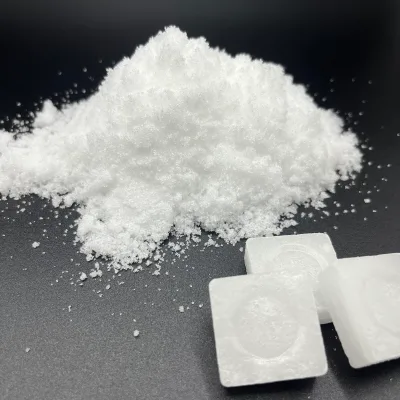

Shandong Boyu Chemical Co., Ltd.
- Verified by BV
- Trading Company
- China Shandong
- Lead time15 days
- Avg. response≤ 7h
Main productsOrganic Intermediates, Daily Chemicals, Food Additives, Chemical Catalyst, Basic Organic Chemicals, Dyes & Pigments, Inorganic Chemicals
Main marketsSoutheast Asia/ Mideast,Europe,Australia,North America
Jinan Yudong Trading Co., Ltd.
- Verified by SGS Group
- Manufacturer, Trading Company
- Lead time7 days
- Avg. response≤ 6h
Main productsOrganic Intermediate, Lithium Battery Electrolyte Additives, Cosmetic Product Intermediates and Functional Monomer
Main marketsSoutheast Asia(30%), Eastern Asia(30%), North America(10%)

Shandong Zhi Shang Chemical Co., Ltd.
- Verified by CTI
- Trading Company
- China Shandong
- Lead time15 days
- Avg. response≤ 3h
Main productsOrganic Intermediate, Daily Chemicals, Flavours and Fragrances, Food Additives, Pigment, Pharmaceutical Intermediates, Plant Extract, Catalyst
Main marketsSouth America,East Asia(Japan/ South Korea),Domestic,Europe

- Verified by BV
- Trading Company
- China Liaoning
- Lead time30 days
- Avg. response≤ 3h
Main productsCitric Acid, Xanthan Gum, Vitamin C Ascorbic Acid, Aspartame, Phosphoric Acid, Sodium Benzoate, Msg/Monosodium Glutamate, TCCA, Ringtab Bottle Cap, Beverage Production Line
Main marketsAfrica,Southeast Asia/ Mideast

- Verified by BV
- Trading Company
- China Shaanxi
- Lead time15 days
- Avg. response≤ 4h
Main productsTianeptine Sodium, Tianeptine Sulfate, Tianeptine Free Acid, Melanotan 2, Mt2 Raw Powder, Mt2 Nasal Spray, Peptide Products, Shilajit Resin, Phenibut, API
Main marketsNorth America
Jiangxi Hairui Natural Plant Co., Ltd.
- Verified by SGS Group
- Manufacturer, Trading Company
- Lead time7 days
- Avg. response≤ 2h
Main productsNatural Plant Oil, Medicinal Spice Oil, Hair Essential Oil, Other Beauty & Personal Care Products, Carrier Oil
Main marketsNorth America(15%), Eastern Europe(11%), Oceania(11%)

Zhangjiagang Free Trade Zone Megawide Chemical Technology Co., Ltd.
- Trading Company,Manufacturer/Factory
- China Jiangsu
- Lead time15 days
- Avg. response≤ 4h
Main productsHydrogenated Rosin, Polymerized Rosin, Phenolic Resin, Terpene Resin, Terpene Phenolic Resin, Methyl Hydrogenated Rosinate, Dipentene, Terpineol, Iboma, Tmptma
Main marketsSouth America,Eastern Europe,Mid East,North America,Southeast Asia,Eastern Asia,Oceania,Western Europe,Africa
Jiangxi Forestry Cleaning Products Co., Ltd.
- Verified by SGS Group
- Manufacturer, Trading Company
- Lead time0 days
- Avg. response≤ 1h
Main productsCamphor Tablets, Camphor Balls, Moth Balls, Deodorant
Main marketsEastern Asia(30%), Domestic Market(30%), Africa(20%)
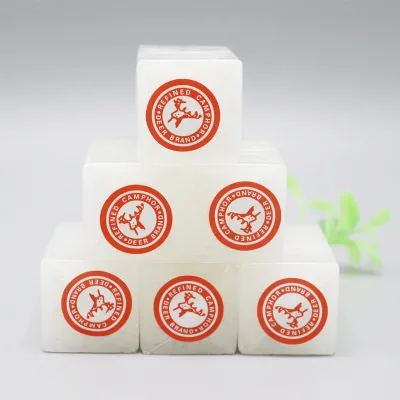
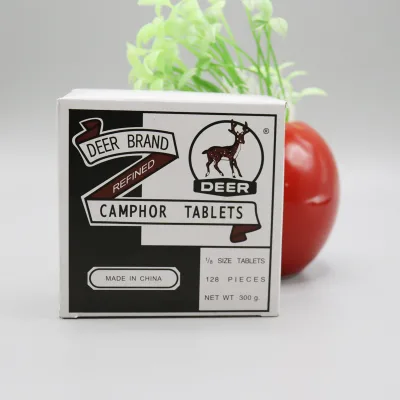
Karpoor Pure & White Deer Brand Religious Use Boxed Refined square Camphor Tablets Camphor Balls
$3.4842 - $3.6891
MOQ: 500 boxes
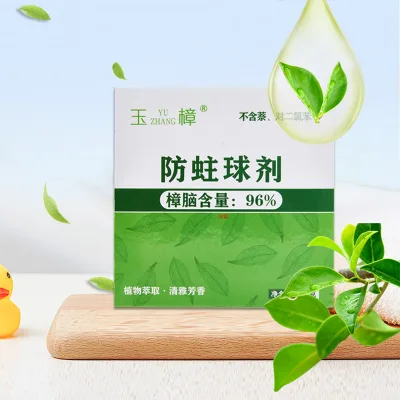
Camphor Square For Balm 96% Pure 1/8 OZ Ritual Camphor Tablet In Puja
$2.5761 - $3.0922
MOQ: 500 boxes
$3.2777 - $3.5844
MOQ: 200 boxes
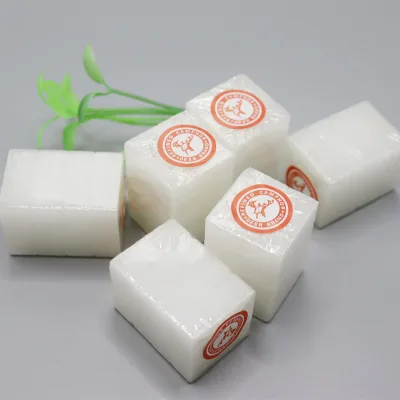
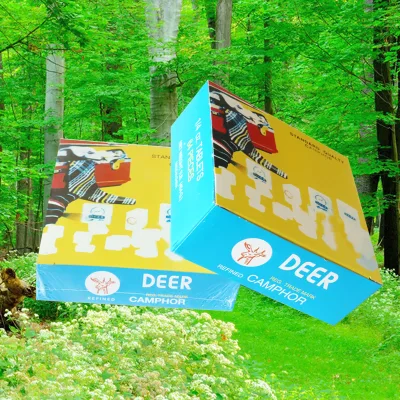
Customized Factory Direct Sales 96% Pure Natural Camphor For Pooja Camphor Tablets
$0.5131
MOQ: 800 Minimum

Jinan Qinmu Fine Chemical Co., Ltd.
- Verified by SGS
- Trading Company
- China Shandong
- Lead time15 days
- Avg. response≤ 6h
Main productsDye Intermediate, Organic Synthetic Intermediate, Pharm Intermediate, Daily Chemicals, UV Absorber, Auxiliary Agent, Photoinitiator, Organic Intermediate
Main marketsSouth America,Africa,Southeast Asia/ Mideast,East Asia(Japan/ South Korea),Europe,North America

Ningbo Surest Chemical Co., Ltd.
- Verified by BV
- Trading Company
- China Zhejiang
- Lead time15 days
- Avg. response≤ 24h
Main productsFunctional Ingredients, Feed Additives, Health Products Ingredients, Organic Solvents, Food Additives, Chemical Reagents, Inorganic Substance, Dyestuffs and Pigments, Flavors and Fragrances, Fine Chemicals
Main marketsSouth America,Eastern Europe,Mid East,North America,Southeast Asia,Western Europe,Africa

Shaanxi Lymall Bpanda Tech Co., Ltd.
- Verified by BV
- Trading Company
- China Shaanxi
- Lead time15 days
- Avg. response≤ 3h
Main productsTianeptine Sodium, Phenibut, ATX-304, Slu PP-332, Tak 653, Slu PP-915, Sana
Main marketsSoutheast Asia/ Mideast,East Asia(Japan/ South Korea),Europe,Australia,North America

Shenzhen Greentai Environmental Technology Co., Ltd.
- Verified by SGS
- Trading Company
- China Guangdong
- Lead time15 days
- Avg. response≤ 1h
Main marketsAfrica
- Verified by SGS Group
- Trading Company
- Lead time0 days
- Avg. response≤ 11h
Main productsEssential Oil, Natural Isolates, Aroma Chemical, Food Additive and Natural Chemical
Main marketsCentral America(45%), Northern Europe(20%), North America(10%)

Dalian Sinobio Chemistry Co., Ltd.
- Manufacturer/Factory
- China Liaoning
- Lead time15 days
- Avg. response≤ 2h
Main productsATMP, NMP, Glutaraldehyde, Trixylyl Phosphate CAS 25155-23-1 Txp, Bronopol, Cmit/Mit 14%, Dbnpa, Zinc Pyrithione, Ipbc
Main marketsSouth America,Eastern Europe,Mid East,North America,Southeast Asia,Eastern Asia,Oceania,Western Europe,Africa


Synethetic Biocide Camphor CAS 76-22-2 White Powder 98% for Mosquito Repellent
$30.00 - $35.00
MOQ: 1 kg


Mikem (Shandong) Biopharmaceutical Science and Technology Co., Ltd.
- Verified by SGS
- Manufacturer
- China Shandong
- Lead time15 days
- Avg. response≤ 12h
Main productsPharmaceutical API, Additives and Catalysts, Organic Intermediate, Inorganic Chemicals, Pigments and Dyes, Agricultural Chemicals, Plant Extracts, Flavors and Fragrances, Daily Chemicals

Chuanghai Biotechnology Co., Ltd.
- Verified by SGS
- Trading Company
- China Hebei
- Lead time15 days
- Avg. response≤ 3h
Main productsBiotechnological Products, 19883-41-1, Ethoxylated Alcohol, Tall Oil Fatty Acid, Bisphenol a, Casein, Tannic Acid, Glyoxylic Acid, Tetradecane, N-Hexadecane-D34
Main marketsSouth America,Europe


Factory Supply Cosmetic Grade 3- (4-Methylbenzylidene) Camphor Powder CAS 36861-47-9
$40.00 - $70.00
MOQ: 1 kg

- Verified by BV
- Trading Company
- China Shandong
- Lead time15 days
- Avg. response≤ 3h
Main productsCosmetics
Main marketsSoutheast Asia/ Mideast,North America

Favorable Price White Crystalline Powder Dl-Camphor CAS 21368-68-3 with Fine Chemicals
$8.00 - $20.00
MOQ: 25 kg

- Trading Company
- Jiangsu, China
- Lead time5 days
- Avg. response≤ 3h
Main productsAlpha Arbutin,Glutathione,NMN,Tranexamic Acid,S-Acetyl Glutathione
Main marketsNorth America(60.00%), Southeast Asia(20.00%), Africa(10.00%), Mid East(5.00%), Oceania(5.00%)








Comprehensive Sourcing Guide
Camphor Powder Supplier Concentration and Factory Types
The landscape of Camphor Powder sourcing is defined by a mix of manufacturing capabilities and trading flexibility, requiring buyers to distinguish between pure factories and hybrid entities. Current data indicates that suppliers are primarily located in China, with specific mentions of Liaoning and Jiangxi as key operational hubs. These regions host a variety of company types, ranging from dedicated Manufacturer/Factory setups to combined Manufacturer and Trading Company structures. This distinction is critical because factory-direct suppliers often provide more control over production schedules and raw material sourcing, while trading companies may offer broader product assortments and logistical support. The presence of both types suggests that buyers can find specialized producers for high-volume industrial needs or flexible partners for smaller, customized orders. Understanding this concentration helps in targeting the right supplier profile based on whether the priority is cost efficiency through direct manufacturing or service breadth through trading networks.
Furthermore, the product range offered by these suppliers extends beyond simple Camphor Powder, often including related cosmetic ingredients, preservatives, and flavorings. Many suppliers list main products such as cosmetic preservatives, biocides, and various organic acids, indicating a broader chemical manufacturing capability. This diversification can be advantageous for buyers seeking a single source for multiple raw materials, potentially simplifying supply chain management. However, it also requires careful verification to ensure that the supplier’s expertise in Camphor Powder is not diluted by their broader portfolio. Buyers should assess whether the supplier’s primary focus aligns with their specific quality and volume requirements. The existence of OEM and ODM capabilities among these manufacturers further highlights the potential for customized solutions, allowing buyers to tailor specifications such as packaging, purity levels, and certification standards to their unique operational needs.
How to Verify Camphor Powder Suppliers
Verification is the cornerstone of mitigating risk when sourcing Camphor Powder, as the chemical industry involves strict regulatory and quality standards. Buyers should prioritize suppliers who display third-party verification badges, such as SGS, which serves as a tangible indicator of operational legitimacy and quality control processes. In the current results, several suppliers are marked as verified by SGS or SGS Group, providing a baseline level of trust regarding their business practices and product consistency. Beyond verification badges, buyers must scrutinize the specific certifications listed for the Camphor Powder products themselves. Common certifications observed include MSDS, ISO 9001, REACH, and RoHS, each addressing different aspects of safety, quality management, and environmental compliance. The presence of these certifications suggests that the supplier adheres to international standards, which is particularly important for products intended for cosmetic, pharmaceutical, or food-grade applications.
In addition to certifications, buyers should evaluate the supplier’s response time and communication efficiency as indicators of their operational maturity. A response time of around three to five hours, as seen in some results, suggests a responsive and professional team capable of addressing urgent inquiries or complex technical questions. This responsiveness is crucial for resolving issues related to product specifications, shipping logistics, or custom requirements. Buyers should also look for evidence of sample availability, as many suppliers offer samples to allow for quality testing before committing to large orders. The ability to provide samples freely or at a low cost demonstrates confidence in product quality and facilitates a smoother evaluation process. By combining verification badges, relevant certifications, and responsive communication, buyers can build a robust profile of supplier reliability, ensuring that the Camphor Powder meets their specific quality and regulatory requirements.
What to Compare Across Camphor Powder Suppliers
When evaluating multiple suppliers, buyers must compare key operational metrics to determine the best fit for their specific needs. Lead time is a critical factor, with observed ranges varying significantly from as short as ten days to thirty days or more. Shorter lead times are advantageous for maintaining lean inventory levels and responding quickly to market demands, while longer lead times may be acceptable for planned, large-scale production runs. Minimum Order Quantity (MOQ) is another vital comparison point, with some suppliers offering low MOQs of one kilogram or one unit, suitable for testing or small-batch production, while others require larger quantities such as twenty-five kilograms. This flexibility allows buyers to align their purchasing strategy with their production volume and cash flow constraints. Comparing these metrics helps in identifying suppliers who can accommodate both pilot orders and full-scale production without compromising on service or quality.
Price and customization options are also essential dimensions for comparison. Prices for Camphor Powder can vary based on purity, grade, and packaging, with observed ranges indicating competitive market dynamics. Buyers should assess whether the price includes additional services such as custom packaging or specialized documentation. Customization availability is a significant differentiator, with many suppliers offering options for tailored packaging, specific purity levels, and customized labeling. This flexibility is particularly valuable for buyers with unique branding or regulatory requirements. Additionally, buyers should compare the main products offered by each supplier to ensure alignment with their broader sourcing needs. Suppliers offering a wide range of related chemicals, such as cosmetic ingredients or flavorings, may provide better value through consolidated purchasing. By systematically comparing lead times, MOQs, prices, and customization capabilities, buyers can make informed decisions that optimize their supply chain efficiency and cost structure.
Common Camphor Powder Sourcing Risks
Sourcing Camphor Powder involves several inherent risks that buyers must proactively manage to ensure supply chain stability and product quality. One significant risk is the variability in product purity and grade, as Camphor Powder can be classified as industrial, food grade, or pharmaceutical grade, each with distinct quality standards. Buyers must clearly specify their required grade and verify that the supplier can consistently meet these specifications. Misalignment in quality expectations can lead to product rejection or regulatory non-compliance, particularly in industries with strict safety regulations. Another risk is the potential for supply chain disruptions, especially if the supplier relies on a single source for raw materials or faces production bottlenecks. Buyers should assess the supplier’s production capacity and raw material sourcing strategies to mitigate the risk of delays or shortages.
Packaging and storage conditions also pose risks, as Camphor Powder is sensitive to environmental factors such as moisture and temperature. Improper packaging can lead to product degradation, affecting its efficacy and safety. Buyers should verify that the supplier uses appropriate packaging materials, such as drums or sealed cartons, and provides clear storage instructions. Additionally, there is a risk associated with regulatory compliance, particularly if the supplier lacks necessary certifications or documentation. Buyers must ensure that the supplier provides all required documents, such as MSDS and COA, to facilitate smooth customs clearance and regulatory approval. By identifying and addressing these risks through thorough due diligence and clear communication, buyers can protect their operations from potential disruptions and quality issues, ensuring a reliable and compliant supply of Camphor Powder.
Camphor Powder Regional Sourcing and Logistics
Regional sourcing plays a crucial role in determining the logistics and cost structure of Camphor Powder procurement. Current data indicates that suppliers are primarily located in China, with specific regions like Liaoning and Jiangxi emerging as key manufacturing hubs. Sourcing from these regions can offer cost advantages due to established industrial clusters and efficient supply chains. However, buyers must also consider the logistical implications of importing from these locations, including shipping times, customs procedures, and potential tariffs. Understanding the regional strengths of these suppliers can help buyers negotiate better terms and plan their inventory more effectively. For instance, suppliers in Jiangxi may have specialized expertise in natural extracts, while those in Liaoning might focus on broader chemical manufacturing.
Logistics planning should also account for the specific packaging and handling requirements of Camphor Powder. Suppliers often use drum packing or carton packaging, which influences the choice of transport mode and storage facilities. Buyers should coordinate with their logistics partners to ensure that the transportation method, such as ordinary goods trucks or specialized chemical carriers, aligns with the product’s safety requirements. Additionally, buyers should consider the impact of regional trade agreements and export regulations on their sourcing strategy. By leveraging the regional concentration of suppliers and optimizing logistics planning, buyers can reduce transportation costs, minimize lead times, and enhance the overall efficiency of their supply chain. This strategic approach ensures that the Camphor Powder is delivered safely and on time, supporting the buyer’s operational needs.
Camphor Powder Commercial Terms and Order Planning
Effective order planning requires a clear understanding of the commercial terms offered by Camphor Powder suppliers. Payment terms, such as escrow services or advance payments, are critical for managing financial risk and ensuring transaction security. Buyers should prioritize suppliers who offer secure payment options, such as escrow, which protects both parties until the goods are received and verified. Additionally, buyers must consider the total cost of ownership, including not only the unit price but also shipping, insurance, and customs duties. Comparing these total costs across different suppliers helps in identifying the most cost-effective option without compromising on quality or service. Clear commercial terms also include provisions for returns, refunds, and dispute resolution, which are essential for protecting the buyer’s interests in case of non-conformance or delivery issues.
Order planning should also account for the supplier’s production capacity and lead times to ensure timely delivery. Buyers should align their order quantities with the supplier’s MOQ and production schedules to avoid delays or excess inventory. For example, if a supplier has a lead time of thirty days, buyers should plan their orders well in advance to maintain stock levels. Additionally, buyers should consider the flexibility of the supplier’s order terms, such as the ability to adjust quantities or specifications based on market demand. Suppliers offering customization options and sample support can provide greater flexibility, allowing buyers to adapt to changing requirements. By carefully planning orders and negotiating favorable commercial terms, buyers can optimize their supply chain efficiency, reduce costs, and ensure a steady supply of high-quality Camphor Powder.
FAQs
What is the price range for Camphor Powder?
Prices for Camphor Powder range from approximately $4.93 to $25.00 per unit depending on purity and grade. Synthetic options start lower while natural or specialized grades cost more. Buyers should verify specific pricing based on order volume and packaging requirements with suppliers.
What is the minimum order quantity for Camphor Powder?
Minimum order quantities vary significantly, ranging from 1 kg to 25 kg. Some suppliers offer samples or small batches starting at 1 kg, while others require bulk purchases of 25 kg. Check individual product listings to confirm the specific MOQ for your needs.
How long does delivery take for Camphor Powder?
Lead times for Camphor Powder typically range from 10 to 30 days. Faster delivery options are available from some manufacturers, while standard production runs may take longer. Confirm exact timelines with the supplier based on current stock levels and shipping method.
Where are Camphor Powder suppliers located?
Suppliers are primarily located in China, including regions like Liaoning and Jiangxi. These areas host both manufacturers and trading companies specializing in chemical ingredients. Buyers can filter results by specific provinces to find suppliers closer to their logistics hubs.
What certifications are available for Camphor Powder?
Common certifications include MSDS, ISO 9001, REACH, and RoHS. Some products also carry BSCI or COA documentation. Verify specific certification requirements with the supplier to ensure compliance with your local regulations and industry standards for cosmetic or industrial use.
What is the response time for supplier inquiries?
Supplier response times average around 3 to 5 hours. Quick responses indicate active customer service teams ready to assist with quotes and samples. Faster response times help streamline the sourcing process and reduce delays in initial negotiations and order placement.