Portable Professional Camera Tripod Suppliers and Manufacturers
Source a Portable Professional Camera Tripod from 25 verified suppliers. Compare key dimensions including location, response time, lead time, and MOQ to find the right partner. Review product specifications and pricing to initiate your procurement process; review the available evidence before requesting comparable quotations from suitable candidates.
Suppliers List

Dongyang Baiyun Erains Optics Co., Ltd.
- Trading Company
- China Zhejiang
- Lead time45 days
- Avg. response≤ 12h
Main productsLaser Sight, Tactical Flashlight, Red DOT, Compass, Laser Scope, Mini Plant, Power Ball, LED Flashlight, Love Pearl
Main marketsEurope,North America


Short Description/Comments: Advanced Level Professional Photography Camera Tripod
Contact supplier
MOQ: 10 Pieces


Shenzhen Ecostar Technology Co., Ltd
- Manufacturer
- Guangdong, China
- Lead time7 days
- Avg. response≤ 2h
Main productscamera,camera accessories,mouse keyboard,smart watch,projector
Main marketsNorth America(28.000000000000004%), Western Europe(18.0%), Domestic Market(10.0%), Northern Europe(9.0%), Eastern Europe(5.0%), Mid East(5.0%), South Asia(4.5%), Southern Europe(4.0%), Southeast Asia(4.0%), Oceania(4.0%), South America(3.5000000000000004%), Central America(2.0%), Eastern Asia(1.5%), Africa(1.5%)
Ningbo Efoto Technology Co., Ltd.
- Manufacturer, Trading Company
- Zhejiang, China
- Lead time30 days
- Avg. response≤ 2h
Main productsStudio Equipment, Photography Accessories, Camera Tripods
Main marketsDomestic Market(49.0%), North America(10.0%), South America(8.0%), Southern Europe(7.000000000000001%), Northern Europe(7.000000000000001%), Western Europe(6.0%), Central America(5.0%), South Asia(3.0%), Eastern Europe(3.0%), Africa(2.0%)
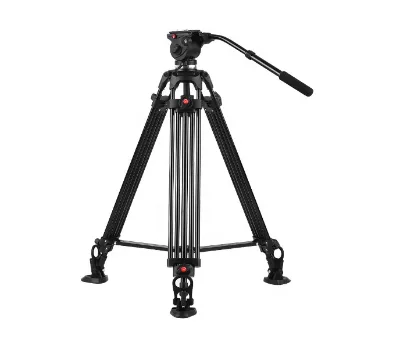
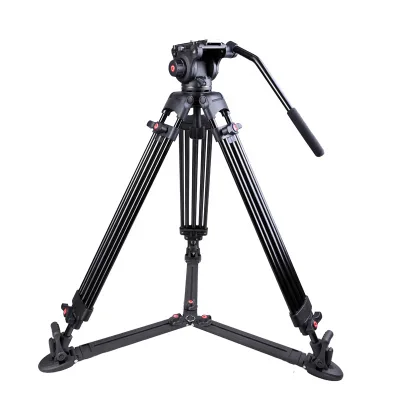
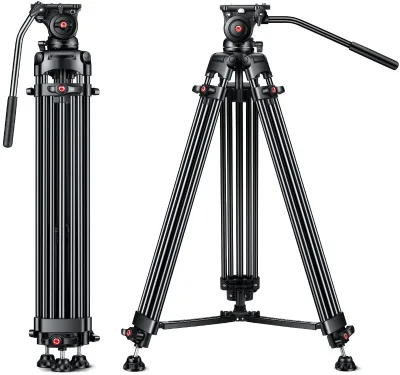
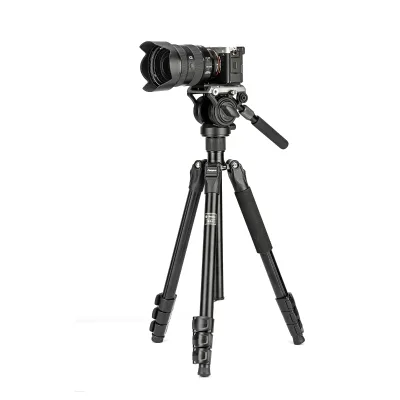
New Design 64 Inch Professional Video Tripod for DSLR Camera DV Camcorder
$46.20 - $48.66
MOQ: 4 pieces
Fotopro (Guangdong) Image Industrial Co., Ltd.
- Verified by SGS Group
- Manufacturer, Trading Company
- Guangdong, China
- Lead time30 days
- Avg. response≤ 3h
Main productsTripod, Selfie Stick, Light Tripod
Main marketsNorthern Europe(42%), Domestic Market(23%), North America(10%)

Zhongshan Yunteng Photographic Equipment Co., Ltd.
- Verified by SGS
- Combined
- China Guangdong
- Lead time45 days
- Avg. response≤ 3h
Main productsTripod, Stand, Selfi, Stick, Camera Accessory, Phone Accessory, Monopod, Light Stand, Mobile Holder, Panhead
Main marketsEast Asia(Japan/ South Korea),Europe


Versatile Aluminum Professional Big Tripod with 300cm Height for Cameras Videos
$39.10 - $44.10
MOQ: 4 Pieces


- Verified by TüVRheinland
- Trading Company
- Lead time15 days
- Avg. response≤ 6h
Main productsPhotographic Flash, Continuous Light, LED Panel Light, Light Stand, Photography Accessories
Main marketsNorth America(15%), South America(15%), Southeast Asia(10%)
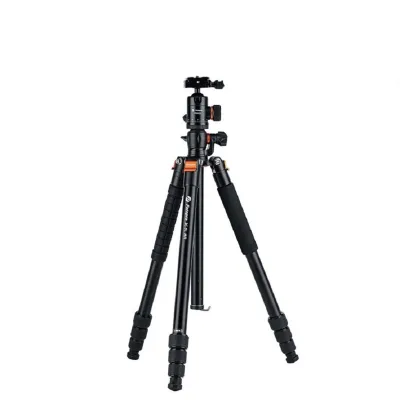
$54.00 - $80.08
MOQ: 1 pieces
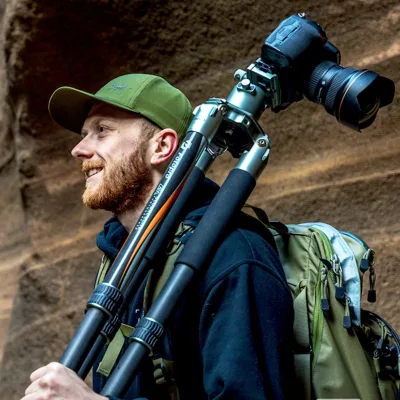
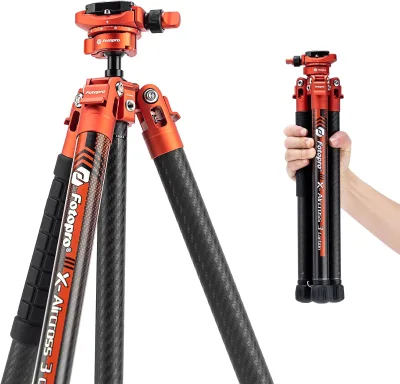
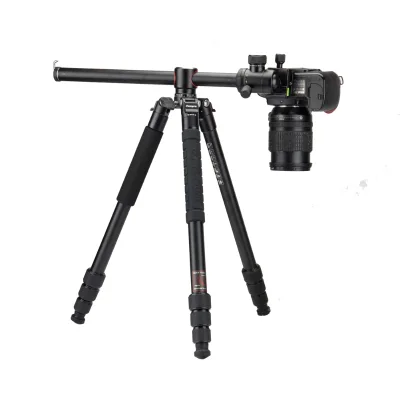
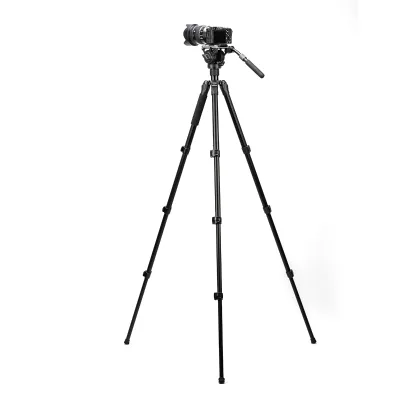
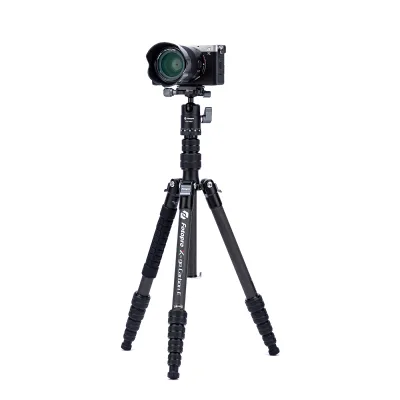
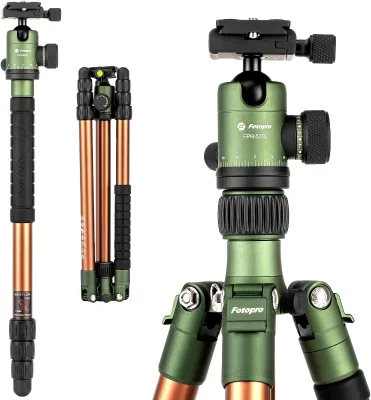
Fotopro Professional 360 Degree Rotation Horizontal Center Column Aluminum Tripod for Digital Camera
$48.00 - $66.00
MOQ: 2 pieces
Guangdong Futulong Photography Equipment Co., Ltd.
- Manufacturer
- Guangdong, China
- Lead time3 days
- Avg. response≤ 3h
Main productsPhotography lighting,live streaming lighting,photography accessories,Photography fill-in light,Selfie stick
Main marketsSouth America(30.0%), Africa(10.0%), North America(5.0%), Eastern Europe(5.0%), Southeast Asia(5.0%), Oceania(5.0%), Mid East(5.0%), Eastern Asia(5.0%), Western Europe(5.0%), Central America(5.0%), Northern Europe(5.0%), Southern Europe(5.0%), South Asia(5.0%), Domestic Market(5.0%)
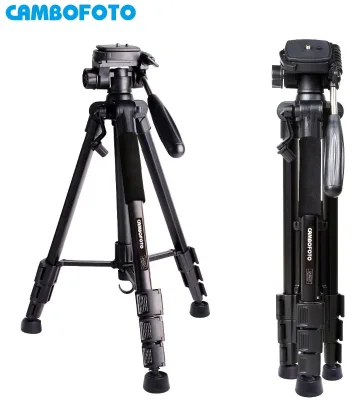
Zhongshan Cambofoto Photographic Equipment Co., Ltd.
- Manufacturer
- Guangdong, China
- Lead time30 days
- Avg. response≤ 3h
Main productsTripod,Monopod,Ball head,Selfie stick,light stand
Main marketsNorth America(30.0%), Eastern Europe(20.0%), Domestic Market(19.0%), Western Europe(10.0%), South Asia(5.0%), Southern Europe(5.0%), Southeast Asia(4.0%), Northern Europe(2.0%), Eastern Asia(2.0%), South America(1.0%), Central America(1.0%), Africa(1.0%)
Ningbo E-Reise Photographic Equipment Co., Ltd.
- Manufacturer
- Zhejiang, China
- Lead time0 days
- Avg. response≤ 13h
Main productsPhotographic Equipment,comsumer electronics
Main marketsDomestic Market(30.0%), Western Europe(30.0%), South America(20.0%), Southeast Asia(10.0%), North America(10.0%)
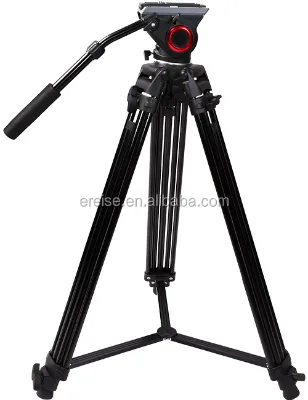
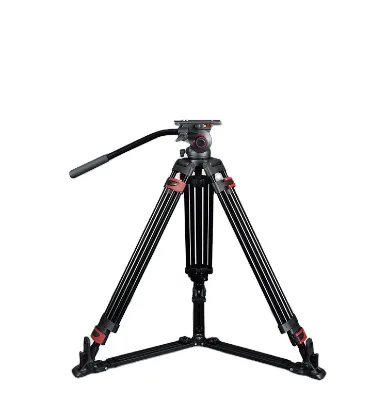
Hot Selling Professional Aluminum Tripod Stand Heavy Duty Tripod for Video DSLR Camera
$63.45 - $68.56
MOQ: 50 pieces
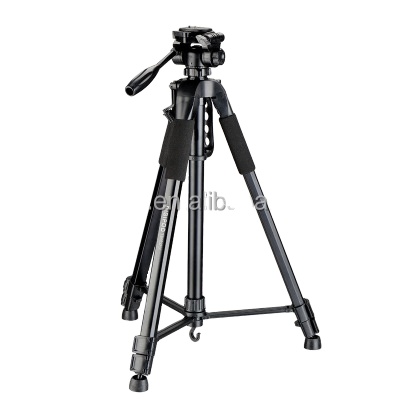
E-REISE Light Weight Tripod DSLR Camera Tripod for Outdoor Photography Tripod
$5.00 - $20.00
MOQ: 20 Minimum
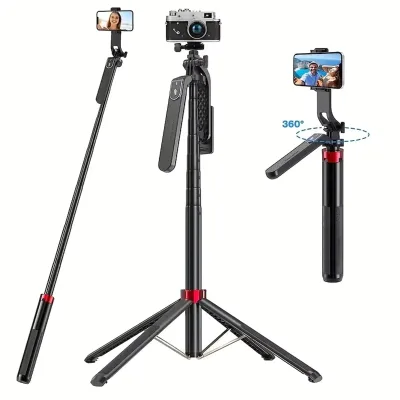

Guangdong Yisitu Tech Optical Instrument Co., Ltd.
- Verified by SGS
- Combined
- China Guangdong
- Lead time23 days
- Avg. response≤ 3h
Main productsTripod, Bipod, Scope Sight
Main marketsDomestic


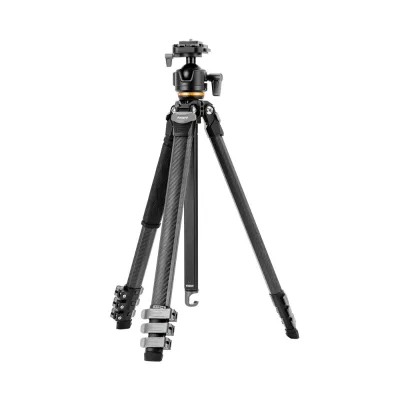
Lightweight Carbon Fiber Tripod for Professional Photography and Videography
$150.00 - $155.00
MOQ: 50 Pieces

Professional Adjustable Tripod Stand for DSLR Cameras and Smartphones
$150.00 - $155.00
MOQ: 50 Pieces
Zhongshan Antcaus Photographic Equipment Co., Ltd.
- Manufacturer, Trading Company
- Guandong, China
- Lead time15 days
- Avg. response≤ 2h
Main productsQuick Release Plate,Gopro Adapter,Photographic Stand Set
Main marketsDomestic Market(68.0%), Eastern Europe(12.0%), North America(10.0%), Western Europe(10.0%)
Guangzhou Fushitu Digital Technology Co., Ltd.
- Verified by SGS Group
- Manufacturer, Trading Company
- Lead time20 days
- Avg. response≤ 3h
Main productsLED Half Moon Light, Lash Light, LED Star Ring Light, LED Ring Light, Tripod Stand & Camera Bag
Main marketsNorth America(30%), Western Europe(20%), Oceania(15%)

Guangzhou Miao Figure Digital Technology Co, Ltd
- Verified by TUVRHEINLAND
- Manufacturer/Factory
- China Guangdong
- Lead time68 days
- Avg. response≤ 2h
Main productsPhotography Lights, Photography Background, Photography Props, Camera Stand, Photography Stand, Background Stand, Camera Accessories, Action Camera Accessories, Photography Softbox, Photography Light Stand
Main marketsEastern Europe,Mid East,North America,Western Europe,Africa
- Manufacturer, Trading Company
- Shandong, China
- Lead time3 days
- Avg. response≤ 4h
Main productsBackdrops,Video Lights,Softboxes,Light Stands,Backdrop Support System
Main marketsCentral America(15.0%), South America(15.0%), North America(15.0%), Western Europe(10.0%), Northern Europe(10.0%), Africa(10.0%), Eastern Europe(10.0%), Southern Europe(5.0%), Eastern Asia(5.0%), Southeast Asia(5.0%)
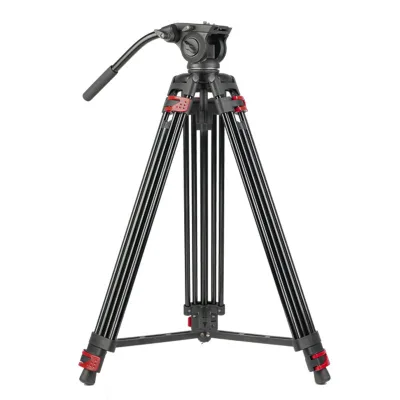
$39.32 - $49.53
MOQ: 2 pieces
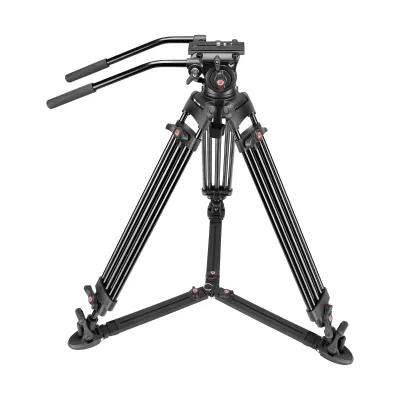
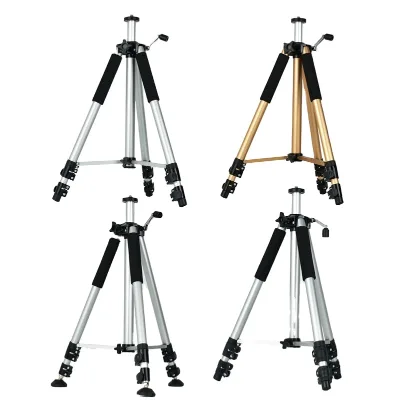
Guangzhou Meizhi Guang Photographic Equipment Co., Ltd.
- Manufacturer
- Guangdong, China
- Lead time3 days
- Avg. response≤ 3h
Main productsPhotography lighting,live streaming lighting,photography accessories,Photography fill-in light,Selfie stick
Main marketsAfrica(30.0%), North America(10.0%), Southeast Asia(10.0%), Eastern Asia(10.0%), Mid East(10.0%), Domestic Market(5.0%), Southern Europe(5.0%), Northern Europe(5.0%), Western Europe(5.0%), Eastern Europe(5.0%), South America(5.0%)
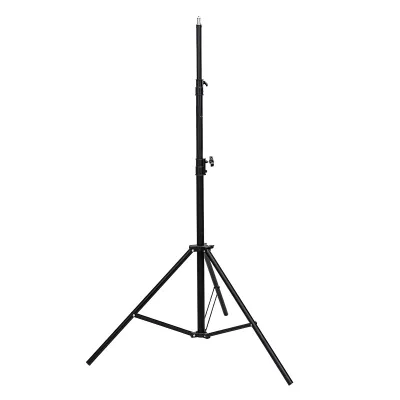
$14.83 - $17.80
MOQ: 1 pieces
Guangzhou Valve Jing Trading Co., Ltd.
- Manufacturer
- Guangdong, China
- Lead time7 days
- Avg. response≤ 2h
Main productsPhotographic constant light,Photographic background,Photography hardware,Camera frame,Photography accessories
Main marketsDomestic Market(73.4%), North America(12.3%), Southern Europe(3.5000000000000004%), Western Europe(2.83%), South America(2.83%), Mid East(2.6%), Africa(1.68%), Southeast Asia(0.86%)
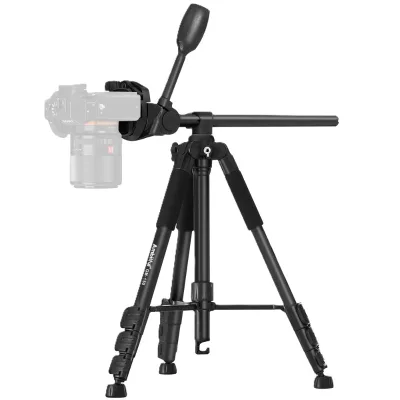
Ambitful GM-150 Professional Photography Equipment Universal Tripod for SLR Camera
$26.65 - $31.31
MOQ: 1 pieces
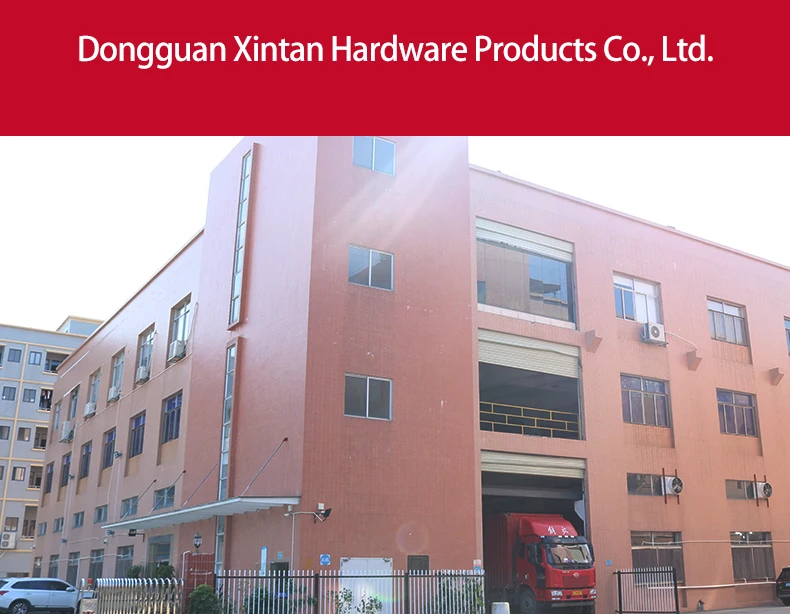
Dongguan Xintan Hardware Products Co., Ltd.
- Manufacturer, Trading Company
- Guangdong, China
- Lead time15 days
- Avg. response≤ 8h
Main productsTripod Stand,Photographic Lighting,LED Ring Light,Grow Tent,Hardware Accessories
Main marketsNorth America(40.0%), South America(15.0%), Western Europe(10.0%), Mid East(10.0%), Africa(10.0%), South Asia(5.0%), Southern Europe(5.0%), Northern Europe(5.0%)
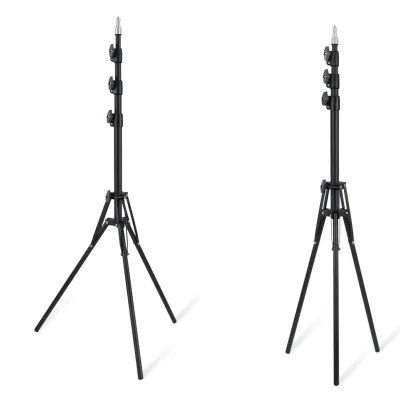
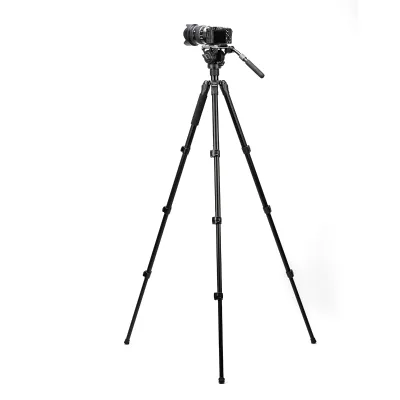
High Quality Professional Photograph Shooting Tripod with Fluid Head for Smooth Panning
$2.97 - $3.59
MOQ: 500 pieces

Chongqing Dontop Optics Co., Ltd.
- Trading Company,Manufacturer/Factory
- China Chongqing
- Lead time38 days
- Avg. response≤ 6h
Main productsBinoculars, Rifle Scope, Range Finder, Spotting Scope, Telescope, Lenses, Red DOT, Night Vision, Monoculars, Mount
Main marketsSouth America,Eastern Europe,Mid East,North America,Southeast Asia,Eastern Asia,Oceania,Western Europe,Africa

Rizhao Fenghua Scaffoldings Co., Ltd.
- Verified by BV
- Combined
- China Shandong
- Lead time45 days
- Avg. response≤ 14h
Main productsScaffolding, Scaffold, Forging, Formwork, Scaffold Couplers, Swivel Coupler, Frame System, Hand Tools, Scaffold Plank
Main marketsSouth America,East Asia(Japan/ South Korea),Europe,North America

Chengdu Qinliwei Import and Export Trade Co., Ltd.
- Trading Company,Manufacturer/Factory
- China Sichuan
- Lead time23 days
- Avg. response≤ 10h
Main productsGolf Products, CNC Products, Timer, Mat, Fashion Accessories, Digital Counter, Photographic Equipment
Main marketsNorth America,Western Europe

Shanghai Rainbow Industry and Trade Co., Ltd.
- Verified by TUVRHEINLAND
- Trading Company,Manufacturer/Factory
- China Shanghai
- Lead time45 days
- Avg. response≤ 3h
Main productsSpirit Level, Torpedo and Pocket Spirit Level, Box Torpedo Spirit Level, Heavy Duty I-Beam Spirit Level, Cast Torpedo Spirit Level, Heavy Duty Tripod, Self Inking Stamp, Carpenter Pencil, Tamper Proof Void Seal, Label
Main marketsEastern Europe,North America,Africa
Shenzhen Genyuanfa Industrial Co., Ltd.
- Trading Company, Distributor/Wholesaler
- Guangdong, China
- Lead time7 days
- Avg. response≤ 3h
Main productsLED Ring Light,display stand,mobile phone stand,selfie stick,Wireless microphone
Main marketsDomestic Market(50.0%), North America(10.0%), Eastern Asia(6.0%), South America(5.0%), Mid East(5.0%), Southeast Asia(5.0%), Africa(4.0%), Central America(3.0%), Oceania(2.0%), South Asia(2.0%), Southern Europe(2.0%), Northern Europe(2.0%), Eastern Europe(2.0%), Western Europe(2.0%)
Shaoxing Fantai Digital Photographic Equipment Co., Ltd.
- Verified by SGS Group
- Manufacturer, Trading Company
- Lead time20 days
- Avg. response≤ 6h
Main productsTripod, Studio Light, Cleaning Kit, Continous COB Light, Ring Light
Main marketsNorth America(40%), Western Europe(31%), Southeast Asia(19%)
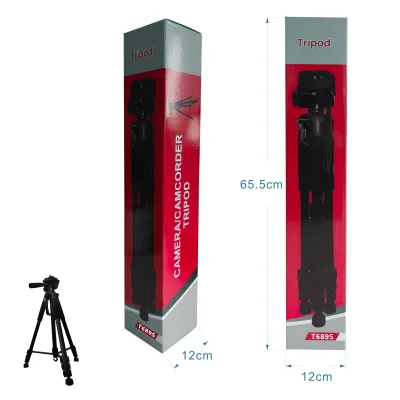
Fanai Hot Sell 3-way Head Professional Photography Lightweight Compact Tripod for Camera DSLR
$13.09 - $13.19
MOQ: 100 pieces
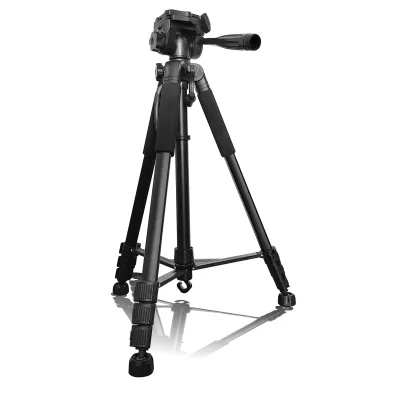
Hot Sell 2m Hot Sale High Quality Tripod for Professional Camera with Best Service and Low Price
$13.09 - $13.19
MOQ: 100 pieces
Xuzhou Angju International Trade Co., Ltd.
- Trading Company
- Jiangsu, China
- Lead time10 days
- Avg. response≤ 4h
Main productsPhotography accessories,Tripod,Led Ring Light,phone holder,Excavator Simulator
Main marketsDomestic Market(20.0%), Western Europe(20.0%), North America(20.0%), Eastern Europe(5.0%), Southern Europe(5.0%), Central America(5.0%), South America(5.0%), Eastern Asia(5.0%), Mid East(5.0%), Oceania(5.0%), Southeast Asia(5.0%)
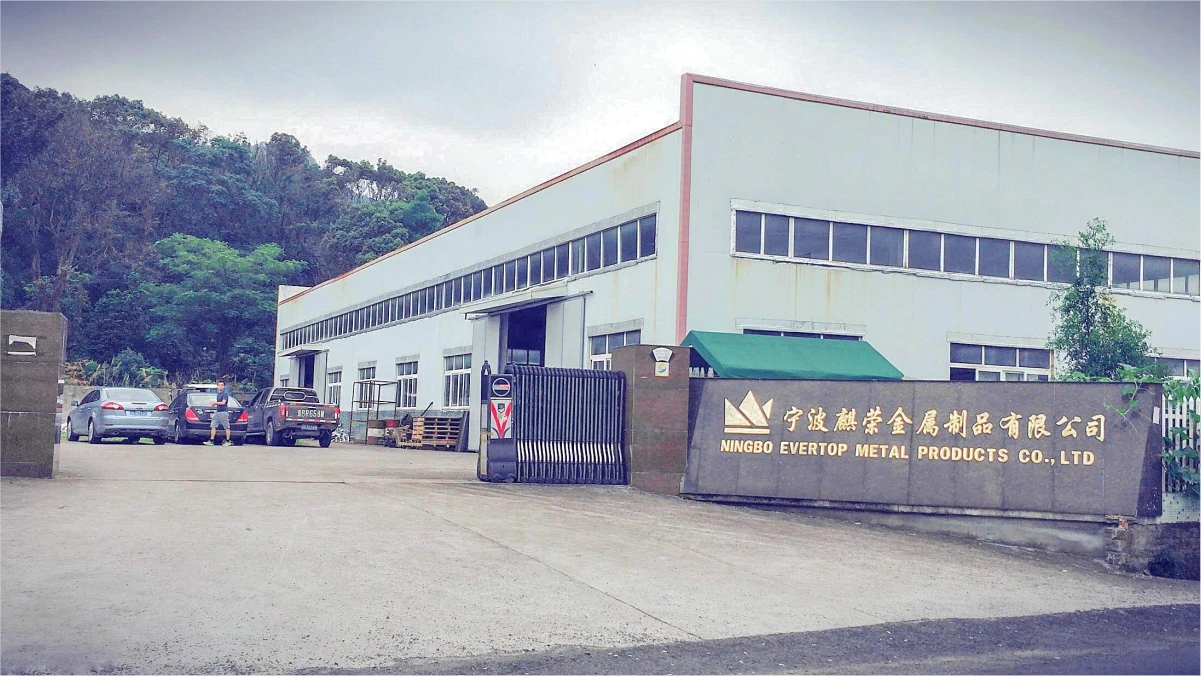
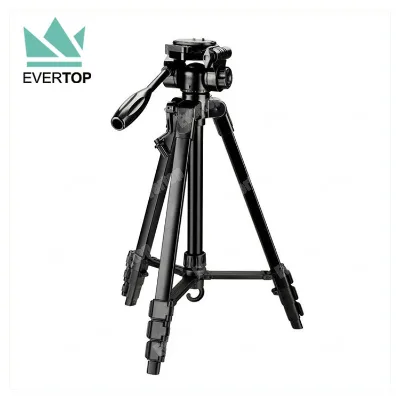
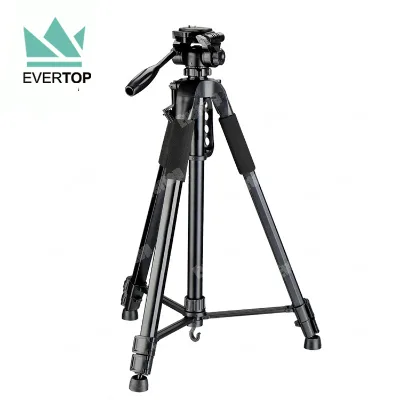
Ningbo Evertop Metal Products Co., Ltd.
- Manufacturer, Trading Company
- Zhejiang, China
- Lead time30 days
- Avg. response≤ 1h
Main productsTablet Kiosk Stand,Tablet Stand,Tripod,Photographic accessories,iPad Stand
Main marketsNorth America(30.0%), Eastern Asia(20.0%), South America(20.0%), Western Europe(10.0%), Mid East(5.0%), Oceania(5.0%), South Asia(5.0%), Northern Europe(2.0%), Africa(2.0%), Eastern Europe(2.0%), Southeast Asia(1.0%), Southern Europe(1.0%)


Comprehensive Sourcing Guide
Portable Professional Camera Tripod Supplier Concentration and Factory Types
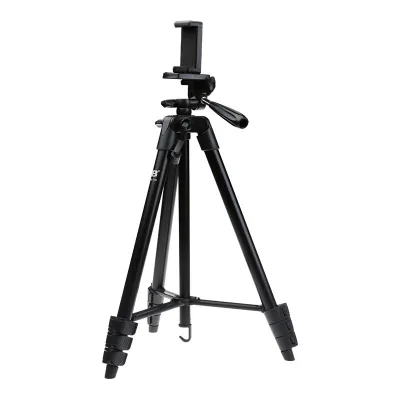
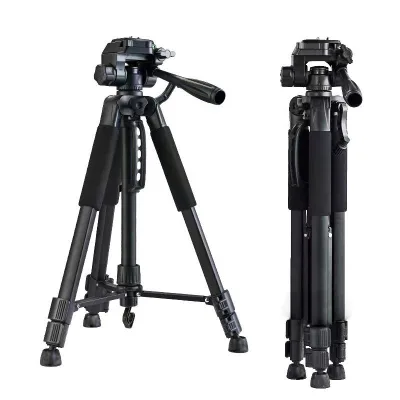
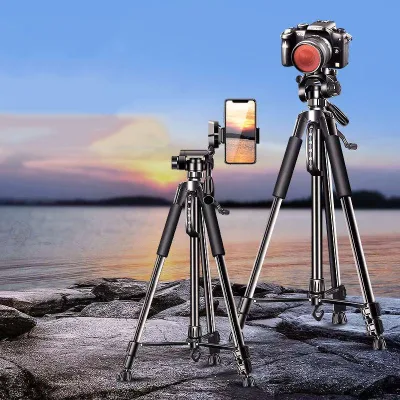
Current data indicates a distinct split in supplier origins, with specific results pointing to manufacturing clusters in Zhejiang and Guangdong provinces within China. These regions host both trading companies and direct manufacturers, each offering different value propositions for buyers seeking portable professional camera tripods. The Zhejiang-based entities often operate as trading companies, aggregating products from various factories to offer a broader catalog that may include tactical flashlights and other accessories alongside camera equipment. In contrast, the Guangdong-based suppliers identified in the results function as manufacturers, suggesting a more direct production line for items like the Estar brand tripods with specific load capacities and leg section configurations.
Buyers must verify the actual factory type before committing to an order, as the distinction between a trading company and a manufacturer significantly impacts pricing, customization options, and communication efficiency. While some suppliers list main products ranging from laser sights to smart watches, others focus specifically on photographic equipment like aluminum alloy tripods with professional standards. It is crucial to confirm whether the supplier is the actual producer or an intermediary, as this affects the ability to request custom molds or specific material finishes like oxidized treatment. Without explicit confirmation of the factory type, buyers should assume the supplier may be a trading company and adjust their negotiation strategy accordingly to ensure direct access to production capabilities.
How to Verify Portable Professional Camera Tripod Suppliers
Verification begins with scrutinizing the response time and lead time metrics provided in the supplier profile, as these are critical indicators of operational efficiency and reliability. For instance, some suppliers demonstrate a response time of approximately 11.86 hours, while others show a significantly faster response of just 2 hours, which can be vital for urgent procurement needs. Similarly, lead times vary widely, with some suppliers quoting 45 days for production while others offer a rapid 7-day turnaround. Buyers should request proof of these metrics through direct communication, asking for recent order completion dates to validate the claimed speed. A discrepancy between the stated lead time and the actual delivery schedule can signal potential bottlenecks in the supply chain that need to be addressed before placing a large order.
Beyond speed, buyers must validate product specifications against the supplier's claimed capabilities, particularly regarding material composition and load capacity. The evidence shows specific attributes such as aluminum alloy construction, maximum load capacities ranging from 2 KG to 6.0 KGS, and specific model numbers like ES-OS-2709 or T180. It is essential to request physical samples or detailed technical drawings that match these exact specifications to ensure the product meets professional standards. Additionally, verifying the warranty terms, which range from one to two years in the observed data, provides insight into the supplier's confidence in their manufacturing quality. Buyers should also check for any certifications or standards compliance, such as the Photography Professional Standard mentioned, to ensure the tripods meet industry requirements for durability and safety.
What to Compare Across Portable Professional Camera Tripod Suppliers
When evaluating multiple suppliers, the primary comparison points should include minimum order quantities (MOQ), pricing structures, and customization availability. The data reveals a wide range of MOQs, from as low as 10 units for certain junior level tripods to 200 units for advanced professional models. Pricing also varies significantly, with some products listed between $42 and $59, while others are available for as little as $6.25 to $15.00. Buyers must align these figures with their budget and volume requirements, understanding that lower MOQs often come with higher per-unit costs. It is also critical to assess whether customization is available, as some suppliers explicitly state that custom options are offered, which can be a decisive factor for brands seeking unique product differentiation.
Another vital dimension for comparison is the supplier's main product focus and their ability to provide comprehensive solutions. Some suppliers list a diverse range of items including laser sights, power balls, and LED flashlights, while others specialize strictly in camera accessories and tripods. A supplier with a focused product line may offer deeper expertise and better quality control for camera tripods, whereas a generalist trading company might provide a wider variety of accessories but less specialized support. Buyers should also compare the specific product attributes, such as leg sections, folded length, and weight, to ensure the tripods meet the specific needs of their target market. By systematically comparing these factors, buyers can identify the supplier that best balances cost, volume, and product quality for their specific sourcing strategy.
Common Portable Professional Camera Tripod Sourcing Risks
One significant risk in sourcing portable professional camera tripods is the potential mismatch between advertised specifications and actual product quality. The evidence shows various models with different load capacities and materials, yet without physical verification, buyers risk receiving products that do not meet the claimed standards. For example, a tripod advertised with a 6.0 KG load capacity might fail under stress if the aluminum alloy quality is subpar. This discrepancy can lead to product returns, damaged reputation, and financial losses. To mitigate this, buyers should insist on third-party inspection reports or request samples that undergo rigorous testing before committing to a bulk order.
Another common risk involves the reliability of lead times and the consistency of production schedules. While some suppliers claim a 7-day lead time, others quote 45 days, and these figures can fluctuate based on raw material availability or factory capacity. Delays in production can disrupt a buyer's inventory planning and lead to missed market opportunities. Furthermore, the lack of clear communication channels, indicated by varying response times, can exacerbate these issues. Buyers should establish clear contractual terms regarding penalties for delays and maintain regular communication with the supplier to monitor production progress. Ensuring that the supplier has a robust quality control process and a track record of meeting deadlines is essential to minimizing these operational risks.
Portable Professional Camera Tripod Regional Sourcing and Logistics
Sourcing from specific regions like Zhejiang and Guangdong offers distinct logistical advantages and challenges that buyers must consider. Suppliers in these regions benefit from established infrastructure and a dense network of manufacturers, which can facilitate faster production and shipping. However, the distance from the buyer's location can impact shipping costs and delivery times. For instance, a supplier in Guangdong might offer a 7-day lead time, but international shipping could add several weeks to the total delivery window. Buyers should calculate the total landed cost, including freight, insurance, and customs duties, to ensure the final price remains competitive.
Additionally, regional differences in supplier types can influence logistics planning. Trading companies in Zhejiang may consolidate shipments from multiple factories, potentially simplifying the logistics process but adding layers of coordination. In contrast, direct manufacturers in Guangdong might offer more streamlined shipping but require the buyer to manage the logistics of a single factory's output. Buyers should verify the supplier's experience with international shipping and their ability to handle documentation and customs clearance. Understanding the specific logistics capabilities of the supplier in their respective region is crucial for ensuring a smooth and efficient supply chain from the factory floor to the final destination.
Portable Professional Camera Tripod Commercial Terms and Order Planning
Commercial terms for portable professional camera tripods vary significantly based on the supplier's type and the specific product model. Buyers must carefully review payment terms, warranty conditions, and return policies to avoid unexpected costs. The evidence shows warranty terms ranging from one to two years, which should be clearly defined in the contract to protect against manufacturing defects. Additionally, the minimum order quantities and pricing tiers must be aligned with the buyer's financial planning and inventory strategy. For example, an MOQ of 200 units requires a larger upfront investment compared to an MOQ of 10 units, affecting cash flow and storage requirements.
Order planning should also account for the customization options and production lead times. Suppliers that offer customization may require additional time for mold creation and sample approval, which can extend the overall lead time. Buyers should factor in these additional steps when planning their production schedules and market launches. It is also important to establish clear communication protocols with the supplier to ensure that any changes in order specifications or delivery dates are promptly addressed. By carefully planning the commercial terms and order timeline, buyers can minimize risks and ensure a successful sourcing experience for portable professional camera tripods.
FAQs
What is the typical lead time for portable professional camera tripods?
Lead times vary by supplier, with some offering 7 days and others requiring up to 45 days. Buyers should verify specific timelines before ordering to ensure production schedules align with project deadlines and shipping requirements.
What are the minimum order quantities for these tripods?
Minimum order quantities range from 10 units to 200 units depending on the specific model and supplier. Some junior level tripods allow smaller orders, while advanced professional models often require higher volume commitments for pricing.
Where are the manufacturers of these tripods located?
Manufacturers are primarily located in Zhejiang and Guangdong provinces in China. These regions host both trading companies and direct manufacturers specializing in camera accessories and professional photographic equipment for global export markets.
What materials are used for professional tripod construction?
Most tripods are constructed from aluminum alloy or aluminum materials to ensure durability and lightweight portability. Some models feature oxidized treatment finishes and are designed to support digital cameras with specific load capacities.
Do suppliers offer customization for camera tripods?
Yes, customization is available for many professional tripod models. Buyers can often request specific features or branding, though this may affect lead times and minimum order quantities depending on the supplier's capabilities.
What is the price range for portable professional tripods?
Prices typically range from 6.25 to 68.50 USD per unit based on specifications and order volume. Advanced professional models with higher load capacities and extended lengths generally command higher prices than junior level options.
How quickly do suppliers respond to inquiries?
Response times vary significantly, with some suppliers replying within 2 hours and others taking nearly 12 hours. Buyers should prioritize suppliers with faster response times to ensure efficient communication during the sourcing process.