Portable Pop Up Soccer Goal Suppliers and Manufacturers
Explore 30 verified suppliers offering Portable Pop Up Soccer Goal options from China Jiangsu and Guangdong. Compare response times, lead times, certifications like BSCI and SA 8000, and MOQs ranging from 100 to 1000 units. Contact suppliers directly to request samples and confirm customization details.
Suppliers List

Nanjing Bewe Intl Trading Co., Ltd.
- Verified by BV
- Trading Company
- China Jiangsu
- Lead time38 days
- Avg. response≤ 19h
Main productsPadel, Beach Tennis, Pickleball Paddle, Volleyball, Squash, Badminton, Golf, Tennis, Soccer Ball, Basketball
Main marketsSouth America,Eastern Europe,Mid East,North America,Southeast Asia,Eastern Asia,Oceania,Western Europe,Africa

- Manufacturer/Factory
- China Guangdong
- Lead time105 days
- Avg. response≤ 25h
Main productsSporting Goods, Sporting Nets, Basketball Goal, Portable Soccer Goal, Baseball Bat, Portable Hockey Door, Table Tennis Desk, Portable Basketball Stand Set, Air Hocky, Foosball
Main marketsEastern Europe,North America

- Verified by BV
- Trading Company,Manufacturer/Factory
- China Zhejiang
- Lead time0 days
- Avg. response≤ 9h
Main productsWooden Game, Toy, Outdoor Game, Gareden Game, Racket, Tent, Soccer Ball, Sports

Nanjing Allshing Trade Company Limited
- Verified by BV
- Trading Company
- China Jiangsu
- Lead time23 days
- Avg. response≤ 11h
Main productsTraffic Cone, Football Cones, Agility Ladder, Soccer Cone, Agility Hurdle, Agility Training Set, Training Equipment Set, Tactics Board, Scoreboard, Table Tennis Set
Main marketsSouth America,Eastern Europe,Mid East,North America,Southeast Asia,Eastern Asia,Oceania,Western Europe,Africa

Hebei Kangnayipin Sports Equipment Co., Ltd.
- Verified by SGS
- Combined
- China Hebei
- Lead time30 days
- Avg. response≤ 2h
Main productsOutdoor Fitness Equipment
Main marketsDomestic

Shenzhen Coinus Trading Co.,Ltd
- Verified by BV
- Trading Company
- China Guangdong
- Lead time30 days
- Avg. response≤ 6h
Main productsSoccer Ball, Basketball, Volleyball, Football, Baseball&Softball, Pickleball, Padel, Sports Game, Ball Accessories, Exercise & Fitness
Main marketsSouth America,Southeast Asia/ Mideast,Europe,North America
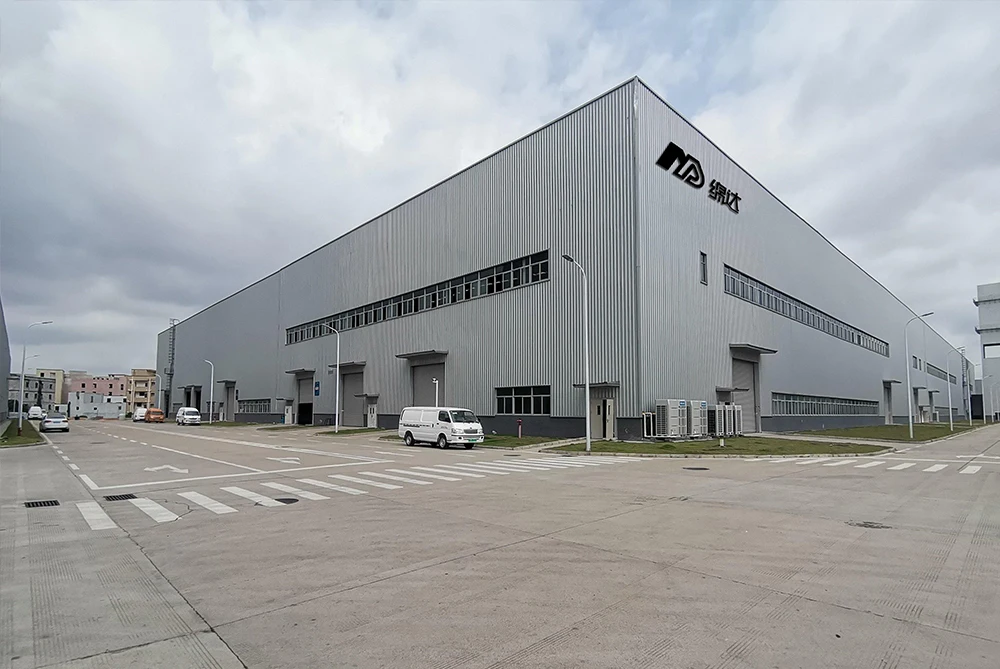
Yiwu Mianda Plastic Products Co., Ltd.
- Trading Company
- Zhejiang, China
- Lead time15 days
- Avg. response≤ 2h
Main productsfootball,football training equipment,fitness training products,Moving electron,agility training supplies
Main marketsDomestic Market(30.0%), South America(20.0%), Eastern Europe(10.0%), Mid East(10.0%), Southern Europe(10.0%), Southeast Asia(10.0%), Eastern Asia(5.0%), Africa(5.0%)
Taizhou Ace Sports Equipment Co., Ltd.
- Verified by Intertek
- Manufacturer, Trading Company
- Lead time0 days
Main productsBasketball Hoop, Basketball Rim, Mini Basketball Hoop, Basketball Net, Soccer Goal
Main marketsNorth America(35%), Southeast Asia(25%), Mid East(15%)

Dmantis Sports Goods Co., Ltd.
- Verified by SGS
- Combined
- China Hunan
- Lead time60 days
- Avg. response≤ 2h
Main productsBadminton Shuttlecock, Badminton Racket, Tennis Racket, Tennis Ball, Pickleball Paddle, Table Tennis Ball, Table Tennis Racket, Jump Rope
Main marketsSoutheast Asia/ Mideast,East Asia(Japan/ South Korea),Europe,Australia,North America
Anhui Xianwei E-Commerce Co., Ltd
- Verified by TUVRHEINLAND
- Manufacturer/Factory
- China Anhui
- Lead time0 days
- Avg. response≤ 5h
Main productsLamp, Cup, Tent
Main marketsSouth America,Eastern Europe,Mid East,North America,Southeast Asia,Eastern Asia,Oceania,Western Europe,Africa

Shenzhen LDK Industrial Co., Ltd.
- Trading Company
- China Guangdong
- Lead time30 days
- Avg. response≤ 7h
Main productsFootball Equipment, Basketball Equipment, Gymnastics Equipment, Gymnastics Mat, Indoor Fitness Equipment, Outdoor Fitness Equipment, Padel Court, Paddle Tennis Court, Spinning Bike, Treadmill
Main marketsSouth America,Southeast Asia/ Mideast,Europe,Australia,North America
Cangzhou Maidong Sports Equipment Co., Ltd.
- Verified by Intertek
- Manufacturer, Trading Company
- Lead time15 days
- Avg. response≤ 4h
Main productsGymnastics Equipment, Gym Mats, Children Sport Products, Ninja Obstacle Course
Main marketsNorth America(30%), Eastern Europe(15%), Southeast Asia(10%)
Yushan Yijia Inflatable Products Co., Ltd.
- Manufacturer, Trading Company
- Lead time旺季: "1 - 1":4,"2 - 9":13,"10 - 29":35,"> 29":"To be negotiated", 淡季: "1 - 1":4,"2 - 9":13,"10 - 29":35,"> 29":"To be negotiated"
Main productsInflatable Electric Boat,inflatable house boat with motor for water play, Ice bath tube & Accessories,SPA tub, Recovery tub for family, Inflatable water floating, Platform for pool

Yongkang Chochi Fitness Co., Ltd.
- Verified by BV
- Manufacturer/Factory
- China Zhejiang
- Lead time15 days
- Avg. response≤ 9h
Main productsGym Fitness Equipment, Treadmill, Exercise Bike, Helmet, Scooter, Skateboard, Roller Skateshoes, Camping Chair, Camping Trolley
Main marketsSouth America,Eastern Europe,Mid East,North America,Southeast Asia,Eastern Asia,Oceania,Western Europe,Africa

Ningbo High-Sunway Imp. & Exp. Co., Ltd.
- Verified by SGS
- Trading Company
- China Zhejiang
- Lead time30 days
- Avg. response≤ 21h
Main marketsSoutheast Asia/ Mideast,Europe,North America


Children Large Pop up Soccer Goal, Soccer Practice Netkid Fold Away Football Goal
$3.50 - $4.50
Moq: 500


- Manufacturer/Factory
- China Fujian
- Lead time38 days
- Avg. response≤ 1h
Main productsKeychains, Bags, Caps, Balls
Main marketsSouth America,Eastern Europe,Mid East,North America,Southeast Asia,Eastern Asia,Oceania,Western Europe,Africa
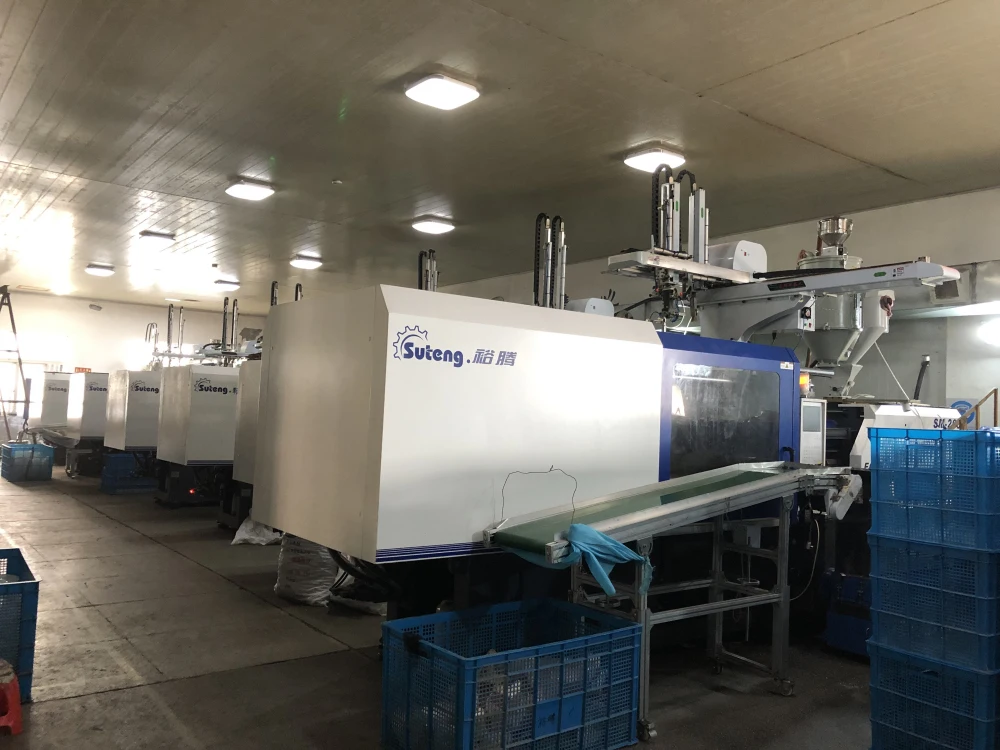
Cixi Tengya Sports Products Co., Ltd.
- Manufacturer
- Zhejiang, China
- Lead time30 days
- Avg. response≤ 5h
Main productsRoundnet,bean bag toss,cornhole set,spikeball,Kids table tennis
Main marketsNorth America(50.0%), Western Europe(15.0%), Northern Europe(10.0%), Eastern Europe(10.0%), Oceania(10.0%), Domestic Market(5.0%)

Qingdao Pafic Hardware Co., Ltd.
- Verified by TUVRHEINLAND
- Combined
- China Shandong
- Lead time30 days
- Avg. response≤ 9h
Main productsSwing Set, Outdoor Playground, Kid Swing, Kid Slide, Swing Set Accessories, Outdoor Fitness
Main marketsSouth America,Australia,North America

Ningbo Artisan Import & Export Co., Ltd.
- Verified by TUVRHEINLAND
- Trading Company
- China Zhejiang
- Lead time30 days
- Avg. response≤ 25h
Main productsMailbox, Shaggy Blanket, Bathrobe, Furniture, Bill Counter, Book Stand, Bamboo Shoes Rack, Bar Tools
Main marketsEurope
Yiwu Buyball Sports Goods Co., Ltd.
- Verified by SGS Group
- Trading Company
- Lead time20 days
- Avg. response≤ 3h
Main productsSoccer Ball, Football, Softball, Baseball, Sports Training Material
Main marketsNorth America(50%), South America(30%), Eastern Asia(15%)
Shenzhen Jiahuate Technology Co., Ltd.
- Manufacturer, Distributor/Wholesaler
- Guangdong, China
- Lead time50 days
- Avg. response≤ 16h
Main productsSoccer,Lacrosse,Tennis,Hockey,Aluminum
Main marketsWestern Europe(45.0%), North America(35.0%), Domestic Market(10.0%), Eastern Asia(10.0%)

Yiwu Huidong Industrial & Trade Co., Ltd.
- Verified by TUVRHEINLAND
- Trading Company
- China Zhejiang
- Lead time15 days
- Avg. response≤ 5h
Main productsSoccer Ball, Basketball, Volleyball, Badminton, Teble Tennis, Tennis, Whistle, Skipping Rope, Flag, Beach Bat
Main marketsSouth America,North America
Henan Jtn Sports Goods Co., Ltd.
- Verified by Intertek
- Manufacturer, Trading Company
- Lead time30 days
- Avg. response≤ 2h
Main productsGolf Mat, Golf Green, Golf Training Net, Soccer Sports Net, Baseball Net
Main marketsNorth America(50%), Western Europe(15%), Northern Europe(10%)
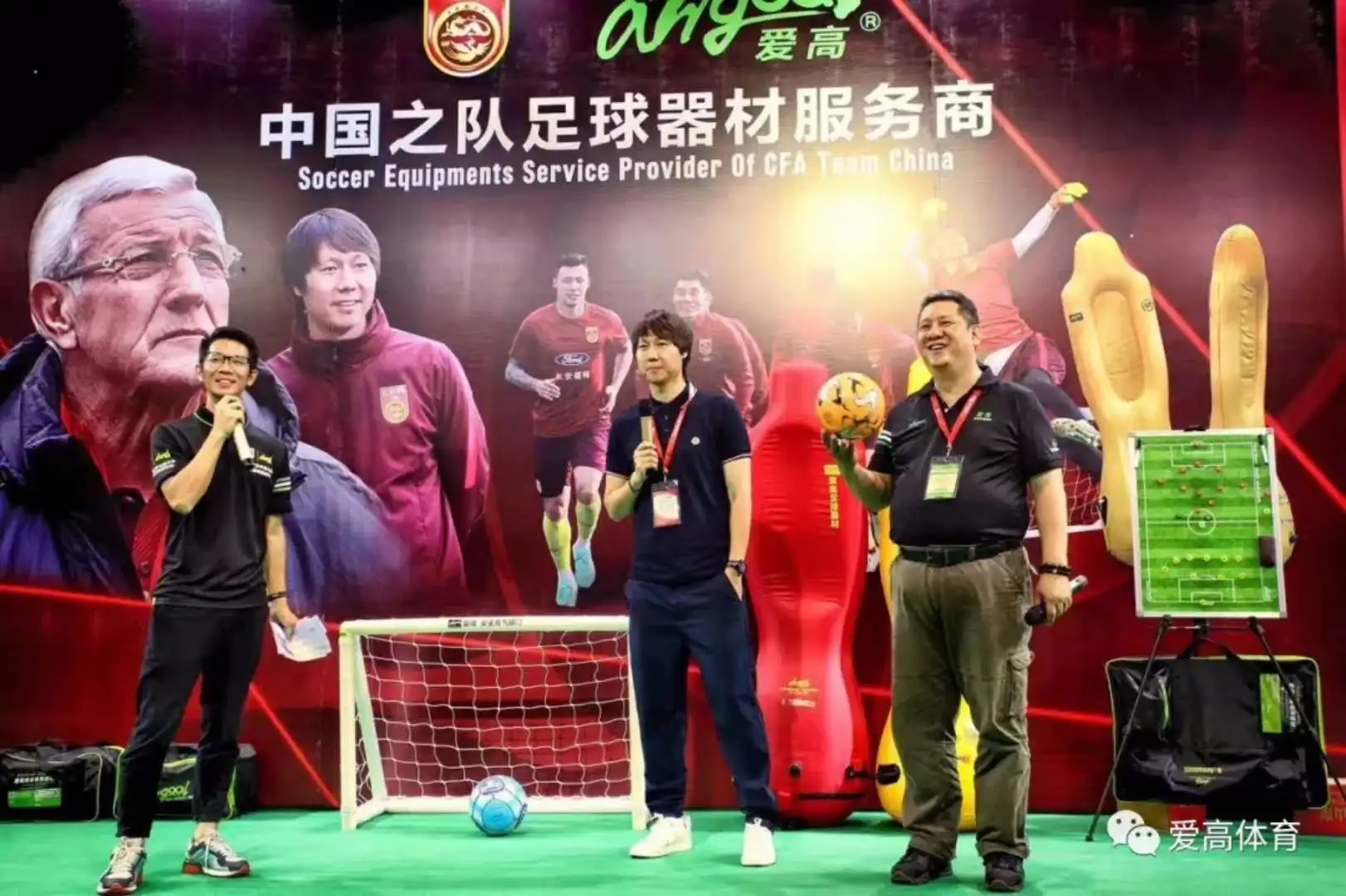
Guangzhou Airgoal Sports Equipment Co., Ltd.
- Manufacturer, Trading Company
- Guangdong, China
- Lead time30 days
- Avg. response≤ 1h
Main productsInflatable Football Goal, Air Fence, Tactical Board, Rebound Board, Inflatable Handball Goal
Main marketsDomestic Market(20.0%), Northern Europe(15.0%), Southeast Asia(12.0%), South Asia(10.0%), North America(10.0%), South America(10.0%), Oceania(10.0%), Western Europe(8.0%), Southern Europe(5.0%)
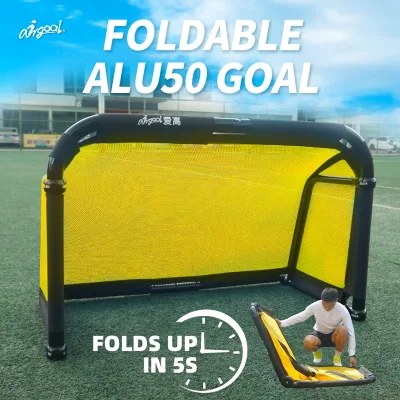
Hot Sales Soccer goal 5'*3' Aluminum/Foldable/Portable goal
$96.00 - $110.00
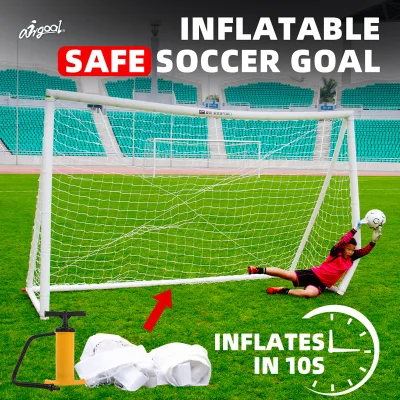
Hot Sales Inflatable Soccer Goals Foldable Soccer goal for Training
$166.60 - $196.00

Yiwu BaiQi Outdoor Products Co.,Ltd.
- Trading Company
- China Zhejiang
- Lead time23 days
- Avg. response≤ 5h
Main productsCamping Tent, Relief Tent, Modular Tent, Beach Shelter, Laundry Bag, Kids Tent, Dome Tent, Party Tent, Outdoor Tent, Refugee Tent
Main marketsDomestic

Quanzhou Ruiqi Crafts Co., Ltd.
- Verified by TUVRHEINLAND
- Trading Company,Manufacturer/Factory
- China Fujian
- Lead time45 days
- Avg. response≤ 2h
Main productsBaseball Glove, Baseball, Gymnastic Air Tracks, Football, Tennis Ball, Football Net, Sport Shoes, Pitching Machine, Toys
Main marketsSouth America,Eastern Asia,Western Europe
Jiangxi Jianghui Sports Goods Co., Ltd.
- Manufacturer
- Jiangxi, China
- Lead time30 days
- Avg. response≤ 2h
Main productspickleball,golf,volleyball,soccer goals,badminton racket
Main marketsEastern Europe(20.0%), Central America(20.0%), North America(20.0%), South America(10.0%), Western Europe(10.0%), Northern Europe(10.0%), Southern Europe(5.0%), Southeast Asia(5.0%)
- Verified by SGS Group
- Trading Company
- Lead time0 days
Main productsSoccer net series, Baseball net series, Golf net series, Tennis net series, Badminton net series

Telamon Sports Goods (Shanghai) Co., Ltd.
- Verified by BV
- Trading Company
- China Shanghai
- Lead time15 days
- Avg. response≤ 10h
Main marketsNorth America

Guangdong Zhongke Intelligent Sports Technology Co., Ltd.
- Verified by SGS
- Trading Company
- China Guangdong
- Lead time30 days
- Avg. response≤ 4h
Main marketsDomestic


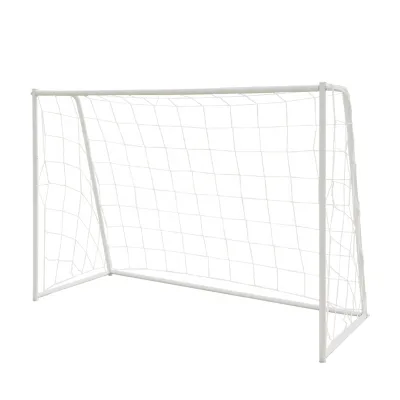
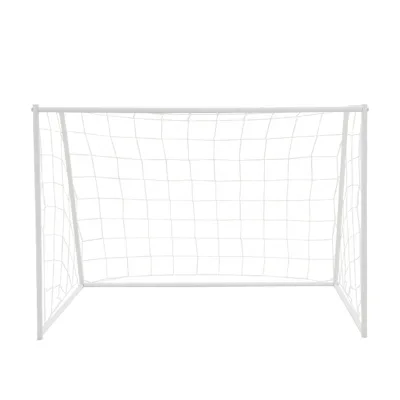


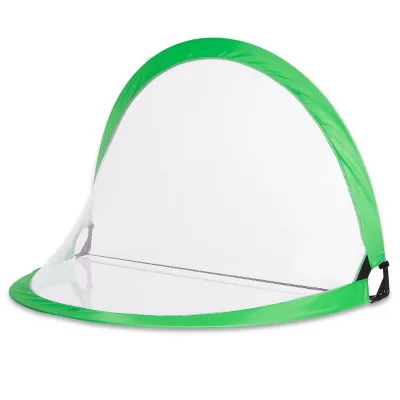
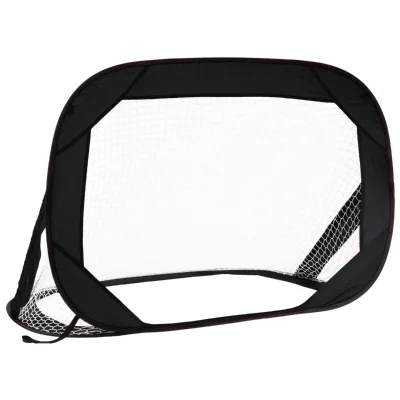
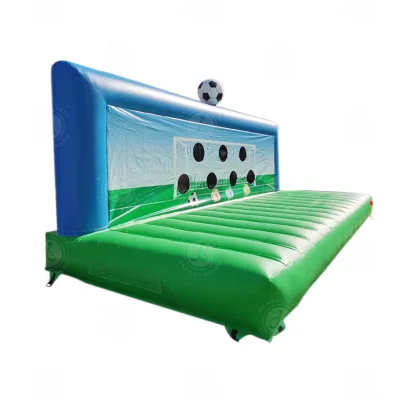
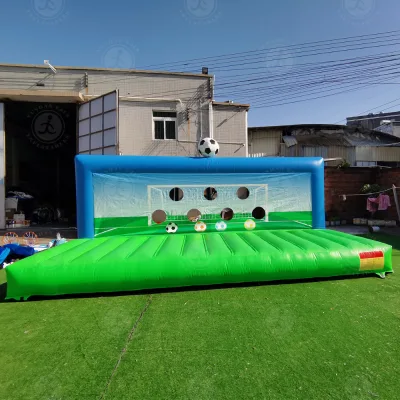


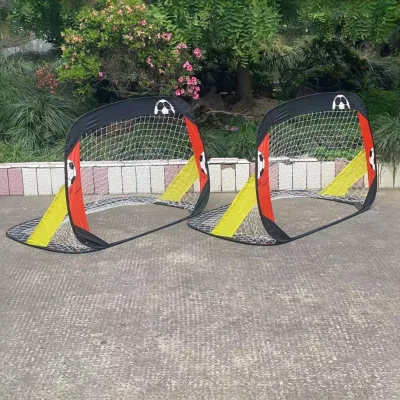
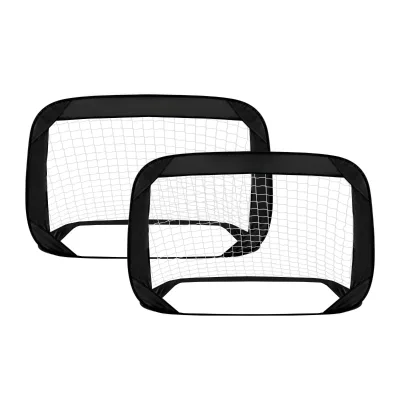




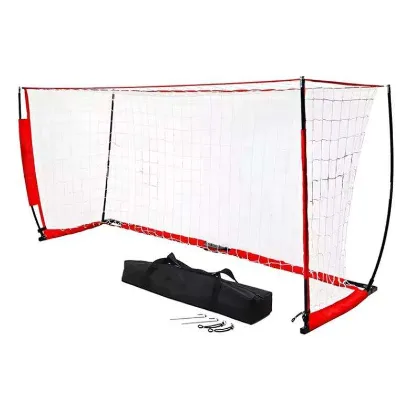
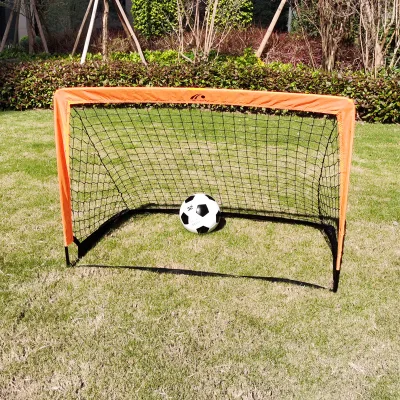


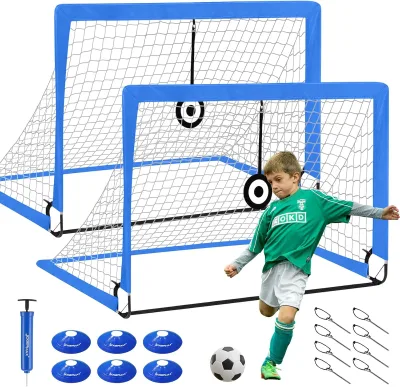
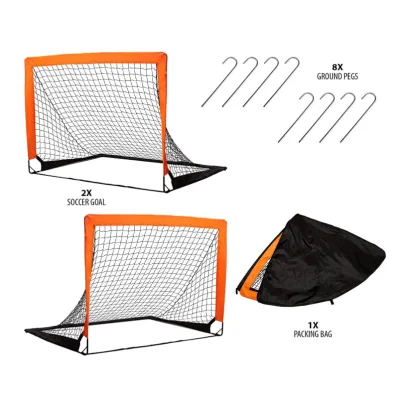


Comprehensive Sourcing Guide
Portable Pop Up Soccer Goal Supplier Concentration and Factory Types
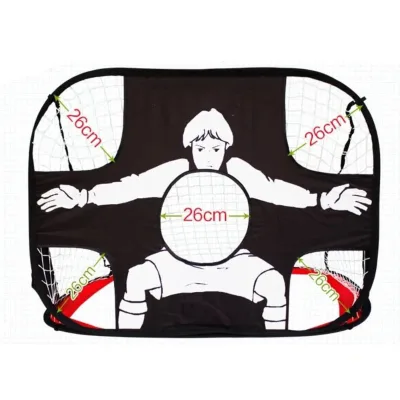
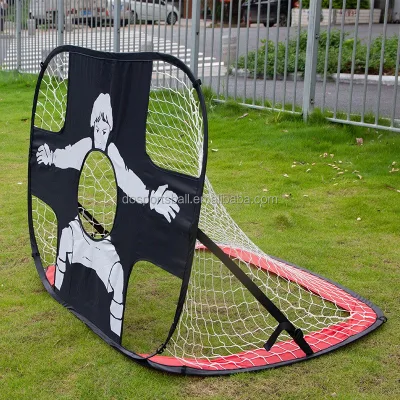
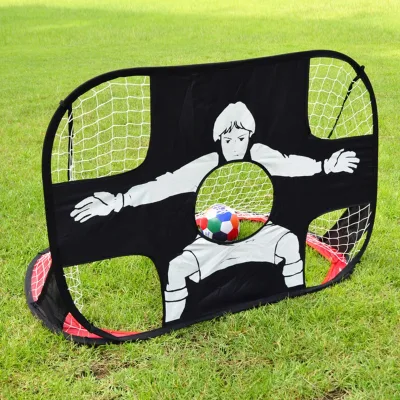
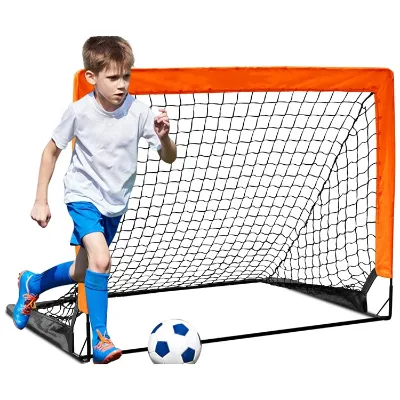
Current data indicates a concentration of suppliers in China Jiangsu and China Guangdong, with distinct operational profiles emerging from these clusters. In Jiangsu, the available results show a mix of trading companies and manufacturers offering a broad range of ball sports equipment, including soccer, basketball, and tennis gear. These entities often list OEM and ODM capabilities, suggesting flexibility in production customization for portable goals. The presence of specific product models like BSG-0112 and WT-003 in this region highlights a focus on standardized yet customizable portable soccer goals designed for entertainment and training. Buyers should verify if the specific factory type aligns with their volume needs, as trading companies may offer broader catalogs while manufacturers might provide deeper technical control over materials like 210d Oxford fabric and fiberglass poles.
Conversely, suppliers in China Guangdong appear to operate primarily as manufacturers or factories, specializing in sporting goods and nets. These entities often display higher lead times, such as 105 days, which may reflect larger production scales or complex supply chains for items like 12' x 6' portable soccer goals. The main product lists for these Guangdong-based suppliers include diverse items like baseball bats and table tennis desks, indicating a generalist manufacturing approach rather than a niche focus solely on soccer. When evaluating these clusters, buyers must distinguish between the trading company model found in Jiangsu and the factory model in Guangdong. This distinction is critical because factory types often imply direct control over the production process, whereas trading companies may aggregate products from multiple sources. Verification of the actual production site is necessary to confirm if the supplier is the direct manufacturer or an intermediary.
How to Verify Portable Pop Up Soccer Goal Suppliers
Verification of supplier credibility relies heavily on third-party audit results and specific certification markers found in the data. Several suppliers in the current results hold BV verification status, which serves as a tangible indicator of business legitimacy and operational stability. Additionally, system certifications such as BSCI and SA 8000 are present, signaling adherence to social compliance and labor standards. These credentials are particularly relevant for buyers concerned with ethical sourcing and workforce conditions within the manufacturing facilities. However, not every supplier listed possesses these specific certifications, so buyers must actively check the profile for BV status and social compliance badges before proceeding. Relying on unverified claims without these visible markers introduces unnecessary risk into the sourcing process.
Beyond social compliance, product-specific testing standards provide another layer of verification for the quality of portable pop up soccer goals. Evidence shows that certain products meet EN71 and CE standards, which are essential for safety in children's sports equipment. Some listings explicitly mention "En71/Ce" testing, while others reference specific construction materials like 210d Oxford and 6.9mm fiberglass poles. Buyers should request test reports that correspond to these stated standards to ensure the goals are safe for their intended usage, whether for racing, entertainment, or gift purposes. It is also important to confirm the origin of the product, as some data points list "Jiangsu" or "China" as the origin. Verifying that the physical product matches the claimed origin and testing standards is a crucial step in mitigating the risk of receiving substandard goods that fail to meet safety regulations.
What to Compare Across Portable Pop Up Soccer Goal Suppliers
When comparing suppliers, lead time and minimum order quantity (MOQ) are primary differentiators that impact inventory planning and cash flow. The data reveals a significant variance in lead times, ranging from 38 days to 105 days depending on the supplier's location and capacity. Similarly, MOQs fluctuate widely, with some suppliers requiring as few as 100 pieces while others demand 1,000 pieces for specific models. Buyers must align these constraints with their order volume; a supplier with a 300-piece MOQ and 38-day lead time may suit a smaller, faster-turnover order, whereas a 1,000-piece MOQ with a 105-day lead time suggests a bulk manufacturing arrangement. Comparing these metrics helps buyers identify which suppliers can meet their specific timeline and volume requirements without overstocking or facing delays.
Response time and product customization options further distinguish supplier capabilities in this category. Response times in the current results vary, with some suppliers averaging around 18 hours and others taking up to 25 hours to reply. Faster response times often correlate with better communication channels and more agile order processing. Additionally, customization availability is a key comparison point; while some products are listed as "Customized" with options for Pantone colors and specific dimensions, others are marked as "Non-Customized" with fixed sizes like 6*4 feet. Buyers should evaluate whether the supplier offers OEM services and if they can accommodate specific design requests, such as custom logos or unique packing configurations like carry bags versus master cartons. These factors determine the flexibility of the partnership and the ability to tailor products to specific market needs.
Common Portable Pop Up Soccer Goal Sourcing Risks
One significant risk involves the discrepancy between claimed customization and actual product specifications. While many listings advertise "Customization: Available," some product attributes explicitly state "Non-Customized" for specific models. This inconsistency can lead to confusion regarding whether a buyer can request changes to dimensions, colors, or branding. For instance, a supplier might offer a standard 12' x 6' goal but claim customization is available, yet the product details may not support specific structural changes. Buyers must carefully cross-reference the general company capabilities with the specific product attributes to ensure that the desired modifications are genuinely feasible. Misalignment here can result in receiving goods that do not match the agreed-upon design, leading to rejection or additional costs.
Another risk pertains to the reliability of lead times and the potential for production delays. The data shows lead times ranging from 38 to 105 days, a wide gap that suggests varying levels of production efficiency or capacity constraints. A supplier promising a short lead time might face bottlenecks if they are simultaneously managing high volumes of other sporting goods like basketball stands or hockey doors. Furthermore, the reliance on specific materials like PVC or fiberglass poles introduces supply chain vulnerabilities if raw material prices fluctuate or availability drops. Buyers should not assume that the listed lead time is guaranteed without a formal contract. Verifying the supplier's current production schedule and capacity utilization is essential to mitigate the risk of delayed shipments, which can disrupt market launches and inventory planning.
Portable Pop Up Soccer Goal Regional Sourcing and Logistics
Sourcing from China Jiangsu and China Guangdong offers distinct logistical advantages and challenges that buyers must navigate. Jiangsu-based suppliers often provide a mix of trading and manufacturing services, potentially offering more flexible shipping options for smaller orders due to their trading company structure. The proximity of these suppliers to major ports in the Yangtze River Delta can facilitate efficient export logistics for goods like portable soccer goals. However, buyers should verify the specific port of loading and the shipping terms to ensure that the logistics chain is optimized for their destination. The diverse product range in Jiangsu, including volleyball and badminton equipment, suggests a robust local supply chain that can support multi-product orders.
In contrast, Guangdong-based suppliers, often operating as manufacturers, may have different logistical profiles due to their location in the Pearl River Delta. These suppliers might handle larger volumes, as indicated by higher lead times, which could impact shipping schedules and container consolidation. The manufacturing focus in Guangdong often means that production is tightly integrated with local supply chains, potentially reducing lead times for raw materials but increasing the time required for final assembly. Buyers should consider the impact of regional logistics on the final cost and delivery speed. Understanding the specific shipping routes from these regions is crucial for accurate freight cost estimation. Additionally, the packaging methods, such as carry bags or master cartons, vary by region and supplier, affecting the volume and weight of the shipment, which in turn influences freight charges and handling requirements.
Portable Pop Up Soccer Goal Commercial Terms and Order Planning
Commercial terms regarding pricing and payment structures vary significantly across the supplier base, requiring careful financial planning. Price ranges for portable pop up soccer goals span from approximately $4.20 to $65.00, depending on the model, size, and customization level. Smaller, mini goals often fall at the lower end of this spectrum, while larger, professional-grade goals command higher prices. Buyers must analyze the price-to-MOQ ratio to determine the most cost-effective option for their order size. For example, a supplier with a low MOQ of 100 pieces might have a higher unit price compared to a supplier requiring 1,000 pieces. Understanding these price tiers helps buyers negotiate better terms and align their budget with the expected order volume.
Order planning must also account for sample times and production standards to ensure timely delivery. Some suppliers indicate a sample time of 3-7 days, which is a critical factor for buyers needing to validate product quality before committing to a large order. Additionally, adherence to standards like EN71 and specific dimensions such as 1208080cm or 6*4 feet must be confirmed in the commercial agreement. Buyers should ensure that the final contract explicitly states the agreed-upon standards, dimensions, and packaging requirements to avoid disputes. Planning for these variables allows buyers to manage their inventory effectively and meet market demand without unexpected delays. By integrating these commercial terms into their order planning, buyers can secure a reliable supply chain for portable pop up soccer goals.
FAQs
What is the price range for portable pop up soccer goals?
Prices for portable pop up soccer goals typically range from $4.20 to $15.75 per unit. The final cost depends on the specific model, customization options, and order quantity. Buyers should expect higher prices for larger sizes or specialized features like waterproof materials.
What is the minimum order quantity for these goals?
The minimum order quantity varies by supplier and product model. Some manufacturers require a minimum of 100 pieces, while others set the threshold at 300 or even 1000 pieces. Buyers should check the specific product details to confirm the exact MOQ before placing an order.
Where are portable pop up soccer goals manufactured?
These products are primarily manufactured in China, with specific production hubs located in Jiangsu and Guangdong provinces. Buyers can source from both trading companies and direct manufacturers in these regions, ensuring access to a wide variety of styles and customization options for their specific needs.
What certifications do these soccer goals have?
Many portable pop up soccer goals comply with EN71 and CE safety standards, ensuring they are safe for children and recreational use. Additionally, suppliers often hold BSCI and SA 8000 certifications, indicating adherence to social responsibility and ethical manufacturing practices throughout the production process.
How long does it take to produce these goals?
Production lead times for portable pop up soccer goals generally range from 38 to 105 days. The exact duration depends on the supplier's current workload, the complexity of customization, and the order volume. Buyers should confirm the specific timeline with the supplier before finalizing the purchase.
Can I customize the color and design of the goals?
Yes, customization is widely available for portable pop up soccer goals. Buyers can often select specific Pantone colors, add custom logos, or modify the design to match their brand. OEM and ODM services are offered by many suppliers, allowing for tailored products that meet specific requirements.