Portable Pongee Baby Stroller Sunshade Suppliers and Manufacturers
Explore 22 verified options for Portable Pongee Baby Stroller Sunshade from factories in China. Compare response times, lead times, certifications, and MOQs to find the right partner. Contact suppliers directly to request quotes and samples; review the available evidence before requesting comparable quotations from suitable candidates.
Suppliers List

Fuzhou Haomin Imp. & Exp. Co., Ltd.
- Verified by SGS
- Manufacturer/Factory
- China Fujian
- Lead time23 days
- Avg. response≤ 4h
Main productsBackpacks, Beach Bags, School Bags, Shopping Bags, Canvas Bags, Sports Bags, Cosmetic Bags, Pet Bags, Cotton Bag, Travel Bag
Main marketsSouth America,Eastern Europe,Mid East,North America,Southeast Asia,Eastern Asia,Oceania,Western Europe,Africa

Cartoon Stroller Sunshade Breathable Cotton Gauze Baby Stroller Sun Cover Stroller Sunshade
$2.89 - $3.49
MOQ: 500 Pieces


Difanmax Tech Lianyungang Co., Ltd.
- Verified by BV
- Manufacturer/Factory
- China Jiangsu
- Lead time23 days
- Avg. response≤ 3h
Main productsConsumer Electronics, Kinesiology Tape Adhesive Tapes, Industrial Tools, Home & Garden, Gifts & Crafts, Sport Products Entertainment, Health & Medical, Auto Parts E-Bike Auto Tools & Components, Clothes Apparel, Bicycle Hardware Laboratory Measuring Protective
Main marketsSouth America,North America,Southeast Asia,Oceania,Western Europe
- Manufacturer
- Hebei, China
- Lead time0 days
- Avg. response≤ 3h
Main productsChild stroller,Children's balance
Main marketsAfrica(20.00%), Southeast Asia(20.00%), Eastern Europe(20.00%), South America(20.00%), North America(20.00%)
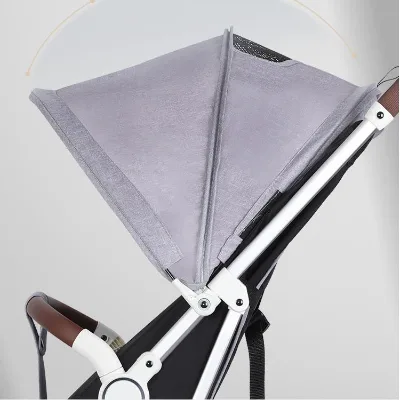
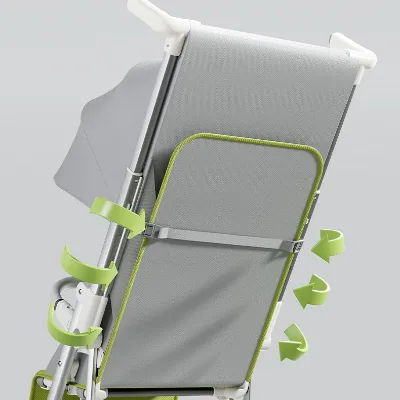
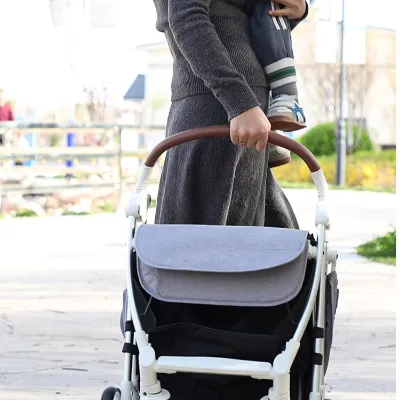
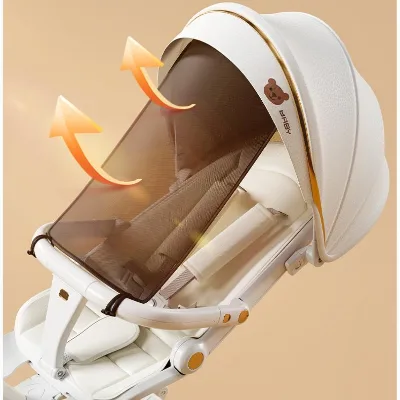
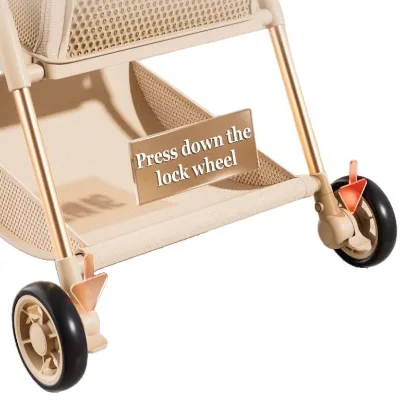
Factory Customized Multi-Function Foldable Strollers 3-in-1 Strollers and Sunshade Canopy Stroller
$45.18 - $47.42
MOQ: 10 pieces
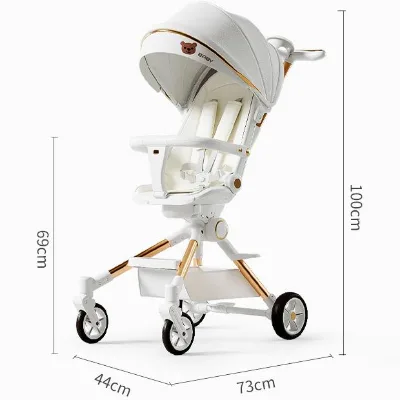
$25.19 - $26.11
MOQ: 10 pieces
Ningbo Jintong Baby Products Co., Ltd.
- Trading Company
- Zhejiang, China
- Lead time30 days
- Avg. response≤ 2h
Main productsBaby Products
Main marketsNorth America(21.00%), Western Europe(16.00%), South America(10.00%), Mid East(9.00%), Southeast Asia(9.00%), Eastern Europe(8.00%), Eastern Asia(7.00%), Southern Europe(6.00%), Northern Europe(5.00%), Africa(3.00%), South Asia(2.00%), Oceania(2.00%), Central America(2.00%)
Ningbo Yuxing Trading Co., Ltd.
- Trading Company
- Zhejiang, China
- Lead time0 days
- Avg. response≤ 2h
Main productsBaby Play Mat,Wooden Educational Toys,Baby Cushion Support,Shopping Cart Cover,Portable Diaper Bag
Main marketsNorth America(50.00%), Eastern Europe(20.00%), South America(20.00%), Domestic Market(10.00%), South Asia(10.00%), Southern Europe(10.00%), Northern Europe(10.00%), Central America(10.00%), Western Europe(10.00%), Eastern Asia(10.00%), Mid East(10.00%), Oceania(10.00%), Africa(10.00%), Southeast Asia(10.00%)

HEBEI GREENSKY INDUSTRY GROUP CO., LTD
- Combined
- China Hebei
- Lead time23 days
- Avg. response≤ 13h
Main productsBaby Stroller, Kids Tricycle, Kids Balance Bike, Carseat, Kids Bike, Baby Walker
Main marketsSouth America


$41.20 - $46.00
MOQ: 100 Pieces


HEBEI XINGJIU VEHICLE INDUSTRY SCI-TECH CO., LTD.
- Combined
- China Hebei
- Lead time23 days
- Avg. response≤ 6h
Main productsBike, Bicycle, Mountain Bike, Children Scooter, Electric Toy Car, Children Bicycle, Kick Scooter, Balance Scooter
Main marketsSouth America,Africa,Southeast Asia/ Mideast,East Asia(Japan/ South Korea),Domestic,Europe,Australia,North America

Hebei Miaoou Trading Co., Ltd.
- Trading Company,Manufacturer/Factory
- China Hebei
- Lead time23 days
- Avg. response≤ 7h
Main productsRoad Bike, Mountain Bike, Children Bicycle, Kids Balance Bike, Children Tricycle, Baby Stroller, Children's Electric Cars, Children Scooter, Tyre and Saddle, Snow Bike
Main marketsSouth America,Eastern Europe,Mid East,North America,Southeast Asia,Eastern Asia,Oceania,Western Europe,Africa

$64.00 - $68.00
MOQ: 10 Pieces

$165.00 - $169.00
MOQ: 10 Pieces

$17.40 - $18.40
MOQ: 10 Pieces


- Verified by BV
- Manufacturer/Factory
- China Fujian
- Lead time15 days
- Avg. response≤ 25h
Main productsWater Bottle, Kitchen Ware, Shoes, Plastic Product, Bag, Toy
Main marketsSouth America,Eastern Europe,Mid East,North America,Southeast Asia,Eastern Asia,Oceania,Western Europe,Africa
Linying Changsheng Baby Carriage Manufacturing Co., Ltd.
- Verified by TüVRheinland
- Manufacturer, Trading Company
- Lead time30 days
- Avg. response≤ 2h
Main productsStroller, Baby Walker, Dining Chair, Pet Car
Main marketsDomestic Market(51%), Southeast Asia(25%), South America(13%)
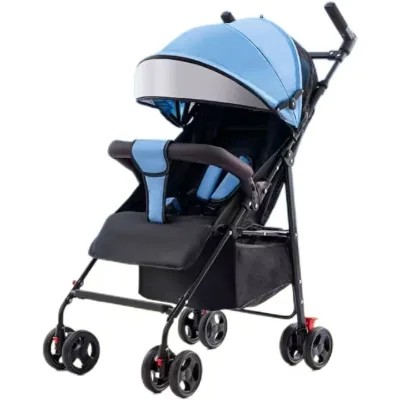
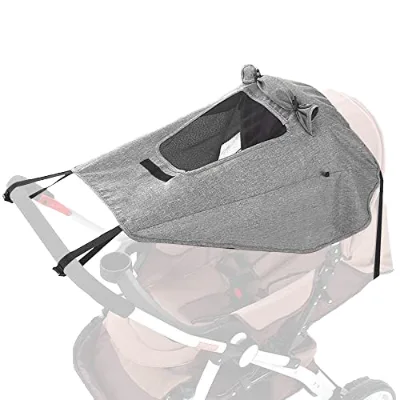
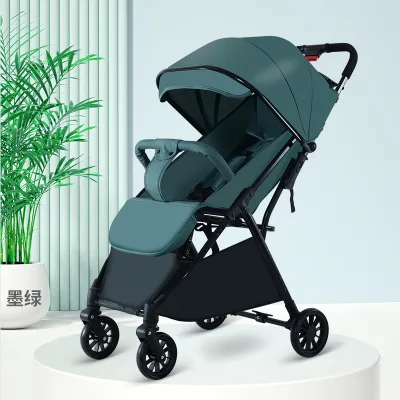
Baby Stroller Sun Shade and Stroller Sunshield Canopy Baby Stroller Top Protect Cover
$17.51 - $21.62
MOQ: 500 sets
Zhongshan Beipai Trading Co., Ltd.
- Trading Company
- Guangdong, China
- Lead time25 days
- Avg. response≤ 2h
Main productsBaby Strollers/Baby Feeding Chairs/Baby Cribs/Baby Rockers,Pet Strollers,Kid's Furniture,baby rocker,baby crib
Main marketsNorth America(20.00%), Western Europe(20.00%), Eastern Asia(15.00%), Eastern Europe(12.00%), South America(10.00%), Oceania(8.00%), Southeast Asia(8.00%), Mid East(7.00%)
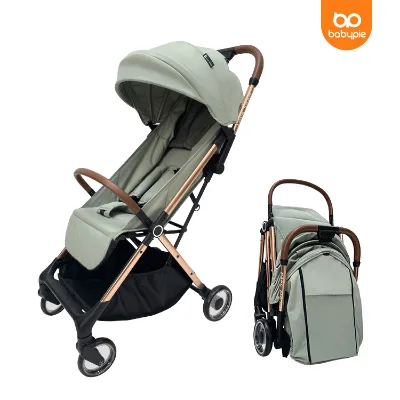
$43.36 - $61.65
MOQ: 300 pieces
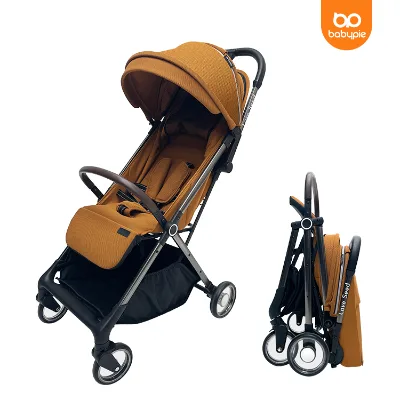
$41.50 - $59.00
MOQ: 300 pieces

Anhui Talent Baby Products Co., Ltd.
- Verified by TUVRHEINLAND
- Trading Company
- China Anhui
- Lead time23 days
- Avg. response≤ 8h
Main productsBaby Stroller, Baby Side Rails, Corset Belt, Meternity Bra, Baby Walker, Baby Tricycle, Baby Play Pen, Baby Chair, Baby Car Seat, Baby Cot
Main marketsOthers(foreignTradeCapacity.exportBusinessCapacityMarketOther),Southeast Asia/ Mideast,Domestic
HEBEI CUIKE BICYCLE IMPORT AND EXPORT CO.,LTD
- Verified by SGS Group
- Trading Company
- Lead time20 days
- Avg. response≤ 3h
Main productsKids Balance Bike, Kids Bike, Mountain Bike
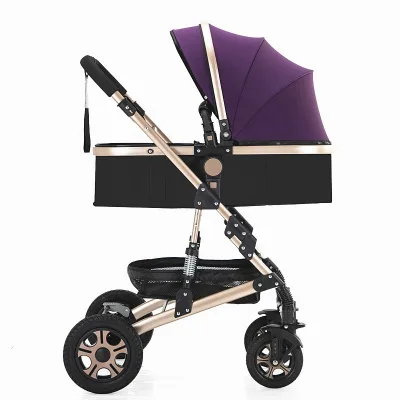
Baby Stroller Sun Shade and Stroller Sunshield Canopy Baby Stroller Top Protect Cover
$42.86 - $43.88
MOQ: 100 pieces
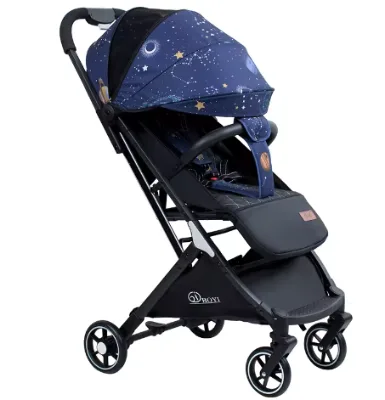
New Design OEM China Manufacturer Folding Can Sit Can Lie Down Children Sunshade Car
$30.00
MOQ: 100 pieces

Kunshan Cool Kids Business Co., Ltd.
- Trading Company
- China Jiangsu
- Lead time45 days
- Avg. response≤ 25h
Main productsBaby Stroller, Playard, Car Seat, Baby Buggy, Travel System, Baby Bed, Baby Dinner Chair, Cradle
Main marketsSouth America,Africa,Southeast Asia/ Mideast,East Asia(Japan/ South Korea),Domestic,Europe


New Baby Pushchair Lightweight Baby Stroller Foldable Pram Buggy Travel Stroller
$28.30 - $30.30
MOQ: 100 Pieces


Factory Wholesale Lightweight Multifunctional Baby Stroller with Sunshade Canopy Umbrella Baby Pram
$28.80 - $30.80
MOQ: 100 Pieces


Dongguan Chuanghua Industrial Co., Ltd.
- Manufacturer, Trading Company
- Guangdong Province, China
- Lead time45 days
- Avg. response≤ 4h
Main productsBaby stroller,Baby buggy,Baby chair,Rocking chair,Baby bed
Main marketsDomestic Market(93.02%), Southeast Asia(2.33%), Mid East(1.86%), Eastern Europe(1.86%), South America(0.47%), South Asia(0.46%)

Huizhou Super Baby Industrial Co., Ltd.
- Manufacturer, Trading Company
- Guangdong, China
- Lead time30 days
- Avg. response≤ 8h
Main productsBaby Stroller, Baby Carrier, Mommy Bags, Baby Sleeping Bags, High Chair
Main marketsEastern Europe(70.00%), North America(10.00%), Africa(10.00%), Domestic Market(5.00%), Southern Europe(1.00%), Eastern Asia(1.00%), Northern Europe(1.00%), Mid East(1.00%), Southeast Asia(1.00%)

XINGTAI REITERSTON VEHICLE CO., LTD.
- Combined
- China Hebei
- Lead time23 days
- Avg. response≤ 3h
Main productsChildrens Scooters, Kick Scooter, Bike, Children's Electric Cars, Mountain Biking, Scooter, Children's Balancing Car, Electric Motorcycle, Electric Car Toys, Juguetes Para Vehiculos Electricos
Main marketsDomestic

$46.00 - $50.00
MOQ: 50 piece


High Landscape Baby Stroller/Enlarged Sunshade/Aluminum Alloy Frame/Children's Walkers
$21.00 - $25.00
MOQ: 100 piece

Hot Selling Baby Stroller/with Sunshade/Push and Ride/Multifunctional Foldable Children's Bicycle
$27.40 - $31.40
MOQ: 50 piece

Zhongshan Evaster Children's Products Co., Ltd
- Verified by SGS
- Combined
- China Guangdong
- Lead time30 days
- Avg. response≤ 3h
Main productsBaby Stroller/Buncer/Rocker/Swing/Highchair, Kids' and Adults' Scooters/Stunt Scooter, Pet Stroller, Hook on Chair, Stroller Rain Covers Foot Muffs Mommy Bags Cu, Indoor Kids' Play Trampoline, Baby Multi-Functional Activity Gym, Nursing Pillow, Kids' Pogo Stick
Main marketsEast Asia(Japan/ South Korea),Europe,North America


Factory Foldable Lightweight Baby Travel Stroller High Quality Infant Umbrella Pushchair
$45.80 - $46.80
MOQ: 500 Pieces

- Verified by TUVRHEINLAND
- Combined
- China Hebei
- Lead time30 days
- Avg. response≤ 2h
Main productsRide on Car, Children Electric Car, Children Electric Bike, Kids Toy Car, Toy Car, Children Car, Children Motor Bike, Battery Car, Battery Bike, Kids Bike
Main marketsSouth America,Domestic


$26.00 - $36.00
MOQ: 100 Pieces

- Verified by SGS
- Trading Company
- China Hebei
- Lead time30 days
- Avg. response≤ 5h
Main productsBike, Kids Bike, Balance Bike, Bicycle, Mountain Bike, Bicycle Parts, Baby Tricycle, Baby Motorcycle, Baby Walker, Baby Car
Main marketsSouth America,Africa,Southeast Asia/ Mideast,Europe

- Verified by TUVRHEINLAND
- Trading Company
- China Zhejiang
- Lead time15 days
- Avg. response≤ 18h
Main productsStationery Set, Calendar, Promotion Pen, Bottle, Car Products, Fidget Toy, DIY Toy, Education Toy, Art Set, Pencil Case
Main marketsSouth America,Europe,North America

Hot Selling Baby Lightweight Folding Simple Sit-Lie Easy Umbrella Stroller
$6.00 - $7.00
MOQ: 500 Pieces

Ultra-Lightweight Can Sit and Carry Folding Shock-Absorbing Baby Summer Pushchair Stroller
$5.00 - $9.00
MOQ: 500 Pieces

ShaoXing Rui Sheng Umbrella Co.,Ltd.
- Verified by SGS
- Combined
- China Zhejiang
- Lead time30 days
- Avg. response≤ 4h
Main productsUmbrella, Gift Umbrella, Advertising Umbrella, Golf Umbrella, Stick Umbrella, Lady Umbrella, Umbrella Outdoor, Umbrella with Logo, Umbrella Automatic, Beach Umbrella
Main marketsEurope

Easy Folding Lightweight Kids Outdoor Umbrella Magic Baby Stroller for Trave
$1.60 - $2.50
MOQ: 500 Pieces


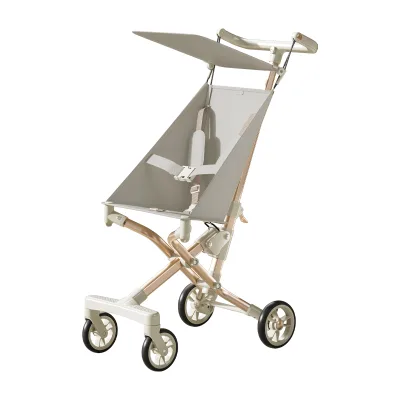
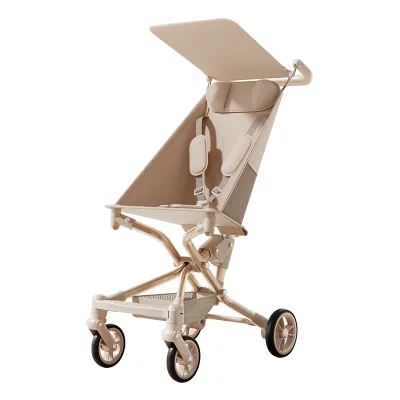
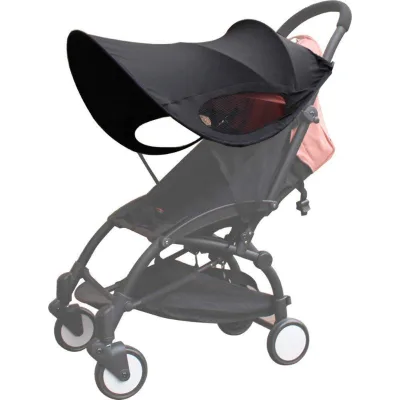


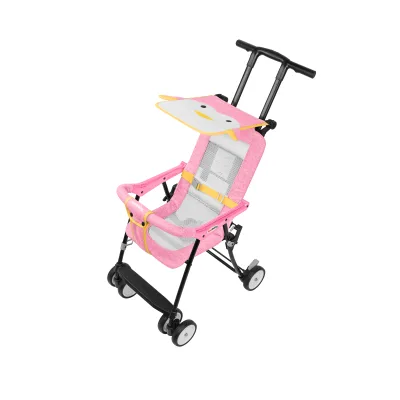


Comprehensive Sourcing Guide
Portable Pongee Baby Stroller Sunshade Supplier Concentration and Factory Types
Current data indicates a concentration of manufacturing activity in China, specifically within the Fujian and Jiangsu provinces, alongside facilities in Hebei. These regions host a mix of manufacturer and factory entities that produce a wide array of textile and baby care items, including backpacks, canvas bags, and specialized stroller accessories. The presence of these diverse product lines suggests that many suppliers operate as multi-category factories capable of handling various fabric-based goods. Buyers should verify if a specific facility focuses exclusively on stroller sunshades or if this is a secondary line within a broader portfolio of bags and textile products.
The supplier types observed include direct manufacturers and factories that offer both OEM and ODM capabilities. Some entities also maintain their own brands, indicating a capacity for private label development alongside custom manufacturing. When evaluating these facilities, it is crucial to distinguish between a trading company and a production house, as the latter typically offers more direct control over the manufacturing process for pongee fabric items. Buyers must confirm the specific factory location and type to ensure the supply chain aligns with their quality and volume requirements for portable sunshade products.
How to Verify Portable Pongee Baby Stroller Sunshade Suppliers
Verification processes for these suppliers often involve checking for third-party audit reports and system certifications. Available data points include BSCI, ISO 9001, and SEDEX certifications, which indicate adherence to social compliance and quality management standards. Additionally, some suppliers display verification status from agencies like SGS or BV, providing an external layer of trust regarding their business operations and product safety. Buyers should request current certificates to confirm that the supplier maintains these standards specifically for the production of baby stroller accessories.
Response time is another critical metric for assessing supplier reliability and communication efficiency. Observed response times vary, with some suppliers demonstrating a speed of approximately 2.76 hours while others take around 3.90 hours. A faster response time often correlates with better inventory management and a more agile production schedule, which is vital for urgent orders. Buyers should test communication channels early in the process to gauge how quickly a supplier addresses inquiries about pongee material specifications, customization options, and production timelines before committing to a larger order.
What to Compare Across Portable Pongee Baby Stroller Sunshade Suppliers
When comparing potential partners, buyers should analyze key operational dimensions such as minimum order quantities, lead times, and pricing structures. Data shows that MOQs can range significantly, with some suppliers requiring 500 pieces while others accept orders as low as 300 or 200 units. Lead times also vary, with some facilities reporting a standard duration of 23 days, while others may have different production schedules. Understanding these thresholds is essential for aligning supplier capabilities with the buyer's inventory planning and cash flow requirements.
Pricing and product attributes provide further grounds for comparison across the supplier base. Unit prices for similar stroller sunshade models have been observed ranging from approximately $2.10 to $3.58, depending on features like mosquito netting, UV protection, and customization levels. Buyers must evaluate whether the price difference justifies specific product attributes, such as foldable designs or specific material weights. Additionally, comparing the availability of customization services, including logo printing and packaging options, helps determine which supplier offers the best value proposition for a branded portable pongee sunshade line.
Common Portable Pongee Baby Stroller Sunshade Sourcing Risks
One significant risk involves the variability in product specifications and material quality across different factories. While some listings specify pongee or polyester materials with defined features like recyclability and UV resistance, others may lack detailed material breakdowns. Buyers must ensure that the fabric used meets safety standards for baby products, particularly regarding breathability and sun protection efficacy. Inconsistent quality control can lead to returns or reputational damage if the sunshades fail to protect infants from the elements as advertised.
Another risk relates to the reliability of lead times and the potential for production delays. Although some suppliers list specific lead times, others may have undefined or zero-day estimates that do not reflect actual production capacity. Delays can disrupt supply chains, especially for seasonal products where timing is critical. Buyers should verify the supplier's current production load and capacity to handle OEM or ODM orders. Relying on unverified lead time claims without a clear contract can result in missed market windows and increased logistical costs for expedited shipping.
Portable Pongee Baby Stroller Sunshade Regional Sourcing and Logistics
Sourcing from China, particularly from provinces like Fujian, Jiangsu, and Hebei, offers access to established manufacturing clusters for textile and baby products. These regions benefit from mature supply chains for raw materials like pongee fabric and metal frames, which can streamline production. However, buyers must account for the logistical complexities of shipping from these inland and coastal locations. The distance from the factory to the port of loading can impact transit times and freight costs, requiring careful coordination with freight forwarders.
Logistics planning should also consider the specific packaging requirements for stroller sunshades, which are often folded or rolled to save space. Data indicates that products are typically packed in cartons, with some suppliers offering single-piece packing for retail readiness. Buyers need to verify the dimensions and weight of the packed goods to optimize container loading and reduce shipping expenses. Additionally, understanding the export procedures from the specific province of origin is crucial for ensuring smooth customs clearance and timely delivery to the destination market.
Portable Pongee Baby Stroller Sunshade Commercial Terms and Order Planning
Commercial terms for these orders often include specific conditions regarding customization, payment, and quality assurance. Many suppliers support OEM and ODM services, allowing for customized logos and packaging, but buyers must confirm the associated costs and minimum order thresholds. Quality control support is frequently mentioned, indicating that suppliers may offer pre-shipment inspections or third-party testing. Buyers should clarify the exact scope of QC support and whether it includes testing for specific safety standards relevant to baby products.
Order planning requires a clear understanding of the total landed cost, including the unit price, tooling fees, and shipping expenses. Prices observed range from $2.10 to $3.58, but the final cost will depend on the order volume and specific customization requests. Buyers should also plan for the lead time, which can be around 23 days, and factor in buffer time for potential delays. Establishing a clear timeline for sample approval, production, and shipping is essential to ensure that the portable pongee baby stroller sunshades arrive in time for the intended sales season or promotional campaign.
FAQs
What is the price range for portable pongee baby stroller sunshades?
Portable pongee baby stroller sunshades typically cost between $2.10 and $3.58 per unit. Prices vary based on specific features like mosquito netting or UV protection levels. Buyers should expect minimum order quantities to influence the final per-unit cost, with standard pricing starting around $2.38 for basic models.
What is the minimum order quantity for these sunshades?
The minimum order quantity for portable pongee baby stroller sunshades is generally 300 to 500 pieces. Some suppliers accept orders starting at 300 units, while others require a minimum of 500 pieces. Buyers should verify the specific MOQ with the supplier before placing an order to ensure it meets their volume requirements.
How long does it take to produce these sunshades?
Production lead times for portable pongee baby stroller sunshades are approximately 23 days. This timeframe allows for manufacturing and quality control processes. Buyers should confirm the exact lead time with the supplier, as it may vary based on order volume and customization requirements for logos or specific packaging.
Can I customize the logo on these sunshades?
Yes, customization is available for portable pongee baby stroller sunshades. Suppliers support OEM services, allowing buyers to add customized logos to the products. This service enables brands to maintain their identity. Buyers should discuss specific logo placement and design requirements with the supplier to ensure the customization meets their standards.
Where are these sunshades manufactured?
These sunshades are manufactured in China, specifically in regions like Fujian and Jiangsu. Suppliers in these areas offer various options for portable pongee baby stroller sunshades. Buyers can verify the exact location of the supplier to assess logistics and shipping costs. The origin is clearly stated as China for these products.
What certifications do these suppliers hold?
Suppliers of portable pongee baby stroller sunshades often hold certifications such as BSCI, ISO 9001, and SEDEX. These certifications indicate adherence to quality and social responsibility standards. Buyers should verify the specific certifications held by the supplier to ensure compliance with their own regulatory requirements and ethical sourcing policies.