Portable RGB LED Camera Light Suppliers and Manufacturers
Source from 23 verified suppliers offering Portable RGB LED Camera Light with RoHS and FCC certifications. Compare Guangdong-based manufacturers on lead times, MOQ, and response rates. Request quotes to verify pricing and production capacity; review the available evidence before requesting comparable quotations from suitable candidates.
Suppliers List
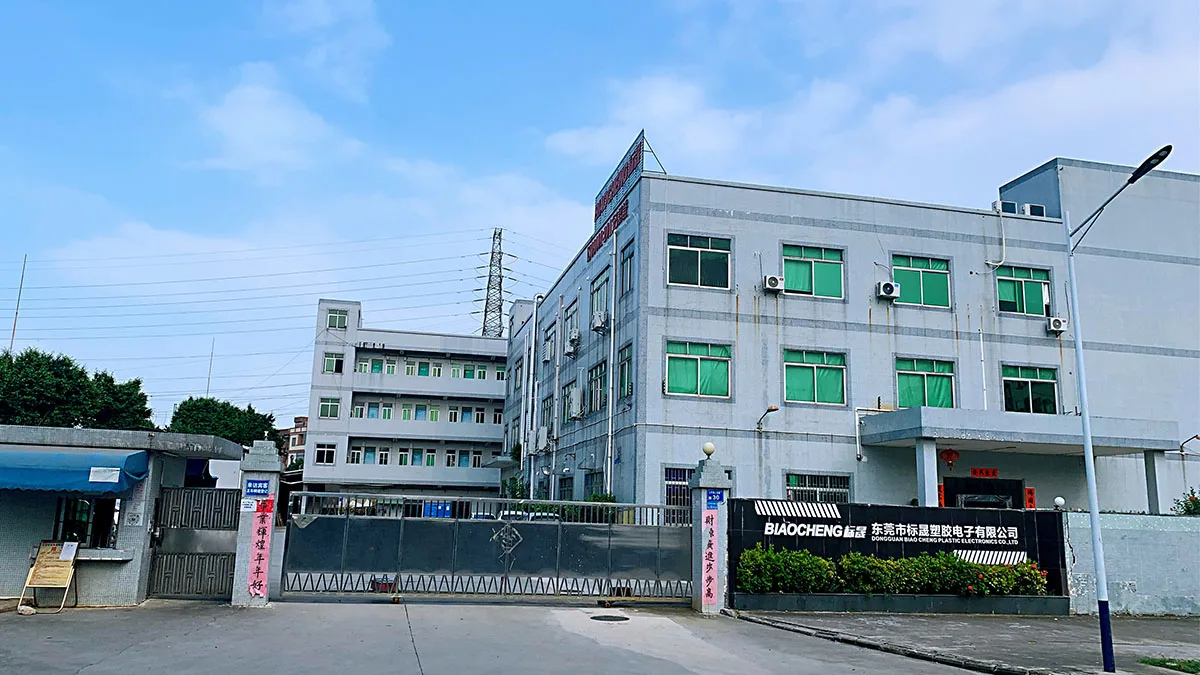
Dongguan Biaocheng Plastic Electronics Co., Ltd.
- Manufacturer, Trading Company
- Guangdong, China
- Lead time25 days
- Avg. response≤ 7h
Main productsVideo Light,Softbox,Photographic Equipment,Microphone,Ring Light
Main marketsNorth America(30.0%), Eastern Europe(20.0%), Domestic Market(10.0%), Western Europe(10.0%), Eastern Asia(10.0%), South America(10.0%), Central America(5.0%)

Guangzhou Miao Figure Digital Technology Co, Ltd
- Verified by TUVRHEINLAND
- Manufacturer/Factory
- China Guangdong
- Lead time68 days
- Avg. response≤ 2h
Main productsPhotography Lights, Photography Background, Photography Props, Camera Stand, Photography Stand, Background Stand, Camera Accessories, Action Camera Accessories, Photography Softbox, Photography Light Stand
Main marketsEastern Europe,Mid East,North America,Western Europe,Africa
Shenzhen Hongtu Zhanfei Technology Co., Ltd.
- Manufacturer, Trading Company
- Guangdong, China
- Lead time0 days
- Avg. response≤ 4h
Main productsStabilizer,Microphone,Camera Accessories,Digital Storage Box,Camera Tripod.
Main marketsWestern Europe(15.0%), Northern Europe(13.0%), Oceania(10.0%), Domestic Market(10.0%), South Asia(10.0%), Central America(10.0%), Mid East(9.0%), South America(8.0%), North America(5.0%), Eastern Asia(2.0%), Africa(2.0%), Southeast Asia(2.0%), Southern Europe(2.0%), Eastern Europe(2.0%)
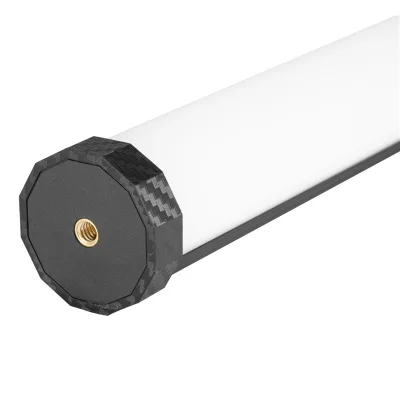
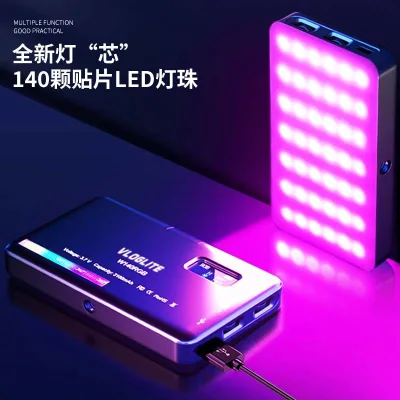
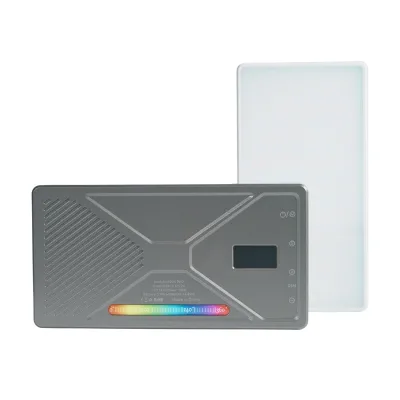
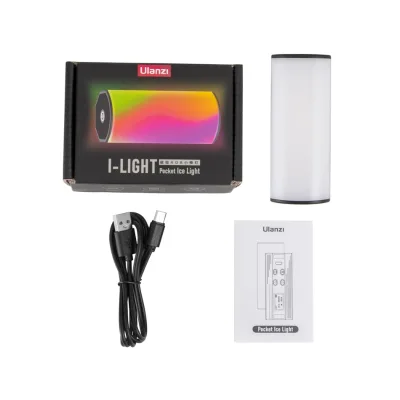
Handheld Photography Light Portable Led Video Camera Light Rgb Tube Light Hs-t25
$58.00 - $89.00
Moq: 1
Shenzhen BHD Technology Co., Ltd.
- Manufacturer, Trading Company
- Lead time旺季: "1 - 20":7,"> 20":"To be negotiated", 淡季: "1 - 20":7,"> 20":"To be negotiated"
- Avg. response≤ 3h
Main productsPower Bank, Wireless Charger, Bluetooth Earphone, Wall Charger, Innovative Consumer Electronic

Guangzhou Futu Intelligent Technology Co., Ltd
- Verified by SGS
- Combined
- China Guangdong
- Lead time15 days
- Avg. response≤ 5h
Main productsPhotographic Lighting, Camera Bag, Camera Tripod, Nail Lamp, Half Moon Light, Lash Light, Beauty Lamp, Eyelash Lamp, Lashes Lamp, Selfie Ring Light
Main marketsDomestic
Dongguan Wansheng Electronics Technology Co., Ltd.
- Verified by SGS Group
- Manufacturer, Trading Company
- Guangdong, China
- Lead time15 days
- Avg. response≤ 7h
Main productsFill Light,Beauty Lamp,Mobile Phone Tripod,Mobile Phone Bracket,External Optical Drive
Main marketsNorth America(15%), South America(15%), Eastern Europe(10%)

Guangzhou Jingying Information Technology Co., Ltd.
- Trading Company, Distributor/Wholesaler
- Guangdong, China
- Lead time10 days
- Avg. response≤ 2h
Main productsStand Tripod,Camera stabilizer,Photography light,Camera monitor,Camera Crane jib
Main marketsNorth America(20.0%), Northern Europe(15.0%), South Asia(11.0%), Eastern Europe(10.0%), Western Europe(8.0%), South America(8.0%), Africa(8.0%), Southern Europe(5.0%), Central America(4.0%), Mid East(4.0%), Domestic Market(3.0%), Southeast Asia(2.0%), Oceania(1.0%), Eastern Asia(1.0%)
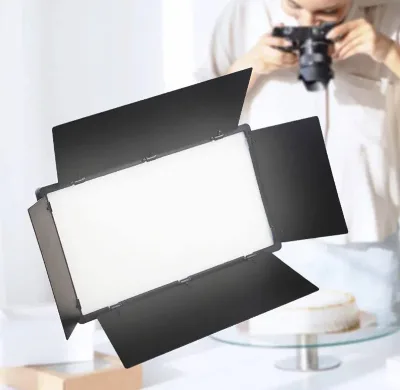
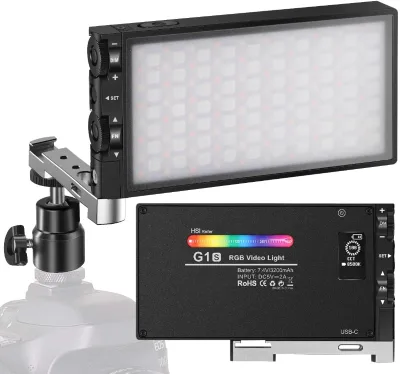
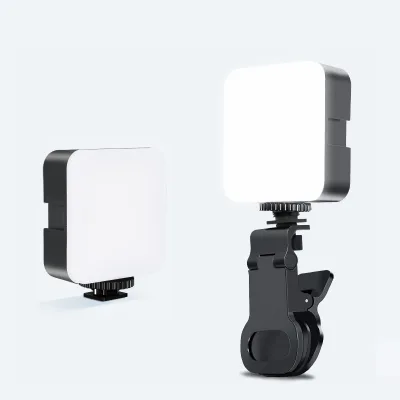
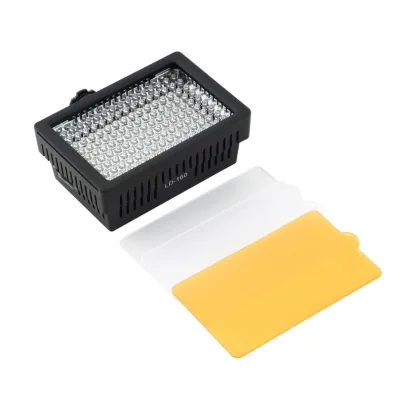
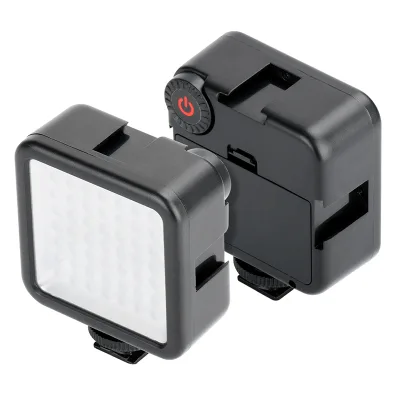
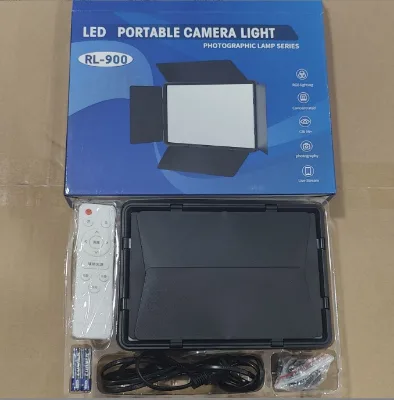
New Style RL-900 Professional Photography Remote Control Portable Camera LED Light
$15.30 - $25.50
Moq: 4
Guangzhou Meizhi Guang Photographic Equipment Co., Ltd.
- Manufacturer
- Guangdong, China
- Lead time3 days
- Avg. response≤ 3h
Main productsPhotography lighting,live streaming lighting,photography accessories,Photography fill-in light,Selfie stick
Main marketsAfrica(30.0%), North America(10.0%), Southeast Asia(10.0%), Eastern Asia(10.0%), Mid East(10.0%), Domestic Market(5.0%), Southern Europe(5.0%), Northern Europe(5.0%), Western Europe(5.0%), Eastern Europe(5.0%), South America(5.0%)

Ubaiyi Optoelectronic Technology (Shenzhen) Co., Ltd.
- Trading Company,Manufacturer/Factory
- China Guangdong
- Lead time23 days
- Avg. response≤ 6h
Main productsFill Video Light, Photo Studio Accessories, Screen for iPhone, Screen for Samsung, Screen for Pixel, Ear Phones, Accessories for Phone, Charger, Battery, Power Bank
Main marketsSouth America,Eastern Europe,Mid East,North America,Southeast Asia,Eastern Asia,Oceania,Western Europe,Africa
Guangzhou Fushen Technology Co., Ltd.
- Manufacturer, Trading Company, Distributor/Wholesaler
- Guangdong, China
- Lead time15 days
- Avg. response≤ 1h
Main productsDrones and Accessories,Photographic equipment,Consumer electronics,Intelligent projection,Smart wear
Main marketsEastern Europe(13.0%), North America(12.0%), Northern Europe(12.0%), South America(8.0%), Western Europe(7.000000000000001%), Central America(6.0%), South Asia(3.0%)

Shenzhen XinYingxin Electronics Technology Co., Ltd.
- Trading Company,Manufacturer/Factory
- China Guangdong
- Lead time38 days
- Avg. response≤ 12h
Main productsElectric Fireplace APP Control Board, Fireplace&Appliance Customizing Control Board, Intelligent Home System Products, Modern Electric Fireplace, Fireplace Electronics Accessories, Wood Plastic Composite Flooring, Electric Fireplace
Main marketsSouth America,Eastern Europe,Mid East,North America,Southeast Asia,Eastern Asia,Oceania,Western Europe,Africa
Ningbo E-Reise Photographic Equipment Co., Ltd.
- Manufacturer
- Zhejiang, China
- Lead time0 days
- Avg. response≤ 11h
Main productsPhotographic Equipment,comsumer electronics
Main marketsDomestic Market(30.0%), Western Europe(30.0%), South America(20.0%), Southeast Asia(10.0%), North America(10.0%)
Shaoxing Fantai Digital Photographic Equipment Co., Ltd.
- Verified by SGS Group
- Manufacturer, Trading Company
- Lead time20 days
- Avg. response≤ 6h
Main productsTripod, Studio Light, Cleaning Kit, Continous COB Light, Ring Light
Main marketsNorth America(40%), Western Europe(31%), Southeast Asia(19%)
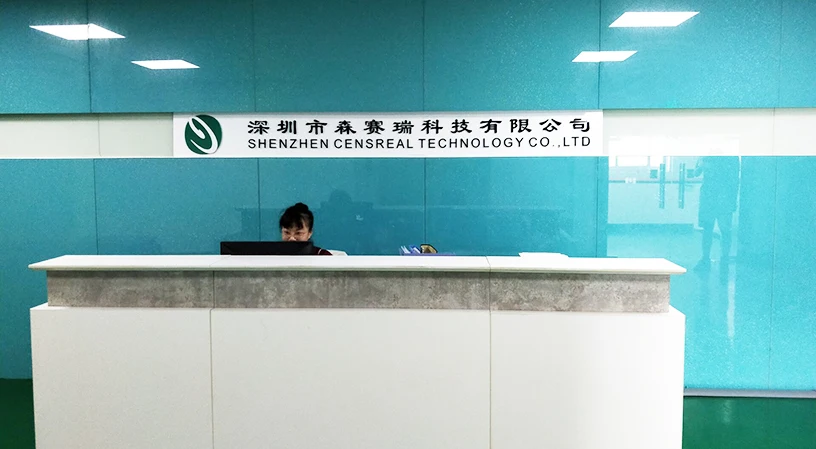
Shenzhen Censreal Technology Co., Ltd.
- Trading Company
- Guangdong, China
- Lead time5 days
- Avg. response≤ 7h
Main productsLED Half Moon Lights, LED Video Lights, LED UV Lash Lights, Camera Batteries, Camera Chargers
Main marketsNorth America(30.0%), South America(10.0%), Western Europe(10.0%), Eastern Europe(10.0%), Domestic Market(10.0%), Oceania(5.0%), Southern Europe(5.0%), Eastern Asia(5.0%), Africa(5.0%), Mid East(5.0%), Southeast Asia(5.0%)
Shenzhen Hongli Electronics Co., Ltd.
- Verified by TüVRheinland
- Manufacturer, Trading Company
- Lead time10 days
Main productsAction & Sports Camera Accessories, Camera Accessories Kit, Other Camera Accessories, Riding Accessories, Photographic Lighting
Main marketsNorth America(22%), Eastern Asia(9%), Western Europe(9%)
Shenzhen Apexel Technology Co., Ltd.
- Verified by SGS Group
- Manufacturer, Trading Company
- Lead time15 days
- Avg. response≤ 10h
Main productsCamera Lenses, Tripod, Photographic Lighting, Telescope & Binoculars
Main marketsNorth America(25%), Eastern Europe(10%), Eastern Asia(10%)
Shenzhen Aisaien Electronic Co., Ltd.
- Manufacturer, Trading Company
- Guangdong, China
- Lead time0 days
- Avg. response≤ 7h
Main productsRing light,tripod,Wireless Microphone,Led Fill light,Selfie Stick
Main marketsSouthern Europe(20.0%), North America(19.0%), Western Europe(15.0%), Eastern Europe(10.0%), Africa(10.0%), South America(10.0%), Central America(5.0%), Eastern Asia(3.0%), Domestic Market(3.0%), Northern Europe(2.0%), Mid East(1.0%), South Asia(1.0%), Southeast Asia(1.0%)
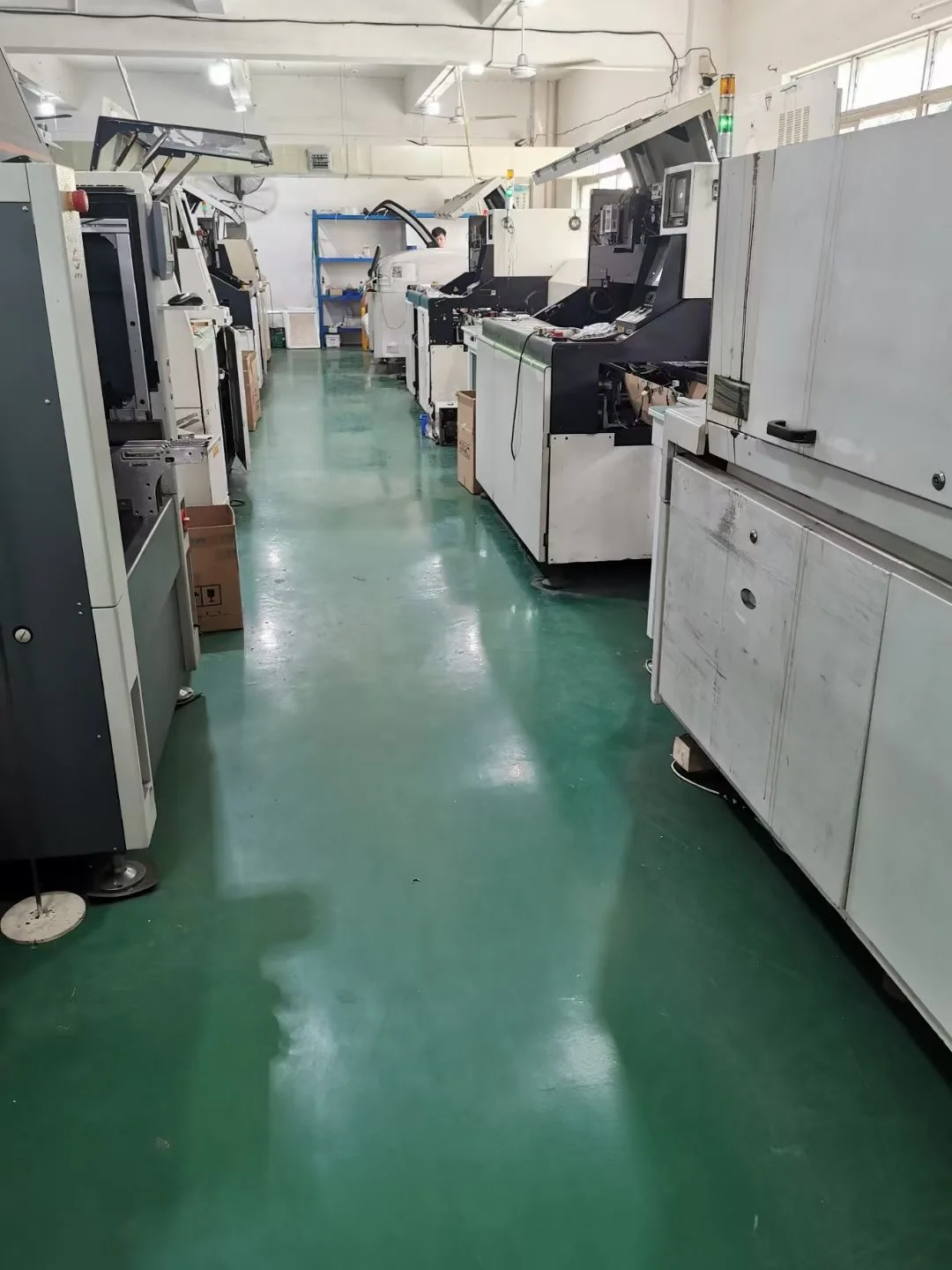
Zhongshan Hedihui Technology Co., Ltd.
- Trading Company
- Guangdong, China
- Lead time5 days
- Avg. response≤ 7h
Main productsneon light,emergency bulb,floodlight,led modules,strip light
Main marketsNorth America(50.0%), Mid East(30.0%), Eastern Asia(20.0%)
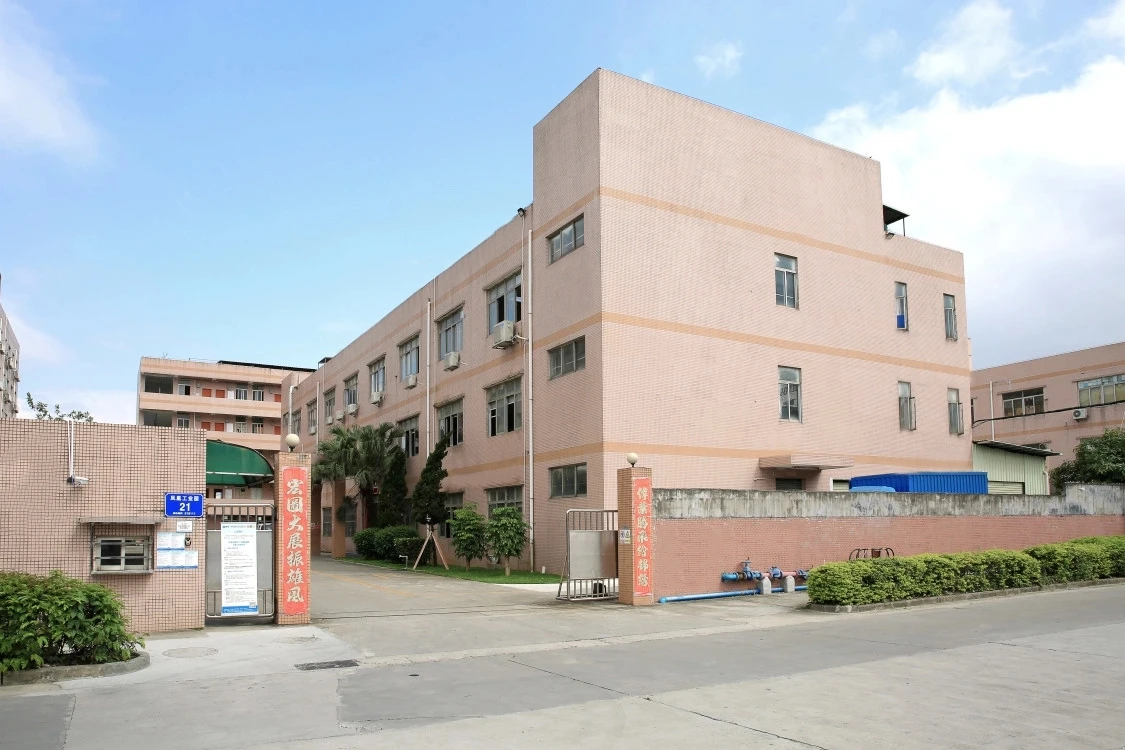
Shenzhen Wbtd Technology Co., Ltd.
- Manufacturer
- Guangdong, China
- Lead time5 days
- Avg. response≤ 5h
Main productsCamera Accessories,Live Equipments,Photographic Lightings,Photo Studio,Tripods & Monopods
Main marketsCentral America(15.0%), Western Europe(15.0%), Northern Europe(10.0%), Eastern Europe(10.0%), Domestic Market(5.0%), South Asia(5.0%), Southern Europe(5.0%), Southeast Asia(5.0%), South America(5.0%), North America(5.0%), Eastern Asia(5.0%), Mid East(5.0%), Oceania(5.0%), Africa(5.0%)
Guangdong Futulong Photography Equipment Co., Ltd.
- Manufacturer
- Guangdong, China
- Lead time3 days
- Avg. response≤ 3h
Main productsPhotography lighting,live streaming lighting,photography accessories,Photography fill-in light,Selfie stick
Main marketsSouth America(30.0%), Africa(10.0%), North America(5.0%), Eastern Europe(5.0%), Southeast Asia(5.0%), Oceania(5.0%), Mid East(5.0%), Eastern Asia(5.0%), Western Europe(5.0%), Central America(5.0%), Northern Europe(5.0%), Southern Europe(5.0%), South Asia(5.0%), Domestic Market(5.0%)
- Verified by TüVRheinland
- Trading Company
- Lead time15 days
- Avg. response≤ 6h
Main productsPhotographic Flash, Continuous Light, LED Panel Light, Light Stand, Photography Accessories
Main marketsNorth America(15%), South America(15%), Southeast Asia(10%)

Shenzhen Esaker Technology Co., Ltd.
- Verified by SGS
- Manufacturer/Factory
- China Guangdong
- Lead time15 days
- Avg. response≤ 8h
Main productsGame Console, Gaming Accessories, Phone Case, Charger, Entertainment Electronics, Game Controller, Game Box, Earphone
Main marketsSouth America,Eastern Europe,Mid East,North America,Southeast Asia,Eastern Asia,Oceania,Western Europe,Africa
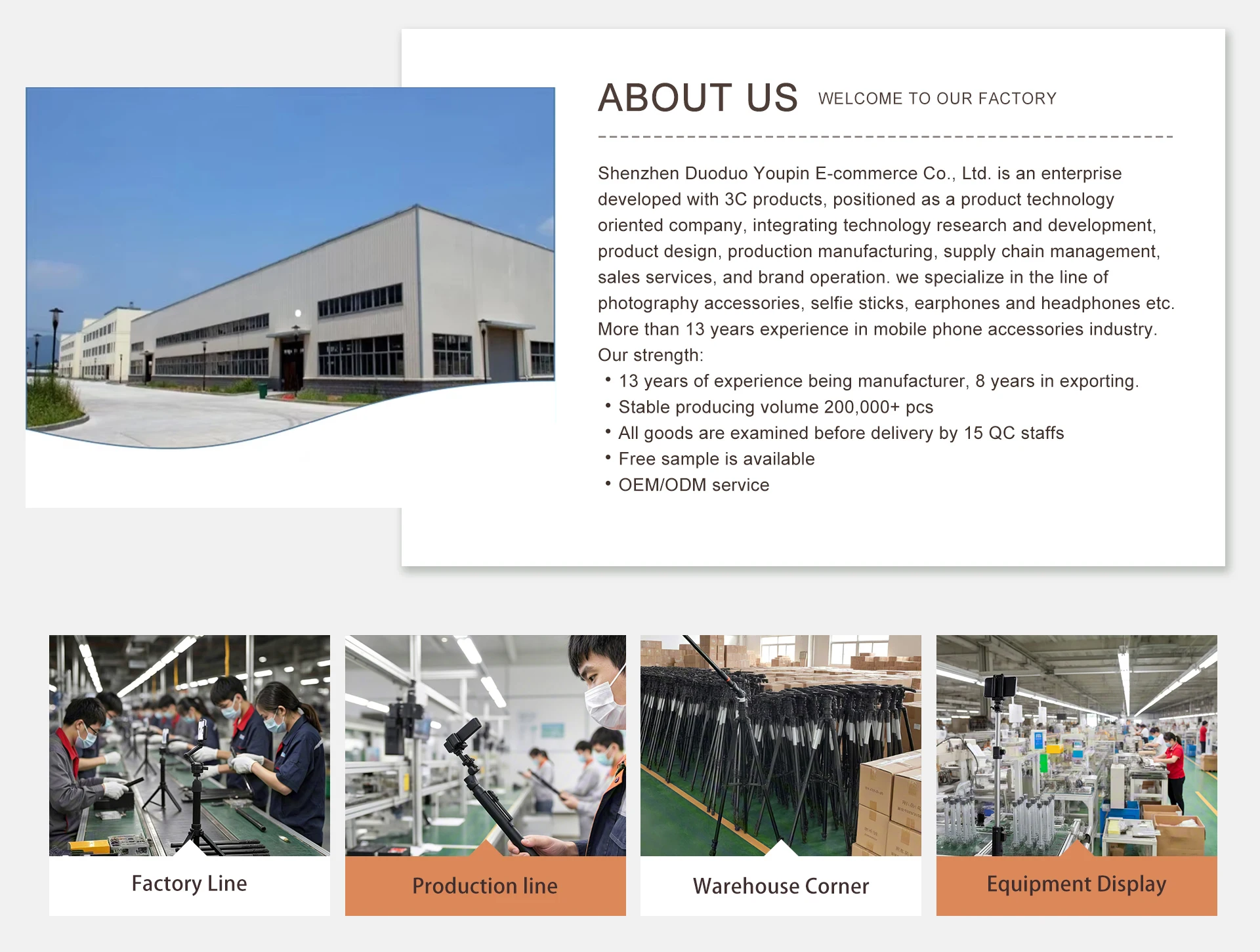
Shenzhen Duoduo Youpin E-Commerce Co., Ltd.
- Trading Company, Agent
- Guangdong, China
- Lead time0 days
- Avg. response≤ 7h
Main productsearphone,selfie stick,stabilizer,photographic led lighting,microphone
Main marketsSouth Asia(30.0%), North America(30.0%), Central America(10.0%), Mid East(10.0%), Domestic Market(1.0%), South America(1.0%), Southern Europe(1.0%), Northern Europe(1.0%), Southeast Asia(1.0%), Western Europe(1.0%), Eastern Asia(1.0%), Eastern Europe(1.0%), Oceania(1.0%), Africa(1.0%)




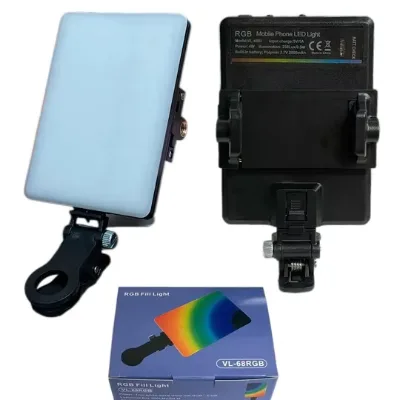


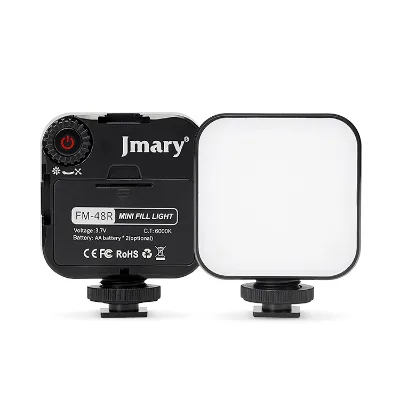
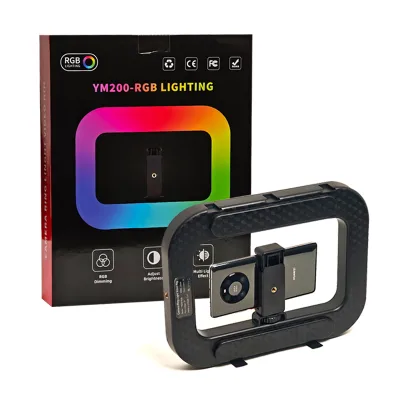
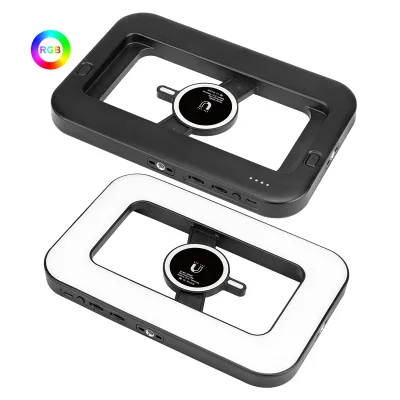
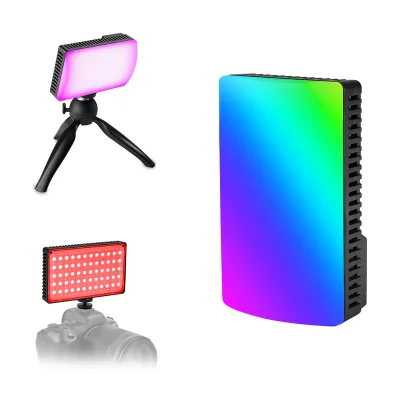
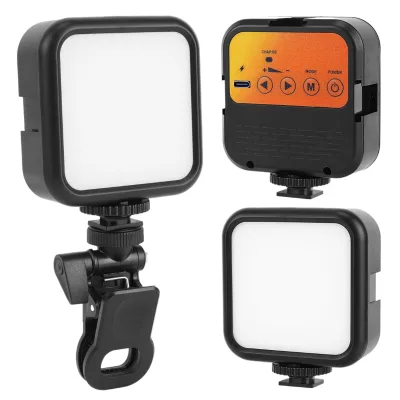


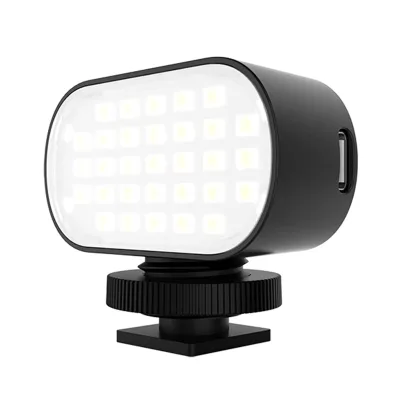
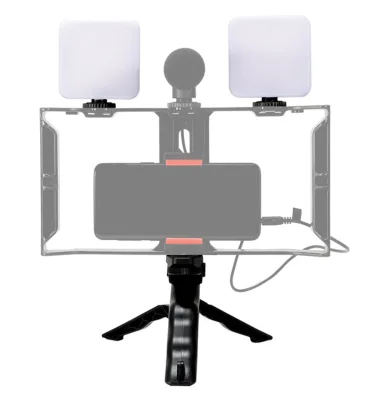
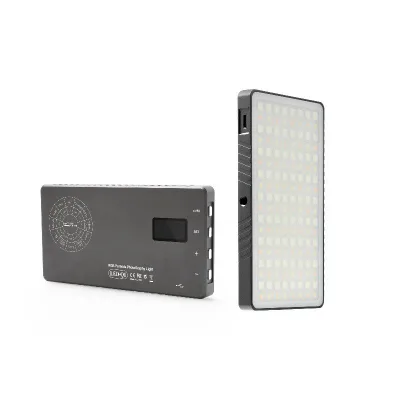
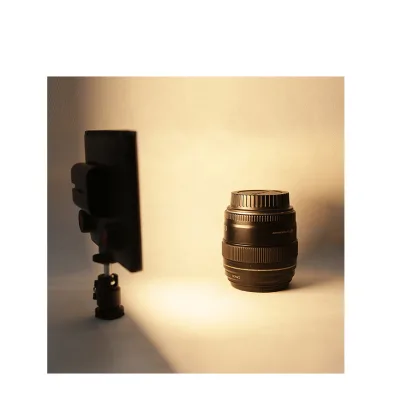
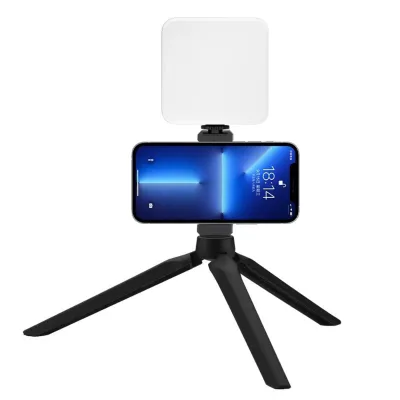
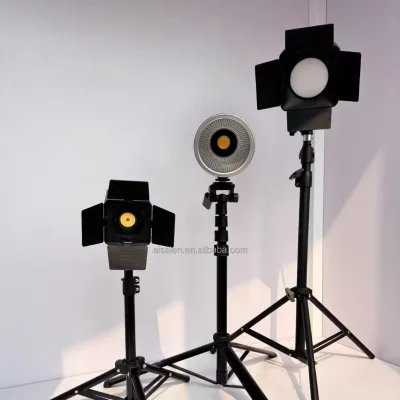
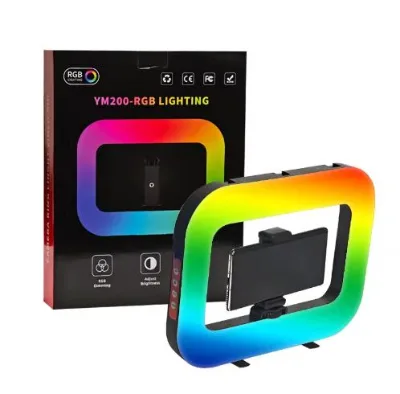
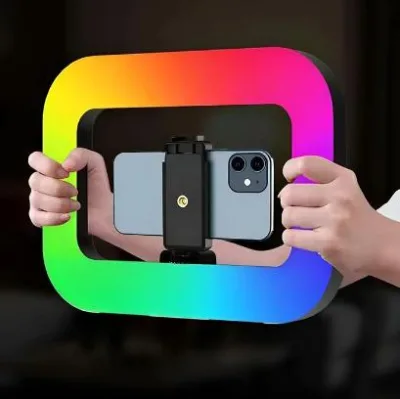
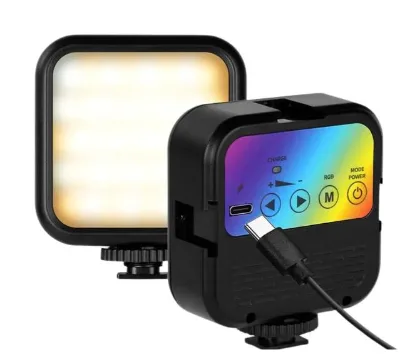
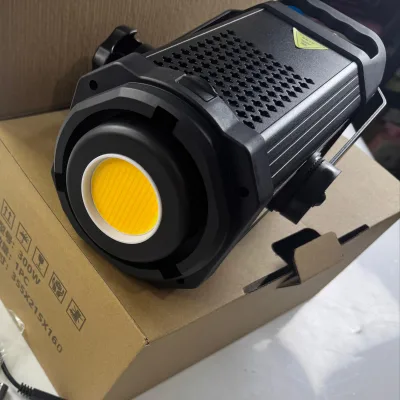
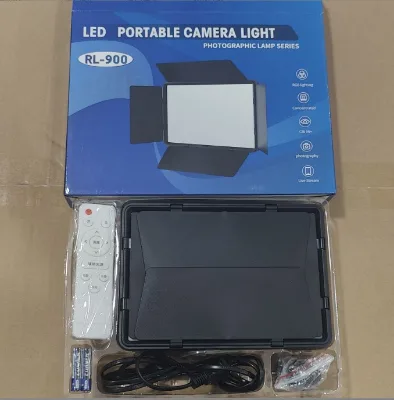
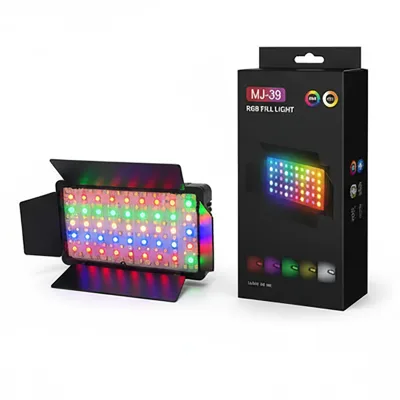
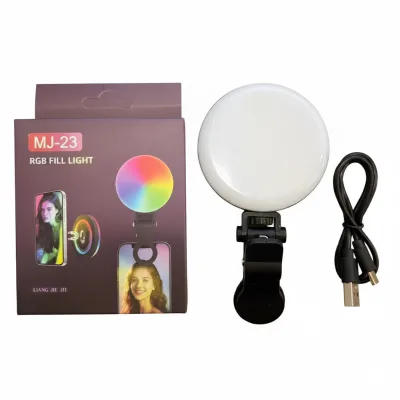
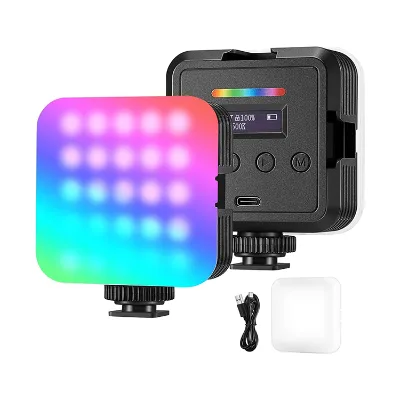
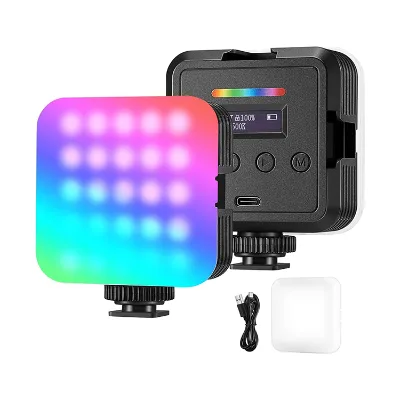


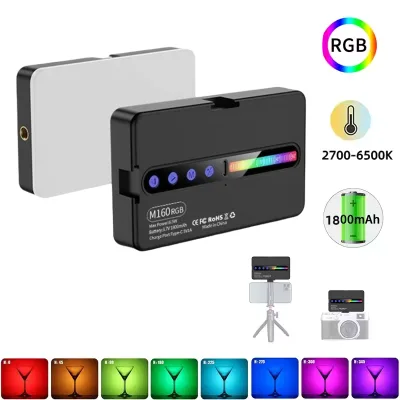
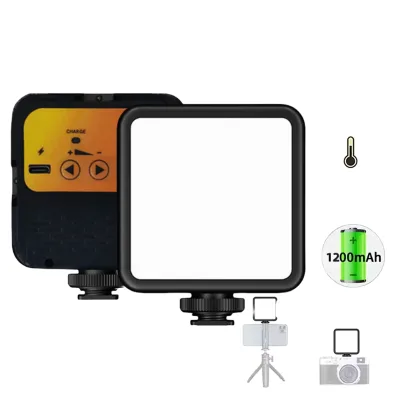
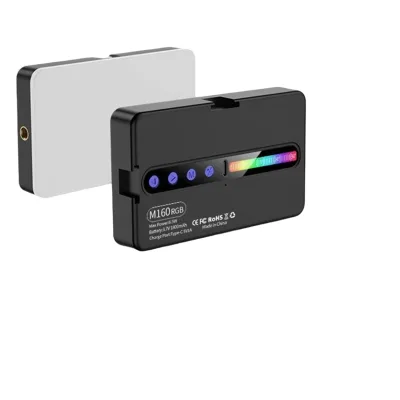
Comprehensive Sourcing Guide
Portable RGB LED Camera Light Supplier Concentration and Factory Types
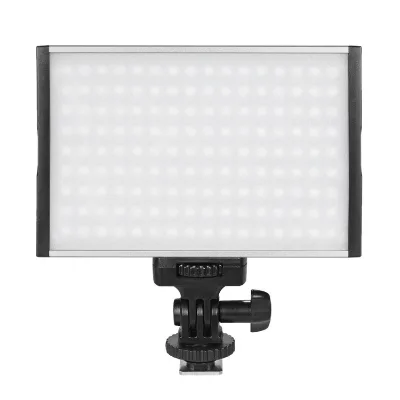
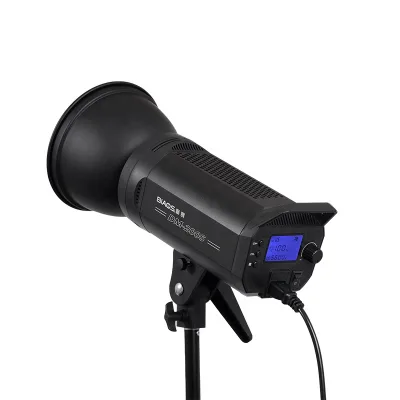
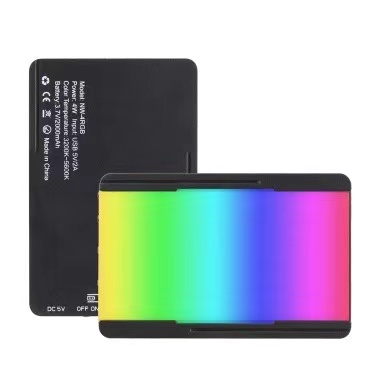
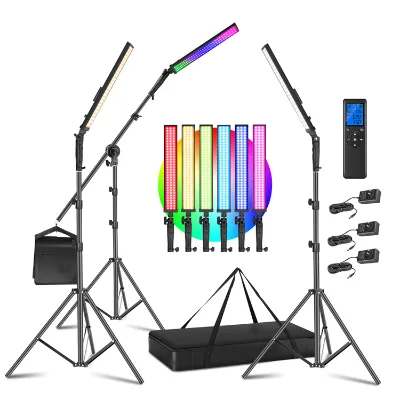
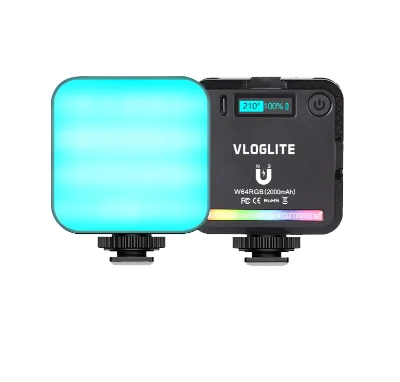
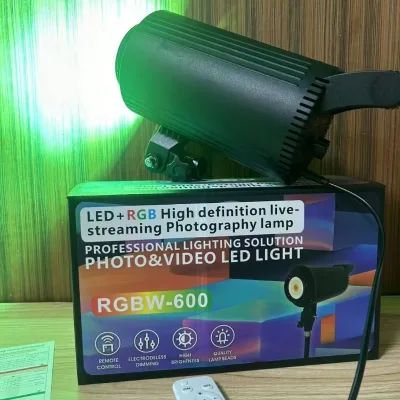
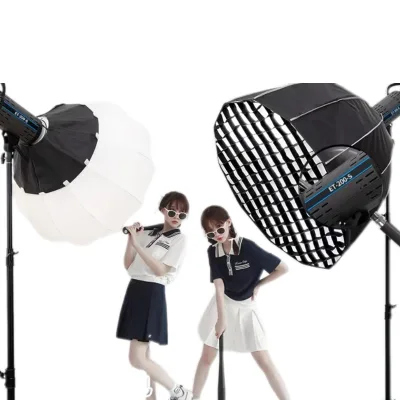
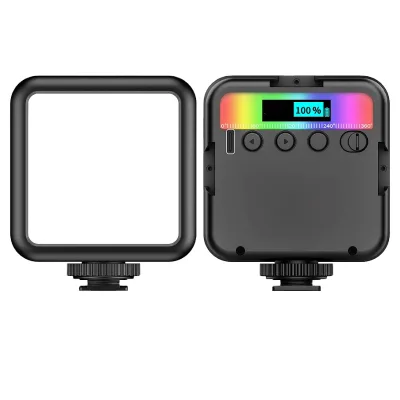
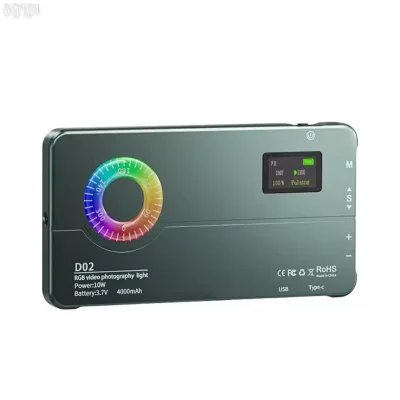
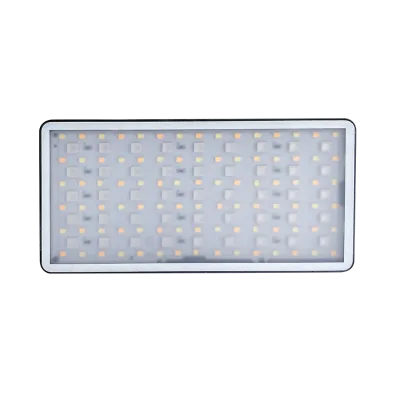
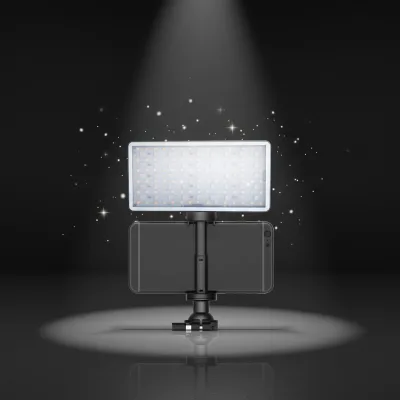
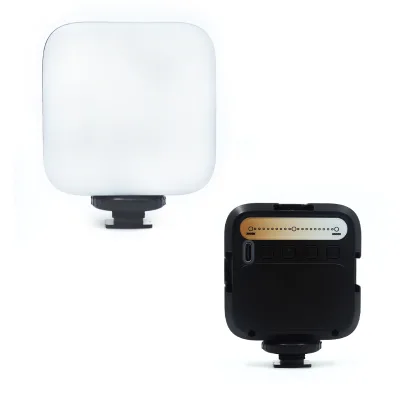
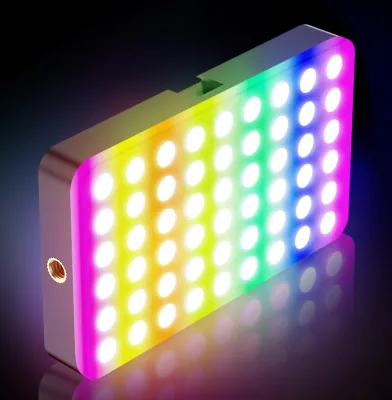
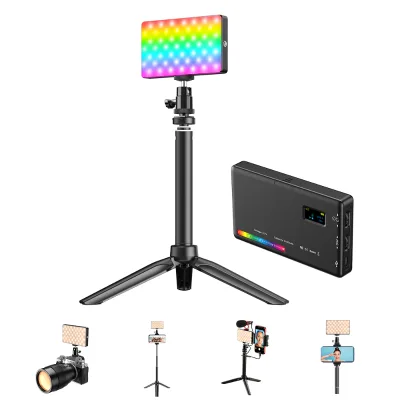
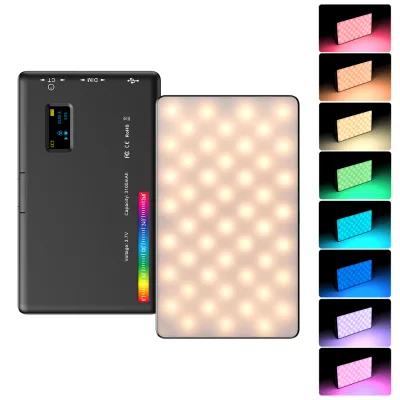
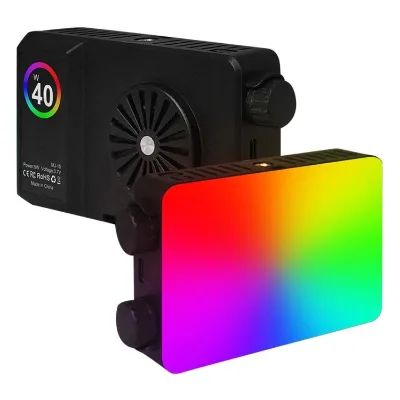
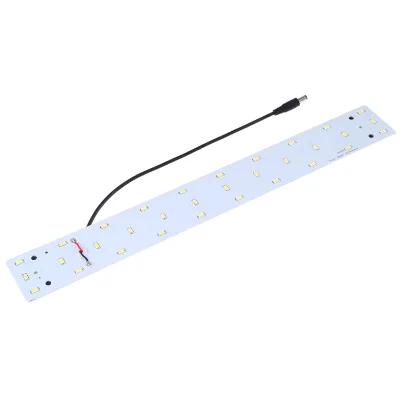
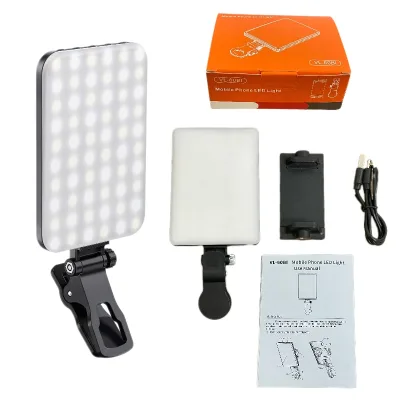
The available data indicates a specific concentration of manufacturing activity in Guangdong, China, for portable RGB LED camera lights. This region appears as the place of origin for multiple listed products, including specific models like the NW-16B and DM-200S, suggesting a localized supply chain for these photographic lighting components. Buyers should prioritize verifying this geographic concentration when evaluating potential partners, as the clustering of manufacturers in this area often correlates with established supply chains for electronic components and assembly. The presence of both manufacturers and trading companies in the results suggests a diverse ecosystem where direct factory engagement is possible alongside intermediary services.
When assessing supplier types, the results show a mix of entities labeled as both manufacturers and trading companies. This distinction is critical for buyers seeking specific production capabilities versus those needing broader sourcing flexibility. A manufacturer typically controls the production process, which may offer advantages in customization and quality control for proprietary molds, as seen in products marked with private mold attributes. Conversely, trading companies might aggregate products from various factories, potentially offering a wider range of SKUs but with less direct oversight over the manufacturing floor. Buyers must confirm the actual operational status of the supplier to ensure they are dealing with the intended entity type for their specific procurement needs.
How to Verify Portable RGB LED Camera Light Suppliers
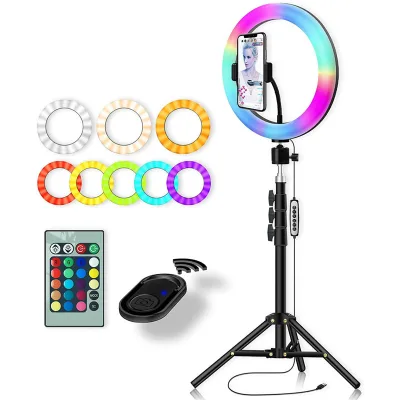
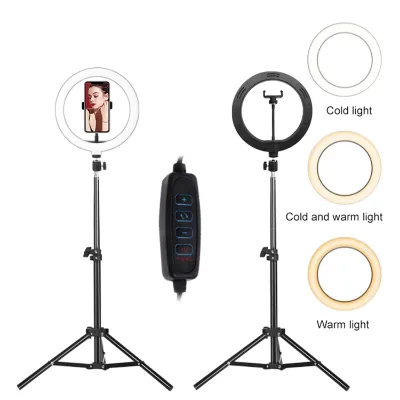
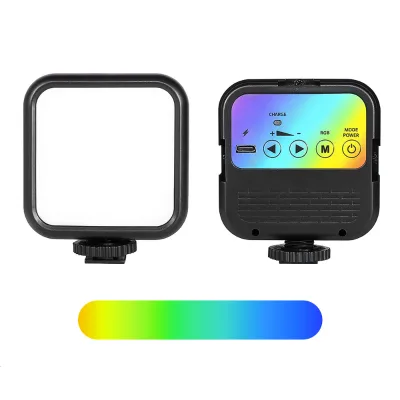
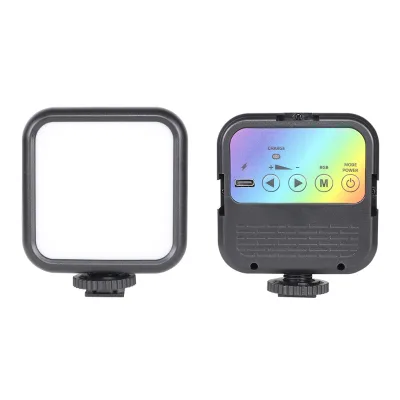
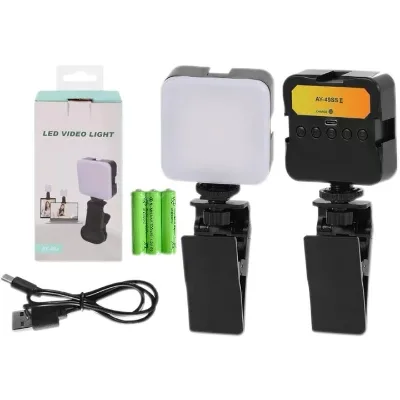
Verification of supplier credentials requires a rigorous check against the specific attributes provided in the product listings. Buyers should confirm that the claimed certifications, such as RoHS or FCC, are valid for the specific models being sourced, as these standards are explicitly listed for certain items like the 10-inch ring light and the small LED photography light. It is essential to request current certification documents directly from the supplier rather than relying solely on the product page data, as these documents verify compliance with international safety and environmental regulations. The presence of a certification label on a product listing is a starting point, but independent validation ensures the supplier maintains these standards consistently across their production runs.
Response time and lead time are also critical verification metrics that buyers should test directly with potential partners. The observed data includes a response time of 7 days and a lead time of 25 days for certain products, which serves as a baseline for communication and delivery expectations. Buyers should initiate contact to measure actual response speeds, as these figures can vary significantly between different suppliers even within the same region. Additionally, verifying the establishment year and the specific main products offered helps confirm the supplier's experience level and specialization. A supplier claiming to be a manufacturer should demonstrate deep knowledge of their specific product lines, such as the detailed voltage and power specifications found in the product attributes, which indicates technical competence.
What to Compare Across Portable RGB LED Camera Light Suppliers
Comparing suppliers requires a detailed analysis of the commercial and logistical dimensions available in the search results. Key comparison points include the minimum order quantity (MOQ), which is listed as 1 for several items, and the price ranges that vary significantly based on product specifications. For instance, prices for portable RGB lights can range from approximately 8.73 to 23.46 USD for smaller units, while more professional panels with higher wattage and features like 2.4G remote control command prices between 42.83 and 45.89 USD. Buyers must evaluate whether the lower MOQ aligns with their inventory strategy and if the price difference reflects genuine differences in power, color temperature range, or build quality rather than just branding.
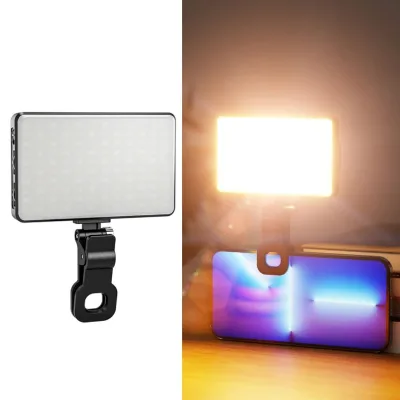
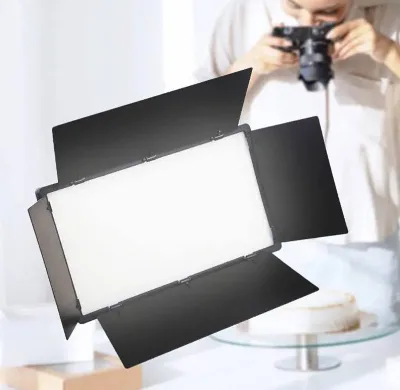
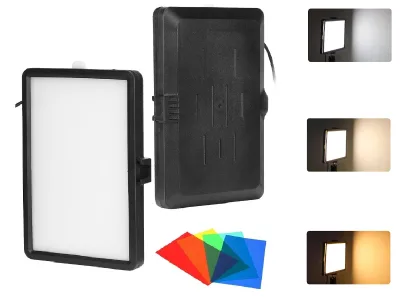
Beyond pricing and quantity, the technical specifications and functional attributes provide a robust basis for comparison. Suppliers offering products with adjustable color temperatures ranging from 3000K to 6500K or specific features like dimmable brightness and foldable designs offer distinct advantages for different use cases, such as smartphone selfies versus professional studio photography. The power supply type, whether DC or AC, and the voltage requirements, such as 6.5-15V versus 220V, are critical factors that determine compatibility with existing equipment and power sources. Buyers should create a comparison matrix that weighs these technical variables against the supplier's response time and location to identify the most suitable partner for their specific operational requirements.
Common Portable RGB LED Camera Light Sourcing Risks
One significant risk in sourcing portable RGB LED camera lights involves the discrepancy between claimed specifications and actual product performance. While product listings provide detailed attributes like color temperature ranges and power outputs, these figures must be validated through sample testing before large-scale orders are placed. The presence of features like "Adjustable color temperature" and "Dimmable Brightness" suggests advanced functionality, but without physical verification, buyers risk receiving products that do not meet the advertised standards. This is particularly relevant for items where the color temperature range is broad, as the actual output may vary depending on the manufacturing batch or the specific LED components used.
Another critical risk is the potential for misrepresentation regarding the supplier's type and location. Although the data indicates a concentration in Guangdong, China, and lists specific company types, buyers must verify that the entity they are contracting with is indeed the manufacturer or the authorized trading company listed. There is a risk that a trading company might misrepresent its capabilities or that a manufacturer might outsource production without the buyer's knowledge, potentially affecting quality control and lead times. Additionally, the reliance on specific certifications like RoHS or FCC requires ongoing verification, as these standards can be subject to change or may not apply to all products within a supplier's catalog, leading to compliance issues in the destination market.
Portable RGB LED Camera Light Regional Sourcing and Logistics
The geographic concentration of suppliers in Guangdong, China, presents specific logistical considerations for international buyers. This region is a major hub for consumer electronics, which often results in efficient shipping networks and established freight forwarding options. However, buyers must account for the specific lead times observed, such as the 25-day window, which can be influenced by regional production schedules and seasonal demand fluctuations. Understanding the local logistics infrastructure is essential for planning inventory levels and ensuring that products arrive within the desired timeframe, especially for time-sensitive projects like live streaming events or photo shoots.
Logistics planning also involves evaluating the packaging dimensions and weight provided in the product attributes, as these factors directly impact shipping costs. For example, products with single package sizes like 16.5x10.5x6 cm or 49x25x25 cm will have different volumetric weights and handling requirements. Buyers should calculate the total shipping volume based on their order quantity to optimize freight costs and avoid unexpected expenses. Furthermore, the origin location affects customs clearance procedures and import duties, so buyers must verify the specific country of origin for each product to ensure accurate tariff classification. Working with suppliers who have experience in international shipping can mitigate these risks and streamline the delivery process.
Portable RGB LED Camera Light Commercial Terms and Order Planning
Commercial terms for portable RGB LED camera lights vary significantly based on the supplier's pricing structure and order volume. The observed price ranges, from under 9 USD to over 45 USD, indicate that unit costs are highly dependent on the specific model and its features. Buyers should negotiate terms that reflect the volume of their order, as some suppliers may offer discounts for larger quantities despite a low MOQ of 1. It is crucial to clarify whether the quoted prices include shipping, insurance, and taxes, as these variables can substantially affect the total landed cost. Clear communication regarding payment terms, such as the use of escrow services, can also protect the buyer's financial interests during the transaction.
Order planning must align with the supplier's lead times and production capabilities to avoid delays. With lead times observed at 25 days and response times of 7 days, buyers should initiate orders well in advance of their required delivery dates. The supply ability, such as the 1,200,000 sets per week mentioned for certain products, suggests that high-volume orders are feasible, but buyers should confirm the actual production capacity for their specific order size. Additionally, planning for potential variations in product attributes, such as color temperature or power supply, ensures that the final delivered goods meet the project requirements. Effective order planning involves a detailed timeline that accounts for production, quality checks, and shipping to ensure a smooth procurement process.
FAQs
What is the price range for portable RGB LED camera lights?
Portable RGB LED camera lights typically range from approximately $8.73 to $23.46 per unit. Pricing varies based on specific features, power output, and included accessories like tripods. Buyers should check the minimum order quantity to determine the exact cost per piece for their specific volume requirements.
What certifications are available for these LED video lights?
Manufacturers offer products with RoHS and FCC certifications. These standards ensure the electronic components meet specific safety and environmental regulations. Buyers should verify the exact certification documents for each model before placing orders to ensure compliance with local import requirements and safety standards.
What is the typical lead time for manufacturing these lights?
The typical lead time for manufacturing these lights is around 25 days. This duration allows for production, quality control, and packaging preparation. Buyers should confirm the exact timeline with suppliers, as rush orders or custom packaging may affect the final delivery schedule.
What is the minimum order quantity for these products?
The minimum order quantity is often set at just one unit. This low MOQ allows buyers to sample products before committing to larger bulk orders. It is ideal for testing product quality and market response without significant initial inventory investment or financial risk.
Where are these portable LED lights manufactured?
These portable LED lights are manufactured in Guangdong, China. This region is a major hub for consumer electronics and photographic equipment production. Buyers can expect a wide variety of suppliers offering different specifications, price points, and customization options within this manufacturing cluster.
What is the response time for supplier inquiries?
The average response time for supplier inquiries is approximately 7 hours. This ensures that buyers receive timely information regarding product specifications, pricing, and shipping details. Quick responses help streamline the sourcing process and facilitate faster decision-making for procurement teams.