Portable Sharp Cross Stitch Needles Suppliers and Manufacturers
Compare 24 verified suppliers offering Portable Sharp Cross Stitch Needles with BSCI, EMC, and RoHS certifications. Review response times, lead times, and pricing from Zhejiang factories before requesting samples or placing orders; review the available evidence before requesting comparable quotations from suitable candidates.
Suppliers List
Jinhua Jinxiang Trading Co., Ltd.
- Verified by TüVRheinland
- Trading Company
- Lead time15 days
- Avg. response≤ 2h
Main productsHome Handmade Sewing Accessories
Main marketsNorth America(50%), Western Europe(30%), South America(20%)
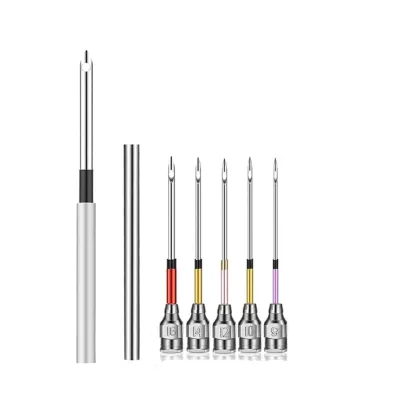
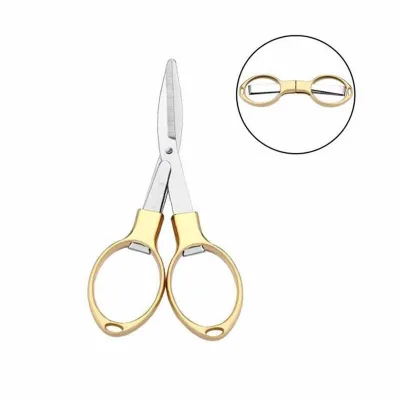
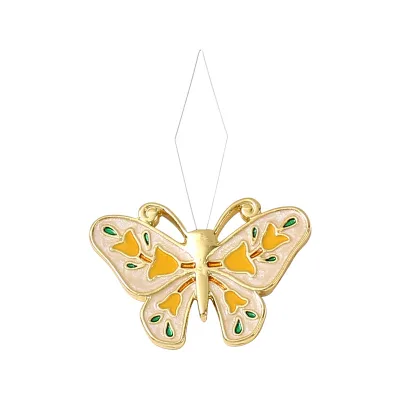
Wholesale Portable Folding for Needlework Steel Handmade Cross Stitch Mini Scissors
$0.41 - $0.55
MOQ: 50 sets
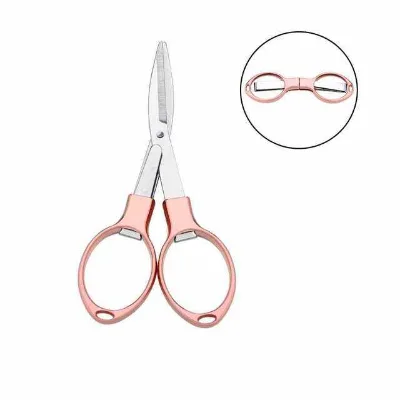
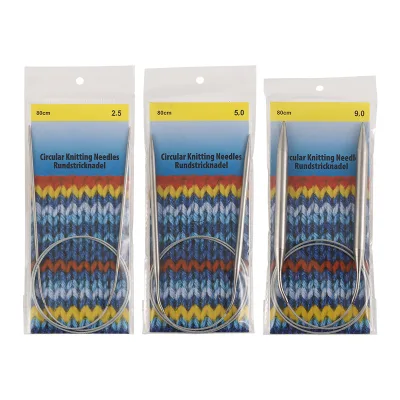
Popular Portable Folding Scissors for Needlework Steel Handmade Cross Stitch
$0.34 - $0.55
MOQ: 5 sets

- Verified by TUVRHEINLAND
- Combined
- China Zhejiang
- Lead time30 days
Main productsThread, Zipper, Lace, Button, Webbing & Tape, Ribbon, Interlining, Fabric, Tailoring Materials, Hook & Loop
Main marketsSouth America,Africa,Europe,Australia


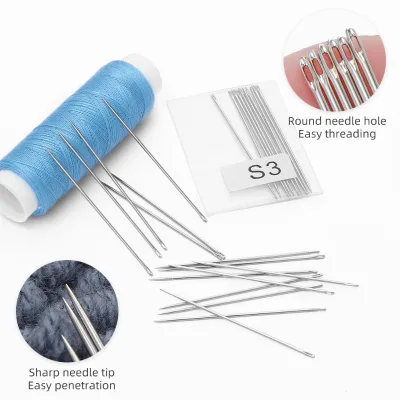
Wholesale Large Eye Hand Stitch Handmade Knitting Sewing Embroidery Needles Collective Packing
$0.40 - $0.80
MOQ: 4000 box

Ningbo Yuena Import & Export Co., Ltd.
- Verified by TUVRHEINLAND
- Trading Company
- China Zhejiang
- Lead time23 days
Main productsLace, Thread, Button, Ribbon, Zipper, Tailors Materials, Fabric, Reflective Materials, Sewing Machine Part, Bra Parts
Main marketsSouth America,Africa,Southeast Asia/ Mideast,Europe,North America

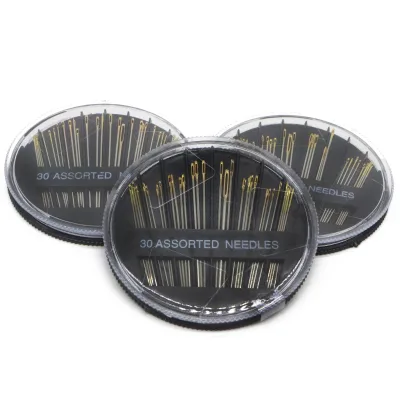
Good Quality Hand Sewing Needles Embroidery Needle Steel Cross Stitch Needles
$0.50 - $0.70
MOQ: 100 Bags


Wholesale Hand Sewing Needles Hand Embroidery Needles Cross Stitch Needles for Housework
$0.40 - $0.56
MOQ: 100 Bags


Wholesale Hand Sewing Embroidery Needles Cross Stitch Hand Sewing Needles for Housework
$0.13 - $0.32
MOQ: 100 Bags

Factory -Direct Pack Sewing Needles Durable Assorted Size Embroidery Sewing Needles for Hand
$0.13 - $0.32
MOQ: 100 Bags
Yiwu Bingqiang Trading Co., Ltd.
- Verified by SGS Group
- Manufacturer, Trading Company
- Lead time15 days
- Avg. response≤ 4h
Main productssewing needle, , safety pin, , scissor, awl, crochet hook, Tailor's chalk
Main marketsDomestic Market(40%), North America(30%), Eastern Europe(10%)

Wuxi Wonderful Import & Export Co., Ltd.
- Verified by TUVRHEINLAND
- Trading Company
- China Jiangsu
- Lead time30 days
Main productsHome & Garden Products
Main marketsSouth America,Southeast Asia/ Mideast,Europe,Australia,North America


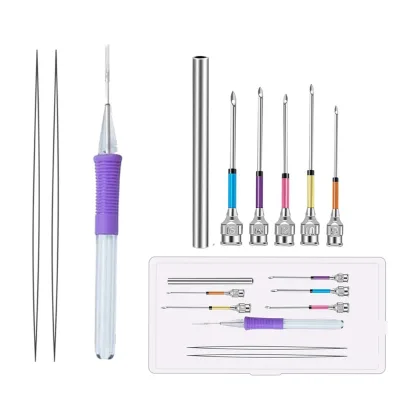
Punch Needle Set, DIY Wholesale Knitting Stitch Crochet Tool Embroidery Stitching Punch Needles
$0.98 - $0.99
MOQ: 50 sets


Shenzhen Elitime Technology Co., Ltd.
- Manufacturer, Trading Company, Agent
- Guangdong, China
- Lead time15 days
- Avg. response≤ 4h
Main productsFalse eyelashes,Makeup Brushes,Earrings,nacklaces,rings
Main marketsNorth America(16.00%), Eastern Europe(15.00%), South America(12.00%), Southeast Asia(10.00%), Mid East(8.00%), Eastern Asia(8.00%), Africa(8.00%), Western Europe(5.00%), Southern Europe(5.00%), Oceania(4.00%), Central America(4.00%), South Asia(2.00%), Northern Europe(2.00%), Domestic Market(1.00%)

Shanghai Charmkey Textile Co., Ltd.
- Verified by BV
- Trading Company
- China Shanghai
- Lead time23 days
Main productsYarn, Blended Yarn, Fancy Yarn, Acrylic Yarn, Cotton Yarn, Wool Yarn, Chenille Yarn, Chunky Yarn, T Shirt Yarn, Polyester Yarn
Main marketsEurope

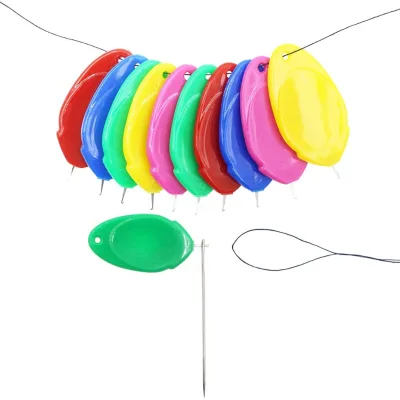
Portable Household Stitch Insertion Tool Threader for Sewing Machine Needle Inserter
$0.06
MOQ: 2000 Pieces


ZHUHAI KAMEDA TECHNOLOGY CO., LTD
- Verified by BV
- Trading Company,Manufacturer/Factory
- China Guangdong
- Lead time23 days
Main productsMeasuring Tools, Plastic Clips, Housewares Packing, Daily Necessities, Customizing PCB
Main marketsSouth America,Eastern Europe,Mid East,North America,Southeast Asia,Eastern Asia,Oceania,Western Europe,Africa


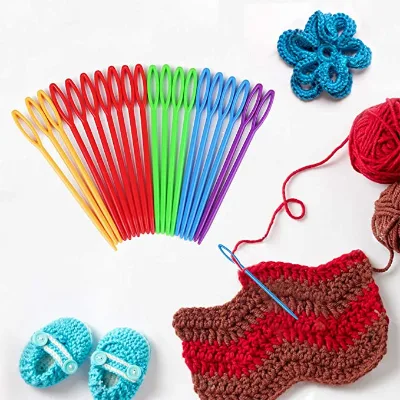
Sewing Needle Plastic Pin Knitting Needles Knit Accessories Knitting Tool Plastic Needle
$0.01 - $0.01
MOQ: 1000 Pieces
Yiwu Lumiao Electronic Commerce Co., Ltd.
- Trading Company
- Zhejiang, China
- Lead time0 days
- Avg. response≤ 7h
Main productsYarn,Yarn winder,Crochet Hook,Safety Eyes,Flower Stem Sticks
Main marketsNorth America(32.00%), Southeast Asia(30.00%), Western Europe(10.00%), Northern Europe(5.00%), Eastern Europe(5.00%), Domestic Market(2.00%), Africa(2.00%), South America(2.00%), South Asia(2.00%), Southern Europe(2.00%), Central America(2.00%), Eastern Asia(2.00%), Mid East(2.00%), Oceania(2.00%)
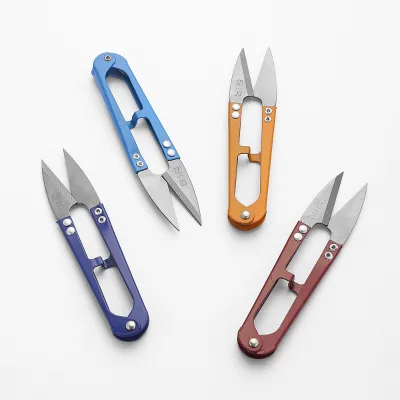
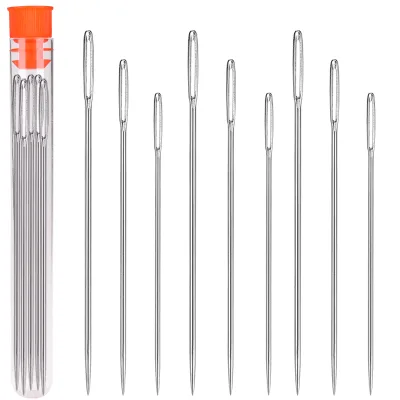
$0.20 - $0.41
MOQ: 100 pieces
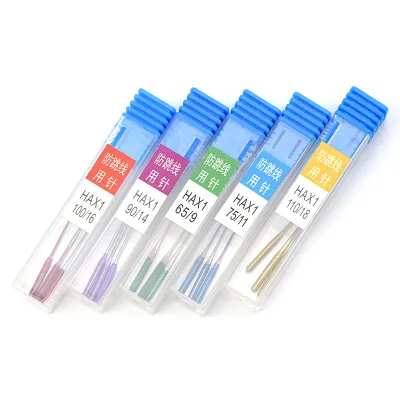
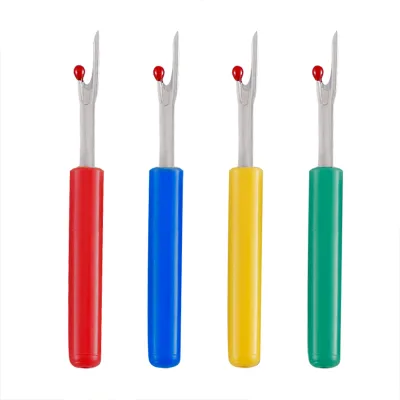
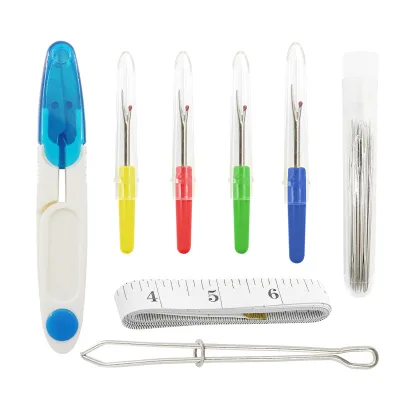
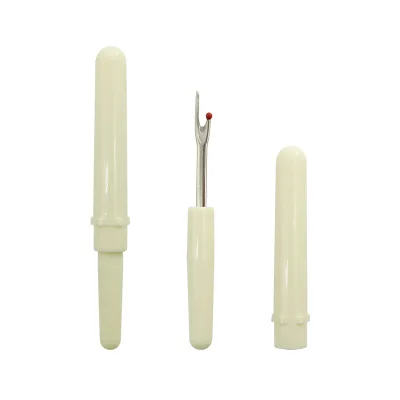
Cross Stitch Sewing Tools Sharp Stitches Removed Tool Safe Craft Thread Cutter Seam Ripper
$0.10 - $0.12
MOQ: 300 pieces
Guangzhou Yiyue Trading Co., Ltd.
- Manufacturer, Trading Company
- Guangdong, China
- Lead time20 days
- Avg. response≤ 8h
Main productscross-stitch,embroidery,DMC,Cross stitch tool,Cross stitch fabric
Main marketsNorth America(5.00%)
Shaoxing Changxu Textile Co., Ltd.
- Trading Company
- Lead time旺季: "1 - 1000":10,"1001 - 50000":35,"> 50000":"To be negotiated", 淡季: "1 - 1000":10,"1001 - 50000":35,"> 50000":"To be negotiated"
- Avg. response≤ 1h
Main productstextile craft,embroidery craft,needlework,fabric craft,DIY
- Trading Company
- Zhejiang, China
- Lead time15 days
- Avg. response≤ 3h
Main productsSewing notions,Needlework,cross stitch accessory,Knitting tools,embroidery scissors
Main marketsNorth America(60.00%), Northern Europe(15.00%), Eastern Europe(10.00%), Oceania(10.00%), Western Europe(5.00%)
Chaozhou Bailiful Trading Company Limited
- Trading Company
- Guangdong, China
- Lead time15 days
- Avg. response≤ 3h
Main productsLeather tools,hand tools,hardware tools,Crafts
Main marketsEastern Europe(20.00%), South America(20.00%), North America(20.00%), Central America(10.00%), Africa(10.00%), Southeast Asia(10.00%), South Asia(5.00%), Mid East(5.00%)
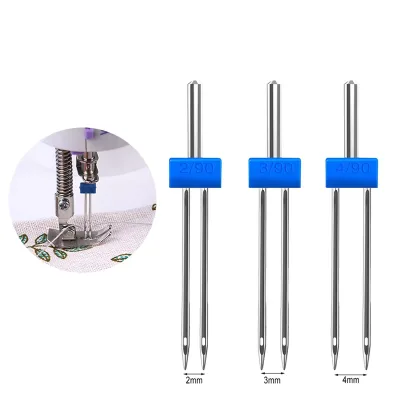
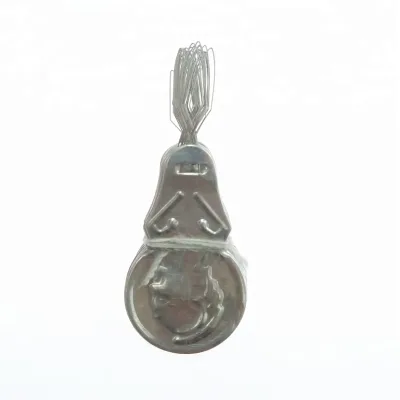
$0.01 - $0.03
MOQ: 2000 pieces
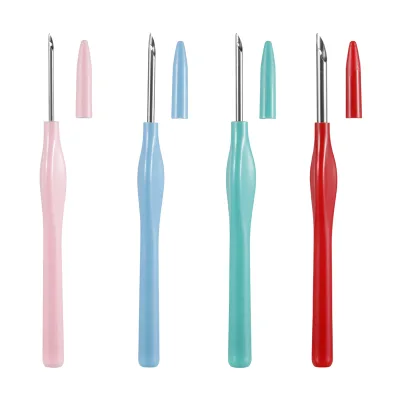

Ningbo Yinzhou Xindew Textile Co., Ltd.
- Trading Company
- China Zhejiang
- Lead time15 days
Main productsKnitting Needles, Knitting Looms, Knitting Crochet Hook Set, Acrylic Yarn, Elastic Tape, Zipper, Thread, Hook and Loop, Baby Blankets, Baby Bibs
Main marketsSouth America,Africa,Southeast Asia/ Mideast,East Asia(Japan/ South Korea),Domestic,Europe,Australia,North America


MOQ: 1000 Pieces

- Verified by BV
- Trading Company
- China Zhejiang
- Lead time30 days
Main productsTextile, Zipper, Lace, Elastic, Ribbon, Thread, Tape, Fabric, Interlining, Button
Main marketsSouth America,Africa,Europe
Yangzhou Jianyong Pins Factory
- Manufacturer, Trading Company
- Jiangsu, China
- Lead time0 days
- Avg. response≤ 2h
Main productspearl head pins,glass pins,safety pins,push pins,sewing kits
Main marketsEastern Europe(54.00%), Eastern Asia(20.00%), South America(20.00%), North America(5.00%), Northern Europe(1.00%)

Wuxi Yiyuan Machinery Co., Ltd.
- Trading Company,Manufacturer/Factory
- China Jiangsu
- Lead time0 days
Main productsBraiding Machine, Acetate Cellulose Film, Shoelace Tipping Machine, Winding Machine, Twisting Machine, Loom Reed, Dyeing Spool, Warping Machine, Warp Knitting Machine, Multi Bar Jacquard Lace Machine
Main marketsSouth America,Mid East


Different Sizes Needles for Cord Circular Knitting Machine Knitting Machine Needle for Flat Knitting
$0.01 - $20.00
MOQ: 1 Pieces


Wholesale Customized Cord Knitting Machine Needles Crochet Machine Needle
$0.01 - $20.00
MOQ: 1 Pieces


Lanxi Sange Industry Co., Ltd.
- Verified by TUVRHEINLAND
- Trading Company
- China Zhejiang
- Lead time15 days
Main productsLace, Lace Fabric, Cotton Lace, Chemical Lace, Fringe Tassel, Tassel Fringe, Garment Accessories, Chainette Fringe, Embroidery Lace, Crochet Lace
Main marketsSouth America,Africa,Others(foreignTradeCapacity.exportBusinessCapacityMarketOther),Southeast Asia/ Mideast,Europe,North America

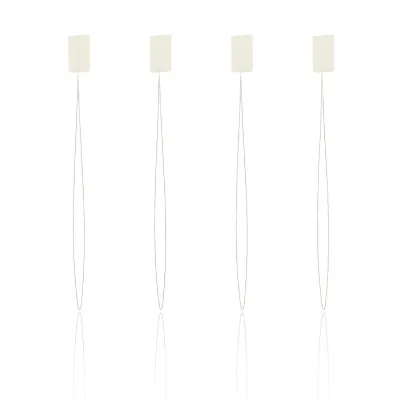
Embroidery Needle Threader Cross-Stitch Sewing Tools Thread Threading Machine Sewing Tools
$0.02 - $0.05
MOQ: 2 Pieces

Cross Stitch Needle Threader Cutter Four-in-One New Needle Threader Tool
$0.01 - $0.04
MOQ: 100 Pieces


Ningbo DH Textile Industry&Trade Co., Ltd.
- Verified by TUVRHEINLAND
- Trading Company
- China Zhejiang
- Lead time15 days
Main productsLace, Interlining, Embroidery Thread, Poplin, Hook and Loop, Satin Ribbon, Sewing Thread, Button, Zipper, Lace Fabric
Main marketsAfrica,Southeast Asia/ Mideast,North America
Hangzhou Daya Textile Co., Ltd.
- Trading Company
- Zhejiang, China
- Lead time20 days
- Avg. response≤ 4h
Main productsZipper&slider,Tape&Webbing,Thread&yarn,Garment accessory,Tailoring Material
Main marketsSouth America(60.00%), Domestic Market(10.00%), South Asia(10.00%), Mid East(10.00%), North America(10.00%)

Suzhou Cotex International Co., Ltd.
- Verified by TUVRHEINLAND
- Trading Company
- China Jiangsu
- Lead time15 days
Main productsSeamless Garment, Warp Knitting Machine, Cleaning Towel, Coral Fleece Fabric, Storage Equipment for Weaver's Beam, Artificial Fur
Main marketsSouth America,Southeast Asia/ Mideast,Europe
Shenzhen Shomea Hardware Products Co., Ltd.
- Verified by SGS
- Trading Company
- China Guangdong
- Lead time15 days
Main productsStainless Steel Needles, Small-Diameter Metal Tube, Ivd Sampling Needles, CNC Machined Precision Components, Citizen Swiss-Machined Precision Components, CNC Turning Parts, Aluminum/Stainless Steel Telescopic Pole, Dental Precision Components
Main marketsEurope

Nantong Jinrui Metal Products Co., Ltd.
- Trading Company,Manufacturer/Factory
- China Jiangsu
- Lead time23 days
Main productsMetal Wire, Steel Wire, Steel Wire Rope, Steel Wire Products, Desktop Socket, Cable Cubby, Furniture Hardware
Main marketsSouth America,Eastern Europe,Mid East,North America,Southeast Asia,Eastern Asia,Oceania,Western Europe
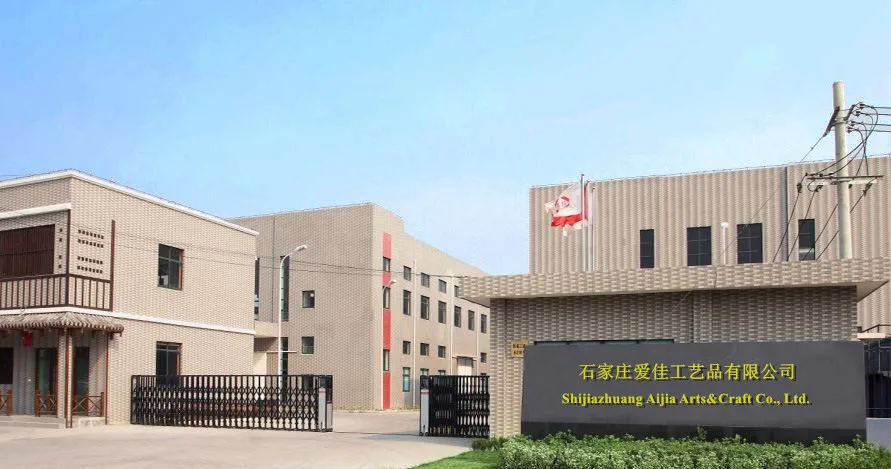
Shijiazhuang Aijia Crafts Co., Ltd.
- Trading Company
- Hebei, China
- Lead time10 days
- Avg. response≤ 1h
Main productsEmbroidery Kit,Punch needle kit,Latch hook kits,Crochet kit,Woven Bag Kit
Main marketsNorth America(20.00%), Oceania(20.00%), South America(15.00%), Eastern Europe(10.00%), Africa(5.00%), Northern Europe(5.00%), Western Europe(5.00%), Eastern Asia(5.00%), Mid East(5.00%), Southern Europe(5.00%), Domestic Market(5.00%)
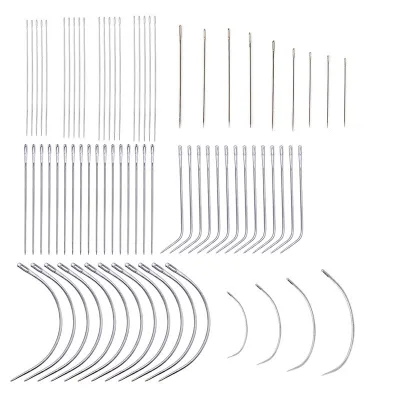
Stainless Steel Sewing Needle Curved Leather Sewing Needles C-shaped Weaving Curved Needle
$0.23 - $0.51
MOQ: 50 Minimum

$2.34 - $8.25
MOQ: 10 Minimum
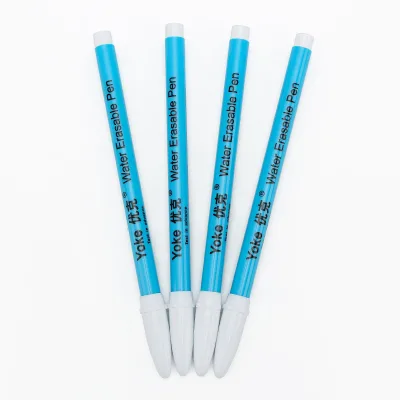

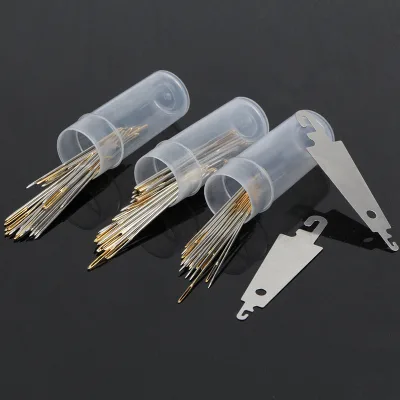
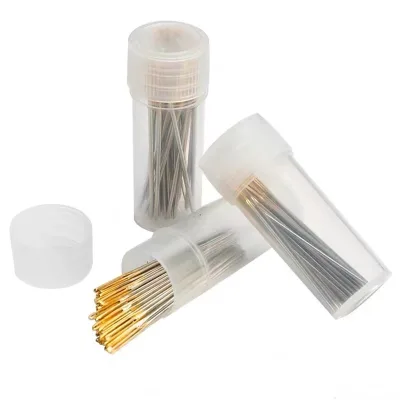
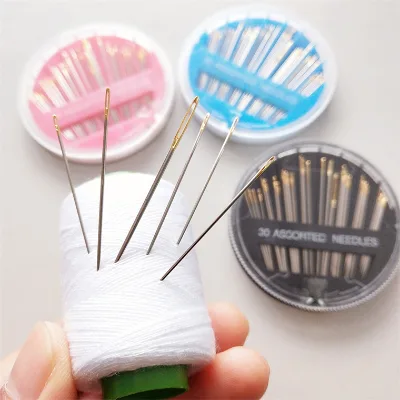
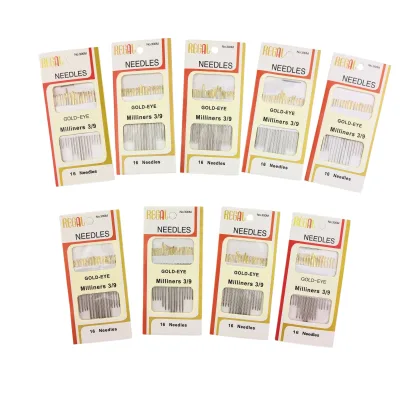
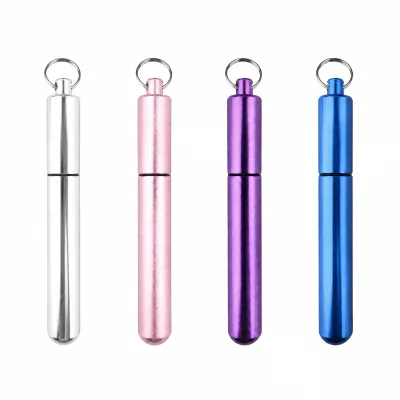
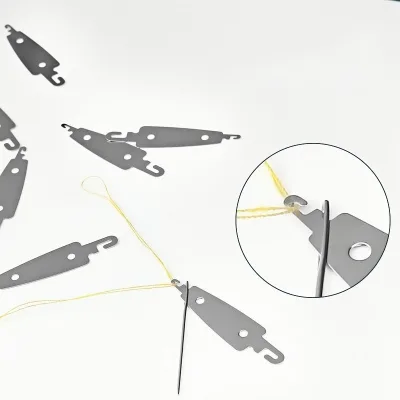
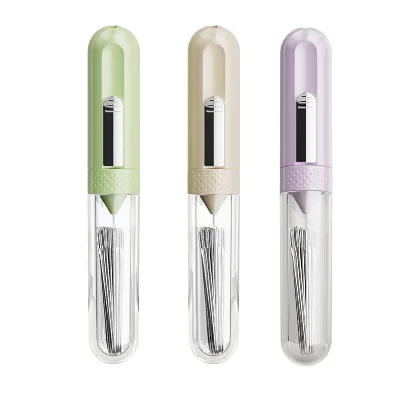






Comprehensive Sourcing Guide
Portable Sharp Cross Stitch Needles Supplier Concentration and Factory Types
The current supplier landscape for Portable Sharp Cross Stitch Needles reveals a concentration of trading companies rather than direct manufacturing factories. Data indicates that the primary company type observed is a Trading Company, which suggests these entities aggregate products from various workshops rather than operating their own needle production lines. This structural distinction is critical for buyers, as trading companies often manage logistics and quality control across multiple sources, whereas factories might offer more direct customization but less variety. The main products listed for these suppliers include a broad range of home handmade sewing accessories, such as thread, zippers, lace, and buttons, alongside the specific needlework tools required. This diversification implies that a single supplier may not specialize exclusively in needles but rather offers them as part of a comprehensive sewing kit or accessory portfolio.
When evaluating the geographic distribution of these suppliers, the available facts point to a specific origin region. The product evidence consistently lists the place of origin as Zhejiang, China, with location data confirming China Zhejiang as the primary hub. This region is known for its established textile and hardware manufacturing clusters, which likely supports the availability of materials like stainless steel and wood used in these tools. However, without explicit factory names or specific industrial park data, buyers should verify the exact location of the production facility within Zhejiang. It is advisable to request proof of the manufacturing site to distinguish between a trading office and the actual workshop where the Portable Sharp Cross Stitch Needles are assembled. This verification ensures that the claimed origin matches the physical production environment, which can impact lead times and quality consistency.
How to Verify Portable Sharp Cross Stitch Needles Suppliers
Verification of suppliers in this category requires a multi-layered approach focusing on third-party certifications and response capabilities. The observed supplier data includes specific system certifications such as BSCI, EMC, and RoHS, which indicate adherence to social compliance and environmental standards. Additionally, the presence of TüVRheinland verification suggests that the supplier has undergone rigorous third-party audits. Buyers should prioritize suppliers displaying these credentials, as they provide a baseline of trust regarding labor practices and product safety. However, the absence of these specific certifications in a supplier's profile does not automatically disqualify them; it simply means the buyer must request direct evidence of compliance before proceeding. It is essential to confirm that the certifications are current and applicable to the specific needle products being sourced, rather than just general company credentials.
Beyond certifications, the responsiveness and sample availability of a supplier serve as practical indicators of reliability. The data shows a response time of 2 hours, which is a strong metric for communication efficiency, though buyers should verify if this applies to all time zones or specific business hours. Furthermore, product attributes indicate that samples are available for many items, with some suppliers supporting a 7-day sample order lead time while others do not. Buyers must explicitly ask about sample lead times and costs, as the "Not Support" flag for certain items indicates a potential bottleneck in the prototyping phase. Confirming the ability to receive a physical sample quickly allows for a tangible assessment of the needle sharpness, material quality, and packaging. This step is crucial before committing to a larger order, ensuring the supplier can meet the specific quality expectations for Portable Sharp Cross Stitch Needles.
What to Compare Across Portable Sharp Cross Stitch Needles Suppliers
Comparing suppliers requires a detailed analysis of commercial terms, specifically minimum order quantities (MOQ) and pricing structures. The observed data reveals significant variation in MOQs, ranging from as low as 5 units for certain sewing kits to 100 units for needle sets. This disparity suggests that some suppliers cater to small-scale buyers or sample orders, while others are optimized for bulk wholesale transactions. Buyers must align their order volume with the supplier's MOQ to avoid unnecessary costs or rejection of orders. Additionally, price ranges vary, with some products listed between $0.20 and $0.55, while others range from $1.00 to $1.92. These differences often correlate with the complexity of the product, such as the inclusion of multiple tools in a kit versus a single item. It is vital to compare the price per unit against the total value provided, including the number of pieces in a set and the quality of materials like stainless steel or wood.
Lead times and shipping capabilities are another critical dimension for comparison. The general lead time observed is 15 days, but specific product attributes indicate that some items support a 7-day sample order lead time, while others do not support it. This inconsistency highlights the need to clarify lead times for both samples and bulk production before finalizing an agreement. Shipping methods are consistently listed as DHL, FedEx, UPS, TNT, and EMS, offering buyers flexibility in logistics. However, buyers should verify if these shipping options are available for their specific destination and if the costs are included in the quoted price or calculated separately. Comparing these logistical factors alongside the product specifications ensures that the chosen supplier can deliver the Portable Sharp Cross Stitch Needles within the required timeframe and budget constraints.
Common Portable Sharp Cross Stitch Needles Sourcing Risks
One significant risk in sourcing these tools is the potential mismatch between the trading company model and direct manufacturing control. Since the primary company type identified is a Trading Company, there is an inherent layer of separation between the buyer and the actual production facility. This structure can lead to communication delays or information gaps regarding production issues, material sourcing, or quality control failures. Buyers must mitigate this risk by demanding direct access to production details and insisting on quality inspections that are independent of the trading company's internal checks. Without direct factory oversight, there is a higher probability of receiving products that do not fully meet the specified standards for sharpness or durability, especially if the trading company aggregates goods from multiple, unvetted workshops.
Another risk involves the variability in product specifications and the lack of standardized testing results for specific needle attributes. While general product attributes list materials like stainless steel and wood, there is no specific test result data provided for the sharpness or tensile strength of the needles. The absence of detailed test reports means buyers cannot verify the performance claims without conducting their own testing. Furthermore, the "High Quality" label is a subjective claim rather than a verified metric. Buyers should request specific technical data sheets or third-party test reports for the Portable Sharp Cross Stitch Needles to confirm that the materials and construction meet industry standards. Relying solely on marketing descriptions like "Eco-Friendly" or "Durable" without empirical evidence exposes the buyer to the risk of receiving substandard products that may fail during use.
Portable Sharp Cross Stitch Needles Regional Sourcing and Logistics
The regional sourcing landscape for Portable Sharp Cross Stitch Needles is heavily anchored in Zhejiang, China, as indicated by the consistent place of origin data. This region is a major hub for textile accessories and hardware, offering a dense network of suppliers and manufacturers. However, the specific logistics within this region can vary based on the supplier's location relative to major ports. Buyers should verify the exact city or district within Zhejiang to estimate transit times to the port of loading. While the general location is known, the specific distance from the factory to the shipping port can impact the overall lead time and shipping costs. It is advisable to ask suppliers for their nearest port and the typical transit time from that port to the buyer's destination to ensure accurate logistics planning.
Logistics planning must also account for the shipping methods and packaging details provided in the product attributes. The data lists multiple shipping carriers, including DHL, FedEx, UPS, TNT, and EMS, which offer various speed and cost options. Buyers should compare these options based on their urgency and budget, noting that some carriers may be more suitable for small sample orders while others are better for bulk shipments. Additionally, the single package size is listed as "XX cm" in some records, indicating that specific dimensions may need to be confirmed for accurate freight calculation. Buyers must request the exact package dimensions and weight for their specific order to avoid unexpected shipping surcharges. Understanding the regional logistics capabilities and confirming the precise packaging details ensures a smoother supply chain from the Zhejiang manufacturing hub to the final destination.
Portable Sharp Cross Stitch Needles Commercial Terms and Order Planning
Commercial terms for Portable Sharp Cross Stitch Needles vary significantly based on the supplier's MOQ and pricing structure. The observed MOQs range from 5 to 100 units, requiring buyers to carefully plan their order quantities to meet supplier requirements while managing inventory costs. For buyers with smaller needs, finding suppliers with lower MOQs is essential to avoid overstocking. Conversely, larger orders may benefit from suppliers with higher MOQs who can offer better economies of scale. Pricing data shows a range from $0.20 to $1.92 per unit, depending on the product complexity and material quality. Buyers should negotiate based on volume, requesting tiered pricing that reflects the order size. It is also crucial to clarify whether the quoted price includes shipping, taxes, or duties, as these factors can significantly impact the total landed cost.
Order planning must also consider the sample and production lead times to ensure timely delivery. While a general lead time of 15 days is observed, specific items may have different timelines, with some supporting a 7-day sample order lead time and others not. Buyers should establish a clear timeline that accounts for sample approval, production, and shipping. The availability of samples is a key factor in this planning, as it allows for quality verification before mass production. Buyers should confirm the sample lead time and cost, ensuring that the process does not delay the overall project schedule. Additionally, verifying the supplier's capacity for customized orders is important, as some suppliers offer graphic processing and customized on-demand services. Aligning the order plan with the supplier's capabilities and lead times ensures a smooth procurement process and minimizes the risk of delays.
FAQs
What is the price range for portable cross stitch needles?
Portable cross stitch needles typically range from $0.20 to $3.05 per unit depending on the specific tool type and material quality. Basic circular knitting needles start at the lower end, while specialized kits with multiple components cost more. Buyers should check the minimum order quantity to determine the exact per-unit cost for their specific volume needs.
What materials are used in these sewing accessories?
These portable sewing accessories are primarily constructed from stainless steel, metal, wood, and plastic. The materials ensure durability and smooth operation for various needlework tasks. Stainless steel components provide rust resistance and longevity, while wooden or plastic handles offer comfortable grip. The combination of these materials supports high-quality performance for both professional and hobbyist use.
What is the minimum order quantity for these items?
The minimum order quantity varies by product, ranging from 5 to 100 units. Some specialized sewing kits require a minimum of 100 pieces, while basic scissors or threaders may have a lower threshold of 5 units. Buyers should verify the specific MOQ for each item to ensure it aligns with their procurement volume and budget constraints.
Where are these portable sewing tools manufactured?
These portable sewing tools are manufactured in Zhejiang, China. This region is known for its robust manufacturing capabilities in household and garment accessories. Buyers can expect consistent quality standards and efficient logistics from this location. The origin ensures access to a wide variety of materials and skilled labor for producing high-quality needlework supplies.
How long does production take for these items?
The standard lead time for these items is approximately 15 days. This timeframe allows for proper quality control and packaging before shipment. Buyers should plan their inventory accordingly to avoid delays. For urgent orders, it is advisable to confirm specific production schedules with the supplier to ensure timely delivery.
Are samples available for these sewing accessories?
Samples are available for many of these portable sewing accessories. Buyers can request samples to evaluate the quality and functionality before placing a bulk order. Some products support sample orders within seven days, while others may have different sample lead times. Checking the specific product details will confirm sample availability and associated costs.
What certifications do these suppliers hold?
Suppliers for these items hold certifications including BSCI, EMC, and RoHS. These certifications indicate compliance with international standards for social responsibility, electromagnetic compatibility, and restriction of hazardous substances. Buyers can rely on these credentials to ensure ethical manufacturing practices and product safety. Verifying these certifications helps maintain quality and regulatory compliance in the supply chain.