Quick Dry Eco-Friendly Striped T-Shirts Suppliers and Manufacturers
Find 29 verified suppliers offering quick dry eco-friendly striped t-shirts with varying lead times, MOQs, and certifications. Compare response times, locations, and product specs to source the right partner for your needs today; review the available evidence before requesting comparable quotations from suitable candidates.
Updated
Suppliers List

Fujian Lucen Sports Goods Co., Ltd.
- Verified by TUVRHEINLAND
- Trading Company
- China Fujian
- Lead time30 days
- Avg. response≤ 8h
Main marketsDomestic
Dongguan Aogu sportswear Co., Ltd.
- Verified by SGS Group
- Manufacturer, Trading Company
- Lead time25 days
- Avg. response≤ 7h
Main productsHoodie, Sweatshirt, Pants, T-shirt, Yoga Wear
Main marketsNorth America(30%), Western Europe(20%), Oceania(10%)

Zhousi (Shenzhen) Clothing Co., Ltd.
- Verified by CTI
- Trading Company
- China Guangdong
- Lead time23 days
- Avg. response≤ 2h
Main marketsDomestic

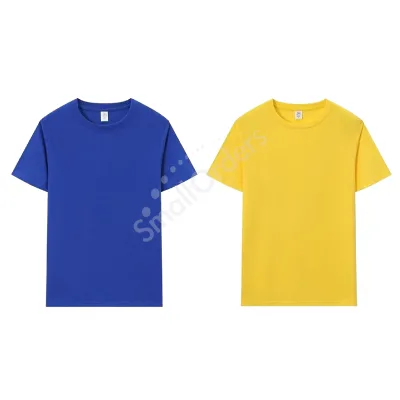
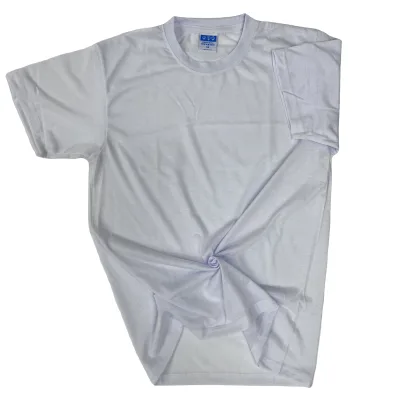
Premium Lightweight Quick-Drying Unisex Polyester Cool Colors Quick-Dry T-Shirt
$2.10 - $2.60
MOQ: 20 Pieces


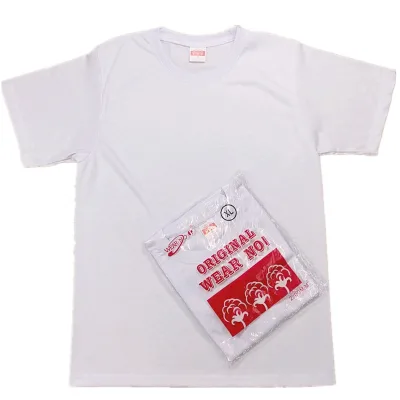
Quick-Dry High Elasticity Round Neck Active Lifestyle Comfort Fit Round-Neck T-Shirt
$2.90 - $3.50
MOQ: 20 Pieces


Shanghai Easun Group Imp & Exp Co., Ltd.
- Verified by BV
- Trading Company
- China Shanghai
- Lead time15 days
- Avg. response≤ 21h
Main productsHoodies, Pajamas, T-Shirt, Bath Robe, Sleepwear, Polo Shirts, Safety Shoes
Main marketsAfrica
Jiangxi Rich Garment Co., Ltd.
- Verified by SGS Group
- Manufacturer, Trading Company
- Lead time20 days
- Avg. response≤ 5h
Main productsT-shirt, Hoodie, Shorts, Tracksuit, Children's clothing
Main marketsNorth America(50%), South America(30%), Western Europe(10%)
Guangzhou Flugi Apparel Co., Ltd.
- Verified by TüVRheinland
- Manufacturer, Trading Company
- Lead time30 days
- Avg. response≤ 13h
Main productsLadies' T-shirt, Ladies' Shirts, Women's Pants, Men's T-shirt, Men's Sweatshirt
Main marketsNorth America(30%), South America(20%), Mid East(10%)
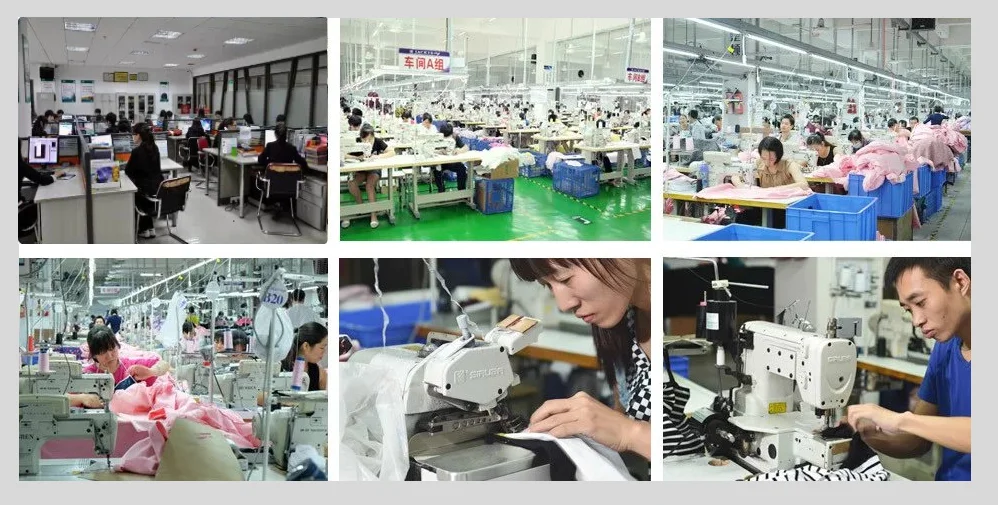
- Manufacturer, Trading Company
- Guangdong, China
- Lead time15 days
- Avg. response≤ 7h
Main productsT shirts/Polo shirt,Hoodies/Sweatshirts,Jackets,Pants/Shorts,Leggings
Main marketsNorth America(50.00%), Oceania(15.00%), Northern Europe(10.00%), Southern Europe(5.00%), Eastern Europe(5.00%), Western Europe(5.00%), South America(5.00%), Africa(5.00%)

Shanghai David International Trade Co., Ltd.
- Verified by TUVRHEINLAND
- Combined
- China Shanghai
- Lead time15 days
- Avg. response≤ 9h
Main productsPromotional Gifts, Gift Sets, Tshirts, Hats, Hot Packs, Hot Cold Packs, Ice Packs, Bags, Umbrellas, Water Bottles
Main marketsSouth America,Africa,Southeast Asia/ Mideast,East Asia(Japan/ South Korea),Domestic,Europe,Australia,North America

Guangzhou Ouzun Clothing Co., Ltd.
- Verified by CTI
- Combined
- China Guangdong
- Lead time23 days
- Avg. response≤ 2h
Main productsUniforms, Pants, Suits&Blazer, T Shirt, Polo Shirt, Sportswear, Jacket, Hoodies&Sweatshirts
Main marketsDomestic

Recycled Polyester Sustainable T-Shirt for Environmental Friendly Clothing Line T Shirts
$3.99 - $8.99
MOQ: 100 Pieces

Eco-Friendly Recycled Polyester Blended Plain T-Shirt for Sustainable Fashion T Shirts
$3.99 - $8.99
MOQ: 100 Pieces

Shenzhen Small Orders Co., Ltd.
- Manufacturer, Trading Company
- GuangDong, China
- Lead time0 days
- Avg. response≤ 2h
Main productsPromotional Gift,Gift Set,Keychain,Trophies Medals & Plaques,DVD
Main marketsNorth America(20.00%), Western Europe(20.00%), South Asia(10.00%), Africa(10.00%), Southeast Asia(5.00%), South America(5.00%), Northern Europe(5.00%), Central America(5.00%), Eastern Asia(5.00%), Eastern Europe(5.00%), Mid East(5.00%), Oceania(5.00%)
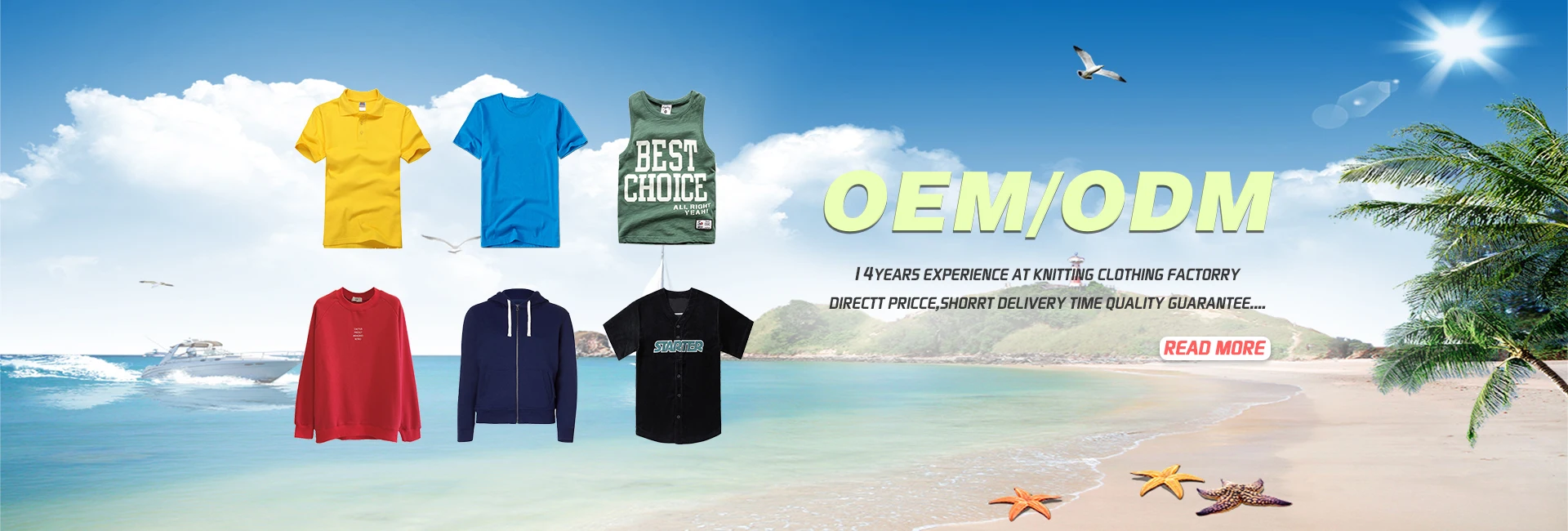
Nanchang Guanqiu Clothing Co., Ltd.
- Manufacturer, Trading Company
- Jiangxi, China
- Lead time15 days
- Avg. response≤ 20h
Main productsT Shirt/ Polo Shirt/ Hoody/ Tracksuit/ Yoga Pants
Main marketsSouth America(20.00%), North America(19.00%), Western Europe(9.00%), Oceania(8.00%), South Asia(7.00%), Eastern Asia(6.00%), Eastern Europe(6.00%), Mid East(6.00%), Africa(5.00%), Southern Europe(4.00%), Northern Europe(3.00%), Domestic Market(3.00%), Southeast Asia(3.00%), Central America(1.00%)
Shangrao Fengshang Ruicai Industry And Trade Co., Ltd.
- Verified by TüVRheinland
- Manufacturer, Trading Company
- Jiangxi, China
- Lead time7 days
- Avg. response≤ 2h
Main productsPolo Shirts, Regular Shirts, T Shirts, Shorts, Pants
Main marketsDomestic Market(60%), North America(20%), Western Europe(20%)
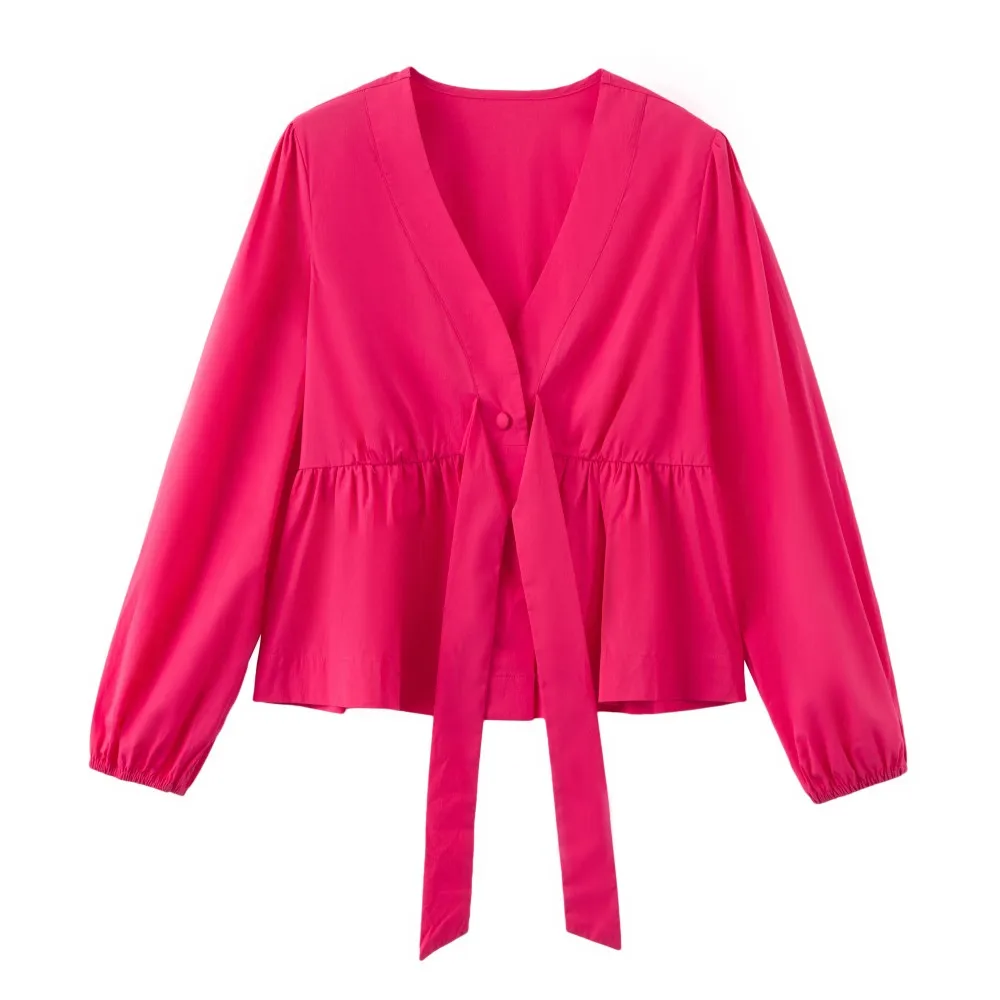
Hangzhou Iris Apparel Co., Ltd.
- Manufacturer, Trading Company
- Zhejiang, China
- Lead time15 days
- Avg. response≤ 3h
Main productsHOODIE,SHIRTS,DRESS,PANTS,JACKET
Main marketsSouth America(50.00%), North America(30.00%), Southern Europe(10.00%), Mid East(10.00%)
Shijiazhuang Jiyao Technology Co., Ltd.
- Verified by TüVRheinland
- Manufacturer, Trading Company
- Lead time10 days
- Avg. response≤ 2h
Main productsHoodie, T-Shirt, Trousers, Sports Set, Children's Clothing
Main marketsNorth America(49%), Western Europe(25%), Oceania(15%)

Suning County Xiangbird Clothing Co., Ltd.
- Verified by SGS
- Combined
- China Hebei
- Lead time30 days
- Avg. response≤ 3h
Main productsT-Shirt, Hooded Sweatshirt, Seluar Jeans, Pakaian Pelindung Matahari
Main marketsDomestic

- Verified by CTI
- Trading Company
- China Anhui
- Lead time23 days
- Avg. response≤ 2h
Main productsFurniture, Home Furniture
Main marketsSoutheast Asia/ Mideast

Guangzhou Vision Clothing Co., Ltd.
- Verified by BV
- Combined
- China Guangdong
- Lead time15 days
- Avg. response≤ 5h
Main productsT-Shirt, Hoodie, Polo Shirt, Sweatpants
Main marketsSouth America,Southeast Asia/ Mideast,Europe,Australia,North America

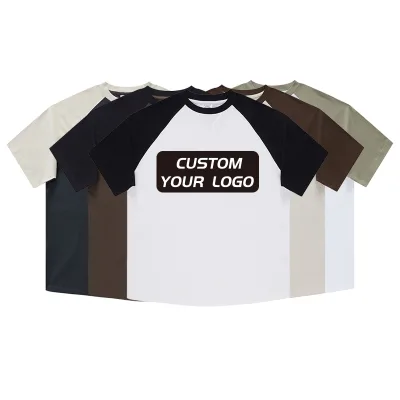
Custom Men′ S Pure-Color T-Shirt Eco-Friendly Shirt Organic Cotton T-Shirt
$4.99 - $7.39
MOQ: 30 Pieces


Guangzhou Fengrong Clothing Co., Ltd.
- Verified by SGS
- Combined
- China Guangdong
- Lead time15 days
- Avg. response≤ 2h
Main productsT-Shirt, Hoodie, Jacket, Trousers, Shorts
Main marketsDomestic

Flexible Customization T-Shirt with Recycled Regenerated Fiber Eco-Friendly Casual Wear
$5.97 - $6.32
MOQ: 50 Pieces

Promotional Basic Short Sleeve T-Shirt with Flexible Customization Options
$5.97 - $6.32
MOQ: 50 Pieces

Sustainable Fashion T-Shirt Flexible Customization with Recycled Regenerated Fiber
$5.97 - $6.32
MOQ: 50 Pieces
Hangzhou Hyacinth Industry Co., Ltd.
- Manufacturer, Trading Company
- Zhejiang, China
- Lead time60 days
- Avg. response≤ 9h
Main productsWomen's Down Coats,Sweater Suit,Women's Yoga Suit
Main marketsNorth America(60.00%), Western Europe(40.00%)

Guangzhou Tianyuan Clothing Co., Ltd
- Verified by SGS
- Combined
- China Guangdong
- Lead time30 days
- Avg. response≤ 2h
Main productsPolo Shirt, Shirt, Suit, T-Shirt, School Uniform, Hooded Sweatshirt, Medical Uniform, Chef's Uniform, Trousers, Work Clothes
Main marketsDomestic

Wujiang Hailihong Textile Co., Ltd.
- Verified by CTI
- Combined
- China Jiangsu
- Lead time15 days
- Avg. response≤ 8h
Main productsKnitted Textiles, Chemical Fibers, Home Textiles, Clothing and Accessories, Swim Trunks, T-Shirt, Hawaiian Shirt, Beach Pants, Bikini, Hoodie
Main marketsAfrica,Southeast Asia/ Mideast,East Asia(Japan/ South Korea),Domestic,Europe,Australia,North America

Sport T Shirt Dry Fit Tee Shirt Custom Sublimation T Shirt Mens Printed T Shirt
$4.00 - $4.50
MOQ: 2 Pieces

Sport T Shirt Dry Fit Tee Shirt Custom Sublimation T Shirt Mens Printed T Shirt
$4.00 - $4.50
MOQ: 2 Pieces
Nanchang Jiakai Clothing Co., Ltd.
- Verified by TüVRheinland
- Manufacturer, Trading Company
- Lead time35 days
- Avg. response≤ 3h
Main productsApparel
Main marketsNorth America(80%), Western Europe(10%), South America(2%)
$4.6271 - $6.6841
MOQ: 50 pieces

Nuolang (Guangdong) Garment Industry Co., Ltd.
- Verified by BV
- Combined
- China Guangdong
- Lead time15 days
- Avg. response≤ 2h
Main productsT-Shirt, Polo Shirt, Shirt, Coverall, Suit, Uniform, Sportswear, Casual Wear
Main marketsSoutheast Asia/ Mideast

Comfortable and Quick-Drying Short-Sleeved Cotton T Shirt Unisex Simple Custom T Shirt
$1.99 - $4.99
MOQ: 100 Pieces


Guangzhou Shangshang Industrial Co., Ltd.
- Combined
- China Guangdong
- Lead time15 days
- Avg. response≤ 17h
Main productsHoodies, T Shirt, Sweatpant, Shorts, Jacket
Main marketsDomestic
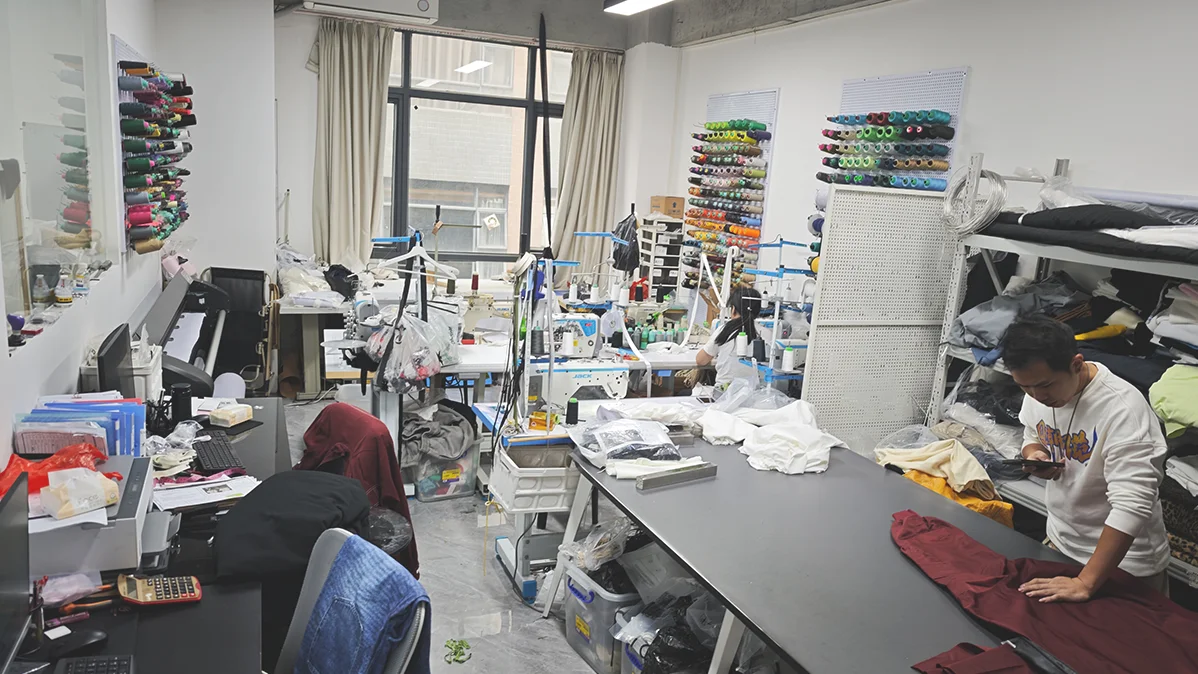
Foshan Bige Brothers Clothing Co., Ltd.
- Manufacturer, Trading Company, Distributor/Wholesaler
- Guangdong, China
- Lead time14 days
- Avg. response≤ 5h
Main productsHoodie&Sweatshirt,T-shirt,Polo Shirt,Men Shirt,Trousers&Pants
Main marketsNorth America(50.00%), Western Europe(30.00%), Eastern Europe(20.00%)

Shanghai Touch Industrial Development Co., Ltd.
- Verified by TUVRHEINLAND
- Combined
- China Shanghai
- Lead time15 days
- Avg. response≤ 5h
Main productsInstant Hot Pack, Hot Cold Pack, Gel Eye Mask, Gel Ice Pack, Gel Bottle Cooler, Instant Ice Pack, Hand Warmer, Heat Pack, Cooling Scarf, Gel Beads
Main marketsSouth America,Others(foreignTradeCapacity.exportBusinessCapacityMarketOther),Southeast Asia/ Mideast,East Asia(Japan/ South Korea),Domestic,Europe,Australia,North America

Shenzhen Ai-Mich Science And Technology Limited
- Verified by BV
- Combined
- China Guangdong
- Lead time23 days
- Avg. response≤ 3h
Main productsPromotional Gift, Drinkware, Apparel, Hats & Caps, Technoloy, Bags, Outdoor, Event Gifts, Display & Banner, Medal
Main marketsSouth America,Africa,Southeast Asia/ Mideast,East Asia(Japan/ South Korea),Europe,Australia,North America

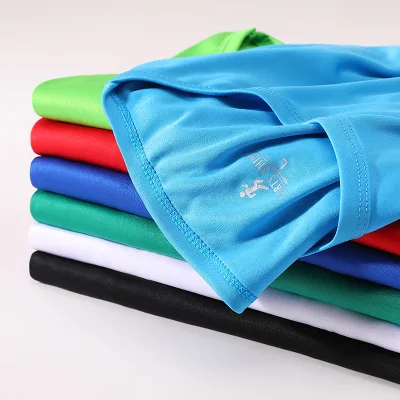
100% Polyester Custom Logo T Shirt High Quality Waterproof Breathable Quick Dry T Shirts
$2.90 - $3.40
MOQ: 100 Pieces

Guangzhou Jinxilai International Trade Co., Ltd.
- Manufacturer, Trading Company
- Guangdong, China
- Lead time14 days
- Avg. response≤ 4h
Main productsBoxer,Vest,Polo,T-shirt,Men's Underwear
Main marketsSouth America(20.00%), Southeast Asia(15.00%), North America(15.00%), Africa(12.00%), Central America(10.00%), Mid East(10.00%), South Asia(10.00%), Eastern Europe(8.00%)

Yiwu Yiheng Clothing Co., Ltd.
- Manufacturer, Trading Company
- Zhejiang, China
- Lead time15 days
- Avg. response≤ 1h
Main productsT-shirt, Hoodie, Sweat Pants, Baseball Caps, Shorts
Main marketsNorth America(40.00%), Eastern Europe(15.00%), South America(10.00%), Western Europe(10.00%), Northern Europe(9.00%), Africa(5.00%), Central America(3.00%), Southern Europe(2.00%), South Asia(1.00%), Eastern Asia(1.00%), Oceania(1.00%), Domestic Market(1.00%), Mid East(1.00%), Southeast Asia(1.00%)


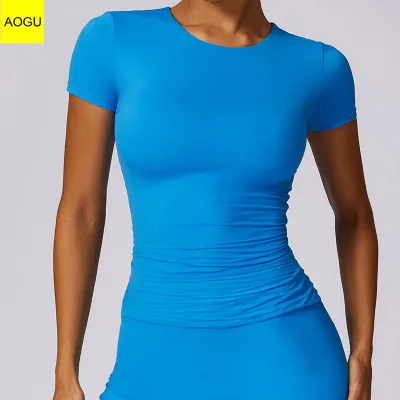
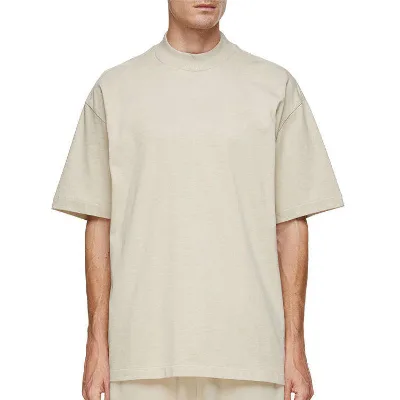
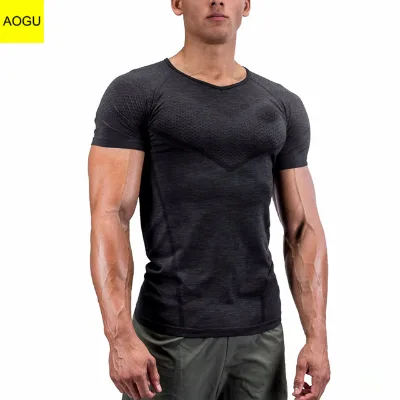











Comprehensive Sourcing Guide
Quick Dry Eco-Friendly Striped T-Shirts Supplier Concentration and Factory Types
The current supplier landscape for quick dry eco-friendly striped t-shirts reveals a distinct geographic and operational concentration that buyers must navigate carefully. Evidence indicates that verified suppliers are primarily located in China, with specific clusters identified in Fujian and Guangdong provinces. These regions are not merely random locations but established manufacturing hubs known for textile production capabilities. For instance, one verified entity is situated in Fujian, while another operates out of Guangdong. This geographic distribution suggests that buyers seeking these specific garments should focus their search efforts on these Chinese provinces to maximize the likelihood of finding relevant suppliers. The presence of suppliers in these areas implies a mature supply chain infrastructure, including access to raw materials like polyester and spandex blends, which are essential for producing quick-dry fabrics. Understanding this concentration allows buyers to streamline their sourcing strategy by targeting regions with proven expertise in apparel manufacturing. It also helps in estimating logistics costs and lead times, as proximity to ports in these provinces can facilitate faster shipping. Buyers should recognize that while these locations are prominent, the specific factory type varies significantly among suppliers. Some entities operate as trading companies, acting as intermediaries between buyers and factories, while others are direct manufacturers. This distinction is crucial because it affects pricing, communication, and control over the production process. Trading companies may offer a wider variety of products and easier communication in local languages, but direct manufacturers might provide better pricing and more direct oversight of quality control. Therefore, identifying whether a supplier in Fujian or Guangdong is a manufacturer or a trading company is a primary step in evaluating their suitability for your specific needs. The concentration of these entities in China highlights the region's dominance in the global apparel market, particularly for synthetic and blended fabrics used in performance wear.
Furthermore, the types of companies operating in these regions offer different value propositions that impact the sourcing decision. A supplier identified as a trading company may have a broader network of partner factories, allowing them to offer diverse customization options, such as specific stripe patterns or eco-friendly dye processes. However, this structure can sometimes lead to communication delays or less transparency regarding the actual production site. On the other hand, suppliers classified as manufacturers often have dedicated production lines for quick-dry fabrics, ensuring consistent quality and faster turnaround times for bulk orders. The evidence shows that some suppliers offer both manufacturing and trading services, which can be advantageous for buyers seeking a single point of contact with direct factory access. This hybrid model can simplify the sourcing process by combining the flexibility of a trading company with the cost-efficiency of a manufacturer. Buyers should also consider the main products offered by these suppliers. Many of the identified entities specialize in a range of apparel items, including hoodies, sweatshirts, pants, and various t-shirt styles. This diversification indicates that these suppliers have robust production capabilities and can potentially handle larger, more complex orders involving multiple product types. For buyers looking to source quick dry eco-friendly striped t-shirts, partnering with a supplier that already produces similar items can reduce the learning curve and ensure that the factory is equipped with the necessary machinery and expertise. The focus on apparel in these Chinese hubs suggests a high level of specialization, which can be leveraged to achieve better quality and more competitive pricing. By understanding the mix of factory types and their geographic locations, buyers can make more informed decisions about which suppliers to engage with, ensuring that their sourcing strategy aligns with their operational requirements and budget constraints.
How to Verify Quick Dry Eco-Friendly Striped T-Shirts Suppliers
Verifying the credibility and capabilities of suppliers for quick dry eco-friendly striped t-shirts requires a multi-layered approach that goes beyond simple profile reviews. The first critical step is to examine the verification status provided by recognized third-party inspection agencies. In the current market, suppliers may be verified by entities such as TÜV Rheinland, SGS Group, or CTI. These verifications serve as a baseline indicator of the supplier's legitimacy and operational stability. For example, one supplier is verified by TÜV Rheinland, another by SGS Group, and a third by CTI. Each of these organizations has different verification processes and standards, so buyers should understand what specific aspects of the business each verification covers. TÜV Rheinland often focuses on quality management systems and product safety, while SGS may provide broader assessments of business operations. CTI might emphasize testing capabilities and compliance with international standards. By checking which agency has verified a supplier, buyers can gauge the depth of the due diligence performed. It is important to note that verification is not a one-time event; buyers should check the expiration dates of these certifications to ensure they are current. An expired verification may indicate a lapse in the supplier's commitment to maintaining high standards or may suggest that the supplier has not undergone recent audits. This information is crucial for assessing the reliability of the supplier in the long term. Additionally, buyers should look for specific certifications related to the product itself, such as Oeko-Tex 100, which certifies that the textiles are free from harmful substances. This is particularly relevant for eco-friendly claims, as it provides tangible proof that the materials used are safe for consumers and the environment. Other certifications like ISO 9001 for quality management and ISO 14001 for environmental management can also indicate a supplier's commitment to consistent quality and sustainable practices. These certifications are not just badges; they represent a structured approach to business operations that can reduce the risk of defects and delays.
Beyond verification badges, buyers must actively assess the supplier's responsiveness and communication efficiency. The response time is a key metric that reflects the supplier's operational readiness and customer service quality. Data shows that response times can vary significantly, with some suppliers responding within a few hours, while others may take longer. For instance, one supplier has a response time of 1.65 hours, while another takes 7.87 hours. A faster response time often correlates with a more agile and attentive supplier who is likely to be more proactive in addressing issues and providing updates. Buyers should use this metric to prioritize their communications and set expectations for future interactions. It is also advisable to test the supplier's responsiveness by sending initial inquiries and noting how quickly and thoroughly they reply. This practical test can reveal more about their actual working style than any static profile data. Furthermore, buyers should verify the supplier's production capabilities by requesting detailed information about their manufacturing processes. This includes asking about their capacity for light customization, sample processing, and graphic processing. Suppliers that explicitly state they support these services are likely more flexible and capable of handling bespoke orders. Buyers should also inquire about the supplier's experience with eco-friendly materials and dyeing techniques. While some suppliers may claim eco-friendly practices, it is essential to ask for specific details about the dyes used, the water recycling systems in place, and any relevant environmental audits. This level of scrutiny helps to separate genuine eco-friendly suppliers from those merely using greenwashing tactics. By combining verification checks with active communication testing and detailed capability assessments, buyers can build a comprehensive picture of each supplier's reliability and suitability for their specific needs. This thorough verification process minimizes the risk of partnering with unreliable entities and ensures that the chosen supplier can deliver high-quality, eco-friendly striped t-shirts on time and within budget.
What to Compare Across Quick Dry Eco-Friendly Striped T-Shirts Suppliers
When evaluating multiple suppliers for quick dry eco-friendly striped t-shirts, buyers must systematically compare key operational and commercial metrics to identify the best fit for their requirements. One of the most critical factors to compare is the minimum order quantity (MOQ). MOQs can vary widely, ranging from as low as 100 pieces to as high as 500 pieces or more. For example, one supplier offers an MOQ of 100, while another requires 200, and a third demands 500. Understanding these differences is essential for aligning supplier capabilities with your inventory strategy and budget. Lower MOQs are advantageous for startups or buyers testing new designs, as they reduce upfront investment and risk. Higher MOQs may offer better unit prices but require a larger capital outlay and storage capacity. Buyers should also compare the lead times for production and delivery. Lead times indicate how long it takes from order placement to shipment, and they can significantly impact your ability to meet market demand. In the current data, lead times range from 23 to 30 days. A shorter lead time, such as 23 days, allows for faster replenishment and greater flexibility in responding to market trends. Longer lead times, like 30 days, may be acceptable for planned seasonal collections but can be risky for urgent orders. Buyers should also consider the supplier's response time as a proxy for their overall efficiency and customer service quality. Faster response times, such as 1.65 hours, suggest a more responsive and attentive supplier, which can be crucial for resolving issues quickly. Additionally, buyers should compare the price ranges offered by different suppliers. Prices can vary based on material quality, customization options, and order volume. For instance, one supplier offers t-shirts in the $2.10 to $2.50 range, while another charges $4.80 to $5.25. These price differences may reflect variations in fabric quality, such as the use of premium polyester blends versus standard materials. Buyers should also look at the specific product attributes, such as material composition, sleeve style, and feature sets like moisture absorption and breathability. Comparing these details helps ensure that the product meets your quality standards and functional requirements. Finally, buyers should assess the supplier's main product lines to determine if they have specialized expertise in t-shirts or if they are generalists. Suppliers with a focus on apparel may offer better quality and more competitive pricing due to their specialized knowledge and economies of scale. By systematically comparing these metrics, buyers can make data-driven decisions that optimize their sourcing strategy and maximize value.
In addition to the quantitative metrics, buyers should also evaluate the qualitative aspects of the supplier's offerings, such as customization capabilities and certification standards. Customization is a key differentiator in the apparel market, and suppliers may offer varying levels of support for design changes, logo printing, and packaging. Some suppliers explicitly state that they support light customization, sample processing, and graphic processing, which indicates a flexible production environment. Buyers should inquire about the specific customization options available, such as the ability to create unique stripe patterns or use eco-friendly dyes. The availability of these services can significantly impact the final product's uniqueness and market appeal. Furthermore, buyers should compare the certifications held by each supplier. Certifications like BSCI, ISO 9001, ISO 14001, and Oeko-Tex 100 provide evidence of the supplier's commitment to ethical labor practices, quality management, and environmental sustainability. Suppliers with a broader range of certifications may be more reliable and better equipped to handle complex orders. Buyers should also consider the supplier's location and its impact on logistics. Suppliers in Fujian and Guangdong may have different shipping options and costs, which can affect the total landed cost of the product. Additionally, buyers should assess the supplier's reputation and track record by reading reviews or requesting references. While not always available, this information can provide valuable insights into the supplier's reliability and customer satisfaction levels. By combining quantitative comparisons with qualitative assessments, buyers can develop a holistic view of each supplier's strengths and weaknesses. This comprehensive evaluation process enables buyers to select suppliers that not only meet their immediate needs but also align with their long-term business goals and values. Ultimately, the goal is to find a partner who can deliver high-quality, eco-friendly striped t-shirts efficiently and cost-effectively, while maintaining strong communication and flexibility throughout the sourcing process.
Common Quick Dry Eco-Friendly Striped T-Shirts Sourcing Risks
FAQs
What is the price range for quick dry t-shirts?
Prices for quick dry t-shirts typically range from $2.10 to $7.80 per unit depending on material and customization. Basic polyester options start around $2.10, while premium knitted or cotton blends cost between $5.50 and $7.80. Buyers should verify specific quotes based on order volume and design complexity.
What are the minimum order quantities for these shirts?
Minimum order quantities vary by supplier and product type, generally ranging from 100 to 500 pieces. Some suppliers accept orders as low as 100 units for custom logo prints, while others require 200 or 500 pieces for standard quick dry styles. Always confirm the MOQ with the specific manufacturer before placing an order.
How long does production take for custom orders?
Production lead times for custom quick dry t-shirts typically range from 23 to 30 days. Suppliers in China offer varying turnaround speeds, with some completing orders in 23 days and others taking up to 30 days. Sample orders may be supported within seven days, but bulk production requires the full lead time.
What certifications do these suppliers hold?
Reputable suppliers often hold BSCI, ISO 9001, ISO 14001, and Oeko-Tex 100 certifications. These credentials ensure ethical manufacturing and environmental standards. Verification by groups like SGS or TUV Rheinland adds further assurance. Buyers should request valid certificates to confirm compliance with international quality and safety requirements for apparel sourcing.
Where are these t-shirt manufacturers located?
Manufacturers are primarily located in China, specifically in Fujian and Guangdong provinces. These regions are known for strong apparel supply chains and efficient logistics. Buyers can source from trading companies or direct manufacturers in these areas, ensuring access to a wide variety of quick dry and eco-friendly t-shirt options.
What materials are used for quick dry t-shirts?
Common materials include polyester, nylon, spandex, and cotton blends. Polyester offers excellent moisture-wicking properties, while nylon-spandex blends provide elasticity and durability. Some options use 100% cotton for comfort, though quick dry performance is best with synthetic fibers. Buyers should check product specifications to ensure the material matches their functional requirements.