Source anti-wrinkle quick dry jogger sweatpants for Fitness, Gym, Cycling
Find 30 verified options for anti-wrinkle quick dry jogger sweatpants suitable for fitness, gym, and cycling. Compare features like breathability, material blends, and customization to select the right supplier for your needs; compare the available evidence and request quotations based on your requirements.
Updated
Key considerations
Products List
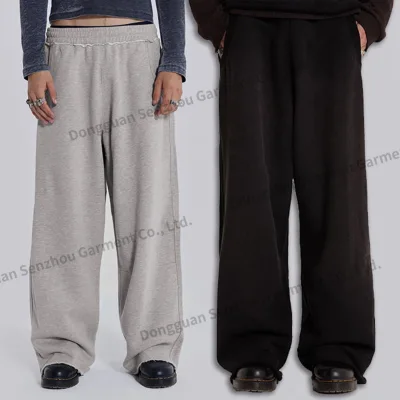
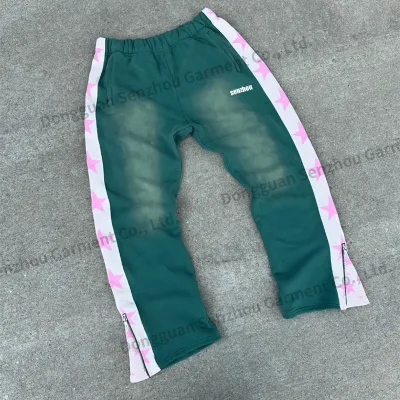
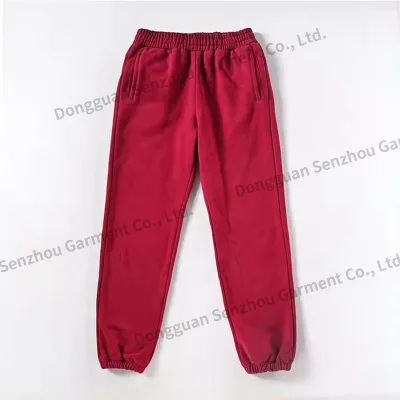
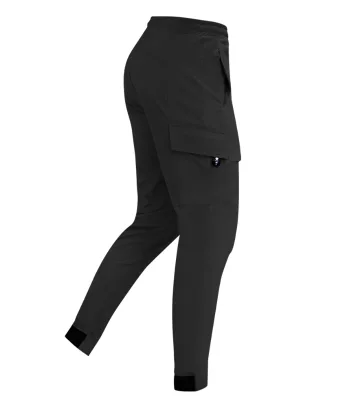


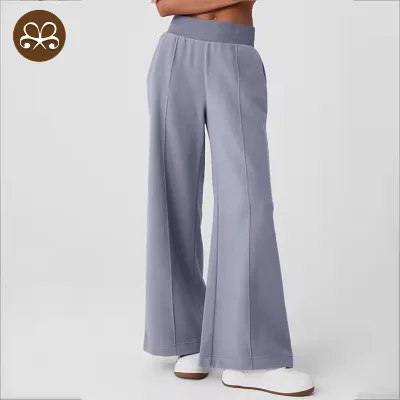


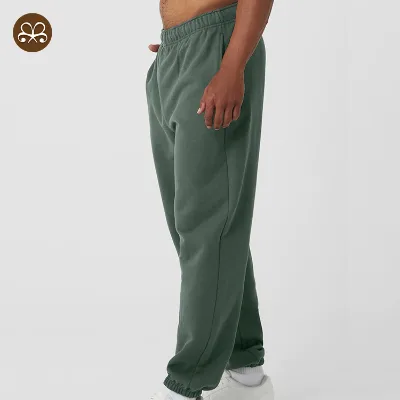


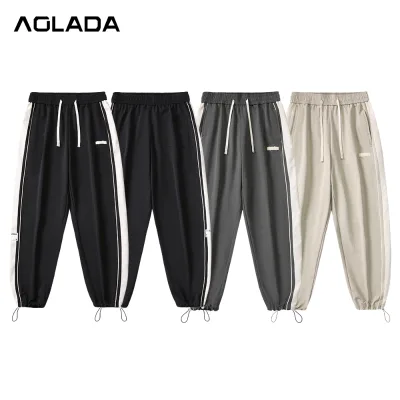
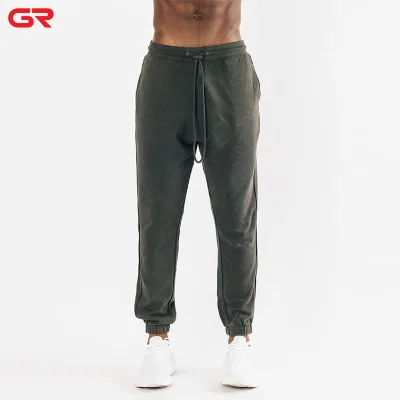
Hot Selling Fashion Fitness Stretch Jogger Sweatpants Custom Printed Casual Sweatpants Mens
$11.00 - $19.60
MOQ: 100 pieces
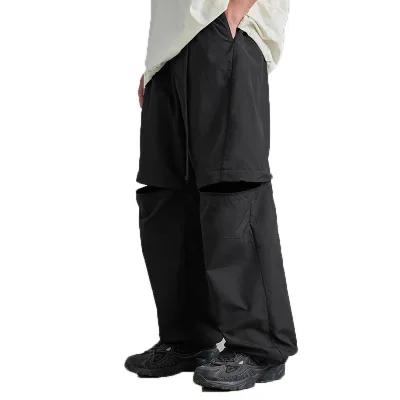

Custom Unisex Sweatpants Joggers in Bulk Wholesale Cotton Best Sweatpants
$7.00 - $13.00
MOQ: 100 Pieces

Comprehensive Sourcing Guide
Anti-Wrinkle Quick Dry Jogger Sweatpants Sourcing Guide
Sourcing anti-wrinkle quick dry jogger sweatpants requires a nuanced understanding of fabric blends and functional finishes that distinguish performance wear from casual loungewear. Buyers must prioritize materials that balance durability with moisture management, ensuring the garment maintains its shape and comfort during active use. The observed market data indicates a strong presence of polyester-cotton and nylon-cotton blends, which offer the necessary structural integrity and breathability for modern athletic and casual applications.
Procurement teams should focus on verifying specific technical attributes such as flatlock seams and midweight construction, which contribute to the overall quality and longevity of the product. These features are critical for preventing chafing and ensuring the garment withstands repeated washing without pilling or losing its quick-dry properties. By aligning supplier capabilities with these precise technical requirements, buyers can secure inventory that meets both functional demands and aesthetic expectations for spring and autumn seasons.
Product Scope and Observed Listing Signals
The current market landscape for jogger sweatpants reveals a diverse range of styles, from casual straight-cut designs to specialized fitness-oriented models. Listings frequently highlight features such as elastic waists, drawstrings, and pockets, catering to both comfort and utility. The observed price range of $1.1 to $28 USD suggests significant variation in quality, branding, and customization levels, requiring buyers to carefully evaluate the value proposition of each supplier offering.
Seasonal relevance is a key signal, with many products explicitly targeting spring and autumn wear. This seasonal alignment often dictates the midweight thickness and fabric composition, ensuring the garments provide adequate warmth without overheating. Buyers should note that customization options, including digital printing and logo application, are widely available, allowing for brand-specific differentiation. However, the presence of "other" printing methods alongside digital options indicates a need for clear communication regarding print durability and aesthetic consistency.
Technical Specifications to Verify
Verifying the material composition is the first critical step in ensuring product quality. The supplied facts indicate a prevalence of polyester-cotton and nylon-cotton blends, which offer distinct advantages in terms of breathability and anti-wrinkle performance. Buyers must confirm the exact ratio of these fibers, as higher synthetic content typically enhances quick-dry capabilities and durability, while cotton adds softness and comfort. Misalignment in material specifications can lead to customer dissatisfaction regarding fit and performance.
Construction details such as flatlock seams and midweight thickness are essential for verifying the garment's suitability for active use. These technical specifications contribute to the overall durability and comfort of the joggers, particularly during fitness and cycling activities. Buyers should request physical samples to assess the quality of the stitching and the hand feel of the fabric. Additionally, verifying the washability and colorfastness of the "colored" variants is crucial to ensure the garments maintain their appearance after multiple laundering cycles.
Compliance and Safety Documentation
While specific certification statuses are not detailed in the provided context, buyers must ensure that all suppliers adhere to relevant international safety and environmental standards. The mention of "Eco-Friendly" features suggests that some manufacturers may prioritize sustainable practices, but this claim requires verification through recognized certifications. Buyers should request documentation proving compliance with chemical restrictions, such as REACH or CPSIA, depending on the target market, to mitigate legal and reputational risks.
Transparency in manufacturing processes is equally important for maintaining brand integrity. Buyers should inquire about the sourcing of raw materials and the environmental impact of the dyeing and printing processes. Although "Eco-Friendly" is listed as a feature, it is essential to distinguish between marketing claims and verified sustainable practices. Establishing clear compliance requirements in the purchase agreement ensures that suppliers are held accountable for meeting these standards, protecting the buyer from potential regulatory issues.
Cost Drivers and Commercial Terms
The observed minimum order quantity (MOQ) range of 50 to 10,000 pieces significantly impacts pricing and inventory management strategies. Lower MOQs may result in higher per-unit costs due to setup fees and limited production efficiency, while larger orders can leverage economies of scale. Buyers should negotiate terms that align with their sales forecasts, considering the flexibility offered by suppliers who accept custom designs and smaller initial runs.
Payment terms and shipping methods are critical components of the commercial agreement. The standard term of a 40% deposit and 60% balance before shipping is common in the industry, providing a balance of risk for both parties. Buyers should also evaluate the shipping options, including express, air, and sea freight, to optimize lead times and logistics costs. Understanding these commercial dynamics allows for more accurate cost forecasting and better cash flow management throughout the procurement cycle.
Supplier Qualification and Quality Control
Qualifying suppliers requires a thorough assessment of their production capabilities and quality control processes. Buyers should verify the supplier's experience in manufacturing jogger sweatpants, particularly those with specific features like anti-wrinkle and quick-dry finishes. Requesting references and reviewing past performance can provide insights into the supplier's reliability and consistency. Additionally, assessing their ability to handle custom designs and printing methods is essential for brands seeking unique product offerings.
Implementing a robust quality control plan is vital to ensure that the final products meet the specified standards. Buyers should define clear acceptance criteria for fabric quality, stitching, and finishing, and conduct pre-shipment inspections to catch any defects early. The observed packing standards, such as one piece per OPP bag, should be verified to ensure proper protection during transit. Establishing a feedback loop with the supplier for continuous improvement helps maintain high quality levels and reduces the risk of returns or complaints.
Long-Term Procurement Checks
Building a sustainable supply chain involves regular performance reviews and relationship management with suppliers. Buyers should track key metrics such as on-time delivery, product quality, and responsiveness to issues. These metrics provide valuable data for evaluating supplier performance and identifying areas for improvement. Maintaining open communication channels fosters a collaborative environment, enabling both parties to address challenges proactively and adapt to changing market conditions.
Continuous monitoring of market trends and consumer preferences is essential for staying competitive. Buyers should regularly assess the relevance of their product offerings, considering factors such as seasonal shifts and emerging styles. The ability to customize designs and incorporate new features, such as anti-UV or windproof properties, can enhance the product's appeal. By staying informed and agile, buyers can ensure their procurement strategy remains aligned with customer demands and market dynamics, securing long-term success in the competitive apparel industry.
FAQs
What materials are used for anti-wrinkle quick dry jogger sweatpants?
These joggers are crafted from blends such as polyester and cotton or nylon and cotton. Some options utilize 100% cotton for specific comfort needs. The fabric selection ensures the garments remain breathable and durable during active use, supporting the quick-dry and anti-wrinkle performance required for casual or fitness wear.
Can I customize the design of these jogger sweatpants?
Yes, customization is available for these products. Buyers can provide their own designs for digital printing or other methods. The waist type can be adjusted to elastic or drawstring styles. This flexibility allows brands to create unique apparel that meets specific aesthetic and functional requirements for their target audience.
What is the minimum order quantity for these pants?
The minimum order quantity varies by supplier but typically ranges from 50 to 10,000 pieces. Some specific listings indicate an MOQ of 200 pieces per design. Buyers should verify the exact MOQ with the supplier, as it depends on the customization level, material choice, and production capacity of the manufacturer.
Which features do these joggers offer for fitness use?
These joggers feature anti-wrinkle, quick-dry, breathable, and anti-pilling properties. Some models include windproof and anti-UV capabilities. The straight pattern and mid-weight thickness make them suitable for cycling, gym, and fitness activities. The elastic waist or drawstring closure ensures a secure and comfortable fit during movement.
Where are these anti-wrinkle joggers manufactured?
The products are manufactured in China. Suppliers offer various shipping methods including express, air, and sea freight. The origin is consistently listed as China across the available listings. Buyers can expect standard packaging, such as one piece per OPP bag, with bulk carton quantities defined by the supplier.
What payment terms are required for bulk orders?
Standard payment terms often require a 40% deposit and a 60% balance before shipping. This structure is common for custom apparel orders. Buyers should confirm the specific payment schedule with the supplier before production begins. This ensures clear financial terms and aligns with the manufacturing timeline for the ordered quantity.