Source Windproof Washed Mens Trucker Jacket for work, travel, and daily wear
Explore 30 listings for the Windproof Washed Mens Trucker Jacket with features like breathable fabric and custom logo options. Buyers can compare specifications, prices, and lead times from verified suppliers in China; compare the available evidence and request quotations based on your requirements.
Updated
Key considerations
Products List
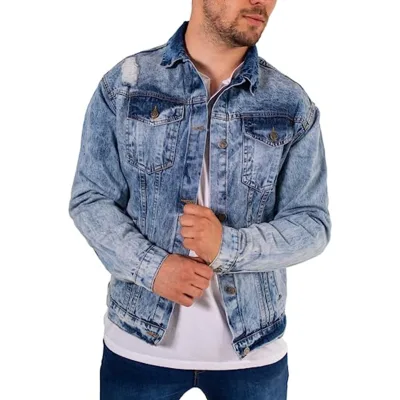


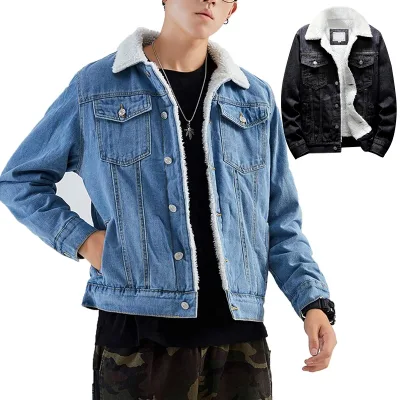
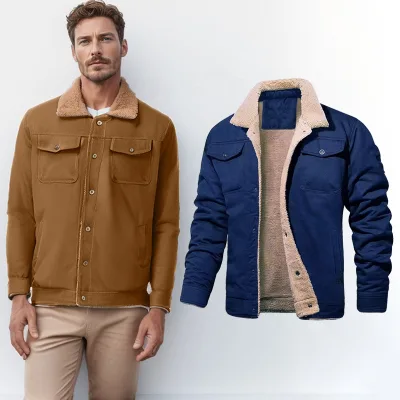
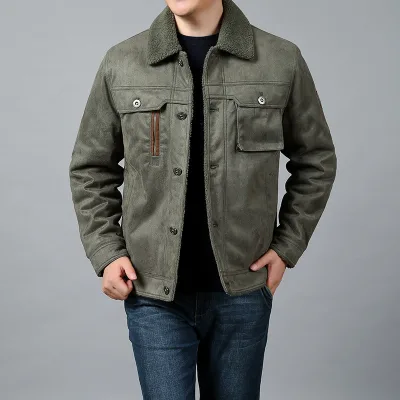
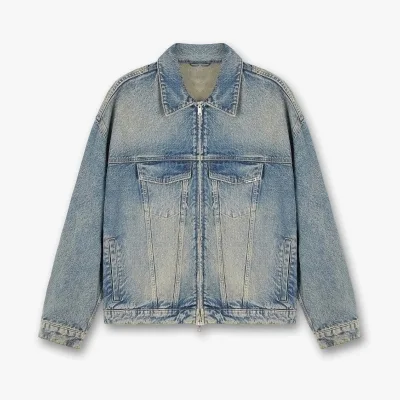
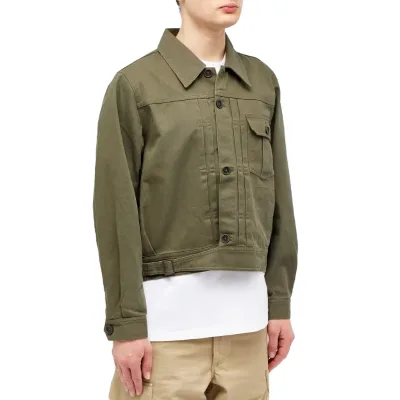
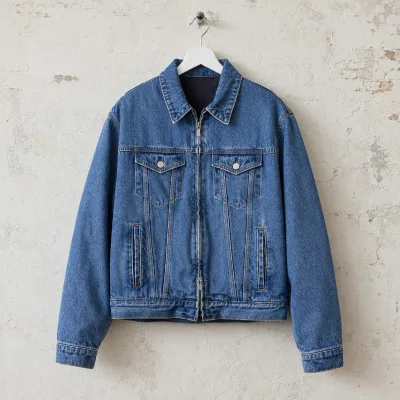
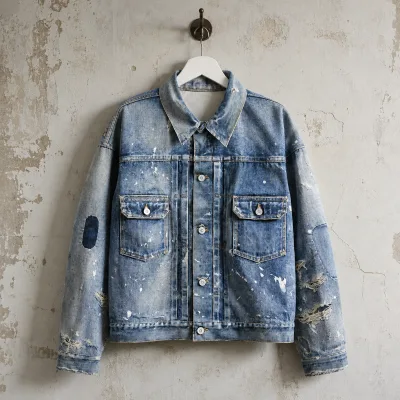
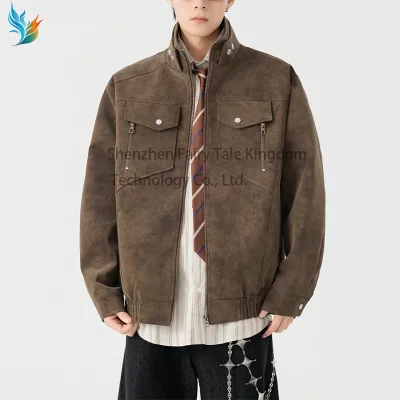
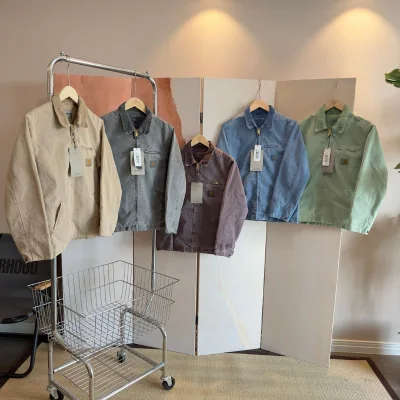
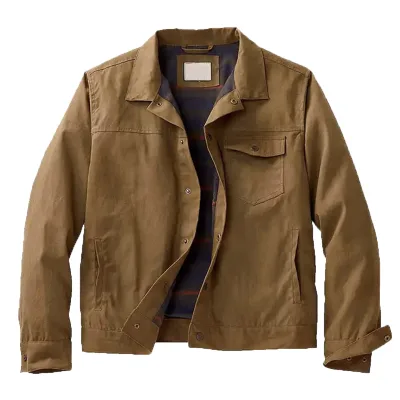

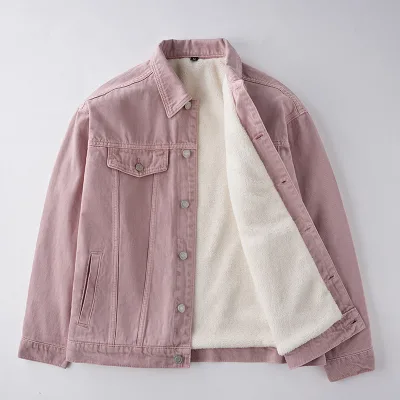
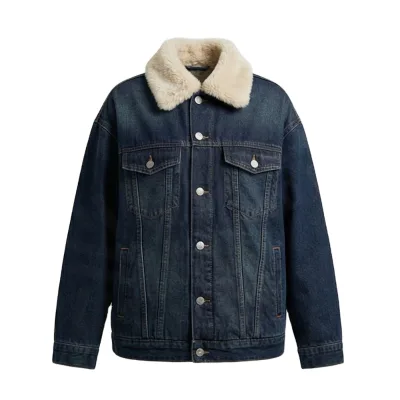
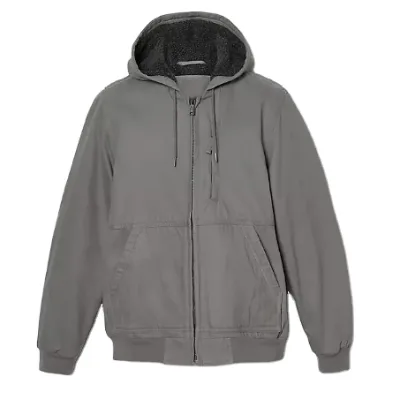
Custom OEM Logo Winter Outdoor Wear Winter Warm Fleece Trucker Jacket for Men
$18.00 - $25.00
MOQ: 500 Pieces
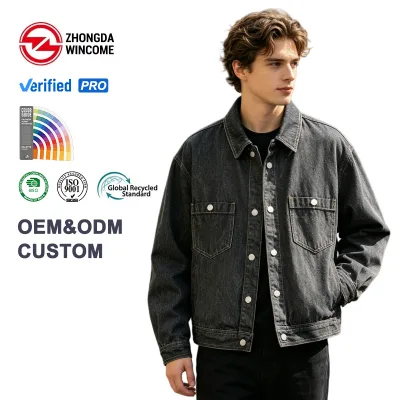
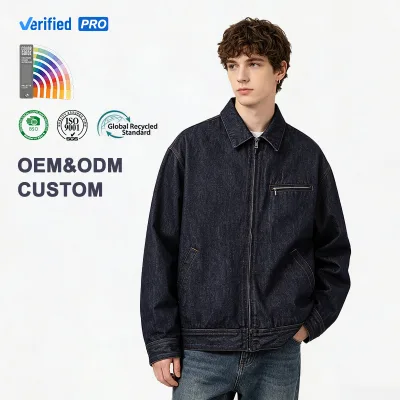
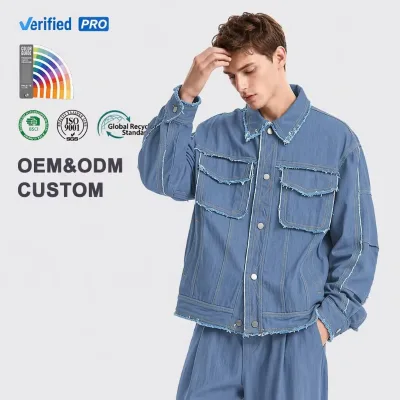
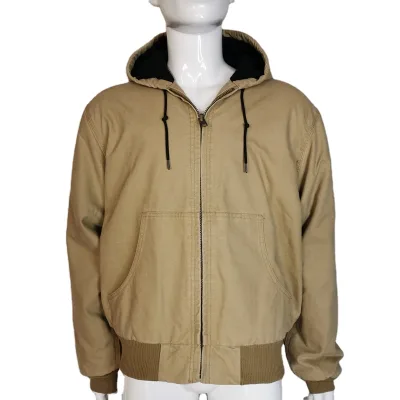
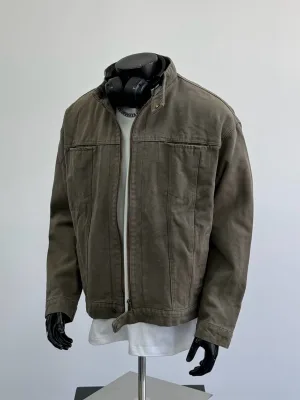
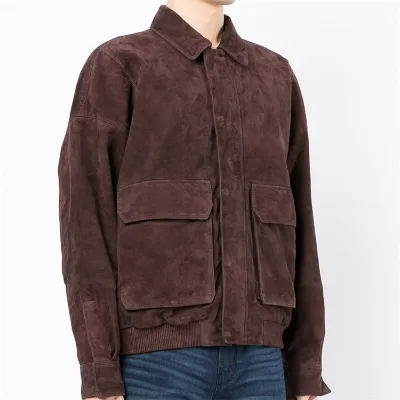
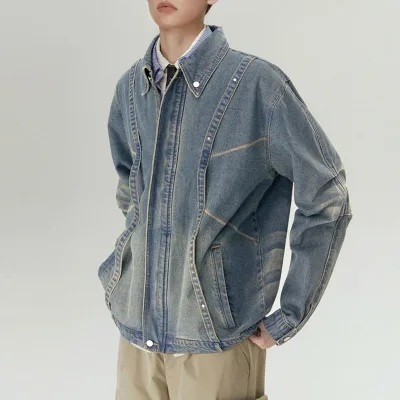
Comprehensive Sourcing Guide
Windproof Washed Mens Trucker Jacket Sourcing Guide
Sourcing a windproof washed men's trucker jacket through B2B channels requires balancing the aesthetic character of washed denim with functional performance claims that must survive verification. Washed finishes and windproof construction pull in opposite directions—washing softens fabric and opens the weave, while windproofing depends on tight construction, coatings, or layered shells—so buyers should treat the combination as a custom development project rather than a catalog purchase. The listings observed in this category include both OEM-service suppliers offering full customization and in-stock items sold as single units or small lots, which shapes how specifications, samples, and negotiations should be handled.
This guide organizes the procurement decision into scoping, technical verification, compliance, cost analysis, supplier qualification, and long-term monitoring. Each section focuses on a distinct buyer decision, from confirming that a supplier's "windproof" label refers to a measurable fabric property rather than marketing language, to structuring quality control for a garment where wash inconsistency is the most common defect. Throughout, only attributes actually observed in the supplied listing data are treated as facts; everything else is framed as a verification task the buyer must complete before committing to a purchase order.
Product Scope and Observed Listing Signals
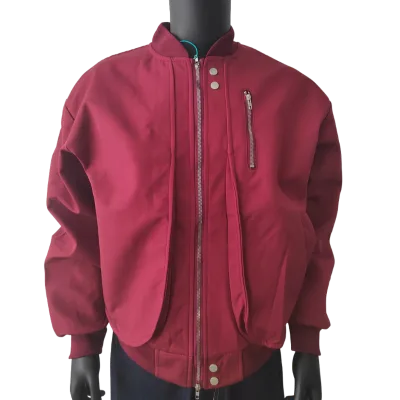
The observed listings span several related garment types that buyers should separate before comparing offers. Core items include men's denim trucker jackets, casual men's jackets, and a men's faux suede plaid pattern trucker jacket, alongside bomber jackets classified under the same category. Model identifiers in the data range from a coded style (QDBG-C1126J) to descriptive names such as "Men's Denim Trucker Jacket" and "korean winter clothes for men," which signals a mix of structured OEM programs and loosely defined stock offerings. Material bases also differ: some listings specify Spandex/Cotton, others Polyester/Cotton, and one lists a polyester fabric with windproof, waterproof, and breathable features—materially different products despite shared keywords.
Supply types split between OEM service and in-stock items, which directly affects minimum order expectations. Observed MOQs range from 50 to 500 units, and listed prices span 3.8 to 58 USD, a spread wide enough to indicate different garment constructions, not just negotiation room. Season claims also vary—spring/autumn on some listings, winter on others—so buyers filtering for a genuine trucker silhouette should confirm closure type (one listing shows covered buttons), collar style (turn-down collar appears in the data), and regular clothing length before treating any offer as a match.
Technical Specifications to Verify
Fabric composition is the first technical decision because it drives both wind resistance and wash behavior. A Spandex/Cotton blend offers stretch and classic denim hand feel, while Polyester/Cotton improves dimensional stability and can support windproof coatings or lamination. Buyers should request the actual fabric construction—yarn counts, weave density, and weight in grams per square meter—rather than accepting a fiber percentage alone. The "washed" technique listed in the data also requires specification: garment wash, stone wash, and enzyme wash produce different shrinkage, color loss, and softness outcomes, and the supplier should state which process and which chemicals or enzymes are used.
Windproof performance must be defined in measurable terms. Ask whether wind resistance comes from tight weave density, a membrane, a coating, or a quilted lining, and request the test method and result rather than a bare claim. Where listings add waterproof and breathable attributes, clarify that these are three separate performance properties, each with its own test. Confirm sizing across the stated S, M, L, XL range with graded measurement charts, verify the blue colorway against physical swatches under agreed lighting, and reconcile the observed "knitted" weaving method against denim expectations—woven denim and knitted denim behave very differently.
Compliance and Safety Documentation
Compliance verification should begin with the attributes the listings themselves flag. One observed listing references needle detection as a yes, which matters for markets where broken-needle contamination is a standard inspection requirement; buyers should ask for needle-detection records per production batch, not a one-time confirmation. Eco-friendly claims on another listing should be backed by documentation identifying which substances are restricted and what test reports demonstrate conformity. Do not assume any certification is held—request the certificates and check their scope covers the specific fabric and trim set used in your production run.
For washed garments, chemical safety deserves particular attention because wash processes involve enzymes, stones, bleaching agents, or softeners that can leave residues. Buyers should require test reports covering the finished garment, not just the greige fabric, especially for parameters relevant to their destination market. Fiber content labeling is a further obligation: where listings state Spandex/Cotton or Polyester/Cotton, the final label percentages must match tested composition. Destination-market care labeling, country-of-origin marking (Guangdong and Shandong, China both appear as origins), and size labeling standards should be confirmed with the supplier before bulk production, and any agreement on applicable standards should be written into the purchase contract.
Cost Drivers and Commercial Terms
The observed price range of 3.8 to 58 USD reflects real construction differences, so buyers should decompose cost rather than benchmark a single number. Drivers include fabric weight and fiber blend (stretch denim and coated polyester cost differently), wash process complexity, windproof construction method, hardware and closure type, and printing or logo decoration method. Listings showing custom logo design at front, back, or chest positions add embroidery or print costs that scale with stitch count or print area. A 58 USD price point likely represents a heavier, multi-feature garment, while sub-5 USD figures suggest lightweight single-season pieces—clarify which product tier each quote represents before comparison.
Commercial terms to structure include MOQ, which observed listings place between 50 and 500 units and which typically varies between OEM and in-stock supply types. Sample lead time is a genuine signal: one listing explicitly supports 7-day sample order lead time, and buyers should hold all suppliers to a stated sample turnaround in writing. Packaging is quoted as either boxed or safe export packaging—confirm which is included in the price and whether carton specifications, unit weights, and single-item selling unit definitions match your fulfillment requirements. Negotiate payment structure and defect allowance terms alongside unit price, as they materially change landed cost.
Supplier Qualification and Quality Control
Qualification should differentiate OEM-service suppliers from in-stock sellers, since the risks differ. An OEM partner offering customization, logo placement options, and sample support can be audited for development capability—pattern making, wash development, and fabric sourcing—while an in-stock seller should be evaluated on inventory accuracy and whether the listed product genuinely matches its photographs. Both Guangdong and Shandong origins appear in the data; region matters for supply chain proximity to denim mills and wash facilities, but buyers should verify each supplier's actual production setup rather than inferring capability from location alone.
Quality control for washed windproof jackets should concentrate on the highest-risk defects. Wash consistency is the primary one: color, hand feel, and shrinkage must be compared against an approved sealed sample across production lots, with shrinkage allowances built into the size spec. Windproof performance should be verified on production fabric, not development swatches, and stitching density, seam strength, and hardware attachment should follow a defined AQL inspection plan agreed before production. Needle-detection records, where applicable, should be collected per batch. Pre-shipment inspection of a statistically meaningful sample from each lot, plus retained reference samples, protects the buyer when disputes arise.
Long-Term Procurement Checks
After the first successful order, the procurement relationship should be managed as a repeatable program rather than a one-off transaction. Reorder consistency is the central risk with washed garments: the same wash recipe can drift between lots, so maintain a sealed sample library and require lot-by-lot comparison against it before shipment. If fabric composition or the windproof construction method changes, treat it as a new development requiring updated samples and reports, even if the style number—such as QDBG-C1126J or the descriptive model names in the data—remains unchanged. Confirm season-specific versions (spring/autumn versus winter builds) remain clearly separated in reorder documentation.
Structurally, buyers should monitor supplier stability through delivery punctuality, defect rates from each inspection, and responsiveness on sample requests, since a supplier supporting 7-day samples is easier to develop with than one that stalls. Keep alternates qualified for critical inputs such as fabric and hardware, and periodically re-verify compliance documentation as regulations in destination markets tighten. Contract renewals should refresh pricing against fabric market movements, and any agreed customization scope—logo positions, packaging format, size grading across S–XL—should be restated in writing each season to prevent silent specification drift over time.
FAQs
Can I get a custom logo on this jacket?
Yes, custom logo design is available for this Windproof Washed Mens Trucker Jacket. You can place the logo on the front, back, or chest area. The product supports OEM service and allows for personalized branding to meet your specific business requirements and style preferences.
What is the sample order lead time?
The sample order lead time is supported within 7 days. This quick turnaround allows buyers to verify quality and fit before committing to larger production runs. The product supports sample orders to ensure customer satisfaction and accurate specification matching for bulk manufacturing.
What materials are used in this jacket?
The jacket is constructed from a blend of Spandex and Cotton, as well as Polyester and Cotton variants. These materials provide a balance of comfort, durability, and breathability. The fabric is designed to be lightweight and suitable for spring and autumn seasons.
Is the jacket waterproof and windproof?
Yes, the jacket features windproof and waterproof properties. It is also breathable and dust-proof, making it suitable for various weather conditions. These functional attributes ensure protection against the elements while maintaining comfort for the wearer during outdoor activities or daily wear.
What is the minimum order quantity?
The minimum order quantity ranges from 50 to 500 pieces. This flexible MOQ allows businesses of different sizes to place orders. Buyers can choose quantities that best fit their inventory needs and market demand while benefiting from the available customization options.
Where is this jacket manufactured?
The jacket is manufactured in Guangdong, China, and Shandong, China. These locations are known for their textile and apparel manufacturing capabilities. The origin ensures access to established supply chains and production expertise for high-quality garment manufacturing and export.