Source eco-friendly breathable mesh t shirt for Fitness, Casual, Promotional
Compare 30 listings for eco-friendly breathable mesh t shirt options featuring moisture absorption and quick-dry properties. Buyers can evaluate customization, fabric types like bamboo fiber and cotton, and OEM capabilities from verified manufacturers in China; compare the available evidence and request quotations based on your requirements.
Updated
Key considerations
Products List


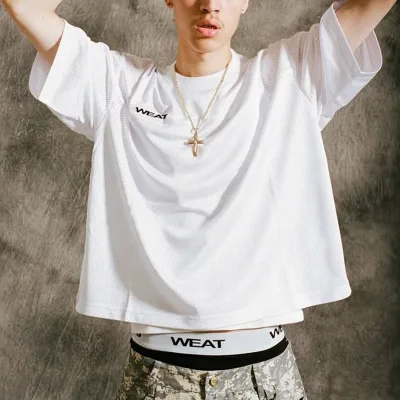
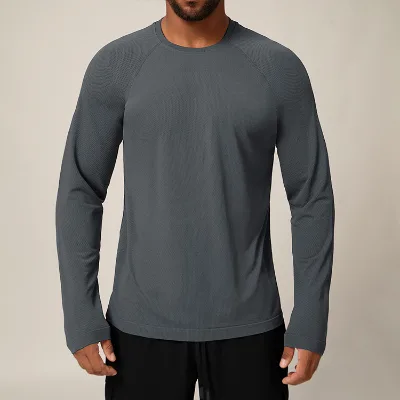


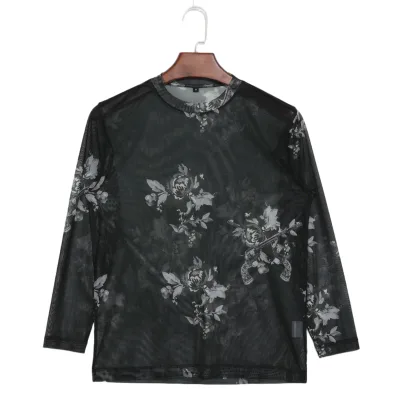
Hot Sale Men's Digital Print Mesh Fabric Translucent and Breathable Long Sleeve T-shirts
$13.2979 - $19.4585
MOQ: 35 pieces
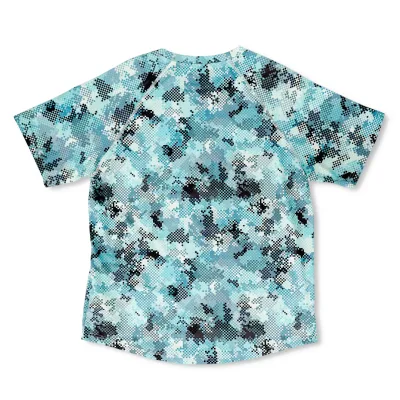
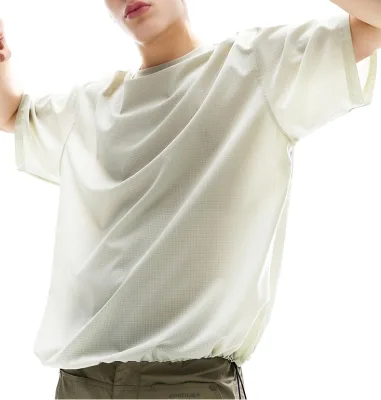
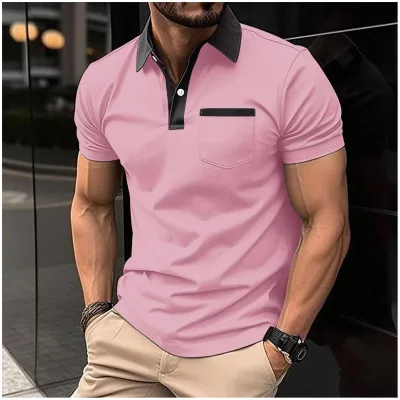
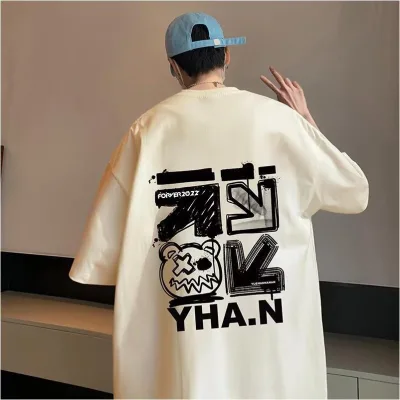
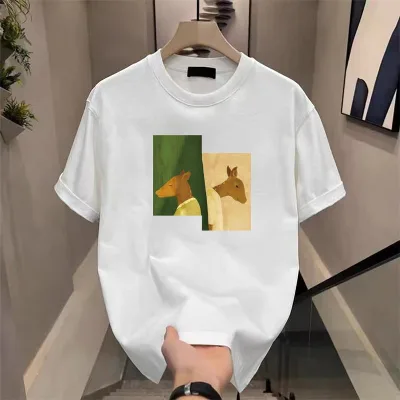
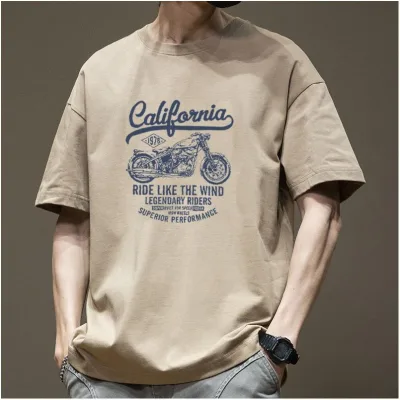
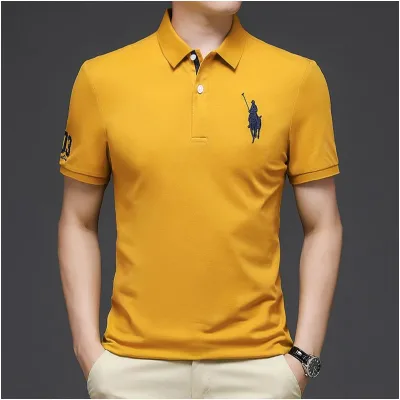
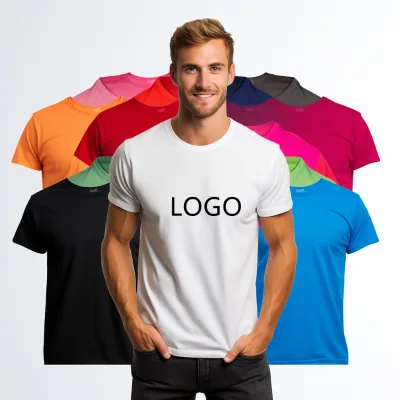
Men's Short Sleeve T-shirts Reusable Men's Casual Sports Cheap Men's T-shirts
$4.8874 - $6.551
MOQ: 50 sets


Comprehensive Sourcing Guide
Eco-Friendly Breathable Mesh T Shirt Sourcing Guide
Sourcing an eco-friendly breathable mesh t shirt for promotional programs, retail lines, or team wear requires buyers to balance material claims, printing quality, and commercial flexibility. The listings observed in this category span cotton, bamboo fiber, and mesh constructions with short sleeves, round necks, and printed patterns, aimed at everyone from children to adults and positioned for summer casual or fitness use. Because these products are heavily customized—custom logos, sublimation and embroidery work, and imported print inks are common—verification of both the fabric story and the decoration process matters as much as the base price.
This guide walks through the decisions a B2B buyer should make in sequence: defining the product scope, confirming technical specifications, requesting safety documentation, understanding cost drivers, qualifying suppliers, and setting up long-term quality checks. Every recommendation is grounded in attributes actually observed across the thirty listings reviewed, such as sample availability within seven to ten days, minimum order quantities that in some cases start as low as ten pieces, and packing formats ranging from individual polybags to fifty-set cartons. Where listings are silent—such as formal certification of environmental claims—the guide tells you what to ask for rather than assuming it exists.
Product Scope and Observed Listing Signals
The observed listings describe a narrow product type with wide variation in positioning. Sleeve shape is consistently normal with short sleeves and round neck or O-neck collars, and the season is flagged as summer. Feature sets cluster around moisture absorption, breathability, compression, and promotional or advertising use, with several listings explicitly naming quick-dry performance and cool mesh fabric as selling points. Materials named include cotton, bamboo fiber, and mesh, though these appear as observations on individual listings rather than a universal composition—buyers must confirm which fiber actually applies to the specific model they quote.
Age coverage runs from child to adult, and positioning splits between casual wear and fitness or sport use, with one listing specifying regular fit. Customization is available across the board: customized logos, OEM arrangements, and print methods including silk screen and digital printing are all cited. Decoration workmanship is described as sublimation and embroidery, with print ink stated to be imported from Korea on at least one listing. Observed price points range from roughly $1.80 to $19.46, and stated MOQs range from 1 to 1,000 pieces, signaling that entry tiers and bulk tiers coexist in this category and that quoting must be model-specific.
Technical Specifications to Verify
Fabric composition deserves the first line of scrutiny. Listings reference bamboo fiber, mesh, and cotton, but "eco-friendly" positioning is only as strong as the actual fiber content and how it is documented. Ask each supplier for a composition breakdown by percentage, the knit construction (the technics field indicates knitted goods), and the mesh structure that delivers the breathability and quick-dry claims. Confirm whether the fabric weight, stretch, and compression behavior match your end use—compression and moisture absorption are listed features, but they imply different knit specs than a plain casual tee.
Decoration and construction specs come next. Verify the print method offered on your model—silk screen versus digital printing changes both appearance and durability—and confirm the origin and characteristics of the print ink where a supplier highlights it. Confirm collar construction, sleeve length, and fit type against your size chart, especially since listings cover both child and adult sizing. Request a pre-production sample (available within seven to ten days according to the listings) and inspect stitching, mesh density, print adhesion after washing, and color fastness before releasing bulk production.
Compliance and Safety Documentation
One listing references SGS, and low-confidence background mentions OEKO-TEX, but neither should be treated as a category-wide guarantee. Treat certification references as prompts to request the actual certificates, scoped to the exact model and fabric lot you are buying, and check validity dates and issuing bodies. For any "eco-friendly" claim, ask what specifically makes it so—fiber origin, dye chemistry, or processing—and request supporting documentation. Without paperwork, environmental positioning is marketing language, not a compliance fact you can pass on to your own customers.
Beyond environmental claims, gather the documentation your market requires for apparel: fiber content labeling, care instructions, and country-of-origin marking. Several listings state origins of Guangdong, China (Mainland) or China generally, and one references Quanzhou as the factory location—confirm the actual production site, since it affects audit logistics. If your products target children, additional safety requirements typically apply; ask suppliers which regulations they can document compliance with rather than assuming general-purpose listings cover kidswear. Keep certificates on file per production run so traceability survives supplier staff turnover.
Cost Drivers and Commercial Terms
Price spread in the observed listings runs from $1.80 to $19.46, a tenfold difference that reflects real variables rather than random markup. Fabric choice (cotton versus bamboo fiber versus mesh), decoration intensity (sublimation and embroidery cost more than single-color silk screen), and order volume are the main levers. MOQs observed range from 1 to 1,000 pieces, and one listing offers a ten-piece MOQ with samples—use low-MOQ tiers for market testing, then negotiate volume pricing once demand is proven. Always quote against a fully specified model number, such as the listing models BS8290, TS18051012, MIC230111, DX8867, and DX8871, since attributes vary between models from the same seller.
Commercial terms should be pinned down before any deposit. Payment terms cited include T/T via Western Union and HSBC channels—agree on deposit percentages, balance timing, and whether payment method fees are shared. Packaging is quoted variously as one set per plastic bag with fifty sets per carton, one piece per OPP bag, custom-logo polybags, or boxes; custom packaging usually adds cost, so price it explicitly. Confirm sample cost and whether it is credited against bulk orders, the production lead time after sample approval, and Incoterms so freight responsibility is unambiguous.
Supplier Qualification and Quality Control
Qualify suppliers on capability evidence rather than listing claims. The listings show R&D capacity described as OEM, ODM, own brand, and other arrangements, plus a stated factory location in Quanzhou for one seller—verify the factory is real and produces the mesh knit in-house, since trading companies may outsource decoration and lose control over print quality. Ask for photos or videos of the sublimation and embroidery lines, references from buyers with similar promotional or fitness programs, and the supplier's sample turnaround track record, which the listings suggest runs seven to ten days.
Build a QC protocol matched to the product's risks. For a breathable mesh knit, the main defect risks are hole formation, inconsistent mesh density, seam failure, and print cracking after laundering. Define an inspection sampling plan per shipment covering dimensions against your size chart, fabric weight, color consistency, logo placement accuracy, and wash-fastness testing on decorated samples. Agree in writing on the AQL level, who performs inspection (third-party or in-house), and the remedy for failed lots—rework, replacement, or credit. Retain sealed reference samples from each approved production run for comparison on repeat orders.
Long-Term Procurement Checks
Sustained sourcing depends on repeatable quality, so audit continuity each season. Re-verify that fabric composition and mesh construction have not been silently substituted, since "single color" and material fields can drift between production runs. Track defect rates and wash-test results across orders, and review whether custom logo work—where the supplier states "we can customize your own logo"—remains consistent in registration, ink quality, and embroidery tension. Schedule annual document refreshes for any certificates you accepted at onboarding, and re-confirm production location if the supplier lists multiple origins or factory names.
Relationship economics also need periodic review. Revisit pricing against your order history—if volumes have grown from sample-tier MOQs toward the 1,000-piece range observed in listings, negotiate improved unit prices, payment terms, or custom packaging at no extra charge. Confirm customization capacity remains available during peak summer production, since the seasonal positioning of these tees concentrates demand. Finally, keep a second qualified source for your core models so a single factory disruption does not stall your promotional calendar, and refresh samples from the backup supplier annually to ensure it can ramp up quickly if needed.
FAQs
Can I customize the logo on eco-friendly breathable mesh t shirts?
Yes, logo customization is available, and suppliers can apply your own design using sublimation, embroidery, silk screen printing, or digital printing. Print ink is imported from Korea on some listings. Provide your artwork early so sample production, which typically takes seven to ten days, can include the correct placement, size, and colors before bulk manufacturing begins.
What is the minimum order quantity for these breathable mesh t shirts?
Listings show a wide MOQ range from 1 to 1000 pieces depending on the product and customization level. Sample orders are available with an MOQ of 10, letting you evaluate fabric, fit, and print quality first. Confirm the exact MOQ for your chosen design directly with the supplier before placing a bulk order.
What fabrics and features do these mesh t shirts offer?
Available fabrics include bamboo fiber, mesh, and cotton, with knitted construction and a round neck, short sleeve design. Key features are moisture absorption, breathability, quick dry performance, and a cool fabric feel, making them suitable for summer, fitness, and casual wear. Some styles are also compressed and designed for promotional or advertising use.
How long does a sample take and how is it packed?
Samples are available and typically take seven to ten days to produce. Packing options shown include one piece per OPP bag or one set per plastic bag, with 50 sets per carton, and customized logo polybags on request. Confirm your preferred packing configuration with the supplier so it is reflected in the quotation and production schedule.
Which payment terms can I use when ordering?
T/T payment is supported, with processing through WU or HSBC channels. Because terms can vary by order size and supplier, confirm the deposit percentage, balance schedule, and accepted channel before confirming production. Request a proforma invoice that clearly states the payment terms, unit pricing, MOQ, and sample cost so expectations align on both sides.
Where are these t shirts produced and can I get OEM service?
Production is based in Guangdong, China, with factory operations in Quanzhou. Suppliers offer OEM and ODM capability along with own brand development, and some listings can be produced to OEM standards. R&D capacity supports customized logos, print methods, and specifications, so discuss your design requirements and target specifications early in the sourcing process.
What sizes and age groups do these breathable mesh t shirts cover?
The products cover users from child to adult, so you can source matching styles for different age groups in one program. Fits include regular fit with an O-neck collar, and styles suit both sport and casual functions. Confirm available size runs, grading, and measurement charts for each model, since specifications can differ between designs and production batches.
What is the price range for eco-friendly breathable mesh t shirts?
Observed listed prices range from 1.8 to 19.46 USD per piece, reflecting differences in fabric, printing method, customization, and order quantity. Bamboo fiber and mesh variants may price differently from cotton styles. Request quotes for your specific fabric, logo, and quantity requirements, and compare unit pricing across models before committing to a bulk order.