Real Fur Warm Ear Muffs Suppliers and Manufacturers
Explore 29 verified suppliers offering Real Fur Warm Ear Muffs with varying lead times, MOQs, and locations in China. Buyers can compare response times, product certifications, and pricing to select the right partner. Contact suppliers directly to request samples and confirm specifications.
Suppliers List

Shijiazhuang Janefan Import and Export Trade Co., Ltd.
- Verified by CTI
- Trading Company
- China Hebei
- Lead time60 days
- Avg. response≤ 6h
Main productsSheepskin Glove, Leather Glove, Sheepskin Hat, Wool Glove, Sheepskin Earmuff, Wool Felt Hat
Main marketsEurope,North America


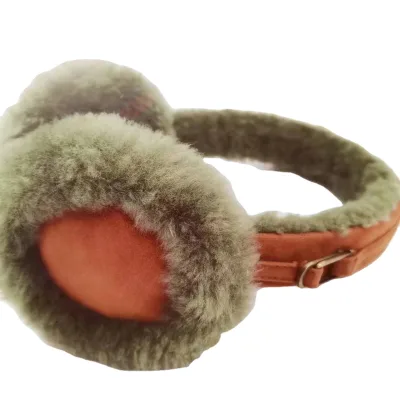
Cold Winter Warmly Ear Muffs Custom Fleece Ear Warmer Sheepskin Earmuffs
$5.80 - $6.50
MOQ: 100 Pieces

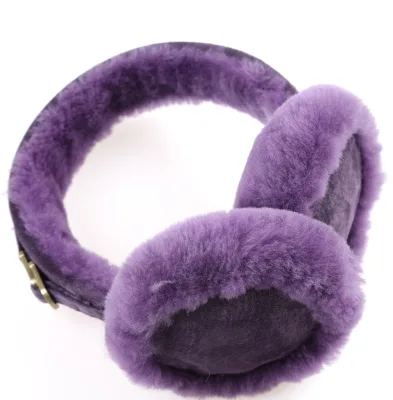
Wholesale Classic Fashion Suede Real Shearling Warm Winter Ear Muffs Sheepskin Earmuff
$6.50 - $6.70
MOQ: 100 Pieces


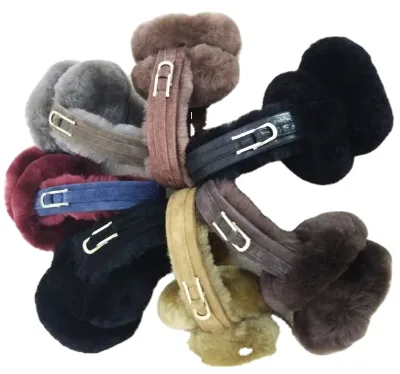
Unisex Customized Colors Lamb Fur Earmuffs Winter Warm Real Merino Sheepskin Earmuff
$6.50 - $6.70
MOQ: 100 Pieces

Wholesale Classic Suede Winter Warm Merino Fur Real Sheepskin Earmuffs for Men
$5.80 - $6.50
MOQ: 100 Pieces
- Trading Company
- Zhejiang, China
- Lead time7 days
- Avg. response≤ 4h
Main productsFur Coat,Fur Vest,Shearling Leather Coat,Cashmere Wool Coat,Leather Jacket
Main marketsSouth America(30.00%), North America(30.00%), Southern Europe(10.00%), Northern Europe(10.00%), Western Europe(10.00%), Eastern Europe(10.00%)
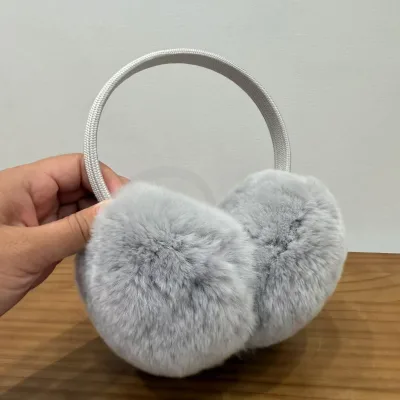

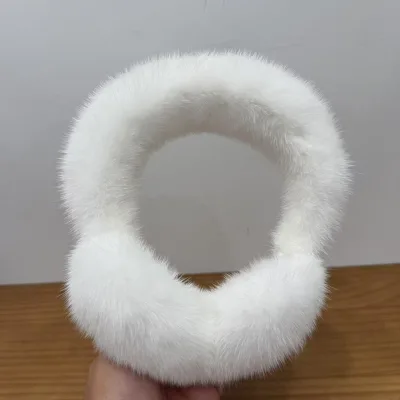
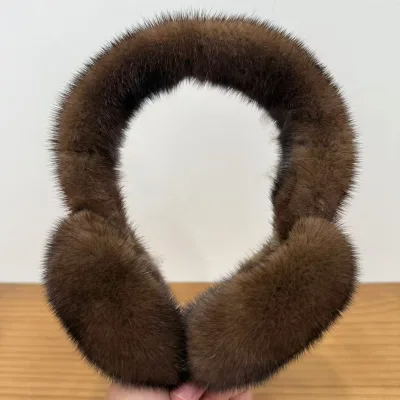
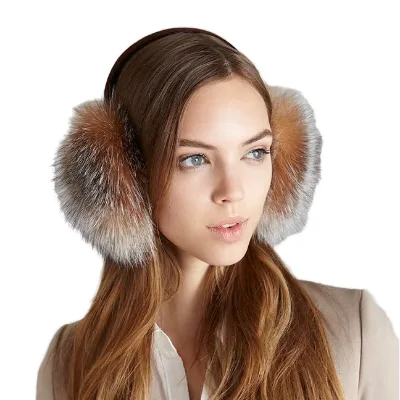
Woman Man Customized Colors Winter Warm Soft Fluffy Earmuffs Large with Mink Fur
$36.90 - $42.90
MOQ: 20

- Verified by SGS Group
- Manufacturer, Trading Company
- Lead time20 days
- Avg. response≤ 2h
Main productsBaseball Cap/ Trucker Hat/ Beanie Hat, T Shirt/ Hoodies Sweatshirt
Main marketsEastern Europe(20%), North America(15%), South America(15%)
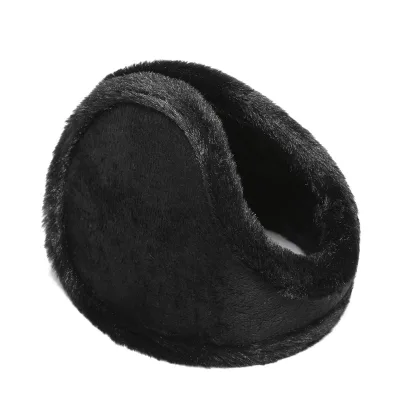
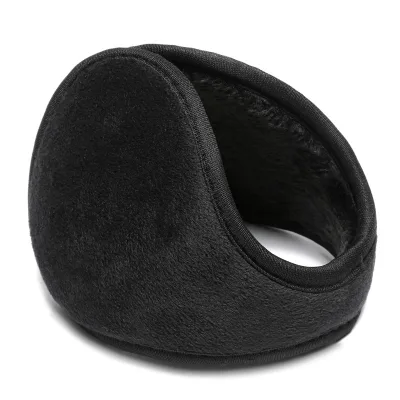

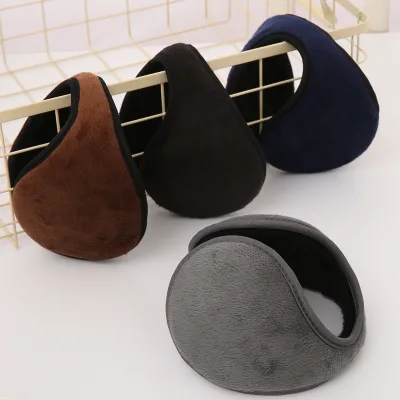
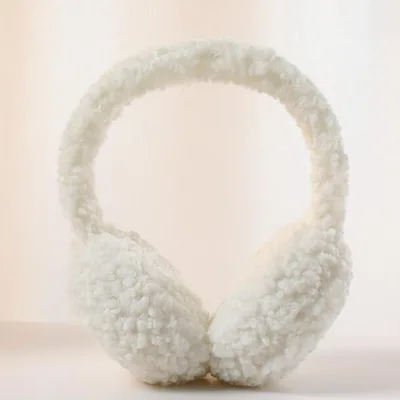
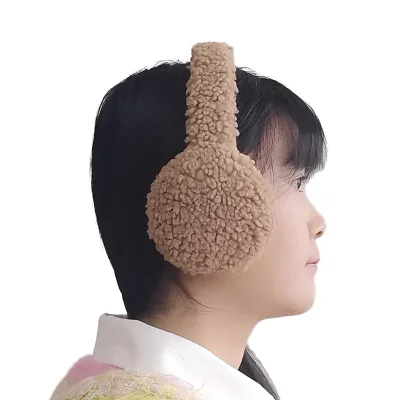
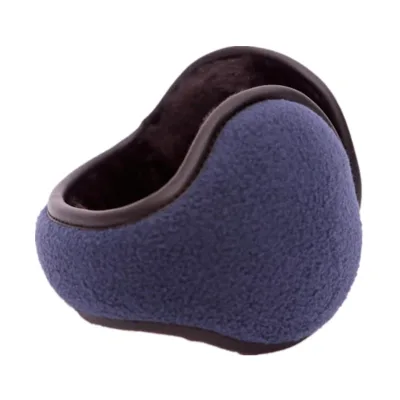
Wholesale Plush Lined Ear Warmer Winter Furry Thicken Ear Muffs for Women Men Classic Fleece
$1.52 - $1.93
MOQ: 30 pieces
Jiaxing Watcher Import & Export Co., Ltd.
- Manufacturer, Trading Company
- Lead time旺季: "1 - 100":30,"> 100":"To be negotiated", 淡季: "1 - 100":30,"> 100":"To be negotiated"
- Avg. response≤ 5h
Main productsFur coat, Fur vest, Wool Coat, Beanie Hat, Beret Hat

Yangzhou Morningbird Headwear Co., Ltd.
- Combined
- China Jiangsu
- Lead time23 days
- Avg. response≤ 14h
Main productsCap, Knit Gloves, Scar, Beanie, Hat, Canvas Bag, Wool Felt Hat, Bandana, Seamless Tube Bandana, Cycling Accessories
Main marketsSoutheast Asia/ Mideast,Domestic,Europe,Australia,North America

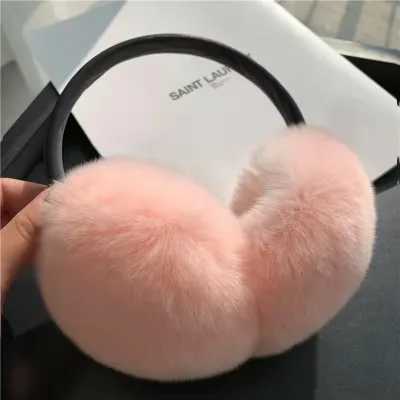
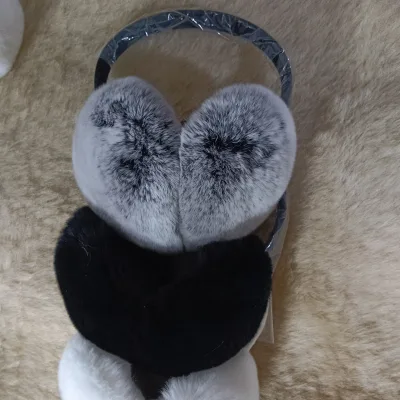
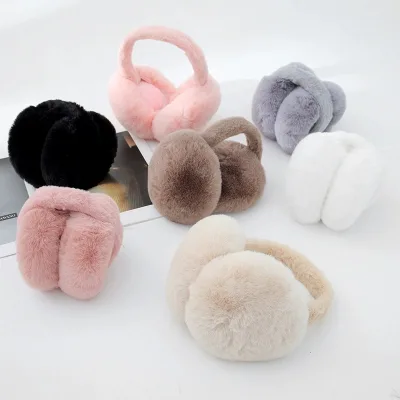
Promotional Fashion Rabbit Warm Fur Ear Muff Factory Directly Supply Real Fur Winter Ear Muff
$0.98 - $1.30
MOQ: 500 Pieces

Winter Cute Animal Bear Ear Furry Earmuffs Fur Plush Foldable Warm Ear Muffs
$3.28 - $3.98
MOQ: 500 Pieces

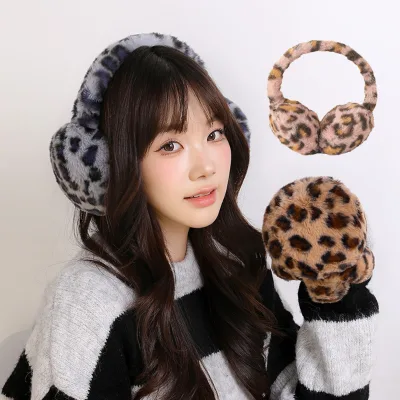
Wholesale Winter Women Warm Fur Multicolor Earmuffs Rabbit Fur Earflap Ladies Cute Plush Earmuff
$0.98 - $1.30
MOQ: 500 Pieces

- Manufacturer, Trading Company
- Heibei, China
- Lead time7 days
- Avg. response≤ 3h
Main productsFur coat,Fur hat,Fur scarf,Fur shoes,Fur gloves
Main marketsSouth Asia(10.00%), Africa(10.00%), Southeast Asia(10.00%), Eastern Europe(10.00%), South America(10.00%), North America(10.00%), Domestic Market(8.00%), Central America(8.00%), Eastern Asia(5.00%), Northern Europe(5.00%), Mid East(5.00%), Oceania(5.00%), Western Europe(3.00%), Southern Europe(1.00%)
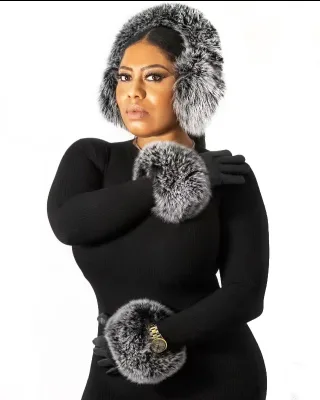
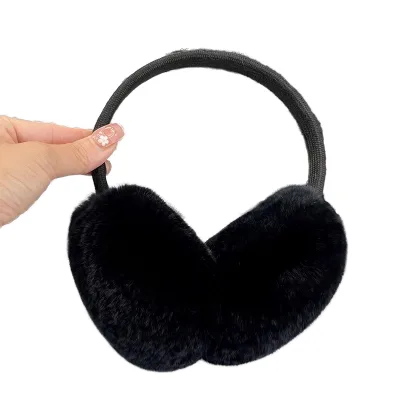
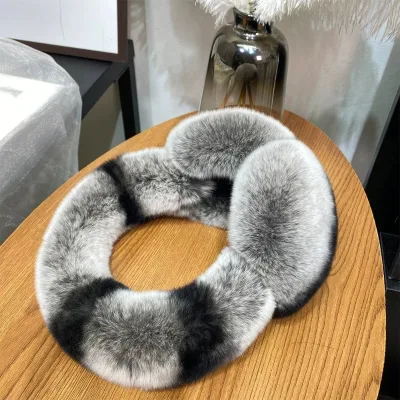
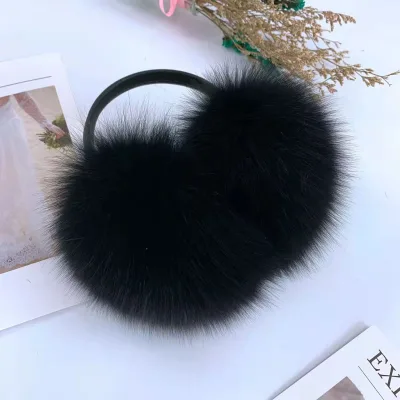
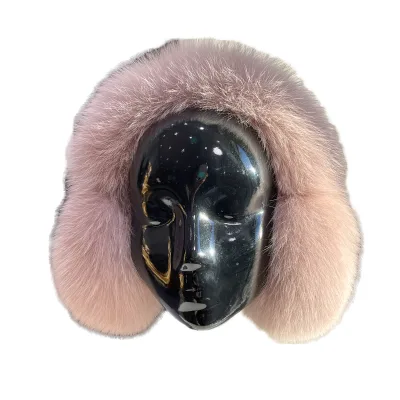
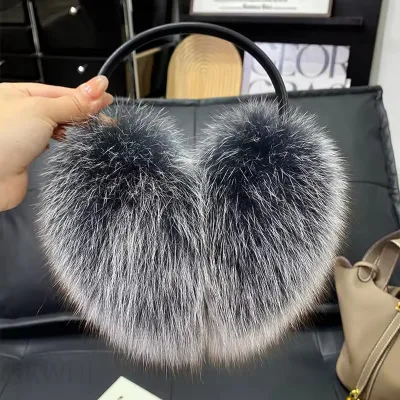
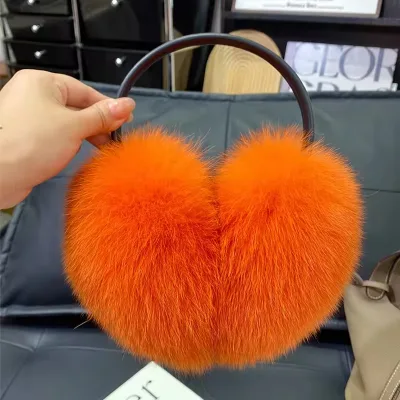
Drop Shipping New Winter Warm Fur Ear Muff Pure Color Ear Muffle Real Fox Fur Earmuff
$12.50 - $14.50
MOQ: 1 pieces


Hebei Dishixiao Gloves Manufacture Co., Ltd
- Verified by BV
- Trading Company
- China Hebei
- Lead time15 days
- Avg. response≤ 5h
Main productsCap, Apron, Gloves
Main marketsSouth America,Europe,North America

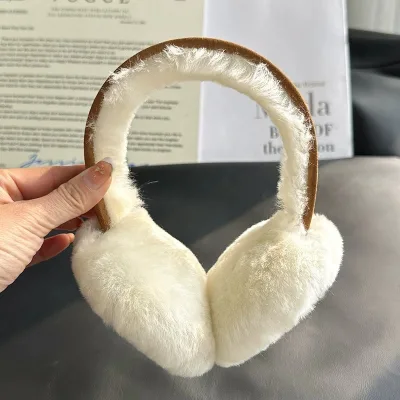
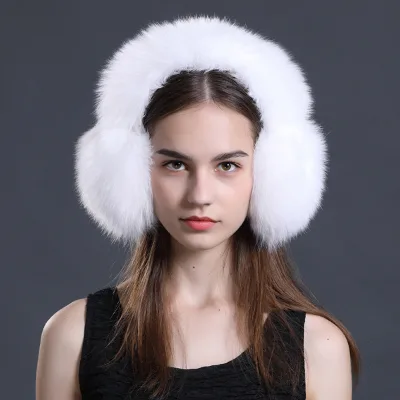
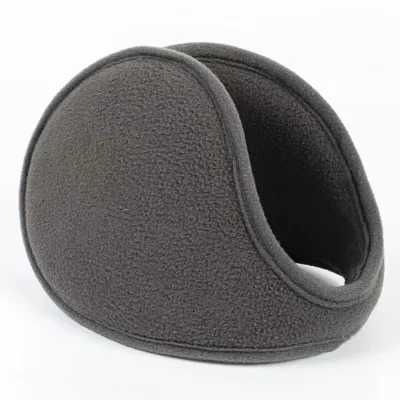
Factory Classical Plush Furry Ear Cover Warmer Soft Warm Fur Earmuffs Winter Outdoors Ear Muffs
$6.00 - $7.50
MOQ: 100 Pieces

Jurong Xinxu Clothing Co., Ltd.
- Manufacturer, Trading Company
- Jiangsu, China
- Lead time0 days
- Avg. response≤ 3h
Main productsBaseball cap,Truck cap,Winter hat,Snapback Cap,Aviator hat
Main marketsNorth America(18.80%), Eastern Europe(11.20%), Western Europe(10.80%), Southeast Asia(10.30%), South America(9.30%), Northern Europe(8.10%), Southern Europe(7.80%), Africa(6.90%), Mid East(5.90%), Oceania(5.70%), South Asia(5.20%)

Tonglu Guanghe Import And Export Co., Ltd.
- Trading Company
- Zhejiang, China
- Lead time0 days
- Avg. response≤ 2h
Main productshat,scarf,poncho,pet sweater,blanket
Main marketsWestern Europe(30.00%), Northern Europe(30.00%), North America(30.00%), Eastern Europe(10.00%)
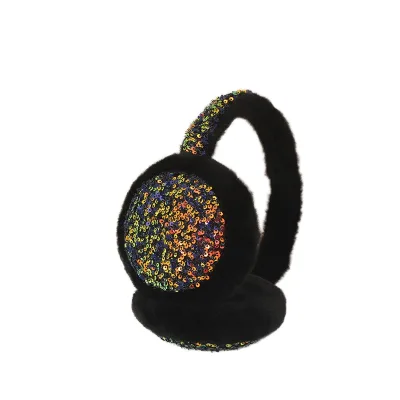
$1.35 - $1.75
MOQ: 50 pieces
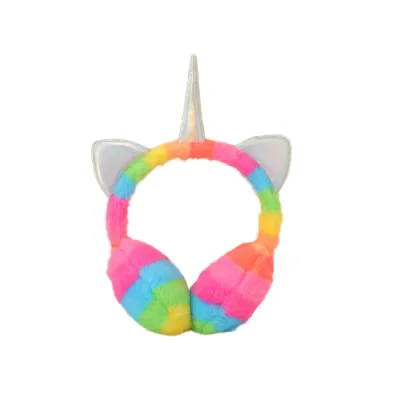
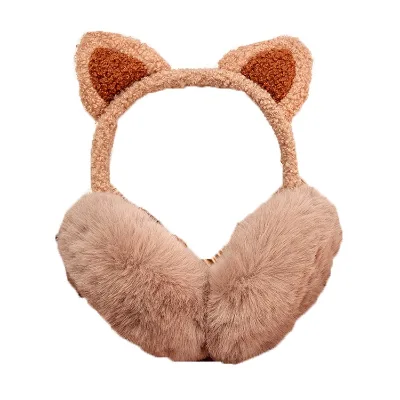
Winter Colorful Heated Unicorn Furry Ear Muffs Christmas Kids Rainbow Ear Warmer
$1.35 - $1.75
MOQ: 50
- Verified by SGS Group
- Manufacturer, Trading Company
- Lead time7 days
- Avg. response≤ 2h
Main productsFur Raw Materials, Fur Scarf and Hat, Household Products, Faux Fur Clothes, Pet Supplies
Main marketsDomestic Market(55%), North America(15%), Western Europe(8%)

FBYL LEATHER CORPORATION LIMITED
- Verified by TUVRHEINLAND
- Trading Company,Manufacturer/Factory
- China Jiangsu
- Lead time45 days
- Avg. response≤ 16h
Main productsBags, Gloves, Wallet, Scarf, Hat, Boots
Main marketsEastern Europe,North America,Western Europe
Zaoqiang County Daying Town Hongxia Fur Factory
- Manufacturer, Trading Company
- Hebei, China
- Lead time0 days
- Avg. response≤ 1h
Main productsFur Coat,keychain,Fur bag,fur hat
Main marketsNorth America(80.00%), Western Europe(6.00%), Africa(5.00%), Eastern Asia(5.00%), Southern Europe(1.00%), South America(1.00%), Eastern Europe(1.00%)

Hangzhou Lutai Import and Export Trading Co., Ltd
- Verified by BV
- Trading Company
- China Zhejiang
- Lead time30 days
- Avg. response≤ 4h
Main productsTraffic Cone, Speed Hump, Cable Protector Ramp, Traffic Post, Wheel Chock, Corner Guard, Traffic Barricade, Reflective Traffic Sign, Convex Mirror
Main marketsDomestic

Yulong Safety Tools Manufacture Corp., Ltd.
- Trading Company,Manufacturer/Factory
- China Zhejiang
- Lead time0 days
- Avg. response≤ 13h
Main productsFace Protection, Hearing Protection, Head Protection, Eye Protection, Knee Protection, Welding Protection, Respiratory, Back Support Belts, Eyeshields, Gloves
Henan Huaxin Import & Export Trade Co., Ltd.
- Verified by SGS Group
- Trading Company
- Lead time6 days
- Avg. response≤ 6h
Main productsTowels, Bed Sheets, Key Chain, Plastic Bottles, Bucket Hats
Main marketsSoutheast Asia(50%), Western Europe(15%), North America(10%)

Pengze Kangdi Baby Products Sales Department
- Trading Company
- Jiangxi, China
- Lead time25 days
- Avg. response≤ 3h
Main productsGlass feeding bottle,water cup,bottle accessories,baby products,baby teether
Main marketsDomestic Market(30.00%), Southeast Asia(10.00%), North America(10.00%), South America(10.00%), Central America(6.00%), Eastern Europe(5.00%), Northern Europe(5.00%), Africa(5.00%), Western Europe(5.00%), Eastern Asia(5.00%), South Asia(5.00%), Mid East(3.00%), Southern Europe(1.00%)

- Verified by SGS
- Manufacturer/Factory
- China Jiangsu
- Lead time45 days
- Avg. response≤ 13h
Main productsHome Textiles, Household Products, Outdoor Product, Sport, Pet, Heated Products
Main marketsSouth America,Eastern Europe,Mid East,North America,Southeast Asia,Eastern Asia,Oceania,Western Europe,Africa

Shanghai Ostar Tools Int'l Co., Ltd.
- Trading Company,Manufacturer/Factory
- China Shanghai
- Lead time45 days
- Avg. response≤ 17h
Main productsOscillating Multi Tool Blades, Hole Saws, Jigsaw Blade, Reciprocating Saw Blade, Tct Saw Blade, Diamond Saw Blade, SDS Drill Bits, HSS Drill Bits, Cutting Disc, Cutting Tools
Main marketsSouth America,Eastern Europe,North America,Western Europe

KEYFUN SAFETY EQUIPMENT GROUP LIMITED
- Verified by SGS
- Manufacturer/Factory,Group Corporation
- China Zhejiang
- Lead time23 days
- Avg. response≤ 22h
Main productsAgro Sprayer, Ear Muffs, Safety Helmet, Face Shield, Respirator, Gas Mask, Solo Port 423 Mist Blower Power Sprayer, Capacitor, Knapsack Sprayer, Cooper Pegler Matabi Jacto Bp Sprayer
Main marketsSouth America,Eastern Europe,Mid East,North America,Southeast Asia,Eastern Asia,Oceania,Western Europe,Africa

Earmuff Hearing Earmuffs Noise Shooting Sleeping Protection Headphones Sound Proof Ear Muffs
$5.28 - $5.98
MOQ: 1000 Pieces


Hopstyling Electronics Co., Limited.
- Trading Company
- Guangdong, China
- Lead time30 days
- Avg. response≤ 4h
Main productstruck trailer led lights,Motorcycle led,LED Bumper Side Marker,LED License Plate Light,LED DRL Angel eyes
Main marketsNorth America(30.00%), Western Europe(28.00%), Eastern Europe(12.00%), Southeast Asia(10.00%), South America(9.00%), Central America(4.00%), Northern Europe(4.00%), South Asia(1.00%), Southern Europe(1.00%), Eastern Asia(1.00%)
Henan Bering Industries Co., Ltd.
- Trading Company
- Lead time旺季: "1 - 300":15,"> 300":"To be negotiated", 淡季: "1 - 300":15,"> 300":"To be negotiated"
- Avg. response≤ 2h
Main productsGloves and Mittens, Fur Rug, Sheepskin for Garments and Shoes Lining, Hat and Cap, Sheepskin Boots and Slippers

NINGBO STAREX INDUSTRY & TRADING CO., LTD.
- Verified by SGS
- Trading Company,Manufacturer/Factory
- China Zhejiang
- Lead time45 days
- Avg. response≤ 16h
Main productsCutting Torch, Cutting Attachment, Blow Torch, Pressure Regulator, Flowmeter Regulator, Mapp Gas Torch, Propane Torch, Cutting Nozzle, Flashback Arrestor, Electrode Holder
Main marketsSouth America,Eastern Europe,Mid East,North America,Southeast Asia,Eastern Asia,Oceania,Western Europe,Africa

JINHUA XINCHEN PROTECTION PRODUCTS CO., LTD.
- Verified by BV
- Trading Company
- China Zhejiang
- Lead time30 days
- Avg. response≤ 17h
Main productsSafety Helmet, Bump Cap, Walker&Rollator, Mobility Scooter, Safety Glasses, Masks, Face Shield, Earmuff
Main marketsSouth America,Southeast Asia/ Mideast,Europe


Adjustable Safety Earmuffs Ear Muff with Soft Ear Cushions for Long Hours
$2.99 - $3.66
MOQ: 500 Pieces


Qingdao Signal Technology Co., Ltd
- Verified by TUVRHEINLAND
- Trading Company,Manufacturer/Factory,Group Corporation
- China Shandong
- Lead time15 days
- Avg. response≤ 4h
Main productsPersonal Protective Equipment Supplier, Safety Products Supplier, Safety Gloves Manufacturer, Construction Safety Equipment, Road Safety Products, OEM PPE Supplier, Industrial Protection Solutions, Foot Protection, Respiratory Protection, Safety Shoes
Main marketsSouth America,Eastern Europe,Mid East,North America,Southeast Asia,Eastern Asia,Oceania,Western Europe,Africa
Shijiazhuang Followmee Trade Co., Ltd.
- Trading Company
- Hebei, China
- Lead time15 days
- Avg. response≤ 2h
Main productsFashion keychain,Clothing and Accessories,Fashion Sock sand Gloves,Fur balls & Tassels,Fur Product Accessories
Main marketsNorth America(40.00%), South America(15.00%), Northern Europe(7.00%), Southern Europe(7.00%), South Asia(7.00%), Africa(7.00%), Southeast Asia(7.00%), Eastern Europe(7.00%), Western Europe(2.00%), Eastern Asia(1.00%)

Yangzhou Sinomint Commodity Co., Ltd.
- Verified by TUVRHEINLAND
- Trading Company,Manufacturer/Factory
- China Jiangsu
- Lead time38 days
- Avg. response≤ 10h
Main productsHot Water Bottle, Plush Toys, Ice Bag, Shower Caps, Hot Water Bottle Covers, Microwavable Heat Bag
Main marketsSouth America,Eastern Europe,North America,Eastern Asia,Western Europe

Wholesale Classic Fashion Suede Real Sheepskin Men Winter Warm Merino Fur Earmuffs
$5.50 - $5.80
MOQ: 100 Pieces

Custom Ladies Sheepskin Winter Warm Merino Warm Durable Earmuffs for Women
$6.50 - $7.20
MOQ: 100 Pieces

- Verified by CTI
- Trading Company
- China Zhejiang
- Lead time15 days
- Avg. response≤ 2h
Main productsWarning Vests, Safety Glasses, Welding Mask, Rain Coat, Work Wear, Gloves, Safety Shoes, Respirator
Main marketsSoutheast Asia/ Mideast,Europe,North America

ABS Foam CE Protective Earplugs Industrial Noise Reduction Folding Ear Muff
$2.20 - $2.35
MOQ: 1000 Pieces


Nanjing New Climate Sport Ware Co., Ltd.
- Verified by CTI
- Trading Company
- China Jiangsu
- Lead time15 days
- Avg. response≤ 21h
Main productsCap, Hat, Scarf, Glove, Sock, Bag, Blacket, T-Shirt, Bandana, Beanie
Main marketsSoutheast Asia/ Mideast,East Asia(Japan/ South Korea),Europe,Australia,North America
Henan Hanke Shengshi Import And Export Trade Co., Ltd.
- Trading Company
- Lead time旺季: "1 - 10000":30,"> 10000":"To be negotiated", 淡季: "1 - 10000":30,"> 10000":"To be negotiated"
- Avg. response≤ 6h
Main productsCap, Clothing, Garden Hose, Kitchen Tools, Storage Box











Comprehensive Sourcing Guide
Real Fur Warm Ear Muffs Supplier Concentration and Factory Types
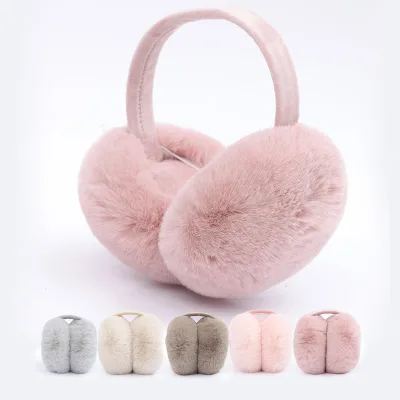
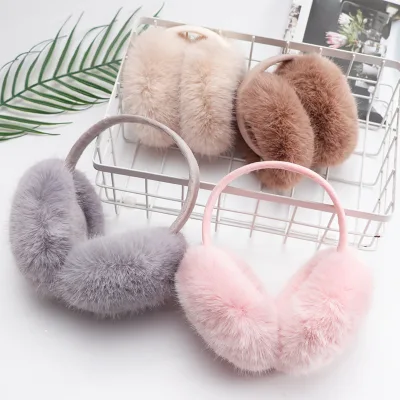
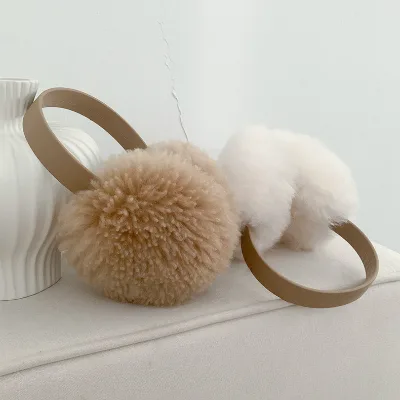
Current data indicates a concentration of suppliers in Hebei, China, where trading companies specialize in sheepskin and wool products like earmuffs and hats. These entities often list main products including sheepskin gloves, leather gloves, and various winter headwear, suggesting a regional cluster focused on leather processing and fur finishing. The presence of verified trading companies in this area implies a supply chain structure where sourcing agents or intermediaries manage the connection between raw material processors and international buyers. Buyers should look for this specific geographic marker when assessing the depth of local manufacturing capabilities, as Hebei appears to be a primary hub for sheepskin-based accessories.
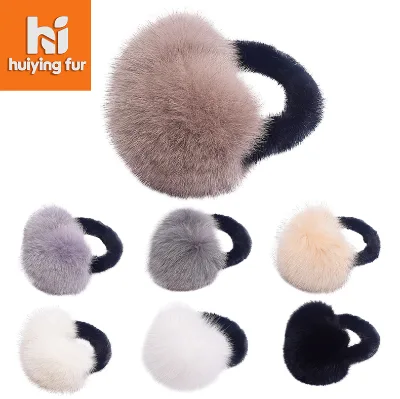
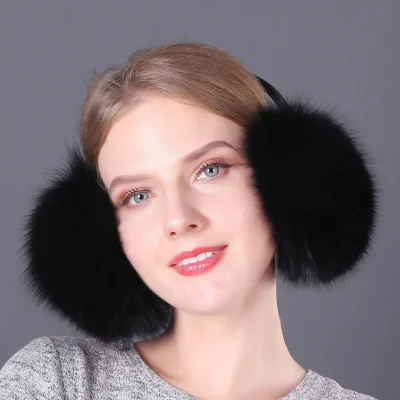
In contrast, other regions such as Zhejiang, China, host suppliers offering a broader range of fur coats, vests, and leather jackets alongside earmuffs. These suppliers often feature different product attributes, such as rex rabbit, cashmere, or mink materials, indicating a diversification beyond pure sheepskin. The factory types in these areas may vary from pure trading firms to manufacturers with direct access to fur processing lines. When evaluating potential partners, buyers must distinguish between suppliers who merely trade finished goods and those with deeper manufacturing roots in their specific location. This distinction is critical for understanding lead times and the ability to customize materials like shearling or genuine fur for specific winter applications.
How to Verify Real Fur Warm Ear Muffs Suppliers
Verification processes should prioritize checking for third-party audit results, such as CTI verification, which serves as a concrete indicator of a supplier's operational legitimacy. In the observed data, specific suppliers display CTI verification status, providing a baseline for trust regarding their business registration and facility claims. Buyers should request this specific verification document before proceeding with negotiations, as it confirms the entity exists and has undergone an external assessment. Relying on unverified claims about factory size or production capacity introduces unnecessary risk, making the presence of a recognized audit report a non-negotiable first step in the vetting process.
Beyond verification badges, buyers must scrutinize product attributes to ensure the material claims match the physical reality of the goods. For instance, some listings explicitly state "100% Sheepskin" or "Real Merino Sheepskin," while others specify materials like "Rex Rabbit" or "Mink." It is essential to cross-reference these product attributes with the supplier's main product list to confirm consistency. If a supplier claims to specialize in sheepskin but lists rabbit fur as a primary item, the buyer should verify the source of that specific material. Detailed product specifications, including weave types like "Cross Grain" or fabric details, provide tangible evidence that the supplier understands the nuances of fur processing and can deliver the exact quality promised.
What to Compare Across Real Fur Warm Ear Muffs Suppliers
When comparing suppliers, lead time is a critical metric that varies significantly between different regions and company types. Data shows lead times ranging from 7 days to 60 days, a difference that directly impacts inventory planning and market responsiveness. A supplier with a 7-day lead time in Zhejiang may offer faster turnaround for urgent orders, whereas a Hebei-based trading company might require 60 days due to longer production cycles or logistics. Buyers should not assume all suppliers operate on the same schedule; instead, they must request specific production timelines for their order volume to avoid delays in receiving seasonal winter goods.
Minimum Order Quantity (MOQ) and response speed are equally vital factors for determining supplier suitability. MOQs in the observed data range from 20 pieces to 100 pieces per color, allowing flexibility for smaller buyers or larger volume purchasers. A supplier requiring 100 pieces per color may be better suited for established brands, while a 20-piece MOQ supports testing new designs or smaller retailers. Additionally, response times, which can vary from 4 to 5.56 hours, indicate the supplier's operational efficiency and customer service readiness. Comparing these specific dimensions helps buyers align their procurement strategy with the capabilities of each potential partner, ensuring that the chosen supplier can meet both volume and speed requirements.
Common Real Fur Warm Ear Muffs Sourcing Risks
One significant risk involves the discrepancy between product descriptions and actual material composition, particularly regarding the type of fur used. Listings may mention "Sheepskin" or "Merino Fur," but without physical verification or strict contractual terms, there is a risk of receiving lower-grade materials or synthetic substitutes. Buyers must ensure that product attributes like "Upper: Sheep Suede" or "Material: Mink" are explicitly defined in the purchase agreement. Relying solely on marketing keywords such as "Warm Set" or "Luxury" without verifying the specific fabric composition can lead to quality issues and customer dissatisfaction upon delivery.
Another risk stems from inconsistent payment terms and lack of escrow protection, which can leave buyers vulnerable to financial loss. While some suppliers offer standard terms like T/T or L/C at sight, the absence of escrow services in certain transactions increases the risk of non-delivery or fraud. Buyers should verify if the platform or supplier offers secure payment options that hold funds until the goods are confirmed. Furthermore, the variability in packing standards, such as "1 Pieces/Polybag" versus "Polybag + Carton," can affect shipping costs and product damage during transit. Understanding these commercial and logistical risks is essential for mitigating potential losses in the sourcing process.
Real Fur Warm Ear Muffs Regional Sourcing and Logistics
Logistics planning must account for the specific geographic origins of the suppliers, as shipping times and costs vary by region. Suppliers located in Hebei, China, may have different shipping routes and customs procedures compared to those in Zhejiang, China. Buyers should confirm the exact place of origin listed in the product attributes, such as "Hebei, China" or "Zhejiang, China," to accurately estimate transit times. This information is crucial for calculating the total landed cost and ensuring that the goods arrive in time for the winter season, especially given the varying lead times observed in the data.
Customs and import regulations also play a significant role in the logistics of sourcing real fur products. Different countries have varying restrictions on the import of animal-derived materials, which can affect the clearance process. Buyers must verify that the supplier's origin matches the regulatory requirements of their destination market. Additionally, the packaging details, such as "100 Pieces/Carton," influence how efficiently the goods can be loaded and shipped. Understanding these regional and logistical nuances helps buyers avoid unexpected delays or additional fees that could erode profit margins and disrupt the supply chain.
Real Fur Warm Ear Muffs Commercial Terms and Order Planning
Commercial terms, including payment methods and pricing structures, must be clearly defined to ensure a smooth transaction. Prices observed in the data range from approximately $5.80 to $42.90, depending on the material quality and brand positioning. Buyers should request detailed price lists that specify the cost per unit based on the MOQ and material type, such as sheepskin versus mink. Understanding these price tiers allows for accurate budgeting and helps in negotiating better terms based on order volume. Clear communication regarding payment terms, such as T/T or L/C at sight, prevents misunderstandings and ensures financial security for both parties.
Order planning requires a strategic approach to align production schedules with market demand. Given the lead times of 7 to 60 days, buyers should place orders well in advance of the winter season to avoid stockouts. It is also important to consider the customization options available, such as color choices like "Chestnut, Black, Brown, Grey" or model numbers like "JFEM-003." Buyers should confirm the availability of these specific options and the time required for customization before finalizing the order. By carefully planning the order timeline and understanding the commercial terms, buyers can optimize their inventory levels and maximize the profitability of their Real Fur Warm Ear Muffs sourcing efforts.
FAQs
What is the typical lead time for real fur ear muffs?
The typical lead time for real fur ear muffs is 60 days for some suppliers. Other suppliers offer faster delivery with a lead time of just 7 days. Buyers should verify the specific timeline with the manufacturer before placing an order to ensure timely delivery.
What is the minimum order quantity for sheepskin earmuffs?
The minimum order quantity for sheepskin earmuffs is typically 100 pieces per color. Some suppliers offer lower quantities, such as 20 pieces, for specific styles like Rex Rabbit or cashmere variants. Buyers must check the specific product details to confirm the exact MOQ required.
Where are these real fur ear muffs manufactured?
These real fur ear muffs are manufactured in China, specifically in Hebei and Zhejiang provinces. The origin is clearly stated as Hebei, China for sheepskin products and Zhejiang, China for other fur types. Buyers should confirm the exact location to assess shipping logistics and costs.
What payment terms are accepted for these products?
Accepted payment terms include T/T and L/C at Sight for most sheepskin products. Some suppliers may have different terms for other materials. Buyers should request the specific payment conditions from the supplier to ensure they align with their financial capabilities and risk management strategies.
What materials are used for the warm ear muffs?
Materials include real sheepskin, Rex Rabbit, cashmere, and mink fur. Some products feature sheep suede or merino fur. Buyers should verify the specific material composition listed in the product attributes to ensure it meets their quality standards and ethical sourcing requirements.
What is the price range for wholesale real fur earmuffs?
The price range varies from 5.80 to 42.90 depending on the material. Sheepskin options start around 5.80, while mink fur can reach 42.90. Buyers should compare specific product listings to find the best price for their desired material and quality level.
How quickly do suppliers respond to inquiries?
Supplier response times vary, with some taking 5.56 hours and others responding in 4 hours. Buyers should expect a response within this timeframe but should verify the current status with the specific supplier. Faster response times often indicate better customer service availability.