ready-to-go rc racing car Suppliers and Manufacturers
Explore 27 verified suppliers offering ready-to-go rc racing car options with ODM and OEM capabilities. Compare response times, lead times, and pricing ranges from 2.41 to 27.50 USD. Contact suppliers directly to verify customization availability and MOQ requirements.
Updated
Suppliers List

Shantou Chenghai Xaqi Toys Industrial Co., Limited
- Verified by BV
- Combined
- China Guangdong
- Lead time23 days
- Avg. response≤ 5h
Main productsRemote Control Car, Educational Toy, Sport Toy, Pretend Play Toys, Remote Contro Toy, Baby Toy, Summer Toy, B/O Toy
Main marketsSoutheast Asia/ Mideast,Domestic,Europe
Shantou Chengshi Toy Trading Co., Ltd.
- Trading Company
- Guangdong, China
- Lead time3 days
- Avg. response≤ 5h
Main productsrc car toy,sport toy,block toy,baby toy,ride on car toy
Main marketsSouthern Europe(15.00%), Northern Europe(15.00%), South America(15.00%), North America(15.00%), Western Europe(10.00%), Central America(8.00%), Eastern Europe(8.00%), Southeast Asia(5.00%), Domestic Market(3.00%), Eastern Asia(2.00%), Africa(2.00%), Mid East(2.00%)
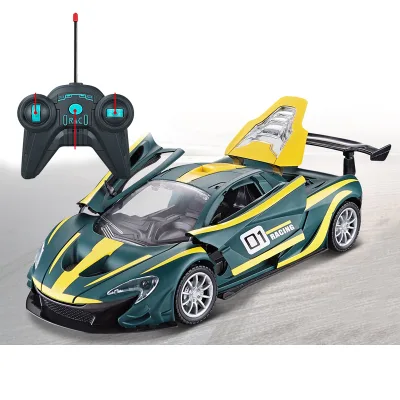
Remote Control One Click Three Open Door Lighting High Speed Toys Rc Racing Car
$4.8503
MOQ: 48 Minimum
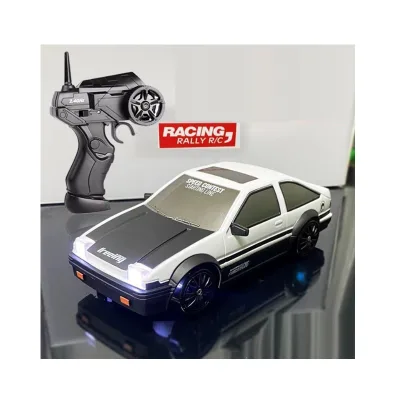
Simulation Four Wheel Drive Drifting Vehicle 1:24 Toys Radio Control Rc Racing Car
$6.6661
MOQ: 1 Minimum
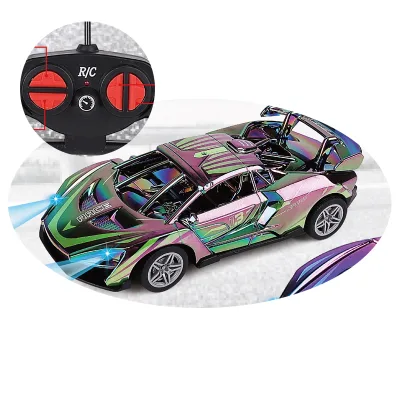
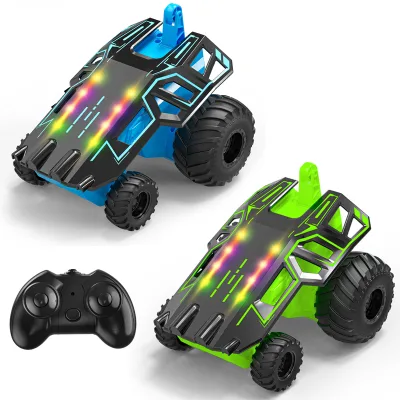
Long Range Remote Control Spinning RC Car with Stunt Lighting 2.4G Toys Includes USB Cable Packaging
$4.1841 - $4.6048
MOQ: 36 Minimum
Xi'an Cowrie Import And Export Trading Co., Ltd.
- Trading Company
- Shaanxi, China
- Lead time7 days
- Avg. response≤ 1h
Main productsPlush toys,Gun Toys,Car toys,Puzzle toys,Electric toys
Main marketsNorth America(19.00%), South America(11.00%), Domestic Market(10.00%), Southeast Asia(10.00%), Eastern Europe(10.00%), Africa(9.00%), Oceania(9.00%), Mid East(8.00%), Eastern Asia(5.00%), Central America(3.00%), Western Europe(2.00%), Northern Europe(2.00%), Southern Europe(1.00%), South Asia(1.00%)

Shantou Kaixin Trading Co., Ltd
- Verified by BV
- Manufacturer
- China Guangdong
- Lead time23 days
- Avg. response≤ 6h
Main productsToy, Educational Toy, Remote Control Toy, Pretend Play Toy Set, Summer Toy, Vehicle Toy, Doll, Promotion Toy, Baby Toy, Game Toy
Shantou Maxland Trading Co., Ltd.
- Verified by SGS Group
- Trading Company
- Lead time15 days
- Avg. response≤ 4h
Main productsPlayhouse Toys, Remote Control Toys, Baby Toys, Educational Toys, Sport Toys
Main marketsMid East(30%), South America(10%), Eastern Europe(10%)
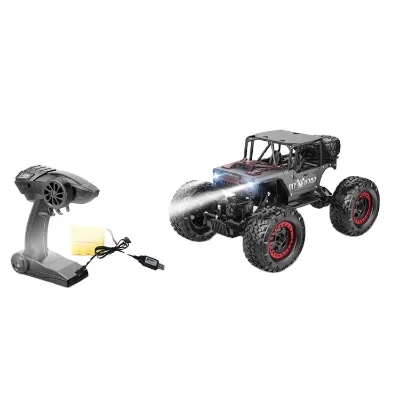
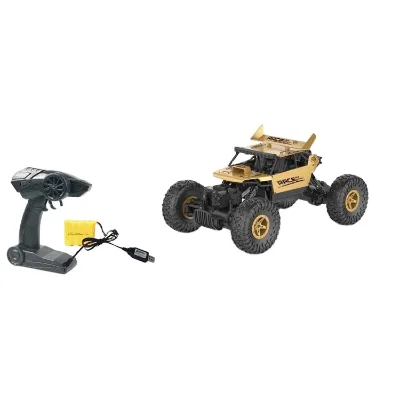
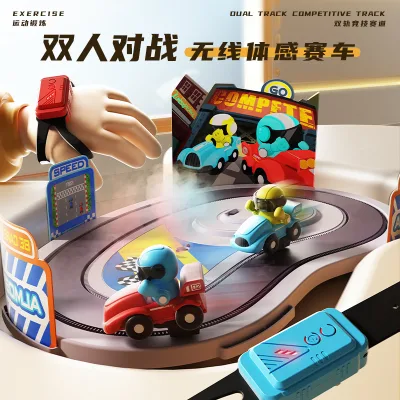
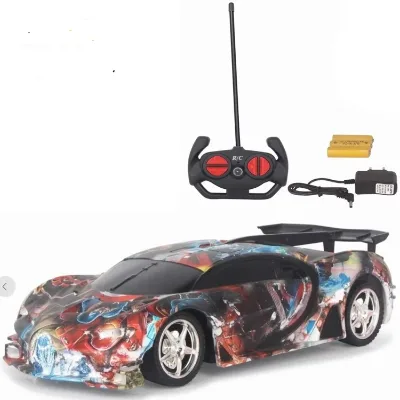
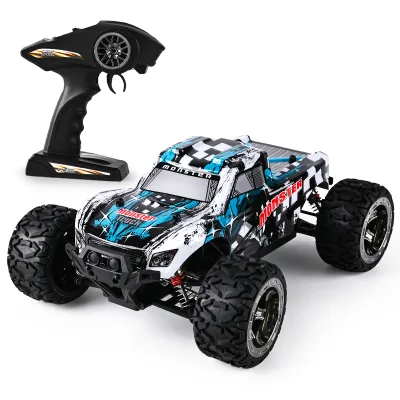
1:14 Alloy Car Bottom 60km/h Super High Speed Car Premium Professional Remote Control Racing Car Toy
$57.2198 - $67.5866
MOQ: 30 pieces

Hua Dong Plastic Toys & Electronic Co., Ltd
- Verified by SGS
- Combined
- China Guangdong
- Lead time23 days
- Avg. response≤ 7h
Main productsEducational Toys, Remote Control Cars, Baby Toys, Adult Toys, Plush Toys, Girl Toys, Children Bike, Decoration Toys, Gun Toys, Wooden Toys
Main marketsEurope
Shenzhen Aidisheng Trading Co., Ltd.
- Trading Company
- Guangdong, China
- Lead time15 days
- Avg. response≤ 2h
Main productsRC Airplanes,Toy Guns,Fidget Toys,RC Cars,Cosmetic Toys
Main marketsNorth America(30.00%), Africa(10.00%), Southern Europe(10.00%), Southeast Asia(10.00%), Eastern Europe(10.00%), Western Europe(10.00%), South America(10.00%), Mid East(4.00%), Oceania(4.00%), Northern Europe(2.00%)
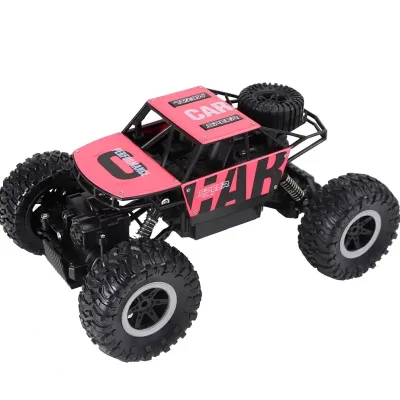
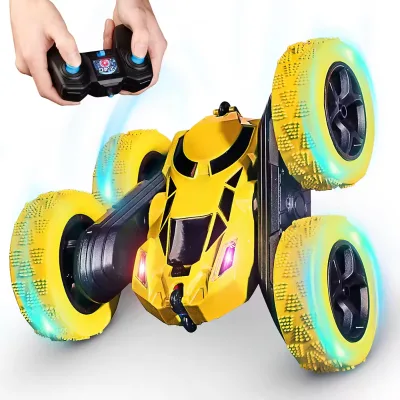
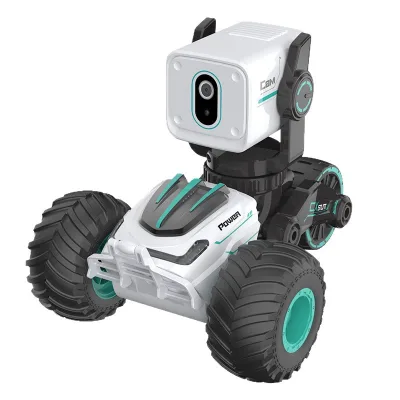
$23.69 - $25.949
MOQ: 120 sets
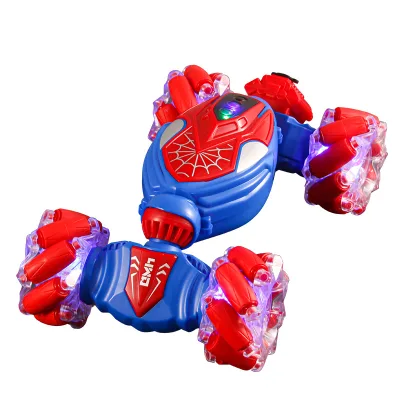
2.4G High Speed Rc Race Car with Spray Function Gesture Rc Car for Kids Outdoor Toy
$10.04 - $10.99
MOQ: 120 sets
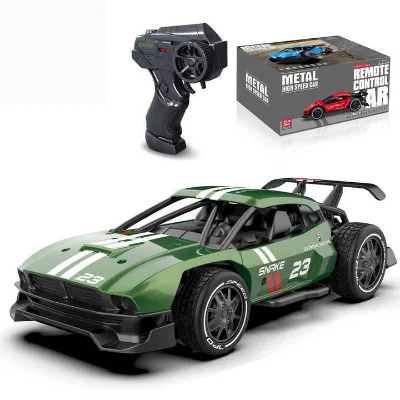
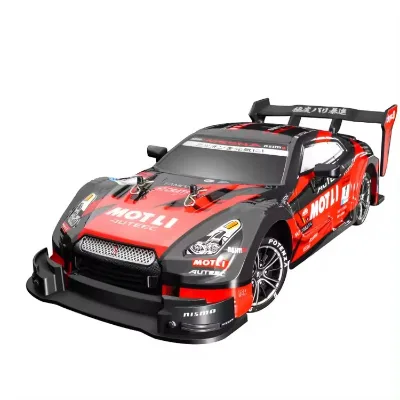
2.4GHz 1:16 Scale 4WD RC Car 40 km/h High Speed Racing Sport Toy Car for Adults Boys Girls Kids Gift
$12.00 - $16.50
MOQ: 2 pieces
Guangzhou Combuy Toys Co., Ltd.
- Trading Company
- Guangdong, China
- Lead time30 days
- Avg. response≤ 3h
Main productsEducational Toy,Building blocks,Baby Toy,Summer Toy,RC Toys
Main marketsMid East(20.00%), Eastern Europe(20.00%), South America(20.00%), North America(20.00%), Western Europe(10.00%), Eastern Asia(10.00%)
Shantou Chengji Toys & Gifts Co., Ltd.
- Verified by TüVRheinland
- Manufacturer, Trading Company
- Guangdong, China
- Lead time5 days
- Avg. response≤ 4h
Main productsPretend Play Toys, Outdoor Toys, Baby Toys, Educational Toys, Gun Toys
Main marketsNorth America(12%), Southeast Asia(12%), Mid East(12%)


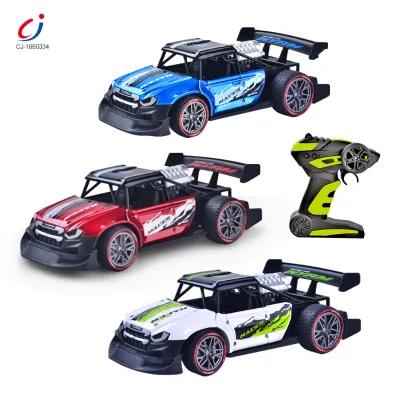
$8.49 - $10.51
MOQ: 90 pieces

Shantou Dreamhouse Toys Industrial Co., Ltd.
- Verified by SGS Group
- Manufacturer, Trading Company
- Guangdong, China
- Lead time30 days
- Avg. response≤ 6h
Main productsRemote Control Toys
Main marketsNorth America(60%), Eastern Europe(18%), Domestic Market(12%)
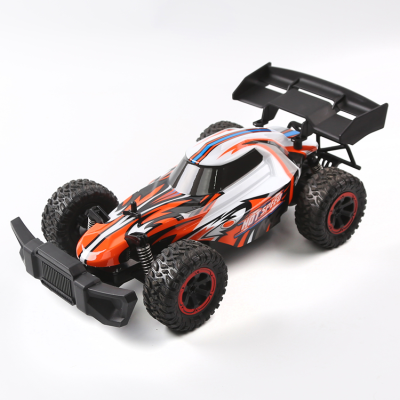
1/14 Off-Road RC Racing Car with Remote Control for Speedy Adventures
$11.8383 - $12.6766
MOQ: 24 pieces
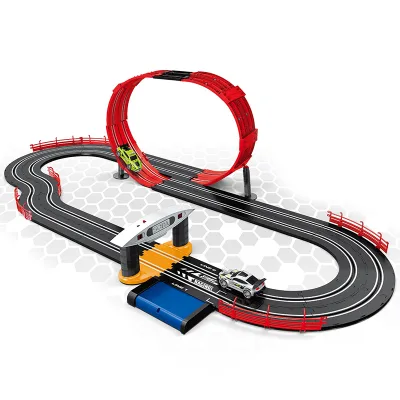
Toy Car Remote Control Racing RC Car 1: 64 Track Set for Adults With High Speed
$17.50 - $18.20
MOQ: 50 pieces

Shantou Xinxin Technology Co., Ltd
- Verified by CTI
- Trading Company
- China Guangdong
- Lead time15 days
- Avg. response≤ 4h
Main productsToys, RC Toys, Children's Cosmetics, Drone, Remote Control Toy, Plasticene, Superlight Clay, Electrical Toys, Remote-Control-Toys, Toy
Main marketsSouth America,Southeast Asia/ Mideast,Europe,North America

RC Cool Fancy Pipeline Racing Cute Car for Children with Special Performance
$5.29 - $62.00
MOQ: 1 Pieces


1: 14 High-Speed Short Card Brushless RC Remote Control Car RC Toy Racing Stunt Car
$57.69 - $66.34
MOQ: 30 Pieces

2.4G off-Road Vehicle Drifting Remote Control Competitive High-Speed 1: 18 1/18 RC Racing Toy RC Car
$40.89 - $44.59
MOQ: 60 Pieces
Shantou Chenghai Huanuo Intelligent Technology Co., Ltd.
- Manufacturer, Trading Company
- Guangdong, China
- Lead time30 days
- Avg. response≤ 10h
Main productsGirl Make Up Toys,Girl princess toys,Building Blocks Toys,Pretend Play Toys,Kids Toys
Main marketsNorth America(50.00%), Domestic Market(10.00%), Southern Europe(10.00%), Western Europe(10.00%), Oceania(5.00%), Eastern Europe(5.00%), Northern Europe(5.00%), South America(5.00%)

Wenzhou Simple leather Co., Ltd.
- Verified by TUVRHEINLAND
- Trading Company,Manufacturer/Factory
- China Zhejiang
- Lead time15 days
- Avg. response≤ 5h
Main productsArtificial Leather, PU Leather, Synthetic Leather, PVC Leather, Microfiber Leather, Imitation Leather, Leatherette, Faux Leather, Leatheroid, Toys
Main marketsSouth America,Eastern Europe,Mid East,North America,Southeast Asia,Eastern Asia,Oceania,Western Europe,Africa


$5.37 - $5.48
MOQ: 72 Pieces


- Verified by BV
- Trading Company,Manufacturer/Factory
- China Zhejiang
- Lead time15 days
- Avg. response≤ 8h
Main productsCeramic Mug, Kitchen Storage, Water Bottle, Cookware Set, Charger Plates, Shaker Set, Storage Rack, Food Container, Kitchen Accessories, Yiwu Agent
Main marketsSouth America,Eastern Europe,Mid East,North America,Southeast Asia,Eastern Asia,Oceania,Western Europe,Africa

RC Professional High-Speed Four-Wheel Drive Drift Racing Car with Remote Control
$6.80 - $6.90
MOQ: 20 Pieces

Shantou Dihua Trading Co., Ltd.
- Verified by TüVRheinland
- Manufacturer, Trading Company
- Lead time30 days
- Avg. response≤ 23h
Main productsRemote Control Toys, Educational Toys, Baby Toys, Outdoor Toys, Pretend Play Toys
Main marketsWestern Europe(20%), Eastern Europe(17%), North America(15%)
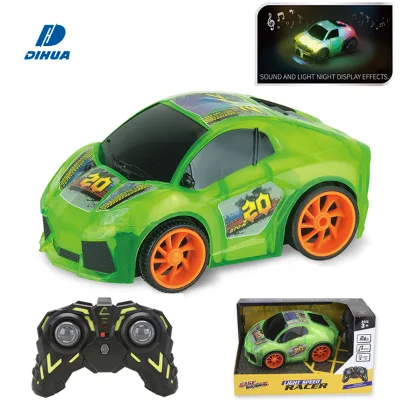
$3.9536 - $4.2724
MOQ: 504 pieces
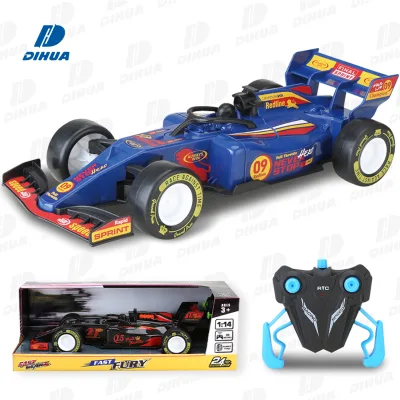
$3.9042 - $4.226
MOQ: 504 pieces
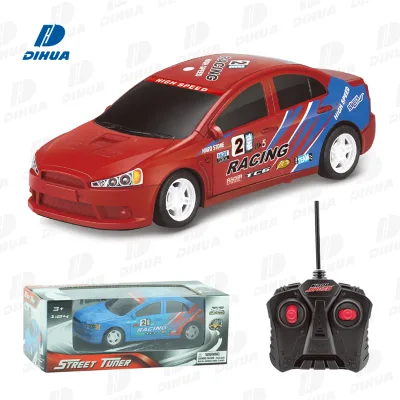
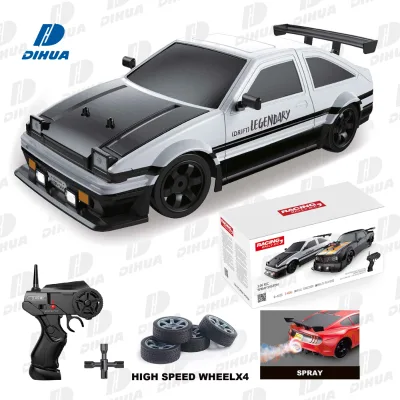
$11.7679 - $16.696
MOQ: 54 pieces

Shantou Chenghai Jiuyi Toy Factory
- Verified by BV
- Combined
- China Guangdong
- Lead time15 days
- Avg. response≤ 1h
Main productsDrone
Main marketsSouth America,Africa,Southeast Asia/ Mideast,Europe,Australia,North America
Shenzhen Jiexunda Tech Co., Ltd.
- Verified by SGS Group
- Manufacturer, Trading Company
- Lead time15 days
- Avg. response≤ 2h
Main productsMagnetic Building Block, Education Toys, Seasonal Toys For Kids, Outdoor Kids Toys, Kids Electronic Toys
Main marketsWestern Europe(40%), North America(15%), Eastern Europe(8%)
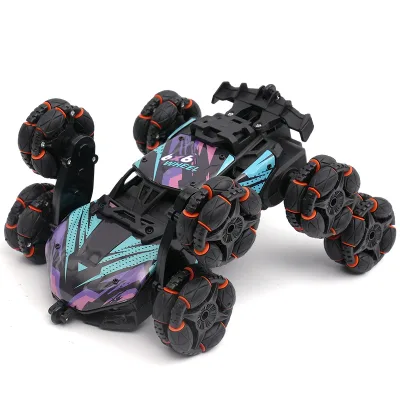
$9.4536 - $11.0973
MOQ: 18 pieces
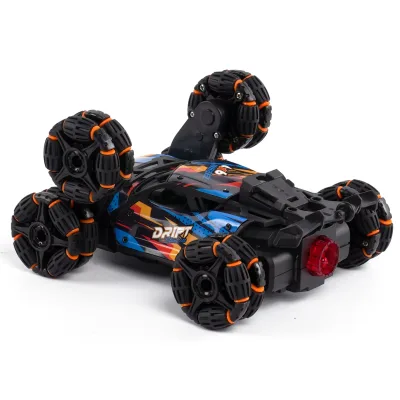
$7.9371 - $9.3188
MOQ: 24 pieces
Shantou Rongheqiang Trade Co. Ltd
- Verified by TüVRheinland
- Trading Company
- Lead time7 days
- Avg. response≤ 1h
Main productsToys
Main marketsNorth America(50%), Western Europe(30%), Southeast Asia(10%)
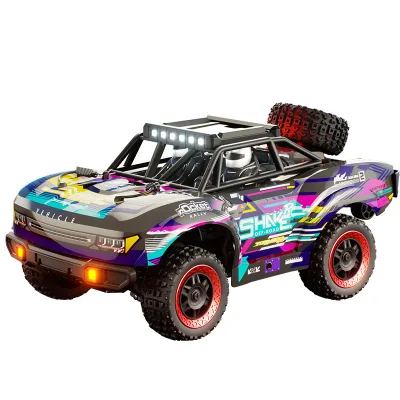


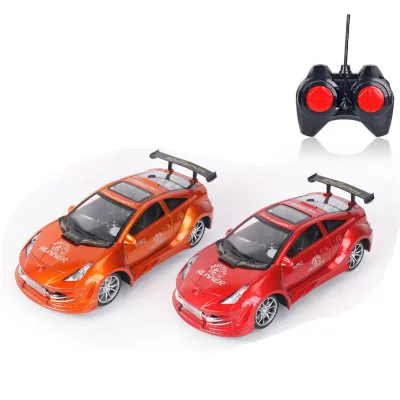
Promotion Gift Plastic Electric Car 1:16 Scale 4channel Rc Car with Light for Kids
$3.4865 - $3.9281
MOQ: 5 pieces

Shan Tou City Xinzhigu Toys Co., Ltd.
- Verified by CTI
- Trading Company
- China Guangdong
- Lead time15 days
- Avg. response≤ 3h
Main productsToys
Main marketsEurope

Hot Selling RC Car Toy 2.4G Remote Control Car 1: 18 Scale High Speed Remote Control Racing Car
$5.50 - $6.00
MOQ: 20 Sets

Factory Direct Sale 1: 20 RC Car for Chlidren's Toys 4 Channel Graffiti Remote Control Car
$2.18 - $2.45
MOQ: 72 Sets

High Quality Wholesale Remote Control Car 1: 24 Scale Graffiti off-Road RC Car
$2.48 - $2.80
MOQ: 72 Sets
Shantou Ever Prosperous Trading Co., Ltd.
- Verified by SGS Group
- Trading Company
- Lead time20 days
- Avg. response≤ 4h
Main productsRadio Control Toys/Baby Toys/Pretend Play Toys/DIY Toys/Educational Toys
Main marketsWestern Europe(25%), North America(20%), Mid East(20%)

Guangdong qunlong technology co., ltd
- Manufacturer
- China Guangdong
- Lead time15 days
- Avg. response≤ 1h
Main productsOEM/Design Toys, Plastic Products
Main marketsDomestic
- Verified by SGS Group
- Trading Company
- Lead time15 days
- Avg. response≤ 3h
Main productsPlastic Toys, RC Cars, Sport Toys, Sand Beach Toys, Pretend Play Toys
Main marketsWestern Europe(84%), North America(5%), Eastern Europe(2%)

- Verified by TUVRHEINLAND
- Combined
- China Guangdong
- Lead time15 days
- Avg. response≤ 19h
Main productsGun Toys, Child Toy, Baby Toy, Sport Toy, Outdoor Toys, Educational Toy, RC Toy, Plastic Toy
Main marketsDomestic,Europe,North America

High Speed 2.4GHz 360 Degree Rolling Twisted Racing RC Stunt Car 4WD Remote Control Car with Watch
$6.77 - $7.50
MOQ: 72 Pieces

Racing Toy Cars Children Kids Electric Remote Control Car for Kids Radio Control Toys
$4.19 - $4.71
MOQ: 360 Pieces

- Verified by SGS
- Manufacturer
- China Guangdong
- Lead time30 days
- Avg. response≤ 10h
Main productsRC Toys, Drone
Main marketsDomestic,Europe,Australia,North America

$7.60 - $8.50
MOQ: 48 Pieces

$49.97 - $52.23
MOQ: 30 Pieces

Hangzhou Longwin Industry Limited
- Verified by TUVRHEINLAND
- Trading Company,Manufacturer/Factory
- China Zhejiang
- Lead time23 days
- Avg. response≤ 6h
Main productsShoe Rack Kitchen Rack Flower Rack Drying Rack, Shirt, Electric Scooter, Earphone, RC Car, Bag, Phone Case, Smart Watch, Clothes, Shoes
Main marketsSouth America,Eastern Europe,Mid East,North America,Southeast Asia,Eastern Asia,Oceania,Western Europe,Africa
SHANTOU BHX TECHNOLOGY CO., LTD.
- Manufacturer, Trading Company
- Lead time旺季: "1 - 300":31,"> 300":"To be negotiated", 淡季: "1 - 300":31,"> 300":"To be negotiated"
- Avg. response≤ 3h
Main productsGun Toy, Educational Toy, Outdoor Toy, Baby Toy, Remote Control Toy
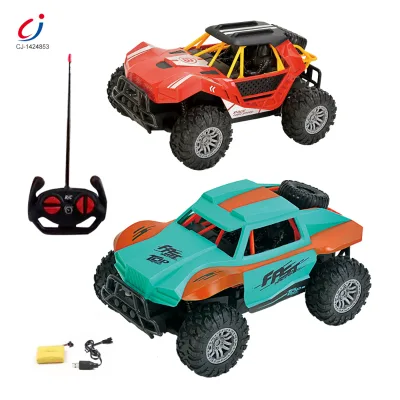
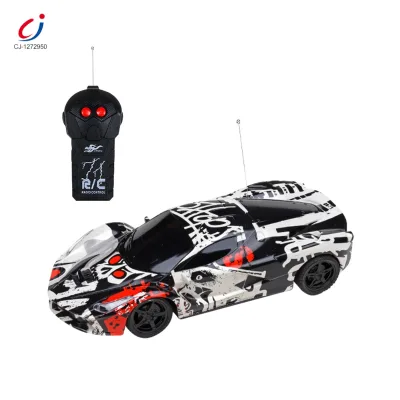
Chengji New Design Plastic Remote Control Toy 2ch High Speed Racing Rc Cars in Shantou
$1.8189 - $3.1138
MOQ: 2 pieces
Shantou Jinyu Trading Co., Ltd.
- Verified by SGS Group
- Manufacturer, Trading Company
- Lead time7 days
- Avg. response≤ 3h
Main productsEducational Toys, Baby Toys, Toy Car, Outdoor Toys, Pretend Play
Main marketsNorth America(40%), Eastern Europe(20%), Southeast Asia(20%)




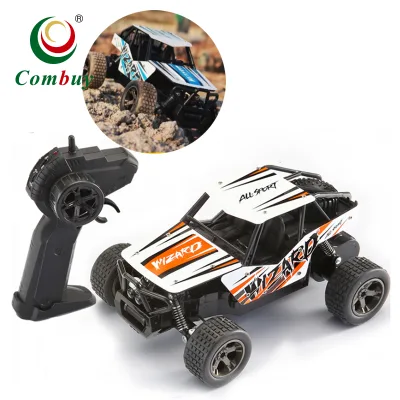
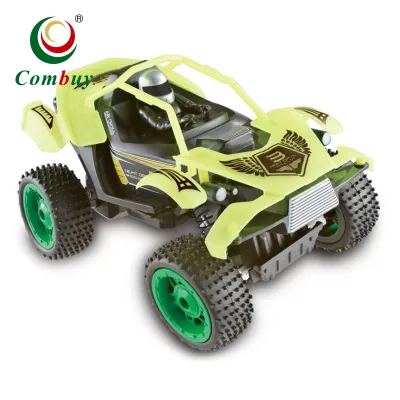
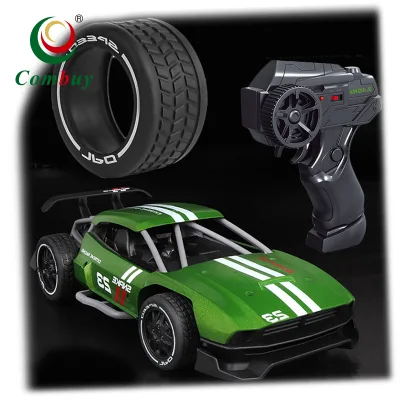
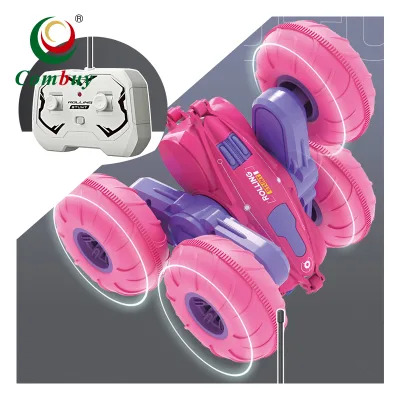







Comprehensive Sourcing Guide
Ready-To-Go Rc Racing Car Supplier Concentration and Factory Types
The current supplier landscape for ready-to-go RC racing cars reveals a distinct concentration in Guangdong, China, specifically within the Shantou region. This geographic clustering is significant because Shantou is globally recognized as a primary manufacturing hub for plastic toys and remote control vehicles. When evaluating potential partners, buyers should prioritize suppliers whose product origins are explicitly listed as Shantou or Guangdong, as this indicates proximity to established supply chains for plastics, electronics, and battery components. The presence of these specific location facts allows for a more confident assessment of logistical efficiency and material sourcing capabilities. Suppliers located in this cluster often benefit from shared infrastructure and specialized labor pools that reduce production friction. Consequently, identifying suppliers with these verified location attributes can streamline the initial screening process, ensuring that the manufacturing base is aligned with industry standards for toy production.
Supplier types in this category vary between combined entities and trading companies, each offering distinct advantages for different procurement strategies. Combined companies often possess integrated capabilities that may include both manufacturing and trading functions, potentially offering greater control over production quality and timeline adherence. In contrast, trading companies may provide a broader portfolio of products, such as educational toys, baby toys, and sport toys, alongside RC racing cars. This diversity can be beneficial for buyers seeking to consolidate orders across multiple toy categories. However, it is crucial to verify the actual manufacturing capabilities of trading companies to ensure they are not merely intermediaries with limited oversight. The distinction between these company types influences the level of direct communication and customization flexibility available to the buyer. Understanding this structural difference helps in selecting a partner that aligns with specific operational needs, whether that requires deep manufacturing integration or broad product variety.
How to Verify Ready-To-Go Rc Racing Car Suppliers
Verification is a critical step in mitigating risk when sourcing ready-to-go RC racing cars from international suppliers. One of the most reliable indicators of supplier credibility is the presence of third-party verification badges, such as BV (Bureau Veritas) certification. When a supplier displays this verification, it signifies that an independent agency has audited their business operations, providing a layer of assurance regarding their legal standing and operational legitimacy. Buyers should actively look for this badge during their initial search and prioritize suppliers who have undergone such rigorous checks. Additionally, response time metrics offer valuable insight into a supplier’s operational efficiency and customer service commitment. A response time of approximately 4.13 hours, for instance, suggests a responsive team capable of addressing inquiries promptly, which is essential for resolving technical questions or negotiating terms efficiently.
Beyond verification badges and response speeds, buyers should scrutinize the detailed product attributes and specifications provided by suppliers. High-quality suppliers typically offer comprehensive product data, including specific model numbers, packing standards, and origin details. For example, products with clear model identifiers like RFD321050 or CS007842 indicate a structured inventory system and professional product management. Buyers should also examine the customization options available, as the availability of customization suggests a flexible manufacturing process capable of meeting specific brand requirements. Furthermore, checking the main products listed by the supplier can reveal their core competencies. Suppliers whose main products include RC cars, sport toys, and educational toys are likely to have specialized expertise in this niche. By combining these verification methods, buyers can build a robust profile of supplier reliability and capability, ensuring a safer sourcing experience.
What to Compare Across Ready-To-Go Rc Racing Car Suppliers
When comparing suppliers, lead time and minimum order quantity (MOQ) are pivotal factors that directly impact inventory management and cash flow. Lead times in the current market range from as low as 3 days to 23 days, reflecting variations in production capacity and order complexity. Suppliers with shorter lead times, such as those offering 3-day turnaround, may be ideal for urgent restocking or testing new market trends. Conversely, longer lead times might indicate higher production volumes or more complex manufacturing processes. Similarly, MOQs vary significantly, ranging from 18 units for high-end racing cars to 360 units for standard models. Buyers must align these MOQs with their sales forecasts and storage capabilities. A supplier with a low MOQ of 18 units allows for lower risk entry, while higher MOQs may offer better unit economics but require greater capital commitment.
Price and customization availability are also critical comparison points that influence the overall value proposition. Unit prices for ready-to-go RC racing cars can range from approximately $2.41 to $27.50, depending on the scale, features, and complexity of the vehicle. Buyers should evaluate whether the price difference correlates with tangible value, such as higher speed, advanced features like stunt capabilities, or superior build quality. Additionally, the availability of customization is a key differentiator. Many suppliers offer customization options, allowing buyers to tailor products to their brand identity. However, buyers should verify if customization affects lead times or MOQs. Comparing these factors across multiple suppliers helps in identifying the best balance between cost, speed, and flexibility. This holistic comparison ensures that the selected supplier meets both immediate operational needs and long-term strategic goals.
Common Ready-To-Go Rc Racing Car Sourcing Risks
One of the primary risks in sourcing ready-to-go RC racing cars is the potential mismatch between product specifications and buyer expectations. Products often come with detailed attributes such as scale, power source, and material composition, but discrepancies can arise if these details are not thoroughly reviewed. For instance, a product listed as electric-driven may require specific battery types that are not included in the package, leading to additional costs and logistical hurdles for the buyer. Additionally, the age range recommendations, such as 3-8 years or 2-4 years, must be carefully considered to ensure compliance with safety regulations in the target market. Buyers should verify that the product attributes align with their intended customer demographic and regulatory requirements to avoid costly returns or legal issues.
Another significant risk involves the variability in packing standards and carton dimensions, which can impact shipping costs and storage efficiency. Suppliers may list different packing standards, such as 0.249/cbm or specific carton sizes like 704961cm, which directly affect the number of units that can be shipped per container. Inconsistent packing information can lead to unexpected freight charges or inefficient use of shipping space. Furthermore, the state of assembly, whether almost ready or requiring significant setup, can influence the final product quality and customer satisfaction. Buyers should request detailed packing and assembly information to accurately calculate landed costs and ensure that the product arrives in a condition that meets their quality standards. Proactively addressing these risks through thorough due diligence can prevent operational disruptions and enhance overall sourcing success.
Ready-To-Go Rc Racing Car Regional Sourcing and Logistics
Sourcing from Guangdong, China, offers distinct logistical advantages due to the region’s well-developed infrastructure and proximity to major shipping ports. The concentration of suppliers in Shantou and other parts of Guangdong facilitates efficient transportation of goods, reducing transit times and potentially lowering freight costs. Buyers should leverage this geographic advantage by coordinating with suppliers who have experience in exporting to their target markets. Understanding the specific origin of the products, such as Shantou, allows for more accurate estimation of lead times and shipping routes. Additionally, the region’s expertise in toy manufacturing ensures that suppliers are familiar with international shipping requirements and documentation, streamlining the customs clearance process.
Logistics planning should also consider the packaging dimensions and weight of the products, as these factors directly influence shipping efficiency. Products with standardized carton sizes, such as 44.51817cm or 13.513.56cm, are easier to palletize and load into containers, maximizing space utilization. Buyers should work with suppliers to optimize packaging configurations to reduce void space and protect the products during transit. Furthermore, considering the remote distance capabilities of the RC cars, such as long-range features, may impact the type of packaging required to prevent signal interference or damage. By aligning logistics strategies with the specific characteristics of the products and the supplier’s location, buyers can ensure a smooth and cost-effective supply chain. This proactive approach to logistics management enhances reliability and customer satisfaction.
Ready-To-Go Rc Racing Car Commercial Terms and Order Planning
Commercial terms, including payment methods and escrow services, play a crucial role in securing transactions and protecting buyer interests. While specific escrow availability is not explicitly detailed in the current facts, buyers should inquire about secure payment options that offer transaction protection. Utilizing escrow services can mitigate the risk of non-delivery or non-conformance, providing a safety net for both parties. Additionally, understanding the supplier’s response time and communication protocols is essential for effective order planning. A responsive supplier, indicated by a response time of around 4.13 hours, is more likely to address issues promptly and maintain transparency throughout the order process. Buyers should establish clear communication channels and expectations to ensure smooth collaboration.
Order planning should also account for the customization options and production capacities of the suppliers. Suppliers offering ODM and OEM capabilities provide flexibility for buyers seeking unique products or private labeling. However, customization may impact lead times and MOQs, so buyers should plan accordingly to avoid delays. Additionally, considering the price ranges and MOQs, buyers can develop a tiered ordering strategy that balances cost efficiency with inventory turnover. For example, ordering higher MOQs for popular models with lower prices can reduce unit costs, while lower MOQs for new or customized models can test market demand with minimal risk. By carefully analyzing these commercial terms and planning orders strategically, buyers can optimize their procurement process and achieve better business outcomes. This structured approach ensures that commercial agreements support long-term growth and operational stability.
FAQs
What is the price range for ready-to-go RC racing cars?
Ready-to-go RC racing cars typically range from $2.41 to $27.50 per unit. The final cost depends on the scale, speed, and features. Smaller scale models start around $2.41, while high-speed drift cars can reach $27.50. Buyers should check specific product listings for exact pricing based on quantity and customization needs.
What is the minimum order quantity for these toys?
Minimum order quantities vary significantly by model. Some high-speed racing cars require only 18 units, while smaller scale models may need 150 to 360 units. Buyers should verify the specific MOQ for their chosen product, as it directly impacts initial investment and inventory management strategies for retail or wholesale distribution.
How long does production take for these orders?
Production lead times generally range from 3 to 23 days. Faster lead times are often available for standard models, while complex customizations may extend the timeline. Buyers should confirm the exact lead time with the supplier before placing orders to ensure timely delivery and avoid potential delays in meeting market demand.
Are these RC cars suitable for children of all ages?
Products are designed for various age groups, including 3-8 years and 14 years and up. Some models feature climbing capabilities or high-speed racing, requiring intermediate to expert skill levels. Buyers should select age-appropriate models to ensure safety and enjoyment, checking specific product attributes for recommended age ranges and control complexity.
Can I customize the RC racing cars with my branding?
Customization is available for many ready-to-go RC racing car models. Suppliers offer OEM and ODM services, allowing for branding and design adjustments. Buyers should inquire about specific customization options, such as packaging or product features, to ensure the final product meets their brand requirements and market positioning strategies effectively.
Where are these RC racing cars manufactured?
These RC racing cars are primarily manufactured in Guangdong, China, with specific origins in Shantou. This region is known for its toy manufacturing expertise. Buyers should verify the exact place of origin for each product to understand supply chain logistics and potential shipping costs associated with importing from this manufacturing hub.