Rechargeable EMS Foot Massager Suppliers and Manufacturers
Source 23 verified suppliers for Rechargeable EMS Foot Massager products. Compare key dimensions including lead times, MOQs, certifications, and response rates to identify suitable partners. Review detailed product specifications and pricing to streamline your procurement process; review the available evidence before requesting comparable quotations from suitable candidates.
Suppliers List

XIAMEN DORRELLA HEALTH TECHNOLOGY CO.,LTD
- Verified by SGS
- Trading Company,Manufacturer/Factory,Group Corporation
- China Fujian
- Lead time23 days
- Avg. response≤ 8h
Main productsOrthotic Brace, Ankle Brace, Arm Brace, Back Brace, Cervical Collar, Finger Splint, Hip Abduction Braces, Hand and Wrist Brace, Post-Op Shoes, Orthopedic Waiking Boot
Main marketsSouth America,Eastern Europe,Mid East,North America,Southeast Asia,Eastern Asia,Oceania,Western Europe,Africa


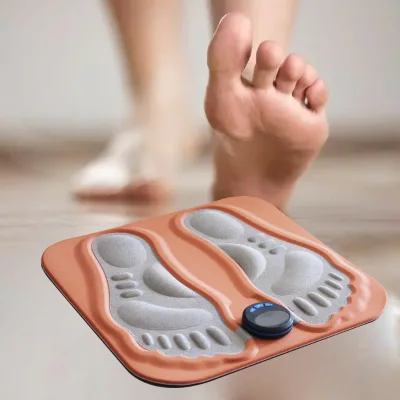
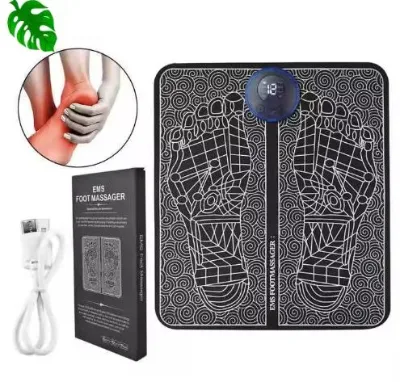
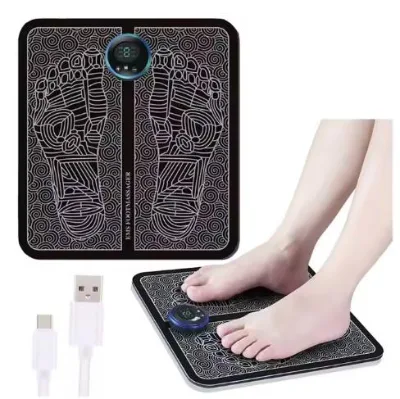
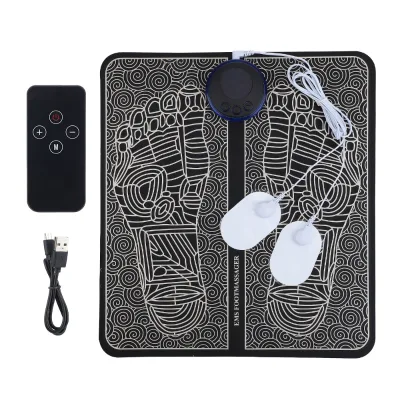
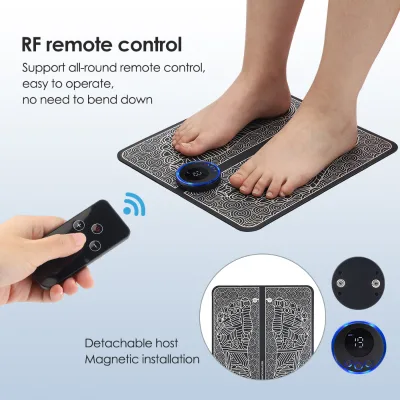
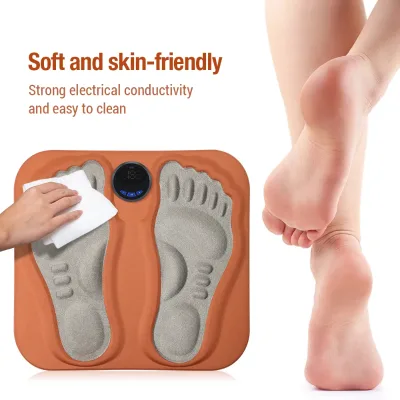
USB Electric EMS Foot Massager Pad Feet Muscle Stimulator Foot Massage Mat for Home
$9.90 - $11.90
Moq: 10

Wenzhou Hexi Electronic Technology Co., Ltd.
- Verified by SGS
- Combined
- China Zhejiang
- Lead time23 days
- Avg. response≤ 7h
Main productsNeck and Back Massager, Massage Gun, Massage Pillow, Foot Massager, Beauty& Personal Care, Water Flosser, Eye Massager, Electric Toothbrush, Hair Curler, Knee Massager
Main marketsAfrica,Southeast Asia/ Mideast,Europe

Yongkang Zhengqi Fitness Equipment Co., Ltd.
- Verified by TUVRHEINLAND
- Combined
- China Zhejiang
- Lead time15 days
- Avg. response≤ 11h
Main productsMassager, Foot Massage, Foot Massager, Health Product, Air Foot Massage, SPA Foot Massage, Body Massage, Massage Belt, Leg Massage
Main marketsSoutheast Asia/ Mideast

Xiamen Comfortlife Electronics Co., Ltd.
- Verified by SGS
- Manufacturer
- China Fujian
- Lead time30 days
- Avg. response≤ 8h
Main productsAnti Snore Device, Foot Massage, Personal Care Products
Main marketsSouth America,Australia,North America
Dongguan Beiside Electronics Co., Ltd.
- Verified by TüVRheinland
- Manufacturer, Trading Company
- Lead time10 days
- Avg. response≤ 2h
Main productsEye Massager, Neck Massager, Leg Massager, Head Massager, Massage Gun
Main marketsEastern Asia(45%), Western Europe(25%), North America(20%)
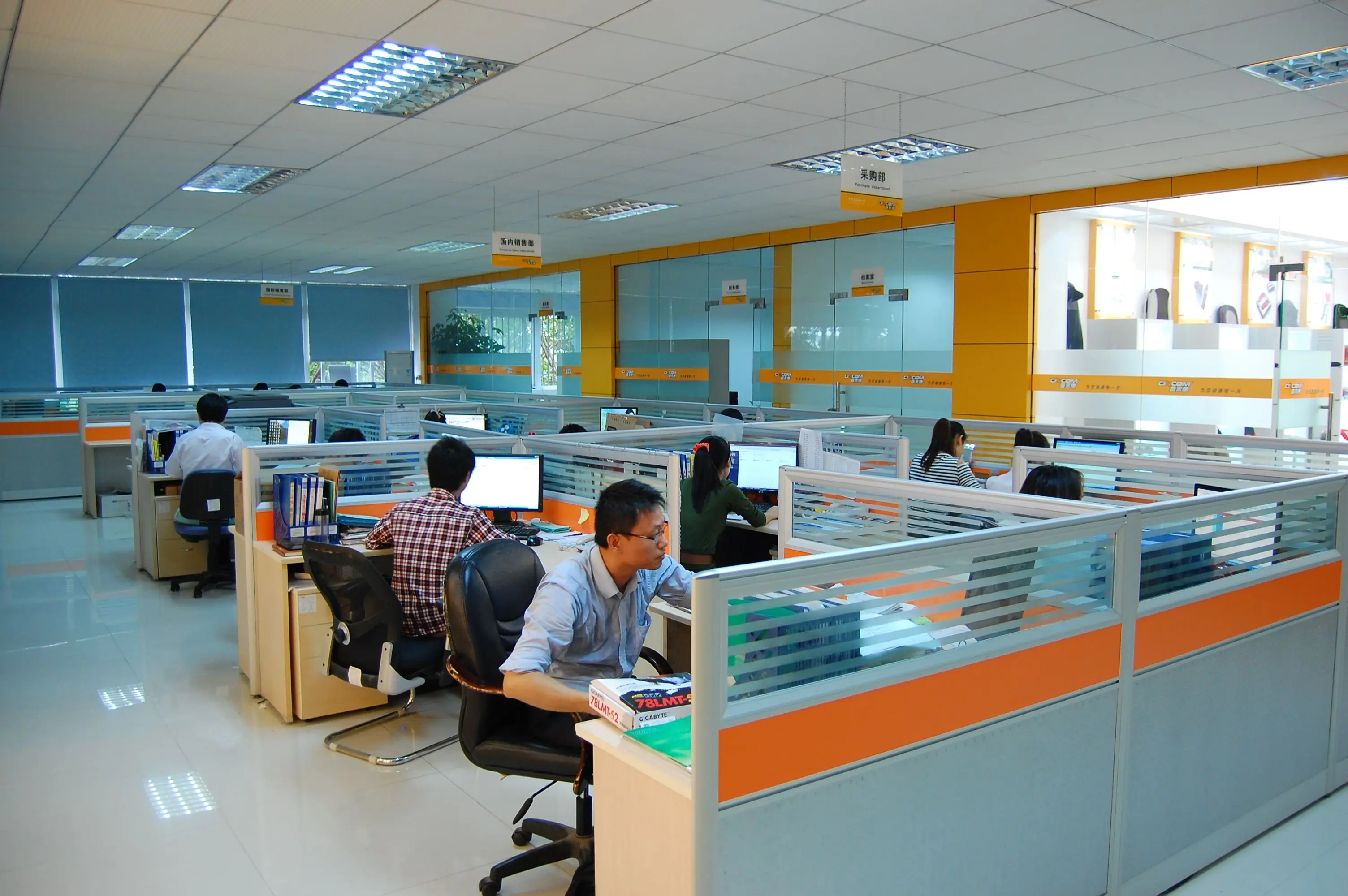
Shenzhen Foyoga Technology Co., Ltd.
- Manufacturer, Trading Company, Distributor/Wholesaler
- Guangdong, China
- Lead time15 days
- Avg. response≤ 3h
Main productsMassager,Tens unit,Therapy product,Muscle stimulator,Health care product
Main marketsDomestic Market(16.0%), North America(10.0%), Eastern Europe(10.0%), Northern Europe(10.0%), South America(8.0%), Eastern Asia(7.000000000000001%), South Asia(6.0%), Africa(6.0%), Southeast Asia(5.0%), Southern Europe(5.0%), Mid East(5.0%), Central America(5.0%), Western Europe(5.0%), Oceania(2.0%)
Sichuan Jiayi Technology Co., Ltd.
- Trading Company
- sichuan, China
- Lead time0 days
- Avg. response≤ 1h
Main productsDietary supplements,capsules,gummies,tablets
Main marketsSouthern Europe(35.0%), Western Europe(30.0%), North America(20.0%), Eastern Europe(10.0%), South America(5.0%)

- Verified by BV
- Combined
- China Guangdong
- Lead time30 days
- Avg. response≤ 8h
Main productsMedical Air Mattress, Nebulizer, Air Compression Leg Massager, Humidifier, Oxygen Concentrators, Air Mattress, Blood Pressure Monitor, Suction Machine, Therometer, Face Mask
Main marketsSouth America,Africa,Southeast Asia/ Mideast,East Asia(Japan/ South Korea),Europe,Australia,North America

Fujian Yitaikang Electronics Co., Ltd.
- Combined
- China Fujian
- Lead time60 days
- Avg. response≤ 6h
Main productsFoot Massager
Main marketsSoutheast Asia/ Mideast,East Asia(Japan/ South Korea),Domestic,Europe,Australia,North America


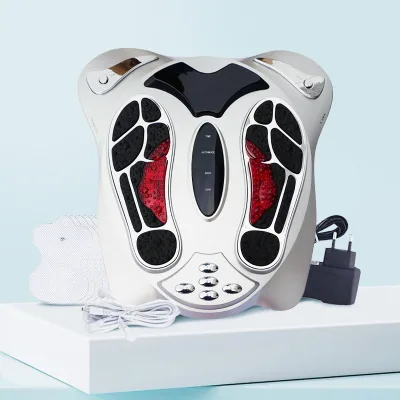
Foot Circulation Massager Foot Massage Muscle Stimulator Relaxing Pressure Muscle Pain Relief
$150.00 - $155.00
Moq: 150

Shenzhen Pentasmart Technology Co., Ltd
- Verified by TUVRHEINLAND
- Combined
- China Guangdong
- Lead time30 days
- Avg. response≤ 2h
Main productsNeck Massager, Knee Massager, Massage Gun, Lumbar Massager, Head Massager, Massage Cushion, Mini Massager, Foot Massager, Eye Massager, Back Massager
Main marketsSoutheast Asia/ Mideast,East Asia(Japan/ South Korea),Domestic,Europe,North America


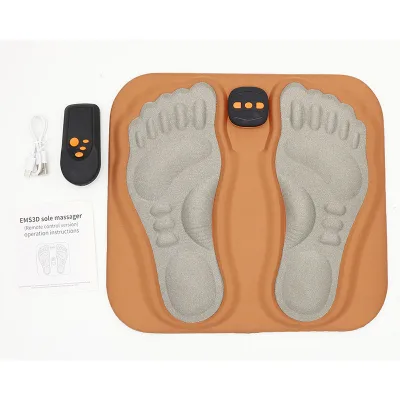
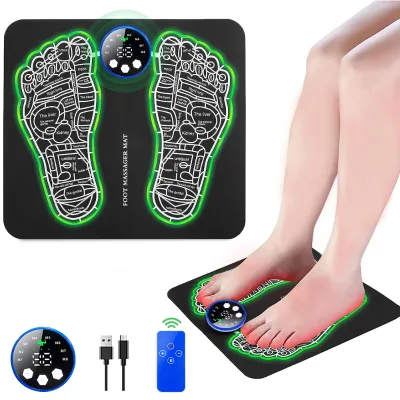
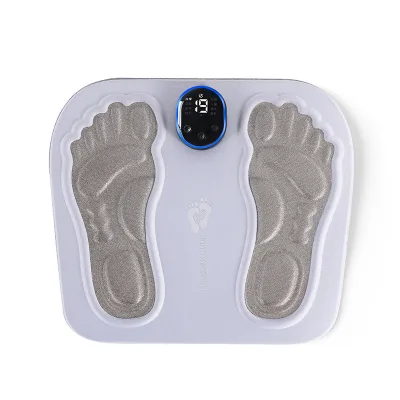
Electric Foot Massage Mat Muscle Stimulation SPA Foldable EMS Foot Massager OEM
$16.46 - $19.36
Moq: 2

Hot Sale Electric Foot Massage Mat Pad Intelligent LCD Screen EMS Tens Foot Massager
$16.46 - $19.36
Moq: 2
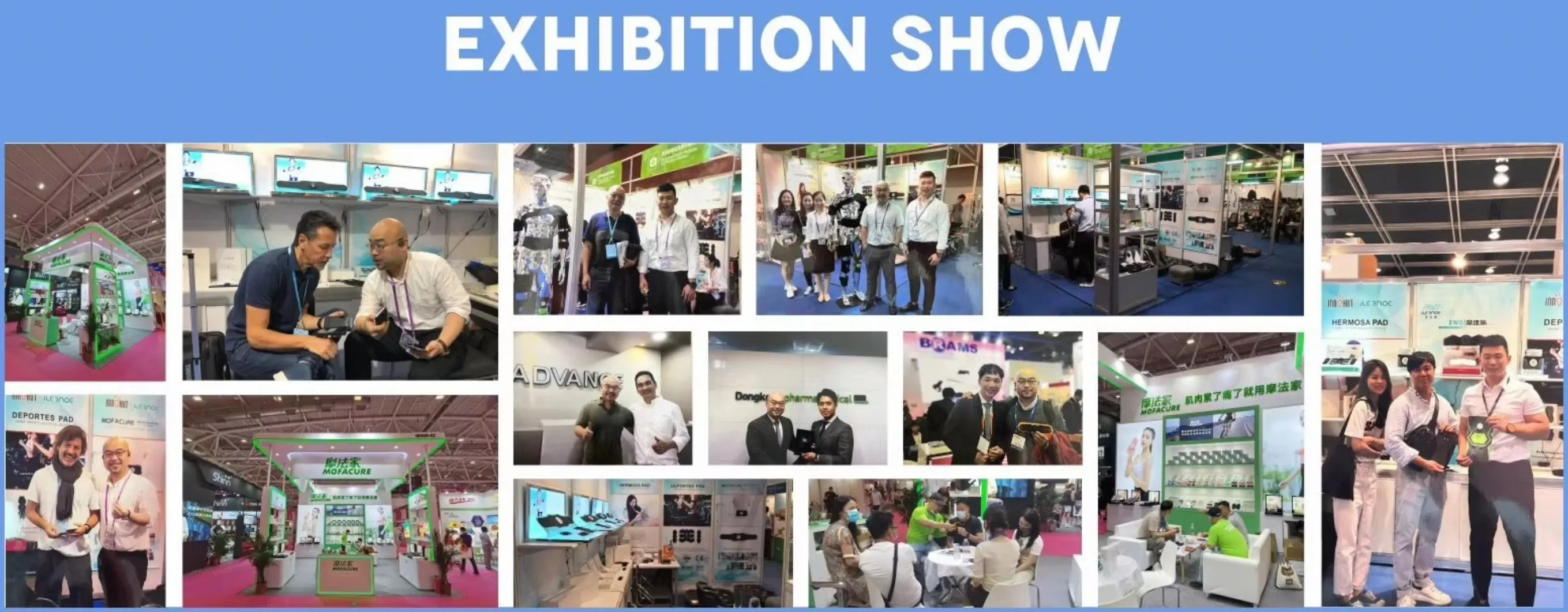
Ningbo Innohut Import & Export Co., Ltd.
- Trading Company
- Zhejiang, China
- Lead time0 days
- Avg. response≤ 23h
Main productsmassager,EMS device,Air compression Device,Sport Device
Main marketsWestern Europe(25.0%), Domestic Market(20.0%), Northern Europe(10.0%), Eastern Europe(10.0%), North America(10.0%), Southern Europe(10.0%), Eastern Asia(5.0%), Southeast Asia(5.0%), South Asia(5.0%)
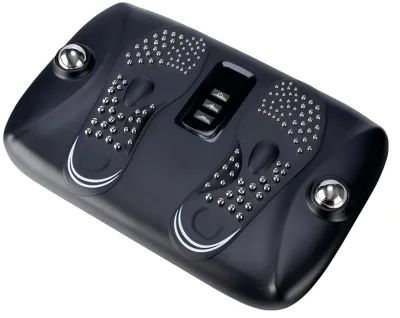
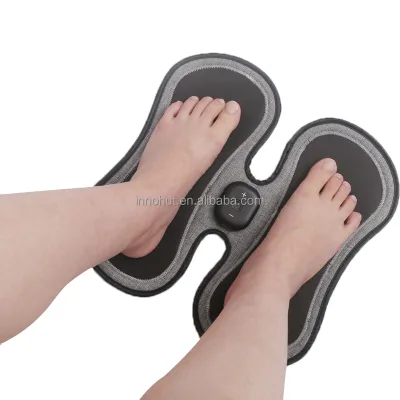
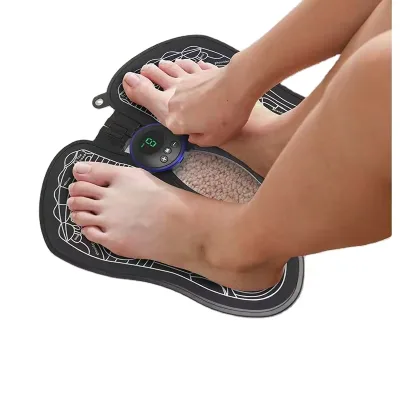
EMS Foot Stimulator Muscle Performance Enhancer and Temporary Pain Relief Foot Massager
$15.90 - $16.31
Moq: 1000

Ningde Crius Electronic Co., Ltd.
- Verified by TUVRHEINLAND
- Combined
- China Fujian
- Lead time30 days
- Avg. response≤ 4h
Main productsMassage Chair, Jade Massage Bed, Massage Pillow, Tourmaline Bracelet, Foot Massager, Jade Mattress, Massage Cushion, Massage Belt, Eye Massager, Neck and Shoulder Massager
Main marketsAustralia

Wenzhou Shifengxu Technology Co., Ltd.
- Verified by SGS
- Combined
- China Zhejiang
- Lead time15 days
- Avg. response≤ 4h
Main marketsDomestic
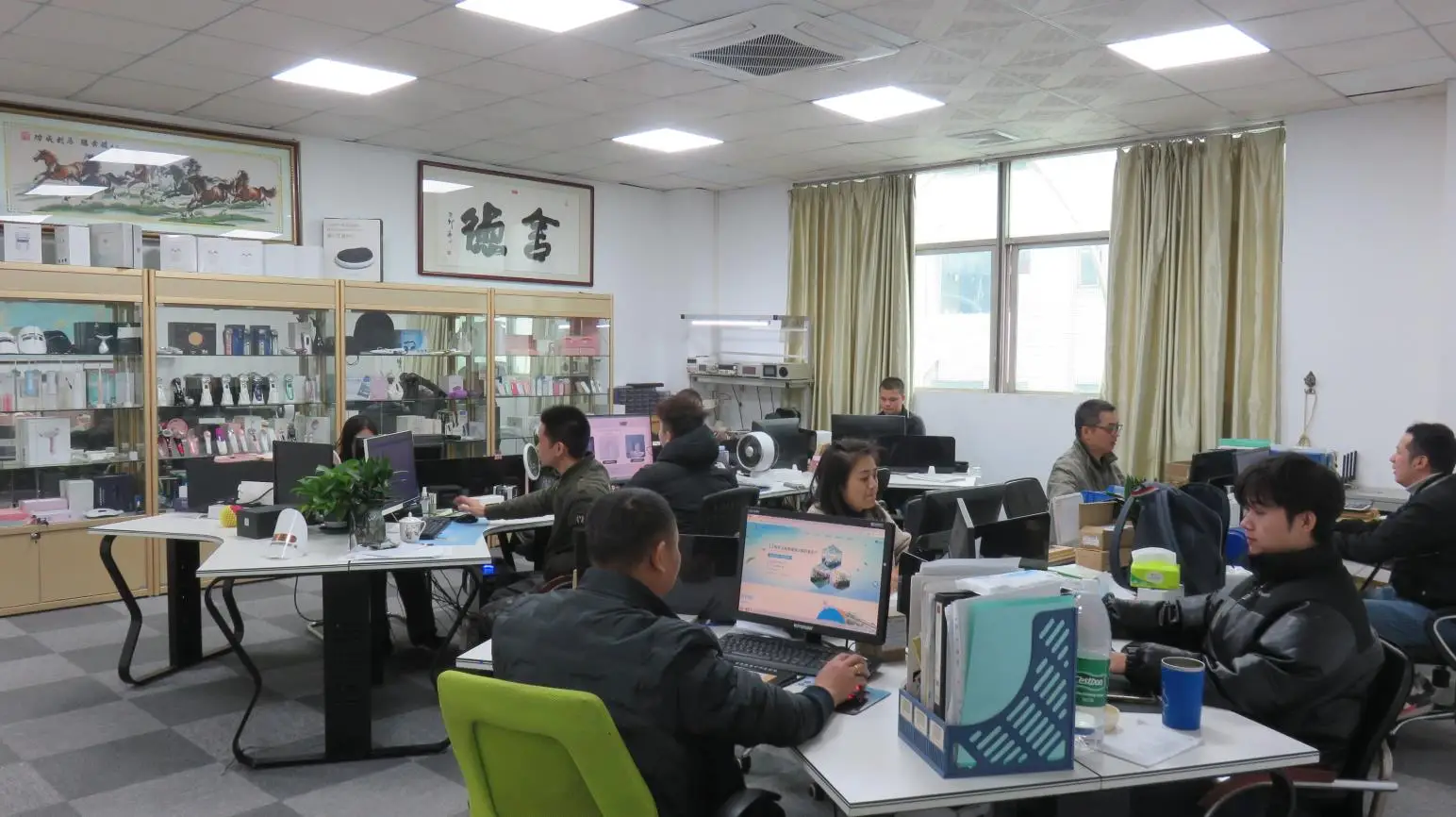
Shandong Chengchang Health Technology Co., Ltd.
- Trading Company
- Shandong, China
- Lead time15 days
- Avg. response≤ 3h
Main productsBeauty equipment,Massager,A protector,medical equipment,Health care equipment
Main marketsSoutheast Asia(20.0%), Domestic Market(15.0%), Mid East(10.0%), South America(5.0%), South Asia(5.0%), Southern Europe(5.0%), Northern Europe(5.0%), Central America(5.0%), Western Europe(5.0%), Eastern Asia(5.0%), Eastern Europe(5.0%), Oceania(5.0%), Africa(5.0%), North America(5.0%)

Ningbo E-Fitness Import & Export Co., Ltd.
- Manufacturer/Factory
- China Zhejiang
- Lead time15 days
- Avg. response≤ 4h
Main productsWheelchair, Prp Tube, Denture Box, Capsules, Water Distiller, Walker, Commode Chair, Quantum Analyzer, Shower Chair, Dental Headlight
Main marketsSouth America,Eastern Europe,Mid East,North America,Southeast Asia,Eastern Asia,Oceania,Western Europe,Africa

Wuxi Healthpro Technology Co., Ltd.
- Verified by SGS
- Trading Company,Manufacturer/Factory
- China Jiangsu
- Lead time23 days
- Avg. response≤ 6h
Main productsFoot Massager, Leg Massager, Massager, Hand Massager, Knee Massager, Sauna Dome, Foot and Leg Massager, Sauna Room, Arm Massager, Neck Massager
Main marketsSouth America,Eastern Europe,Mid East,North America,Southeast Asia,Western Europe,Africa
Shenzhen Chalk Art Tech Co., Ltd.
- Verified by TüVRheinland
- Trading Company
- Lead time15 days
Main productsMassage Gun, Neck And Shoulder Massager, Knee Massager, Foot Massager, Electric Body Massager
Main marketsNorth America(30%), Western Europe(20%), Southern Europe(15%)
Shenzhen As-Tec Technology Co., Ltd.
- Manufacturer, Trading Company
- Guangdong, China
- Lead time30 days
- Avg. response≤ 3h
Main productsTENS,TENS Unit,muscle stimualtor Massage Gun,Tens Massager,massage gun
Main marketsNorth America(50.0%), Eastern Europe(10.0%), Western Europe(10.0%), Domestic Market(5.0%), Africa(5.0%), Southern Europe(5.0%), Mid East(3.0%), Oceania(2.0%), South Asia(2.0%), Southeast Asia(2.0%), Central America(2.0%), South America(2.0%), Eastern Asia(2.0%)

Fujian Jingtuo Health Technology Co., Ltd.
- Verified by TUVRHEINLAND
- Combined
- China Fujian
- Lead time15 days
- Avg. response≤ 7h
Main productsMassage Chair, Rocking Chair, Foot Massager, Kneading Shawl, Head Massager, Bra Massager, Eye Massager, Massage Mattress, Sofa Massage Chair, Vending Massage Chair
Main marketsOthers(foreignTradeCapacity.exportBusinessCapacityMarketOther)

Zhejiang Todo Hardware Manufacture Co., Ltd.
- Verified by BV
- Manufacturer/Factory
- China Zhejiang
- Lead time120 days
- Avg. response≤ 3h
Main productsIndoor Fitness Equipment, Body Massager, Sports Equipment, Outdoor Fitness Equipment, Massage Tools, Slimming Equipment, Health & Care Equipment, Rehabilization Equipment, Electric & Electronics
Main marketsSouth America,Eastern Europe,Mid East,North America,Southeast Asia,Eastern Asia,Oceania,Western Europe,Africa


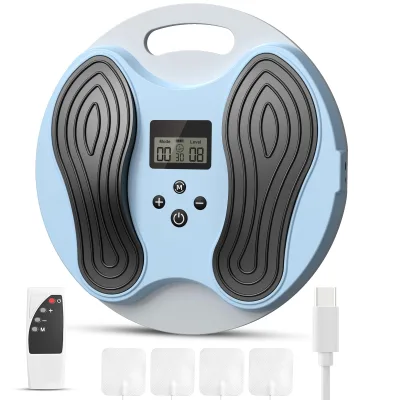
Remote Control Newest Electric Leg Calf Foot Massager with Handle Air Pressure
$50.40 - $51.50
Moq: 100
Huizhou Youmay Medical Equipment Co., Ltd.
- Manufacturer, Trading Company
- Guangdong, China
- Lead time15 days
- Avg. response≤ 12h
Main productsMassage Gun
Main marketsNorth America(60.0%), Western Europe(30.0%), Eastern Asia(10.0%)
Shenzhen Cresolar Technology Co., Ltd.
- Verified by Intertek
- Trading Company
- Lead time7 days
Main productsMassage Gun, Head Massager, Neck Massager, Eye Massager
Main marketsNorth America(50%), Southeast Asia(20%), Western Europe(15%)

- Verified by BV
- Trading Company
- China Zhejiang
- Lead time30 days
- Avg. response≤ 8h
Main productsElectric Kettle, Massager, Hair Dryer, Heater, Electric Grill, Humidifier, Hair Straightener, Mixer, Beauty Instrument, Electronics
Main marketsAfrica,Southeast Asia/ Mideast,Europe,North America


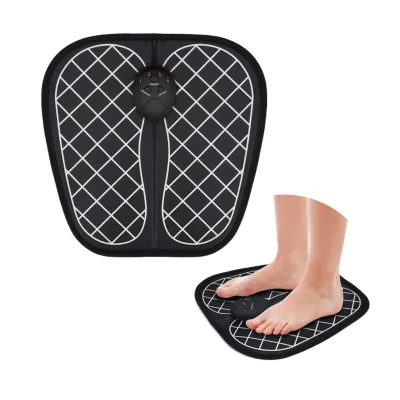
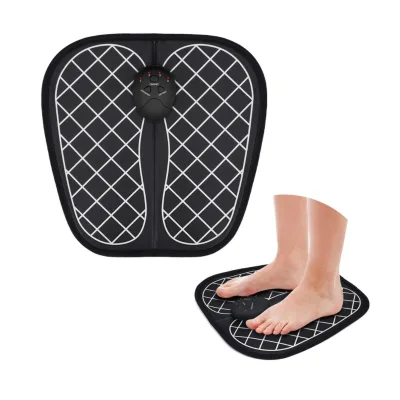
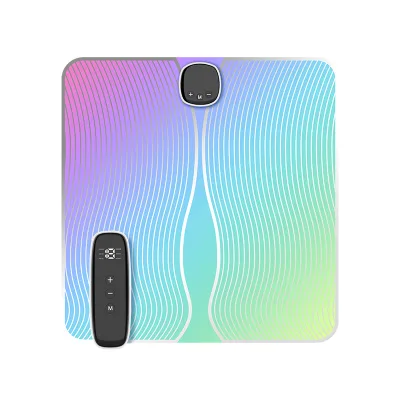
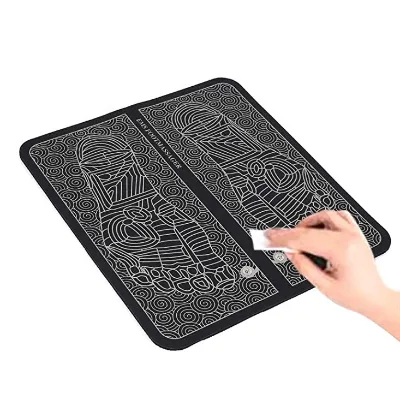
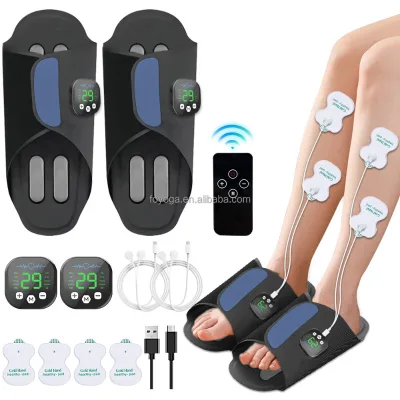
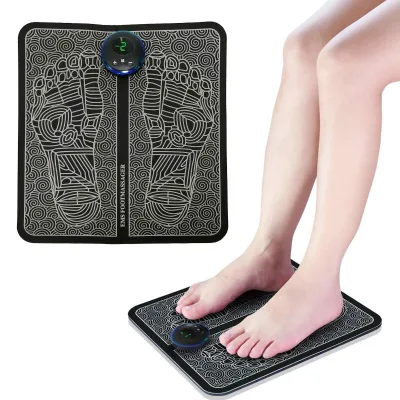
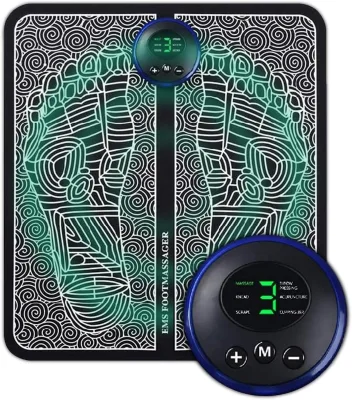
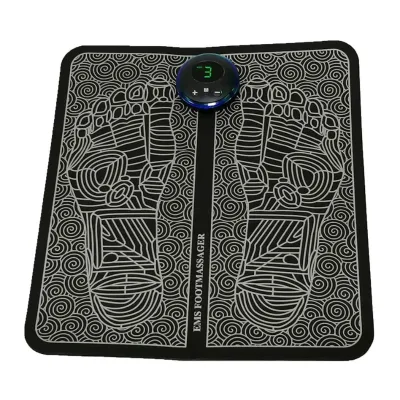
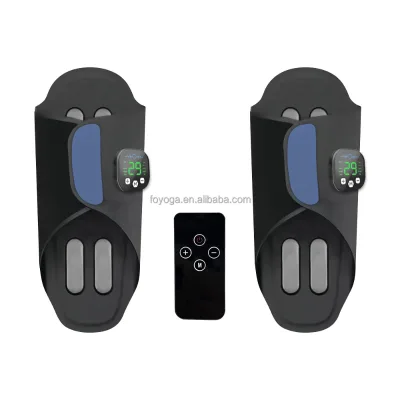
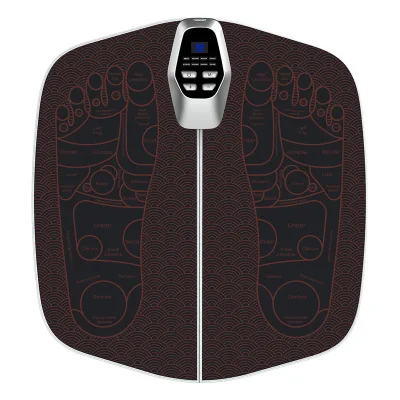
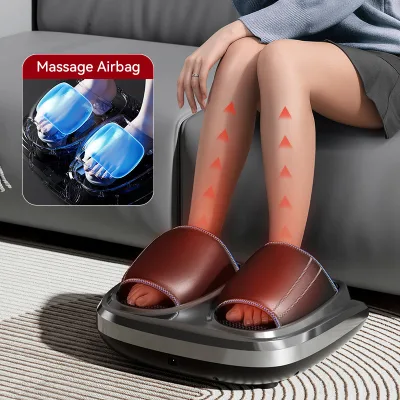


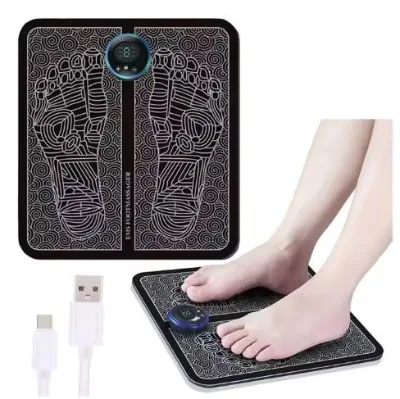







Comprehensive Sourcing Guide
Rechargeable EMS Foot Massager Supplier Concentration and Factory Types
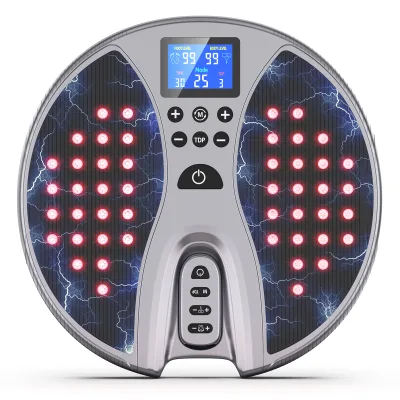
The current supplier landscape for rechargeable EMS foot massagers reveals a distinct concentration of manufacturing activity within China, specifically in the provinces of Fujian and Zhejiang. Fact-based observations indicate that suppliers in Fujian, such as those located in Xiamen, often specialize in orthopedic braces and related health care products while also offering EMS foot massagers with specific attributes like LCD displays and electrotherapeutic theories. Meanwhile, suppliers in Zhejiang, including those in Yongkang and Jinhua, demonstrate a broader product range that encompasses neck massagers, massage guns, and various personal care devices alongside foot massagers. This geographic clustering suggests that buyers should prioritize regions where the specific manufacturing capabilities for electronic stimulation devices are already established rather than searching globally without direction.
Regarding company structures, the available data identifies a mix of trading companies, manufacturers, and group corporations operating in this sector. Some entities are verified by third-party agencies like SGS or TÜV Rheinland, indicating a level of operational scrutiny, while others may have different verification statuses. The supply chain includes companies offering OEM, ODM, and own-brand services, with specific brands like ANKOWIN appearing in the product evidence. Buyers must recognize that a single supplier might list diverse main products, ranging from orthopedic walking boots to portable foot massage pads, which implies that the core competency in EMS technology varies significantly between a pure manufacturer and a trading company aggregating goods from multiple factories.
How to Verify Rechargeable EMS Foot Massager Suppliers
Verification of suppliers for rechargeable EMS foot massagers requires a rigorous examination of system certifications and third-party audit results rather than relying solely on self-declared claims. The evidence shows that some suppliers hold extensive certifications including ISO 14001, BSCI, SEDEX, and specific product certifications like FDA and ISOCE for their electronic devices. Conversely, other suppliers in the results list their system certification as NIL, which presents a significant risk factor that buyers must address before proceeding. A robust verification strategy involves cross-referencing the supplier's claimed certifications with the specific product attributes, such as ensuring that a supplier claiming FDA certification for an EMS device actually possesses the relevant documentation for that specific model number.
Beyond certifications, the verification process should include assessing the supplier's response time and the depth of their product evidence. Data indicates response times ranging from approximately 6.38 to 11.00 hours, which serves as a proxy for operational efficiency and communication reliability. Buyers should also scrutinize the detailed product attributes provided, such as the presence of an LCD display, the specific theory of operation like electrotherapeutics, and the origin of the product components. For instance, a supplier listing a product with a specific model number like DYL-CG014 or ZQ-8020 allows for a more concrete verification of their manufacturing capability compared to generic listings. Confirming that the supplier is verified by agencies like SGS or TÜV Rheinland adds a layer of trust, but the absence of such verification should prompt a request for direct factory audits or video inspections.
What to Compare Across Rechargeable EMS Foot Massager Suppliers
When evaluating potential partners, buyers must systematically compare key operational metrics including lead times, minimum order quantities, and pricing structures to ensure alignment with their business requirements. The observed data reveals a lead time of 23 days for some suppliers and 15 days for others, indicating that production scheduling and capacity vary significantly across the market. Minimum order quantities also differ, with some suppliers requiring as few as 10 units while others mandate orders of 100 pieces or more. These variations directly impact inventory planning and cash flow, making it essential for buyers to calculate the total landed cost based on the specific MOQ and unit price, which ranges from approximately $5.00 to $19.00 depending on the model and features.
In addition to logistical metrics, the comparison should extend to the specific product attributes and customization capabilities offered by each supplier. Evidence shows that some models feature heating functions, while others rely on pulse or vibration methods, and customization options like logo printing are available from certain manufacturers but not others. Buyers should also compare the warranty terms, such as the 12-month warranty offered on specific rolling massagers, against the product's working principle and material composition, which may include ABS plastic or other components. The ability to offer OEM or ODM services is another critical differentiator, as some suppliers provide own-brand solutions while others focus on generic manufacturing. A thorough comparison ensures that the selected supplier can meet both the technical specifications and the commercial constraints of the buyer's project.
Common Rechargeable EMS Foot Massager Sourcing Risks
One of the primary risks in sourcing rechargeable EMS foot massagers involves the discrepancy between claimed certifications and actual product compliance, particularly regarding electrical safety and health standards. While some suppliers list certifications like CE, UL, and RoHS, others may lack these critical approvals, potentially leading to customs delays or legal liabilities in the destination market. The evidence highlights that product attributes such as the theory of operation and the presence of self-heating features must be accurately documented to ensure they meet the regulatory requirements of the target country. Buyers must be vigilant against suppliers who provide generic certification lists that do not specifically cover the electronic components of the EMS device, as this can result in product recalls or market rejection.
Another significant risk is the inconsistency in supply chain transparency and the potential for quality variance across different production batches. The data shows that suppliers may offer products with varying packing quantities, such as 200 pieces per carton or single-item packaging, which can affect shipping efficiency and cost. Furthermore, the reliance on third-party verification like SGS or TÜV Rheinland is not universal, and some suppliers operate without such external validation. This lack of uniformity increases the risk of receiving products that do not match the initial samples or specifications, especially when dealing with complex electronic devices that require precise calibration. Buyers should mitigate this risk by requesting detailed production reports and conducting pre-shipment inspections to verify that the final goods match the agreed-upon attributes regarding vibration intensity, working time, and material quality.
Rechargeable EMS Foot Massager Regional Sourcing and Logistics
Sourcing rechargeable EMS foot massagers from China involves navigating specific regional logistics advantages and challenges associated with manufacturing hubs in Fujian and Zhejiang. Suppliers in Fujian, particularly those in Xiamen, often leverage their proximity to ports to facilitate efficient export of orthopedic and health care products, while Zhejiang-based suppliers in Yongkang and Jinhua benefit from a dense network of manufacturing clusters for electronic devices. The location of the factory directly influences the lead time and shipping costs, with some suppliers reporting lead times of 15 to 23 days, which must be factored into the overall supply chain timeline. Buyers should consider the specific origin of the product, such as Xiamen or Yongkang, when estimating transit times and selecting freight forwarders who are experienced in handling electronic goods from these specific regions.
Logistical planning must also account for the varying packaging standards and product dimensions observed across different suppliers. Evidence indicates that products may be packed in single items, inner boxes, or cartons with specific dimensions like 543644.5cm, which impacts container loading efficiency and freight charges. The presence of features like LCD displays and heating elements requires careful handling during transit to prevent damage, necessitating robust packaging solutions that may vary by supplier. Buyers should verify the packing quantity and method, such as 200 pieces per carton or single-item packaging, to optimize shipping costs and ensure that the products arrive in pristine condition. Additionally, understanding the regional infrastructure and export capabilities of the specific factory location can help buyers anticipate potential delays or bottlenecks in the logistics chain.
Rechargeable EMS Foot Massager Commercial Terms and Order Planning
Commercial terms for rechargeable EMS foot massagers vary significantly based on the supplier's capacity for customization and their established brand relationships. Some suppliers offer OEM and ODM services with the ability to print logos, while others may have restrictions on customization or offer only non-customized products. The pricing structure is also influenced by the order volume, with unit prices ranging from $5.00 to $19.00 depending on the model and features. Buyers must carefully negotiate terms regarding payment methods, delivery schedules, and warranty provisions, as these factors can vary widely between a trading company and a direct manufacturer. The availability of a 12-month warranty on certain models suggests that some suppliers are confident in their product quality, while others may offer limited or no warranty coverage.
Order planning requires a strategic approach to managing minimum order quantities and lead times to ensure a steady supply of inventory. With MOQs ranging from 10 to 100 pieces, buyers can tailor their initial orders to test the market without committing to excessive stock levels. However, the lead times of 15 to 23 days must be factored into the production schedule to avoid stockouts, especially during peak demand periods. Buyers should also consider the response time of the supplier, which ranges from 6.38 to 11.00 hours, as this affects the speed of communication and problem resolution. By aligning order quantities with the supplier's capacity and lead times, buyers can optimize their cash flow and maintain a reliable supply chain for rechargeable EMS foot massagers.
FAQs
What is the price range for EMS foot massagers?
Prices for EMS foot massagers range from 5.00 to 19.00 USD per unit depending on the model and features. Some basic mats start at 5.00 USD, while advanced units with touch screens cost up to 19.00 USD. Buyers should check specific product listings for exact pricing details.
What are the minimum order quantities for these products?
Minimum order quantities vary by supplier and product type. Some vendors require a minimum of 10 pieces for standard models, while others set the threshold at 100 pieces for specialized equipment. Always verify the specific MOQ listed on the product page before placing an order.
How long does it take to receive orders?
Lead times for these products typically range from 15 to 23 days based on supplier capacity and order volume. Some manufacturers offer faster turnaround times, while others may require longer production periods. Buyers should confirm the estimated delivery date with the specific supplier before finalizing purchases.
Are customization options available for EMS foot massagers?
Customization is available for many EMS foot massager models, including logo printing and specific design adjustments. Suppliers offer OEM and ODM services to meet unique branding needs. However, some standard models may not support customization, so buyers must check individual product attributes.
What certifications do these products hold?
Many EMS foot massagers carry certifications such as FDA, ISO, CE, UL, and RoHS to ensure safety and quality. Some suppliers also hold broader system certifications like ISO 9001 or BSCI. Buyers should verify specific product certificates to ensure compliance with their local market regulations.
Where are these suppliers located?
Suppliers offering EMS foot massagers are primarily located in China, specifically in provinces like Fujian and Zhejiang. Cities such as Xiamen and Yongkang are common manufacturing hubs. Buyers can filter search results by location to find suppliers near their preferred shipping routes.
How quickly do suppliers respond to inquiries?
Response times for supplier inquiries vary, with average response times ranging from 6.38 to 11.00 hours. Faster response times indicate more active suppliers who may be better suited for urgent orders. Buyers should prioritize suppliers with shorter response times for efficient communication.