Rechargeable Led Headlamp Suppliers and Manufacturers
Explore 15 verified suppliers offering Rechargeable Led Headlamp options with varying lead times, MOQs, and certifications. Compare response times, locations in China, and product specs like waterproof ratings before requesting quotes; review the available evidence before requesting comparable quotations from suitable candidates.
Suppliers List

- Verified by TUVRHEINLAND
- Trading Company
- China Zhejiang
- Lead time15 days
- Avg. response≤ 12h
Main productsLED Solar Light, Festival Lights, Table Lamp, LED Grow Lights, LED Light Strip, Smart Lights, LED Light String, Decorative Light, LED Head Light, LED Professional Lights
Main marketsSouth America,Europe,North America

Ningbo Brightenlux Electric Appliance Co., Ltd
- Combined
- China Zhejiang
- Lead time30 days
- Avg. response≤ 5h
Main productsLED Flashlight, LED Headlamp, Work Light, Camping Light, Solar Light, Bike Light, Ring Light, Night Light
Main marketsSouth America,Africa,Southeast Asia/ Mideast,East Asia(Japan/ South Korea),Domestic,Europe,Australia,North America


Brightenlux Outdoor Waterproof Head Torch Lamp Rechargeable LED Headlamp
$3.00 - $3.70
MOQ: 100 Pieces


NINGBO YICHEN ELECTRIC CO., LTD.
- Trading Company,Manufacturer/Factory
- China Zhejiang
- Lead time0 days
- Avg. response≤ 7h
Main productsLED Flashlight, Head Lamp, Camping Lantern, Solar Flashlight, Rechargeable Flashlight, High Power Flashlight, Keychain Flashlight, LED Tweezer, Xenon Flashlight, Shopping Trolley
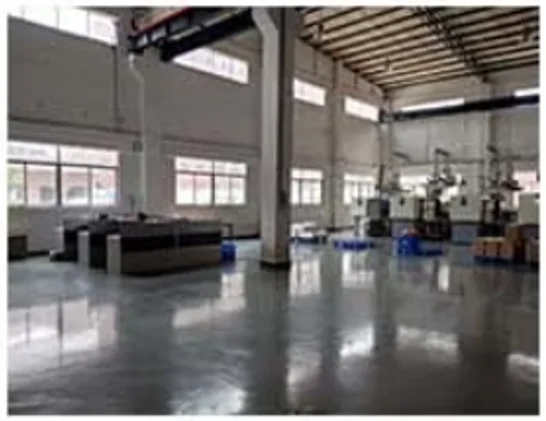
Helloworld (guangzhou) Import & Export Co., Ltd.
- Manufacturer, Trading Company
- Guangdong, China
- Lead time0 days
- Avg. response≤ 6h
Main productsSilicone Product,Plastic Product,Gel Products,House Products,Gift & Craft
Main marketsNorth America(36.00%), South America(35.00%), Eastern Europe(15.00%), Southeast Asia(9.00%), Domestic Market(1.00%), Western Europe(1.00%), Eastern Asia(1.00%), Mid East(1.00%), Africa(1.00%)

Jinhua Cowin Import & Export Co., Ltd.
- Verified by TUVRHEINLAND
- Trading Company
- China Zhejiang
- Lead time30 days
- Avg. response≤ 4h
Main productsHand Tool, LED Lighting, Car Tool, Hardware, Trailer Light, Trailer Hitch Mount, Power Tool, Garden Tools, Air Tools, Tie Down
Main marketsEurope

Shenzhen Tuliang Technology Co., Ltd.
- Verified by BV
- Manufacturer/Factory
- China Guangdong
- Lead time23 days
- Avg. response≤ 3h
Main productsLED Flashlight, LED Headlamp, LED Bicycle Light, LED Search Light, LED Camping Light, LED Work Light
Main marketsSouth America,Eastern Europe,Mid East,North America,Southeast Asia,Eastern Asia,Oceania,Western Europe,Africa

Helius High Power Portable Torch LED Headlight Rechargeable LED Flashlight LED Headlamp
$3.75 - $4.24
MOQ: 50 Pieces

Helius Ultra Bright High Powe Lantern LED Headlight Rechargeable LED Flashlight LED Headlamp
$2.08 - $2.35
MOQ: 50 Pieces

Helius Super Bright Portable Rechargeable LED Flashlight Adjustment Angle LED Headlight Headlamp
$0.99 - $1.14
MOQ: 50 Pieces


Super Bright Portable Adjustment Angle Rechargeable LED Headlight Headlamp
$0.99 - $1.14
MOQ: 50 Pieces

Helius High Power ABS Torch Light LED Headlight Rechargeable Torches Flashlight LED Headlamp
$2.69 - $3.04
MOQ: 50 Pieces

Tianjin Zhongyijian Technology Co., Ltd.
- Trading Company,Manufacturer/Factory,Group Corporation
- China Tianjin
- Lead time23 days
- Avg. response≤ 4h
Main productsLED Flashlight, LED Headlamp, Camping Light, Strip, Working Lamp, Bike Light, Indoor Light, Decoration Light, Outdoor Lighting, Custom Neon Sign
Main marketsSouth America,Eastern Europe,Mid East,North America,Southeast Asia,Eastern Asia,Oceania,Western Europe,Africa


Dual Light Source Yellow Blue 30W Headlamp Adjustable Sensor LED Rechargeable Headlamp
$5.00 - $6.86
MOQ: 1 Pieces

2023 New Design Portable Mini Work Headlamp Rechargeable High-Performance High Power Headlight
$2.79 - $3.90
MOQ: 1 Pieces

Xiamen Seatyle Import & Export Co., Ltd.
- Verified by TUVRHEINLAND
- Trading Company,Manufacturer/Factory
- China Fujian
- Lead time23 days
- Avg. response≤ 2h
Main productsHeadlamp, Flashlight, Camping Light, Solar Light, Outdoor Light, Bike Light, Water Shoes, Chef Shoes, Medical Shoes, Slippers
Main marketsSouth America,Eastern Europe,Mid East,North America,Southeast Asia,Eastern Asia,Oceania,Western Europe,Africa


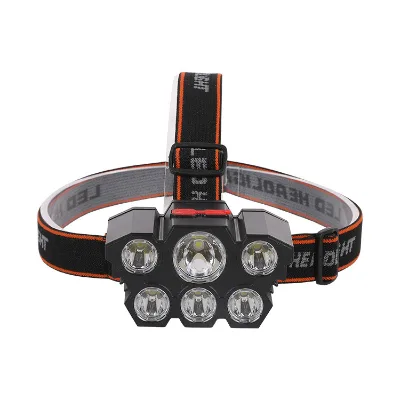
High Power Rechargeable Headlamps Moving LED Light Torch Headlight Mining Head Lamp
$3.45 - $4.65
MOQ: 100 Pieces

High Power Mini Head Lamp Multifunction Rechargeable White Red LED Headlamp
$2.60 - $2.85
MOQ: 100 Pieces


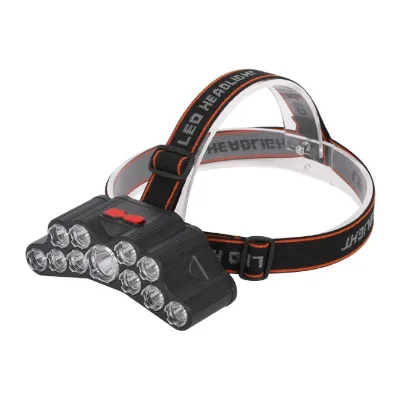
Best LED Head Lamp Flashlight Waterproof Rechargeable 8 LED Headlamp 1800lumen
$5.30 - $5.60
MOQ: 50 Pieces

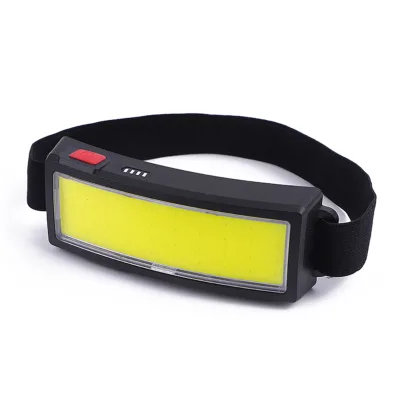
Portable Outdoor Motion Sensor LED Headlamp with Intelligent Rechargeable COB Head Light
$4.60 - $5.30
MOQ: 100 Pieces
Hangzhou Youfound Trade Co., Ltd.
- Manufacturer, Trading Company
- Zhejiang, China
- Lead time0 days
- Avg. response≤ 6h
Main productsHair Trimmer,LED Torch,Camping Lantern,Solar System,Mask
Main marketsMid East(20.00%), Southeast Asia(20.00%), Eastern Europe(20.00%), South America(20.00%), North America(20.00%)
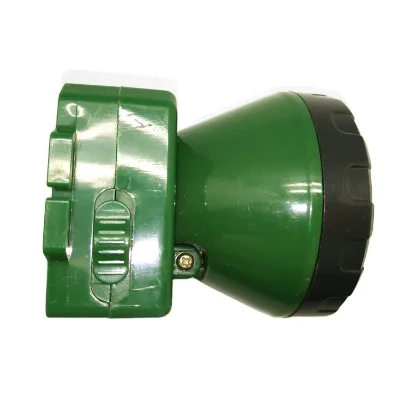
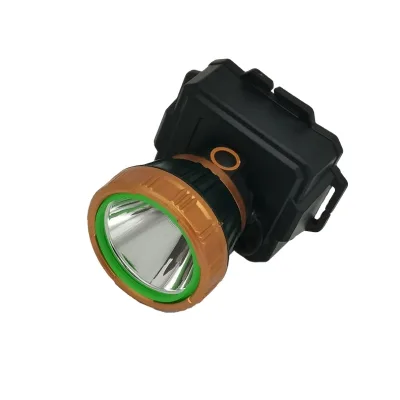
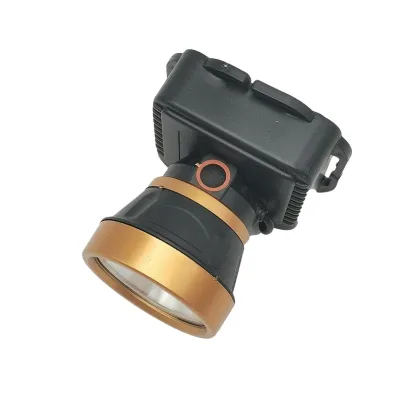
$2.45 - $2.60
MOQ: 3000 pieces

Ningbo Qingyang Import and Export Co., Ltd.
- Verified by SGS
- Trading Company
- China Zhejiang
- Lead time45 days
- Avg. response≤ 1h
Main productsLED Lights, Table Lamp, Night Light, Solar Garden Light, LED Sensor Light, LED String Light, Decorative Light, LED Work Light, Camping Lantern, LED Candle
Main marketsEast Asia(Japan/ South Korea),Europe,North America


New Portable Headlight Bright LED Rechargeable Headlamp for Camping and Hiking
$1.86 - $1.99
MOQ: 3000 Pieces


Ningbo Brilliant Dragon Electronic Technology Co., Ltd.
- Verified by TUVRHEINLAND
- Manufacturer/Factory
- China Zhejiang
- Lead time105 days
- Avg. response≤ 11h
Main productsLED Light for Indoor, LED Light for Ourside, Auto / Bicycle Accessories, Security Items, Work Light, Electric Appliance, Personal Items
Main marketsSouth America,Eastern Europe,Mid East,North America,Southeast Asia,Eastern Asia,Oceania,Western Europe,Africa
Ningbo Sunray Commodity Co., Ltd
- Verified by SGS
- Trading Company,Manufacturer/Factory
- China Zhejiang
- Lead time23 days
- Avg. response≤ 14h
Main productsLED Flashlight, LED Work Light, LED Headlamp, LED Lantern, LED Solar Light, LED Table Lamp, LED Sensor Light, LED Touch Light, LED Book Light
Main marketsSouth America,Eastern Europe,Mid East,North America,Southeast Asia,Eastern Asia,Oceania,Western Europe,Africa

Guangdong New Electronics Information Import & Export Ltd
- Verified by SGS
- Combined
- China Guangdong
- Lead time15 days
- Avg. response≤ 8h
Main productsPowerful LED Flashlight, Laser Flashlight, Torch, Auto LED Headlight, Hologram, Desk Lamp, Portable Rechargeable Power Station, LED Display, LED Chip, LED Ceiling Light
Main marketsEurope


Rechargeable LED Headlamp for Emergency and Power Outage with Aluminum Body
$7.68 - $9.30
MOQ: 10 Pieces


Ningbo Haishu Forcar Imp. & Exp. Co., Ltd.
- Verified by BV
- Trading Company,Manufacturer/Factory
- China Zhejiang
- Lead time45 days
- Avg. response≤ 10h
Main productsCar Wheel Rims, Custom Forged Wheel, Alloy Wheel, Forged Wheel, Offroad Wheel, Beadlock Wheel
Main marketsSouth America,Eastern Europe,Mid East,North America,Southeast Asia,Eastern Asia,Oceania,Western Europe,Africa
Yiwu Bolotop Electronic Technology Co., Ltd.
- Verified by SGS Group
- Trading Company
- Lead time0 days
- Avg. response≤ 4h
Main productsFlashlights, Camping Lamps, HeadLamps, Indoorlights, Working Light
Main marketsSouth America(25%), Mid East(25%), Eastern Asia(15%)




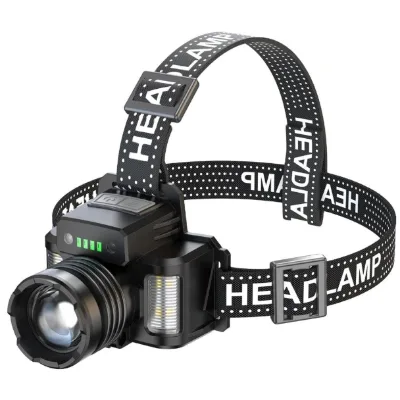
Comprehensive Sourcing Guide
Rechargeable Led Headlamp Supplier Concentration and Factory Types
The current supplier landscape for rechargeable LED headlamps shows a distinct concentration in China, specifically within the Zhejiang province. This region serves as a primary manufacturing hub where facilities produce a wide array of lighting products, including solar lights, festival lights, and professional headlamps. Buyers observing this data should note that the majority of entities in this cluster operate as trading companies, which act as intermediaries connecting manufacturers with international buyers. Some suppliers in this region also function as combined entities, offering both trading services and direct manufacturing capabilities. This structural mix means that a single supplier profile might represent a trading firm sourcing from local factories or a manufacturer with its own sales division.
When evaluating the factory types within this concentration, it is crucial to distinguish between pure trading companies and those with combined operational models. The available data indicates that some suppliers possess their own brands and offer OEM and ODM services, suggesting a deeper level of manufacturing integration than a standard trading firm. These combined suppliers often list specific capabilities such as customizing product models and managing the entire production cycle. However, not every supplier in the Zhejiang cluster will display these advanced capabilities. Buyers must verify the specific company type for each potential partner to understand whether they are dealing with a reseller or a direct production source, as this distinction significantly impacts communication efficiency and product customization options.
How to Verify Rechargeable Led Headlamp Suppliers
Verification of suppliers in the Rechargeable Led Headlamp sector requires a rigorous check of their official certifications and third-party validation status. Several suppliers in the current results hold ISO9001:2015 and ISO14001:2015 certificates, which indicate adherence to international quality and environmental management standards. Additionally, some entities have undergone verification by recognized bodies such as TÜV Rheinland, providing an external layer of trust regarding their business legitimacy. Buyers should prioritize suppliers who display these specific system certifications and verification badges, as these documents serve as concrete evidence of operational compliance. It is important to note that not all suppliers will possess every certification listed, and the absence of a specific badge does not automatically disqualify a vendor, but it does require closer scrutiny of their other credentials.
Beyond static certificates, buyers must assess the dynamic response capabilities of potential suppliers to gauge their reliability. The data shows varying response times, with some suppliers responding within approximately 12 hours and others within under five hours. A faster response time often correlates with a more active sales team and better communication channels, which are critical during the negotiation and order placement phases. Furthermore, the presence of specific product attributes, such as the use of Nichia LED chips or specific battery types like Lithium-Ion, can serve as indirect verification of a supplier's technical competence. Buyers should request proof of these specific component brands and ask for detailed product specifications to ensure the supplier can deliver the exact technical requirements needed for their rechargeable headlamp projects.
What to Compare Across Rechargeable Led Headlamp Suppliers
Comparing suppliers effectively requires a systematic analysis of key operational metrics such as lead time, minimum order quantity, and pricing structures. The available data reveals a range of lead times, with some suppliers offering a 15-day turnaround while others require up to 30 days for production. This variance is a critical factor in supply chain planning, especially for buyers with tight delivery schedules. Similarly, minimum order quantities (MOQ) differ significantly across the supplier base, with some accepting orders as low as 100 pieces, while others mandate a minimum of 300 or even 1000 units. Buyers must align their order volume with these thresholds to avoid unnecessary costs or the inability to place an order.
In addition to logistical metrics, buyers should compare the specific product attributes and commercial terms offered by each supplier. Product details such as irradiation distance, waterproof ratings, and battery life vary by model, with some headlamps offering up to 50 meters of irradiation distance and others focusing on compact designs. Pricing also fluctuates based on these specifications, with unit costs ranging from approximately $3.28 to $4.80 depending on the model and features. Payment terms are another vital comparison point, as most suppliers in this dataset require T/T (Telegraphic Transfer) payments. Buyers should evaluate the total cost of ownership, including the impact of MOQs on unit pricing and the flexibility of customization options, to determine which supplier offers the best value proposition for their specific business needs.
Common Rechargeable Led Headlamp Sourcing Risks
One of the primary risks in sourcing rechargeable LED headlamps involves the potential mismatch between advertised product specifications and actual deliverables. While suppliers list attributes such as "Waterproof" and "Shock-resistant," the specific IP ratings and material compositions can vary widely. For instance, some products are constructed from ABS and PC materials, while others utilize aluminum and ABS combinations. Without rigorous pre-shipment testing, a buyer might receive units that do not meet the claimed durability standards, leading to product failures in the field. It is essential to verify the exact material composition and IP rating for each specific model before finalizing an order, rather than relying solely on general marketing descriptions.
Another significant risk relates to the variability in warranty terms and after-sales support across different suppliers. Although many suppliers in the current results offer a standard one-year warranty, the scope of this coverage and the process for claiming it are not always detailed in the initial product listings. Buyers must clarify whether the warranty covers manufacturing defects only or if it includes battery degradation and other common failure points. Additionally, the reliance on third-party logistics and the FOB port location, typically Ningbo, introduces potential delays or damage risks during transit. Buyers should confirm the packaging standards, such as whether items are shipped in Kraft boxes or white boxes, and ensure that the packaging is robust enough to protect the electronics during international shipping to mitigate these logistical risks.
Rechargeable Led Headlamp Regional Sourcing and Logistics
Sourcing from the identified region in Zhejiang, China, offers distinct logistical advantages due to the concentration of manufacturing facilities and established export infrastructure. The primary FOB port for these transactions is Ningbo, a major shipping hub that facilitates efficient container loading and global distribution. This proximity to a major port reduces inland transportation costs and minimizes the time required to move goods from the factory floor to the vessel. Buyers should leverage this geographic advantage by coordinating closely with suppliers to ensure that production schedules align with shipping windows, thereby optimizing the overall lead time from order placement to delivery.
However, regional sourcing also presents specific challenges regarding customs clearance and import regulations in the destination country. While the suppliers provide standard certifications like CE and RoHS, buyers must verify that these documents meet the specific regulatory requirements of their target market. The variation in product standards, such as lighting and circuitry design specifications, means that a product compliant in one region might require adjustments for another. Buyers should work with their freight forwarders to ensure that all necessary documentation, including the ISO certificates and product test reports, is prepared accurately to prevent delays at customs. Understanding the specific logistics requirements of the Ningbo port and the shipping routes to the destination is crucial for maintaining a smooth supply chain.
Rechargeable Led Headlamp Commercial Terms and Order Planning
Commercial terms for rechargeable LED headlamps typically involve specific payment structures and customization agreements that must be clearly defined before production begins. The prevailing payment method observed in the current supplier data is T/T (Telegraphic Transfer), which requires buyers to arrange wire transfers according to agreed-upon milestones. Buyers should negotiate clear payment schedules that protect their interests, such as partial payments upon order confirmation and the remainder before shipment. Additionally, customization is a key commercial term, with many suppliers offering available customization services for branding and product features. Buyers must provide detailed specifications for any custom requests to ensure the supplier can meet the requirements without compromising the production timeline.
Order planning must account for the variability in lead times and MOQs to ensure a steady supply of inventory. With lead times ranging from 15 to 30 days and MOQs varying from 100 to 1000 units, buyers need to forecast their demand accurately to avoid stockouts or overstocking. It is advisable to place orders well in advance of peak seasons to accommodate the longer lead times associated with certain suppliers. Furthermore, buyers should consider the impact of price fluctuations on their budget, as unit costs can vary based on the specific model and order volume. By carefully analyzing the commercial terms and planning orders around the supplier's production capacity, buyers can establish a reliable and cost-effective supply chain for their Rechargeable Led Headlamp needs.
FAQs
What is the typical lead time for orders?
The typical lead time for orders is 15 days based on current supplier data. Some suppliers may require up to 30 days depending on order volume and customization needs. Buyers should confirm specific timelines with the supplier before placing an order to ensure timely delivery.
What are the minimum order quantities for headlamps?
Minimum order quantities vary by product model, ranging from 100 pieces to 300 pieces. Specific models like the SKY-480 require 300 pieces, while others may start at 200 or 100 pieces. Buyers must check the exact MOQ for each product variant before finalizing their purchase.
Which certifications do the headlamps hold?
The headlamps hold various certifications including CE, RoHS, EMC, FCC, and ISO standards. Some suppliers also possess ISO9001:2015 and ISO14001:2015 system certifications. These ensure the products meet international safety and quality requirements for lighting and electronic components used in outdoor applications.
Where are the suppliers located?
The suppliers are located in Zhejiang, China, with the FOB port in Ningbo. This region is known for its manufacturing capabilities in lighting products. Buyers should verify the exact factory address and shipping logistics with the supplier to plan their import and distribution strategies effectively.
What is the price range for rechargeable headlamps?
The price range for rechargeable headlamps typically falls between 3.28 and 4.80 USD per unit. Prices vary based on features like lumen output, battery type, and customization options. Buyers should request a detailed quote to understand the final cost including shipping and any applicable taxes.
How quickly do suppliers respond to inquiries?
Supplier response times vary, with some responding within 4.71 hours and others taking up to 12 hours. Faster response times often indicate higher availability and readiness to assist with urgent sourcing needs. Buyers should prioritize suppliers with quicker response rates for time-sensitive projects.
Are customization options available for these headlamps?
Yes, customization is available for many headlamp models, allowing for specific branding or design changes. Suppliers offer OEM and ODM services to meet unique requirements. Buyers should discuss their specific customization needs with the supplier to ensure the final product aligns with their brand and functional goals.