Rechargeable Lithium Battery Pack Suppliers and Manufacturers
Explore 27 verified suppliers offering rechargeable lithium battery packs with OEM capabilities and ISO 9001 certification. Buyers can compare locations in Shandong and Guangdong, response times, and warranty periods ranging from 5 to 20 years before requesting quotes; review the available evidence before requesting comparable quotations from suitable candidates.
Updated
Suppliers List

Dezhou Nayu Import and Export Trading Co., Ltd.
- Trading Company,Manufacturer/Factory
- China Shandong
- Lead time0 days
- Avg. response≤ 25h
Main productsSolar Panels, Solar System

Shenzhen Mingfeng Technology Co., Ltd
- Verified by SGS
- Trading Company
- China Guangdong
- Lead time30 days
- Avg. response≤ 1h
Main productsE-Bike Battery, Drone Battery, Power Tools Battery, Garden Tools Battery, Emotorcycle Battery, Golf Cart Battery, Forklift Battery, Marine Battery, LiFePO4 Battery, Agv Battery
Main marketsOthers(foreignTradeCapacity.exportBusinessCapacityMarketOther)

SHENZHEN BATTERYBUILDING INDUSTRY CO., LIMITED
- Verified by BV
- Manufacturer/Factory
- China Guangdong
- Lead time23 days
- Avg. response≤ 16h
Main productsLiFePO4 Battery, Lithium Battery, Electric Bike Battery, Electric Skate Battery, Jump Start Battery, Electric Tool Battery, Lithium Polymer Battery, Solar Panel Battery, BMS, Charger
Main marketsSouth America,Eastern Europe,Mid East,North America,Southeast Asia,Eastern Asia,Oceania,Western Europe,Africa

Better Technology Group Limited
- Verified by CTI
- Manufacturer/Factory
- China Fujian
- Lead time23 days
- Avg. response≤ 4h
Main productsTurnkey Solution for Battery Manufacturing, Battery Production Equipment, Automatic Battery Assembly Line, Solar Home Energy Storage Battery, Small-Scale I&C Energy Storage Cabinet, Lithium Battery Manufacturing Machine, 4G+GPS Smart Start-Stop Lithium Battery, Lead-Acid to Lithium Battery Conversion, Portable Power Station, Lead Acid Batteries
Main marketsSouth America,Eastern Europe,Mid East,North America,Southeast Asia,Eastern Asia,Oceania,Western Europe,Africa

SHENZHEN SMARTEC TECHNOLOGY CO., LTD.
- Verified by BV
- Combined
- China Guangdong
- Lead time23 days
- Avg. response≤ 3h
Main productsBattery Manage System, Protection Circuit Module, Home Storage Batteries, BMS, PCM, Customized Lithium Batteries, Customized Li-ion Battery Pack, LiFePO4 Battery Pack, Battery BMS, Golf Cart Battery
Main marketsSouth America,Africa,Southeast Asia/ Mideast,East Asia(Japan/ South Korea),Europe,Australia,North America

11.1V Lithium Battery Pack 6000mAh Li-ion 2500mAh 3.7V 18650 Rechargeable Lithium Battery Pack
$100.00 - $300.00
MOQ: 1 Pieces

Lithium Battery 24V 100ah Battery Pack Rechargeable Li Ion Polymer Battery Pack
$450.00 - $550.00
MOQ: 1 Pieces

Battery Packs 25.9V 5200mAh Li-ion Batteries Packs for Industry Machines
$112.00 - $150.00
MOQ: 1 Pieces

- Verified by TUVRHEINLAND
- Manufacturer/Factory
- China Guangdong
- Lead time23 days
- Avg. response≤ 5h
Main productsLiFePO4 Battery, Li-ion Battery, Solar Energy Storage Battery, RV/Electric Vehicle Battery, Solar Battery, Customized Battery Pack, UPS Battery, Solar Street Light Battery, Battery Pack, Motorcycle Battery
Main marketsSouth America,Eastern Europe,Mid East,North America,Southeast Asia,Eastern Asia,Oceania,Western Europe,Africa
Huizhou Jiaxinrui New Energy Technology Co., Ltd.
- Verified by TüVRheinland
- Manufacturer, Trading Company
- Lead time30 days
- Avg. response≤ 4h
Main productsLithium Polymer Battery, Lithium Battery Cell, Lithium Battery Pack, Lithium Polymer Battery Pack, 18650 Lithium Battery Cell
Main marketsNorth America(29%), South America(11%), Domestic Market(11%)

Shenzhen Richlight Technology Co., Ltd.
- Verified by SGS
- Trading Company
- China Guangdong
- Lead time15 days
- Avg. response≤ 12h
Main productsPrimary Battery, Button Battery, Cell Battery, Chargeable Battery, Li/Socl2 Cell, Li/Mno2 Cell, Secondary Lithium Battery
Main marketsOthers(foreignTradeCapacity.exportBusinessCapacityMarketOther),Europe,North America
Dongguan Belifine Battery Co., Ltd.
- Verified by TüVRheinland
- Manufacturer, Trading Company
- Lead time5 days
- Avg. response≤ 5h
Main productsLiFePO4 Battery, Lithium Ion Battery Cell, Energy Storage Battery, Battery Pack, BMS
Main marketsNorth America(30%), Western Europe(25%), Eastern Europe(10%)
Shenzhen Longkun Battery Co., Ltd.
- Verified by TüVRheinland
- Trading Company
- Lead time7 days
- Avg. response≤ 3h
Main productsBattery Pack, Lithium Battery, Home Energy Storage Battery, Industrial And Commercial Energy Storage Battery, Drone Battery Pack
Main marketsWestern Europe(25%), North America(20%), South America(10%)
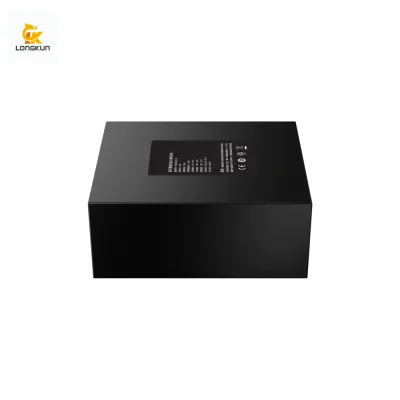
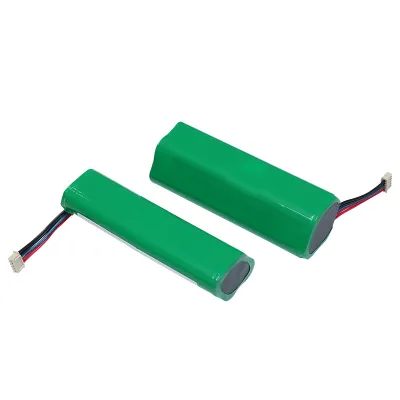
Lithium Battery PACK Manufacturer Battery Pack 5200MAH Cylindrical Ultra Long Life Battery
$20.80 - $26.00
MOQ: 5 pieces

Shenzhen TL New Energy Co., Ltd.
- Verified by TUVRHEINLAND
- Trading Company,Manufacturer/Factory
- China Guangdong
- Lead time23 days
- Avg. response≤ 3h
Main productsLithium Battery, Power Tool Battery, Power Tool Universal Charger, Vacuum Cleaner Battery, Battery Pack, Medical Instrument Battery, Energy Storage Battery, Fire Equipment Battery, E-Bike Battery, Massage Equipment
Main marketsSouth America,Eastern Europe,Mid East,North America,Southeast Asia,Eastern Asia,Oceania,Africa

Rechargeable Lithium Battery Pack 12V 24V 36V 48V Li Ion 18650 Battery Pack
$7.00 - $9.00
MOQ: 300 Pieces

Shenzhen Chaoliyang Technology Development Co., Ltd.
- Verified by TüVRheinland
- Manufacturer, Trading Company
- Lead time7 days
- Avg. response≤ 3h
Main productsLithium Battery, Cylindrical Lithium Battery, Polymer Lithium Battery, 21700 Lithium Battery Pack, 18650 Lithium Battery Pack
Main marketsNorth America(25%), South America(10%), Eastern Europe(10%)
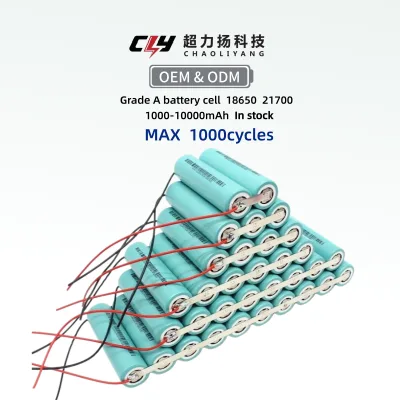
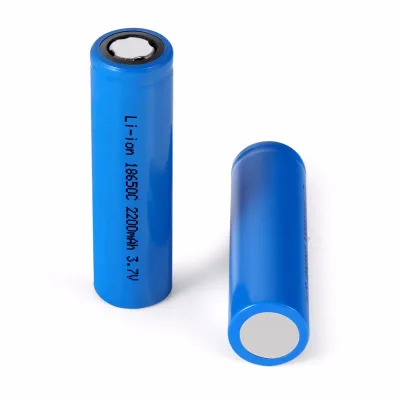
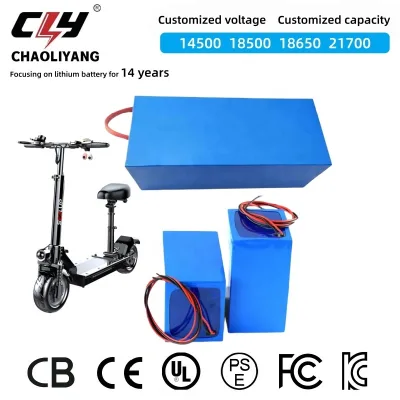
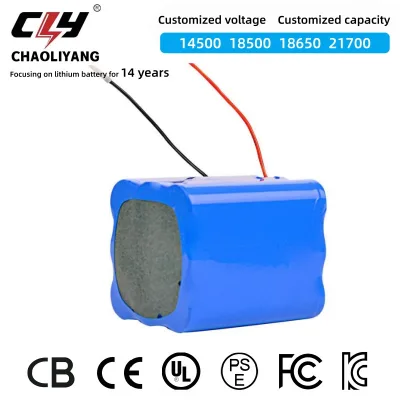
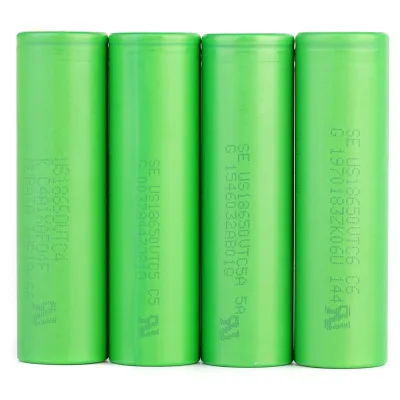
High Power Rechargeable Batteries 18650 3200mah 11.1V Li Ion Battery Pack for Robot Battery
$4.9281 - $5.1362
MOQ: 2 packs

Shenzhen Sol New Energy Co., Ltd
- Verified by SGS
- Trading Company
- China Guangdong
- Lead time15 days
- Avg. response≤ 4h
Main productsBMS, Solar Panels, Battery Pack, Battery Spare Parts, Charger Spare Parts, Battery Equalizer, Inverter BMS, Home Energy Storage
Main marketsDomestic

LCD Display Lithium Battery Pack for Reliable Energy Storage Solutions
$298.00 - $338.00
MOQ: 5 Pieces


General Electronics Technology Co., Ltd.
- Manufacturer, Trading Company
- Lead time旺季: "1 - 1000":15,"> 1000":"To be negotiated", 淡季: "1 - 1000":15,"> 1000":"To be negotiated"
- Avg. response≤ 2h
Main productsLiFePO4 Battery, Energy Storage Battery, E-bike Battery, Golf Car Battery, 18650 Lithium Battery
- Manufacturer
- Guangdong, China
- Lead time15 days
- Avg. response≤ 3h
Main productsEmergency lighting,inverter,solar power system,Emergency lighting kits,batteries
Main marketsAfrica(25.00%), Southeast Asia(25.00%), Northern Europe(10.00%), Mid East(10.00%), Eastern Europe(10.00%), South America(10.00%), Domestic Market(5.00%), Southern Europe(5.00%)

Tiger Power (Wuxi) Co., Ltd. Shanghai Branch
- Verified by SGS
- Combined
- China Shanghai
- Lead time15 days
- Avg. response≤ 1h
Main productsForklift Lead-Acid Batteries
Main marketsDomestic

Shanghai Aijiu Energy Technology Co., Ltd.
- Verified by SGS
- Combined
- China Shanghai
- Lead time15 days
- Avg. response≤ 3h
Main productsLithium Battery, E-Bike Lithium Battery, Electronic Bicycle Lithium Battery, Lithium Ion Battery, LiFePO4 Battery, Ncm Battery, Energy Storage Lithium Battery, Lithium Battery Pack, 21700 Lithium Battery, 18650 Lithium Battery
Main marketsEurope,North America

Shenzhen Eastar Battery Co., Ltd.
- Combined
- China Guangdong
- Lead time15 days
- Avg. response≤ 4h
Main productsLiFePO4 Battery, Lithium Ion Batteries, Lithium-Ion Battery, Energy Storage Battery, LiFePO4 Battery Cell, 18650 Battery, Battery, Li-ion Battery, LiFePO4 Battery Pack, Lithium Battery
Main marketsAfrica,Southeast Asia/ Mideast,North America
Shenzhen Zhonghuajia Technology Co., Ltd.
- Verified by SGS Group
- Manufacturer, Trading Company
- Lead time7 days
- Avg. response≤ 4h
Main productsEVE Battery, LTO Battery, Lifepo4 Battery, Sodium Battery, DIY Kit
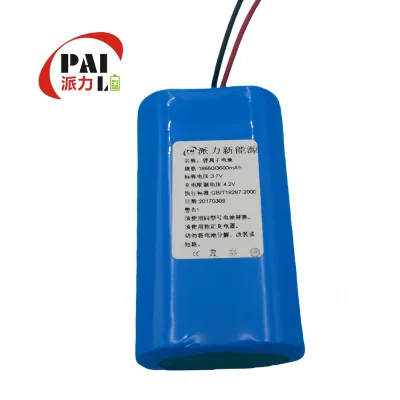
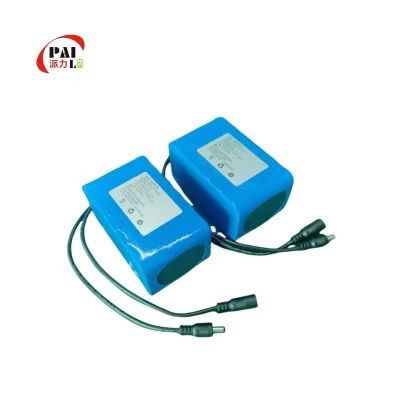
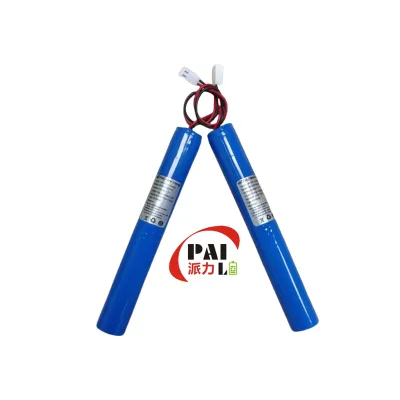
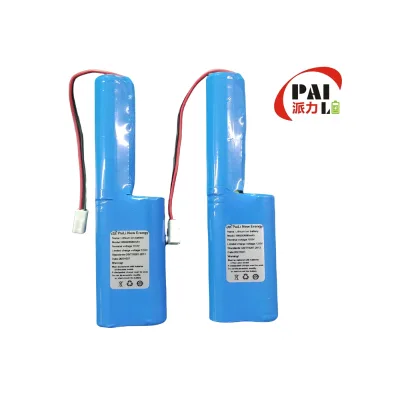
Guangdong Paili New Energy Co., Ltd.
- Manufacturer, Trading Company
- Guangdong, China
- Lead time30 days
- Avg. response≤ 1h
Main productsLi-ion batteries,lithium batteries,Li-polymer batteries,LiFePO4 batteries,Battery chargers
Main marketsNorthern Europe(20.00%), Central America(20.00%), Oceania(15.00%), South America(15.00%), Southeast Asia(10.00%), North America(10.00%), Eastern Asia(10.00%)
Shenzhen Everwin Tech Co., Limited
- Verified by SGS Group
- Manufacturer, Trading Company
- Lead time20 days
- Avg. response≤ 2h
Main productsLithium Batteries, Lithium Ion Batteries, Lithium Iron Phosphate Batteries, Nickel Metal Hydride Batteries, Nickel Cadimium Batteries
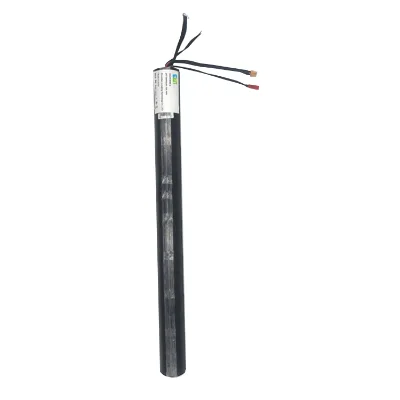
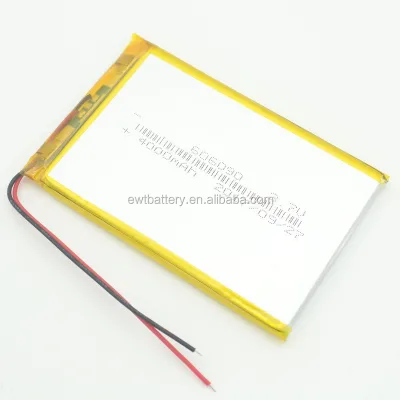
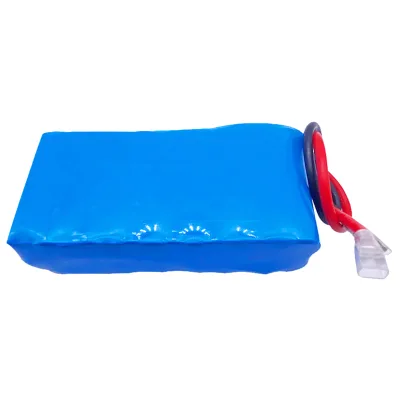
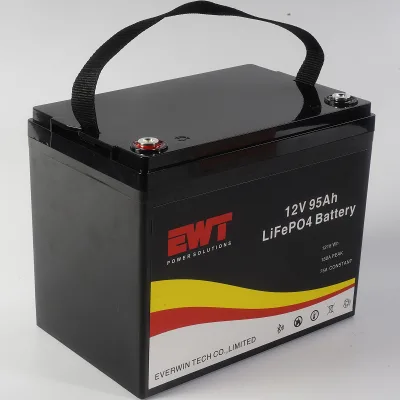
High Power LifePo4 26650 12V 95AH Solar Energy Power Batteries Pack
$155.39 - $165.25
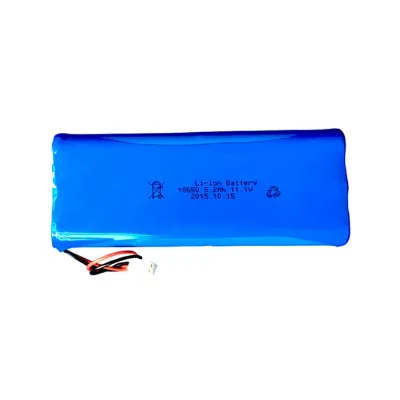
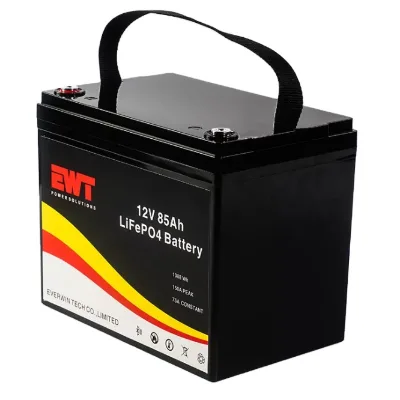
Dongguan Bobes New Energy Technology Co., Ltd.
- Verified by SGS Group
- Manufacturer, Trading Company
- Lead time25 days
- Avg. response≤ 2h
Main productsLithium - ion battery pack, Lithium - ion battery for wheelchair, Lithium - ion battery for AGV AMR, Lithium - ion battery for motorcycle, Energy - storage lithium - ion battery
Main marketsNorth America(25%), Western Europe(20%), Oceania(10%)

Guangzhou LiSheng Electronics Co., Ltd.
- Verified by BV
- Combined
- China Guangdong
- Lead time30 days
- Avg. response≤ 2h
Main productsLithium Battery Pack, LiFePO4 Battery Cells, LiFePO4 Battery Pack, Battery Pack, Rechargeable Battery, Power Bank, LiFePO4 Storage Battery Packs, Lithium Ion Battery Cells, Alkaline Battery AA AAA 9V, Carbon Zinc Battery AA AAA
Main marketsSouth America,Southeast Asia/ Mideast,North America


Customizable Rechargeable Battery Pack with CE Certification Standards
$5.70 - $10.00
MOQ: 5000 Pieces


Shenzhen Hengwangda New Energy Technology Co., Ltd.
- Verified by TüVRheinland
- Manufacturer, Trading Company
- Lead time15 days
- Avg. response≤ 7h
Main productsLithium Lon Batteries, Energy Storage Battery, Inverter, BMS, Solar Batteries
Main marketsEastern Europe(30%), Southeast Asia(30%), Africa(20%)
Hefei Jubao New Energy Technology Co., Ltd.
- Verified by TüVRheinland
- Manufacturer, Trading Company
- Lead time15 days
- Avg. response≤ 4h
Main productsLithium Battery
Main marketsDomestic Market(40%), Southeast Asia(30%), Africa(20%)

Shenzhen Topway New Energy Co., Ltd.
- Manufacturer/Factory
- China Guangdong
- Lead time23 days
- Avg. response≤ 10h
Main productsLife Po4 Battery, Lithium Battery, Energy Storage System, Portable Solar Power Station, Solar Power Generator, LFP Battery, Inverter Battery, Solar Battery, Home Solar Battery, Home Power Battery
Main marketsSouth America,Eastern Europe,Mid East,North America,Southeast Asia,Eastern Asia,Oceania,Western Europe,Africa
Luoyang Apower Imp&exp Co., Ltd.
- Verified by TüVRheinland
- Trading Company
- Lead time15 days
- Avg. response≤ 1h
Main productsLithium Ion Batteries, Lithium Ion Batteries Pack
Main marketsNorth America(25%), Mid East(20%), Eastern Europe(15%)




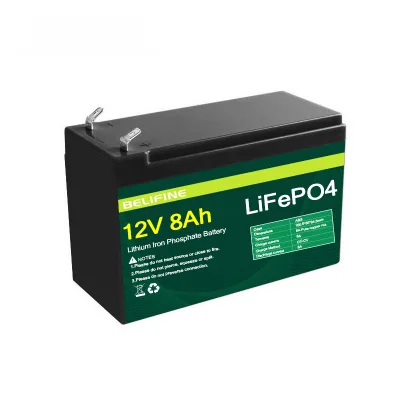
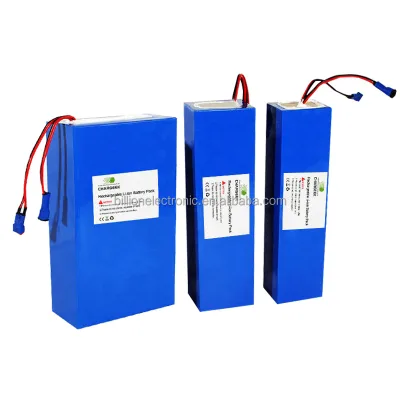
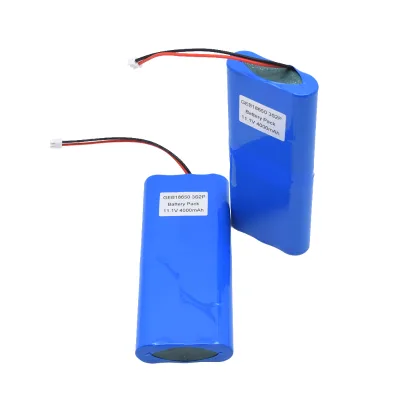
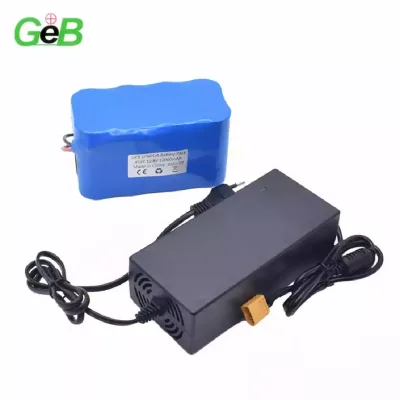


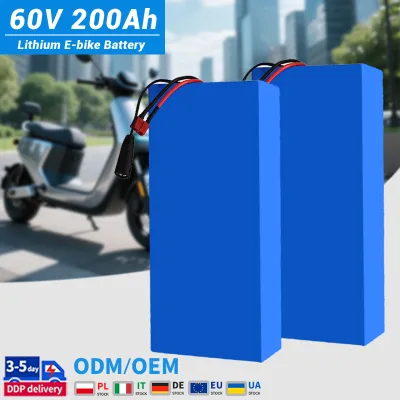
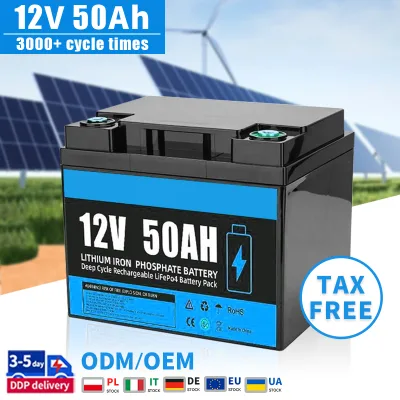
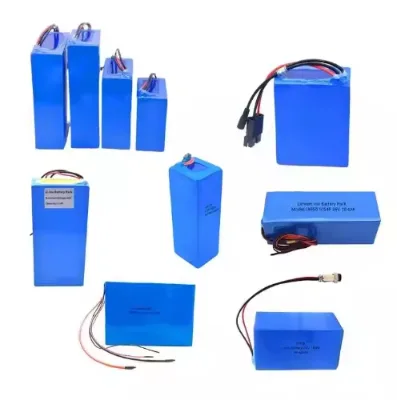
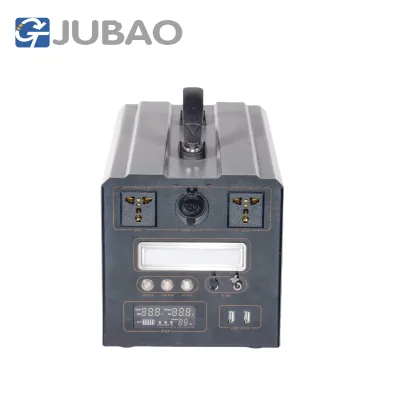


Comprehensive Sourcing Guide
Rechargeable Lithium Battery Pack Supplier Concentration and Factory Types
The current supplier landscape for rechargeable lithium battery packs shows a distinct concentration in China, specifically within the Shandong and Guangdong provinces. Fact-based observations confirm that manufacturers and trading companies are operating from these regions, with Shandong noted for solar system integration and Guangdong appearing in results for diverse applications like e-bikes and power tools. This geographic clustering suggests established supply chains for raw materials and component assembly, yet buyers must verify if a specific factory is located in Dezhou or another specific city within these provinces before assuming local logistics advantages. The data indicates a mix of company types, including direct manufacturers and trading companies, which affects the depth of technical support and customization capabilities available to the buyer.
When evaluating the factory type, it is critical to distinguish between entities that produce the cells and those that merely assemble packs or trade finished goods. Some results list capabilities for both OEM and ODM services, indicating a capacity for custom battery configurations, while others focus on standard products like 48V packs or wheelchair batteries. The presence of ISO 9001 certification in some records provides a baseline for quality management systems, but this does not guarantee that every supplier in the cluster adheres to the same rigorous standards. Buyers should investigate whether the supplier is a factory capable of modifying cathode materials like LCO, NCM, or LFP, or if they are a trading company sourcing from third-party factories, as this distinction directly impacts lead times and the ability to resolve technical defects during production.
How to Verify Rechargeable Lithium Battery Pack Suppliers
Verification of suppliers requires a rigorous check of their stated credentials against independent data points rather than relying solely on marketing claims. The available evidence highlights specific certifications such as ISO 9001, CE, RoHS, and UN38.3, which are essential for lithium battery safety and compliance in international markets. However, not every supplier in the search results displays these certifications, and some may only list general company verification like SGS. Buyers must explicitly request proof of these specific standards for the exact battery model they intend to purchase, as a supplier might be verified for one product line but lack certification for another, particularly when dealing with high-voltage systems or custom configurations.
Response time and verification status are also critical indicators of supplier reliability and operational readiness. Data shows response times varying significantly, with some suppliers responding within minutes while others take longer, which can impact the speed of negotiation and sample approval. A supplier with a verified status and a rapid response time is generally better positioned to handle urgent orders or complex technical queries. Buyers should also look for evidence of established operational history, though specific establishment years are not always provided in the initial results. Instead, request the company's business license and ask for references from previous clients to confirm their longevity and track record in delivering rechargeable lithium battery packs without quality issues.
What to Compare Across Rechargeable Lithium Battery Pack Suppliers
Comparing suppliers requires a systematic analysis of key operational metrics such as lead time, minimum order quantity, and pricing structures. The observed data reveals a wide range in lead times, with some suppliers indicating zero days while others specify thirty days, suggesting differences in inventory levels or production scheduling. Minimum order quantities also vary, with some suppliers accepting orders as low as one set, which is ideal for prototyping or small-scale testing, while others may have higher thresholds for custom manufacturing. Buyers must align these constraints with their own project timelines and budget, ensuring that the selected supplier can meet the required volume without incurring excessive costs or delays.
Pricing and product specifications are equally vital for making an informed comparison. The price range for rechargeable lithium battery packs in the current results spans from approximately ninety-seven dollars to six hundred dollars, depending on capacity, voltage, and customization. Specific attributes like cathode material (LCO, NCM, LFP), warranty periods ranging from five to twenty years, and packaging types (carton box, wooden case) must be compared side-by-side. A lower price might indicate the use of lower-grade materials or a shorter warranty, so buyers should not prioritize cost alone. Instead, they should evaluate the total value proposition, including the battery type, cycle life, and whether the supplier offers acceptable OEM services that match the buyer's specific technical requirements.
Common Rechargeable Lithium Battery Pack Sourcing Risks
One of the primary risks in sourcing rechargeable lithium battery packs is the inconsistency in product specifications and quality grades. The search results show variations in cathode materials and battery types, with some listings specifying LFP while others list LCO or NCM, which have different performance characteristics and safety profiles. There is also evidence of "B Grade" batteries being offered, which may have reduced capacity or cycle life compared to A Grade products. Buyers must explicitly verify the grade and material composition of the batteries they receive to ensure they meet the performance standards required for their application, as misalignment here can lead to premature failure or safety hazards.
Another significant risk involves the reliability of warranty claims and after-sales support. While some suppliers offer warranties up to twenty years, others provide only five years, and the terms of these warranties are often not detailed in the initial product listings. If a battery fails prematurely, the buyer needs to know if the supplier will replace the unit, refund the cost, or provide technical assistance. The lack of standardized warranty terms across different suppliers means that buyers must negotiate these terms clearly before placing an order. Additionally, the risk of shipping damage is heightened by the nature of lithium batteries, which are classified as hazardous materials, so verifying the supplier's packaging standards and compliance with shipping regulations is essential to prevent loss or rejection at customs.
Rechargeable Lithium Battery Pack Regional Sourcing and Logistics
Regional sourcing decisions are heavily influenced by the location of the supplier, with China being the dominant hub for Rechargeable Lithium Battery Pack manufacturing. The specific provinces of Shandong and Guangdong offer distinct logistical advantages, with Shandong often associated with solar energy systems and Guangdong with a broader range of consumer electronics and mobility applications. Buyers should verify the exact city of origin, such as Dezhou, to understand the local infrastructure and proximity to ports, which can affect shipping costs and transit times. While the data confirms these locations, buyers must confirm if the supplier has a physical factory in the stated region or if they are a trading company operating from a different location, as this impacts the authenticity of the origin claim.
Logistics planning must account for the specific packaging and handling requirements of lithium batteries. The observed data indicates that products are shipped in carton boxes with wooden pallets, wooden cases, or wooden boxes, depending on the supplier and product type. These packaging choices are critical for protecting the batteries during transit and ensuring compliance with international shipping regulations for hazardous goods. Buyers should confirm that the supplier uses appropriate packaging to prevent short circuits or damage, especially for larger packs like 15kWh systems. Additionally, the lead time of thirty days observed in some results suggests that production and shipping may be sequential, requiring careful planning to ensure the goods arrive on schedule for the buyer's project timeline.
Rechargeable Lithium Battery Pack Commercial Terms and Order Planning
Commercial terms for rechargeable lithium battery packs must be clearly defined to avoid disputes over pricing, payment, and delivery. The minimum order quantity of one set allows for flexibility in testing, but buyers should be aware that unit prices may increase for smaller orders compared to bulk purchases. Pricing data shows a range from ninety-seven to six hundred dollars, but these figures may not include shipping, taxes, or duties, which can significantly alter the final cost. Buyers should request a detailed quotation that breaks down the product cost, packaging fees, and logistics charges to ensure there are no hidden expenses that could impact the project budget.
Order planning should also consider the customization options and production capacity of the supplier. Many suppliers indicate that customization is available, with options for different voltages, capacities, and battery types, but this often extends the lead time beyond the standard thirty days. Buyers must communicate their specific requirements early in the process to allow the supplier to adjust their production schedule. Furthermore, the response time of the supplier, which can vary from minutes to longer periods, should be factored into the timeline for sample approval and order confirmation. A supplier with a slow response time may delay the entire project, so selecting a partner with a proven track record of quick communication is essential for successful order execution.
FAQs
What is the price range for rechargeable lithium battery packs?
Prices for rechargeable lithium battery packs typically range from $97 to $600 per unit depending on capacity and specifications. Some models are priced at $112 or $180, while others start at $220. Buyers should verify exact pricing based on the specific voltage, capacity, and customization requirements for their project needs.
What certifications are available for these lithium battery packs?
Manufacturers offer various certifications including ISO 9001, CE, RoHS, UN38.3, and MSDS. These documents ensure compliance with international safety and quality standards. Buyers should request specific certification copies to verify that the products meet the regulatory requirements for their target market and intended application.
What is the minimum order quantity for these batteries?
The minimum order quantity is generally one unit or one set for most suppliers. This low MOQ allows buyers to test samples or order small batches. It is advisable to confirm the specific MOQ with the supplier, as some may have different requirements for customized or bulk orders.
Where are these lithium battery packs manufactured?
These rechargeable lithium battery packs are manufactured in China, specifically in regions like Shandong and Guangdong. Suppliers in these areas offer various battery types including LiFePO4 and lithium-ion packs. Buyers can verify the exact place of origin to ensure alignment with their sourcing preferences and logistics planning.
What is the typical lead time for these orders?
Lead times vary by supplier, with some indicating a lead time of 30 days. Other suppliers may have different production schedules. Buyers should confirm the exact lead time with the supplier before placing an order to ensure timely delivery for their specific project timeline and inventory requirements.
What warranty periods are offered for these battery packs?
Warranty periods for these rechargeable lithium battery packs range from 5 years to 20 years. Some suppliers offer a 5-year warranty, while others provide up to 20 years for specific models. Buyers should review the warranty terms carefully to understand coverage and support options.