Recyclable Retort Stand Up Pouch Suppliers and Manufacturers
Compare 25 verified suppliers offering recyclable retort stand up pouches with customizable sizes, up to 10 color printing, and certifications like ISO and BRC. Review lead times ranging from 18 to 30 days and MOQs starting at 10,000 pieces to source packaging from Guangdong factories.
Updated
Suppliers List

JIANGMEN MST PACKAGING GROUP LIMITED
- Verified by BV
- Trading Company
- China Guangdong
- Lead time30 days
- Avg. response≤ 2h
Main productsPackaging Bag, Box Pouch, Kraft Paper Bag, Paper Bag, Coffee Bag, Plastic Bag, Compostable Bags, Recyclable Bags, Biodegradable Bags, Spout Pouch
Main marketsEurope,Australia,North America

Recyclable Reusable Stand up Coffee Gravure Print Bag Pouch with Zipper
$0.03 - $0.20
MOQ: 10000 Pieces


- Verified by TUVRHEINLAND
- Combined
- China Fujian
- Lead time23 days
- Avg. response≤ 5h
Main productsSpout Pouch, Packaging Film, Chicken Bag, Stand up Pouch, Zipper Bag, Laminate Film, Vacuum Bag, Aluminum Bag, Pet Food Packaging, Quad Pouch
Main marketsSoutheast Asia/ Mideast,Europe,Australia
- Verified by SGS Group
- Trading Company
- Lead time20 days
- Avg. response≤ 4h
Main productsPet Food Bag, Coffee Bag, Spout Pouch, Flat Bottom Bag, Insulated Foil Wrap
Main marketsNorth America(30%), Western Europe(30%), Southeast Asia(15%)

Henan Baolai Packaging Co., Ltd.
- Verified by SGS
- Combined
- China Henan
- Lead time23 days
- Avg. response≤ 2h
Main productsFood Bag, Coffee Bag, Aluminum Bag, Vacuum Bag, Pet Food Bag, Paper Bag, Ziplock Bag, Flat Bottom Bag, Spout Pouch, Stand up Pouch
Main marketsSouth America,Africa,Others(foreignTradeCapacity.exportBusinessCapacityMarketOther),Southeast Asia/ Mideast,Domestic,Europe,Australia,North America


Custom Retort Pouch with Spout Doy Pack Retortable 500ml Stand up Milk Packaging Bag
$0.03 - $0.06
MOQ: 10000 Pieces

Manufacture Milk Plastic Packaging Clear Sealable Stand up High Temperature Retort Pouch
$0.03 - $0.06
MOQ: 10000 Pieces

Other Plastic Packaging High Temperature Bag Package Retort Pouch Packaging
$0.015 - $0.03
MOQ: 10000 Pieces


Wholesale and Printable High Temperature Cooking Packaging Bag Retort Pouch
$0.015 - $0.03
MOQ: 10000 Pieces

Fujian Kaian Packaging Technology Co., Ltd
- Verified by SGS
- Combined
- China Fujian
- Lead time15 days
- Avg. response≤ 4h
Main productsPackaging Film Roll, Stand up Pouch, Three-Side Seal Pouch, Spout Pouch, Fin Seal Pouch, Flat Bottom Pouch, Ziplock Pouch, Quad Pouch, Retort Pouch, Shaped Pouch
Main marketsDomestic

Plastic Liquid Packaging Drinks Packaging Bags Stand up Retort Pouch with Spout
$0.015 - $0.03
MOQ: 30000 Pieces

Plastic Packaging Bag Juice Pouch Beverage Bag Stand up Retort Pouch with Spout
$0.015 - $0.02
MOQ: 30000 Pieces
Dongguan Chuangcai Packaging Materials Co., Ltd.
- Verified by TüVRheinland
- Manufacturer, Trading Company
- Lead time15 days
- Avg. response≤ 2h
Main productsCoffee Bag, Drink Pouch Water Bag, Pet Bag, Mono-Material Recycle Bag, Food Packaging Bag
Main marketsNorthern Europe(15%), North America(10%), Eastern Europe(10%)

Yantai Meifeng Plastic Products Co., Ltd.
- Verified by TUVRHEINLAND
- Combined
- China Shandong
- Lead time23 days
- Avg. response≤ 4h
Main productsStand up Pouch
Main marketsNorth America

Manufacturer Custom Printed Wet Food Packaging Bag Durable & Recyclable Retort Pouch
$0.02 - $0.029
MOQ: 60000 Pieces

$0.02 - $0.029
MOQ: 60000 Pieces

Dongguan High Join Packaging Co., Ltd.
- Manufacturer, Trading Company
- Guangdong, China
- Lead time20 days
- Avg. response≤ 2h
Main productsbreastmilk storage bag,microwave sterilizer bag,baby food pouch,milk powder storagebag,retort pouch
Main marketsDomestic Market(56.00%), North America(12.00%), Western Europe(6.00%), Eastern Europe(5.00%), Southeast Asia(4.00%), South America(4.00%), Mid East(4.00%), South Asia(3.00%), Northern Europe(2.00%), Southern Europe(2.00%), Africa(2.00%)

Kazuo Beiyin Paper and Plastic Packing Co., Ltd.
- Verified by CTI
- Combined
- China Hebei
- Lead time23 days
- Avg. response≤ 2h
Main productsFlexible Packaging, Stand up Pouches, Food Packaging, Coffee Packaging, Snack Packaging, Mylar Bags, Roll Film, Spouted Pouches, Flat Bottom Bags, Packaging Bags
Main marketsSouth America,Africa,Southeast Asia/ Mideast,Europe,Australia,North America

Chaozhou Chaoan District Jinyang Printing Co., Ltd
- Verified by CTI
- Combined
- China Guangdong
- Lead time15 days
- Avg. response≤ 6h
Main productsStand up Pouch, Spout Pouch, Roll Film, Flat Bottom Bag, Zipper Bag, Cup Lid Film
Main marketsDomestic

Wholesale Recyclable Monolayer Stand-up Pouch for Sustainable Packaging
$0.01 - $0.15
MOQ: 20000 Pieces


SHANDONG FUKUN NEW MATERIALS CO., LTD.
- Trading Company,Manufacturer/Factory
- China Shandong
- Lead time30 days
- Avg. response≤ 14h
Main productsCompostable Bag, Biodegradable Bag, Aprons, Cape, Mailer Bag, Non-Woven Bag, Poop Bag, Garbage Bag, Vest Bag, Carrier Bag
Main marketsSouth America,Eastern Europe,Mid East,North America,Southeast Asia,Eastern Asia,Oceania,Western Europe,Africa


Fully Bio Stand up Pouches with Zipping, Resealable Eco Bag for Snacks
$12500.00 - $16870.00
MOQ: 1 Tons
Huizhou Xindingli Pack Co., Ltd.
- Manufacturer, Trading Company
- Lead time旺季: "1 - 500":7,"501 - 5000":15,"5001 - 50000":21,"> 50000":"To be negotiated", 淡季: "1 - 500":7,"501 - 5000":15,"5001 - 50000":21,"> 50000":"To be negotiated"
- Avg. response≤ 2h
Main productsPlastic Packaging Bags
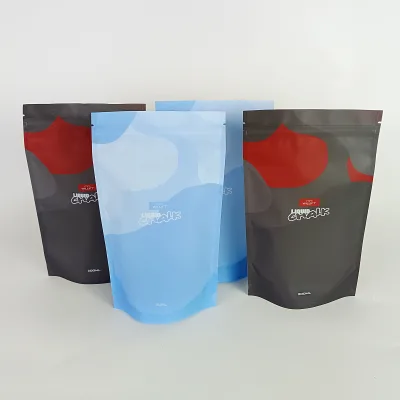
100% Recyclable Custom PE/PE Stand up Zipper Pouch Food Package Reusable Lock Packaging Bag
$0.05 - $0.50
MOQ: 500 Minimum
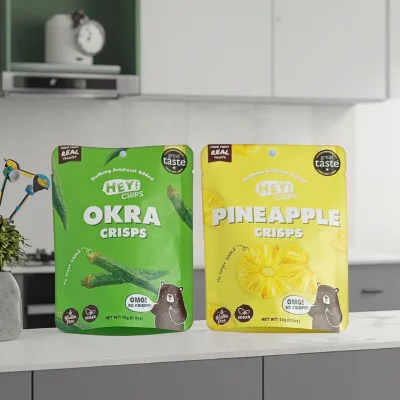
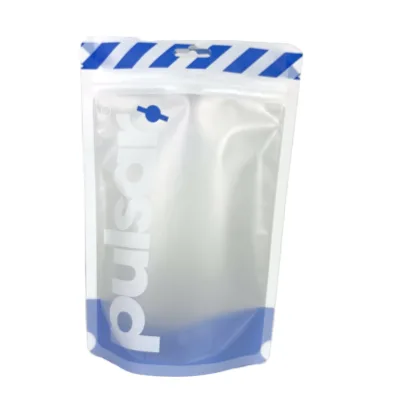
$0.05 - $0.50
MOQ: 500 Minimum

- Verified by SGS
- Trading Company
- China Hebei
- Lead time15 days
- Avg. response≤ 1h
Main productsStand up Pouch, Mylar Bag, Food Packaging Bag, Coffee Packaging Bag, Pet Food Bags, Stand up Bag, Aluminium Foil Bag, Pet Food Packaging Bag, Square Bottom Bag, Side Gusset Bag
Main marketsEurope,North America
Hangzhou Tonchant Eco Friendly Technology Co., Ltd.
- Manufacturer, Trading Company
- Lead time旺季: "1 - 2000":7,"2001 - 5000":15,"> 5000":"To be negotiated", 淡季: "1 - 2000":7,"2001 - 5000":15,"> 5000":"To be negotiated"
- Avg. response≤ 2h
Main productsDrip Coffee Filter, Packaging Bag, Coffee Filter Paper, Empty Tea Bag, Coffee
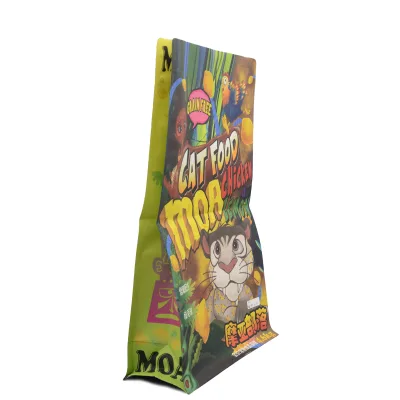
$0.40 - $0.70
MOQ: 1000 pieces
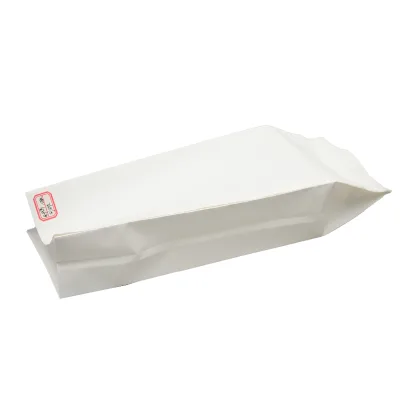
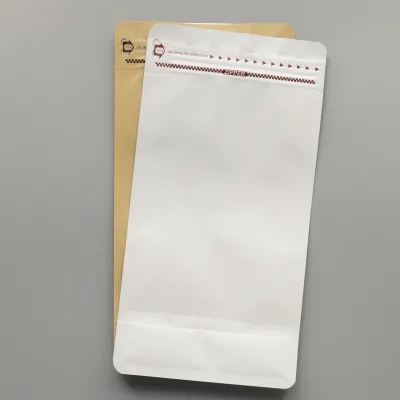
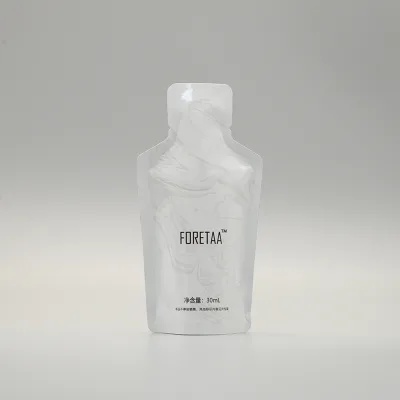
Custom Size Beverage Pouch Liquid Pouch Peelable Stand-up Bag for Drink Easy Use
$0.02 - $0.04
MOQ: 1000 pieces

Cangzhou Zhonghua Packaging Co., Ltd.
- Manufacturer, Trading Company
- Hebei, China
- Lead time15 days
- Avg. response≤ 2h
Main productsFood Vacuum Bag,Aluminum Foil Bag,Zipper Bag,Custom Printing Bag,Mylar Bag
Main marketsDomestic Market(60.00%), North America(10.00%), Oceania(5.00%), Southeast Asia(5.00%), Western Europe(5.00%), Southern Europe(5.00%), South Asia(5.00%), Eastern Europe(2.00%), Mid East(2.00%), Central America(1.00%)

Tianjin Xiezuo Trading Co., Ltd.
- Verified by SGS
- Trading Company
- China Tianjin
- Lead time15 days
- Avg. response≤ 7h
Main productsPaper and Plastic Packaging
Main marketsNorth America

Lianyungang Yuede Packaging New Materials Co., Ltd.
- Verified by TUVRHEINLAND
- Combined
- China Jiangsu
- Lead time30 days
- Avg. response≤ 3h
Main productsPackaging Materials
Main marketsNorth America

- Manufacturer, Trading Company
- Guangdong, China
- Lead time15 days
- Avg. response≤ 2h
Main productsfood bag,ziplock bag,aluminum foil bag,PU leather bag,paper products
Main marketsEastern Asia(20.00%), North America(20.00%), South America(15.00%), Western Europe(15.00%), Northern Europe(10.00%), Mid East(5.00%), Oceania(5.00%), Central America(2.50%), Africa(2.00%), Domestic Market(1.50%), Southeast Asia(1.00%), South Asia(1.00%), Southern Europe(1.00%), Eastern Europe(1.00%)
Shenzhen Ipak Packaging Co., Ltd.
- Trading Company
- Guangdong, China
- Lead time15 days
- Avg. response≤ 2h
Main productsMylar Bag, Stan Up Pouch, Coffee Bag, Spout Pouch, Pet Food Bag
Main marketsNorth America(27.00%), Eastern Europe(21.00%), South America(10.00%), Oceania(10.00%), Western Europe(7.00%), Northern Europe(7.00%), Southeast Asia(7.00%), Southern Europe(3.00%), Eastern Asia(3.00%), Africa(3.00%), South Asia(2.00%)
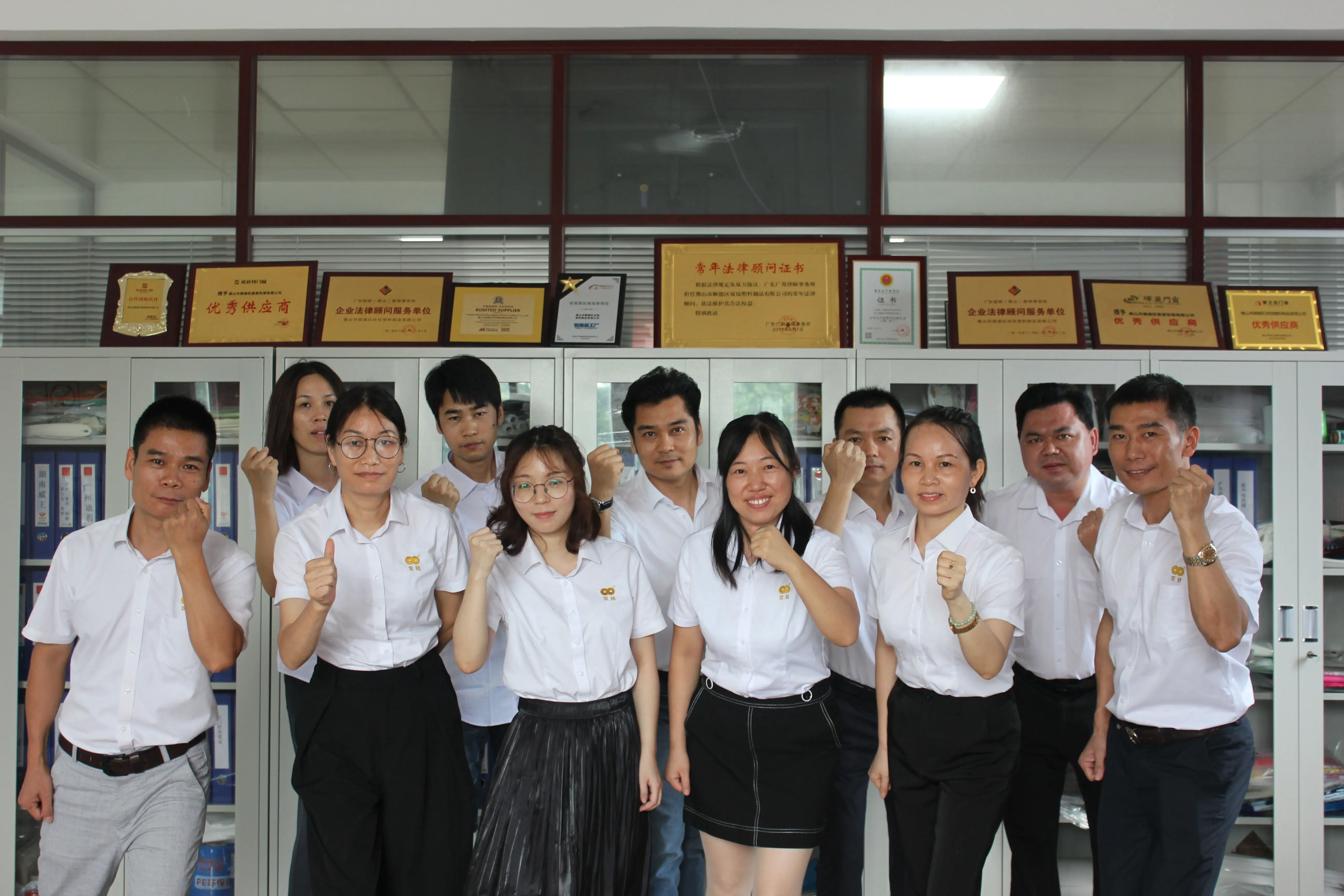
Foshan City Shunde District Shuangqian Plastic Products Co., Ltd.
- Manufacturer, Trading Company
- Guangdong, China
- Lead time15 days
- Avg. response≤ 3h
Main productsShrink Film,Aluminum Foil Bag,Laminating bags,Vacuum Bag,Food Bag
Main marketsSoutheast Asia(30.00%), Eastern Europe(20.00%), Africa(15.00%), South America(15.00%), Western Europe(10.00%), North America(10.00%)
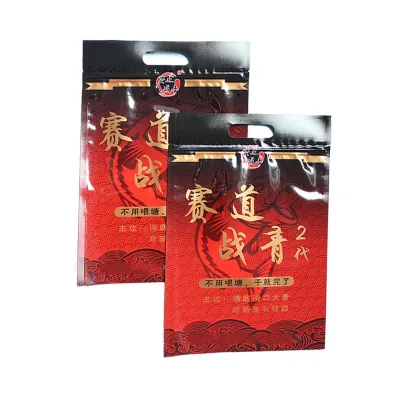
Recyclable Resealable Aluminum Foil Plastic Packaging 3 Side Seal Portable Pouch Mylar Bags
$0.01 - $0.05
MOQ: 1000 Minimum

Best Zaza (xiamen) Industrial & Trade Co., Ltd.
- Manufacturer
- Fujian, China
- Lead time30 days
- Avg. response≤ 1h
Main productsFood packaging,Paper packaging,biodegradable packaging,plastic packaging
Main marketsDomestic Market(40.00%), North America(10.00%), Eastern Europe(10.00%), South America(10.00%), Southeast Asia(5.00%), Southern Europe(5.00%), Northern Europe(5.00%), Western Europe(5.00%), Eastern Asia(5.00%), Mid East(5.00%)

Hipanda Packaging Technology Co., Ltd.
- Verified by CTI
- Combined
- China Henan
- Lead time15 days
- Avg. response≤ 7h
Main productsChicken Food Bag, Plastic Packaging Bag
Main marketsAfrica,East Asia(Japan/ South Korea),Europe,Australia,North America


Food Safe Recyclable Bottom Gusset Stand up Pouches for Snack Industry
$0.02 - $0.10
MOQ: 10000 Pieces

Eco-Conscious Recyclable Stand up Pouches with Bottom Gusset for Snacks
$0.02 - $0.10
MOQ: 10000 Pieces


Guangdong Min Sun Environmental Protection Packaging Technology Co., Ltd.
- Verified by SGS
- Manufacturer
- China Guangdong
- Lead time15 days
- Avg. response≤ 2h
Main productsPlastic Packaging Products, Printed Plastic Products, Film Rolls, Laminated Plastic Packaging Products, Food Packaging Bag, Industry Packaging Bag, Medicine Use Packaging Bag, Shrink Label, Gravure Printing Products, Custom Packaging Service
Main marketsEurope,North America

- Manufacturer, Trading Company
- Guangdong, China
- Lead time25 days
- Avg. response≤ 2h
Main productsPlastic Packaging Products,Recyclable and Compostable Packaging Products
Main marketsDomestic Market(39.00%), North America(35.00%), Africa(8.00%), Southeast Asia(5.00%), Oceania(3.00%), Mid East(2.00%), South America(1.00%), South Asia(1.00%), Southern Europe(1.00%), Northern Europe(1.00%), Central America(1.00%), Western Europe(1.00%), Eastern Asia(1.00%), Eastern Europe(1.00%)
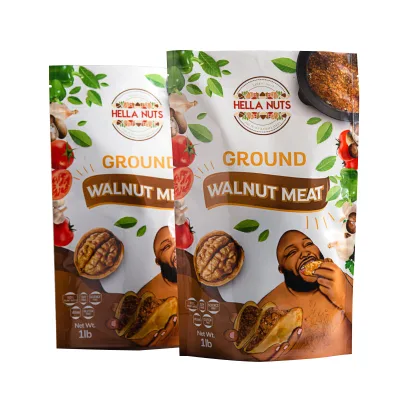
Custom Printing Coffee Packaging Recyclable Stand up Bag With Pcr Material Cookie Bag
$0.01 - $0.06
MOQ: 10000 pieces
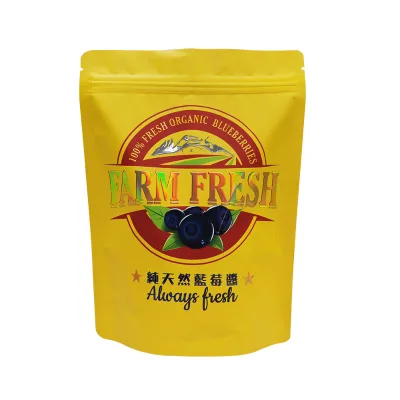
Custom Printed Resealable Stand up Pouch for Food/Coffee | PE Bag with UV & Foil Stamping
$0.01 - $0.05
MOQ: 500 pieces
Dongguan Zhiye Packing Co., Ltd.
- Verified by SGS Group
- Manufacturer, Trading Company
- Lead time3 days
- Avg. response≤ 4h
Main productsSelf Adhesive Stickers, Packaging Bags, Roll Film, Heat Shrink Film Sleeves Stickers
Main marketsDomestic Market(45%), North America(20%), Western Europe(15%)




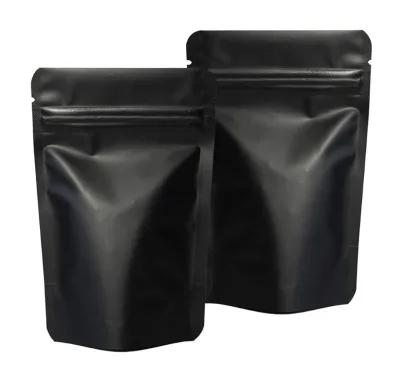
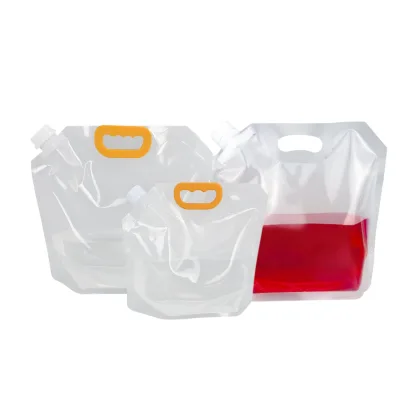
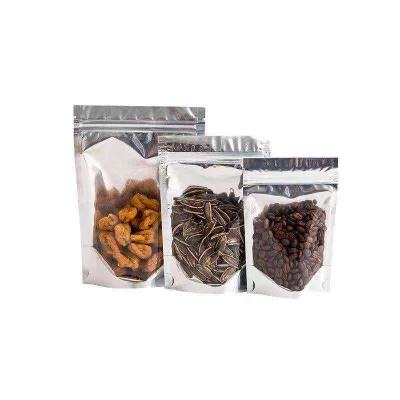


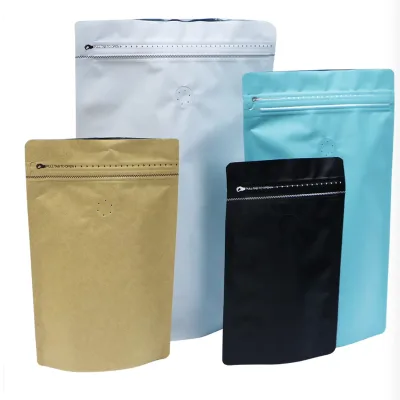



Comprehensive Sourcing Guide
Recyclable Retort Stand Up Pouch Supplier Concentration and Factory Types
The current supplier landscape for recyclable stand up pouches shows a distinct concentration in China, specifically within the Guangdong region. This geographic clustering is significant because Guangdong serves as a major hub for packaging manufacturing, offering established supply chains for raw materials such as PET, aluminum, and PE. Buyers evaluating suppliers should note that the predominant company type observed is the Trading Company rather than direct factories. This distinction is crucial for procurement strategy, as trading companies often aggregate products from multiple smaller manufacturers or specialize in specific niches like coffee bags and compostable packaging. The presence of these trading entities suggests that buyers may have access to a wider variety of product styles, including gravure printed bags and custom logo designs, without necessarily dealing directly with the production floor. However, this structure also implies an additional layer in the supply chain that can impact communication speed and cost transparency.
Understanding the factory type helps buyers set realistic expectations for customization and quality control. Since many listed entities are trading companies, they may rely on third-party verification badges, such as BV, to establish credibility. This verification process is a key indicator of a supplier’s legitimacy, even if they do not own the manufacturing equipment themselves. Buyers should investigate whether the trading company has direct partnerships with certified factories or if they are merely reselling generic stock. The main products listed often include recyclable bags, kraft paper bags, and spout pouches, indicating that these suppliers are versatile in handling different packaging formats. This versatility can be advantageous for buyers seeking a single source for multiple packaging needs, but it requires careful vetting to ensure that the specific recyclable retort capabilities are genuine and not just marketing claims. The concentration in Guangdong also means that logistics infrastructure is likely robust, facilitating easier export processes for international buyers.
How to Verify Recyclable Retort Stand Up Pouch Suppliers
Verification is the most critical step in ensuring that a supplier can deliver high-quality recyclable stand up pouches that meet specific functional requirements. Buyers should prioritize suppliers who display third-party verification badges, such as BV, as these indicate that an independent agency has audited the company’s business operations. Beyond basic verification, it is essential to check for relevant industry certifications that validate the material’s safety and recyclability. Some suppliers list certifications such as ISO9001, ISO22000, BRC, and HACCP, which are vital for food-grade packaging applications. These certifications ensure that the manufacturing process adheres to strict hygiene and quality management standards. Buyers must request copies of these certificates and verify their validity through the issuing bodies, as displayed badges alone are not sufficient proof of compliance. Additionally, looking for specific material structure details, such as PET/Al/PE combinations, can help confirm the supplier’s technical capability to produce barrier-resistant pouches suitable for retort processes.
Another key aspect of verification is assessing the supplier’s responsiveness and sample availability. A response time of under two days, such as the observed 1.89 hours, indicates a professional and attentive sales team that can address technical queries promptly. Buyers should always request samples before placing bulk orders to physically inspect the pouch’s seal integrity, zipper functionality, and print quality. The availability of samples is a strong positive signal, as it shows the supplier is confident in their product. Furthermore, buyers should inquire about the customization options available, such as logo printing, size adjustments, and color limits. Suppliers that offer up to ten colors and custom sizes demonstrate flexibility and advanced printing capabilities. It is also important to verify the origin of the products, ensuring they are made in regions like Guangdong, China, where packaging expertise is concentrated. By combining certification checks, sample evaluations, and responsiveness assessments, buyers can build a reliable shortlist of suppliers who are capable of meeting their specific recyclable retort pouch requirements.
What to Compare Across Recyclable Retort Stand Up Pouch Suppliers
When evaluating multiple suppliers, buyers must compare key operational metrics to determine the best fit for their business needs. One of the most significant factors is the minimum order quantity, or MOQ. In the current market, MOQs for these pouches typically start at 10,000 pieces, with some suppliers requiring up to 20,000 pieces. This high MOQ can be a barrier for small businesses or those testing new product lines, so buyers should identify suppliers who offer lower thresholds or flexible terms. Lead times are another critical comparison point, with observed delivery details ranging from 18 to 25 days. Buyers should calculate how these lead times align with their inventory planning and seasonal demand spikes. Suppliers who can consistently meet shorter lead times may offer a competitive advantage in terms of supply chain agility. Additionally, comparing the price ranges is essential, as costs can vary significantly based on material complexity and customization levels. Prices for similar pouches can range from $0.01 to $0.50 per unit, depending on factors like printing colors and material structure.
Beyond operational metrics, buyers should compare the specific features and customization options offered by each supplier. Some suppliers provide advanced features such as one-way degassing valves, tin ties, and zip locks, which are essential for certain product types like coffee or snacks. The ability to accept custom designs and logos is a standard expectation, but the quality of printing and the number of colors supported can vary. Buyers should also look at the product attributes, such as moisture proofing, antistatic properties, and bio-degradable characteristics, to ensure they match their product’s preservation needs. The material structure, whether it is high-pressure polyethylene or a composite like PET/Al/PE, will directly impact the pouch’s barrier performance and recyclability. Suppliers that offer clear specifications for these attributes are easier to evaluate and compare. Finally, buyers should consider the price terms, such as CIF or FOB Jiangmen, as these affect the total landed cost and logistics responsibility. By systematically comparing MOQs, lead times, prices, and technical features, buyers can make informed decisions that balance cost, quality, and supply chain efficiency.
Common Recyclable Retort Stand Up Pouch Sourcing Risks
Sourcing recyclable stand up pouches comes with several inherent risks that buyers must actively manage to avoid supply chain disruptions. One major risk is the discrepancy between claimed recyclability and actual material composition. While many suppliers advertise their products as recyclable or bio-degradable, the presence of aluminum layers, such as in PET/Al/PE structures, can complicate recycling processes. Buyers must verify the specific material claims and ensure they align with local recycling infrastructure and regulations. Another significant risk is the variability in print quality and color accuracy. Suppliers offering up to ten colors may struggle with consistency across large batches, leading to brand identity issues. Buyers should request pre-production samples and approve proofs before authorizing mass production to mitigate this risk. Additionally, the reliance on trading companies can introduce communication gaps, as information may be distorted between the buyer, the trader, and the actual factory. This can lead to misunderstandings regarding specifications, delivery dates, and quality standards.
Quality control is another area where risks often emerge, particularly regarding seal integrity and zipper functionality. Poorly sealed pouches can lead to product spoilage, especially for moisture-sensitive items like coffee or snacks. Buyers should ensure that suppliers have robust quality assurance processes in place, such as regular testing for moisture proofing and shock resistance. The lack of standardized certifications across all suppliers is also a risk, as some may display badges without valid underlying documentation. Buyers must independently verify these certifications to avoid compliance issues in their target markets. Furthermore, price fluctuations in raw materials like PET and PE can impact the final cost of the pouches. Suppliers who do not lock in prices or have transparent pricing terms may pass these costs on to buyers unexpectedly. Buyers should also be cautious of suppliers who do not offer clear return or replacement policies for defective goods. By identifying and addressing these risks through thorough due diligence and clear contractual terms, buyers can protect their interests and ensure a smoother sourcing experience.
Recyclable Retort Stand Up Pouch Regional Sourcing and Logistics
The geographic concentration of suppliers in Guangdong, China, offers distinct advantages for sourcing recyclable stand up pouches, particularly regarding logistics and infrastructure. Guangdong is a well-established manufacturing hub with access to major ports, facilitating efficient export operations for international buyers. The presence of trading companies in this region often means they have established relationships with freight forwarders, which can streamline the shipping process. Buyers should leverage this logistical advantage by negotiating favorable shipping terms, such as CIF or FOB Jiangmen, to manage their transportation costs. The proximity to raw material suppliers in the region can also reduce lead times for production, as materials do not need to be transported from distant locations. However, buyers must be aware of potential logistical bottlenecks, such as port congestion or seasonal shipping delays, which can impact delivery schedules. Planning for these variables by building buffer time into the supply chain is essential to maintain inventory levels.
Logistics planning also involves understanding the packaging and handling requirements for the pouches themselves. Suppliers typically pack the products in PE bags, cartons, and pallets to ensure safe transit. Buyers should verify that the packaging is robust enough to prevent damage during long-distance shipping, especially for international orders. The weight and volume of the shipments will influence freight costs, so buyers should optimize their order quantities to maximize container utilization. Additionally, buyers should consider the environmental impact of their logistics choices, as sustainability is a key driver for recyclable packaging. Choosing suppliers who use eco-friendly packing materials or offer carbon-neutral shipping options can align with broader corporate sustainability goals. Buyers must also be prepared to handle customs clearance and import duties, which vary by destination country. Working with experienced freight forwarders who specialize in packaging products can help navigate these regulatory complexities. By carefully planning logistics and leveraging the regional strengths of Guangdong, buyers can ensure timely and cost-effective delivery of their recyclable stand up pouches.
Recyclable Retort Stand Up Pouch Commercial Terms and Order Planning
Effective order planning for recyclable stand up pouches requires a clear understanding of commercial terms and payment structures. Buyers should prioritize suppliers who offer flexible payment terms and transparent pricing models. The observed price ranges, from $0.01 to $0.50 per unit, highlight the importance of negotiating based on volume and customization complexity. Buyers should request detailed quotations that break down costs for materials, printing, and packaging to avoid hidden fees. It is also crucial to clarify the price terms, such as CIF or FOB, to determine who is responsible for shipping and insurance costs. Suppliers who offer FOB terms may provide more control over logistics, while CIF terms can simplify the process for buyers who prefer a single point of contact. Additionally, buyers should inquire about sample costs and whether they are refundable upon placing a bulk order. This can help reduce upfront expenses and demonstrate the supplier’s commitment to the partnership.
Order planning should also account for the production cycle and delivery schedules. With lead times ranging from 18 to 25 days, buyers must align their orders with their sales forecasts to avoid stockouts or excess inventory. Establishing a consistent ordering rhythm can help suppliers optimize their production schedules and potentially offer better pricing. Buyers should also discuss the process for handling custom designs, including the time required for proofing and approval. Clear communication regarding design specifications, such as logo placement and color codes, is essential to prevent errors in the final product. Furthermore, buyers should establish a quality acceptance criteria and a process for addressing defects or discrepancies. This includes defining the acceptable tolerance for print quality and seal integrity. By developing a comprehensive commercial strategy that includes clear terms, realistic planning, and robust quality controls, buyers can build a reliable and efficient supply chain for their recyclable stand up pouch needs.
FAQs
What is the price range for recyclable stand up pouches?
Prices typically range from $0.01 to $0.50 per unit depending on material structure and customization. Specific recyclable options often fall between $0.03 and $0.30. Costs vary based on printing complexity, size requirements, and order volume. Buyers should request quotes for exact specifications to determine final pricing.
What certifications are available for these packaging bags?
Suppliers offer ISO9001, ISO22000, Brc, and HACCP certifications for food-grade packaging. Some products also carry ISO and Brc compliance. These certifications ensure safety and quality standards for coffee, snacks, and liquid food packaging. Buyers should verify specific certificate validity with the supplier before placing large orders.
What is the minimum order quantity for custom pouches?
The minimum order quantity is generally 10,000 pieces for standard recyclable stand up pouches. Some suppliers require a higher MOQ of 20,000 pieces for specific biodegradable or custom printed options. Buyers should confirm the exact MOQ with the supplier as it depends on the product model and customization level.
How long does delivery take for these orders?
Lead times typically range from 18 to 30 days depending on order quantity and customization. Some suppliers specify a delivery detail of 18-25 days for standard orders. Others may require up to 30 days for complex printing or larger volumes. Buyers should confirm the exact timeline with the supplier before finalizing the purchase.
Can I get samples before placing a bulk order?
Samples are available for most recyclable stand up pouch products. Buyers can request samples to verify material quality, printing accuracy, and sealing performance. Sample availability allows for better decision-making before committing to large orders. Buyers should contact the supplier directly to arrange sample requests and any associated costs.
What customization options are available for these pouches?
Customization includes logo printing, size adjustments, and color options up to ten colors. Buyers can choose from various materials like PET/Al/PE or high-pressure polyethylene. Features like zippers, valves, and tin ties are also customizable. OEM services are available to meet specific branding and functional requirements for different food products.