recyclable waterproof zip-lock pouch Suppliers and Manufacturers
Compare 29 verified suppliers offering recyclable waterproof zip-lock pouches with varying lead times, certifications, and customization options. Review response times and MOQs to select a partner for your specific packaging needs; review the available evidence before requesting comparable quotations from suitable candidates.
Updated
Suppliers List
Xiamen Huli Fengyi Industry Co., Ltd.
- Verified by SGS Group
- Manufacturer, Trading Company
- Lead time20 days
- Avg. response≤ 6h
Main productsZiplock Bag, Compostable Trash Bag, Oven Bag, Cling Film
Main marketsMid East(54%), Western Europe(30%), North America(7%)
Hebei Silu International Trade Co., Ltd.
- Trading Company
- Hebei, China
- Lead time10 days
- Avg. response≤ 3h
Main productsplastic packing bag
Main marketsEastern Europe(20.00%), South Asia(10.00%), Western Europe(10.00%), Eastern Asia(10.00%), Mid East(10.00%), Africa(10.00%), Southeast Asia(10.00%), North America(10.00%), South America(10.00%)

Dongguan Chenghua Industrial Co., Ltd.
- Verified by BV
- Manufacturer/Factory
- China Guangdong
- Lead time23 days
- Avg. response≤ 4h
Main productsZiplock Bag, Biodegradable Bag, Aluminum Bag, Doypack, Zipper Bag, Food Bag, OPP Bags, Plastic Bags, Poly Bags, Specimen Bags
Main marketsSouth America,Eastern Europe,Mid East,North America,Southeast Asia,Eastern Asia,Oceania,Western Europe,Africa


Clear Plastic Seal Zip Lock Poly Bag Reclosable Storages Resealable Ziplock Bag
$0.08 - $0.30
MOQ: 1000 Boxes


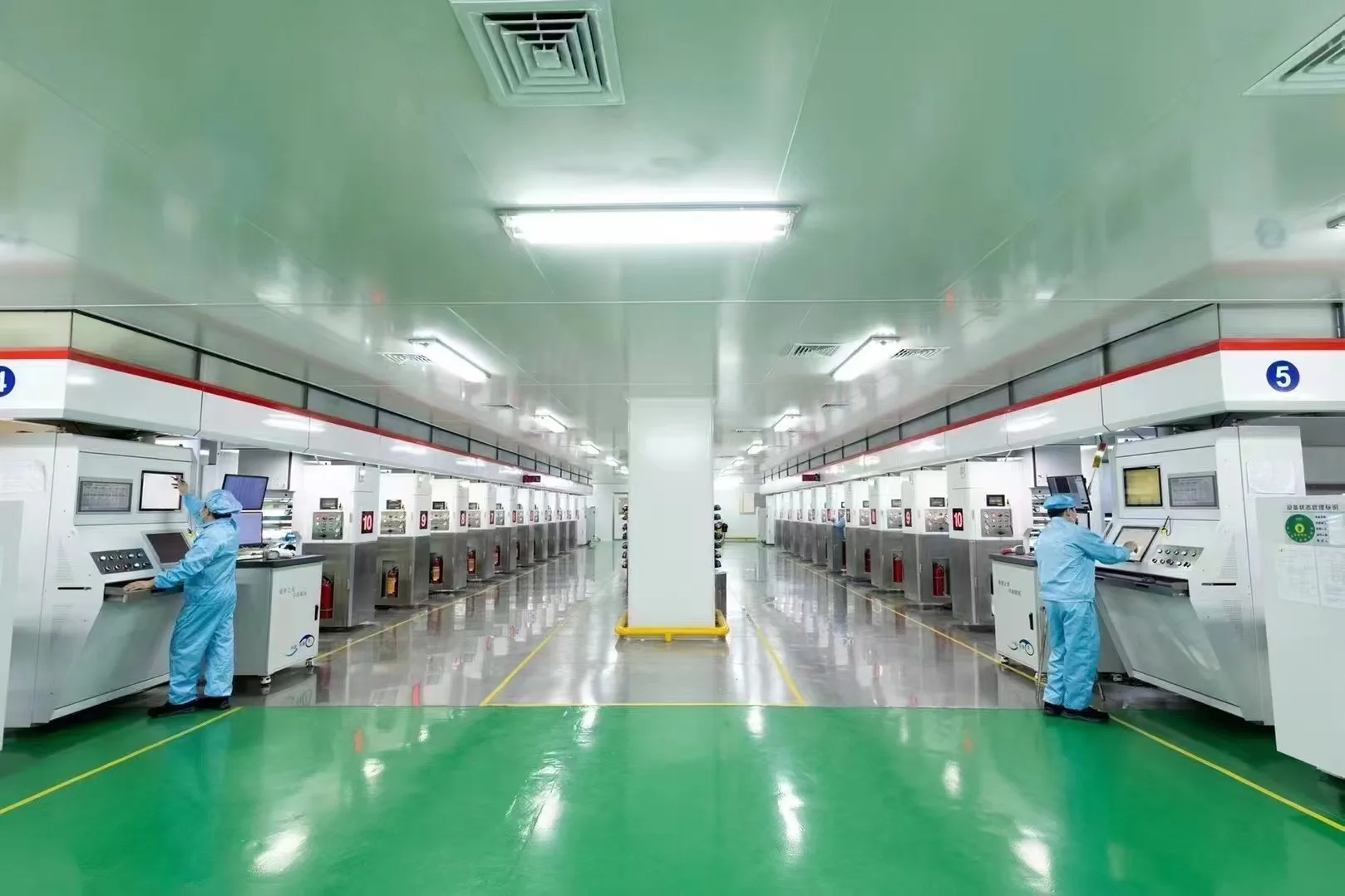
Foshan Shunde District Lijun Jiajia Business Operation Department (individual Business)
- Trading Company
- Guangdong, China
- Lead time7 days
- Avg. response≤ 4h
Main productsPlastic Bag,Food Bag,Ziplock Bag,Kraft Paper Bag,Mailing Bag
Main marketsAfrica(20.00%), Domestic Market(13.00%), North America(12.00%), South America(10.00%), Eastern Europe(10.00%), Southeast Asia(10.00%), Mid East(10.00%), Western Europe(10.00%), Southern Europe(5.00%)
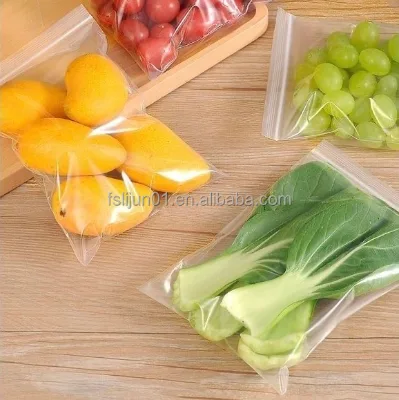
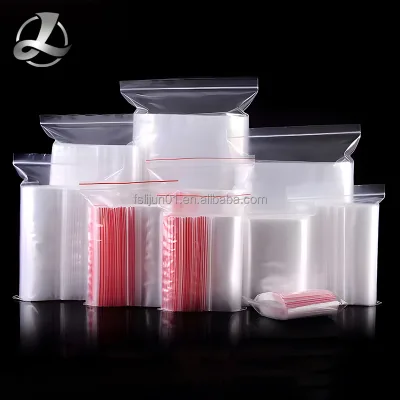
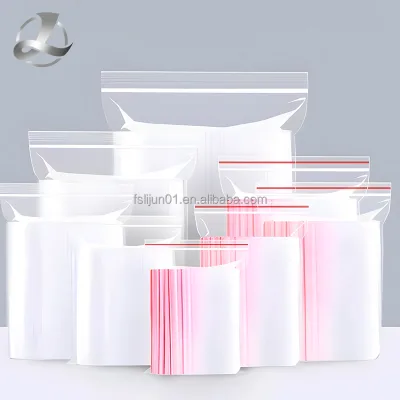

Plastic Ziplock Flat Bottom Matte Mylar Bag Stand up Pouch Bopp Recyclable Accept
$0.007 - $0.03
MOQ: 10000 Minimum
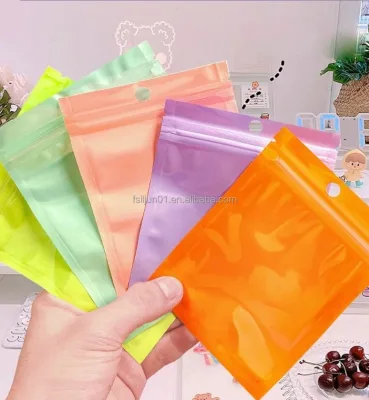

JIANGMEN MST PACKAGING GROUP LIMITED
- Verified by BV
- Trading Company
- China Guangdong
- Lead time30 days
- Avg. response≤ 2h
Main productsPackaging Bag, Box Pouch, Kraft Paper Bag, Paper Bag, Coffee Bag, Plastic Bag, Compostable Bags, Recyclable Bags, Biodegradable Bags, Spout Pouch
Main marketsEurope,Australia,North America
Dongguan Chenghua Industrial Co., Ltd.
- Verified by TüVRheinland
- Manufacturer, Trading Company
- Lead time0 days
- Avg. response≤ 2h
Main productsZiplock Bag, Self Adhesive Bag, Food Bag, T Shirt Bag, Zipper Bag
Main marketsDomestic Market(40%), North America(15%), Africa(10%)
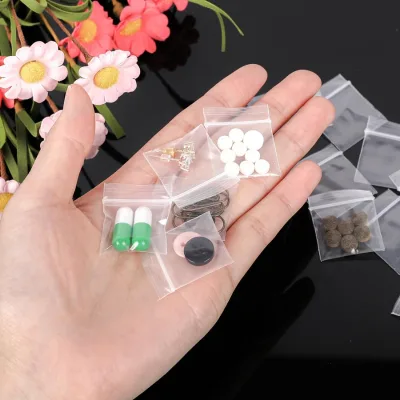
$0.01 - $0.03
MOQ: 1000 pieces
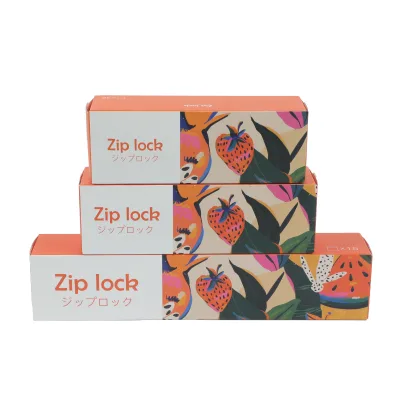
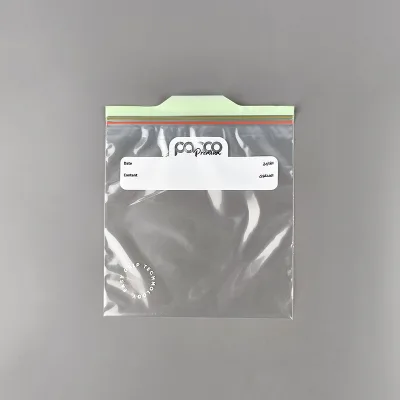
Custom Heavy Duty Ziplock Bags - Leak-proof, Durable, Ideal for Freezer, Travel, and Kitchen Use
$0.01 - $0.04
MOQ: 10000 pieces
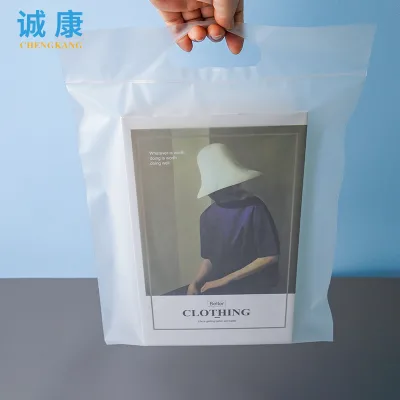

Guangzhou Zheda Trading Co., Ltd.
- Trading Company
- Guangdong, China
- Lead time5 days
- Avg. response≤ 4h
Main productsBOPP Adhesive Tape OEM,Masking Paper,Nano Tape,Aluminum Tape,Stretch Film
Main marketsAfrica(10.00%), Southeast Asia(10.00%), Eastern Europe(10.00%), Mid East(10.00%), South America(10.00%), North America(10.00%), Domestic Market(5.00%), South Asia(5.00%), Oceania(5.00%), Southern Europe(5.00%), Northern Europe(5.00%), Central America(5.00%), Western Europe(5.00%), Eastern Asia(5.00%)

Qingdao Yunrui Plastic Industry Co., Ltd.
- Verified by BV
- Trading Company
- China Shandong
- Lead time30 days
- Avg. response≤ 6h
Main productsPlastic Bag, Vacuum Bag, Self Standing and Self Sealing Bag, Liquid Bag, Coffee Bag, Aluminum Foil Bag, Kraft Paper Bag, Aluminum Plated Bag, Retort Pouch, Eight Sided Sealing Bag
Main marketsSoutheast Asia/ Mideast,East Asia(Japan/ South Korea),Europe,Australia,North America
Linyi Guangji Plastic Tarpaulin Co., Ltd.
- Manufacturer, Trading Company
- Shandong, China
- Lead time20 days
- Avg. response≤ 6h
Main productsTarpaulin,PE Tarpaulin,Tarpaulin Covers,tarpaulin roll,tarpaulin bag
Main marketsWestern Europe(12.50%), Eastern Asia(12.50%), Mid East(12.50%), Africa(12.50%), Southeast Asia(12.50%), Eastern Europe(12.50%), South America(12.50%), North America(12.50%)

Chaozhou Jiayin Packaging Co., Ltd.
- Verified by BV
- Combined
- China Guangdong
- Lead time23 days
- Avg. response≤ 3h
Main productsStand up Pouch, Coffee Bag, Zipper Bag, Spout Pouch, Ziplock Bag, Drinking Bag, Printed Roll Film
Main marketsDomestic

Plastic Zip Lock Gift Bag Recyclable Zipper Bag Wholesale Food Packaging Bag Waterproof Coffee Bag
$0.01 - $0.50
MOQ: 2000 Pieces

$0.01 - $0.50
MOQ: 2000 Pieces

Pet Bag Zipper Bag Ziplock Bag Recyclable Material Export Standard Pouch Bag
$0.10 - $0.50
MOQ: 10000 Pieces

Waterproof Gift Bag Zip Lock Plastic Bag Food Packaging Coffee Gift Storage Pouches
$0.01 - $0.50
MOQ: 2000 Pieces

Resealable Packaging Bag with Zip Lock Coffee Packing Zipper Bag Custom Stand up Pouch Bag
$0.10 - $0.50
MOQ: 10000 Pieces

Tianjin Xiezuo Trading Co., Ltd.
- Verified by SGS
- Trading Company
- China Tianjin
- Lead time15 days
- Avg. response≤ 7h
Main productsPaper and Plastic Packaging
Main marketsNorth America
Shandong Shunboer Plastic Co., Ltd.
- Trading Company
- Shandong, China
- Lead time35 days
- Avg. response≤ 6h
Main productsstretch film,disposal glove,plastic bag,food box,aluminum foil
Main marketsDomestic Market(20.00%), Southeast Asia(15.00%), South America(12.00%), Mid East(10.00%), Southern Europe(10.00%), Western Europe(10.00%), Eastern Europe(10.00%), North America(5.00%), Africa(5.00%), Eastern Asia(3.00%)

Lianyungang Yuede Packaging New Materials Co., Ltd.
- Verified by TUVRHEINLAND
- Combined
- China Jiangsu
- Lead time30 days
- Avg. response≤ 3h
Main productsPackaging Materials
Main marketsNorth America

Hangzhou HengYi Packaging Material Co., Ltd.
- Verified by BV
- Combined
- China Zhejiang
- Lead time15 days
- Avg. response≤ 4h
Main productsPE Flat Bags, PE Film Rolls, LDPE Poly Tubing, Ziplock Bags, Slider Zipper Bags, Custom Printed PE Bags, Die Cut Shopping Bags, Industrial Packaging Bags, Apparel Packaging Bags, Carton Liner Bags
Main marketsNorth America


Support Custom Eco-Friendly Zip Lock Bag Custom Printed Bags Waterproof Zipper Bags
$0.01 - $0.03
MOQ: 10000 Pieces

Shenzhen Rundongyang Plastic Hardware Co., Ltd.
- Verified by SGS
- Manufacturer/Factory
- China Guangdong
- Lead time23 days
- Avg. response≤ 4h
Main productsStand up Pouch, Mailing Bag, Clothing Zipper Bag, Breast Milk Storage Bag, Pet Poop Bag
Main marketsSouth America,Eastern Europe,Mid East,North America,Southeast Asia,Oceania,Western Europe


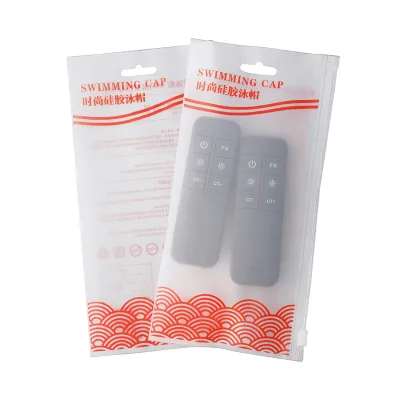
Custom Print Sustainable Waterproof Clear PE Swimwear Frosted Zip Lock Bag
$0.03 - $0.05
MOQ: 40000 Pieces
Anhui Zehong Plastic Industry Co., Ltd.
- Manufacturer, Trading Company
- Lead time旺季: "1 - 10000":31,"> 10000":"To be negotiated", 淡季: "1 - 10000":31,"> 10000":"To be negotiated"
- Avg. response≤ 2h
Main productsPaper Bags, Paper Box, Paper Accessories, Mailing Bag, Ziplock Bags
Dongguan Pinnuosheng Packaging Materials Co., Ltd.
- Verified by Intertek
- Manufacturer, Trading Company
- Lead time15 days
- Avg. response≤ 2h
Main productsShrink Film, BOPP Film, Composite Film, Adhesive Tape, Plastic Bag
Main marketsNorth America(20%), South America(13%), Mid East(10%)
Qingdao Huahongxing Plastic Co., Ltd.
- Verified by Intertek
- Manufacturer, Trading Company
- Lead time25 days
- Avg. response≤ 7h
Main productsZipper Bags, Flexible Pouches, Lamination Film, Slider Bag, Co-Extrusion Film
Main marketsNorth America(38%), Domestic Market(35%), Oceania(10%)
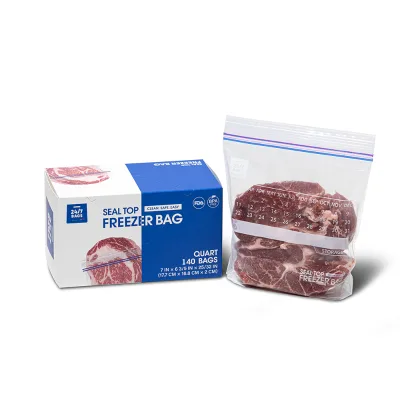
Reusable Extra Large Heavy Duty One Gallon Plastic Zip Lock Poly Plastic Bags for Food
$0.06 - $0.09
MOQ: 10000
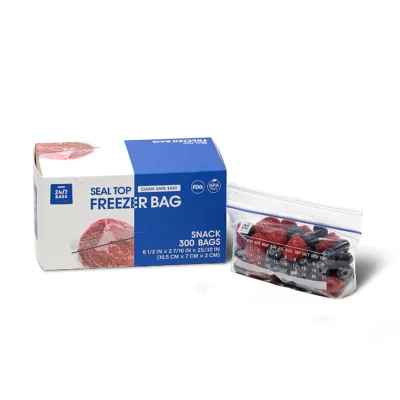
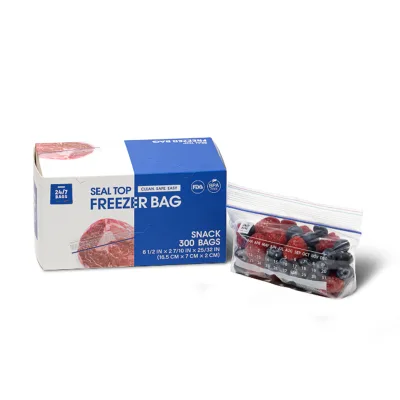
Reusable Plastic Snack Gallon Food Storage Coloured Ziplock Reusable Bags Price
$0.06 - $0.09
MOQ: 10000
Dongguan Ruitai Packaging Technology Co., Ltd.
- Manufacturer
- Guangdong, China
- Lead time15 days
- Avg. response≤ 6h
Main productsBiodegradable Bag,100% Recycled Bag,PE Plastic Bag,PLA+PBAT+CORN STARCH
Main marketsDomestic Market(30.00%), North America(25.00%), South America(20.00%), Southeast Asia(10.00%), Eastern Europe(5.00%), Mid East(5.00%), Africa(5.00%)
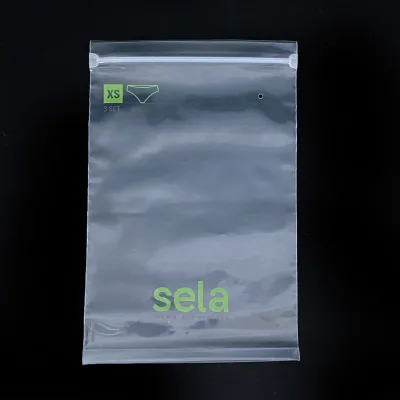
Cute Ziplock bag Ziplock Plastic Plastic Resealable Custom Packaging of Clothing pe Garment
$0.01 - $0.04
MOQ: 500 pieces
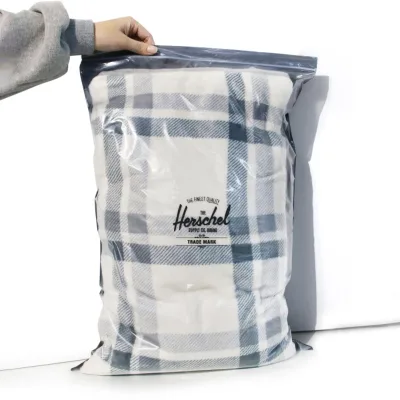
Personalized Ziplock bag Transparent Ziplock Plastic Plastic Wholesale Plastic Seal Packaging
$0.01 - $0.04
MOQ: 500 pieces

Kazuo Beiyin Paper and Plastic Packing Co., Ltd.
- Verified by CTI
- Combined
- China Hebei
- Lead time23 days
- Avg. response≤ 2h
Main productsFlexible Packaging, Stand up Pouches, Food Packaging, Coffee Packaging, Snack Packaging, Mylar Bags, Roll Film, Spouted Pouches, Flat Bottom Bags, Packaging Bags
Main marketsSouth America,Africa,Southeast Asia/ Mideast,Europe,Australia,North America

Qingdao Huarey Industry Co., Ltd.
- Verified by TUVRHEINLAND
- Combined
- China Shandong
- Lead time30 days
- Avg. response≤ 5h
Main productsGarbage Bag, T-Shirt Bag, Bag on Roll, Zip Lock Bag, Dog Waste Bag, Dog Poop Bag, Compostable Bag, Cling Film, Bowl Cover, PE Gloves - Aprons
Main marketsSouth America,Africa,Europe,Australia,North America

Guangdong Min Sun Environmental Protection Packaging Technology Co., Ltd.
- Verified by SGS
- Manufacturer
- China Guangdong
- Lead time15 days
- Avg. response≤ 2h
Main productsPlastic Packaging Products, Printed Plastic Products, Film Rolls, Laminated Plastic Packaging Products, Food Packaging Bag, Industry Packaging Bag, Medicine Use Packaging Bag, Shrink Label, Gravure Printing Products, Custom Packaging Service
Main marketsEurope,North America

QINGDAO SHIYUKUN NEW MATERIALS TECHNOLOGY CO., LTD.
- Verified by BV
- Trading Company
- China Shandong
- Lead time30 days
- Avg. response≤ 1h
Main marketsDomestic

Wholesales Ziplock Clear PE Waterproof Bag Storage Package Resealable Customize Designed
$1800.00 - $4000.00
MOQ: 2 Tons

Hangzhou Cullshare Trading Co., Ltd.
- Trading Company
- Zhejiang, China
- Lead time15 days
- Avg. response≤ 2h
Main productsPackage pouch,Paper box,Package Bag,Printed package,Sports water bag
Main marketsNorthern Europe(40.00%), Mid East(20.00%), Western Europe(10.00%), Eastern Europe(10.00%), Oceania(10.00%), Domestic Market(5.00%), North America(5.00%)
Changsha Jianianhua Trading Co., Ltd.
- Verified by Intertek
- Manufacturer, Trading Company
- Lead time0 days
- Avg. response≤ 2h
Main productsFood Packaging Bags, Daily Chemical Packaging Bags, Pet food bags
- Verified by TüVRheinland
- Manufacturer, Trading Company
- Lead time15 days
- Avg. response≤ 3h
Main productsPlastic Bag, Stand Up Pouch, Kraft Paper Pouch, Labels, Paper Box
Main marketsNorth America(86%), Western Europe(3%), Eastern Europe(2%)
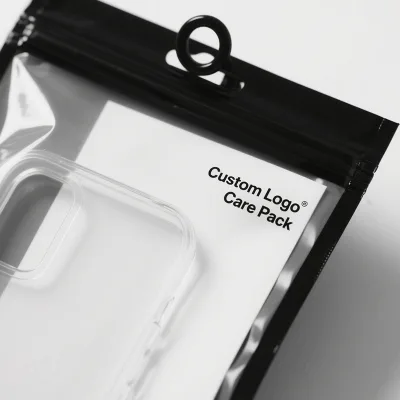
Ziplock Bag for Phone Case Durable Moisture-Proof Heat Seal Resealable Hang Hole Mobile Plastic Bags
$0.03 - $0.26
MOQ: 500 pieces

SHANDONG FUKUN NEW MATERIALS CO., LTD.
- Trading Company,Manufacturer/Factory
- China Shandong
- Lead time30 days
- Avg. response≤ 14h
Main productsCompostable Bag, Biodegradable Bag, Aprons, Cape, Mailer Bag, Non-Woven Bag, Poop Bag, Garbage Bag, Vest Bag, Carrier Bag
Main marketsSouth America,Eastern Europe,Mid East,North America,Southeast Asia,Eastern Asia,Oceania,Western Europe,Africa

Guangdong Danqing Printing Co., Ltd.
- Verified by BV
- Combined
- China Guangdong
- Lead time23 days
- Avg. response≤ 11h
Main productsFood Packaging, Plastic Bag, Zipper Pouch, Spout Pouch, Plastic Film, Quad-Seal Flat Bottom Pouch, Shrink Sleeves, Stand up Zipper Pouch, Roll Film, Food Pouch
Main marketsSouth America,Africa,Southeast Asia/ Mideast,Europe,Australia,North America

Ruida Industrial (Hangzhou) Co., Ltd.
- Verified by BV
- Trading Company
- China Zhejiang
- Lead time30 days
- Avg. response≤ 16h
Main productsPet Film, Polyester Film, BOPA Film, CPP Film, BOPP Film, PVC Film, Vacuum Metalized Film, BOPE Film, Vmbopp Film, VMCPP Film
Main marketsSouth America,Southeast Asia/ Mideast,Europe








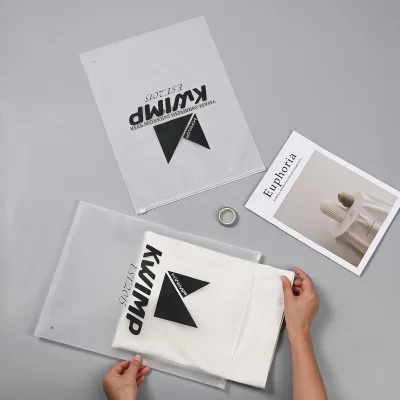
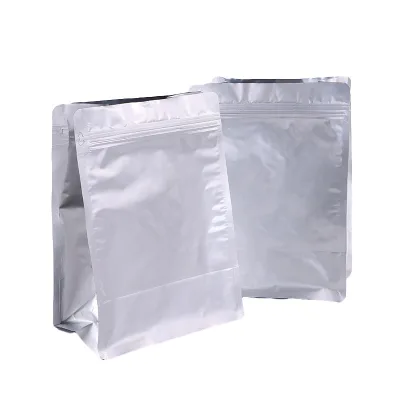
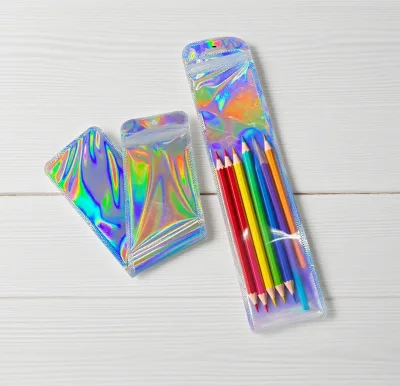


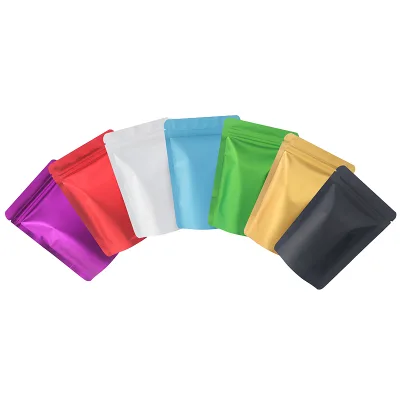


Comprehensive Sourcing Guide
Recyclable Waterproof Zip-Lock Pouch Supplier Concentration and Factory Types
The current supplier landscape for recyclable waterproof zip-lock pouches features a mix of manufacturing entities and trading companies, each offering distinct advantages for different procurement strategies. Manufacturers are typically equipped with specialized production lines capable of handling light customization, sample processing, and graphic processing on demand. These facilities often hold comprehensive system certifications such as ISO 9001, ISO 22000, and specific environmental or quality standards like Sedex, ABA, DIN CERTCO, and BPI. The presence of these certifications indicates a structured approach to quality management and food safety, which is critical for pouches intended for food storage or industrial use. Buyers seeking direct control over production parameters and material composition should prioritize these factory-direct sources. The ability to accept custom orders and provide OEM services allows for tailored solutions that meet specific brand requirements, ensuring that the final product aligns precisely with the buyer’s market needs.
Trading companies, on the other hand, serve as intermediaries that aggregate products from multiple sources, offering a broader variety of stock items and faster response times. Some trading entities demonstrate rapid communication capabilities, with response times recorded as low as three hours, which can be advantageous for urgent inquiries or small-scale testing. While they may not own the manufacturing equipment, their role in facilitating logistics and consolidating shipments can simplify the sourcing process for buyers who prefer a single point of contact. The main products listed by these suppliers often include a wide range of plastic packaging solutions, from standard ziplock bags to more specialized biodegradable or aluminum-lined options. This diversity allows buyers to explore complementary products alongside their primary order, potentially streamlining the overall procurement workflow. Understanding the distinction between these supplier types helps buyers align their sourcing strategy with their operational priorities, whether that be cost efficiency, speed, or customization depth.
How to Verify Recyclable Waterproof Zip-Lock Pouch Suppliers
Verifying the legitimacy and capability of suppliers requires a multi-layered approach that goes beyond surface-level product descriptions. Buyers should prioritize suppliers who have undergone third-party verification processes, such as those conducted by SGS Group or Bureau Veritas (BV). These verification badges provide an additional layer of confidence regarding the supplier’s business scope and operational history. Additionally, checking for specific system certifications is essential to ensure compliance with international standards. Certifications like ISO 9001 for quality management and ISO 22000 for food safety are particularly relevant for pouches used in food packaging. Other certifications such as GMC, DIN CERTCO, and BPI may indicate adherence to specific environmental or biodegradability standards, which is crucial for products marketed as recyclable or eco-friendly. Buyers must carefully review these credentials to ensure they match the specific claims made by the supplier regarding the material’s recyclability and safety.
Beyond certifications, buyers should scrutinize the detailed product attributes and specifications provided in the supplier listings. Key indicators include the material structure, such as LDPE or PE, and the thickness specifications, which can range from 0.05mm to 0.4mm depending on the application. The presence of detailed attributes like "Moisture Proof" features and specific sealing types, such as zipper tops, helps confirm the product’s suitability for its intended use. Buyers should also look for evidence of past performance, such as supply ability metrics, which might indicate a capacity of 400 tons per month for custom printed bags. Furthermore, verifying the place of origin, such as Fujian or Hebei in China, can provide context regarding the regional manufacturing ecosystem. It is advisable to request samples to physically assess the quality of the zipper mechanism, the clarity of the print, and the overall durability of the pouch. This hands-on verification ensures that the supplier’s claims align with the actual product quality before committing to a larger order.
What to Compare Across Recyclable Waterproof Zip-Lock Pouch Suppliers
When evaluating multiple suppliers, buyers should systematically compare key operational metrics to identify the most suitable partner for their specific needs. Lead time is a critical factor, with some suppliers offering delivery within 10 to 20 days, while others may require up to 35 or 40 days for production and shipping. This variance can significantly impact inventory planning and order fulfillment schedules. Buyers should also compare the Minimum Order Quantity (MOQ) requirements, which can vary from 2000 boxes to other thresholds depending on the supplier’s production model. Lower MOQs may be preferable for initial trials or smaller batches, while higher volumes might unlock better pricing tiers. Response time is another important metric, with some suppliers demonstrating rapid communication capabilities, which can facilitate smoother negotiations and quicker resolution of issues. Comparing these operational efficiencies helps buyers select suppliers who can meet their logistical and communication expectations.
Price and customization capabilities are equally important dimensions for comparison. The price range for these pouches can vary, with some listings showing costs as low as $0.01 to $0.02 per unit, while others may be priced higher at $0.15 to $0.20, reflecting differences in material quality, thickness, or printing complexity. Buyers should assess the customization options available, such as the ability to accept custom orders, provide OEM services, and offer various printing methods like gravure or pad printing. The availability of different sizes, from small 10x15 cm pouches to larger 50x70 cm options, allows for tailored solutions. Additionally, comparing the packaging details, such as the number of pieces per box or carton, can impact shipping efficiency and costs. By systematically evaluating these factors, buyers can make informed decisions that balance cost, quality, and operational flexibility, ensuring they select a supplier that aligns with their strategic objectives.
Common Recyclable Waterproof Zip-Lock Pouch Sourcing Risks
One of the primary risks in sourcing recyclable waterproof zip-lock pouches is the potential discrepancy between claimed environmental attributes and actual material composition. Suppliers may label products as "eco-friendly" or "recyclable," but the specific material structure, such as LDPE or BOPP, must be verified to ensure it meets the buyer’s sustainability standards. Without clear certification evidence, such as DIN CERTCO or BPI, buyers risk receiving products that do not align with their green marketing claims. Another significant risk involves the quality of the zipper mechanism and sealing integrity. Poorly constructed zippers can lead to product spoilage, especially for food items, resulting in customer complaints and returns. Buyers must ensure that the suppliers provide robust sealing solutions, such as double seals or high-quality zipper tops, to maintain product freshness and safety.
Logistical and compliance risks also pose challenges in this sourcing category. Variations in lead times, ranging from 10 to 40 days, can disrupt supply chains if not properly managed. Buyers must account for these potential delays in their inventory planning to avoid stockouts. Additionally, the lack of standardized packaging across suppliers can complicate logistics and increase handling costs. Some suppliers may use standard blank cartons, while others might have specific packaging requirements that affect shipping efficiency. Furthermore, the absence of clear industrial use specifications can lead to mismatches between the product’s capabilities and the buyer’s application needs. For instance, a pouch intended for food storage must meet specific food-grade standards, which must be explicitly confirmed through certifications like ISO 22000 or GMC. Buyers should conduct thorough due diligence to mitigate these risks, ensuring that all product attributes and supplier capabilities align with their operational requirements.
Recyclable Waterproof Zip-Lock Pouch Regional Sourcing and Logistics
The geographic location of suppliers plays a crucial role in determining logistics efficiency and cost structures. Many manufacturers and trading companies are concentrated in specific regions within China, such as Fujian and Hebei, which are known for their robust packaging industries. Sourcing from these regions can offer advantages in terms of supply chain maturity and access to raw materials. However, buyers must also consider the port of dispatch, such as Xiamen, which can impact shipping routes and transit times. Understanding the regional distribution of suppliers helps buyers optimize their logistics strategy, potentially reducing freight costs and lead times. Additionally, the proximity of suppliers to major shipping hubs can facilitate faster export processes, which is beneficial for time-sensitive orders.
Logistics planning should also account for the packaging specifications provided by suppliers, as these directly influence shipping efficiency. For example, some suppliers offer packaging details like 30 pieces per box and 30 boxes per carton, which can be optimized for container loading. Buyers should work closely with suppliers to ensure that the packaging dimensions align with their storage and distribution requirements. Furthermore, the weight of the products, such as a single gross weight of 0.1 kg, can affect shipping costs, especially for lightweight items where volumetric weight may be a factor. By carefully evaluating the regional sourcing options and logistics capabilities of suppliers, buyers can develop a more efficient and cost-effective supply chain. This strategic approach ensures that the procurement process supports the overall business objectives, minimizing disruptions and maximizing value.
Recyclable Waterproof Zip-Lock Pouch Commercial Terms and Order Planning
Effective order planning requires a clear understanding of the commercial terms offered by suppliers, including payment conditions, delivery schedules, and customization policies. Buyers should prioritize suppliers who offer flexible payment terms and clear delivery timelines, such as shipping within 40 days after payment. This transparency helps in accurate financial planning and inventory management. Additionally, the ability to accept custom orders and provide OEM services allows buyers to tailor products to their specific brand requirements, enhancing market competitiveness. Buyers should also consider the supplier’s capacity for sample processing, which is essential for quality assurance before committing to large-scale production. Establishing a clear communication channel with the supplier ensures that any changes or issues can be addressed promptly, maintaining the integrity of the order.
Price negotiation and volume discounts are also critical components of commercial terms. Buyers should leverage their order volume to negotiate better pricing, especially when dealing with suppliers who have high production capacities, such as 400 tons per month. Understanding the price structure, including any additional costs for customization or printing, helps in accurate budgeting. Furthermore, buyers should ensure that the supplier provides comprehensive documentation, including certificates of compliance and quality control reports, to support their product claims. By carefully managing these commercial terms and order planning aspects, buyers can build a reliable and efficient sourcing relationship. This strategic approach minimizes risks and maximizes the value derived from the procurement process, ensuring long-term success in the market.
FAQs
What is the minimum order quantity for zip-lock pouches?
The minimum order quantity is typically 2000 boxes for standard zipper bags. Buyers should verify specific supplier requirements as some may accept lower volumes for sample processing or light customization. Always confirm the exact MOQ with the manufacturer before placing a bulk order to ensure production readiness.
How long does delivery take for custom orders?
Delivery times generally range from 10 to 40 days after payment confirmation. Standard lead times are often around 20 days, while custom printed bags may require up to 35 or 40 days. Expedited options might be available, so buyers should confirm the exact timeline with the supplier.
Are these bags suitable for food storage?
Yes, many suppliers offer bags certified for industrial food use. Certifications such as ISO 22000, GMC, and BPI indicate compliance with food safety standards. Buyers should request specific food-grade certificates to ensure the material structure, such as LDPE or PE, meets their regulatory requirements for safe storage.
What materials are used for waterproof zip-lock bags?
Common materials include LDPE, PE, and BOPP. These plastics provide moisture-proof and waterproof features suitable for daily storage or food packaging. Thickness options vary from 0.05mm to 0.4mm, allowing buyers to select the durability level that best fits their specific product protection needs.
Can I customize the logo and printing on the bags?
Yes, most manufacturers accept custom orders for logos and patterns. Printing methods include gravure, pad, and silk screen printing. Buyers can request specific sizes and designs, with suppliers offering OEM and ODM services to create branded packaging that meets their unique marketing and identification requirements.
What certifications do these suppliers hold?
Suppliers often hold ISO 9001, ISO 22000, Sedex, and BPI certifications. Verification services like SGS Group and BV may also be available. These credentials ensure quality management and environmental standards, providing buyers with confidence in the supplier's reliability and the safety of the packaging materials produced.