eco-friendly indoor outdoor cat bed Suppliers and Manufacturers
Source 29 verified suppliers for eco-friendly indoor outdoor cat bed options. Compare dimensions like lead times, MOQs, and ISO 9001 certifications to find the right partner. Request quotes directly to secure competitive pricing and OEM capabilities; review the available evidence before requesting comparable quotations from suitable candidates.
Updated
Suppliers List

Shenzhen Sweetpet Pet Product Co., Ltd.
- Trading Company,Manufacturer/Factory
- China Guangdong
- Lead time23 days
- Avg. response≤ 5h
Main productsDog Collar, Dog Leash, Dog Harness, Dog Clothes, Dog Bed, Pet Supply, Pet Accessory, Pet Toys, Pet Bowl, Cat Toys
Main marketsSouth America,Eastern Europe,North America,Oceania,Western Europe

Jiangmen Pengjiang Kedong Electric Technology Co., Ltd.
- Verified by BV
- Combined
- China Guangdong
- Lead time23 days
- Avg. response≤ 9h
Main productsCommercial Lighting, Pendant Lamp, Felt Basket, Pet Felt, Storage Basket, Storage Box, Pet Beds, Pet House, Lampshade, Lighting
Main marketsSouth America,Europe,North America


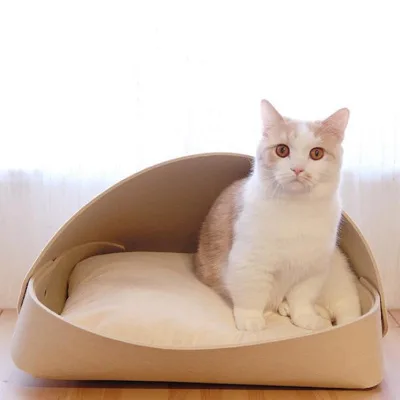
Eco-Friendly, Removable Design P. E. T Felt Material Pet Bed, Bed Pet Dog Beds Single Cat Bed
$24.00 - $26.00
MOQ: 200 Pieces

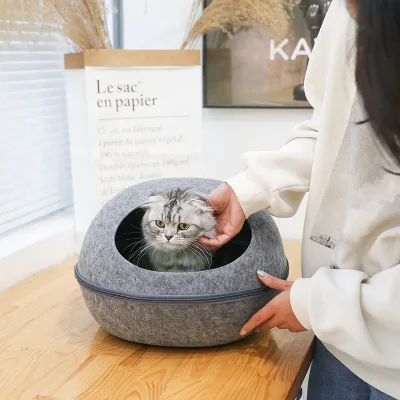
Non Woven Fabric Felt Comfy Winter Indoor Calming Cat Bed Pet Cat Chair Bed
$15.00 - $17.00
MOQ: 200 Pieces

Non Woven Fabric Felt Comfy Winter Indoor Calming Cat Bed Pet Cat Camper House
$18.00 - $20.00
MOQ: 200 Pieces

Non Woven Fabric Felt Comfy Winter Indoor Calming Cat Bed Pet Cat Bird House
$18.00 - $20.00
MOQ: 200 Pieces

Non Woven Fabric Felt Comfy Winter Indoor Calming Cat Bed Indoor Cat Kennel
$15.00 - $17.00
MOQ: 200 Pieces

Qingdao Yuanche International Trade Co., Ltd.
- Verified by SGS
- Trading Company,Manufacturer/Factory
- China Shandong
- Lead time15 days
- Avg. response≤ 4h
Main productsPet Supply, Dog Harness, Pet Bed, Pet Toys, Pet Bowl, Pet Grooming Tools, Pet Clothes, Pet Carrier, Pet Cage, Aquarium Supplies
Main marketsSouth America,Eastern Europe,Mid East,North America,Southeast Asia,Eastern Asia,Oceania,Western Europe,Africa


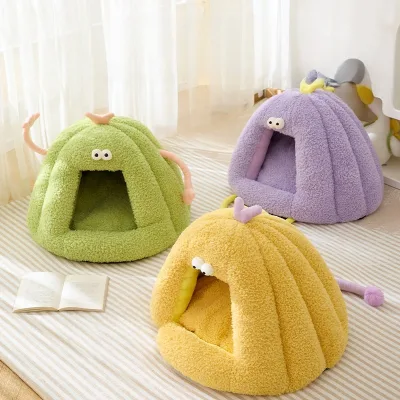
Pumpkin Shaped Soft Plush Cat Cave Bed for Indoor Cats with Hooded Design
$7.52 - $11.52
MOQ: 200 Pieces


Beijing Yanzichu Technology Co., Ltd.
- Trading Company
- Beijing, China
- Lead time7 days
- Avg. response≤ 3h
Main productsPet Toys, Pet Beds, Pet Harnesses, Pet Bowls & Feeders, Pet Food
Main marketsDomestic Market(100.00%)
Huachuang Wisdom Household Co., Ltd.
- Trading Company
- Lead time旺季: "1 - 500":30,"501 - 1000":45,"> 1000":"To be negotiated", 淡季: "1 - 500":30,"501 - 1000":45,"> 1000":"To be negotiated"
- Avg. response≤ 5h
Main productsBathroom rack,bathroom organizer,towel rack,coat rack

Hangzhou Huiji Biotechnology Co., Ltd.
- Verified by BV
- Combined
- China Zhejiang
- Lead time30 days
- Avg. response≤ 12h
Main productsShampoo, Detergent, Dish Washing, Hand Liquid Soap, Air Freshener, Conditioner, Urinal Block, Shower Gel, Glass Cleaner, Floor Cleaner
Main marketsSouth America,Africa,Southeast Asia/ Mideast,East Asia(Japan/ South Korea),Domestic,Europe,Australia,North America
Dalian Usmile Pet Technology Co., Ltd.
- Verified by Intertek
- Trading Company
- Liaoning, China
- Lead time7 days
- Avg. response≤ 2h
Main productsPet Cleaning and Grooming Equipment, Veterinary and Rehabilitation Equipment , Pet Smart Products , Pet Health Care And Supplements, Basic Pet Supplies
Zhejiang Jema Industrial Co., Ltd.
- Verified by TüVRheinland
- Manufacturer, Trading Company
- Lead time30 days
Main productsPet Products, Home Textile
Main marketsEastern Asia(50%), North America(25%), Western Europe(15%)

Hangzhou Tianyuan Pet Products Co., Ltd.
- Verified by TUVRHEINLAND
- Combined
- China Zhejiang
- Lead time30 days
- Avg. response≤ 12h
Main productsPet Beds, Cat Trees, Pet Products, Pet Accessories, Pet Supplies, Pet Collar, Pet Toy, Pet Brush, Pet Bowl, Pet Clothes
Main marketsEurope,North America

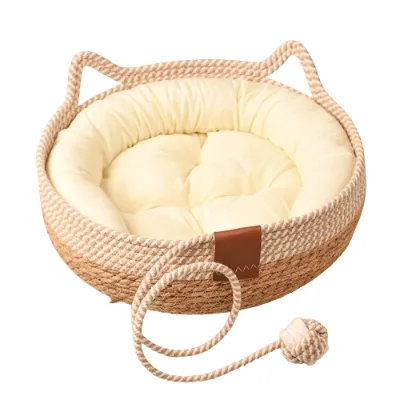
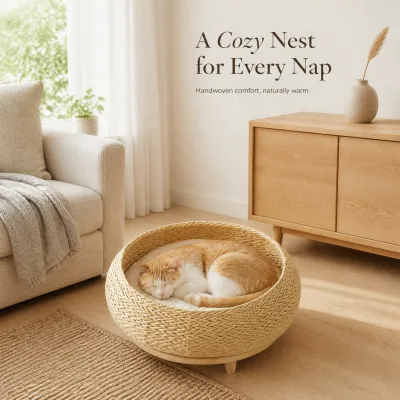
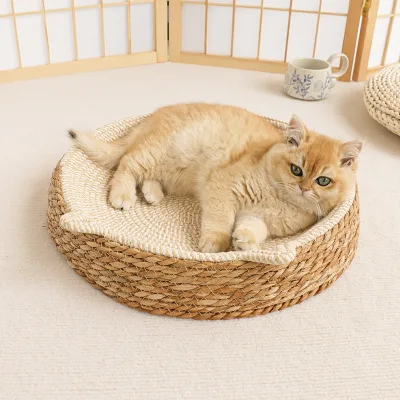
Natural Grass Weaving Pet Bed with Soft Cushion for Indoor Outdoor Use
$15.10 - $26.14
MOQ: 300 Pieces


- Verified by SGS
- Trading Company
- China Zhejiang
- Lead time15 days
- Avg. response≤ 13h
Main productsPet Harness, Pet Collar, Pet Leash, Pet Feeder, Pet Carries, Pet Toy, Pet Bed, Pet Grooming, Pet Accessories
Main marketsEurope,Australia

Tianjin Maynas International Trade Co.,Ltd
- Verified by SGS
- Trading Company
- China Tianjin
- Lead time15 days
- Avg. response≤ 9h
Main productsPet Stroller, Pet Bed, Pet Toy, Cat Tree, Pet Carrier Bag, Pet Bowl, Pet Collar, Pet Harness & Leash, Pet Cage, Pet Grooming
Main marketsSoutheast Asia/ Mideast,Europe,North America

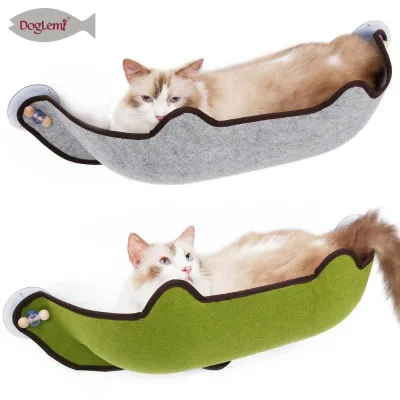
Eco Friendly Cat Hammock Beds Pet Beds for Cats Hanging Beds Double Suction Cup Cat Hammock
$4.50 - $7.50
MOQ: 100 Pieces


- Verified by TUVRHEINLAND
- Trading Company
- China Zhejiang
- Lead time0 days
- Avg. response≤ 12h
Main productsCat Litter Box, Pet Feeder, Pet Toy, Pet Cloth, Pet Bed, Pet Carrier, Storage Bucket, Plastic Storage, Storage Rack, Lunch Box

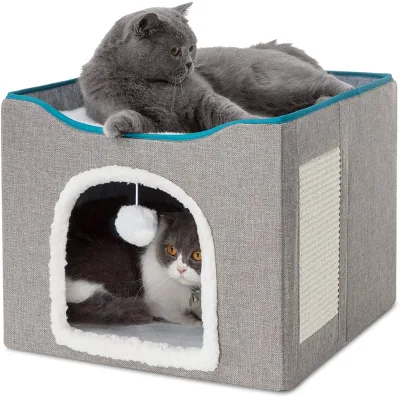
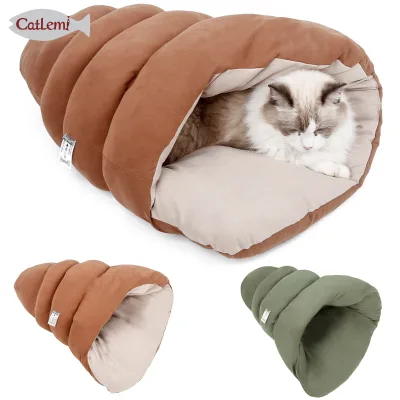
Hot Sale Indoor Comfortable Pet Beds Removable Warm Cat Cave Bed Pet Dog Bed
$6.20 - $6.75
MOQ: 100 Pieces

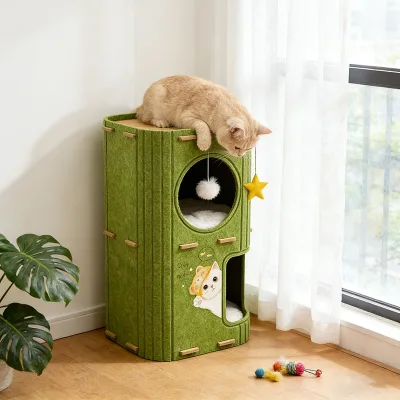
Creative Design Cacti Cat Nest Bed, Creative Pet Sleeping Bed, Pet Nest
$7.45 - $14.89
MOQ: 100 Pieces

Ningbo Homecrest Imp.& Exp. Co., Ltd.
- Trading Company
- Zhejiang, China
- Lead time20 days
- Avg. response≤ 6h
Main productsKitchen Organizer, Home Organizer, Bathroom Organizer, Home Decor
Main marketsNorth America(40.00%), Northern Europe(40.00%), Oceania(10.00%), Eastern Asia(10.00%)

Shanghai Langyi Enterprise Development Co., Ltd
- Verified by SGS
- Manufacturer/Factory
- China Shanghai
- Lead time105 days
- Avg. response≤ 4h
Main productsPet Toy, Pet Bed, Dog Toy, Cat Toy, Dog Bed, Cat Tree, Dog Collar and Leash, Pet Bowl
Main marketsSouth America,Eastern Europe,Mid East,North America,Oceania,Western Europe
Jinhua Ivy Home Textile Co., Ltd.
- Manufacturer, Trading Company
- Lead time旺季: "1 - 3":15,"4 - 2000":30,"> 2000":"To be negotiated", 淡季: "1 - 3":15,"4 - 2000":30,"> 2000":"To be negotiated"
- Avg. response≤ 3h
Main productsPet Cloth Diaper, Pet Carrier Bag, Pet Bed, Storage Bags, Pet Clothes

Xiamen Furvorite Pet Supplies Co., Ltd.
- Verified by SGS
- Trading Company,Manufacturer/Factory
- China Fujian
- Lead time45 days
- Avg. response≤ 4h
Main productsDog Harness, Pet Clothes, Dog Leash, Dog Collar, Pet Bed, Pet Accessories, Pet Grooming Tool, Pet Gates & Furniture, Pet Bowls & Feeding, Dog Brace
Main marketsSouth America,Eastern Europe,Mid East,North America,Southeast Asia,Eastern Asia,Oceania,Western Europe,Africa


Four Seasons Universal Cat Bed Hanging Basket Rattan Mat Bed Cat Hammock
$10.85 - $11.44
MOQ: 10 Pieces


ASunpro Light Industrial Products Inc.
- Trading Company,Manufacturer/Factory
- China Shandong
- Lead time30 days
- Avg. response≤ 1h
Main productsPet House, Pet Bed, Pet Supplies, Hanger, Cat Scratcher, Cat Tree, Stretch Wrapping Machine, Pet Cleaning and Beauty Appliance
Main marketsSouth America,Eastern Europe,Mid East,North America,Southeast Asia,Eastern Asia,Oceania,Western Europe,Africa


Eco Friendly L-Shape Cat Scratcher Bed for Sustainable Pet Furniture and Cats
$2.00 - $3.00
MOQ: 500 Pieces


Ningbo Lanfon Homeware Co.,Ltd
- Verified by SGS
- Combined
- China Zhejiang
- Lead time30 days
- Avg. response≤ 3h
Main productsTable Top, Bath & SPA, Placemats, Kitchenware, Personal Care, Cleaning, Table Mat, Kitchen Organizer, Organizer
Main marketsEurope,North America

Rizhao Spring Trading Co., Ltd.
- Verified by CTI
- Manufacturer/Factory
- China Shandong
- Lead time15 days
- Avg. response≤ 4h
Main productsWalnut, Pet House, Peanut, Cat Litter, Pet Products, Pet Food, Cat Food, Pet Treats, Dog Food, Pet Toys
Main marketsMid East,North America,Western Europe


Most Popular Eco-Friendly Indoor Cat House Cute and Comfortable Plush Bed
$2.00 - $5.00
MOQ: 100 Pieces


Heze Longyipan Crafts Co., Ltd.
- Verified by SGS Group
- Manufacturer, Trading Company
- Lead time45 days
- Avg. response≤ 2h
Main productsKitchenware, Pet Supplies, Storage Box, Wooden Storage Shelf
Main marketsNorth America(50%), South America(15%), Eastern Europe(15%)
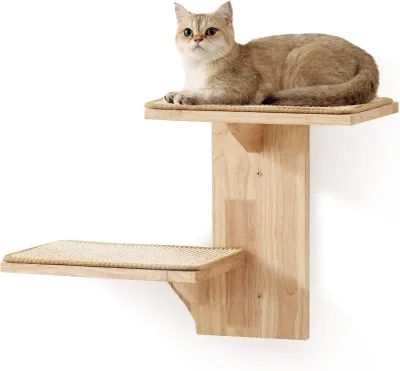
$17.373 - $18.3948
MOQ: 5 pieces

Hangzhou Xiaoshou Pet Technology Co., Ltd.
- Manufacturer, Trading Company
- Zhejiang, China
- Lead time0 days
- Avg. response≤ 4h
Main productsCat Treadmill,Cat Climbing Frame,Cat Litter,Pet Smart Product,Pet Clothing
Main marketsDomestic Market(100.00%)
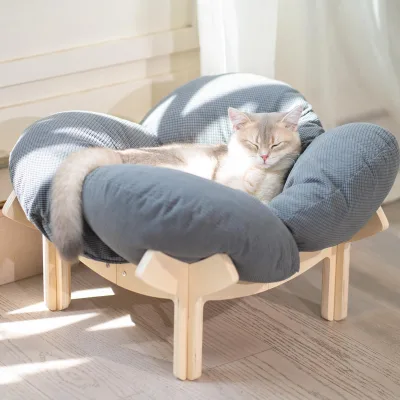
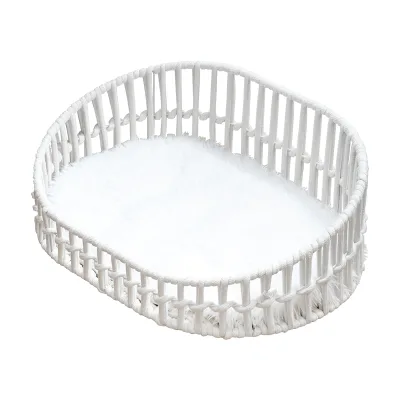
CATSOUL Wholesale Cat Bed Luxury Comfortable Pet Bed Cotton Bed Eco Friendly Portable
$7.1748 - $7.7672
MOQ: 1 pieces
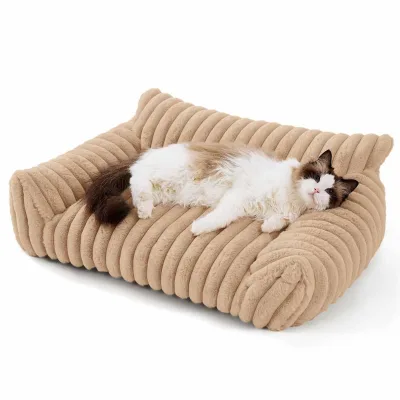
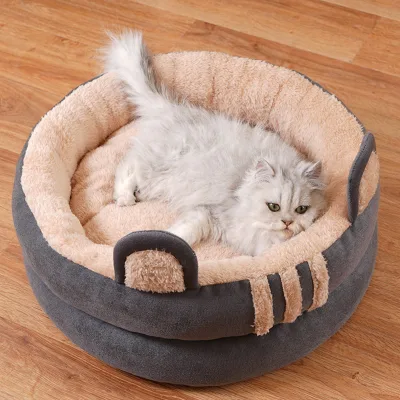
Fashion Soft Pet Couch Bed Cat Beds for Indoor Cats Nonslip Bottom Portable Cat Sofa Dog Bed Soft
$10.2282 - $13.7572
MOQ: 2 Minimum
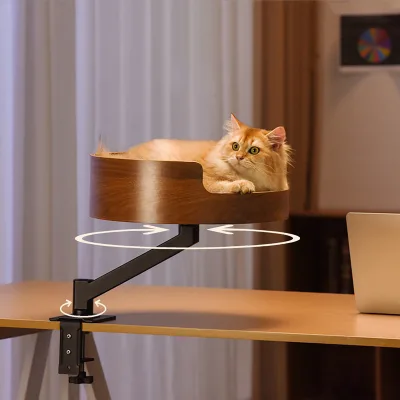
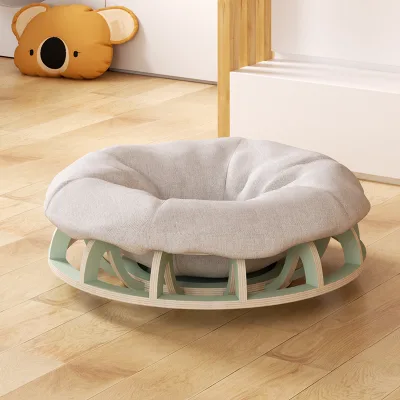
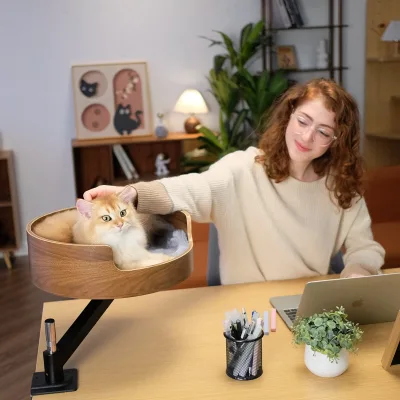
$12.707 - $13.4999
MOQ: 100 pieces

- Verified by BV
- Trading Company
- China Zhejiang
- Lead time30 days
- Avg. response≤ 12h
Main productsLunch Box
Main marketsSouth America,Africa,Southeast Asia/ Mideast,East Asia(Japan/ South Korea),Europe,Australia,North America

Hangzhou Kinsou Trading Co., Ltd.
- Trading Company
- Zhejiang, China
- Lead time30 days
- Avg. response≤ 5h
Main productsHome Textile, Pet Products
Main marketsNorth America(30.00%), Eastern Europe(20.00%), Western Europe(14.00%), Southern Europe(13.00%), South America(10.00%), Northern Europe(8.00%), Southeast Asia(5.00%)
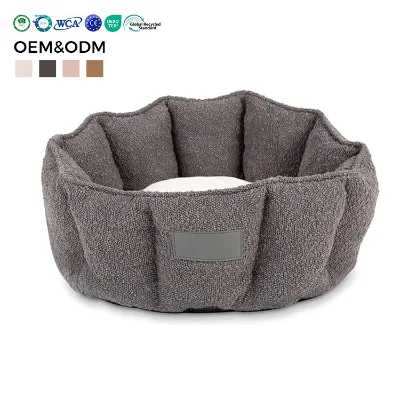
$5.6833 - $6.0962
MOQ: 300 pieces
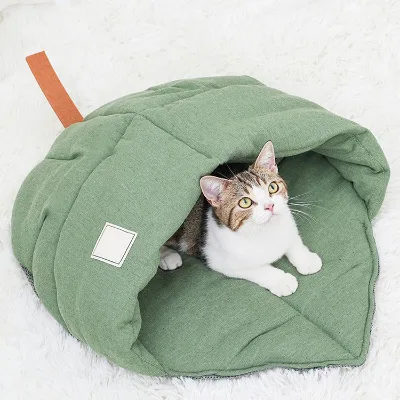
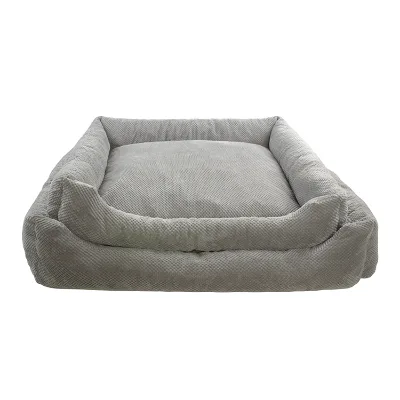
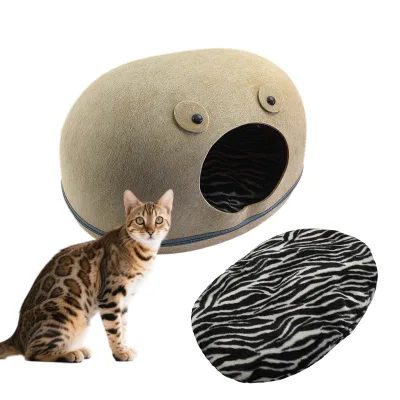
Factory OEM Leaf Design Anti-Slip Bottom Best Selling Pet Beds Fashion Cave Cat Bed
$5.95 - $6.20
MOQ: 300 pieces
$7.39 - $7.93
MOQ: 300 pieces
- Trading Company
- Hong Kong S.A.R.
- Lead time15 days
- Avg. response≤ 6h
Main productshandbags,men bags,pet products,Pet Clothes,women's Bag
Main marketsNorth America(40.00%), Mid East(15.00%), Southeast Asia(15.00%), Southern Europe(10.00%), Northern Europe(10.00%), Western Europe(10.00%)

Shandong Xinghui Cultural Products Co., Ltd.
- Verified by SGS
- Combined
- China Shandong
- Lead time30 days
- Avg. response≤ 3h
Main productsPet Ladder, Pet Ramp, Kids' Drawing Board, Pet Tent, Pet Furniture, Children's Toys
Main marketsDomestic,Australia


Luxury Eco-Friendly Cat Bed with Custom Washable Cushion for Indoor Cats
$22.30 - $25.30
MOQ: 100 Pieces


- Verified by TUVRHEINLAND
- Trading Company
- China Zhejiang
- Lead time15 days
- Avg. response≤ 13h
Main productsWooden Toy, Outdoor Product, Kitchen Item, Personal Care Tool, Painting Set, Disk Rack, Yoga, Garden
Main marketsSouth America,Europe,North America

Qingdao Meowlove Pet Products Co., Ltd.
- Manufacturer, Trading Company
- Shandong, China
- Lead time30 days
- Avg. response≤ 1h
Main productsCat Scratching Board,Cat Climbing Frame,Cat Nest,Pet Furniture,Pet Toy
Main marketsDomestic Market(50.00%), North America(10.00%), Eastern Europe(9.00%), Oceania(6.00%), South America(5.00%), Southern Europe(5.00%), Western Europe(5.00%), Central America(4.00%), South Asia(1.00%), Mid East(1.00%), Southeast Asia(1.00%), Northern Europe(1.00%), Eastern Asia(1.00%), Africa(1.00%)
Guangzhou Doglemi Pet Product Ltd.
- Manufacturer, Trading Company
- Lead time旺季: "1 - 200":31,"> 200":"To be negotiated", 淡季: "1 - 200":31,"> 200":"To be negotiated"
- Avg. response≤ 6h
Main productsPet Clothes, Pet Toys, Pet Snuffle Training, Pet Care Grooming, Pet Carrier
Hebei Dibei Import & Export Trading Co., Ltd.
- Verified by SGS Group
- Manufacturer, Trading Company
- Hebei, China
- Lead time15 days
- Avg. response≤ 5h
Main productsFelt Bag, Pet Cave, Felt Grow Pot, Felt Decoration, Felt Pieces
Main marketsWestern Europe(30%), North America(20%), Mid East(10%)


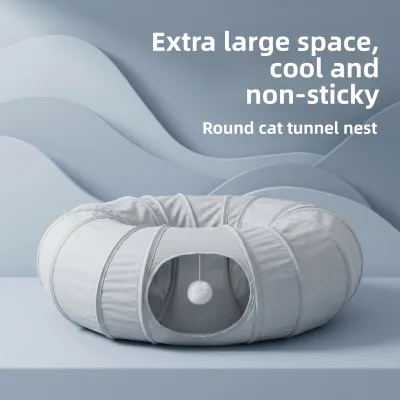
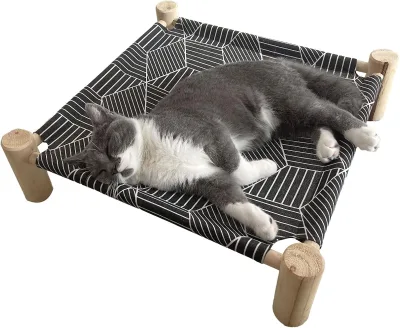
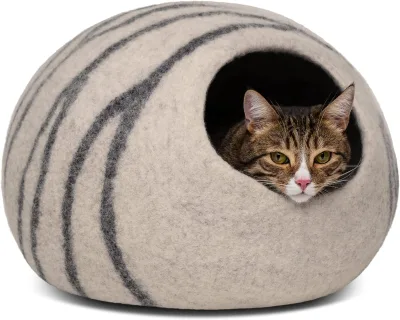


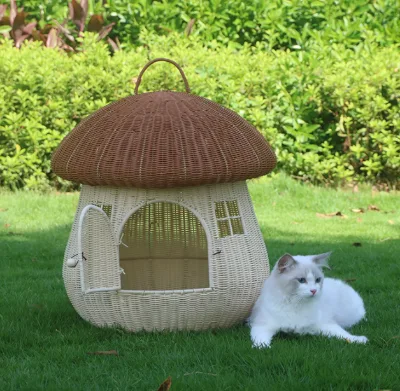








Comprehensive Sourcing Guide
Eco-Friendly Indoor Outdoor Cat Bed Supplier Concentration and Factory Types
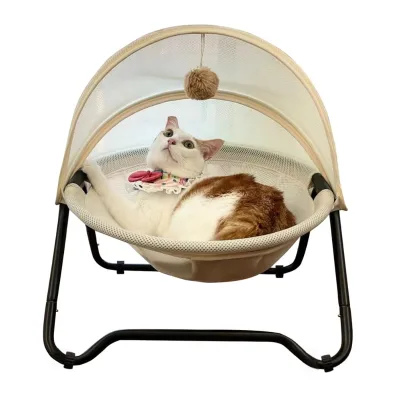
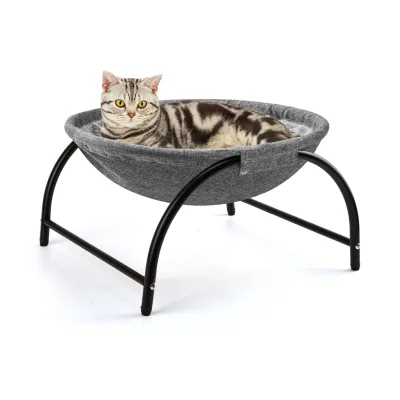
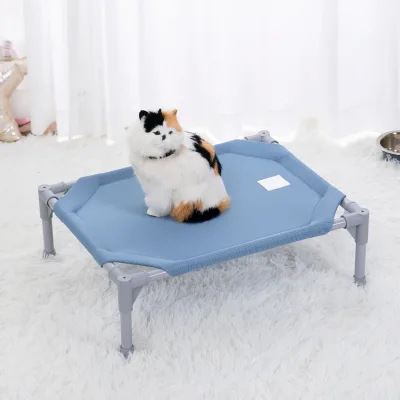
Current data indicates that suppliers for eco-friendly indoor outdoor cat beds are concentrated in specific Chinese provinces, with Guangdong and Shandong emerging as primary manufacturing hubs. Fact sheets show a mix of company types, including trading companies, manufacturers, and factories, alongside combined entities that blend both roles. In Guangdong, suppliers often list main products ranging from dog collars and leashes to pet beds and accessories, suggesting a broad capacity for pet supply manufacturing. Meanwhile, Shandong-based entities frequently highlight specialized items like portable elevated pet cots and plush cat caves, indicating regional specialization in specific bed styles.
When evaluating factory types, buyers should note that some suppliers offer OEM and ODM capabilities, allowing for custom designs and branding. Others operate as trading companies, which may streamline communication but could add a layer between the buyer and the actual production line. The presence of combined company types suggests flexibility in sourcing, where a single supplier might handle both design and direct manufacturing. Buyers must verify if the supplier's primary focus aligns with their specific needs, as some list commercial lighting or storage baskets alongside pet products, which may indicate a diversified but less specialized operation.
How to Verify Eco-Friendly Indoor Outdoor Cat Bed Suppliers
Verification is critical when sourcing eco-friendly indoor outdoor cat beds, as claims about material safety and production standards require independent validation. Several suppliers in the current results display third-party verification badges, such as BV and SGS, which serve as initial indicators of operational legitimacy. Additionally, system certifications like ISO 9001 and BSCI are present in the data, signaling adherence to quality management and social compliance standards. Buyers should treat these certifications as baseline requirements rather than guarantees of product quality, as they often reflect factory processes rather than specific product testing results.
Beyond certifications, buyers must scrutinize the specific product attributes listed in supplier catalogs to ensure they match eco-friendly claims. Evidence shows products labeled with features like "Eco-Friendly" and materials such as felt or fabric, but the exact composition often requires further confirmation. Some listings specify "Removable and Washable" designs or "Customized" options, which are valuable for long-term usability. However, without explicit test reports for toxicity or durability, buyers should request detailed material specifications and ask for proof of the eco-friendly claims before committing to an order.
What to Compare Across Eco-Friendly Indoor Outdoor Cat Bed Suppliers
Comparing suppliers requires a systematic review of key operational metrics, including lead times, minimum order quantities, and response speeds. Data reveals significant variation in these areas; for instance, response times range from approximately 3.21 to 8.45 hours, while lead times vary between 15 and 23 days. These differences can impact inventory planning and market responsiveness, making it essential to align supplier capabilities with your specific timeline requirements. Buyers should prioritize suppliers with faster response times and shorter lead times if they need to replenish stock quickly or launch new products rapidly.
Minimum order quantities (MOQ) also differ substantially across the supplier pool, with some listing MOQs as low as 50 units while others require 100 or 200 pieces. Price ranges further complicate comparisons, with unit costs varying from roughly $4.29 to $26.00 depending on the product style and material complexity. A supplier offering a lower MOQ might be more suitable for testing new designs, whereas a higher MOQ supplier could provide better economies of scale for established products. Buyers must weigh these factors against their budget and volume needs, ensuring that the total cost of ownership, including shipping and potential rework, remains within acceptable limits.
Common Eco-Friendly Indoor Outdoor Cat Bed Sourcing Risks
One significant risk in sourcing eco-friendly indoor outdoor cat beds is the potential discrepancy between marketing claims and actual product specifications. While many suppliers list "Eco-Friendly" as a feature, the specific materials used, such as non-woven fabric or felt, may vary in their environmental impact and durability. Without standardized testing data provided in the initial search results, buyers face the risk of receiving products that do not meet their sustainability expectations or fail under outdoor conditions. This uncertainty necessitates rigorous pre-shipment inspections and material verification to ensure the final goods align with the advertised eco-friendly attributes.
Another risk involves the variability in product customization and standardization. Some suppliers offer highly customized options with specific dimensions and colors, while others provide standard sizes like M or L. If a buyer relies on a supplier for custom designs without clear communication of technical requirements, there is a risk of receiving products that do not fit the intended use case. Additionally, the presence of "Combined" company types might introduce complexity in managing quality control, as the separation between design, sales, and manufacturing can sometimes lead to communication gaps. Buyers should establish clear protocols for design approval and quality checks to mitigate these risks.
Eco-Friendly Indoor Outdoor Cat Bed Regional Sourcing and Logistics
Regional sourcing strategies should account for the specific locations of suppliers, which are currently identified as Guangdong and Shandong in China. These regions offer distinct logistical advantages, with Guangdong often serving as a major export hub for pet supplies and Shandong providing access to ports like Qingdao. The product origin data confirms that items are manufactured in these areas, which influences shipping routes and transit times. Buyers should consider the proximity of the supplier to major ports to minimize inland transportation costs and reduce the overall carbon footprint of the supply chain.
Logistics planning must also factor in the packaging standards listed in supplier data, which often include carton or OPP bag packaging. For example, some products are packed in cartons with specific dimensions like 655055cm, while others use smaller OPP bags. These packaging details affect container loading efficiency and shipping costs, which can vary significantly based on the product's volume and weight. Buyers should request detailed packing lists and calculate the optimal container utilization to ensure cost-effective shipping. Additionally, understanding the specific port of origin, such as Qingdao, helps in negotiating freight rates and estimating delivery schedules more accurately.
Eco-Friendly Indoor Outdoor Cat Bed Commercial Terms and Order Planning
Commercial terms for eco-friendly indoor outdoor cat beds often include specific requirements regarding customization and branding. Many suppliers indicate that OEM and ODM services are highly welcomed, allowing buyers to add their own logos and designs. However, the extent of customization, such as accepting customized logos or specific material changes, varies by supplier. Buyers must clarify these terms early in the negotiation process to ensure that the supplier can meet their branding and product specification needs without incurring unexpected costs or delays.
Order planning should also consider the payment terms and escrow options available to protect both parties. While specific escrow details are not always explicitly stated in the initial data, the presence of verification badges suggests that secure payment methods are likely available. Buyers should prioritize suppliers who offer escrow services to mitigate financial risk, especially when dealing with new vendors or large orders. Furthermore, understanding the return policies and warranty terms is crucial, as the durability of eco-friendly materials can vary. Establishing clear commercial terms regarding quality disputes and after-sales support will help ensure a smooth transaction and long-term partnership.
FAQs
What is the price range for eco-friendly indoor outdoor cat beds?
Prices for these beds typically range from $4.29 to $26.00 per unit depending on material and design. Basic elevated cots start around $4.29, while premium felt houses cost up to $26.00. Buyers should verify specific quotes based on order volume and customization needs.
What are the minimum order quantities for these pet beds?
Minimum order quantities vary by supplier and product type. Some elevated cots require a minimum of 50 units, while felt cat houses often require 100 to 200 pieces. Buyers must check individual product listings to confirm the exact MOQ applicable to their specific order size.
How long does production take for these eco-friendly beds?
Lead times generally range from 15 to 23 days for standard orders. Suppliers in Shandong and Guangdong offer different production speeds based on capacity. Buyers should confirm exact delivery schedules with the supplier before placing orders to ensure timely arrival for their inventory needs.
Are these cat beds suitable for both indoor and outdoor use?
Yes, many options are designed for both environments. Elevated cots are explicitly marketed for indoor and outdoor use, offering portability. Felt beds are primarily for indoor comfort but feature eco-friendly materials. Buyers should verify waterproof claims, as some elevated models are not fully waterproof.
What certifications do these suppliers hold for quality assurance?
Suppliers often hold ISO 9001 system certifications for quality management. Some manufacturers also possess BSCI or SGS verification for ethical and safety standards. Buyers should request current certification documents to ensure compliance with their specific market regulations and quality requirements.
Can I customize the logo or design of these cat beds?
Customization is widely available for both OEM and ODM requirements. Suppliers accept customized logos and specific design modifications for bulk orders. Buyers should discuss design specifications and additional costs directly with the supplier to ensure the final product meets their branding and functional expectations.