Recyclable PE French Bread Bags Suppliers and Manufacturers
Compare 26 verified suppliers offering Recyclable PE French Bread Bags with varying lead times, MOQs, and response speeds. Review product attributes like closure type and material structure to select a factory in Guangdong, Jiangsu, or Hebei for your next order.
Updated
Suppliers List

Guangdong Shunfa Colour Printing Co., Ltd.
- Verified by BV
- Combined
- China Guangdong
- Lead time15 days
- Avg. response≤ 9h
Main productsPackaging&Printing, Kraft Paper Tote Bag, Vertical Zipper Bag, Food Packaging Film Roll, Valve Zipper Bag, PE Bag
Main marketsSoutheast Asia/ Mideast,North America

French Bakery Plastic Bagguete Bread Bag Custom Printed Logo Bread Packaging Bags Food Sandwich Bag
$0.01 - $0.10
MOQ: 30000 Pieces

Hot Selling French Bakery PP Bag Bread Packing Bags Bread Food Packaging Bread Bags Clear CPP
$0.01 - $0.10
MOQ: 30000 Pieces

Custom Printed Baguette Packaging Long Loaf Bakery Bread Bag French Bakery Bread Bags with Logo
$0.01 - $0.10
MOQ: 30000 Pieces

Customized Printed Bakery Packaging Bread Bags Reusable Clear OPP PE Plastic Bread Bags
$0.01 - $0.10
MOQ: 30000 Pieces

$0.01 - $0.10
MOQ: 30000 Pieces

Custom Size French Loaf Packaging Bag Gusset Bread Packaging Poly Bags for Bread Packaging
$0.01 - $0.10
MOQ: 30000 Pieces
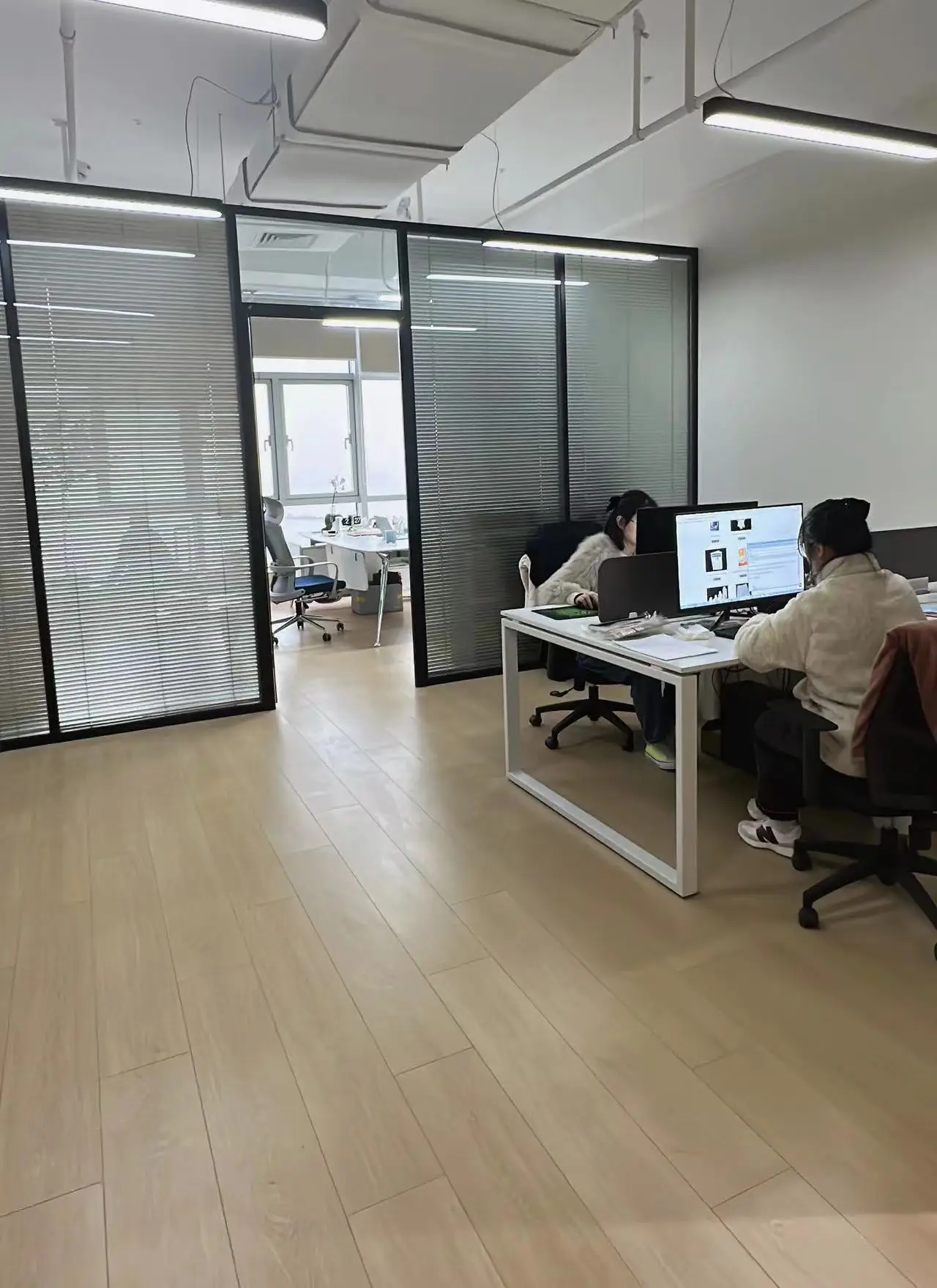
- Manufacturer, Trading Company
- Jiangsu, China
- Lead time0 days
- Avg. response≤ 4h
Main productsBOPP Bag, Slider Bag, Zipper Bag, Block Bottom Cellophane Bag, Cellulose Bag
Main marketsWestern Europe(90.00%), North America(10.00%)
Hebei Silu International Trade Co., Ltd.
- Trading Company
- Hebei, China
- Lead time10 days
- Avg. response≤ 3h
Main productsplastic packing bag
Main marketsEastern Europe(20.00%), South Asia(10.00%), Western Europe(10.00%), Eastern Asia(10.00%), Mid East(10.00%), Africa(10.00%), Southeast Asia(10.00%), North America(10.00%), South America(10.00%)

Ningbo Greenhome International Trade Co., Ltd.
- Verified by SGS
- Trading Company
- China Zhejiang
- Lead time30 days
- Avg. response≤ 5h
Main productsDisposable Plastic Tableware, Disposable Woodentableware, Disposable Bamboo Tableware, Disposable Paper Tableware, Disposable Biobased Tableware, Disposable Biodearadable Tableware
Main marketsAfrica,Southeast Asia/ Mideast,Europe,North America

Disposable French Bread Rectangular Oil-Proof Food Packaging Bakery Bread Paper Bags
$0.02 - $0.03
MOQ: 50000 Pieces

Disposable Paper Food-Grade Environmentally Friendly Recyclable Packaging Bag - Bread Bag
$0.05 - $0.07
MOQ: 90000 Pieces
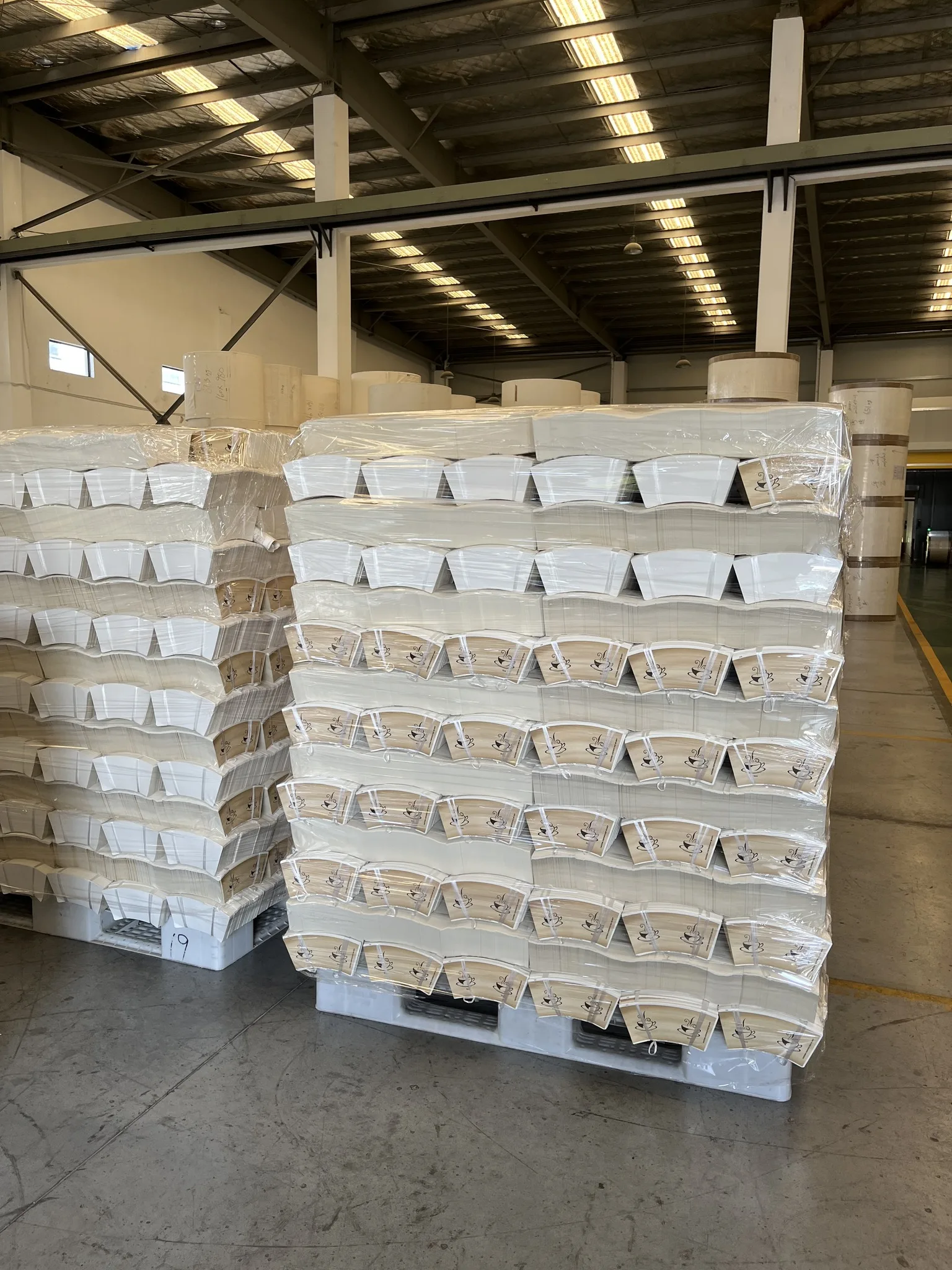
Shenzhen Lastaurant Supplies Co., Ltd.
- Manufacturer, Trading Company
- Guangdong, China
- Lead time7 days
- Avg. response≤ 3h
Main productscoffee paper cup,ice cream cup,plastic PET coffee cup,food container,togo packages
Main marketsNorth America(45.00%), Mid East(20.00%), South Asia(15.00%), South America(5.00%), Eastern Asia(5.00%), Eastern Europe(3.00%), Southern Europe(2.00%), Africa(2.00%), Western Europe(2.00%), Northern Europe(1.00%)
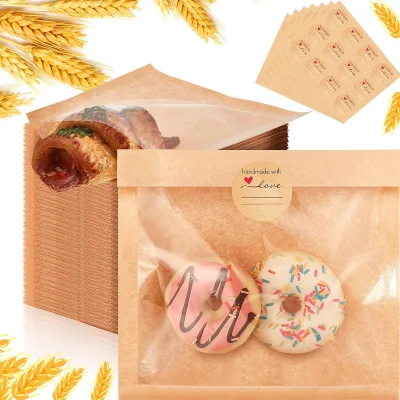
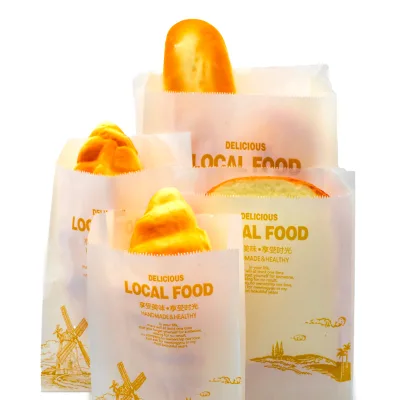
Customized Packaging Sandwich Bread Paper Bag, Biodegradable Food Grade Cake Bread Bag
$0.03
MOQ: 1000 Minimum
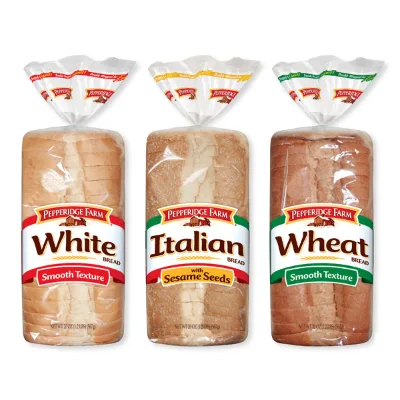
Wuhan Huaxia Solar Packaging Technology Co., Ltd.
- Verified by Intertek
- Trading Company
- Lead time30 days
- Avg. response≤ 2h
Main productsMeal Containers Series, Drink Cup Series, Paper Bags, Paper Cup Raw Material, Paper Bowls
Main marketsNorth America(30%), Southeast Asia(20%), Western Europe(15%)
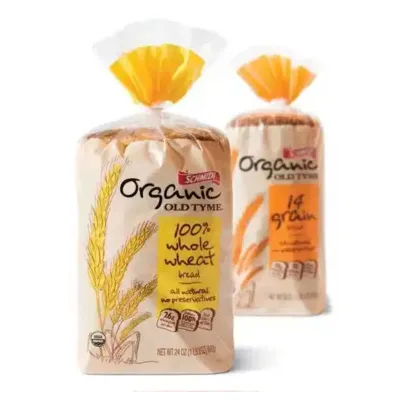
Custom Design Bread Bag Reusable Promotional Bread Bag Tags Baguette Plastic Bread Bag
$0.01 - $0.04
MOQ: 10000
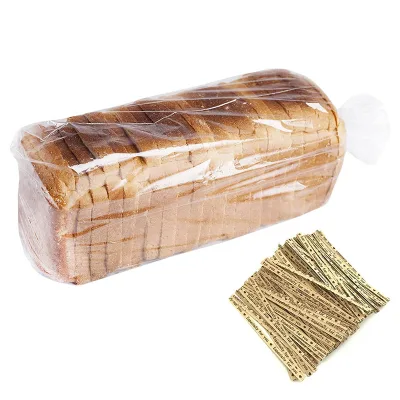
Food Grade Plastic Bag for Slice Bread Biodegradable Bread'S Loaf Plastic Bag
$0.01 - $0.04
MOQ: 10000 pieces
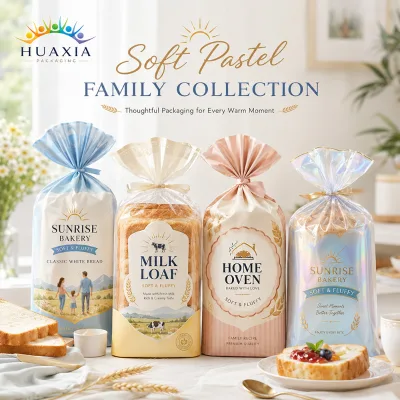
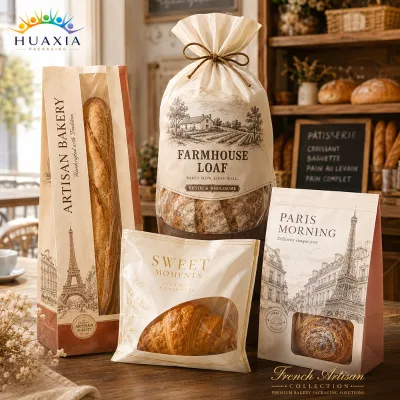
Shijiazhuang Chimi Packaging Products Co., Ltd
- Verified by SGS Group
- Manufacturer, Trading Company
- Lead time25 days
- Avg. response≤ 2h
Main productsPaper Bags, Paper Cups, Paper Cup Sleeve, Paper Boxes, Paper Bowls
Main marketsDomestic Market(50%), North America(20%), Central America(10%)
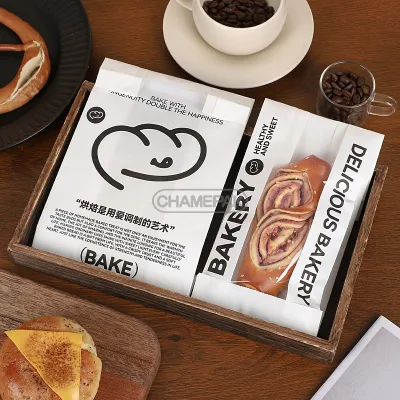
$0.02 - $0.05
MOQ: 10000 pieces
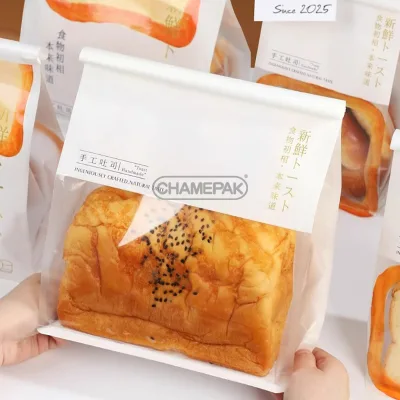
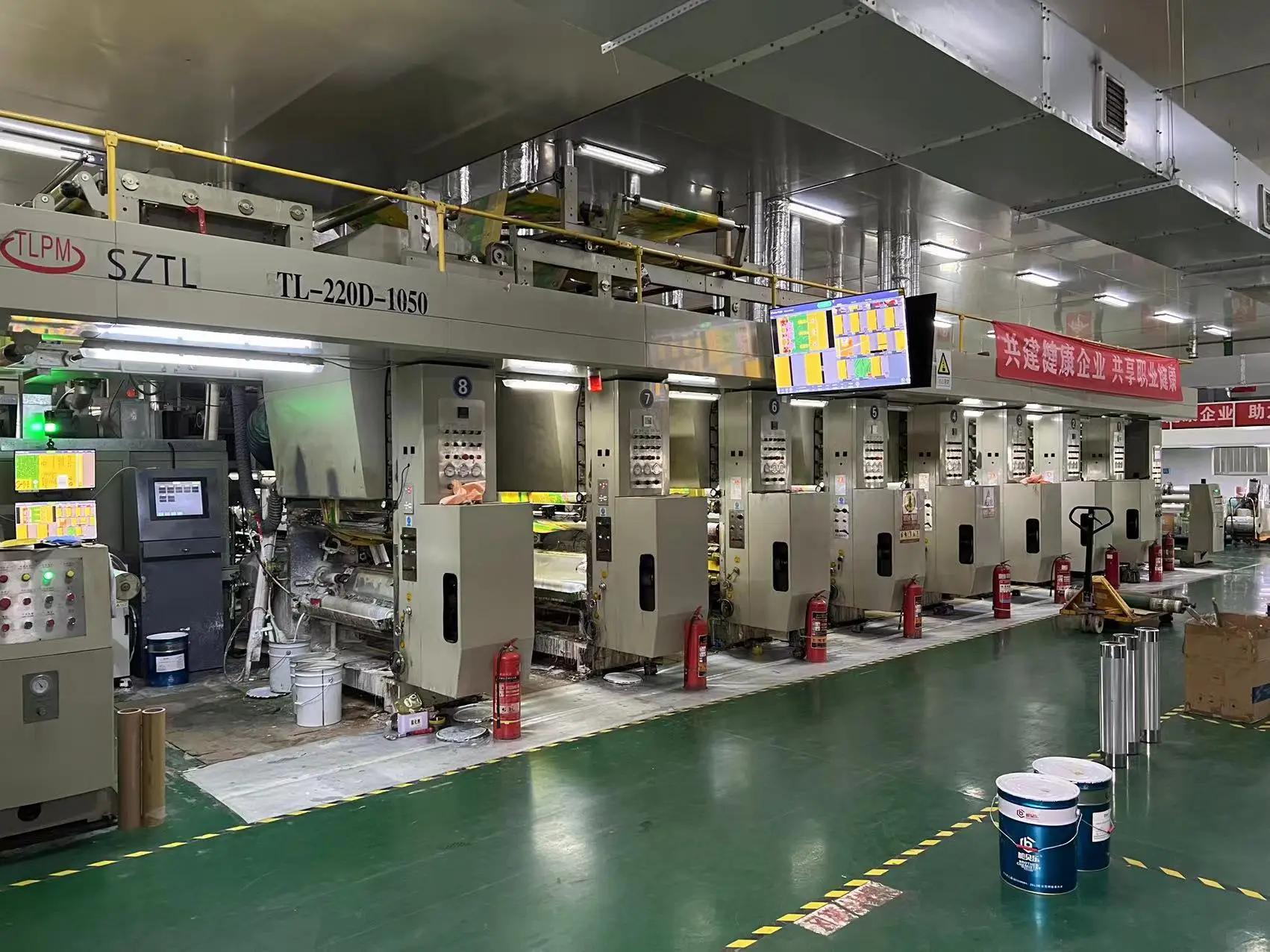
Hebei Epoch Packaging Products Co., Ltd.
- Manufacturer, Trading Company
- Hebei, China
- Lead time3 days
- Avg. response≤ 3h
Main productsStand up pouch, Flat Bottom Plastic Bag, Paper Box, Baking Paper Bag, Kraft Paper Bag
Main marketsNorth America(30.00%), Southeast Asia(20.00%), Oceania(10.00%), Domestic Market(10.00%), Mid East(10.00%), Africa(6.00%), Western Europe(5.00%), South America(2.00%), Southern Europe(2.00%), Eastern Asia(2.00%), Northern Europe(2.00%), Eastern Europe(1.00%)
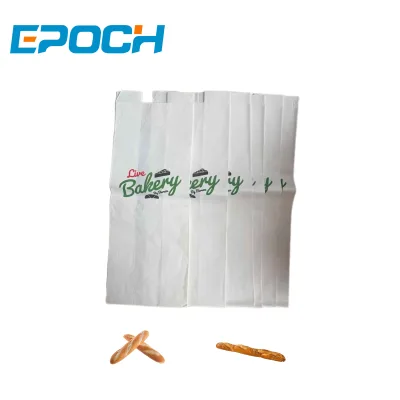
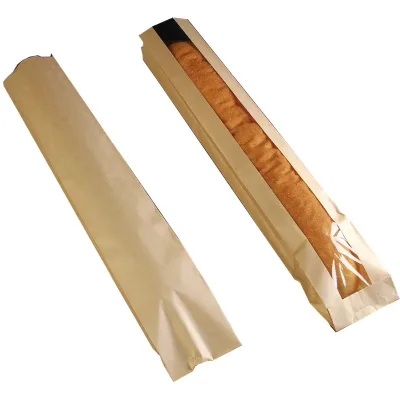
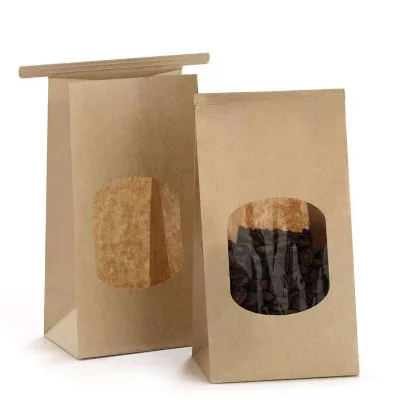
$0.0308 - $0.0616
MOQ: 2 pieces

Tianjin Xiezuo Trading Co., Ltd.
- Verified by SGS
- Trading Company
- China Tianjin
- Lead time15 days
- Avg. response≤ 7h
Main productsPaper and Plastic Packaging
Main marketsNorth America
Dongguan Heyi Packing Industrial Co., Ltd.
- Verified by SGS Group
- Manufacturer, Trading Company
- Lead time15 days
- Avg. response≤ 2h
Main productsBiodegradable Bag, CPE Frosted Bag, Ziplock Bag, Mailing Bag, Packing Tape
Main marketsNorth America(30%), Western Europe(20%), Mid East(14%)
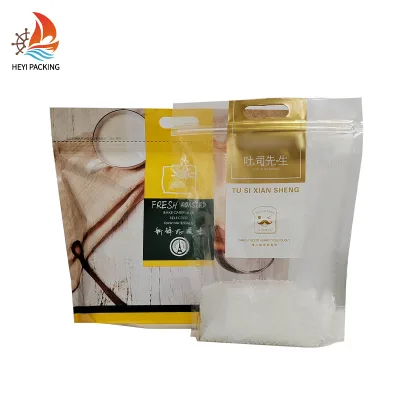
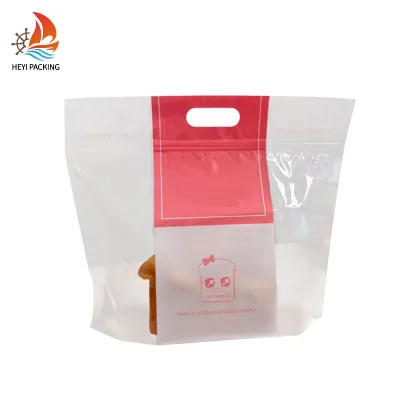
Back Seal Long Waist Christmas Disposable Polypropylene Plastic French Bread Bags Food
$0.0209 - $0.0313
MOQ: 5000 pieces
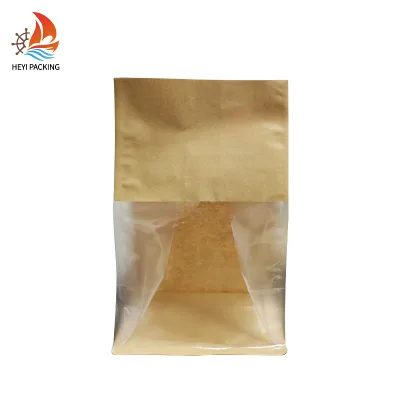
Reusable Plastic Packaging Customized Clear Plastic Bread Bag for Homemade Bread Close
$0.0205 - $0.0307
MOQ: 5 pieces

Best Zaza (xiamen) Industrial & Trade Co., Ltd.
- Manufacturer
- Fujian, China
- Lead time30 days
- Avg. response≤ 1h
Main productsFood packaging,Paper packaging,biodegradable packaging,plastic packaging
Main marketsDomestic Market(40.00%), North America(10.00%), Eastern Europe(10.00%), South America(10.00%), Southeast Asia(5.00%), Southern Europe(5.00%), Northern Europe(5.00%), Western Europe(5.00%), Eastern Asia(5.00%), Mid East(5.00%)
Shenzhen Cheerful Packaging Co., Ltd.
- Manufacturer, Trading Company
- Guangdong, China
- Lead time10 days
- Avg. response≤ 3h
Main productsPackaging Bags,Paper box,Label&Stickers,Paper Package,Printing Film
Main marketsNorth America(45.00%), Western Europe(10.00%), Northern Europe(10.00%), Central America(10.00%), South Asia(5.00%), Southern Europe(5.00%), Eastern Europe(5.00%), Africa(3.00%), South America(3.00%), Southeast Asia(2.00%), Eastern Asia(2.00%)
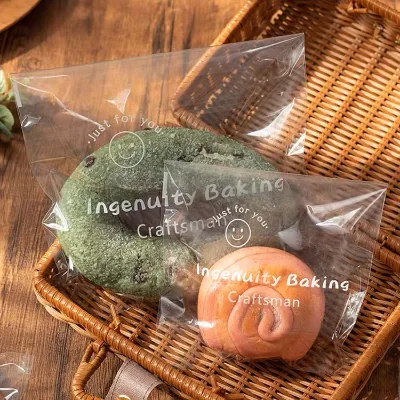
Plastic Printed Cello Baguette Bags Toast Sandwich French Loaf OPP Bread Bag With Custom Printing
$0.02 - $0.08
MOQ: 100 pieces
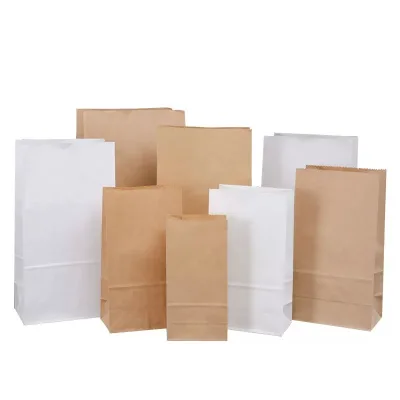
Disposable Compostable Recycled Durable Kraft Paper Takeout Bags for Snack Takeaway Bread Paper Bags
$0.12 - $0.16
MOQ: 100 Minimum
XIAMEN KINGBO FUQIPACK CO., LTD
- Verified by SGS Group
- Manufacturer, Trading Company
- Lead time20 days
- Avg. response≤ 2h
Main productsBread Bags, Fruit and Vegetable Bags, Shopping Bags, Tissue Packaging Bag, Plastic Film
Main marketsNorth America(35%), Oceania(25%), Southeast Asia(15%)
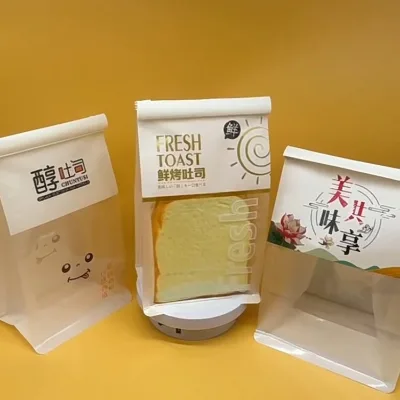
Recycled Paper Zipper Bread Bag Reusable Bread Bag Transparent Bread Plastic Bag
$0.02 - $0.04
MOQ: 30000
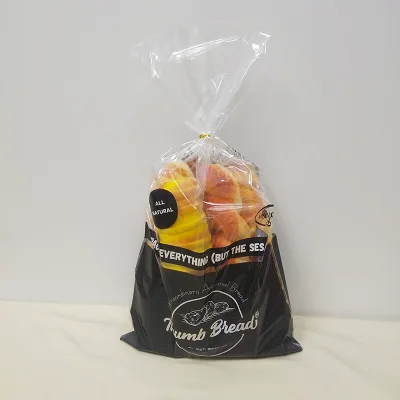
Eco-Friendly Bread Bags Reusable Plastic Sandwich Bags for Bread Ham and Pastries 80pcs/Bundle
$0.02 - $0.04
MOQ: 30000 bags
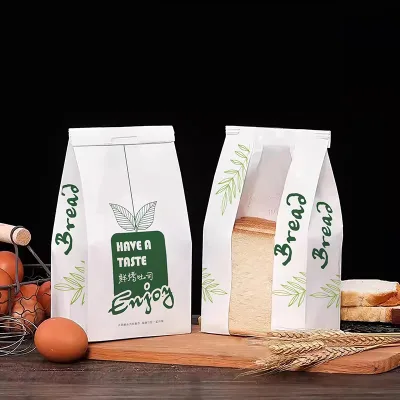
Dongguan Hengjin Packaging Products Co., Ltd.
- Verified by SGS Group
- Manufacturer, Trading Company
- Lead time25 days
- Avg. response≤ 8h
Main productsMedical Waste Bag, Shopping Bag, Pre-opened Bag, Garbage Bag, Pet Waste Poop Bag
Main marketsNorth America(42%), Eastern Europe(10%), Oceania(10%)
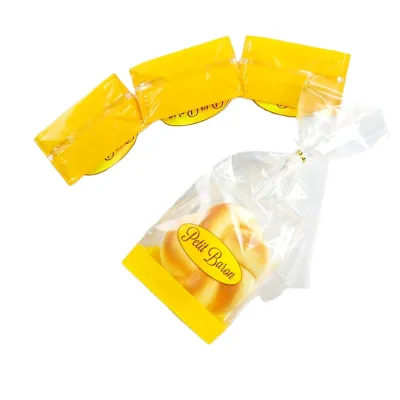
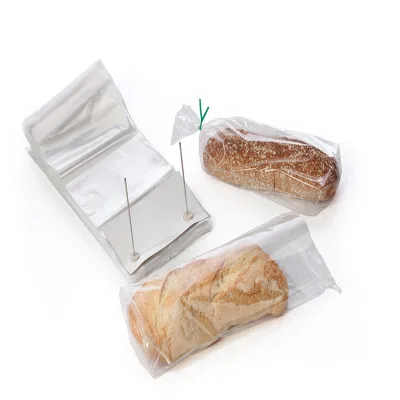
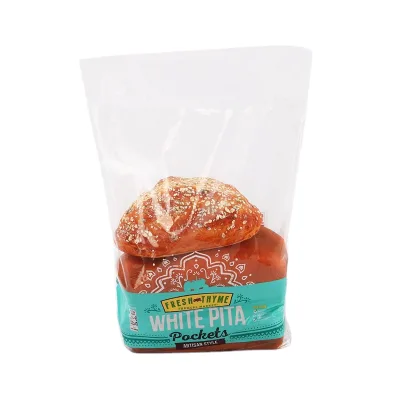
Custom Logo Printing Baguette Bread Bags Cheap Toast Bread Bag Food Grade Bread Bag
$0.0104 - $0.0207
MOQ: 20000 pieces
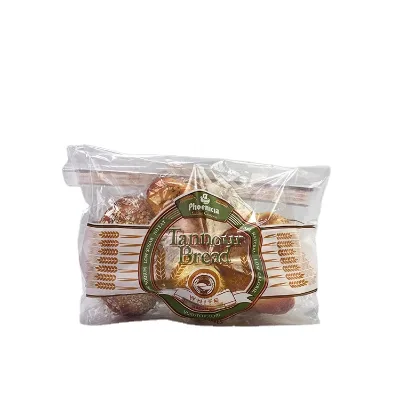
Shijiazhuang Chame Trading Co., Ltd.
- Verified by SGS Group
- Manufacturer, Trading Company
- Lead time0 days
Main productsPaper Bags, Paper Cups, Paper Cup Sleeve, Paper Boxes, Paper Bowls
Main marketsDomestic Market(50%), North America(20%), Central America(10%)
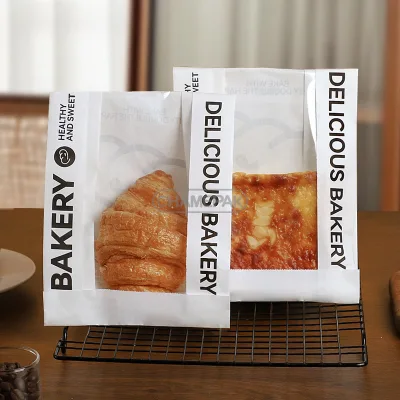
Customized Fresh-baked Toast Packaging Bags Toast Slices Baking Bread Bags
$0.0205 - $0.0513
MOQ: 10000 pieces
Fuzhou Hausger Trading Co., Ltd.
- Verified by TüVRheinland
- Trading Company
- FUJIAN, China
- Lead time15 days
- Avg. response≤ 6h
Main productsHandbag & Bread bag,Shipping box & Pizza box,Carton & Scratching board,Printing & Design,Flash cards
Main marketsNorth America(50%), Western Europe(50%)

JIANGMEN MST PACKAGING GROUP LIMITED
- Verified by BV
- Trading Company
- China Guangdong
- Lead time30 days
- Avg. response≤ 2h
Main productsPackaging Bag, Box Pouch, Kraft Paper Bag, Paper Bag, Coffee Bag, Plastic Bag, Compostable Bags, Recyclable Bags, Biodegradable Bags, Spout Pouch
Main marketsEurope,Australia,North America


Recyclable Food Grade Paper Bag Sandwich Bakery Bread Kraft Paper Bag with Window
$0.10 - $0.12
MOQ: 10000 Pieces
Xiamen Fujin New Materials Co., Ltd
- Manufacturer, Trading Company
- Fujian, China
- Lead time10 days
- Avg. response≤ 2h
Main productsVacuum Bags, Stand-up Bags, Flat Bottom Bags, Laminating Roll Film, Coffee Bags
Main marketsDomestic Market(50.00%), North America(10.00%), South America(5.00%), Oceania(5.00%), Western Europe(5.00%), Northern Europe(5.00%), Eastern Europe(4.00%), Africa(3.00%), Mid East(3.00%), Southeast Asia(3.00%), South Asia(2.00%), Eastern Asia(2.00%), Southern Europe(2.00%), Central America(1.00%)
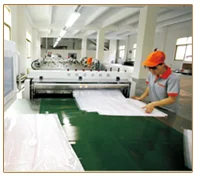
Guangzhou Heshun Commodities Co., Ltd.
- Manufacturer
- Guangdong, China
- Lead time35 days
- Avg. response≤ 2h
Main productsVacuum Storage Bags,Vacuum space Bags,Plastic bags,Plastic Zippers,Plastic Seal Zippers
Main marketsNorth America(20.00%), Central America(10.00%), Western Europe(10.00%), Northern Europe(8.00%), South Asia(8.00%), Eastern Europe(8.00%), Eastern Asia(6.00%), South America(6.00%), Southern Europe(5.00%), Domestic Market(5.00%), Southeast Asia(5.00%), Mid East(5.00%), Oceania(2.00%), Africa(2.00%)
Chaozhou Chaoan District Bosheng Packaging Co., Ltd.
- Manufacturer, Trading Company
- Guangdong, China
- Lead time15 days
- Avg. response≤ 2h
Main productsPackaging Bag
Main marketsDomestic Market(40.00%), North America(25.00%), Southeast Asia(20.00%), Eastern Europe(15.00%)
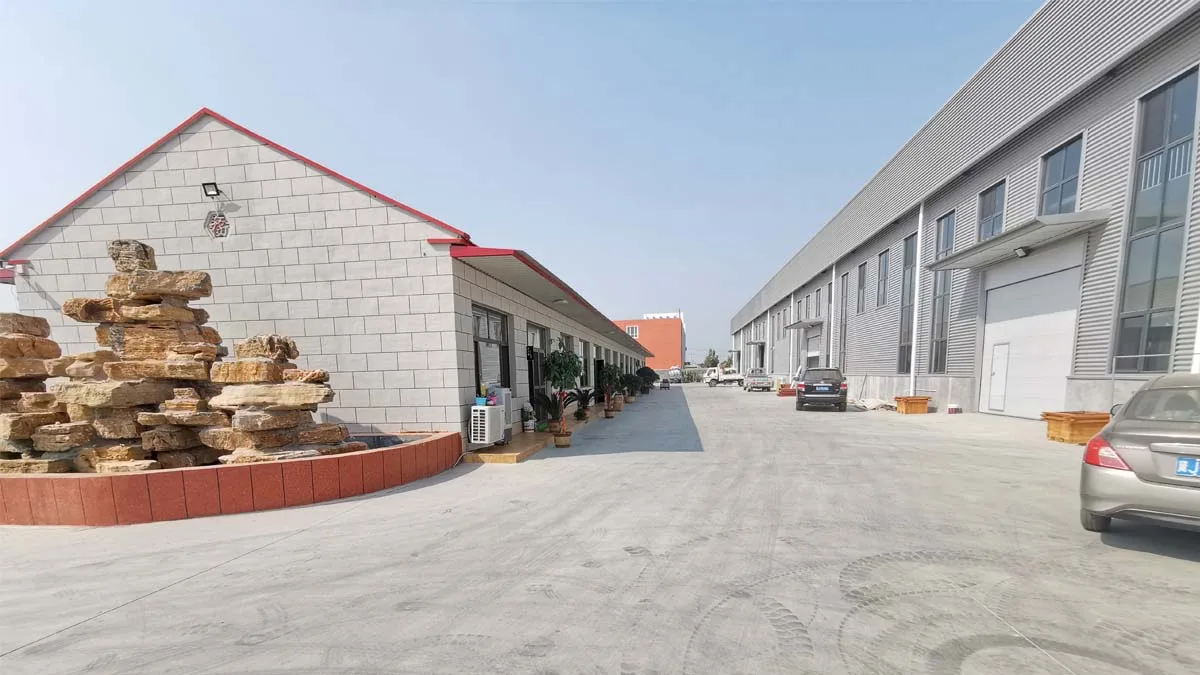
Cangzhou Xianyu Packaging Products Co., Ltd.
- Trading Company
- Hebei, China
- Lead time10 days
- Avg. response≤ 2h
Main productsCustomized Packaging Bags,Plastic Color Printing Film,Paper-Plastic Packaging,Aluminum Foil Bag,Food Color Printing Vacuum Bag
Main marketsNorthern Europe(100.00%), Central America(100.00%), Western Europe(100.00%), Eastern Asia(100.00%), Mid East(100.00%), Oceania(100.00%), Africa(100.00%), South Asia(100.00%), Eastern Europe(100.00%), Southern Europe(100.00%), South America(100.00%), North America(50.00%), Domestic Market(30.00%), Southeast Asia(20.00%)

Wenzhou Qiangsen Import and Export Co., Ltd.
- Verified by BV
- Trading Company
- China Zhejiang
- Lead time30 days
- Avg. response≤ 4h
Main productsFood Container, Cornstarch Cutlery, Paper Plate, Salad Bowl, Paper Bag, Bamboo Stick, Wooden Cutlery, Greaseproof Paper, Bamboo Cutlery, Paper Cup
Main marketsSoutheast Asia/ Mideast,North America

Biodegradable Kraft Paper Bag for Snack Bread Baguette Window Paper Bag
$0.012 - $0.0158
MOQ: 50000 Pieces

100% Biodegradable Kraft Paper Bag for Bread Paper Bag Snack Baguette
$0.0112 - $0.0158
MOQ: 50000 Pieces
Henan Green Wrap Products Co., Ltd.
- Verified by TüVRheinland
- Manufacturer, Trading Company
- Lead time15 days
- Avg. response≤ 3h
Main productsBeeswax Wrap, Beeswax Roll, Beeswax Bag, Beeswax Bowl Cover, Beeswax Bread Bag
Main marketsNorth America(25%), Western Europe(25%), Oceania(15%)
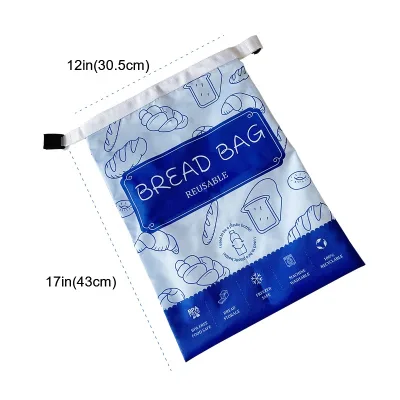
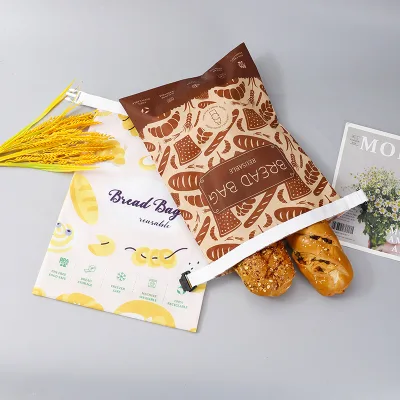
Repet Polyester Fabric Reusable Bread Bag Eco-Friendly Folding Style for Convenient Packing
$1.5379 - $3.0743
MOQ: 100 bags
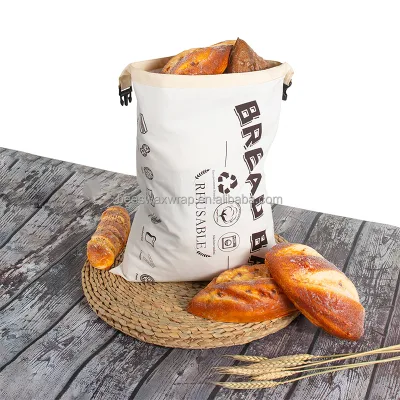
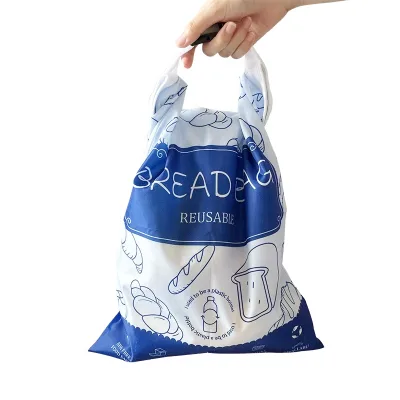
Fuzhou Dihuang Technology Co., Ltd.
- Verified by TüVRheinland
- Manufacturer, Trading Company
- Lead time0 days
- Avg. response≤ 2h
Main productsPaper Bags, Shopping Bags, Food Packaging Box, Shipping Box, Paper Cups
Main marketsNorth America(55%), Western Europe(40%), Southeast Asia(5%)
Jiangxi Epack Package Co., Ltd.
- Verified by SGS Group
- Trading Company
- Lead time0 days
- Avg. response≤ 2h
Main productsPaper Bags, Paper Boxes, , Food Delivery Bag, Biodegradable Bags, Biodegradable Packaging
Main marketsNorth America(30%), Western Europe(25%), Mid East(10%)
Quanzhou Dayu Paper & Plastic Products Co., Ltd.
- Verified by SGS Group
- Manufacturer, Trading Company
- Lead time20 days
- Avg. response≤ 1h
Main productsPaper Coffee Cup, Paper Salad Bowl, Paper Soup Cup, Paper Plates, Paper Food Box
Main marketsNorth America(30%), Western Europe(30%), South America(20%)



Comprehensive Sourcing Guide
Recyclable PE French Bread Bags Supplier Concentration and Factory Types
The current supplier landscape for Recyclable PE French Bread Bags reveals a distinct geographic concentration within China, specifically highlighting manufacturing hubs in Guangdong, Jiangsu, and Hebei provinces. These regions serve as primary clusters for packaging production, offering buyers access to established industrial ecosystems that support both raw material sourcing and finished goods assembly. Guangdong, in particular, appears frequently in supplier data, indicating a dense network of factories capable of handling high-volume orders for plastic packaging solutions. This concentration allows for efficient supply chain logistics, as raw materials like PE film and printing inks are readily available within these provincial boundaries. Buyers evaluating suppliers should recognize that proximity to these manufacturing centers often correlates with faster production cycles and potentially lower shipping costs for international orders. The presence of multiple suppliers in these specific locations suggests a competitive market where price and quality are constantly being optimized to meet global demand for bakery packaging.
Supplier types in this sector vary significantly, ranging from pure manufacturers to combined entities that include trading companies. Some suppliers operate as manufacturers with their own production lines, while others function as trading companies that source from various factories. This distinction is crucial for buyers who need to understand the directness of their supply chain. Combined company types often offer a broader range of services, including OEM and ODM capabilities, which are essential for brands seeking custom branding on their bread bags. The availability of these different supplier types provides flexibility for buyers with varying order volumes and customization needs. However, it also requires careful due diligence to ensure that the supplier claiming to be a manufacturer actually controls the production process. Understanding the specific company type helps buyers assess the reliability of lead times and the authenticity of quality control measures.
How to Verify Recyclable PE French Bread Bags Suppliers
Verification is a critical step in ensuring that suppliers meet the required standards for producing Recyclable PE French Bread Bags. Buyers should prioritize suppliers who have undergone third-party verification processes, such as BV certification, which adds a layer of credibility to their business operations. This verification helps confirm that the supplier’s legal status and operational capabilities are legitimate, reducing the risk of engaging with fraudulent entities. Additionally, buyers should look for suppliers who display clear evidence of their manufacturing capabilities, such as detailed product specifications and certifications. While specific system certifications may vary, the presence of any recognized quality management standards can indicate a supplier’s commitment to consistent production quality. It is important for buyers to request and review these verification documents directly from the supplier to ensure they are current and applicable to the specific products being ordered.
Beyond basic verification, buyers should assess the supplier’s responsiveness and communication efficiency as indicators of their operational maturity. A quick response time, such as those observed in the range of three to eight hours, suggests that the supplier has dedicated customer service teams ready to address inquiries and resolve issues promptly. This responsiveness is particularly important for international buyers who may face time zone differences and need timely updates on order status. Buyers should also verify the supplier’s ability to provide custom solutions, as many suppliers offer OEM and ODM services. This capability is often reflected in the product attributes, such as the availability of custom printing and logo placement. By combining verification checks with an assessment of communication efficiency, buyers can build a more comprehensive profile of each potential supplier, ensuring they partner with reliable and professional entities.
What to Compare Across Recyclable PE French Bread Bags Suppliers
When comparing suppliers, buyers should focus on key operational metrics such as lead times, minimum order quantities, and response speeds. Lead times can vary significantly, with some suppliers offering production cycles as short as ten days, while others may require fifteen days or more. Understanding these variations helps buyers plan their inventory and manage stock levels effectively. Minimum order quantities are another critical factor, with some suppliers requiring orders as low as ten thousand pieces, while others may set thresholds at twenty thousand or thirty thousand pieces. These MOQs can impact the total cost per unit and the feasibility of small-scale trials. Buyers should also compare the response times of different suppliers, as faster responses can lead to quicker negotiations and order confirmations. These operational differences can significantly influence the overall sourcing experience and the efficiency of the supply chain.
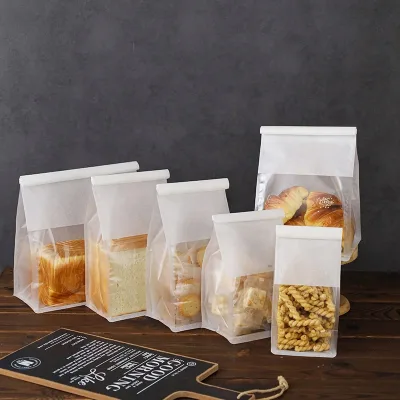
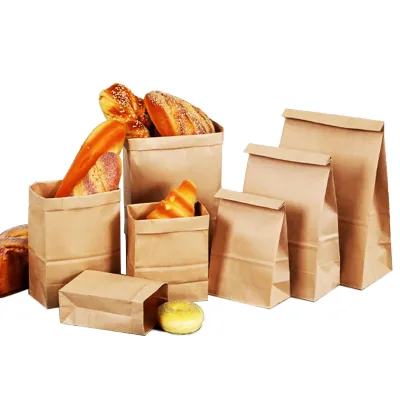
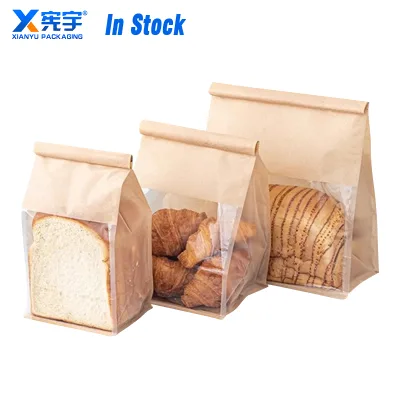
Product specifications and customization options are also essential comparison points. Buyers should examine the material structures, closure types, and printing capabilities offered by each supplier. For instance, some suppliers may specialize in PE materials with self-adhesive seals, while others might offer OPP structures with different sealing mechanisms. The availability of custom printing, including gravure or screen printing, can affect the final appearance and brand identity of the bread bags. Additionally, buyers should compare the price ranges, which can vary from as low as $0.01 to $0.14 per piece depending on the order volume and customization requirements. By systematically comparing these attributes, buyers can identify suppliers that best align with their specific product requirements and budget constraints. This detailed comparison ensures that buyers make informed decisions based on concrete data rather than assumptions.
Common Recyclable PE French Bread Bags Sourcing Risks
One of the primary risks in sourcing Recyclable PE French Bread Bags is the potential mismatch between claimed material properties and actual product performance. Buyers must ensure that the PE material used is indeed recyclable and meets food-grade safety standards. Some suppliers may use generic plastic types without clear certification, which can lead to compliance issues in certain markets. Additionally, the durability of the bag, particularly for long loaf or baguette styles, is crucial. Bags that are too thin or lack proper sealing mechanisms can result in product damage and customer dissatisfaction. Buyers should request samples to test the physical properties of the bags, including tensile strength and seal integrity. This hands-on verification helps mitigate the risk of receiving substandard products that fail to protect the bread during transit and storage.
Another significant risk is the inconsistency in lead times and order fulfillment reliability. Suppliers may promise short lead times but fail to deliver on schedule due to production bottlenecks or resource constraints. This can disrupt the buyer’s supply chain and lead to stockouts. Furthermore, the complexity of custom printing and branding can introduce errors if not properly managed. Misprints or incorrect logo placements can render entire batches unusable. Buyers should establish clear communication channels and require detailed proofs before production begins. It is also important to verify the supplier’s capacity to handle large orders without compromising quality. By identifying and addressing these risks early in the sourcing process, buyers can protect their brand reputation and ensure a smooth procurement experience.
Recyclable PE French Bread Bags Regional Sourcing and Logistics
Sourcing from specific regions in China, such as Guangdong, Jiangsu, and Hebei, offers distinct logistical advantages and challenges. Guangdong’s proximity to major ports like Shenzhen and Guangzhou can facilitate faster shipping times for international buyers, particularly those in Asia and North America. Jiangsu, located in the eastern part of China, also benefits from access to Shanghai’s port infrastructure, making it a convenient hub for exports. Hebei, while further north, still provides competitive manufacturing costs and access to Beijing-Tianjin-Hebei logistics networks. Buyers should consider the shipping routes and transit times associated with each region when planning their orders. Understanding these logistical factors helps in estimating the total landed cost and delivery schedules accurately.
Packaging and handling requirements also play a role in regional sourcing decisions. Suppliers often pack their products in cartons, with specific dimensions and weights that affect shipping efficiency. For example, some suppliers provide single package sizes of 30x20x15 cm, which can be optimized for container loading. Buyers should work with suppliers to ensure that packaging is designed to minimize damage during transit and maximize space utilization. Additionally, the origin of the product, such as Chao Zhou in Guangdong, can influence local regulations and export procedures. Buyers should verify that the supplier’s packaging and labeling comply with the import requirements of their target markets. By aligning sourcing regions with logistical capabilities, buyers can streamline their supply chain and reduce transportation costs.
Recyclable PE French Bread Bags Commercial Terms and Order Planning
Commercial terms and order planning are vital for successful procurement of Recyclable PE French Bread Bags. Buyers should negotiate clear payment terms, such as using escrow services to protect their funds until the goods are received and verified. This financial safeguard reduces the risk of fraud and ensures that suppliers are motivated to deliver on their promises. Additionally, buyers should establish detailed specifications for each order, including material thickness, bag dimensions, and printing details. Clear documentation helps prevent misunderstandings and ensures that the final product meets the buyer’s expectations. It is also important to discuss any additional costs, such as mold fees for custom designs or shipping insurance, upfront to avoid surprises later in the process.
Order planning should account for seasonal demand fluctuations and production lead times. Buyers should place orders well in advance to accommodate potential delays and ensure timely delivery. Building a relationship with reliable suppliers can also lead to better pricing and priority treatment during peak seasons. Buyers should regularly review their inventory levels and adjust their ordering patterns accordingly. By maintaining open communication with suppliers and planning orders strategically, buyers can optimize their supply chain and maintain a steady flow of high-quality bread bags. This proactive approach helps mitigate risks and supports long-term business success in the competitive bakery packaging market.
FAQs
What is the typical lead time for custom bread bags?
Manufacturers in China generally require 15 days for production, while suppliers in Jiangsu may list zero days for standard items. Buyers in Hebei often see a 10-day turnaround. Always confirm the exact schedule with the supplier before placing an order to avoid delays.
What is the minimum order quantity for these bags?
Minimum order quantities vary significantly by supplier and location. Some manufacturers require 30,000 pieces, while others accept orders as low as 10,000 or 20,000 pieces. You must verify the specific MOQ with the chosen supplier, as it depends on the material and customization level.
Are these bags suitable for food contact?
Yes, many suppliers explicitly state that their products are food grade and suitable for industrial food use. The materials listed include PE and OPP plastics, which are commonly used for packaging. Always request material safety documentation to ensure compliance with your local food safety regulations.
Can I get custom printing on these bags?
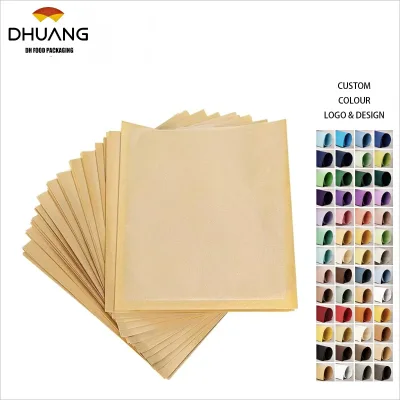
Customization is widely available, with options for custom logos, colors, and sizes. Suppliers offer various printing methods, including screen printing and gravure printing. You can choose from clear or custom colors, and many factories support OEM and ODM services to meet your specific branding needs.
What is the price range for these bags?
Prices typically range from $0.01 to $0.14 per piece, depending on the material, thickness, and order volume. Lower costs are often associated with higher minimum order quantities. You should request a detailed quote based on your specific size and quantity requirements to get an accurate price.
How quickly do suppliers respond to inquiries?
Response times vary, with some suppliers responding within 3 to 4 hours and others taking up to 8.7 hours on average. Faster response times often indicate a more active sales team. You can filter suppliers by response speed to ensure timely communication during the sourcing process.