Rental Kart Racing Rear Rim Suppliers and Manufacturers
Compare 27 verified suppliers offering Rental Kart Racing Rear Rim options with varying lead times, MOQs, and certifications. Review product attributes like material and origin, then request samples to verify quality before placing orders; review the available evidence before requesting comparable quotations from suitable candidates.
Suppliers List
Ningbo Yinzhou Siqi Machinery Co., Ltd.
- Trading Company
- Zhejiang, China
- Lead time20 days
- Avg. response≤ 6h
Main productsAuto Parts,Kart Parts,E-Bike,Kart wheel,Go Kart
Main marketsWestern Europe(30.00%), Northern Europe(30.00%), North America(30.00%), South America(10.00%)
Wuxi Henderchan Industrial Co Ltd
- Verified by SGS
- Trading Company
- China Jiangsu
- Lead time45 days
- Avg. response≤ 3h
Main productsCustom CNC Machining Parts, CNC Machining Service, Custom Investment Casting Parts, Investment Casting Service, Precision Forging Service, Custom Precision Forging Parts, Hinges, Go Kart Parts, Metal Fabrication Service, Custom Metal Fabrication Parts
Main marketsEurope
Yongkang Aiweiku Industry And Trade Co., Ltd.
- Manufacturer, Trading Company
- Zhejiang, China
- Lead time5 days
- Avg. response≤ 10h
Main productsATV,electric scooter part,ATV tire,scooter tire,ATV parts
Main marketsNorth America(40.00%), Western Europe(20.00%), Northern Europe(10.00%), Eastern Europe(10.00%), Eastern Asia(10.00%), Mid East(10.00%)
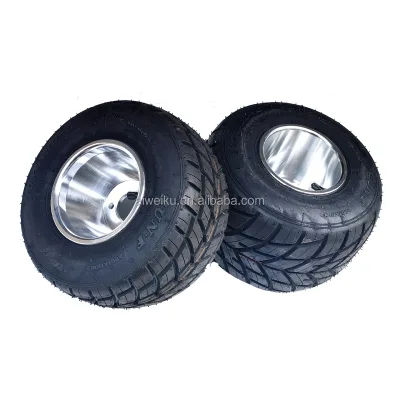
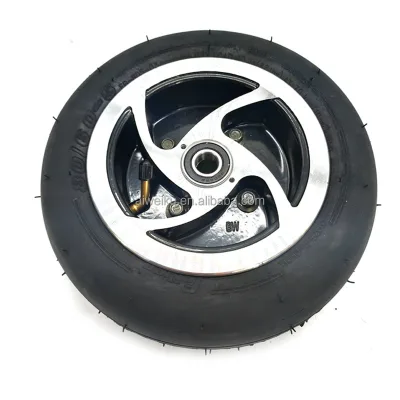
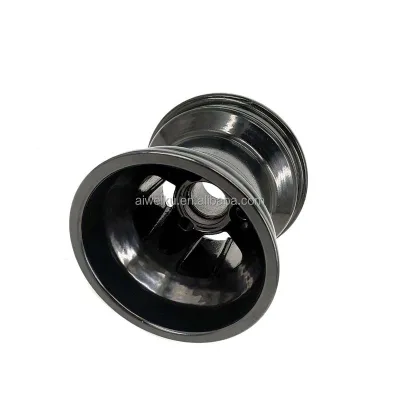
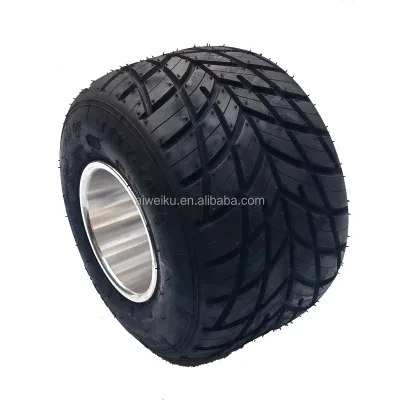
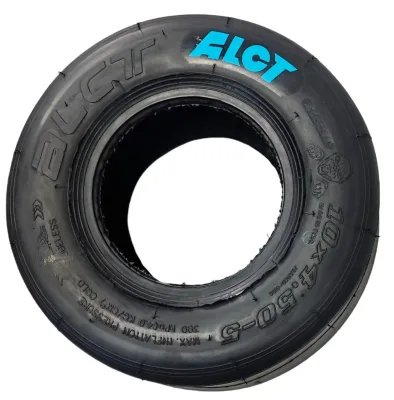
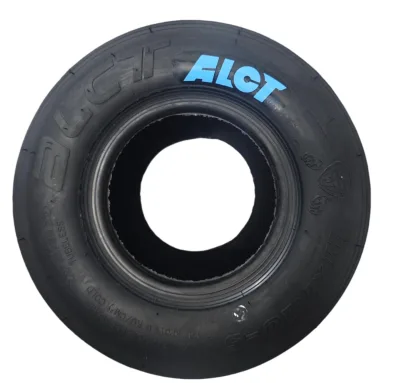
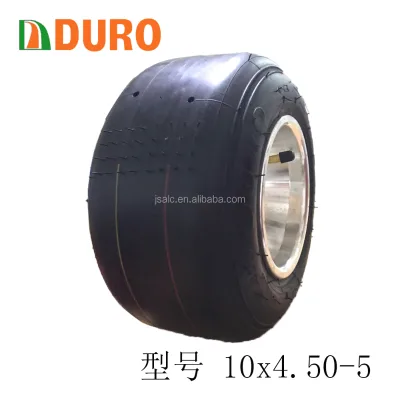
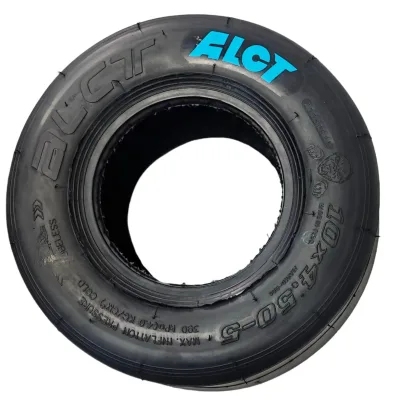
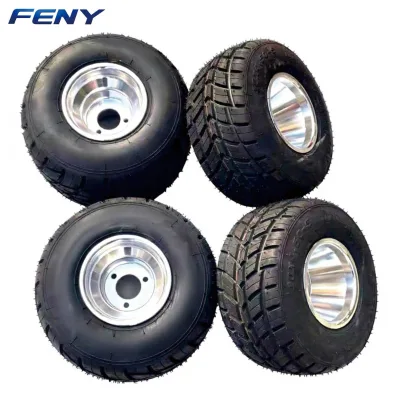
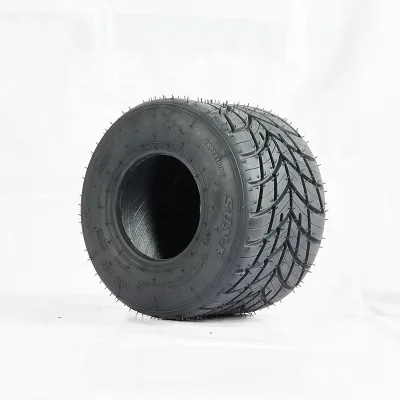
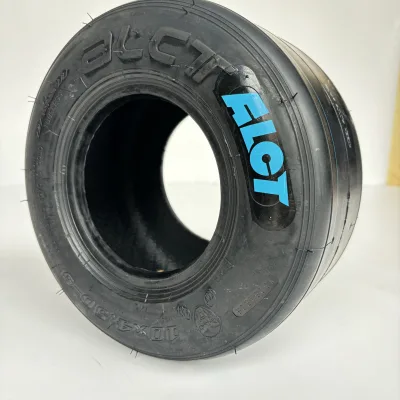
Front Tire 10x4.50-5 -5 Rear Wheel 11x7.10-5 RAIN TIRES for RENTAL GO KART
$26.48 - $29.54
MOQ: 4 Minimum

Changzhou Luckyway Metal Technology Co., Ltd.
- Combined
- China Jiangsu
- Lead time23 days
- Avg. response≤ 8h
Main productsMotorcycle Parts, Auto Parts, Aluminum Welding Processing, CNC Machining, Bicycle Parts, Go Kart Parts, Forging Parts Processing, Die Casting Processing, Sheet Metal Fabricatiom, Lathe Processing
Main marketsEurope,Australia,North America
CHANGZHOU BRUNO MACHINERY CO., LTD.
- Manufacturer, Trading Company
- Jiangsu, China
- Lead time35 days
- Avg. response≤ 6h
Main productsCNC Machining,Aluminum Fabrication,Custom Go Kart Parts,Motorcycle Components,Precision Metal Parts
Main marketsNorth America(20.00%), Southeast Asia(20.00%), Eastern Europe(15.00%), Western Europe(15.00%), South America(10.00%), Central America(10.00%), Northern Europe(10.00%)
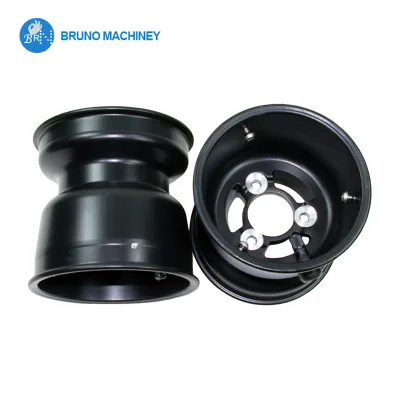
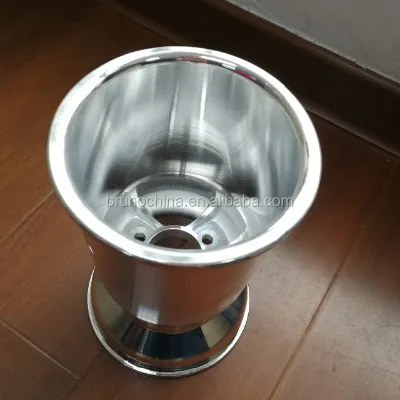
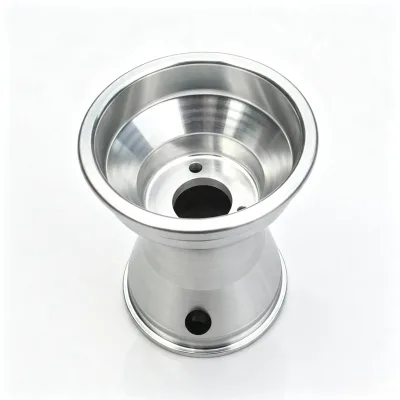
High Quality and Cheap Price New Bruno Aluminum Customgo Kart Wheel Rims for Replacement/Repair
$25.48 - $35.67
MOQ: 50 pieces

- Verified by BV
- Trading Company,Manufacturer/Factory
- China Shandong
- Lead time23 days
- Avg. response≤ 3h
Main productsTruck Tire, Passenger Car Tire, OTR Tire, Agricultural Tire, Mt/at/UTV, ATV Tire, Racing Tire, Semi Slick Tire, Special Tire, Motocross Tire
Main marketsSouth America,Eastern Europe,Mid East,North America,Southeast Asia,Eastern Asia,Oceania,Western Europe,Africa


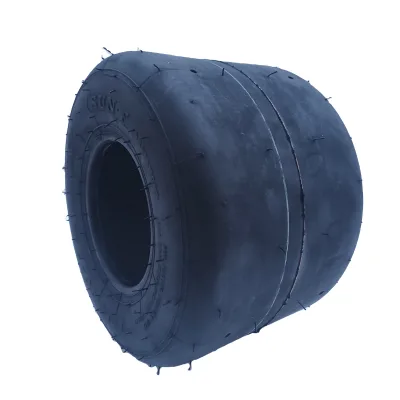
Track-Spec Hot Melt Rubber Go Kart Racing Tires 10X4.5-5 Front and 11X7.1-5 Rear
$24.00
MOQ: 50 Pieces

Jiangsu Alc Technology Co., Ltd.
- Trading Company
- Jiangsu, China
- Lead time30 days
- Avg. response≤ 7h
Main productsATV tires,Golf tires,M/C tires,B/C tires,karting tire
Main marketsDomestic Market(80.00%), North America(5.00%), South Asia(5.00%), Southeast Asia(5.00%), Africa(4.00%), Northern Europe(1.00%)

Qingdao Changyue Trading Co., Ltd.
- Verified by SGS
- Trading Company
- China Shandong
- Lead time23 days
- Avg. response≤ 6h
Main productsAuto Bearing, Tapered Roller Bearings, Deep Groove Ball Bearings, Cylindrical Roller Bearings, Hub Bearing, Spherical Roller Bearing, Thrust Ball Bearing, Bearing
Main marketsSoutheast Asia/ Mideast,Europe

QINGDAO WANSHISHUN SPECIAL VEHICLES CO.,LTD
- Verified by SGS
- Combined
- China Shandong
- Lead time15 days
- Avg. response≤ 10h
Main productsTyre and Tube Pneumatic Wheel PU Foam Wheel, Wheelbarrow Tyre Wheelbarrow Motorcycle Tire, Wheel Rim Lawn Mower Tire Solid Wheel, Agricultural Tire Motorcycle Tire Inner Tube, Wheelbarrow Wheel
Main marketsSouth America,Southeast Asia/ Mideast,Domestic,Europe,North America
Yongkang Fenyang Technology Co., Ltd.
- Trading Company
- Zhejiang, China
- Lead time7 days
- Avg. response≤ 6h
Main productsElectric scooter tires,elderly mobility scooter tire,Golf cart tires,Go kart tires,Snowmobile tires and tracks
Main marketsSouth America(30.00%), Southeast Asia(20.00%), Mid East(20.00%), Central America(10.00%), Eastern Asia(10.00%), North America(10.00%)
Yongkang Houcheng Trading Co., Ltd.
- Trading Company
- Zhejiang, China
- Lead time0 days
- Avg. response≤ 1h
Main productsATV UTV accessories,Golf cart accessories,Go-kart accessories,karting accessories,Electric scooter accessories
Main marketsOceania(15.00%), Central America(15.00%), Eastern Europe(15.00%), South America(15.00%), North America(15.00%), Northern Europe(10.00%), Africa(10.00%), South Asia(5.00%)

Shandong Oasisland Wheel Systems Co., Ltd.
- Trading Company,Manufacturer/Factory
- China Shandong
- Lead time23 days
- Avg. response≤ 25h
Main productsTyre, Wheel Rim, Agricultural Tyre, Flotation Implement Tyre, OTR Tyre, Industrial Tyre, Tractor Tyre, OTR Wheel Rim, Agricultural Wheel Rim, Truck Wheel Rim
Main marketsSouth America,Eastern Europe,Mid East,North America,Southeast Asia,Eastern Asia,Oceania,Western Europe,Africa

Qingdao Bastone International Trading Company Limited
- Trading Company
- China Shandong
- Lead time23 days
- Avg. response≤ 4h
Main productsCar Tyre, Truck and Bus Tyre, Bias Truck Tyre, OTR Tire, Triangle Tire, Gt Radial Truck Tire, Longmarch Truck Tyre, Doublecoin Truck Tyre, Tires Tyres, Radial Truck Tyres
Main marketsSouth America,Africa,Southeast Asia/ Mideast,East Asia(Japan/ South Korea),Europe,Australia,North America

Linyi HUAYANG AUTO Accessories Co., Ltd.
- Verified by SGS
- Combined
- China Shandong
- Lead time15 days
- Avg. response≤ 2h
Main productsCar Mat, Car Wheels, Car Seat Covers
Main marketsSouth America,Africa,Southeast Asia/ Mideast,East Asia(Japan/ South Korea),Domestic,Europe,North America
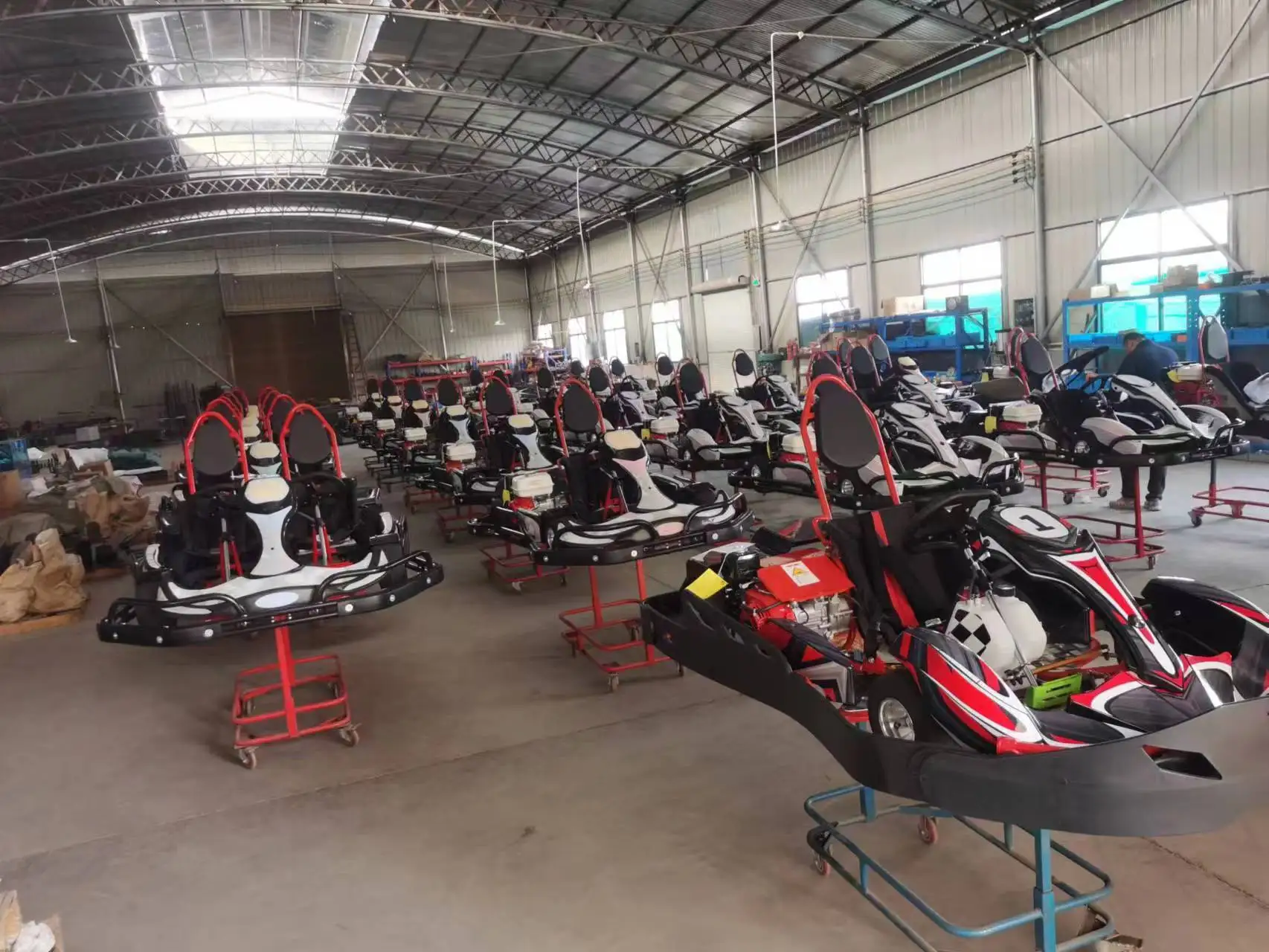
Yongkang Egs Sporting Products Co., Ltd.
- Manufacturer
- Zhejiang, China
- Lead time0 days
- Avg. response≤ 6h
Main productsGo kart,buggy,atv,Timing loop system,Go kart tracking design
Main marketsSouth Asia(15.00%), Mid East(15.00%), Southeast Asia(10.00%), Central America(10.00%), Domestic Market(5.00%), South America(5.00%), Southern Europe(5.00%), Northern Europe(5.00%), Eastern Europe(5.00%), Western Europe(5.00%), Eastern Asia(5.00%), North America(5.00%), Oceania(5.00%), Africa(5.00%)
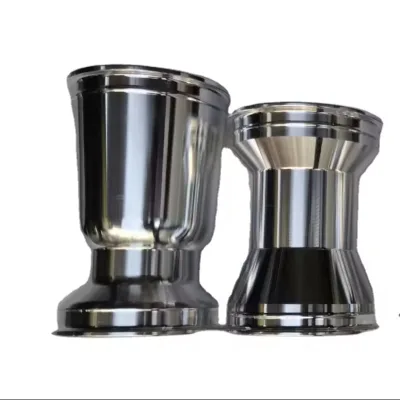
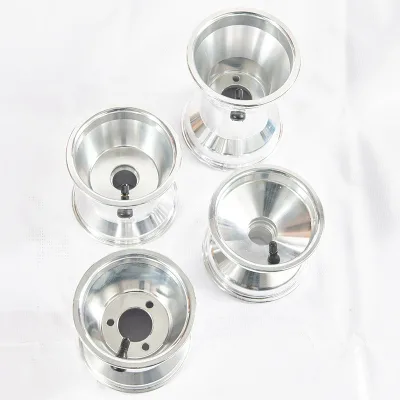
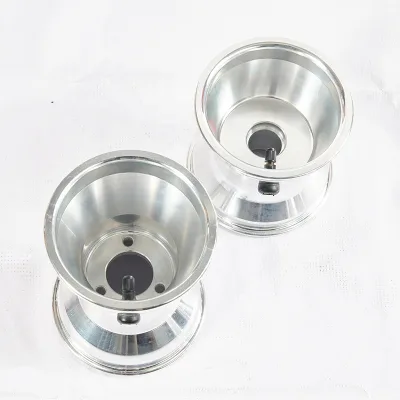
Wholesale Kart Wheel Sets Sliver/Chroma Durable Kart Rims for High-Speed Racing
$23.00
MOQ: 20 Minimum
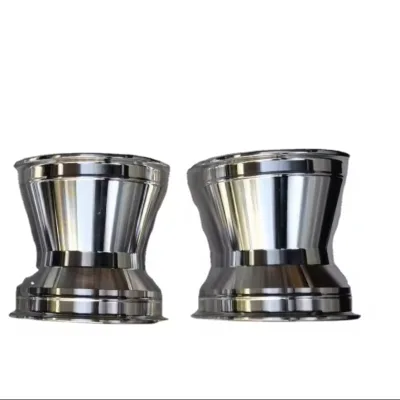
Chinese Supplier Bulk Buy High-Performance Kart Wheels With Unbeatable Strength
$23.88
MOQ: 20 Minimum

Hurong(Ningbo) Imp. & Exp. Co., Ltd.
- Verified by SGS
- Trading Company
- China Zhejiang
- Lead time30 days
- Avg. response≤ 5h
Main productsWheels, Car Wheels, Motorcycle Wheels, Car Accessories, Motorcycle Accessories, Scooter Wheels, Scooter Accessories, Truck Wheels, Truck Accessories
Main marketsEurope,North America

Qingdao trusthengbang Industry and Trade Co., Ltd.
- Verified by BV
- Manufacturer/Factory
- China Shandong
- Lead time0 days
- Avg. response≤ 12h
Main productsWheelbarrow Tire, Pneumatic Rubber Wheel, ATV Tire, Rubber Tire & Tube, Tyre, Rubber Tyre, Wheelbarrow Tyre, Hardware, PU Wheel, Rubber Solid Wheel
Main marketsSouth America,Eastern Europe,Mid East,North America,Southeast Asia,Eastern Asia,Oceania,Western Europe,Africa

Tire Wheel with Rim for Electric Scooter Scooter ATV and Go Kart Tires and Inner Tube
$2.00 - $3.00
MOQ: 500 Pieces

6 Inch Wheels 13X5.00-6 Tyre with Rim Fit for Mini Quad ATV Kid's Go Kart
$4.00 - $9.00
MOQ: 1000 Pieces

$3.00 - $6.00
MOQ: 500 Pieces


Qingdao Royo Tyre Industrial Corp., Ltd.
- Verified by SGS
- Trading Company
- China Shandong
- Lead time15 days
- Avg. response≤ 2h
Main productsRadial OTR Tyre, OTR Wheel/Bias OTR Tyre Solid Tyre, Radial Bias Truck Tyre Cheap Car /Truck/Bus Tyre, High Performance Truck/Car Tyre Forklift/Pneumat, Bus Truck Car Tyre Wheel, Bias Radial Agricultural Tire
Main marketsSouth America,Africa,Europe,Australia,North America

$18.00 - $20.00
MOQ: 1000 Pieces


Hangzhou Fortune Supply Chain Co., Ltd.
- Verified by TUVRHEINLAND
- Combined
- China Zhejiang
- Lead time30 days
- Avg. response≤ 4h
Main productsTrailer Wheels, ATV/UTV Wheels, Powersports Wheels, Outdoor Power Equipment Wheels, Lawn Mower Tractor Wheels, Golf Cart Wheels, Fork Lift Wheels, Agriculture Use Wheels, Snow Blower Wheels, Industrial Use Wheels
Main marketsAfrica,North America


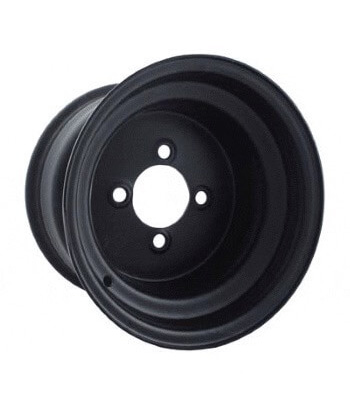
Changlun Wheel 6" ATV Rear Wheel Rim Black for 145/70-6 Tire Go Kart off-Road Dirt Bike
Contact supplier
MOQ: 300 Pieces

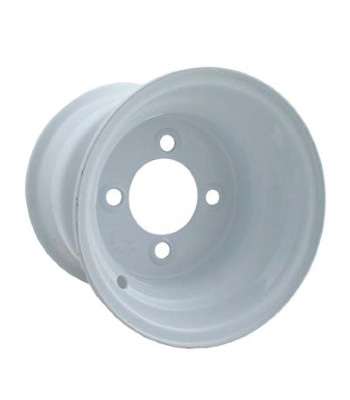
Changlun Wheel 6" Wheel Rim 3 Stud 78mm for 145/70-6 Tire Go Kart ATV Quad Buggy
Contact supplier
MOQ: 300 Pieces

Changlun Wheel ATV 8X5.50 Rear Wheel Rim 4 Lug for 18X9.5-8 Tire Gokart Quad Dirt Bike
Contact supplier
MOQ: 300 Pieces

Qingdao Kingworld Control Co., Ltd.
- Trading Company,Manufacturer/Factory
- China Shandong
- Lead time23 days
- Avg. response≤ 6h
Main productsMotorcycle Tyres, Motorcycle Tubes, ATV Tyres, Bicycle Tyres, Wheel Barrow Tyres, Butyl Tubes, Car Tyres, Heavy Truck Tyre, Light Truck Tyre, Forklift Tyre
Main marketsSouth America,Southeast Asia,Africa

ATV Racing Slick Tire Go Karting Tyre Front 19X6-10 Rear 18X10-10 (225/40-10)
$19.59 - $19.75
MOQ: 200 Pieces


Qingdao Machine and Tyre Sourcing Limited
- Trading Company
- China Shandong
- Lead time23 days
- Avg. response≤ 9h
Main productsTyre, Radial Truck Tyre Tire, Passenger Car Tyre Tire, Lande Brand Tyre, OTR Tyre, Agriculture Tire, Industrial Tire, Inner Tube Truck Wheel, Motorcycle Tire, Wheelbarrow Tyre
Main marketsSouth America,Eastern Europe,Mid East,North America,Southeast Asia,Eastern Asia,Oceania,Western Europe,Africa

Qingdao Gero Nee Trading Co., Ltd.
- Verified by TUVRHEINLAND
- Trading Company
- China Shandong
- Lead time23 days
- Avg. response≤ 4h
Main productsTire, Tyre, Car Tire, Mud Tire, Steel Wheel, Truck Tire, Motorcycle Tire, ATV Tire, UTV Tire, Rainforest Tire
Main marketsSouth America,Southeast Asia/ Mideast,East Asia(Japan/ South Korea),Europe

ATV Racing Slick Tire Go Karting Tyre Front 18.5X6-10 (165/70-10) Rear 18X10-10 (225/40-10)
$120.00 - $180.00
MOQ: 500 Pieces


Ningbo Junkai Rubber Industry & Trade Co., Ltd.
- Verified by TUVRHEINLAND
- Combined
- China Zhejiang
- Lead time15 days
- Avg. response≤ 8h
Main productsATV Tire, Dirt Bike Tire, Trailer Tire, Scooter Tire, Golf Tire, Lawn Tire, Snowtire
Main marketsSouth America,Southeast Asia/ Mideast,East Asia(Japan/ South Korea),Domestic,Europe,Australia,North America


Inexpensive Electric Road Legal Racing Go Kart Parts ATV Tyre with CCC 19X7-8
$11.50 - $13.50
MOQ: 100 Pieces

Customized Petrol 4X4 Racing Go Kart Parts ATV Tyre with CCC 4.10/3.50-4
$4.11 - $4.82
MOQ: 100 Pieces


Qingdao Maxtop Tools Co., Ltd.
- Verified by BV
- Trading Company,Manufacturer/Factory
- China Shandong
- Lead time23 days
- Avg. response≤ 12h
Main productsPU Foam Wheel, Wheelbarrow Wheel, Storage Shelves, PU Wheel, Rubber Wheel, Motorcycle Tyre, Butyl Tyre Inner Tube, Flat Free Wheel, Hand Trolley Wheel, Tools Carts Wheel
Main marketsSouth America,Eastern Europe,Mid East,North America,Southeast Asia,Eastern Asia,Oceania,Western Europe,Africa


Customizable 10inch 3.00-4 PU Foam Filled Trolley/Go Kart Wheels and Tires
$1.50 - $2.50
MOQ: 500 Pieces
Chongqing Zhouxi Trading Co., Ltd.
- Manufacturer, Trading Company
- Chongqing, China
- Lead time30 days
- Avg. response≤ 6h
Main productsMotorcycle Tires, ATV and UTV Tires, Tricycle Tires, Inner Tube
Main marketsDomestic Market(70.00%), Southeast Asia(15.00%), Africa(10.00%), South America(3.00%), North America(2.00%)

Hangzhou Forlong Impex Co., Ltd.
- Trading Company
- China Zhejiang
- Lead time60 days
- Avg. response≤ 4h
Main productsSteel Wheel, Trailer Wheel, Agricultural Wheel, Steel Rim, Garden Wheel Rim, Lawn Wheel Rim, Rims, Trailer Parts, Jockey Wheel, Alloy Wheel
Main marketsSouth America,Africa,Southeast Asia/ Mideast,East Asia(Japan/ South Korea),Domestic,Europe,Australia

Forlong Wheel 25X8-12 ATV Wheel Rim 6.00X12 4-110mm for ATV/Go Karts Use
$10.00 - $20.00
MOQ: 500 Pieces

Forlong Go Karts Wheels 13X4.1-6 Tire Assembled with Wheel Rim 3.50X6 for Sale
$30.00 - $40.00
MOQ: 500 Pieces

Forlong Go Karts Wheels 13X5.0-6 Tire Assembled with Wheel Rim 4.00X6 for Sale
$30.00 - $40.00
MOQ: 500 Pieces
Qingdao Tengsheng Special Vehicle Co., Ltd
- Verified by TUVRHEINLAND
- Combined
- China Shandong
- Lead time15 days
- Avg. response≤ 6h
Main productsWheelbarrow Tyre, Wheelbarrow, Handcart
Main marketsSouth America,Africa,Southeast Asia/ Mideast,East Asia(Japan/ South Korea),Domestic,Europe,Australia,North America




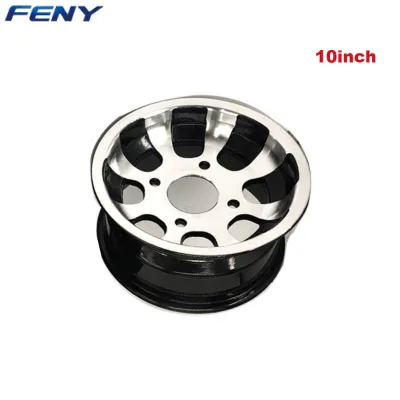
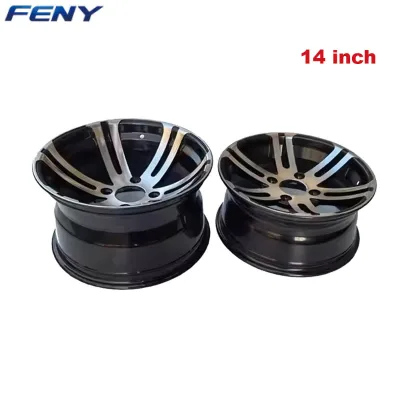
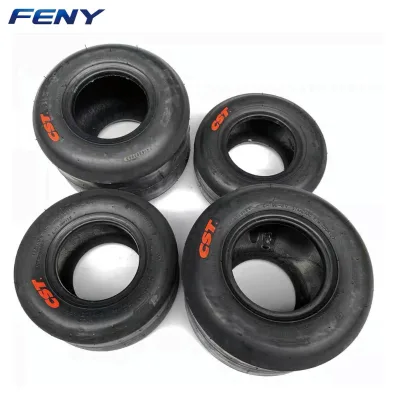
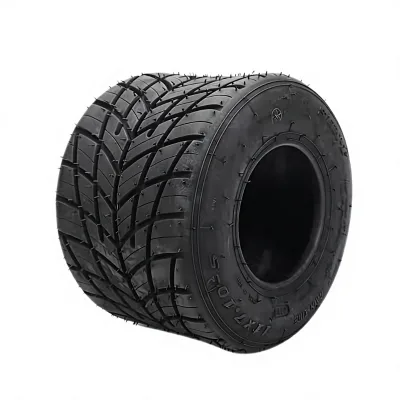




Comprehensive Sourcing Guide
Rental Kart Racing Rear Rim Supplier Concentration and Factory Types
Current search results indicate a concentration of suppliers located in Zhejiang, China, with additional presence noted in Jiangsu, China. These regions host a mix of trading companies and manufacturers specializing in auto parts, kart components, and precision metal fabrication. Some entities list main products including aluminum wheels, racing tires, and custom CNC machining services, suggesting a localized ecosystem capable of supporting both standard and bespoke rear rim requirements. Buyers should verify if a specific supplier operates as a pure manufacturer or a trading company, as this distinction impacts direct factory access and pricing structures.
When evaluating supplier types, note that some listings explicitly identify as trading companies while others combine manufacturer and trading company status. This hybrid model often implies the ability to source from multiple factories while maintaining a single point of contact. However, the presence of a trading company does not guarantee direct factory control over the production line for specific aluminum rear rims. Buyers must confirm whether the supplier manages the entire production process or acts as an intermediary. Understanding this operational structure is critical for assessing quality control capabilities and the potential for custom modifications on racing kart rims.
How to Verify Rental Kart Racing Rear Rim Suppliers
Verification begins with checking for third-party audit badges such as SGS, which appear on some supplier profiles as a marker of established compliance. While not all suppliers display this verification, those that do offer a higher baseline of confidence regarding their business legitimacy and operational standards. Buyers should also scrutinize response times, as some suppliers demonstrate rapid engagement with a response time of 2.51 hours, while others may take up to 10 hours. A faster response often correlates with a more active sales team and better communication channels for urgent racing parts orders.
Beyond response speed, buyers must validate product-specific attributes like material composition and certification. Evidence shows some aluminum rims carry CE certification, while others list specific model numbers like CJC-AW210 or HDCK156. It is essential to request physical samples or detailed test reports to confirm that the aluminum material matches the claimed specifications for racing durability. Do not rely solely on the product description; instead, ask for proof of the "Place of Origin" and verify that the stated location matches the supplier's registered address. This cross-referencing helps ensure the supplier is not misrepresenting their manufacturing capabilities or origin.
What to Compare Across Rental Kart Racing Rear Rim Suppliers
Comparison should focus on lead times, which vary significantly from 5 days to 45 days depending on the supplier and order complexity. Some listings indicate a lead time of 20 days for standard aluminum rims, while others with custom CNC machining capabilities may require up to 45 days. Buyers must align these timelines with their rental fleet maintenance schedules to avoid operational downtime. Additionally, compare the Minimum Order Quantity (MOQ), which ranges from 50 units for some custom rims to 200 units for others. A lower MOQ might be preferable for smaller rental operators, whereas larger fleets may benefit from the economies of scale offered by higher volume suppliers.
Price is another critical variable, with observed ranges spanning from $8.00 to $19.00 per unit for various rim and tire configurations. However, price should never be the sole deciding factor; it must be weighed against the supplier's response time and main product focus. A supplier specializing in "Go Kart Parts" and "Aluminum Wheels" may offer better technical support than a general auto parts trader. Buyers should also compare the availability of OEM/ODM services, as some suppliers explicitly offer customization while others sell only off-the-shelf items. This comparison ensures the selected partner can meet specific performance and branding needs for the rental business.
Common Rental Kart Racing Rear Rim Sourcing Risks
One significant risk involves the discrepancy between advertised specifications and actual product delivery, particularly regarding material quality and dimensions. Some product listings mention "Aluminum" as the material, while others specify "Carbon Steel" or "Rubber" for tires, creating potential confusion if the buyer does not explicitly define requirements. There is also a risk related to the "Single gross weight" and "Single volume" data, which sometimes appears as zero in listings, suggesting incomplete or placeholder data. Buyers must verify these physical attributes to ensure accurate shipping cost calculations and to confirm the product meets the structural integrity needed for high-speed rental kart racing.
Another risk is the variability in certification claims, where some products list "CE" certification while others provide no certification data at all. Relying on unverified claims can lead to compliance issues in certain markets or safety liabilities in rental operations. Furthermore, the "Drive Mode" and "Engine Capacity" details in product attributes may not directly correlate with the rim's suitability for specific kart models. If a supplier lists a rim for "201-500cc" engines but the buyer's fleet uses different specifications, the parts may be incompatible. Buyers should demand detailed compatibility charts and avoid assuming that a generic "Go Kart" label ensures universal fitment across all rental fleet models.
Rental Kart Racing Rear Rim Regional Sourcing and Logistics
Sourcing from Zhejiang and Jiangsu provinces offers logistical advantages due to established manufacturing clusters, but buyers must account for varying lead times that affect shipping schedules. Suppliers in these regions may have different port access and shipping partners, influencing the final delivery date to international destinations. For instance, a supplier with a 5-day lead time might still face longer transit times depending on the destination port, whereas a 45-day lead time supplier might offer consolidated shipping options. Buyers should calculate the total time from order placement to arrival, factoring in both production and transit durations to ensure timely fleet readiness.
Logistics planning also requires attention to packaging standards, which vary by supplier. Some listings specify "Cartons + Bubble Film + Wooden Pallet" for protection, while others use simpler "Carton+Bubble Film" methods. For heavy aluminum rims, inadequate packaging can lead to damage during transit, resulting in costly replacements and delays. Buyers should explicitly request packaging details that match the fragility and weight of the rims, especially for international shipments. Additionally, verify if the supplier offers shipping cost calculations based on weight, as some listings indicate "by Weight" as the shipping metric. This transparency helps in budgeting for the total landed cost of the rental kart components.
Rental Kart Racing Rear Rim Commercial Terms and Order Planning
Commercial terms often include specific MOQs that dictate the minimum financial commitment required to initiate an order. With MOQs ranging from 50 to 200 units, buyers must assess their inventory needs carefully to avoid overstocking or under-ordering. Some suppliers offer sample availability, which is crucial for validating product quality before committing to a full production run. Buyers should inquire about sample costs and lead times, as these can impact the overall project timeline. Additionally, check if the supplier accepts OEM/ODM requests, as this flexibility can be vital for branding rental fleets with specific logos or color schemes like blue, silver, or black.
Order planning must also consider the payment and escrow mechanisms to ensure financial security. While specific escrow details are not always visible in the initial product data, buyers should confirm the availability of secure payment channels before transferring funds. Lead times of 25-30 days for custom orders require advance planning to align with rental season peaks. Buyers should also verify the "Processing" method, such as CNC Machining, as this affects the precision and durability of the final rim. By aligning commercial terms with operational needs, buyers can mitigate risks associated with delayed deliveries and ensure a steady supply of high-quality rear rims for their racing fleet.
FAQs
What sizes do rental kart rear rims typically come in?
Listings on this page commonly show rear rim and tire sizes of 10x4.50-5 and 11x7.10-5, which are standard five-inch kart fitments. Before ordering, confirm the wheel diameter, hub pattern, and width against your rental fleet's rear axle and brake assembly. Ask each supplier for a dimensional drawing so replacements mount without modification.
What is the typical price range for aluminum rental kart rear rims?
Prices in the current results range from roughly 8 to 19 US dollars per piece depending on material, finish, and construction. Aluminum alloy rims generally sit at the higher end of that band. Treat listed prices as indicative only, and request a formal quotation including packaging, finish options, and freight before committing to an order.
What minimum order quantities apply to rear rims?
Minimum order quantities in the observed listings vary from 50 pieces for CNC-machined aluminum rims to 100 or 200 pieces for custom wheel hubs. Trading companies and manufacturers often set different thresholds. If your initial requirement is small, ask whether a mixed-parts order or a sample order can satisfy the stated MOQ.
How fast can suppliers respond and deliver rear rims?
Response times in the results range from about 2.5 to 10 hours, so most suppliers reply within one business day. Lead times differ more widely: some tire listings show around 5 days, rim listings around 20 days, and custom CNC-machined parts roughly 25 to 45 days. Confirm both figures in writing before ordering.
Can rear rims be customized for a rental kart fleet?
Yes, customization appears widely available. Listings advertise OEM and ODM service, anodizing or plating finishes, color choices such as blue, silver, and black, and CNC machining with a stated tolerance of about ±0.01mm. Provide your axle size, hub bolt pattern, and finish specification early, since customized orders usually carry higher MOQs and longer lead times than stock parts.
Which certifications or verification should I look for?
Some products list CE certification, and at least one supplier on this page holds SGS verification, which indicates a third-party-audited profile. Certification claims should still be validated by requesting the actual certificate and checking its scope and expiry. For rental fleets running sustained use, also ask for material certificates and hardness or runout test reports.