Reptile UVB LED Instrument Suppliers and Manufacturers
Compare 22 verified suppliers offering Reptile UVB LED Instrument products with varying lead times, MOQs, and certifications. Review specific attributes like EN ISO 14362 compliance and sample processing capabilities before requesting quotes; review the available evidence before requesting comparable quotations from suitable candidates.
Suppliers List
Bests Industrial And Trading Co., Ltd.
- Verified by TüVRheinland
- Trading Company
- Lead time10 days
Main productsAquarium Supplies, Pet Supplies, Aquaculture Supplies, Reptile Accessories
Main marketsNorth America(20%), South America(15%), Western Europe(15%)
Changzhou Jinxu Special Lighting Technology Co., Ltd.
- Verified by TüVRheinland
- Manufacturer, Trading Company
- Lead time10 days
- Avg. response≤ 3h
Main productsReptile Product Supplies, Reptile UV Lamps, Pet Supplies
Main marketsNorth America(35%), Domestic Market(30%), Western Europe(10%)
Dong Guan Etan Pet Supplies Co., Ltd.
- Verified by SGS Group
- Manufacturer, Trading Company
- Lead time45 days
- Avg. response≤ 2h
Main productsReptile Glass Terrarium, Dome Lamp Fixture, Lighting Hood, Heating and Humidifying Equipment, Thermostat and Hygrostat
Main marketsNorth America(28%), Eastern Europe(15%), Southeast Asia(10%)
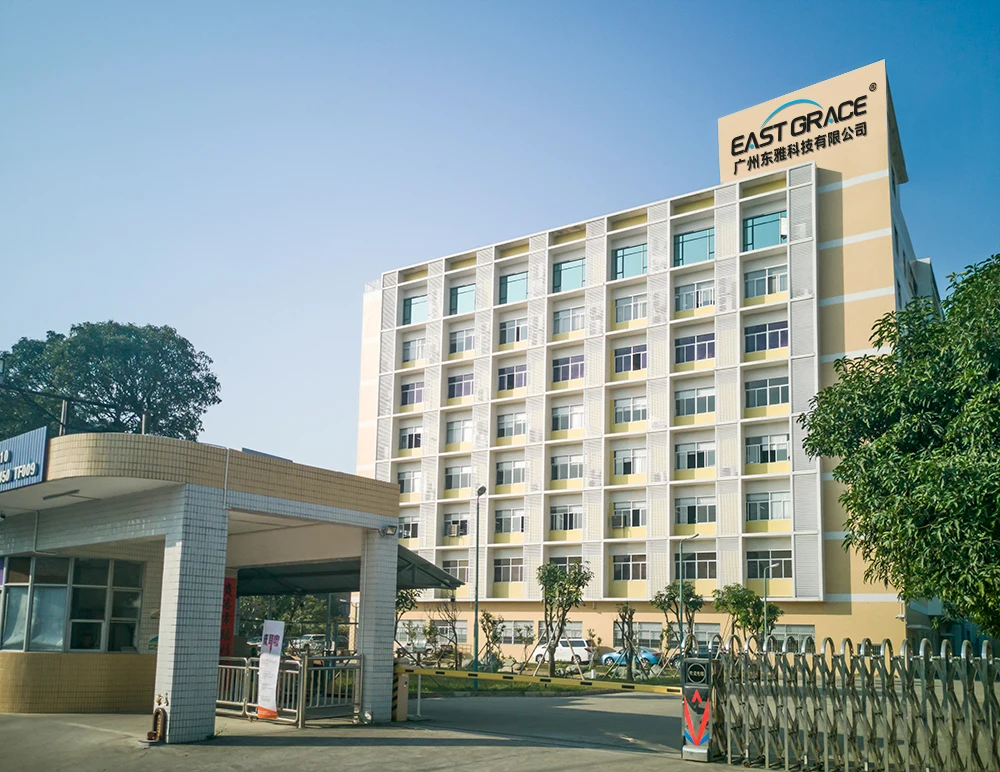
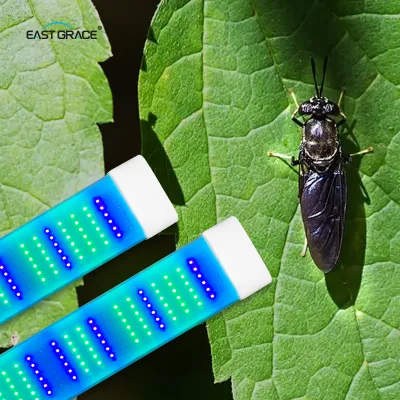
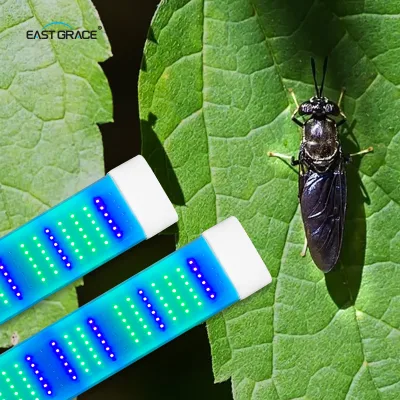
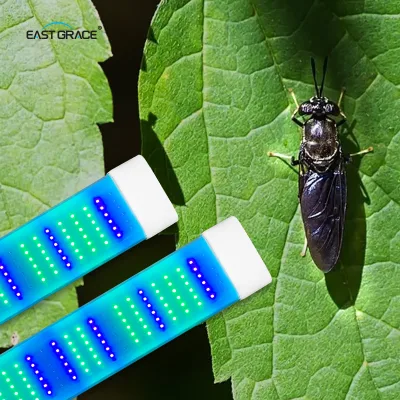
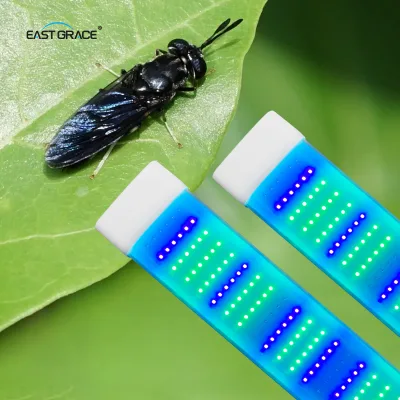
Guangzhou East Grace Technology Co., Ltd.
- Manufacturer, Trading Company
- Guangdong, China
- Lead time20 days
- Avg. response≤ 3h
Main productsProfessional Lighting, Indoor Lighting, Commercial Lighting, Industrial Lighting, Electric Appliance
Main marketsNorth America(35.0%), Southeast Asia(35.0%), Western Europe(15.0%), Northern Europe(15.0%)
Foshan Blue Earth Trading Co., Ltd.
- Trading Company
- Guangdong, China
- Lead time25 days
- Avg. response≤ 3h
Main productsPet Products,Aquarium Prodcts,Packaging Materials,Fish Pond Products,Garden Ornaments
Main marketsSouth America(15.1%), Eastern Asia(14.6%), Eastern Europe(12.7%), North America(11.2%), Southeast Asia(10.0%), Mid East(9.9%), Oceania(9.8%), Northern Europe(6.0%), Africa(5.7%), Western Europe(5.0%)

Bests Industrial and Trading Co., Ltd
- Verified by TUVRHEINLAND
- Trading Company,Manufacturer/Factory
- China Anhui
- Lead time0 days
- Avg. response≤ 4h
Main productsAquarium Supplies, Reptile Supplies, Aquaculture Supplies, Pet Supplies, Aquarium Filter, Aquarium Light, Aquarium Soil, Aquarium Pump, Reptile Light, Bio Filter Media
Main marketsSouth America,Eastern Europe,Mid East,North America,Southeast Asia,Eastern Asia,Oceania,Western Europe,Africa

Yangzhou Yihang Photoelectric Technology Co., Ltd.
- Verified by TUVRHEINLAND
- Trading Company
- China Jiangsu
- Lead time30 days
- Avg. response≤ 7h
Main productsLighting, Lamp, Germicidal Lamp, LED, LED Bulb, Commercial Light, Specialty Lighting, Solar Cell, Solar Panel, Solar Light
Main marketsSouth America,Africa,Others(foreignTradeCapacity.exportBusinessCapacityMarketOther),Southeast Asia/ Mideast,Domestic,Europe,Australia

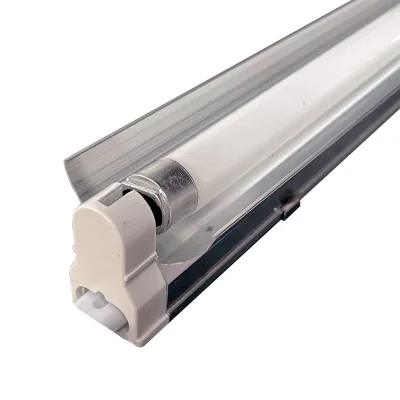
Reptile Sun Light Fixture T5 T8 UVB UVA Blended Mercury Lamp UV Bulb for Reptiles
$2.00 - $10.00
Moq: 100


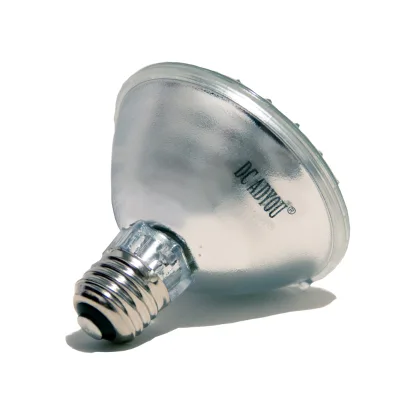
Hot Sale UVA UVB Uvi Heat Bulb Reptile Moonlight UVA Lamp for Reptiles Turtle Habitat
$2.00 - $10.00
Moq: 100

Shenzhen Newplanet Technology Co., Ltd.
- Trading Company
- Guangdong, China
- Lead time15 days
- Avg. response≤ 3h
Main productsHeat Lamps,UV Lamps,IR light,Machine Accessories,Infrared heat tubes
Main marketsSoutheast Asia(44.0%), South Asia(30.0%), North America(8.0%), Western Europe(3.0%), Africa(3.0%), Eastern Europe(3.0%), Oceania(2.0%), Northern Europe(2.0%), South America(2.0%), Mid East(2.0%), Southern Europe(1.0%)

Kunshan Ast Optoelectronics Co., Ltd
- Verified by BV
- Combined
- China Jiangsu
- Lead time30 days
- Avg. response≤ 3h
Main productsAir Monitor Gas Monitor Cotroller, CO2 Temp Rh PAR Monitor
Main marketsDomestic,Europe,North America

TIANJIN MCLANZOO PET ARTICLES CO., LTD
- Verified by CTI
- Combined
- China Tianjin
- Lead time30 days
- Avg. response≤ 12h
Main productsReptile, Pet, Terrarium, Bulb, Water Dish, Feeding Dish, Cave, Substrates, Ceramic Heater, Heat Cable
Main marketsAustralia
Zhejiang Danse Electronic Technology Co., Ltd.
- Verified by Intertek
- Manufacturer, Trading Company
- Lead time3 days
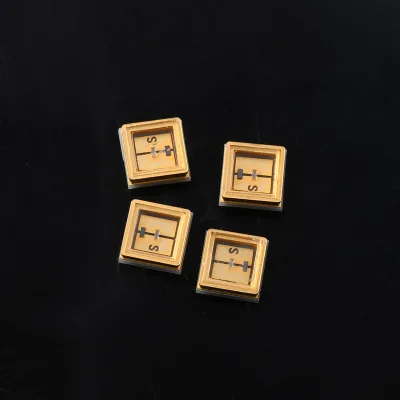
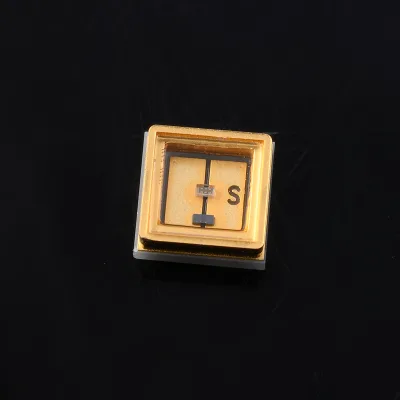
Main productsUVA LED Module, UVB LED Module, UVC LED Module
Main marketsNorth America(25%), Domestic Market(25%), Southeast Asia(10%)
Changzhou Dancheng Pet Products Co., Ltd.
- Trading Company
- Jiangsu, China
- Lead time7 days
- Avg. response≤ 5h
Main productsreptile cages,reptile lamps,pet incubators,Plastic products,pet products
Main marketsNorth America(70.0%)
Jinhua Senyi Trading Co., Ltd.
- Trading Company
- Zhejiang, China
- Lead time15 days
- Avg. response≤ 3h
Main productsPet clothes,dog raincoat,Pet supplies,Pet cage,Pet toys
Main marketsNorth America(30.0%), Eastern Asia(10.0%), Mid East(10.0%), Oceania(10.0%), Africa(10.0%), Southeast Asia(10.0%), Eastern Europe(10.0%), South America(10.0%)

Shenzhen Trillion Auspicious Lighting Co., Ltd.
- Verified by SGS
- Trading Company
- China Guangdong
- Lead time15 days
- Avg. response≤ 4h
Main productsSMD LED 3535, SMD LED 2835, SMD LED 3030, SMD LED 2016, SMD LED 1860, SMD LED 3020
Main marketsSoutheast Asia/ Mideast
Weifang Xuelong Trading Co., Ltd.
- Trading Company
- Shandong, China
- Lead time7 days
- Avg. response≤ 3h
Main productsAquarium landscape decoration,driftwood,Aquarium equipment and equipment,aquarium,Aquarium rocks and sand
Main marketsNorth America(20.0%), Domestic Market(10.0%), South Asia(10.0%), Southern Europe(10.0%), Northern Europe(10.0%), Central America(10.0%), Western Europe(10.0%), Eastern Asia(10.0%), Mid East(10.0%), Oceania(10.0%), Africa(10.0%), Southeast Asia(10.0%), Eastern Europe(10.0%), South America(10.0%)

- Verified by TUVRHEINLAND
- Manufacturer/Factory
- China Zhejiang
- Lead time30 days
- Avg. response≤ 22h
Main productsLED Lamp, Reptile Heat Lamp, Incandescent Bulb, Infrared Lamp, Cable Wire, PVC Sticker
Main marketsEastern Europe,Mid East,North America,Eastern Asia,Oceania,Western Europe,Africa
Shenzhen Seven Magic Technology Co., Ltd.
- Manufacturer
- Guangdong, China
- Lead time15 days
- Avg. response≤ 1h
Main productsLED Light,Hydroponics system,Technical product,Accessories
Main marketsNorth America(30.0%), Oceania(15.0%), Domestic Market(10.0%), Northern Europe(10.0%), Eastern Europe(10.0%), Western Europe(5.0%), South Asia(5.0%), Southern Europe(5.0%), South America(5.0%), Central America(5.0%)
Dongguan Pengyu Electronic Technology Co., Ltd.
- Manufacturer, Trading Company
- Guangdong, China
- Lead time120 days
- Avg. response≤ 9h
Main productsPet Heating Lamp,Aquarium Lights,Reptiles UVB Bulbs,Cat Sand Shovel,Lamp Clips
Main marketsNorth America(52.0%), Western Europe(23.0%), Oceania(9.0%), Eastern Asia(8.0%), Southeast Asia(5.0%), Africa(3.0%)
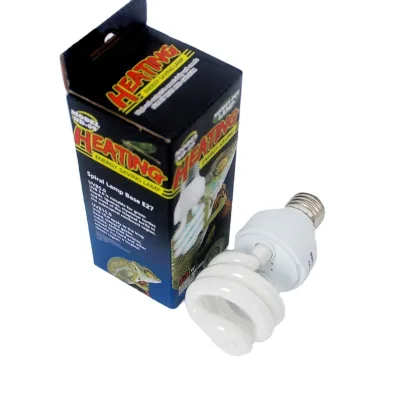
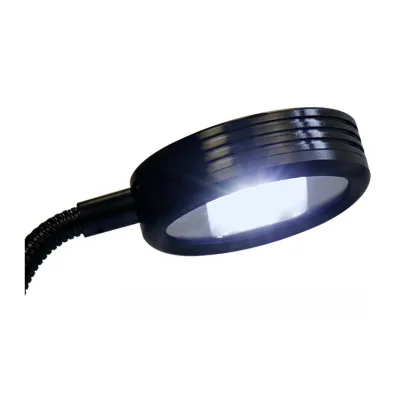
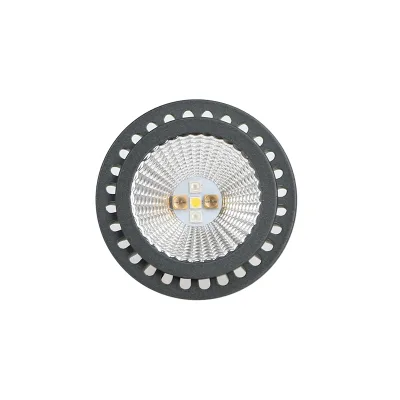
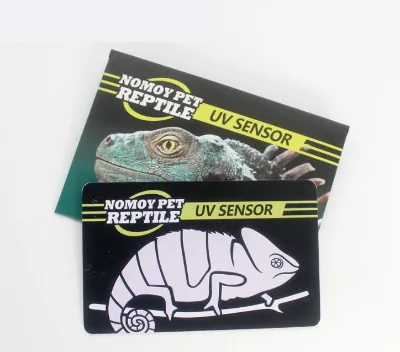
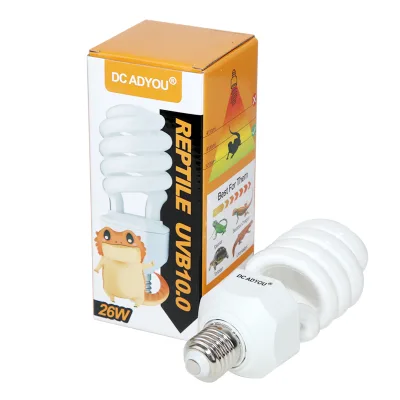
UVB Compact Light Lamp 5.0 10.0 UVB 13w 26w Fluorescent UV Reptile Bulb Reptile Light
Contact supplier
Moq: 50

Zhongshan Sailon Import and Export Co., Ltd
- Trading Company
- China Guangdong
- Lead time23 days
- Avg. response≤ 6h
Main productsUV Lamp, Germicidal Lamp, Ballast, Sleeves Quartz, Infrared Lamp, Exicimer Lamp
Main marketsSouth America,Africa,Southeast Asia/ Mideast,East Asia(Japan/ South Korea),Domestic,Europe,Australia,North America
Jinhua Kubei Technology Co., Ltd.
- Trading Company
- Zhe'jiang, China
- Lead time0 days
- Avg. response≤ 9h
Main productspet products
Main marketsNorth America(100.0%)
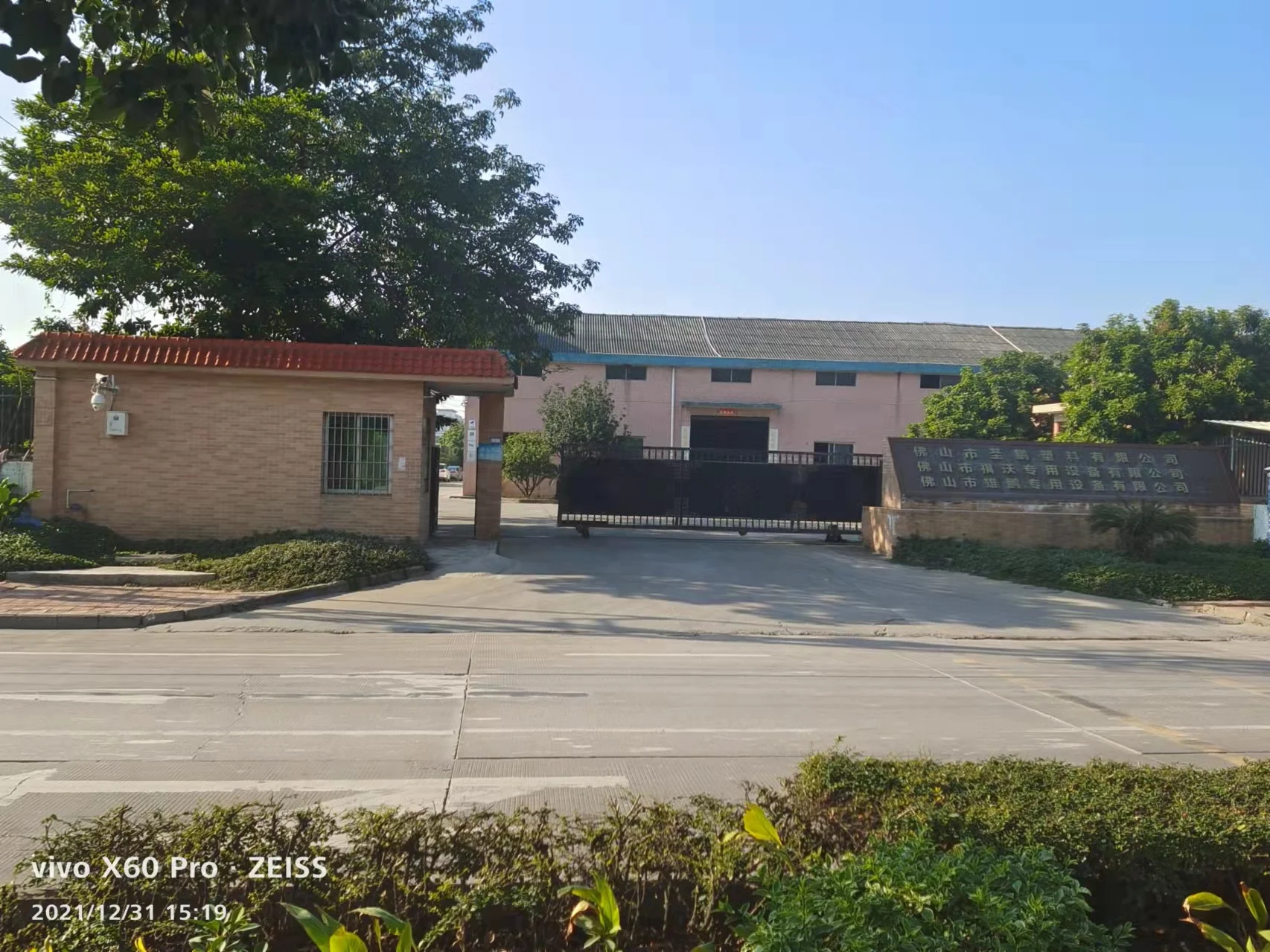
Foshan Shengpeng Plastic Co., Ltd.
- Manufacturer, Trading Company
- Guangdong, China
- Lead time35 days
- Avg. response≤ 5h
Main productsFish Tank,Turtle Tank,Air Pump,Filter,Aquarium Light
Main marketsDomestic Market(50.0%), Southeast Asia(10.0%), Mid East(10.0%), South America(10.0%), Africa(6.0%), North America(5.0%), Eastern Europe(3.0%), Western Europe(2.0%), Oceania(1.0%), Eastern Asia(1.0%), South Asia(1.0%), Southern Europe(0.5%), Central America(0.3%), Northern Europe(0.2%)
Shenzhen Yago Technology Limited
- Manufacturer
- Lead time旺季: "1 - 30":7,"> 30":"To be negotiated", 淡季: "1 - 30":7,"> 30":"To be negotiated"
- Avg. response≤ 8h
Main productsph meter,soil ph meter,refractometer,Patio Sprinkler Timer,moiture meter
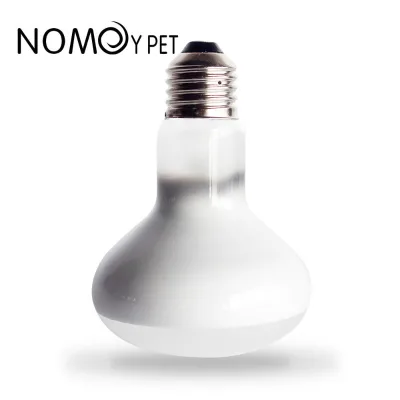
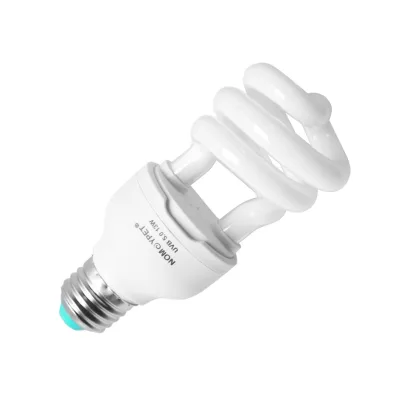
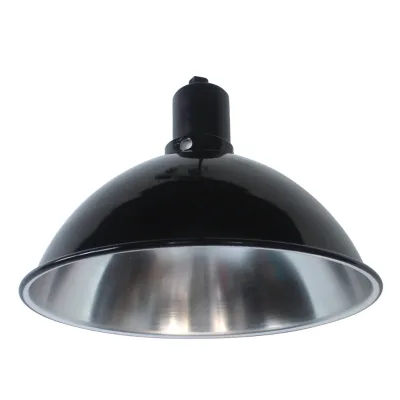
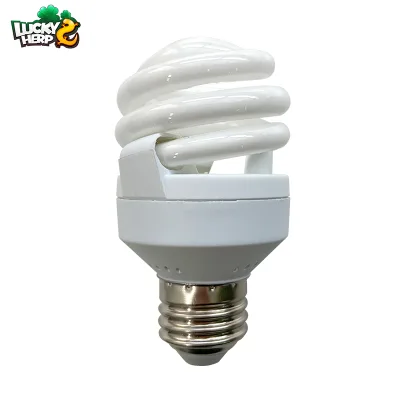
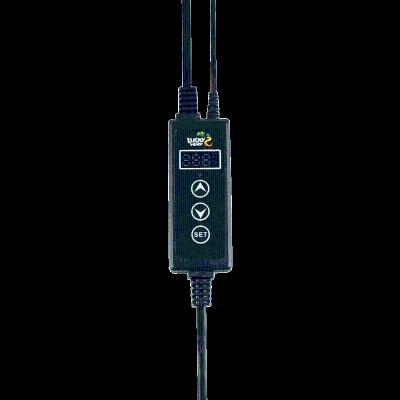
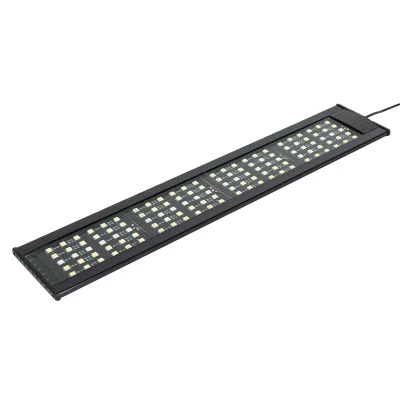
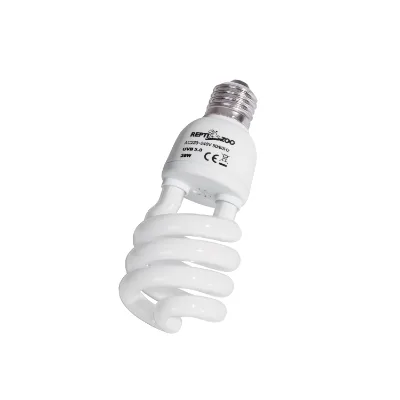
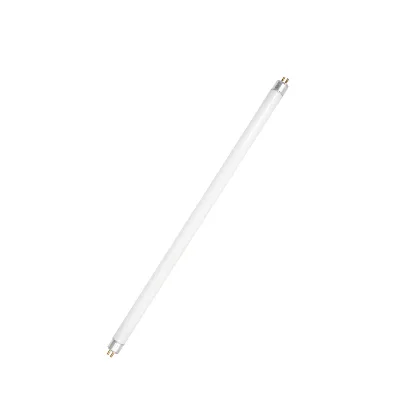
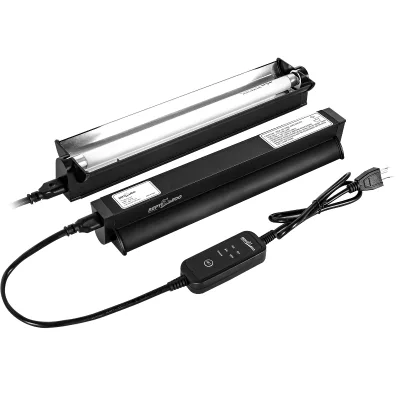
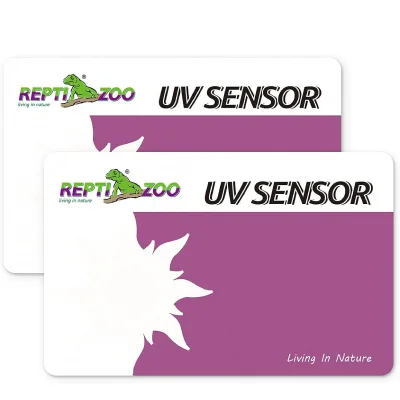
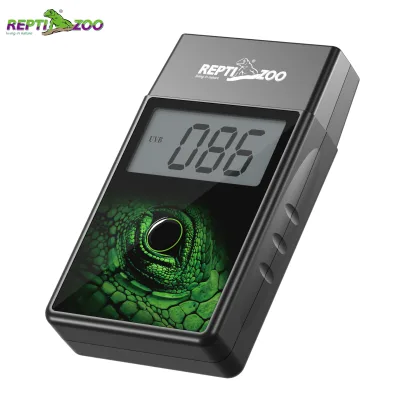
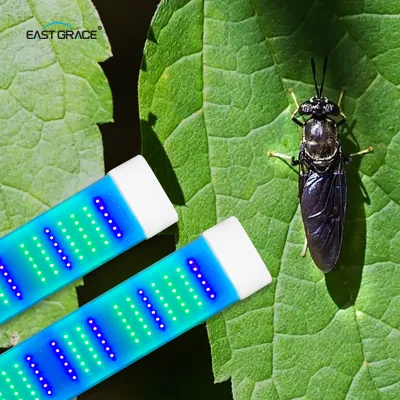






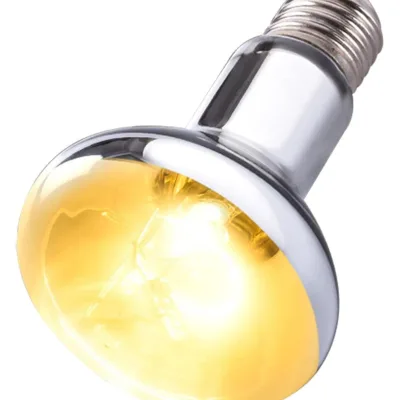


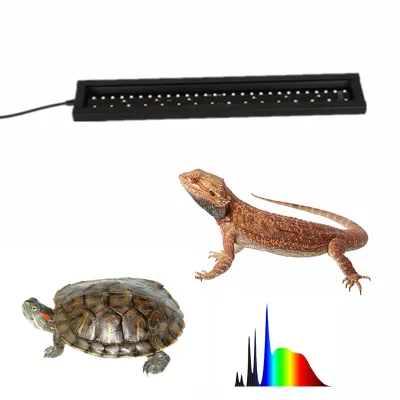
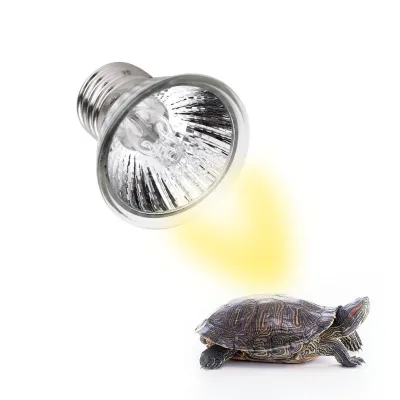


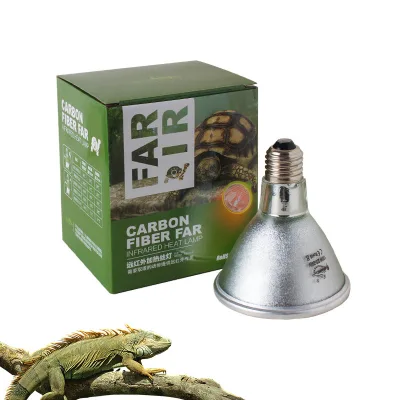
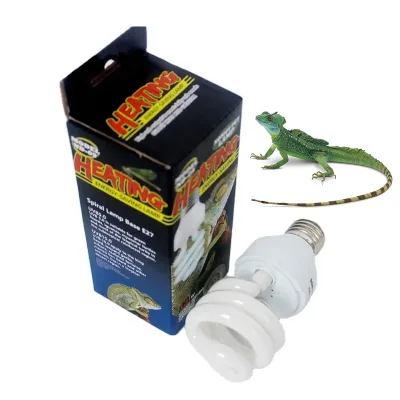
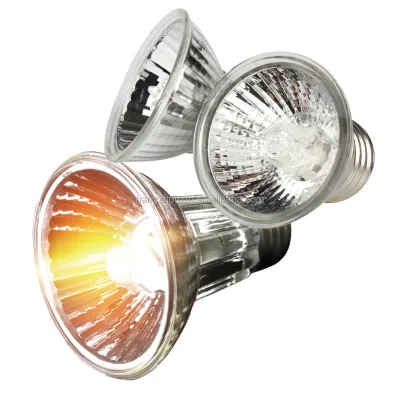
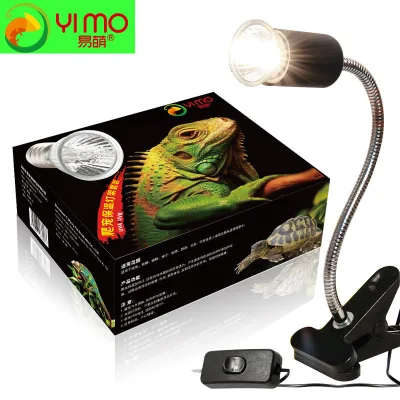
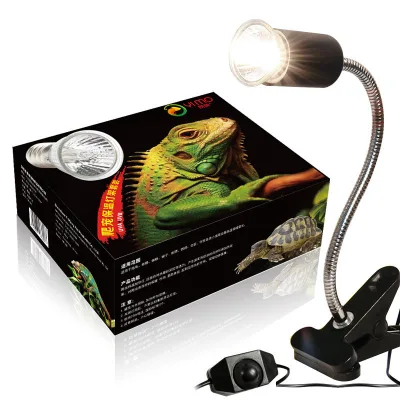
Comprehensive Sourcing Guide
Reptile UVB LED Instrument Supplier Concentration and Factory Types
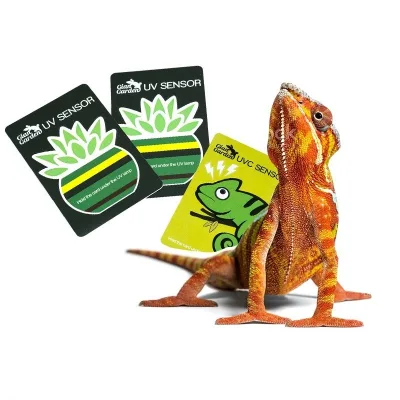
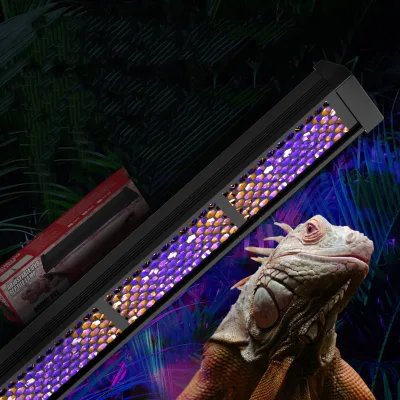
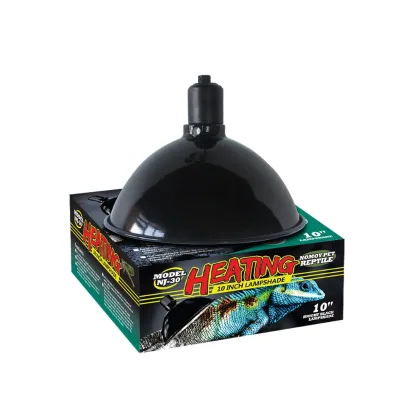
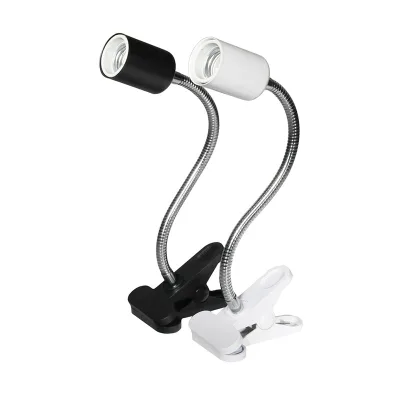
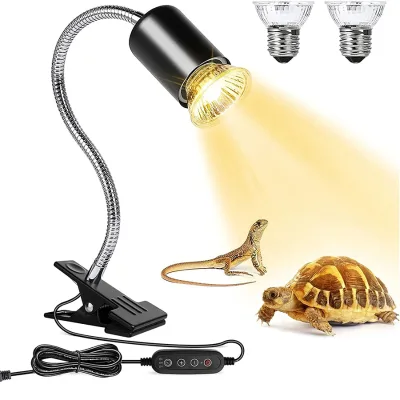
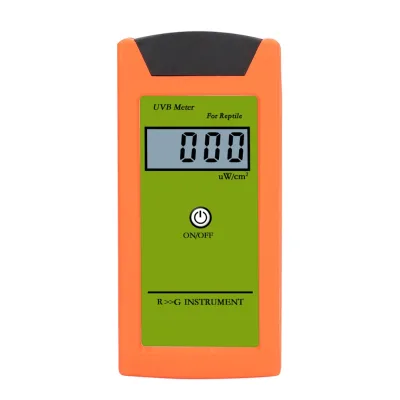
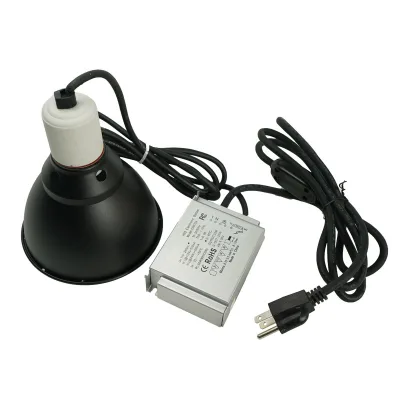
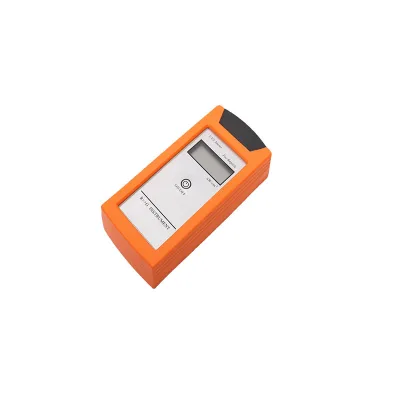
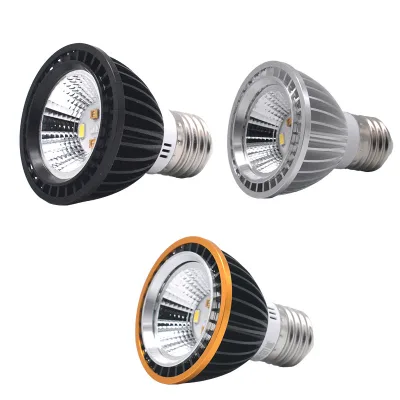
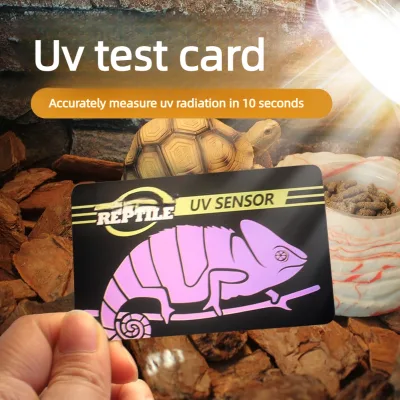
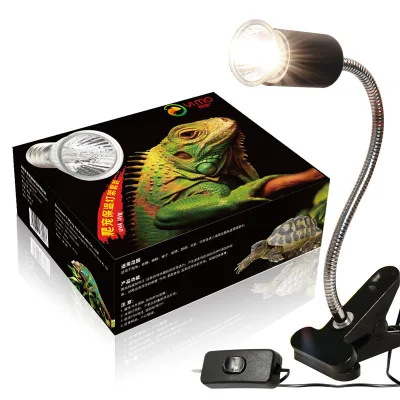
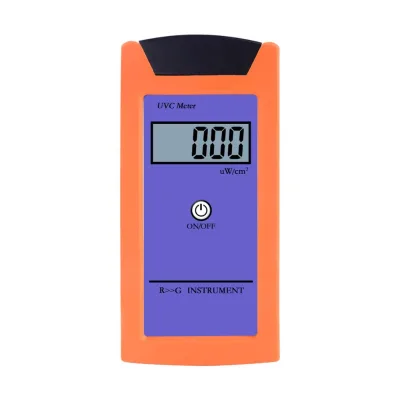
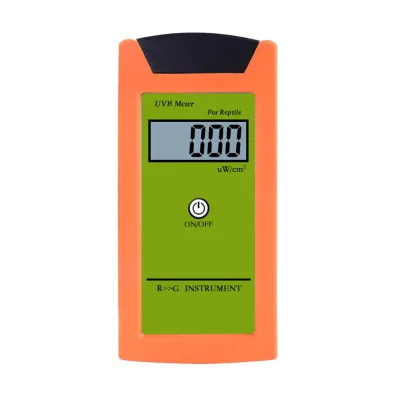
The current supplier landscape for reptile UVB LED instruments reveals a distinct concentration of trading companies rather than direct manufacturing facilities. These entities primarily aggregate products such as UV sensors, full-spectrum LED lamps, and heat lamp fixtures from various production sources. The main product categories observed include aquarium supplies, pet supplies, and specific aquaculture accessories, indicating a broad portfolio rather than a specialized factory focus on a single instrument type. This structure suggests that buyers are engaging with intermediaries who manage the logistics and quality control of diverse items like the TS150 UV sensor or the ND-35 terrarium light.
When assessing the factory types, it is crucial to recognize that the trading company model dominates the available results. These suppliers often offer customized on-demand services, including graphic processing and logo customization, which adds value beyond simple product resale. The presence of specific attributes like "sample processing" and "customized on demand" highlights their role in adapting standard inventory to buyer specifications. However, the absence of direct factory names in the data means buyers must verify the actual production origin, which is listed generally as China or specifically Anhui, China, for certain items. This distinction is vital for understanding the supply chain depth and the potential for direct factory negotiation versus trading company markup.
How to Verify Reptile UVB LED Instrument Suppliers
Verification of suppliers in this category relies heavily on third-party audit reports and specific system certifications rather than self-declared claims. The available data indicates that some suppliers hold TüVRheinland verification status, which serves as a critical benchmark for operational legitimacy. Additionally, the presence of comprehensive system certifications such as EN ISO 14362, EN 16711, and various safety standards like CE, RoHS, and FCC suggests a commitment to international compliance. Buyers should prioritize suppliers who can provide these specific documents, as they validate the electrical safety and environmental standards required for reptile lighting equipment.
Beyond certifications, the verification process must include checking the specific product attributes against the supplier's claims. For instance, the product evidence shows detailed specifications like the "Slanted Design" for UV sensors or the "Waterproof" characteristic for outdoor lamps. Buyers should request test reports that confirm these specific features, such as the UVB/UVC color output or the wattage ratings for different models. The availability of a Declaration of Conformity and MSDS (Material Safety Data Sheet) further supports the safety of the chemical and electrical components used. Without these concrete documents, the buyer cannot confirm that the instrument meets the necessary safety and performance standards for reptile habitats.
What to Compare Across Reptile UVB LED Instrument Suppliers
Comparing suppliers requires a detailed analysis of key operational dimensions such as minimum order quantities, lead times, and pricing structures. The data shows a wide variance in MOQs, ranging from a single piece for heat lamp fixtures to ten pieces for terrarium lights. This flexibility allows buyers to test products with low-risk orders, but it also necessitates careful calculation of unit costs when scaling up. Lead times are another critical factor, with some suppliers indicating a standard ten-day processing window. Buyers must compare these timelines against their project schedules to ensure timely delivery, especially when coordinating with logistics partners for international shipping.
Pricing and customization capabilities also form a significant part of the comparison matrix. Unit prices for UV sensors can be as low as $0.33, while full-spectrum LED lamps range up to $24.50, reflecting differences in complexity and component quality. Suppliers offering customized logos and plug types (CN/US/UK/AU) provide added value for branding and regional compatibility. When evaluating these factors, buyers should look for consistency in the "Single gross weight" and "Single package size" data, as these impact shipping costs. A supplier with a lower unit price but higher packaging weight may ultimately cost more than a competitor with a slightly higher price but more efficient logistics.
Common Reptile UVB LED Instrument Sourcing Risks
One of the primary risks in sourcing reptile UVB LED instruments involves the discrepancy between advertised specifications and actual product performance. The product evidence lists various wattages and color spectrums, such as 25W to 100W options or specific UVB/UVC outputs. If a supplier fails to provide independent test results verifying these claims, the buyer risks receiving instruments that do not provide adequate UV exposure for reptiles, potentially harming the animals. The "Eco-Friendly" and "Sustainable" features listed in product attributes are marketing terms that require physical verification through material safety data sheets and environmental compliance certificates.
Another significant risk is the variability in plug standards and voltage compatibility across different regions. The data indicates that some products offer customizable plugs for CN, US, UK, and AU markets, while others may have fixed configurations. Relying on a supplier who claims compatibility without providing a verified adapter voltage range of 100V~240V can lead to equipment failure or safety hazards. Furthermore, the "Stocked" status mentioned in some product attributes does not guarantee immediate availability for large orders. Buyers must confirm stock levels and production capacity to avoid delays, as the "sample processing" capability does not necessarily translate to mass production readiness without prior confirmation.
Reptile UVB LED Instrument Regional Sourcing and Logistics
Logistics planning for reptile UVB LED instruments must account for the specific packaging dimensions and weights provided in the supplier data. Items like the Reptile Lamp UV Sensor have a single package size of 10x7x2 cm and a gross weight of 0.010 kg, whereas larger terrarium lights can reach 35x15x5 cm and 1.500 kg. These variations significantly affect freight costs and container utilization. Buyers should calculate the total volume and weight of their order based on the specific mix of products, such as combining small sensors with larger LED fixtures, to optimize shipping efficiency. The "Place Of Origin" being listed as China or Anhui, China, implies specific export routes and potential transit times that must be factored into the overall delivery schedule.
Regional sourcing also involves understanding the customs and regulatory requirements for importing electrical and pet-related products. The presence of certifications like LVD (Low Voltage Directive) and EMC (Electromagnetic Compatibility) is essential for clearing customs in many regions. Buyers should verify that the supplier's packaging details, such as "Carton box" or "Individual color packaging box," meet the durability standards required for international transit. Additionally, the "Four season" or "All-Season" usage claims should be validated against the local climate conditions of the destination to ensure the instruments function correctly. Proper logistics planning ensures that the fragile glass or aluminum components arrive without damage and meet all local safety regulations.
Reptile UVB LED Instrument Commercial Terms and Order Planning
Commercial terms for reptile UVB LED instruments often include flexible payment structures and customization options that require clear definition in the purchase agreement. The data shows that suppliers accept customized logos and offer various plug types, which necessitates a detailed specification sheet to avoid production errors. Buyers should explicitly state the required model numbers, such as TS150 or ND-35, and confirm the exact wattage and color specifications before placing an order. The "Accept Customized Logo" feature is a common offering, but the cost and lead time for logo application must be agreed upon separately to prevent unexpected delays or additional charges.
Order planning must also consider the minimum order quantities and the potential for sample processing. With MOQs ranging from one piece to ten pieces, buyers can start with small test orders to verify quality before committing to larger volumes. However, the lead time of ten days for sample processing or production must be integrated into the overall project timeline. Buyers should also verify the "Single package size" and "Single gross weight" to accurately estimate shipping costs and storage requirements. By aligning the commercial terms with the specific product attributes and logistical constraints, buyers can mitigate risks and ensure a smooth procurement process for their Reptile UVB LED Instrument needs.
FAQs
What is the minimum order quantity for reptile UVB LED instruments?
The minimum order quantity varies by product, ranging from 1 piece to 10 pieces depending on the specific model selected. Some items like the Reptile Dome Heat Lamp Fixture require only one unit, while terrarium lights may need ten units. Buyers should check individual product listings for exact thresholds before placing orders.
How long does it take to receive these reptile UVB LED instruments?
The standard lead time for these products is approximately 10 days from order confirmation. This duration applies to the supply chain processing and shipping preparation. Buyers should account for this timeframe when planning inventory replenishment or project schedules to ensure timely delivery of their reptile lighting equipment.
Are these reptile UVB LED instruments certified for safety standards?
Yes, the suppliers hold multiple system certifications including EN ISO 14362, CE, RoHS, and FCC. These credentials ensure the products meet international safety and environmental standards. Verification by TüVRheinland further confirms the reliability of the manufacturing processes and the quality of the supplied reptile lighting instruments.
Can I customize the logo on these reptile UVB LED instruments?
Customized logos are acceptable for many of the available reptile UVB LED instruments. Suppliers offer OEM services allowing buyers to add their branding to the product packaging or the device itself. This option is available for various models, enabling businesses to create a unique identity for their reptile care product lines.
What is the price range for these reptile UVB LED instruments?
Prices for these instruments range from approximately 0.33 to 24.50 US dollars per unit. The cost depends on the specific type, wattage, and features of the lamp or sensor. Buyers can find budget-friendly options like UV sensors as well as more complex LED fixtures with varying price points.
Where are these reptile UVB LED instruments manufactured?
These products originate from China, with specific manufacturing locations noted in Anhui for certain models. The place of origin is consistently listed as China across the product catalog. Buyers should verify the specific origin details for each item to understand the supply chain logistics and potential shipping routes.
What types of reptiles are these UVB LED instruments suitable for?
These instruments are designed for reptiles, snakes, lizards, and geckos. They provide necessary UVA and UVB lighting for terrariums and vivariums. The products support calcium supply and general health for various pet reptiles, ensuring they receive adequate illumination for their specific biological needs in captivity.