Reptile Heating Pad Suppliers and Manufacturers
Source 23 verified suppliers for Reptile Heating Pad products. Compare specifications like voltage and wattage, review certifications such as CE and RoHS, and check lead times. Contact manufacturers directly to request samples and negotiate pricing; review the available evidence before requesting comparable quotations from suitable candidates.
Suppliers List
Changzhou Jinxu Special Lighting Technology Co., Ltd.
- Verified by TüVRheinland
- Manufacturer, Trading Company
- Lead time10 days
- Avg. response≤ 3h
Main productsReptile Product Supplies, Reptile UV Lamps, Pet Supplies
Main marketsNorth America(35%), Domestic Market(30%), Western Europe(10%)

Jaye Heater Technology (Huizhou) Co., Ltd.
- Verified by BV
- Trading Company
- China Guangdong
- Lead time23 days
- Avg. response≤ 3h
Main productsIndustrial Heater, Silicone Rubber Heater, Domestic Heating Elements, Machinery Parts, Thermostat, Band Heater, Hot Run Heater, Cartridge Heater, Finned Tubular Heater, Quarts Heater
Main marketsSouth America,Africa,Southeast Asia/ Mideast,East Asia(Japan/ South Korea),Europe,Australia,North America
Dongguan Geshifeng Metal Products Co., Ltd.
- Verified by SGS Group
- Manufacturer, Trading Company
- Lead time10 days
- Avg. response≤ 3h
Main productsPet Feeder and Drinker, Pet Cleaning Grooming Products, Pet Cage and House, Pet Leashes and Collars, Pet Toy
Main marketsNorth America(20%), Eastern Europe(15%), Mid East(14%)
Dongguan Pengyu Electronic Technology Co., Ltd.
- Manufacturer, Trading Company
- Guangdong, China
- Lead time120 days
- Avg. response≤ 9h
Main productsPet Heating Lamp,Aquarium Lights,Reptiles UVB Bulbs,Cat Sand Shovel,Lamp Clips
Main marketsNorth America(52.0%), Western Europe(23.0%), Oceania(9.0%), Eastern Asia(8.0%), Southeast Asia(5.0%), Africa(3.0%)
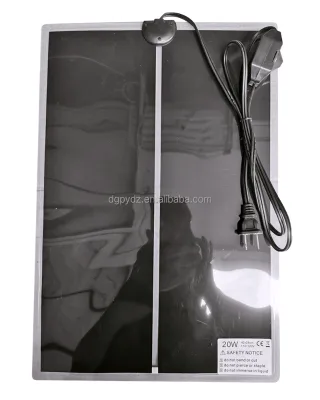
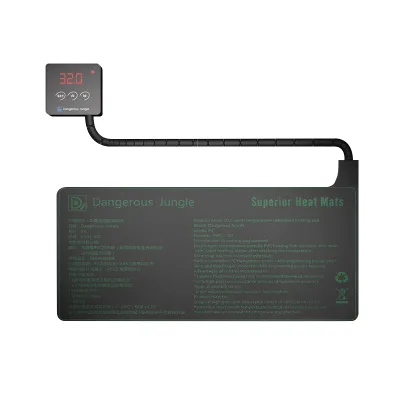
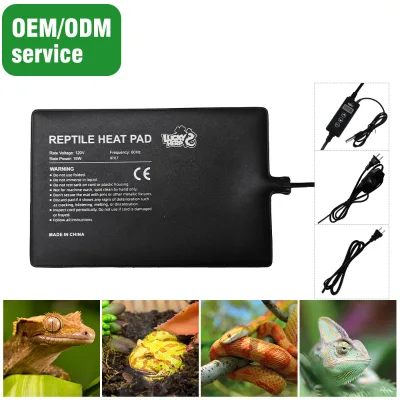
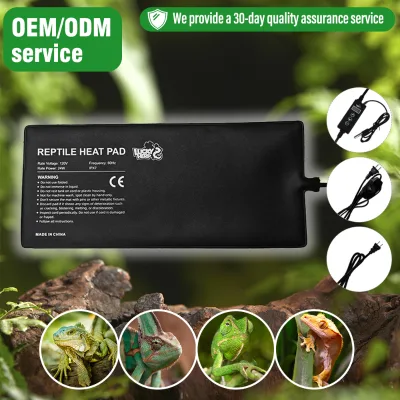
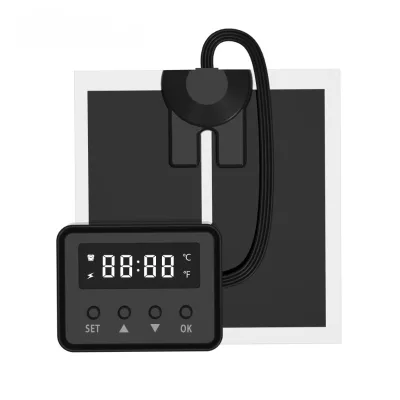
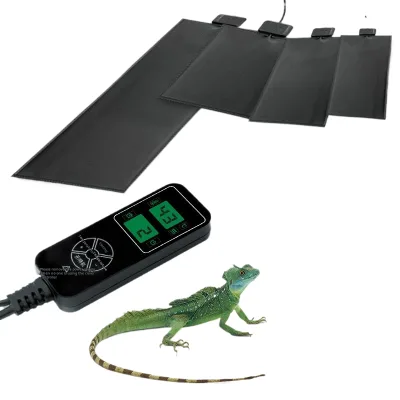
Reptile Heated Pad Three Gear Temperature Control Pet Heated Pad
Contact supplier
Shenzhen Dali Technology Co., Ltd.
- Manufacturer, Trading Company
- Guangdong, China
- Lead time10 days
- Avg. response≤ 6h
Main productscommercial electronics,toys,game console,drone,led light
Main marketsWestern Europe(20.0%), Southeast Asia(20.0%), North America(20.0%), South Asia(10.0%), Northern Europe(10.0%), Eastern Europe(10.0%), South America(10.0%)
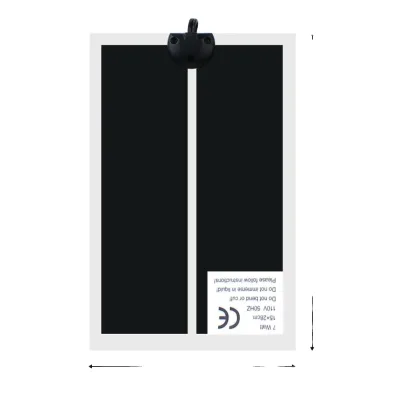
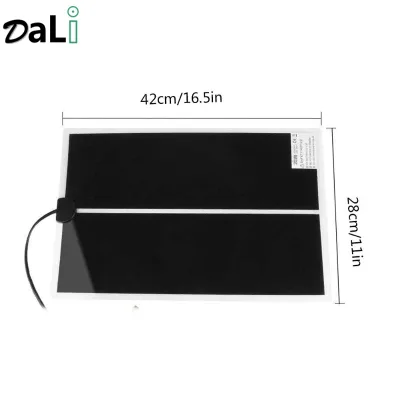
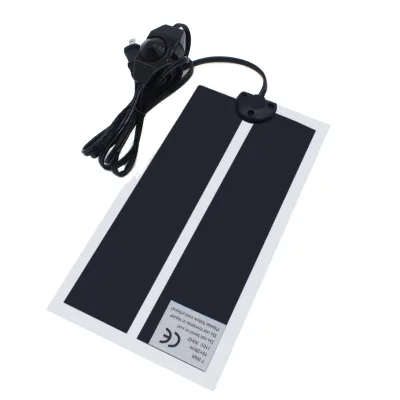
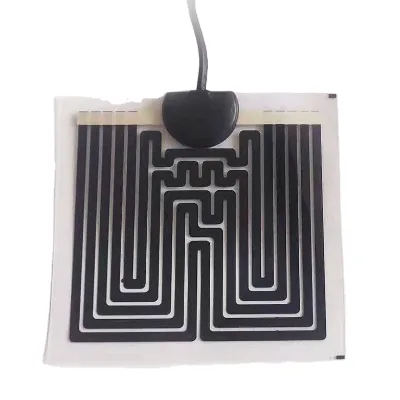
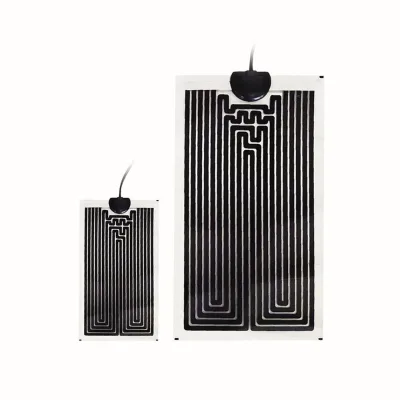
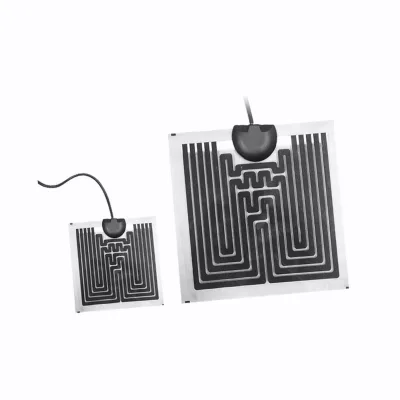
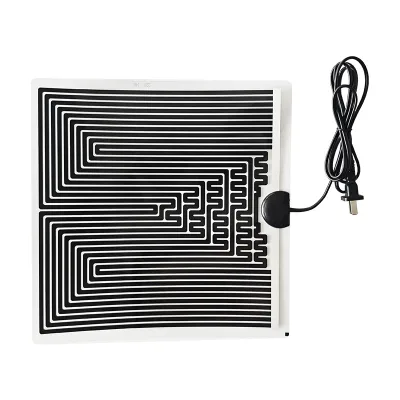
Reptile Terrarium Heat Mats Small 7 Watt Tank Warmer
$1.92 - $2.16
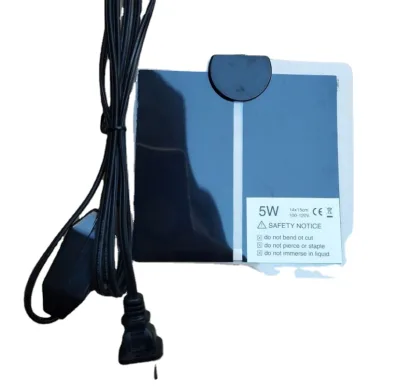
Reasonable Price Heating Mat for Reptile with CE 5W
$1.48 - $1.62

TIANJIN MCLANZOO PET ARTICLES CO., LTD
- Verified by CTI
- Combined
- China Tianjin
- Lead time30 days
- Avg. response≤ 11h
Main productsReptile, Pet, Terrarium, Bulb, Water Dish, Feeding Dish, Cave, Substrates, Ceramic Heater, Heat Cable
Main marketsAustralia
Weifang Xuelong Trading Co., Ltd.
- Trading Company
- Shandong, China
- Lead time7 days
- Avg. response≤ 3h
Main productsAquarium landscape decoration,driftwood,Aquarium equipment and equipment,aquarium,Aquarium rocks and sand
Main marketsNorth America(20.0%), Domestic Market(10.0%), South Asia(10.0%), Southern Europe(10.0%), Northern Europe(10.0%), Central America(10.0%), Western Europe(10.0%), Eastern Asia(10.0%), Mid East(10.0%), Oceania(10.0%), Africa(10.0%), Southeast Asia(10.0%), Eastern Europe(10.0%), South America(10.0%)

Jiangyin Pawo Electronics Co., Ltd.
- Combined
- China Jiangsu
- Lead time23 days
- Avg. response≤ 6h
Main productsHeating Cable, Water Pipe Heating Cable, Defrost Heater, Aluminum Foil Heater, Refrigerator Heater, Aluminum Tube Heater, Glass Tube Heater, Heating Wire, Stainless Pipe Heater, Drum Heater
Main marketsSoutheast Asia/ Mideast,Domestic,Europe,Australia,North America
Nanchang Huatuo Industrial Co., Ltd.
- Verified by Intertek
- Manufacturer, Trading Company
- Lead time3 days
- Avg. response≤ 2h
Main productsEgg Incubator And Accessories, Temperature And Humidity Controller, Clean Robot, Plastic Products, Other Livestock Products
Main marketsSouth America(42%), Southeast Asia(20%), Africa(18%)
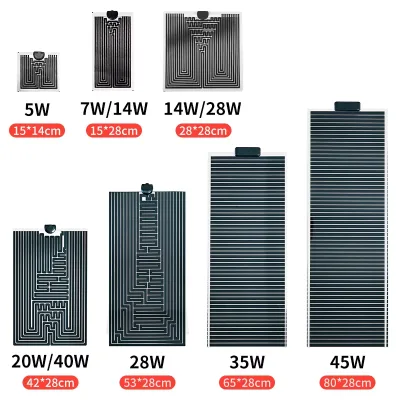
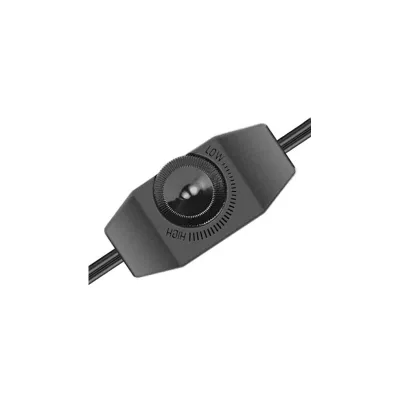
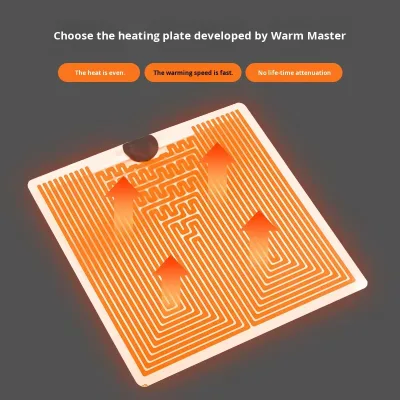
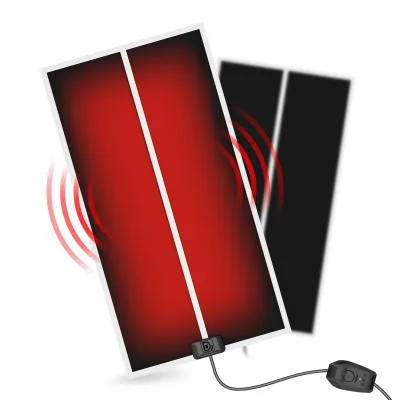
High Quality Reptile Warm Mat Heat Pad Reptile Heater for Turtle Tortoise Snakes
$2.25 - $3.58
Moq: 10
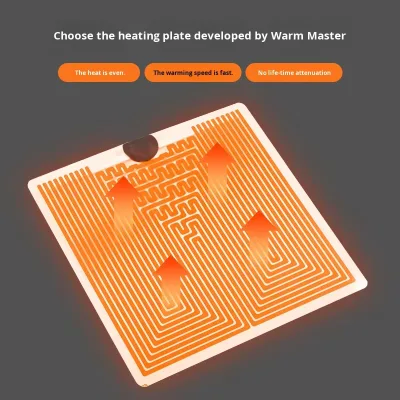
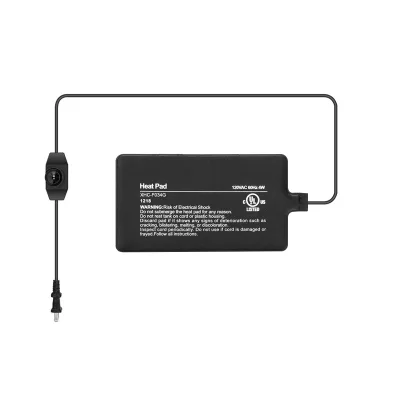
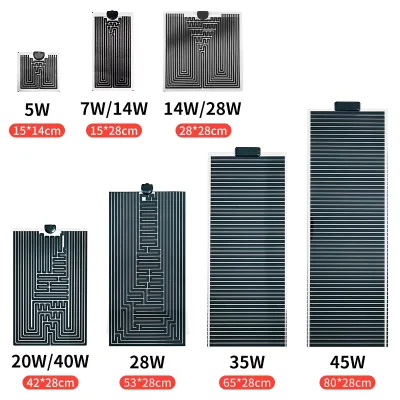

Shenzhen Superb Heater Technology Co., Limited
- Verified by SGS
- Manufacturer/Factory
- China Guangdong
- Lead time23 days
- Avg. response≤ 5h
Main productsCartridge Heater, Tubular Heater, Band Heater, Hot Runner Coil Heater, Ceramic Infrared Heater, Thermocouple Sensor, Mica Band Heater, Flexible Heater, Flat Heater, Finned Heater
Main marketsSouth America,Eastern Europe,Mid East,North America,Southeast Asia,Eastern Asia,Oceania,Western Europe,Africa
Dongyang Jin You E-Commerce Firm
- Trading Company
- Zhejiang, China
- Lead time0 days
- Avg. response≤ 1h
Main productsReptiles cage,snake cage,Pet crawling heating pad,Reptie NTC Sensor,Metal snake rack system
Main marketsSouth America(40.0%), North America(40.0%), Southern Europe(10.0%), Eastern Europe(10.0%)

Anhui Youyu Electric Heating Equipment Co., Ltd.
- Combined
- China Anhui
- Lead time23 days
- Avg. response≤ 8h
Main productsHeating Cable, Self Regulating Heating Cable, Heating Mat, Snow Melting Mat, Constant Wattage Heating Cable, Underfloor Heating Cable, Pipe Antifreeze Heating Cable, Silicone Heating Cable, Mineral Insulated Heating Cable, Room Thermostat
Main marketsSouth America,Southeast Asia/ Mideast,East Asia(Japan/ South Korea),Domestic,Europe,Australia,North America
Zhengzhou Zhimuren Machinery Co,, Ltd.
- Verified by SGS Group
- Manufacturer, Trading Company
- Lead time15 days
- Avg. response≤ 5h
Main productsWater bowls for pigs/ cattle and sheep, Cow and sheep milking machine, Ear tag pliers, Ear tag, Water bucket/ Feeder bucket
Main marketsSouth America(25%), Eastern Europe(21%), North America(18%)
Dong Guan Etan Pet Supplies Co., Ltd.
- Verified by SGS Group
- Manufacturer, Trading Company
- Lead time45 days
- Avg. response≤ 2h
Main productsReptile Glass Terrarium, Dome Lamp Fixture, Lighting Hood, Heating and Humidifying Equipment, Thermostat and Hygrostat
Main marketsNorth America(28%), Eastern Europe(15%), Southeast Asia(10%)
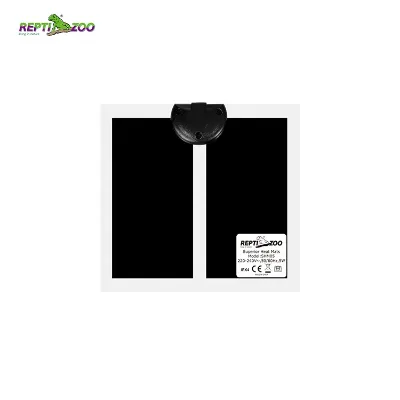
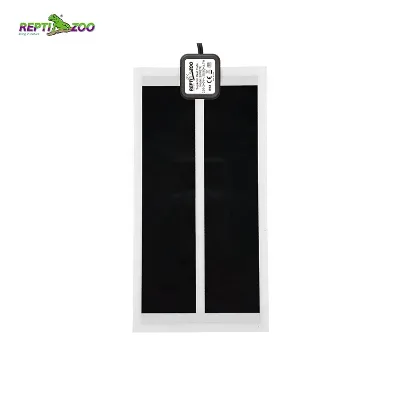
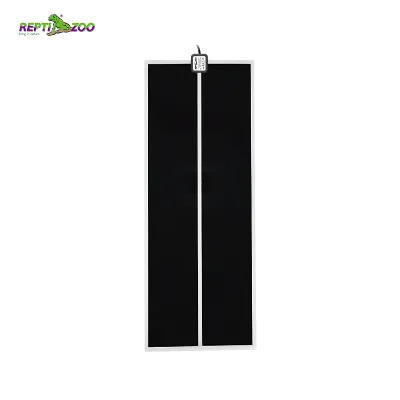
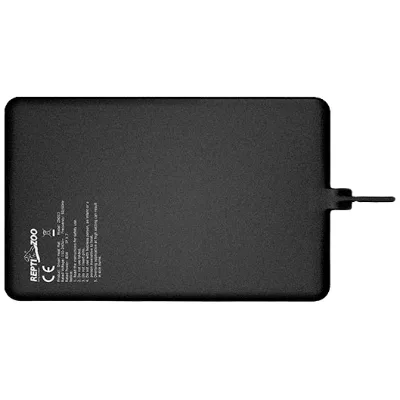
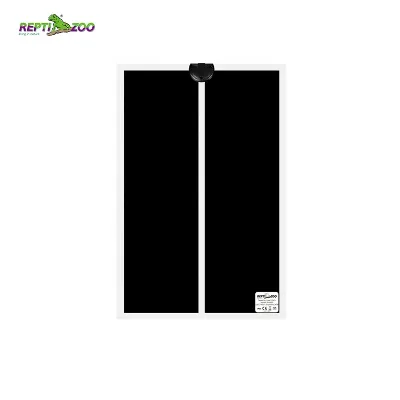
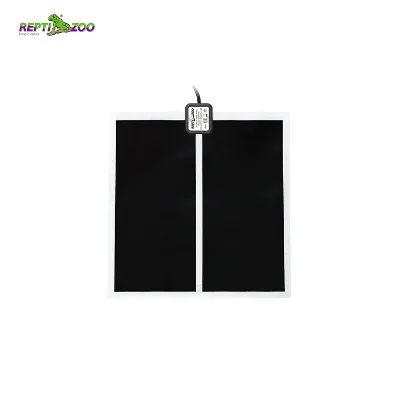
REPTIZOO 45W Heating Pad for Snake Cage Reptile Mat Heater Heat Mat for Crested Gecko
$15.15 - $16.67
Moq: 100
Nanchang Alex Machinery Manufacturing Co., Ltd.
- Verified by Intertek
- Manufacturer, Trading Company
- Lead time3 days
Main productsIncubator, Temperature and Humidity Controller, Plastic Products, Poultry Plucker, Other Livestock Equipment
Main marketsSouth America(30%), Mid East(30%), Southeast Asia(10%)

Hefei Minco Heating Cable Co., Ltd.
- Verified by TUVRHEINLAND
- Manufacturer/Factory
- China Anhui
- Lead time23 days
- Avg. response≤ 13h
Main productsThermostat, Smart Home, Heating Cable, Heating Mat, Heating Film, WiFi Switch, WiFi Sensor, WiFi Thermostat, Room Thermostat, Electric Heater
Main marketsEastern Europe,Mid East,Southeast Asia,Eastern Asia,Western Europe
Shenzhen Volun Lighting Co., Ltd.
- Manufacturer, Trading Company
- Guangdong, China
- Lead time15 days
- Avg. response≤ 2h
Main productsheating film,underfloor heating system,heating pad,LED Lighting,LED Bulb
Main marketsNorth America(32.87%), Eastern Asia(19.96%), Southern Europe(10.05%), Eastern Europe(10.04%), Western Europe(7.969999999999999%), Southeast Asia(5.02%), Oceania(4.98%), Domestic Market(4.1%), South America(1.53%), Africa(1.48%), Central America(1.01%), South Asia(0.9899999999999999%)
Anhui Fulaier E-Commerce Co., Ltd.
- Verified by Intertek
- Manufacturer, Trading Company
- Lead time0 days
- Avg. response≤ 3h
Main productsDrip irrigation Fittings, irrigation dripper, irrigation sprinkler, irrigation hose & pipe, Misting System Fittings
Main marketsSouth America(25%), Southeast Asia(25%), North America(21%)
Hebei Bingyu Commerce Co., Ltd.
- Trading Company
- Hebei, China
- Lead time10 days
- Avg. response≤ 2h
Main productsreptile enclosure,reptile cage,reptile terrarium,reptile display,acrylic enclosure
Main marketsNorth America(40.0%), Southern Europe(20.0%), Western Europe(20.0%), Oceania(20.0%)
Bests Industrial And Trading Co., Ltd.
- Verified by TüVRheinland
- Trading Company
- Lead time10 days
Main productsAquarium Supplies, Pet Supplies, Aquaculture Supplies, Reptile Accessories
Main marketsNorth America(20%), South America(15%), Western Europe(15%)

IVETWELL Animal Medical Limited
- Verified by SGS
- Trading Company
- China Beijing
- Lead time15 days
- Avg. response≤ 1h
Main productsVeterinary Medcial Equipment
Main marketsSoutheast Asia/ Mideast

Henan Gengxi Technology Equipment Co., Ltd.
- Trading Company
- Henan, China
- Lead time25 days
- Avg. response≤ 1h
Main productsGrow tent,LED grow light,Heat press machine,Grow Bag,Inline duct fan
Main marketsWestern Europe(20.0%), South America(20.0%), North America(20.0%), Southern Europe(10.0%), Southeast Asia(10.0%), Northern Europe(5.0%), Oceania(5.0%), Eastern Europe(3.0%), Eastern Asia(2.0%), Africa(2.0%), Central America(1.0%), South Asia(1.0%), Mid East(1.0%)
Jinhua Kubei Technology Co., Ltd.
- Trading Company
- Zhe'jiang, China
- Lead time0 days
- Avg. response≤ 9h
Main productspet products
Main marketsNorth America(100.0%)


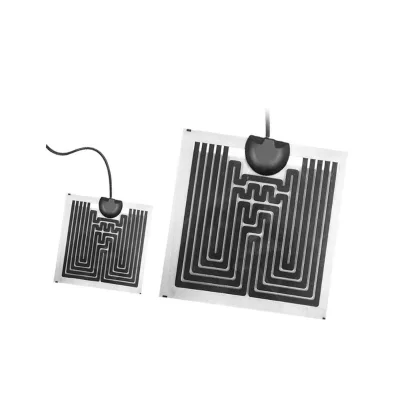
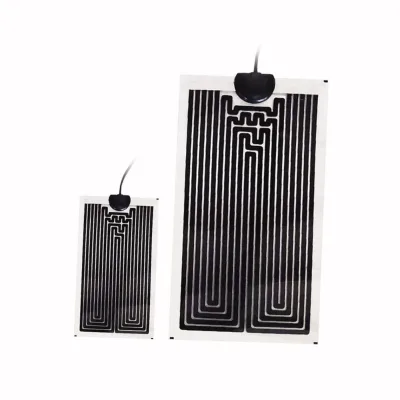
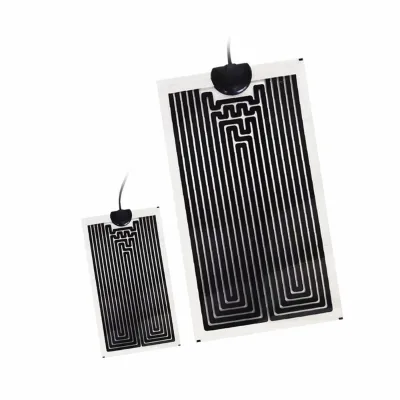
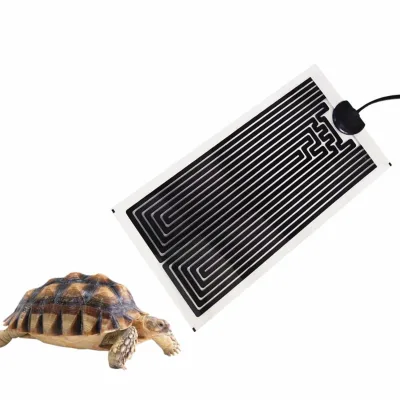





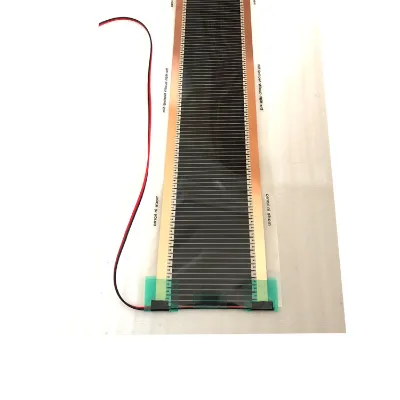
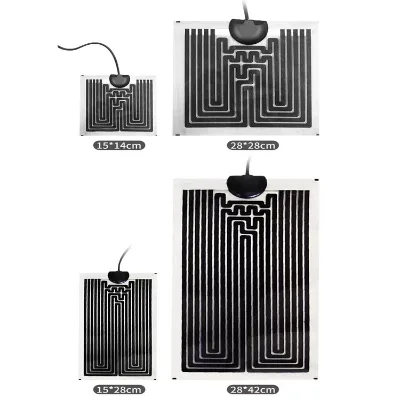


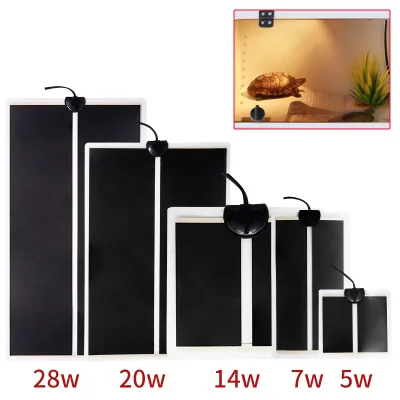
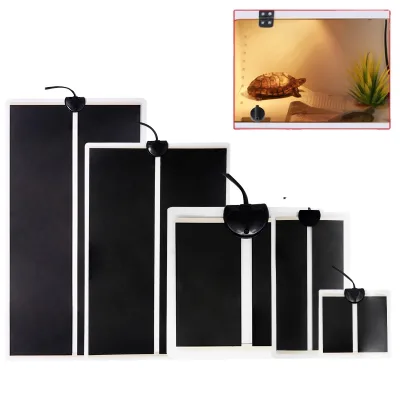
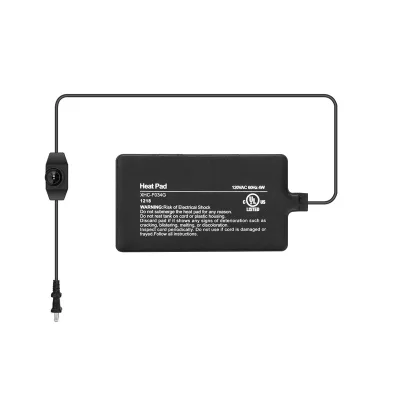
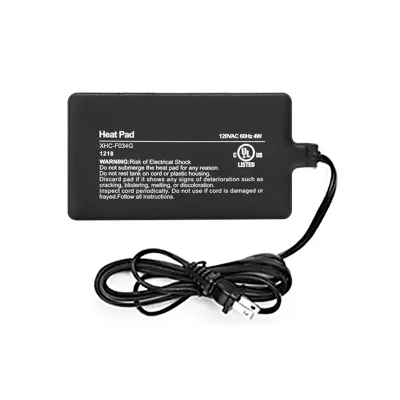


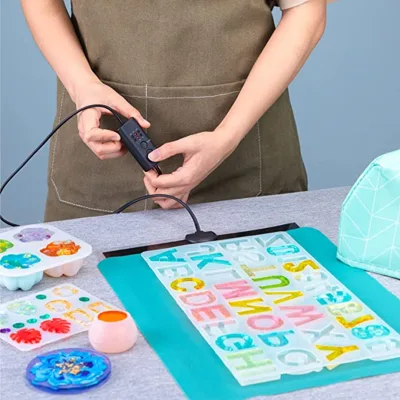
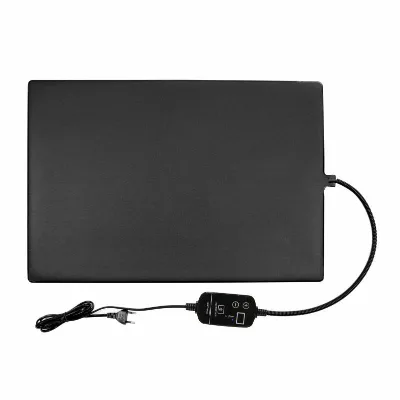
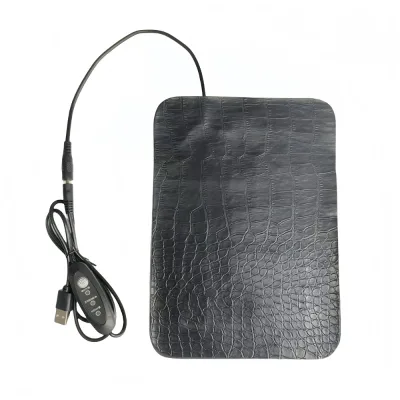
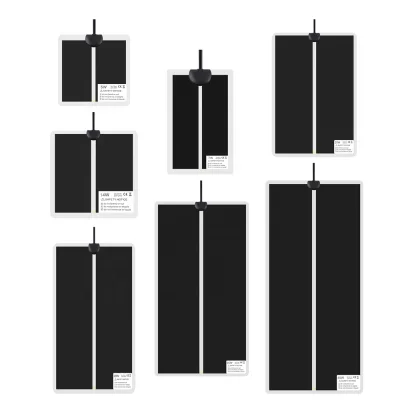
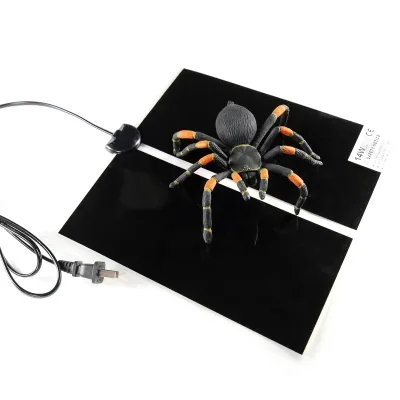
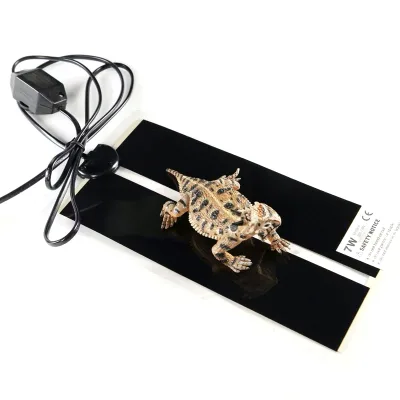
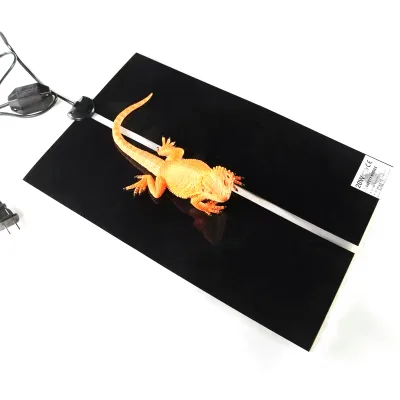
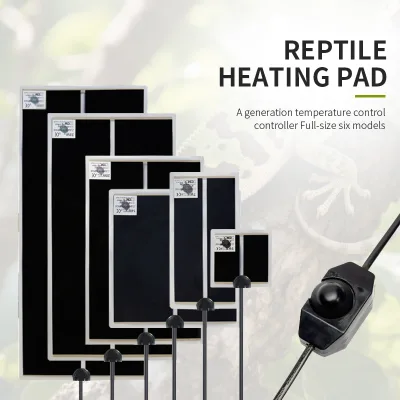
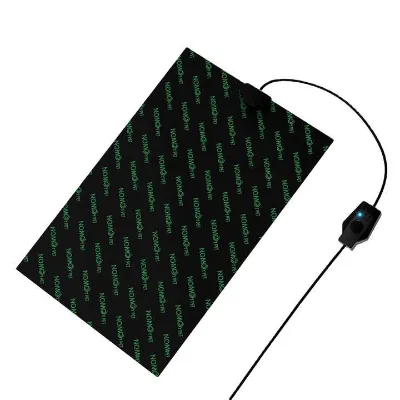
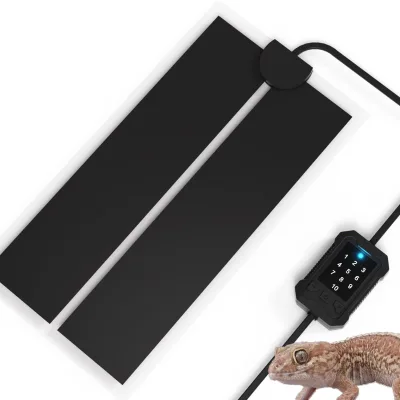
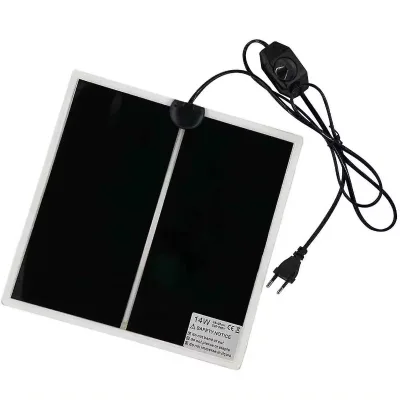

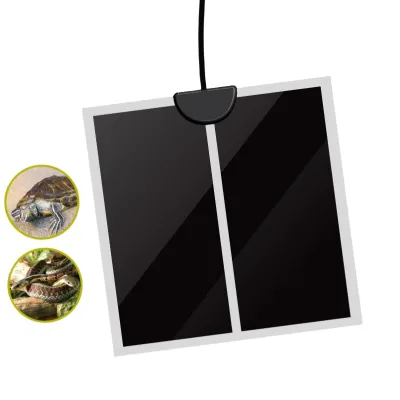


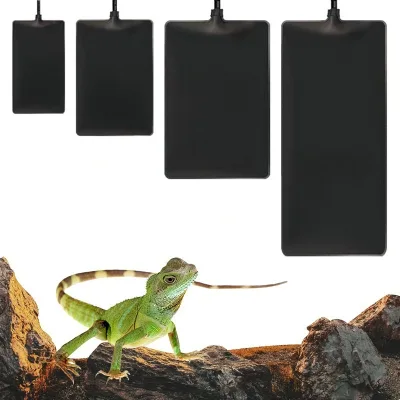
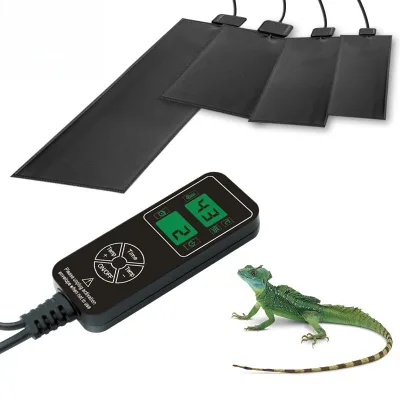
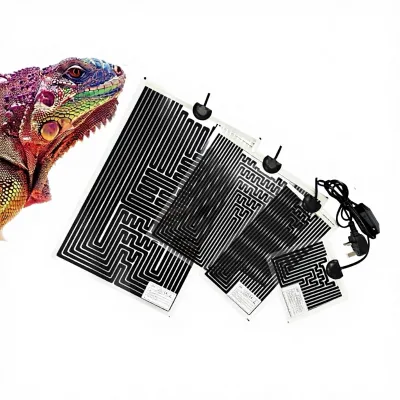

Comprehensive Sourcing Guide
Reptile Heating Pad Supplier Concentration and Factory Types
The current supplier landscape for reptile heating pads includes a mix of manufacturers and trading companies, offering buyers distinct operational models to consider. Manufacturers typically handle the direct production of items like PET film and nano-carbon heating mats, while trading companies may aggregate products from various factories to provide a broader catalog. This distinction is critical because the company type influences the depth of technical support and the flexibility of customization options available during the sourcing process. Buyers should examine the specific company type listed for each potential partner to determine if they require direct factory engagement or a consolidated supply chain solution.
Geographic concentration of these suppliers is often tied to specific industrial zones, though specific cluster names should be verified against current data rather than assumed. Some product evidence indicates origins in regions like Jiangsu, China, which suggests a potential manufacturing hub for pet heating solutions. However, without a definitive list of all active clusters, buyers must verify the place of origin for each supplier individually to understand the logistics implications. Identifying whether a supplier is based in a known industrial region can help in estimating shipping times and assessing the maturity of the local supply chain for materials like PET and PVC used in these heating pads.
How to Verify Reptile Heating Pad Suppliers
Verification of supplier credibility is paramount when sourcing electronic heating products for reptiles, where safety and reliability are non-negotiable. Buyers should prioritize suppliers who have undergone third-party verification processes, such as those conducted by TüVRheinland, to ensure that the company's business license and operational capacity have been independently validated. This step helps mitigate the risk of dealing with fraudulent entities and provides a baseline level of trust regarding the supplier's ability to fulfill orders consistently. Relying on verified status is a more robust strategy than relying solely on self-reported claims or platform badges.
Beyond basic verification, buyers must scrutinize the specific certifications held by the supplier to ensure compliance with international safety standards. The available data indicates that some suppliers possess certifications including RoHS, EMC, ETL, LVD, and CE, which are essential for electrical products sold in various global markets. These certifications confirm that the heating pads meet specific requirements regarding electromagnetic compatibility, low voltage safety, and hazardous substance restrictions. Buyers should request proof of these certifications for the specific product models they intend to purchase, as the presence of a general company certification does not guarantee that every product variant meets the same rigorous standards.
What to Compare Across Reptile Heating Pad Suppliers
When evaluating multiple suppliers, buyers should focus on key operational metrics such as minimum order quantities, lead times, and response speeds to find the best fit for their business needs. The data shows that minimum order quantities can vary significantly, with some listings requiring 100 units while others demand 200 or even 800 pieces. This variation directly impacts inventory planning and cash flow, making it essential to compare these thresholds against the buyer's projected sales volume and storage capacity before committing to an order. A supplier with a lower MOQ might be preferable for testing new markets, while higher MOQs could indicate better pricing for bulk procurement.
Lead times and response times are equally critical factors that influence the overall efficiency of the supply chain. Current observations suggest a standard response time of three days and a lead time of ten days for sample processing or customized orders, though these figures may fluctuate based on order complexity. Buyers should compare these timelines across different suppliers to ensure they can meet their own delivery schedules and customer expectations. Additionally, comparing the range of main products offered, such as UV lamps versus heating pads, can reveal whether a supplier is a specialized manufacturer or a generalist trading company, which affects their ability to provide comprehensive solutions for reptile care needs.
Common Reptile Heating Pad Sourcing Risks
One of the primary risks in sourcing reptile heating pads involves the inconsistency of product specifications and materials across different suppliers. While many products are described as using PET or PVC materials, the specific construction, such as the inclusion of nano-carbon layers, can vary significantly between listings. This inconsistency can lead to performance issues where a heating pad fails to maintain the required temperature range for specific reptile species, potentially causing health issues for the animals. Buyers must carefully review the detailed product attributes, including wattage options and material composition, to ensure the product matches the specific thermal requirements of their target market.
Another significant risk is the potential mismatch between the claimed certifications and the actual product safety, particularly regarding electrical standards. Although some suppliers list certifications like CE and ETL, there is a risk that these may not apply to every batch or model produced. Without rigorous quality control and independent testing of the final goods, there is a possibility of receiving products that do not meet the safety standards claimed in the initial listing. This risk is heightened when dealing with trading companies that may source from multiple factories with varying quality control standards, making it essential for buyers to request specific test reports for the exact models they intend to purchase.
Reptile Heating Pad Regional Sourcing and Logistics
Logistics planning for reptile heating pads must account for the specific origin of the products, as this dictates shipping routes and potential transit times. Evidence points to origins in China, specifically regions like Jiangsu, which are major manufacturing hubs for pet supplies. Understanding the specific port of loading and the distance to the destination market is crucial for calculating accurate landed costs and delivery schedules. Buyers should verify the exact place of origin for each supplier to determine if they are located near major shipping ports, which can significantly reduce inland transportation costs and minimize the risk of delays.
Packaging and weight specifications also play a vital role in logistics planning and cost estimation for this category. Product data indicates varying package sizes and weights, ranging from small single-item packages to larger cartons with significant gross weights. For instance, some units are packaged individually while others are shipped in bulk cartons, which affects the number of units that can fit into a standard shipping container. Buyers need to analyze these packaging details to optimize container utilization and reduce per-unit shipping costs. Additionally, understanding the seasonal nature of the demand, such as increased need during winter, helps in planning inventory levels to avoid stockouts during peak periods.
Reptile Heating Pad Commercial Terms and Order Planning
Commercial terms for reptile heating pads often include flexible options for customization, such as OEM and ODM services, which allow buyers to brand products according to their specific market needs. Many suppliers indicate that they welcome accepted requests for customized logos and packaging, providing an opportunity for buyers to differentiate their offerings in a competitive market. However, these customization services often come with higher minimum order quantities, such as the 800-piece threshold observed in some listings, which buyers must factor into their financial planning and order volume projections.
Pricing structures for these products can vary based on wattage, material, and order volume, with observed price ranges starting from approximately three dollars up to fourteen dollars per unit. Buyers should compare these price points against the specific features offered, such as voltage compatibility and material quality, to ensure they are receiving fair value. It is also important to note that prices may fluctuate based on the raw material costs for PET or PVC and the complexity of the manufacturing process. Careful negotiation and clear communication regarding payment terms and delivery schedules are essential to secure favorable commercial terms that align with the buyer's budget and operational requirements.
FAQs
What is the minimum order quantity for reptile heating pads?
The minimum order quantity varies by product model, ranging from 100 to 800 pieces. Some listings specify 100 units for standard PET mats, while others require 200 or 800 units for specialized PVC versions. Buyers should check specific product attributes to confirm the exact threshold before placing an order.
What voltage options are available for these heating pads?
Most reptile heating pads support dual voltage standards of 120V and 220V to 240V. Some specific models also list 110V to 240V compatibility. This flexibility allows the products to be used in various regions without requiring additional voltage converters for standard electrical outlets.
How long does it take to receive an order?
The typical lead time for these products is approximately 10 days. This duration applies to standard manufacturing and shipping cycles for stocked items. Buyers should verify specific delivery timelines with the supplier, as expedited options or custom orders may alter this standard schedule.
What certifications do these reptile heating pads hold?
Suppliers often provide products certified under RoHS, EMC, ETL, LVD, and CE standards. These certifications indicate compliance with safety and environmental regulations for electrical appliances. Verification by TüVRheinland is also noted for some suppliers, ensuring quality control and product safety for international markets.
What materials are used to construct these heating pads?
Common materials include PET film, Nano-Carbon, and PVC. PET is frequently used for its durability and safety, while PVC versions offer waterproof features. Some advanced models combine PET and PVC to enhance heat distribution and resistance to moisture within terrarium environments.
Are these heating pads suitable for different reptile species?
Yes, these pads are designed for various reptiles including lizards, turtles, snakes, and amphibians. Specific listings mention suitability for bearded dragons, leopard geckos, and hermit crabs. The adjustable wattage options allow users to match the heat output to the specific needs of different pet sizes.
What is the price range for these heating pads?
Prices typically range from 3.00 to 14.45 USD per unit depending on wattage and material. Lower wattage models like 5W or 7W are generally cheaper, while higher wattage options up to 45W cost more. Bulk orders often influence the final unit price within this specified range.