Rhinestone Embroidered Guipure Lace Fabric Suppliers and Manufacturers
Source Rhinestone Embroidered Guipure Lace Fabric from 17 verified suppliers in China. Compare response times, lead times, MOQs, and certifications like ISO9001:2015. Filter by location and price to find the right partner; review the available evidence before requesting comparable quotations from suitable candidates.
Suppliers List

- Verified by TUVRHEINLAND
- Combined
- China Zhejiang
- Lead time30 days
- Avg. response≤ 7h
Main productsThread, Zipper, Lace, Button, Webbing & Tape, Ribbon, Interlining, Fabric, Tailoring Materials, Hook & Loop
Main marketsSouth America,Africa,Europe,Australia
Shijiazhuang Aoyi Textile Co., Ltd.
- Trading Company
- Hebei, China
- Lead time0 days
- Avg. response≤ 2h
Main productswaxed cloth,lace
Main marketsNorth America(20.0%), Southeast Asia(18.0%), South America(16.0%), South Asia(15.0%), Mid East(13.0%), Africa(6.0%), Central America(5.0%), Southern Europe(2.0%), Northern Europe(2.0%), Eastern Asia(2.0%), Eastern Europe(1.0%)
Guangzhou Yaxin Garment Accessories Co., Ltd.
- Manufacturer, Trading Company
- Guangdong, China
- Lead time10 days
- Avg. response≤ 1h
Main productsEmbroidery Fabric,guipure lace fabric,3d lace fabric,lace fabric for wedding,luxury lace fabric
Main marketsNorth America(20.0%), Africa(15.0%), Southeast Asia(15.0%), Eastern Europe(15.0%), Central America(15.0%), South America(10.0%), Western Europe(10.0%)

Ningbo Yuena Import & Export Co., Ltd.
- Verified by TUVRHEINLAND
- Trading Company
- China Zhejiang
- Lead time23 days
- Avg. response≤ 3h
Main productsLace, Thread, Button, Ribbon, Zipper, Tailors Materials, Fabric, Reflective Materials, Sewing Machine Part, Bra Parts
Main marketsSouth America,Africa,Southeast Asia/ Mideast,Europe,North America

LIZHUO INTERNATIONAL CO., LTD.
- Verified by SGS
- Trading Company
- China Guangdong
- Lead time23 days
- Avg. response≤ 2h
Main productsEmbroidery Patch, Woven Label, Embroidery Lace, Hangtag, Printing Label, School Bag, Embroidery Fabric, String
Main marketsEast Asia(Japan/ South Korea)


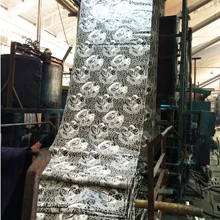
White Polyester Embroidery Lace Fabric Guipure Lace Fabric for Garment Accessories
Contact supplier
Moq: 500
Guangzhou Grown Trading Co., Ltd.
- Trading Company
- Guangdong, China
- Lead time15 days
- Avg. response≤ 11h
Main productsAfrican Wax Fabric,Lace,Silk,Bag Shoes,Bazin
Main marketsAfrica(30.0%), North America(15.0%), Southern Europe(8.0%), Northern Europe(8.0%), Oceania(8.0%), Western Europe(8.0%), Eastern Europe(8.0%), Mid East(5.0%), Domestic Market(5.0%), Eastern Asia(3.0%), South America(2.0%)
Oriental Dimension (Chengdu) Textile Co., Ltd.
- Trading Company
- Sichuan, China
- Lead time0 days
- Avg. response≤ 7h
Main productsEmbroidery Lace,French Lace,Fashion Dress Lace,Wedding Veil,Trimming And Motif
Main marketsDomestic Market(100.0%), South Asia(100.0%), Southern Europe(100.0%), Northern Europe(100.0%), Central America(100.0%), Western Europe(100.0%), Eastern Asia(100.0%), Mid East(100.0%), Oceania(100.0%), Africa(100.0%), Southeast Asia(100.0%), Eastern Europe(100.0%), South America(100.0%), North America(100.0%)
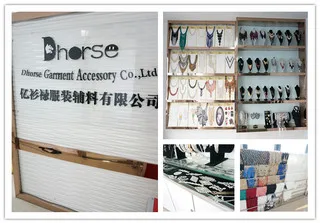
Guangzhou Dhorse Garment Accessory Firm
- Trading Company
- Guangdong, China
- Lead time5 days
- Avg. response≤ 4h
Main productsEmbroidery Lace Fabric,Beaded Lace Trim,Beaded Lace Applique,Glitter Tulle,Garment Patch
Main marketsNorth America(30.0%), Western Europe(15.0%), South America(15.0%), Southeast Asia(10.0%), South Asia(5.0%), Eastern Europe(5.0%), Eastern Asia(5.0%), Mid East(5.0%), Oceania(5.0%), Africa(5.0%)

Marigold Garment Accessories Co., Ltd.
- Trading Company
- China Guangdong
- Lead time15 days
- Avg. response≤ 10h
Main productsLace, Lace Trimming, Rhinestone Trimming, Embroidery, Patches, Elastic Trim, Brooches, Button, Rhinestone Patch, Lace Fabric
Main marketsSouth America,Africa,Southeast Asia/ Mideast,Europe,North America


Sharing Orange Color Handmade Guipure Flower Lace Cotton Embroidery Lace Fabric for Dress
Contact supplier
Moq: 20

Luxury Red and Green Flower Embroidered Sequins Crystal Lace Fabric for Dresses
Contact supplier
Moq: 20

Soft Cotton Guipure Pattern Lace Fabric Texitiles for Summer Lady Dress Clothing
Contact supplier
Moq: 20

Ningbo New & Century Fashion Co., Ltd.
- Manufacturer/Factory
- China Zhejiang
- Lead time23 days
- Avg. response≤ 11h
Main productsLace, Tape, Ribbon, Nylon Lace Trimming, Chemical Lace Trimming, Cotton Lace Trimming, Strech Lace Trimming, Non-Strech Lace Trimming, Others Nylon Lace Trimming, Crochet Lace Trimming
Main marketsSouth America,Eastern Asia,Western Europe

Shaoxing Yewang Textile Co., Ltd.
- Trading Company
- China Zhejiang
- Lead time15 days
- Avg. response≤ 13h
Main productsRayon Print&Dye Fabric, Cotton Print&Dyed Fabric, Polyester Print and Dyed Fabric, Digital Printing Fabric, Nida Fabric and Abaya Fabric, Garment Fabric and Knitted Fabric, Linen Fabric and Hawaii Design Fabric, Velvet Fabric and Cey Fabric, Flano Fabric and Denim Fabric, Woven Fabric
Main marketsOthers(foreignTradeCapacity.exportBusinessCapacityMarketOther),Southeast Asia/ Mideast,East Asia(Japan/ South Korea)
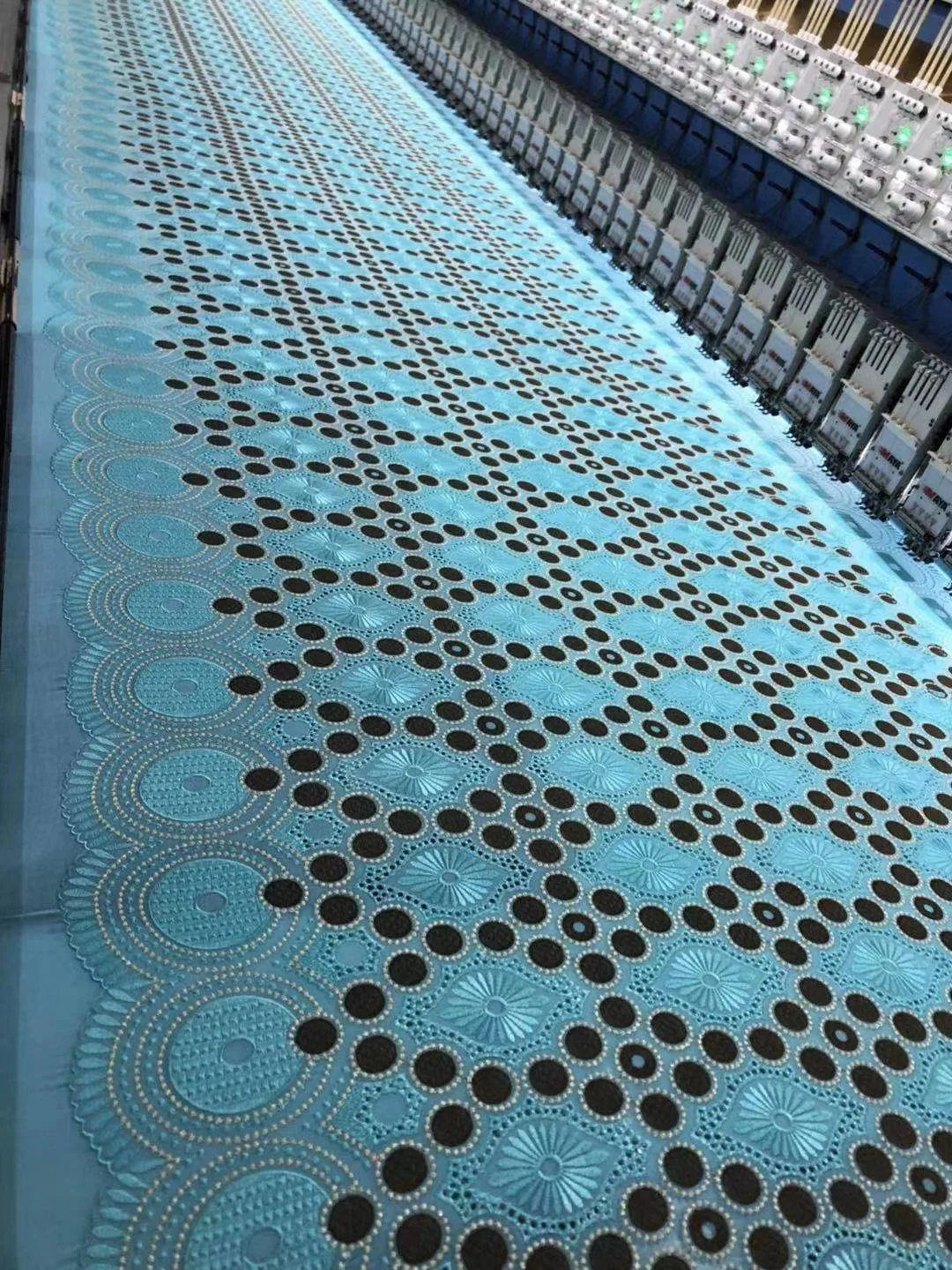
Guangzhou Yuexiu Disctrict Tongman Clothing Store
- Manufacturer, Distributor/Wholesaler
- Guangdong, China
- Lead time20 days
- Avg. response≤ 10h
Main productsAfrican lace,prints wax,bazin fabric,shoes and bag,turban
Main marketsNorth America(35.0%), Africa(33.0%), Northern Europe(10.0%), Western Europe(8.0%), Southern Europe(2.0%), Eastern Europe(2.0%), Southeast Asia(2.0%), South America(2.0%), Domestic Market(1.0%), South Asia(1.0%), Eastern Asia(1.0%), Mid East(1.0%), Central America(1.0%), Oceania(1.0%)

Wuxi Glolinker Technology Co., Ltd.
- Verified by CTI
- Trading Company
- China Jiangsu
- Lead time15 days
- Avg. response≤ 11h
Main productsClothing Fabrics, Pillows, Blankets, Duvet Cover, Fabric, Bed Sheets, Satin Fabric, Pillowcase, Embroidery Fabric, Sequin Fabric
Main marketsDomestic

Suzhou Gilka Trading Co., Ltd.
- Trading Company
- China Jiangsu
- Lead time23 days
- Avg. response≤ 4h
Main productsClothing and Apparel Wholesale, Wedding Dresses, Embroidery Lace Fabrics, Glliter Tulle Fabrics, Wedding Gowns, Party Dresses, Trimming Lace, Factory OEM Fabrics, Western Fabrics, Vestidos Fabrica
Main marketsSouth America,North America
Guangzhou Bulaiyiduo Trading Co., Ltd.
- Trading Company
- Guangdong, China
- Lead time0 days
- Avg. response≤ 8h
Main productsSequin embroidery,Beaded embroidery,Tulle embroidery,Guipure Cord lace fabric,jacquard fabric
Main marketsAfrica(30.0%), Southeast Asia(30.0%), South America(15.0%), North America(15.0%), Mid East(10.0%)
Guangzhou Dobest Textile Co., Ltd.
- Manufacturer, Distributor/Wholesaler
- Guangdong, China
- Lead time7 days
- Avg. response≤ 6h
Main productsembroidery tulle fabric,SEQUINS FABRIC,SEQUINS LACE,LACE,BEADED LACE
Main marketsNorth America(25.0%), Western Europe(10.0%), Southern Europe(10.0%), Northern Europe(10.0%), Mid East(10.0%), Eastern Europe(10.0%), South America(10.0%), Southeast Asia(5.0%), Central America(5.0%), Eastern Asia(4.0%), South Asia(1.0%)
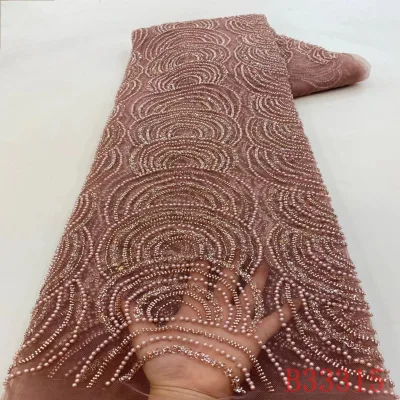
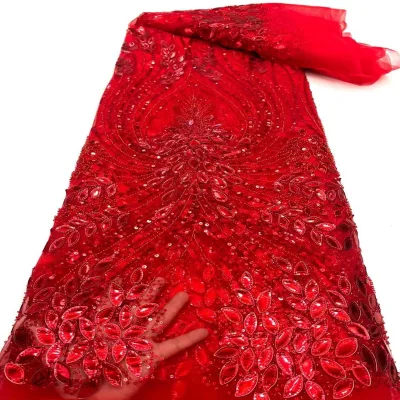
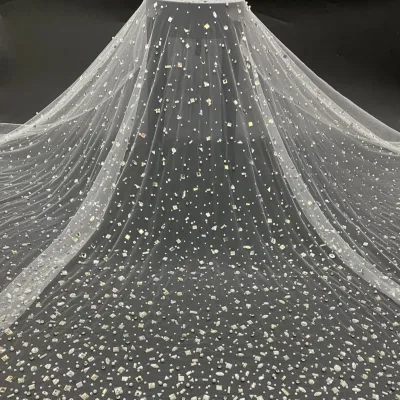
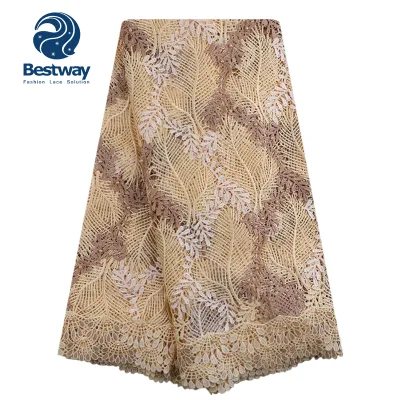
Luxury Rhinestone and Heavy Beaded Guipure Lace Fabric With Multic-color Sequins
$11.22 - $12.24
Moq: 5

Shanghai Bestway International Ltd.
- Trading Company
- Shanghai, China
- Lead time20 days
- Avg. response≤ 5h
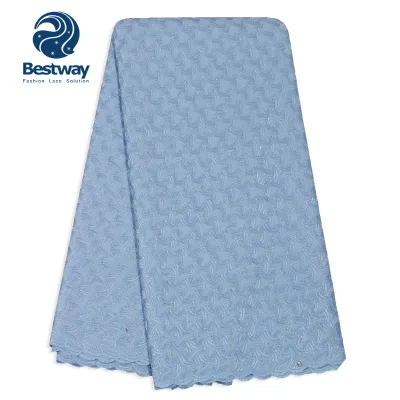
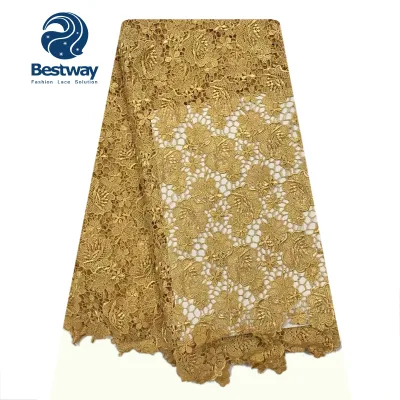
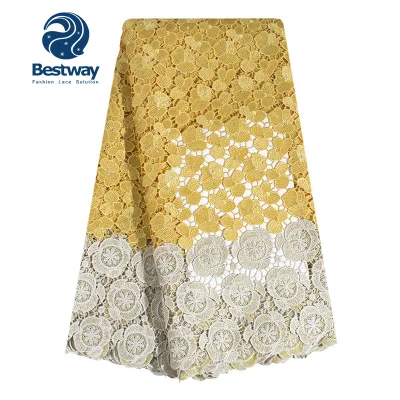
Main productsLace Fabric,African Lace,Embroidery Fabric,Shoe and Bag,Sego gele
Main marketsNorth America(50.0%), Africa(40.0%), Western Europe(8.0%), Northern Europe(2.0%)




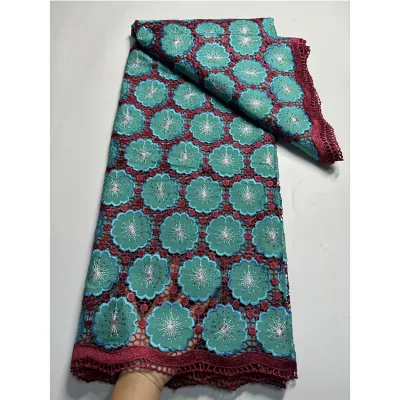
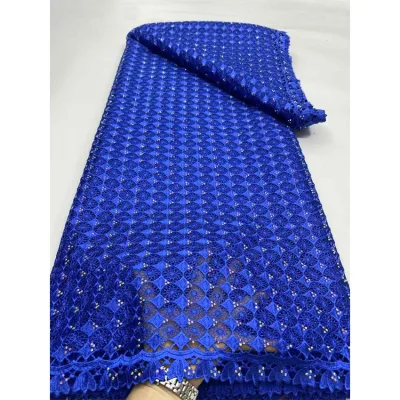
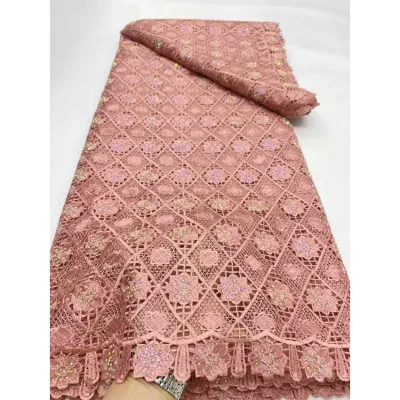
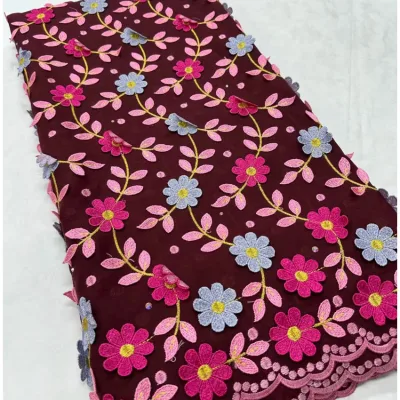
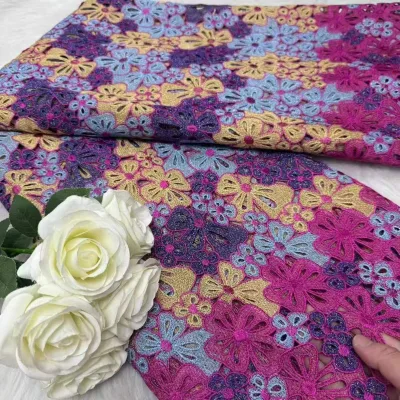
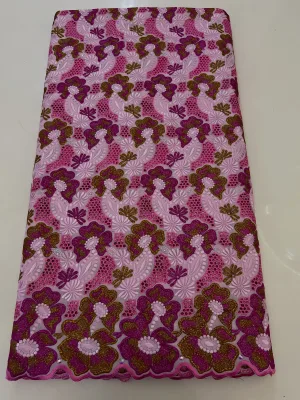
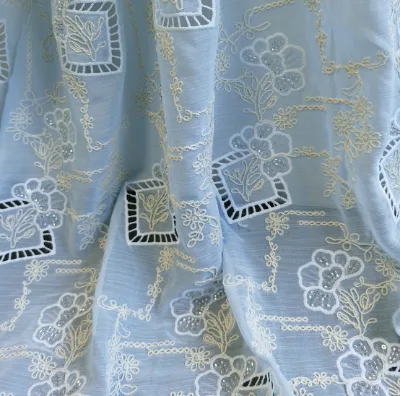
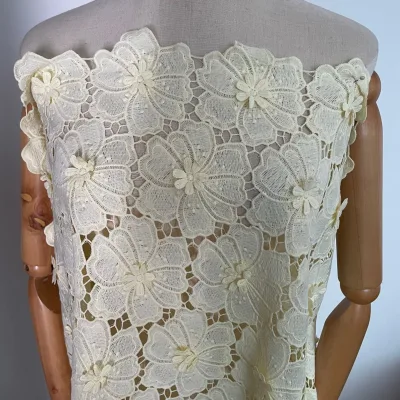


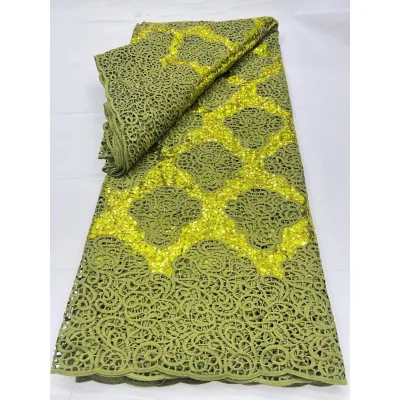
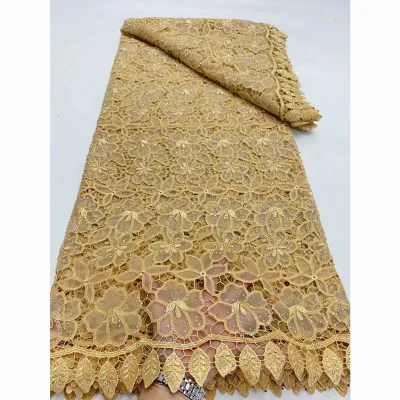


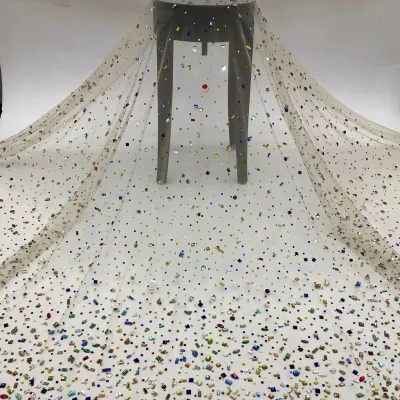
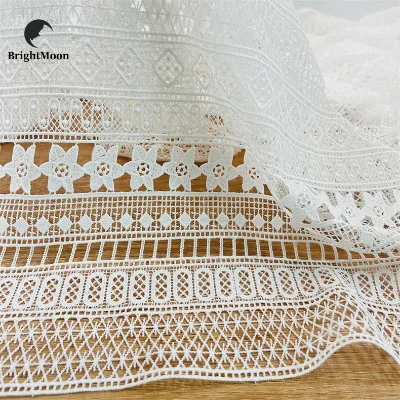
Comprehensive Sourcing Guide
Rhinestone Embroidered Guipure Lace Fabric Supplier Concentration and Factory Types
The current supplier landscape for Rhinestone Embroidered Guipure Lace Fabric reveals a diverse mix of manufacturing capabilities and business models concentrated primarily in China. Data indicates that suppliers are located in key textile provinces such as Zhejiang, Hebei, and Guangdong, each offering distinct advantages in terms of supply chain maturity and specialization. In Zhejiang, suppliers often operate as combined entities, blending manufacturing with trading functions, which allows for a broader range of main products including threads, zippers, and various fabric types alongside lace. This structural diversity means buyers may encounter factories that have in-house embroidery capabilities while also managing complex logistics for finished goods. The presence of ISO9001:2015 and ISO14001:2015 certifications among some suppliers in this region suggests a commitment to standardized quality management and environmental compliance, which can be critical for large-scale production runs requiring consistent output.
In contrast, suppliers in Hebei and Guangdong present different operational profiles, with some identified specifically as trading companies or manufacturers with a focus on luxury and 3D effects. Guangdong-based suppliers, for instance, may emphasize high-end applications such as African dresses or wedding gowns, utilizing materials like 100% polyester to achieve specific weight and texture requirements. The distinction between a pure manufacturer and a trading company is vital for buyers, as it directly impacts communication efficiency, pricing flexibility, and the ability to handle custom orders. While some suppliers list main products that include waxed cloth or general lace, others specialize exclusively in guipure and embroidered varieties, indicating a deeper technical expertise in these specific niches. Understanding these factory types helps buyers align their sourcing strategy with the appropriate supplier profile, whether they need high-volume standard production or specialized, low-MOQ custom designs.
How to Verify Rhinestone Embroidered Guipure Lace Fabric Suppliers
Verifying the legitimacy and capability of suppliers requires a multi-layered approach that goes beyond basic profile reviews. Buyers should prioritize suppliers who have undergone third-party verification processes, such as those conducted by TÜV Rheinland, which provides an additional layer of trust regarding the supplier’s business operations and physical existence. This verification status is a strong indicator that the company has been inspected and meets certain baseline standards for operational integrity. Additionally, checking for specific system certifications like ISO9001:2015 and ISO14001:2015 is essential, as these credentials demonstrate that the supplier has implemented formalized quality and environmental management systems. These certifications are particularly important for buyers who need to ensure that their supply chain adheres to international standards, reducing the risk of quality inconsistencies or compliance issues in their own markets.
Beyond certifications, buyers must scrutinize the technical details provided in product listings to assess manufacturing competence. For rhinestone embroidered guipure lace, specific attributes such as material composition, technics, and lace craft are critical indicators of quality. Suppliers listing products with detailed specifications, such as 100% cotton or polyester materials, embroidered technics, and specific lace crafts like embroidery lace, are demonstrating a higher level of product transparency. Buyers should also look for evidence of customization capabilities, as many suppliers indicate that customization is available, which is crucial for unique design requirements. Furthermore, verifying the place of origin listed in product attributes, such as Shanghai or Guangzhou, can help confirm the supplier’s logistical base and regional expertise. By cross-referencing these technical details with verification badges and certifications, buyers can build a more accurate picture of a supplier’s reliability and technical proficiency before initiating any commercial discussions.
What to Compare Across Rhinestone Embroidered Guipure Lace Fabric Suppliers
When evaluating multiple suppliers, buyers must systematically compare key operational metrics to determine the best fit for their specific needs. Response time is a critical factor, with some suppliers demonstrating rapid communication capabilities, such as a response time of 1 or 2 hours, while others may take significantly longer, such as 6.37 hours. Faster response times often correlate with better customer service and quicker resolution of issues, which is vital for maintaining production schedules. Lead time is another essential comparison point, ranging from 10 days to 30 days or even 0 days for in-stock items. Buyers should align their order planning with these lead times to avoid delays, especially for time-sensitive projects like wedding seasons or fashion collections. Additionally, comparing the Minimum Order Quantity (MOQ) is crucial, as it varies significantly, with some suppliers requiring as few as 300 units while others demand 500 or more.
Price and product specifications also require careful comparison to ensure value for money. Prices for Rhinestone Embroidered Guipure Lace Fabric can range from approximately $3.00 to over $13.00 per unit, depending on material, complexity, and customization. Buyers should not solely focus on the lowest price but should consider the total cost, including shipping and potential rework costs due to quality issues. Product attributes such as width, weight, and material composition should be compared across suppliers to ensure they meet the technical requirements of the final garment. For instance, some suppliers offer fabrics with a width of 120cm to 130cm, while others provide 47/48" or 51-52" widths. Additionally, comparing the packing standards, such as 15 yards per poly bag, can impact storage and handling efficiency. By creating a detailed comparison matrix of these factors, buyers can make data-driven decisions that balance cost, quality, and operational efficiency.
Common Rhinestone Embroidered Guipure Lace Fabric Sourcing Risks
Sourcing Rhinestone Embroidered Guipure Lace Fabric involves several inherent risks that buyers must proactively manage to ensure successful procurement. One significant risk is the discrepancy between sample quality and bulk production, particularly when dealing with complex designs involving rhinestones and 3D embroidery. Suppliers may provide high-quality samples that do not accurately reflect the consistency of mass production, leading to potential defects in the final order. This risk is exacerbated when working with trading companies that may not have direct control over the manufacturing process, making it harder to enforce quality standards. Additionally, the use of different materials, such as cotton versus polyester, can affect the final appearance and durability of the lace, so buyers must ensure that the material specifications in the contract match the approved sample exactly.
Another common risk is the variability in lead times and response speeds, which can disrupt supply chain planning. Suppliers with longer lead times or slower response rates may struggle to meet urgent deadlines, leading to delays in production or missed market opportunities. Furthermore, the lack of standardized packaging or labeling across different suppliers can create logistical challenges, especially when integrating lace fabric into larger garment production lines. Buyers must also be cautious of suppliers who do not provide clear information about their customization capabilities, as this can lead to misunderstandings about design feasibility and cost. To mitigate these risks, buyers should establish clear communication protocols, request detailed production schedules, and implement rigorous quality control checks at various stages of the manufacturing process. By anticipating these potential pitfalls, buyers can better protect their interests and ensure a smoother sourcing experience.
Rhinestone Embroidered Guipure Lace Fabric Regional Sourcing and Logistics
The geographic location of suppliers plays a crucial role in determining logistics costs, lead times, and overall supply chain efficiency. Suppliers located in Zhejiang, Hebei, and Guangdong offer distinct logistical advantages based on their proximity to major ports and manufacturing hubs. Zhejiang, for instance, is a major textile hub with well-developed infrastructure, making it easier to arrange shipping and handle complex logistics. Suppliers in this region often benefit from a mature supply chain ecosystem, which can reduce lead times and improve reliability. Similarly, Guangdong, particularly Guangzhou, is known for its luxury textile industry and offers access to high-end manufacturing capabilities, which can be beneficial for buyers seeking premium quality lace fabrics. The presence of suppliers in Shanghai, as indicated by some product attributes, also provides access to a major international shipping hub, facilitating easier export to global markets.
However, buyers must also consider the potential challenges associated with sourcing from different regions, such as varying local regulations and transportation costs. Suppliers in Hebei, while offering competitive pricing, may have different logistical constraints compared to those in coastal provinces. Buyers should evaluate the total landed cost, including freight, insurance, and customs duties, when comparing suppliers from different locations. Additionally, the time zone differences and communication barriers can impact the efficiency of the sourcing process, so buyers should prioritize suppliers with strong English communication skills and responsive customer service. By carefully assessing the logistical implications of each supplier’s location, buyers can optimize their supply chain to minimize costs and maximize efficiency, ensuring that their Rhinestone Embroidered Guipure Lace Fabric orders arrive on time and in perfect condition.
Rhinestone Embroidered Guipure Lace Fabric Commercial Terms and Order Planning
Effective order planning for Rhinestone Embroidered Guipure Lace Fabric requires a thorough understanding of commercial terms and payment structures. Buyers should negotiate clear terms regarding payment methods, such as using escrow services to protect their funds until the goods are received and verified. This is particularly important when dealing with new suppliers or large orders, as it provides a layer of security against potential fraud or non-delivery. Additionally, buyers must clarify the terms for customization, including any additional costs for design changes, sample fees, or mold creation. Suppliers may charge extra for specific requirements, such as custom colors or unique rhinestone patterns, so it is essential to get these costs in writing before placing the order. Furthermore, understanding the return and refund policies is crucial, as it defines the buyer’s recourse in case of quality issues or discrepancies.
Lead time and delivery schedules are also critical components of commercial terms that must be explicitly agreed upon. Buyers should ensure that the supplier commits to specific delivery dates and includes penalties for delays, if necessary. This helps to hold the supplier accountable and ensures that the buyer can plan their production schedule accordingly. Additionally, buyers should discuss the packing and labeling requirements to ensure that the goods are prepared for efficient handling and storage upon arrival. Suppliers may offer different packing options, such as 15 yards per poly bag, which can impact the overall shipping volume and cost. By establishing clear and comprehensive commercial terms, buyers can minimize risks and ensure a smooth transaction process, ultimately leading to a successful sourcing outcome for their Rhinestone Embroidered Guipure Lace Fabric needs.
FAQs
What materials are used in Rhinestone Embroidered Guipure Lace Fabric?
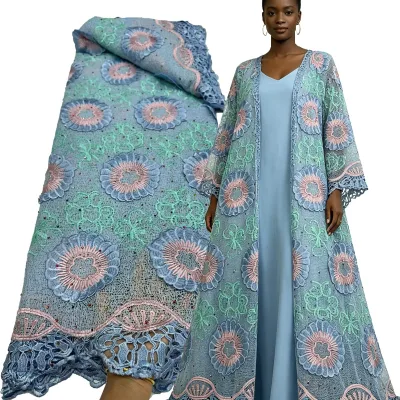
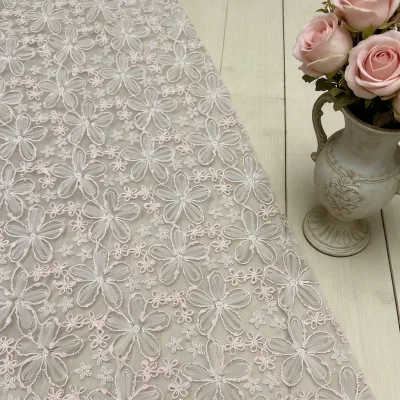
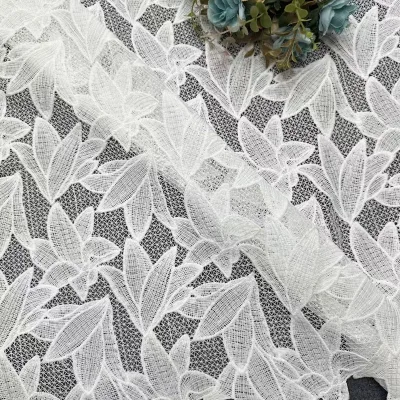
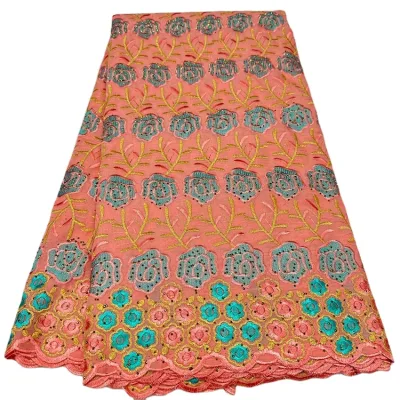
Suppliers offer lace made from cotton, polyester, or cotton-polyester blends. The fabric features embroidered techniques with guipure styles. Some options include water-soluble borders and hot-fix rhinestone decorations. Buyers can choose based on desired durability and texture for garment applications.
What is the typical lead time for these lace fabrics?
Lead times vary by supplier location and type. Manufacturers in Guangdong report a 10-day lead time, while suppliers in Zhejiang indicate a 30-day lead time. Trading companies in Hebei show a 0-day lead time. Buyers should confirm specific timelines with their chosen vendor.
What are the minimum order quantities for this lace?
Minimum order quantities depend on the specific product model. One cotton lace fabric requires a minimum of 300 units. Another polyester guipure lace fabric requires a minimum of 500 units. Buyers must check the specific product details to determine the exact minimum order requirement.
How quickly do suppliers respond to inquiries?
Response times differ among suppliers. Manufacturers in Guangdong respond within 1 hour. Trading companies in Hebei respond within 2 hours. Combined suppliers in Zhejiang have an average response time of 6.37 hours. Faster response times are typical for direct manufacturers.
Are these lace fabrics certified for quality?
Some suppliers hold ISO9001:2015 and ISO14001:2015 system certifications. Verification is provided by TÜV Rheinland for certain suppliers. Buyers should request certification documents to ensure the lace meets specific quality and environmental standards for their manufacturing needs.
What is the price range for this lace fabric?
Prices vary based on material and design. Cotton lace ranges from $3.00 to $5.00 per unit. Polyester blends and luxury rhinestone options range from $5.90 to $13.29 per unit. Buyers should compare quotes to find the best value for their specific project requirements.