Romania Garden House Suppliers and Manufacturers
Explore 30 verified suppliers offering Romania Garden House options with customizable sizes, CE and ISO certifications, and lead times ranging from 23 to 45 days. Compare response times, MOQs, and material specifications to select the right factory for your project needs today.
Updated
Suppliers List

Xiamen Sunfine Architect & Construction Co., Ltd.
- Verified by BV
- Combined
- China Fujian
- Lead time23 days
- Avg. response≤ 3h
Main productsContainer House, Prefab House, Moveble House, Prefabricated Building, Flat Pack Cabins, Portable Toilet
Main marketsSouth America,Africa,Southeast Asia/ Mideast,Europe,Australia,North America


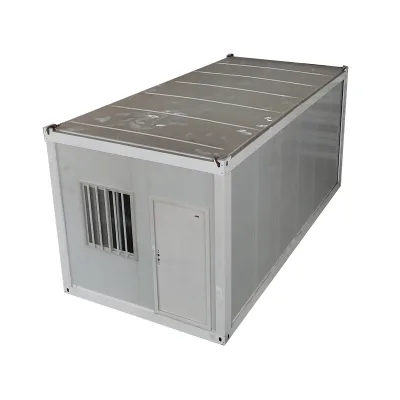
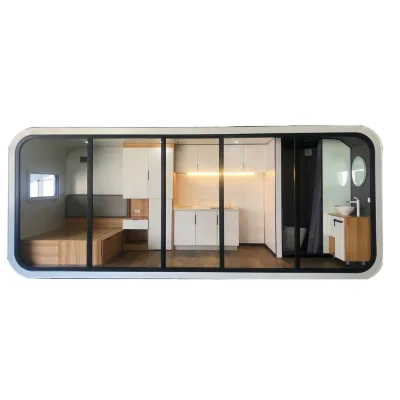
High Quality Garden House Container House with Bedrooms and Bathroom
$3800.00 - $5700.00
MOQ: 1 Pieces

Botou Hengsheng Crafts Casting Co., Ltd.
- Verified by SGS Group
- Manufacturer, Trading Company
- Lead time30 days
- Avg. response≤ 3h
Main productsCasting Crafts
Main marketsDomestic Market(60%), North America(10%), South America(10%)
WUHAN DUOQIA IMPORT&EXPORT CO.,LTD
- Trading Company
- Hubei, China
- Lead time7 days
- Avg. response≤ 5h
Main productsPrefab House,EPS Cement Sandwich Panel,Hollow Concrete Panel,Calcium Silicate Board
Main marketsDomestic Market(50.00%), South Asia(10.00%), Western Europe(10.00%), Northern Europe(5.00%), North America(5.00%), Mid East(5.00%), South America(5.00%), Southern Europe(5.00%), Southeast Asia(2.00%), Africa(2.00%), Oceania(1.00%)
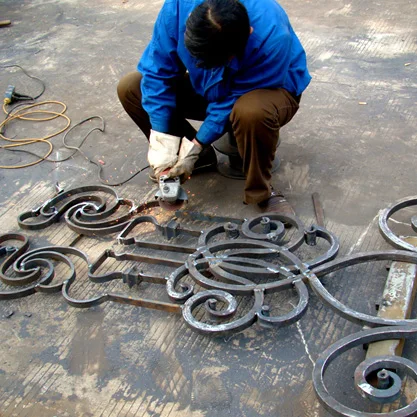
Shijiazhuang Shenghongyuan Trading Co., Ltd.
- Trading Company
- Hebei, China
- Lead time15 days
- Avg. response≤ 15h
Main productsSteel & Iron & Aluminum Ornaments,Wrought Iron Component,Gazebos,Gate & Fence,Lifting Platform
Main marketsCentral America(41.00%), North America(12.00%), Western Europe(9.00%), South America(8.00%), Eastern Europe(8.00%), Southern Europe(7.00%), Oceania(4.00%), Africa(3.00%), Northern Europe(3.00%), Southeast Asia(3.00%), Mid East(2.00%)

LAIZHOU DINGRONG STEEL STRUCTURE CO., LTD.
- Verified by BV
- Combined
- China Shandong
- Lead time15 days
- Avg. response≤ 5h
Main productsPrefab/Prefabricated House/Home, Mobile/Portable/Modular House/Home, Container House/Home, Portable Mobile Toilet/Shower/Bathroom
Main marketsSouth America,Australia,North America


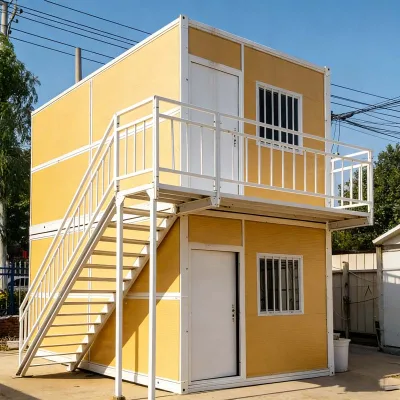
Economic Shenzhen Prefab Garden Prefabricated Houses Romania in Bulgaria
$1779.00 - $1799.00
MOQ: 1 Pieces
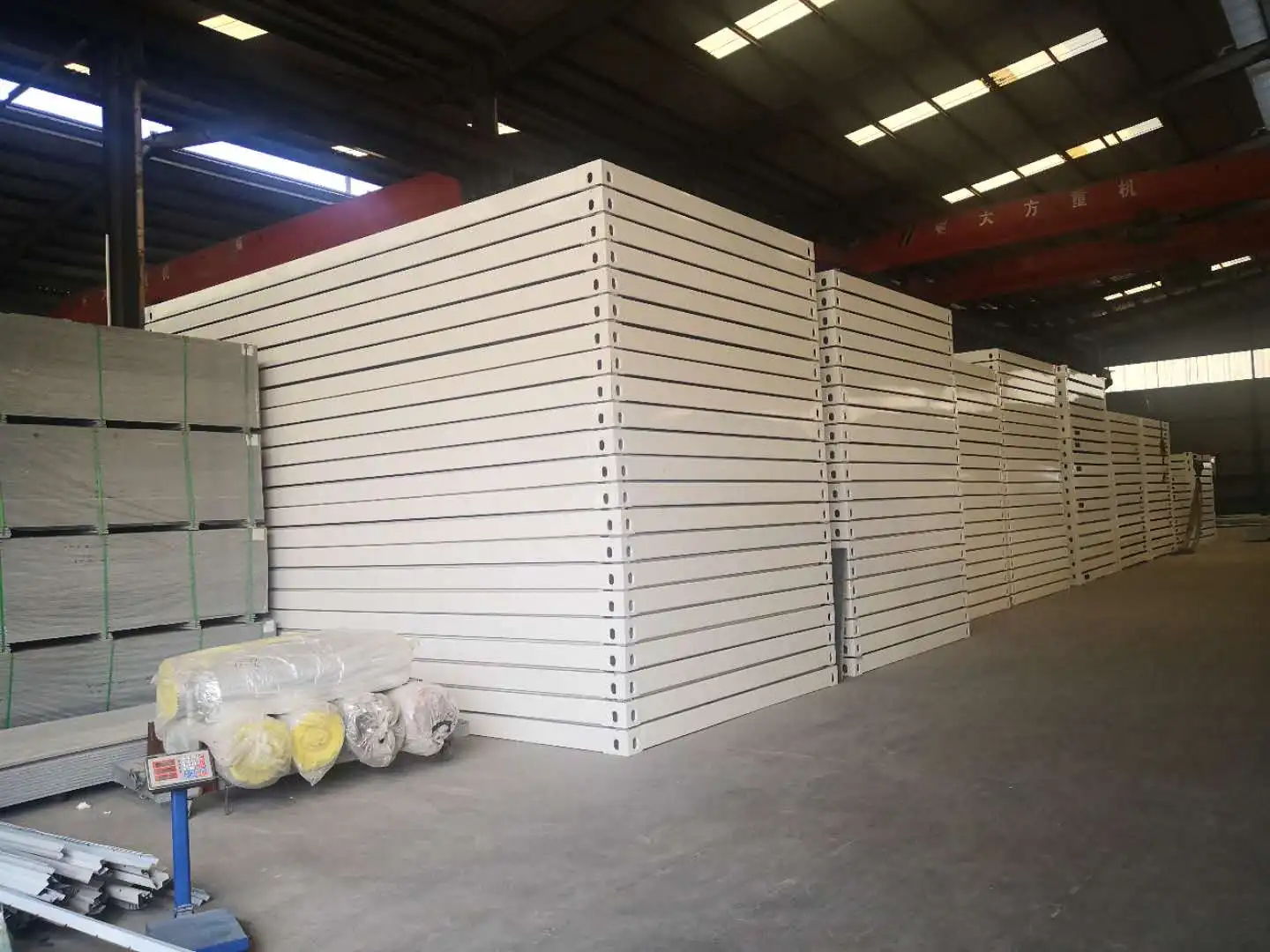
Henan Feeker Import And Export Co., Ltd.
- Manufacturer, Trading Company
- Henan, China
- Lead time10 days
- Avg. response≤ 10h
Main productsFlat Pack House, Expandable Container House, Foldable Container House, Detachable Container House
Main marketsNorth America(50.00%), Southeast Asia(30.00%), Eastern Asia(2.00%), South America(2.00%), Oceania(2.00%), Western Europe(2.00%), Central America(2.00%), Northern Europe(2.00%), Africa(2.00%), Eastern Europe(2.00%), Mid East(2.00%), South Asia(1.00%), Southern Europe(1.00%)
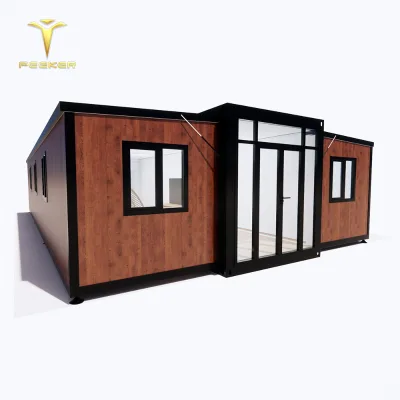
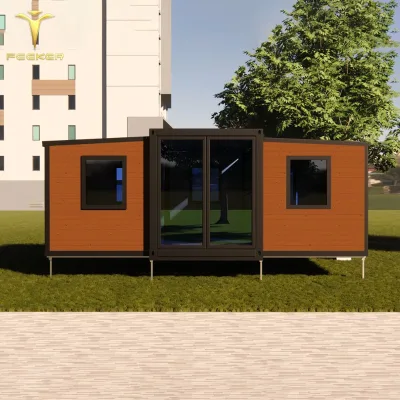
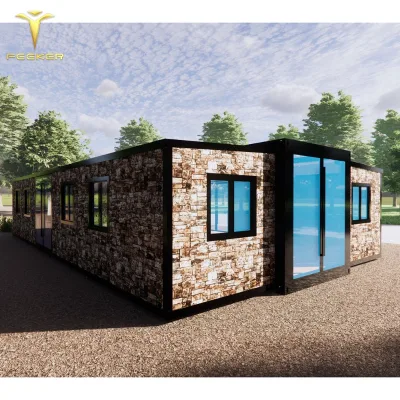
Turkey Uae Sweden House China Home Designs Luxury Expandable Container Houses
$3800.00 - $5699.00
MOQ: 1 pieces
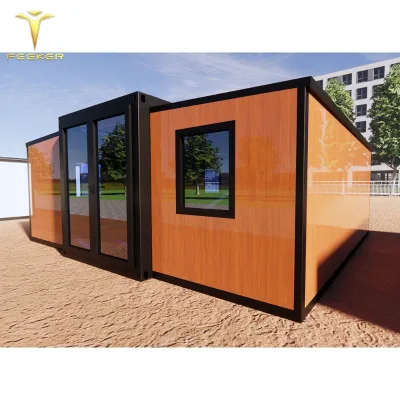
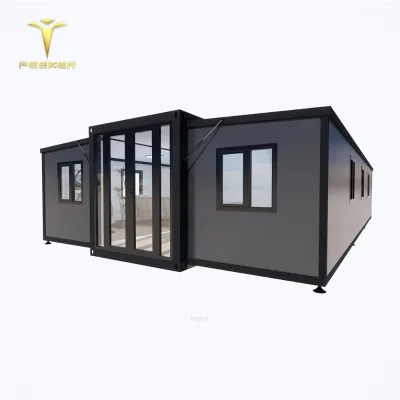
Plans Romania Steel Container House Prefabricated Fiberglass Houses And Villas
$3800.00 - $5699.00
MOQ: 1 pieces
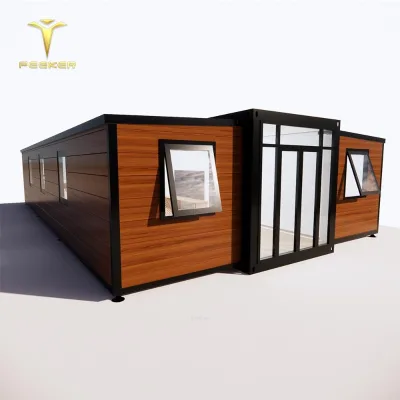
The Glass Houses Poland Shipping Foldable Expandable Container House
$3800.00 - $5699.00
MOQ: 1 pieces

Foshan Silence Technology Co.,LTD
- Verified by BV
- Combined
- China Guangdong
- Lead time30 days
- Avg. response≤ 7h
Main productsOffice Pod, Study Pod, Soundproof Booth, Soundproof Material, Phone Booth, Meeting Room, Modular House, Capsule House, Expandable House, Folding Container
Main marketsSoutheast Asia/ Mideast,Domestic,Australia

Steel Structure Prefabricated Modern Modular Building Garden House
$19999.00 - $25999.00
MOQ: 1 Pieces


Holiday Garden Luxury Living Home Assembled Buildings Container Casa Modular House
$19999.00 - $25999.00
MOQ: 1 Pieces

Portable House Integrated House Garden Home Prefab Casa Prefabricada Modular House
$19999.00 - $25999.00
MOQ: 1 Pieces

Hebei Kuangfan International Trade Co., Ltd.
- Trading Company
- Hebei, China
- Lead time5 days
- Avg. response≤ 5h
Main productsContainer house,Expandable Container Home,Prefab Folding Container House,Prefabricated House,Container House
Main marketsOceania(10.00%), Northern Europe(10.00%), Southeast Asia(10.00%), Eastern Asia(10.00%), Mid East(10.00%), North America(10.00%), Domestic Market(5.00%), South Asia(5.00%), Southern Europe(5.00%), Africa(5.00%), Central America(5.00%), Western Europe(5.00%), Eastern Europe(5.00%), South America(5.00%)
Jiangxi Deji Guangchi Decoration Engineering Co., Ltd.
- Verified by SGS Group
- Manufacturer, Trading Company
- Lead time20 days
- Avg. response≤ 2h
Main productsAluminum alloy gate, Aluminum alloy fence , Skylight/Folding Doors and Windows, Canopy , Sunroom
Main marketsDomestic Market(80%), North America(10%), Western Europe(10%)
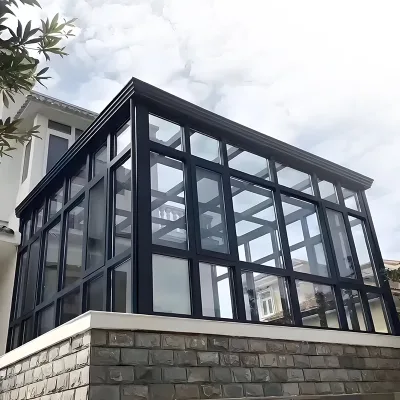
$110.00 - $160.00
MOQ: 2 square
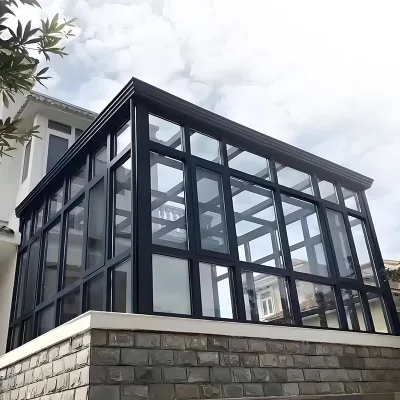

Suzhou Dongji Integrated Housing Technology Co., Ltd.
- Verified by SGS
- Trading Company
- China Jiangsu
- Lead time23 days
- Avg. response≤ 11h
Main productsFlat Pack Container House, Folding Box House, Expandable House
Main marketsSoutheast Asia/ Mideast,North America

Foldable Garden Small Steel Container 40 Romania 13*30 Shipping Luxury 4 Bed Room Mobile House
$3500.00 - $5000.00
MOQ: 1 Pieces

Modular Holiday Soundproof Cabin Monaco Prefab Romania Wooden House Prefab
$900.00 - $1100.00
MOQ: 1 Pieces
WUHAN DAQUAN IMPORT&EXPORT TRADING CO., LTD.
- Manufacturer, Trading Company
- Hubei, China
- Lead time7 days
- Avg. response≤ 4h
Main productscontainer house,prefab house
Main marketsSouth America(27.00%), Southeast Asia(20.00%), Domestic Market(15.00%), Africa(10.00%), Eastern Asia(5.00%), North America(5.00%), Eastern Europe(4.00%), Western Europe(4.00%), Mid East(3.00%), South Asia(2.00%), Southern Europe(2.00%), Oceania(1.00%), Northern Europe(1.00%), Central America(1.00%)
Shanghai Conrayn Industrial Co., Ltd.
- Trading Company
- Shanghai, China
- Lead time30 days
- Avg. response≤ 3h
Main productsMobile pod/apple cabin/Bubble house/Culture House/Magic box house/Movable house/prefab house,move pod,office pod,prefab house,cabin
Main marketsDomestic Market(20.00%), Western Europe(20.00%), North America(20.00%), Eastern Europe(15.00%), Oceania(10.00%), Southeast Asia(5.00%), Southern Europe(5.00%), Mid East(5.00%)

- Trading Company,Manufacturer/Factory
- China Henan
- Lead time30 days
- Avg. response≤ 21h
Main productsOverhead Crane, Electric Hoist, Gantry Crane, Load Cell, Jib Crane, Steel Workshop, Container House, Port Machinery, Electric Winch, Hydraulic Parts
Main marketsSouth America,Eastern Europe,Mid East,North America,Southeast Asia,Eastern Asia,Oceania,Western Europe,Africa

New Structural Steel House Building in Romania, Bulgaria, Serbia, Macedonia, Albania
$899.00 - $1299.00
MOQ: 10 Tons


SHANDONG YINGWEI ALUMINUM CO., LTD.
- Trading Company,Manufacturer/Factory
- China Shandong
- Lead time15 days
- Avg. response≤ 15h
Main productsAluminium Profiles, Aluminium Extrusion Profile, Aluminium Industry Profile, Solar Aluminum Frame, Aluminium Fence, Aluminum Window Door, Heat Sink
Main marketsSouth America,Mid East,Southeast Asia,Africa


Modern Large Family Garden House with Customizable Layout Options
$999.00 - $1299.00
MOQ: 18 Square Meters
Jiangsu Linke Architecture Technology Co., Ltd.
- Trading Company
- JiangSu, China
- Lead time90 days
- Avg. response≤ 5h
Main productslog cabin,block house,villa,Antiseptic wood,Cement board
Main marketsDomestic Market(25.00%), Mid East(15.00%), North America(10.00%), Southeast Asia(8.00%), Western Europe(7.00%), Eastern Europe(7.00%), Southern Europe(5.00%), South America(5.00%), South Asia(5.00%), Oceania(4.00%), Eastern Asia(4.00%), Central America(3.00%), Northern Europe(1.00%), Africa(1.00%)
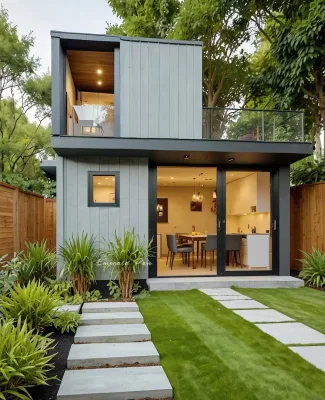
Family Garden Cabin Fashion Light Steel Structure Houses
$330.00 - $380.00
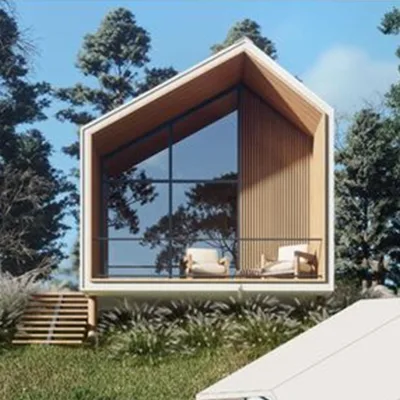

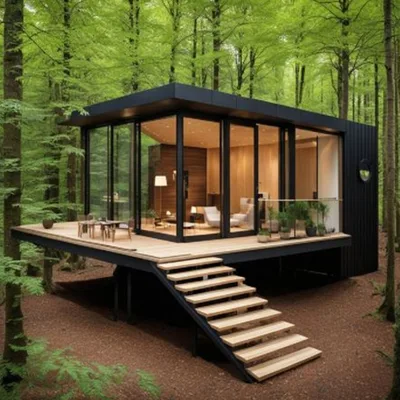
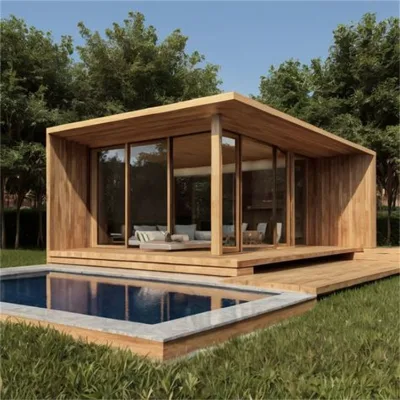
Eco-friendly Wooden House Small Garden Wooden House Villa for Sale
$380.00 - $430.00

Tianjin Longlong Metal Products Factory
- Verified by TUVRHEINLAND
- Combined
- China Tianjin
- Lead time15 days
- Avg. response≤ 11h
Main productsSolar Bracket, Greenhouse, Greenhouse Steel Structure, Auto Cold Bending Roll Forming Machine, Rain Gutter, Solar Panel Bracket, Steel Strut, Pressing Parts, Stamping Parts, Abnormal Shape Steel Profile
Main marketsOthers(foreignTradeCapacity.exportBusinessCapacityMarketOther),Domestic,Europe,Australia,North America

Hebei Jiacheng Integrated Housing Co., Ltd.
- Verified by BV
- Combined
- China Hebei
- Lead time15 days
- Avg. response≤ 2h
Main productsContainer Home, Prefab Home, Mobile Home, Expandable Container House, Mobile House, Folding Container House, Prefab Container House, Prefabricated Container House, Container House, Folding House
Main marketsSouth America,Southeast Asia/ Mideast,Domestic,Europe,Australia,North America

Tangshan Hongrui Metal Products Co., Ltd.
- Verified by SGS
- Combined
- China Hebei
- Lead time15 days
- Avg. response≤ 1h
Main productsPrefabricated Modular House, Prefab Cabin Home, Prefabricated House, Modular Homes House, Model Home, House Modular, Homes Prefabricated Houses, Container House, Prefab House, Modular Home
Main marketsDomestic

- Verified by SGS
- Manufacturer/Factory
- China Jiangsu
- Lead time15 days
- Avg. response≤ 14h
Main productsFlat Pack Container House, Modified Shipping Container House, Expandable Container House, Foldable Container House, Folding Container House, Accommodation Container House, Office Container House, Detachable Container House, Prefabricated House, Steel Structure
Main marketsSouth America,Eastern Europe,Mid East,North America,Southeast Asia,Eastern Asia,Oceania,Western Europe,Africa

Container House for Vocation House/Garden House/Living Container House
$1.00 - $10000.00
MOQ: 1 Pieces

Garden Container Houses for Prefab Modular Container Living Houses
$870.00 - $970.00
MOQ: 15 Square Meters

Garden Container Houses for Prefab Modular Container Guest Living Houses
$970.00 - $1070.00
MOQ: 14 Square Meters

Zhejiang Putian Integrated Housing Co., Ltd.
- Combined
- China Zhejiang
- Lead time45 days
- Avg. response≤ 16h
Main productsSteel Structure Warehouse, Steel Structure Workshop, Steel Structure Hotel, Steel Structure Apartment, Light Gauge Steel Villa, Container House
Main marketsSouth America,Africa,Southeast Asia/ Mideast,East Asia(Japan/ South Korea),Domestic,Europe,Australia,North America
March House (qingdao) Co., Ltd.
- Verified by Intertek
- Trading Company
- Lead time60 days
- Avg. response≤ 2h
Main productsLight Steel Villa, Container House
Main marketsNorth America(20%), South America(15%), Oceania(15%)
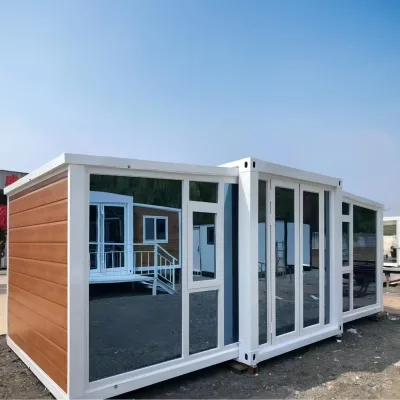

$169.00 - $199.00
MOQ: 100 square
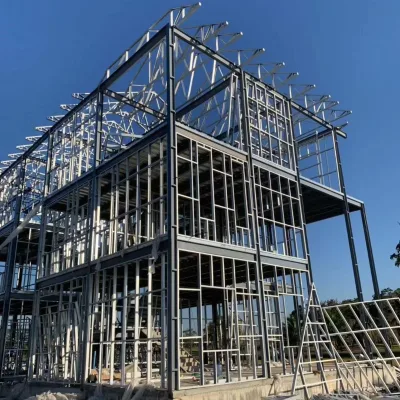
$164.2832 - $307.0031
MOQ: 100 square

Dongguan Vanhe Modular House Co., Ltd.
- Verified by TUVRHEINLAND
- Trading Company
- China Guangdong
- Lead time30 days
- Avg. response≤ 5h
Main productsPrefab House, Container House, Sandwich Panel House, Steel Structure Warehouse, Light Steel Villa, Portable Toilet, Unit Bathroom Pod, EPS Cement House
Main marketsSoutheast Asia/ Mideast


Prefab Camp Garden House T Style Prefab Mobile Living Box House Sales
$36.00 - $45.00
MOQ: 300 Square Meters


SHANXI BRILLIANT MOULD PLASTIC TECHNOLOGY CO., LTD
- Verified by TUVRHEINLAND
- Manufacturer/Factory
- China Shanxi
- Lead time60 days
- Avg. response≤ 9h
Main productsPlastuc Injection Mold, Plastic Ap Mold, Lotion Pump Mold, Trigger Sprayer Mold, Mist Sprayer Mold, Flip Cap Mold
Main marketsSouth America,Eastern Europe,Mid East,North America,Southeast Asia,Eastern Asia,Oceania,Western Europe,Africa

Price Prefabricated Movable Container House Prefabricated Wooden Houses Romania
$9999.00 - $10000.00
MOQ: 1 Sets


Suzhou Casa Box Container House Technology Co., Ltd.
- Verified by Intertek
- Trading Company
- Lead time7 days
- Avg. response≤ 2h
Main productsFlat pack container house, Foldable container house, Expandable container house, Detachable Container, Steel material

Shandong Zhongyu Integrated Housing Co., Ltd.
- Verified by CTI
- Combined
- China Shandong
- Lead time15 days
- Avg. response≤ 2h
Main productsContainer House, Expandable House, Detachable House, Flat Pack House, Folding House, Apple Cabin, Prefab House, Prefabricated House, Modular Home, Mobile House
Main marketsDomestic,North America

Mobile Folding House Prefab Cabin Home Tiny House for Garden Studio Use
$3599.00 - $3799.00
MOQ: 1 Sets

Prefab House Module Home Modular Home House Prefabricated House System
$3900.00 - $6800.00
MOQ: 1 Sets
VITA INTERNATIONAL FREIGHT CO., LIMITED
- Trading Company
- Hong Kong S.A.R.
- Lead time5 days
- Avg. response≤ 4h
Main productsShipping Container,Dry Container,Refrigerated Container,Side door container,Tunnel shipping containers
Main marketsEastern Europe(10.00%), South America(10.00%), North America(10.00%), Oceania(10.00%), Central America(10.00%), Southern Europe(8.00%), Northern Europe(8.00%), Mid East(6.00%), Southeast Asia(5.00%), South Asia(5.00%), Domestic Market(5.00%), Eastern Asia(5.00%), Western Europe(5.00%), Africa(3.00%)
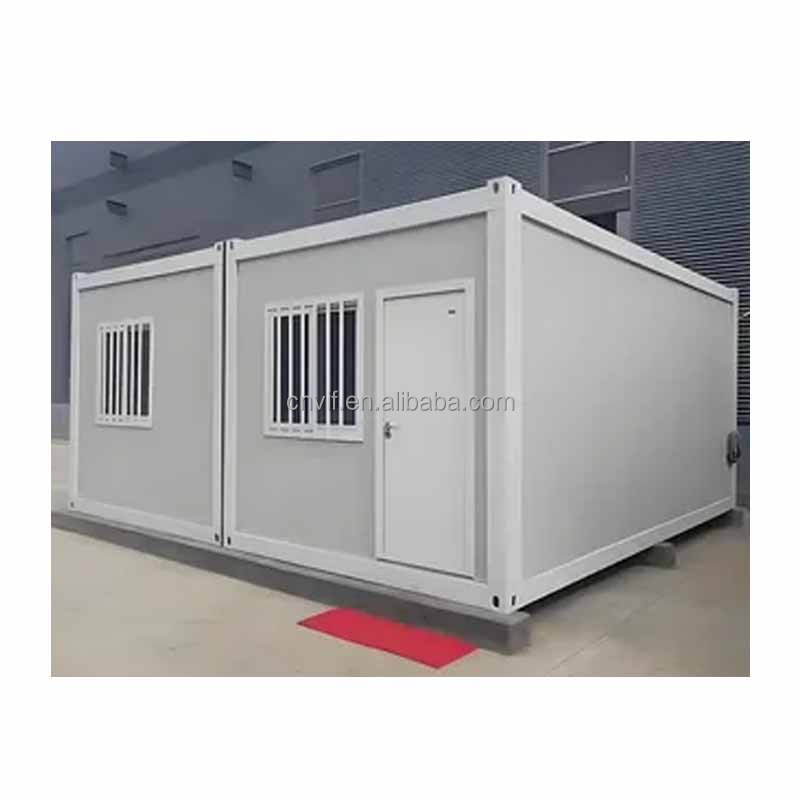
High Quality 20 Feet Containers House
$800.00 - $950.00

Henan K-Home Steel Structure Co., Ltd.
- Verified by BV
- Trading Company,Manufacturer/Factory
- China Henan
- Lead time38 days
- Avg. response≤ 4h
Main productsContainer House, Prefab House, Container Home, Porta Cabin, Modular House, Flat Pack Container House, Container Toilet, Steel Structure House, Peb Building, Pre-Engineered Building
Main marketsSouth America,Eastern Europe,Mid East,North America,Southeast Asia,Eastern Asia,Oceania,Western Europe,Africa

Hebei Zhongxinhe Assembled Housing Manufacturing Co., Ltd.
- Verified by BV
- Combined
- China Hebei
- Lead time30 days
- Avg. response≤ 7h
Main productsTwin Wing Extension Room, Folding Box Room, Packing Box Room
Main marketsEast Asia(Japan/ South Korea),Europe,North America
Hebei Zhonghe Yinuo International Trade Co., Ltd.
- Verified by TüVRheinland
- Manufacturer, Trading Company
- Lead time5 days
- Avg. response≤ 1h
Main productsTwin Wing Expansion Room, Folding House, Expandable Container House, Space Capsule, Apple Cabin
Main marketsOceania(34%), Western Europe(21%), North America(14%)

Jinhua Better Trailer Manufacturing Co., Ltd
- Verified by SGS
- Combined
- China Zhejiang
- Lead time30 days
- Avg. response≤ 5h
Main productsTipping Trailer, Box Trailer, Trailer House, Camper Trailer, Cage Trailer, Mobile Cabin, Car Trailer, Plant Trailer
Main marketsDomestic,Australia






Comprehensive Sourcing Guide
Romania Garden House Supplier Concentration and Factory Types
When evaluating the landscape for Romania Garden House procurement, buyers must first understand the structural composition of the available supplier base. The current market data indicates a concentration of manufacturing entities located in China, specifically within the Fujian province. This geographic clustering is significant because it suggests a mature industrial ecosystem where supply chains for materials like steel, aluminum, and glass are already established. For buyers targeting the Romanian market, this location implies a reliance on maritime logistics rather than overland European transport, which directly impacts lead times and freight costs. The supplier types observed are predominantly combined entities, meaning they function as both manufacturers and trading companies. This dual role can offer flexibility in product customization but requires careful due diligence to ensure that the manufacturing capabilities match the claimed production capacity. Understanding this factory type distinction is crucial for negotiating terms, as pure manufacturers may offer lower unit costs but less flexibility in order volume, while trading companies might provide better service integration at a premium.
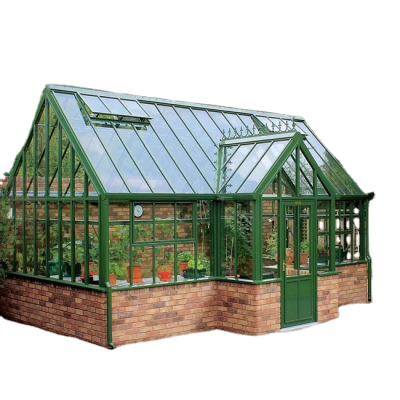
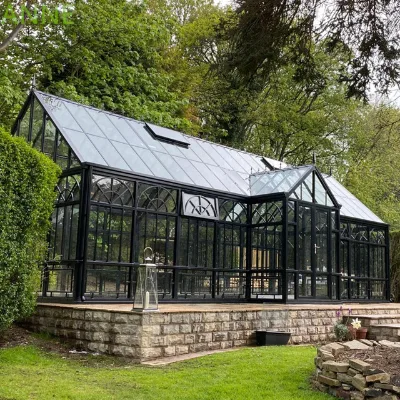
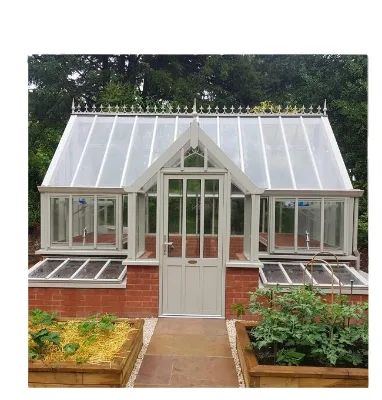
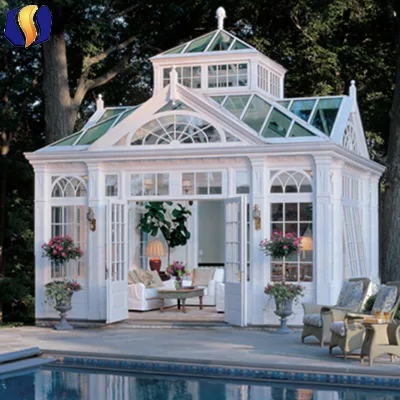
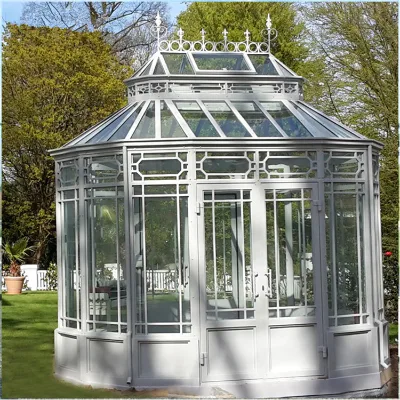
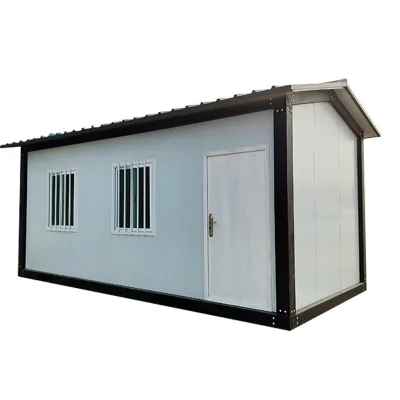
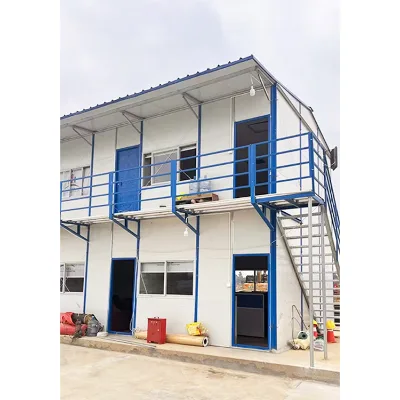
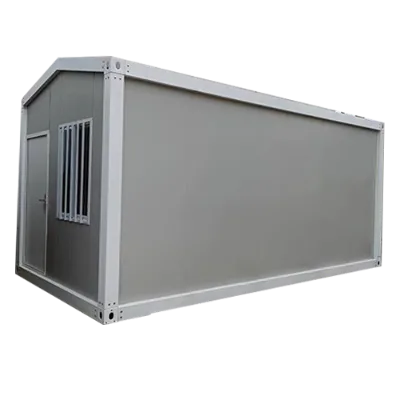
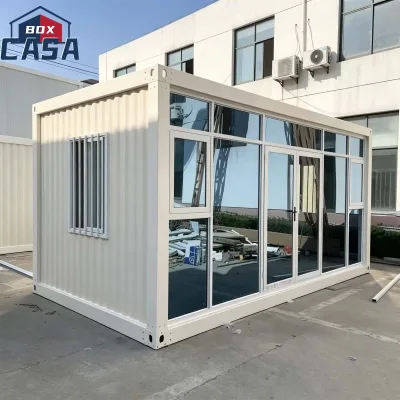
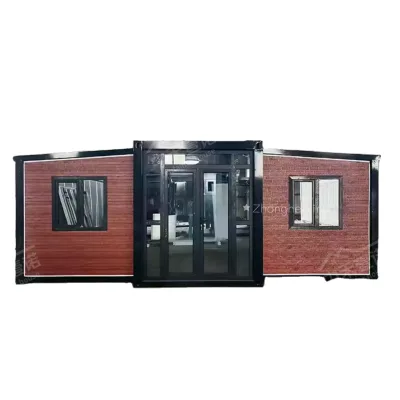
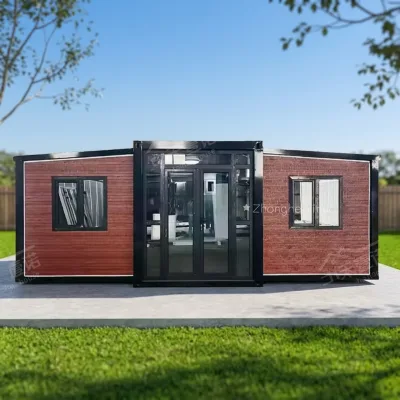
Furthermore, the product evidence reveals a diverse range of garden house configurations, from prefabricated container homes to modular aluminum structures and glass greenhouses. The main products listed include container houses, prefab houses, and moveable structures, indicating that suppliers are not limited to traditional wooden garden buildings but are heavily invested in industrialized construction methods. This shift towards prefabrication and modular design is a key trend, allowing for faster assembly and reduced on-site labor, which is particularly appealing for commercial projects in Romania such as temporary offices, dormitories, or luxury villas. The presence of ODM and OEM capabilities in the supplier data suggests that buyers can request significant customizations, including specific dimensions, decoration styles, and material choices. However, the variation in product evidence, ranging from steel structure containers to pressure-treated timber frames, highlights the need for buyers to clearly define their technical specifications early in the sourcing process. The diversity in factory outputs means that a single supplier may not be the best fit for every project type, necessitating a segmented approach to supplier selection based on the specific material and design requirements of the Romanian market.
How to Verify Romania Garden House Suppliers
Verification is the critical step in mitigating risk when sourcing Romania Garden House products from international suppliers. The data shows that suppliers are verified by third-party inspection groups such as BV and SGS Group. Buyers should prioritize suppliers with these verifications, as they indicate that an independent party has assessed the company’s legal status, factory conditions, and operational capabilities. However, verification is not a guarantee of product quality or delivery performance; it is merely a baseline check. Buyers must go beyond the verification badge by requesting detailed documentation of the supplier’s system certifications. The observed certifications include ISO 9001, ISO 14001, and CE marks. For products destined for Romania, which is part of the European Union, the CE certification is particularly important as it signifies compliance with European health, safety, and environmental protection standards. Buyers should request copies of these certificates and verify their validity through the issuing bodies to ensure they are current and applicable to the specific products being ordered.
In addition to certifications, buyers should assess the supplier’s response time and communication efficiency. The data indicates response times ranging from 2.78 to 3 hours, which is a positive indicator of operational readiness. A quick response time often correlates with a well-organized internal team that can handle inquiries, technical questions, and order updates efficiently. Buyers should test this responsiveness by sending detailed technical queries or requesting custom quotes to gauge the depth of the supplier’s knowledge. Furthermore, buyers should inquire about the supplier’s capacity for light customization, sample processing, and graphic processing, as these capabilities are listed in the data. Understanding the extent of customization allowed is vital for ensuring that the garden houses meet specific Romanian architectural or regulatory requirements. Buyers should also ask for references or case studies from previous clients, particularly those in Europe, to validate the supplier’s experience with international logistics and compliance. This multi-layered verification process helps build a comprehensive profile of the supplier’s reliability and capability.
What to Compare Across Romania Garden House Suppliers
When comparing suppliers, buyers must evaluate a range of commercial and operational metrics to determine the best fit for their project. One of the most critical factors is the lead time, which varies among suppliers. The data shows lead times of 23 and 30 days, with some products indicating a delivery time of 45 days. Buyers should align these lead times with their project schedules, considering that longer lead times may be necessary for complex customizations or larger order volumes. Additionally, the Minimum Order Quantity (MOQ) is a key differentiator. The observed MOQ is 1 unit or 1 set, which offers flexibility for small-scale buyers or those testing the market. However, for larger commercial projects, buyers should negotiate volume discounts and clarify whether the MOQ applies per model or per order. Comparing these metrics across multiple suppliers allows buyers to identify the most cost-effective and timely options.
Another important aspect to compare is the product specifications and material quality. The data reveals variations in materials, including steel structures, aluminum frames, and pressure-treated timber. Buyers should compare the specific attributes of each product, such as wall materials (e.g., EPS sandwich panels), floor types (e.g., MGO board), and glass types (e.g., tempered glass). These details directly impact the durability, insulation, and aesthetic appeal of the garden houses. Buyers should also compare the warranty terms, with some suppliers offering a 12-month warranty. Understanding the scope of the warranty and the process for claiming it is essential for long-term satisfaction. Furthermore, buyers should compare the loading capacity and packaging methods, as these affect shipping costs and product protection during transit. The data indicates a loading capacity of 2 units per 40HQ container, which is a standard metric for calculating freight efficiency. By systematically comparing these factors, buyers can make informed decisions that balance cost, quality, and delivery performance.
Common Romania Garden House Sourcing Risks
Sourcing Romania Garden House products from international suppliers involves several inherent risks that buyers must proactively manage. One significant risk is the potential for misalignment between product specifications and local Romanian regulations. While suppliers may claim CE certification, buyers must ensure that the specific products meet all relevant EU directives, including construction product regulations and energy efficiency standards. Failure to verify this compliance can result in customs delays, fines, or the rejection of goods upon arrival in Romania. Another risk is the variability in product quality, especially when dealing with combined manufacturer-trading companies. Buyers may receive products that do not match the samples provided, or the materials used may be of lower grade than advertised. To mitigate this risk, buyers should insist on pre-shipment inspections by third-party agencies like SGS or BV, ensuring that the final goods meet the agreed-upon standards before they are shipped.
Logistical risks are also prevalent, particularly concerning the transportation of large or bulky items like garden houses. The data indicates that products are packed in film packages or safe packaging, but the fragility of materials like glass or delicate aluminum frames requires careful handling. Buyers must ensure that the supplier uses robust packaging methods to prevent damage during transit. Additionally, the lead time variability, ranging from 23 to 45 days, can disrupt project schedules if not properly accounted for. Buyers should build buffer time into their project plans to accommodate potential delays caused by production issues, customs clearance, or shipping disruptions. Furthermore, currency fluctuation and payment terms pose financial risks. Buyers should clarify the payment structure, such as the 30% advance payment mentioned in some product details, and consider using secure payment methods like escrow to protect their funds until the goods are received and inspected. By identifying and addressing these risks early, buyers can safeguard their investments and ensure a smoother sourcing process.
Romania Garden House Regional Sourcing and Logistics
The geographic location of suppliers, primarily in China’s Fujian province, dictates the logistics strategy for sourcing Romania Garden House products. Buyers must account for the maritime shipping route from Chinese ports to European destinations, which typically involves transit through major hubs before reaching Romanian ports or inland distribution centers. This long-distance transport adds significant time and cost to the overall procurement process. Buyers should work closely with their suppliers to determine the most efficient shipping routes and consolidate shipments where possible to reduce per-unit freight costs. The data indicates a loading capacity of 2 units per 40HQ container, which is a standard metric for optimizing space. Buyers should calculate the total volume of their order to determine the number of containers required, ensuring that the loading plan maximizes space utilization and minimizes wasted capacity.
In addition to sea freight, buyers must consider the final leg of delivery within Romania. Depending on the project location, goods may need to be transported by truck from the port to the site. Buyers should verify that the supplier’s packaging is suitable for both sea and land transport, protecting the products from moisture, vibration, and handling damage. The data mentions various packaging methods, including film packages and safe packaging, but buyers should confirm the specific details with the supplier. Furthermore, buyers should be aware of any import duties, taxes, or regulatory requirements in Romania that may affect the total landed cost. Understanding these logistical nuances is essential for accurate budgeting and project planning. By developing a comprehensive logistics strategy that accounts for shipping, handling, and local delivery, buyers can ensure that their Romania Garden House orders arrive on time and in good condition.
Romania Garden House Commercial Terms and Order Planning
Effective order planning for Romania Garden House procurement requires a clear understanding of commercial terms and financial obligations. The data shows price ranges from $3,800 to $5,700 per unit, depending on the product specifications and customization level. Buyers should request detailed quotations that break down the costs, including unit price, packaging, and shipping estimates, to avoid hidden fees. Payment terms are another critical aspect, with some suppliers requiring a 30% advance payment via T/T. Buyers should negotiate favorable payment terms, such as a lower advance percentage or payment upon shipment, to reduce financial risk. Additionally, buyers should clarify the warranty terms, which are listed as 12 months for some products, and understand the process for claiming warranty coverage for defects or damages.
Customization is a key feature of the available products, with options for size, decoration, and material choices. Buyers should provide detailed technical drawings and specifications to ensure that the customized products meet their exact requirements. The data indicates that customization is available, but buyers must confirm the lead time and additional costs associated with custom orders. Furthermore, buyers should plan for the installation and assembly of the garden houses, as some products are designed for easy installation while others may require professional assistance. Understanding the assembly requirements helps in budgeting for labor costs and ensuring that the on-site team is prepared. By carefully planning the commercial terms, customization details, and installation logistics, buyers can streamline the procurement process and achieve a successful outcome for their Romania Garden House projects.
FAQs
What is the price range for prefab container houses?
Prefab container houses typically range from $3,800 to $5,700 per unit. This pricing reflects standard configurations with basic finishes. Buyers should verify exact costs based on specific customization needs, material choices, and current shipping rates to their destination port.
What certifications do these prefabricated buildings hold?
Manufacturers often provide ISO and CE certifications for their prefabricated structures. These documents verify compliance with international quality and safety standards. Buyers should request valid certificates before ordering to ensure the products meet local regulatory requirements in their specific region.
How long does production take for these units?
Production lead times generally range from 23 to 30 days after order confirmation. Some suppliers may require up to 45 days for complex custom orders. Buyers should confirm specific timelines with the supplier to align with their project schedules effectively.
What is the minimum order quantity for these houses?
The minimum order quantity is typically one unit, allowing for single purchases. This flexibility supports buyers testing the market or needing a single structure. Bulk orders may offer better shipping efficiency, but the low MOQ makes initial procurement accessible for various project sizes.
Where are these garden houses manufactured?
These structures are primarily manufactured in China, specifically in regions like Fujian and Hebei. Sourcing from these locations offers competitive pricing due to established supply chains. Buyers should verify the exact factory location to assess logistics costs and shipping durations accurately.
What customization options are available for these homes?
Suppliers offer extensive customization including size, decoration, and interior layout. Buyers can choose from various wall materials like EPS sandwich panels and floor options like MGO board. Customization allows tailoring the structure to specific functional needs, such as dormitories or temporary offices.