Round Slitting Blades with Keyway Lock Suppliers and Manufacturers
Compare 19 verified Round Slitting Blades with Keyway Lock suppliers by response time, lead time, and certifications like ISO 9001. Review product specs and MOQs to select the right factory for your industrial needs today; review the available evidence before requesting comparable quotations from suitable candidates.
Updated
Suppliers List
Anhui Huatian Mechanic Co., Ltd.
- Verified by TüVRheinland
- Manufacturer, Trading Company
- Lead time30 days
- Avg. response≤ 2h
Main productsMetalworking Knives, Food Processing Knives, Packaging Knives
Main marketsNorth America(40%), Western Europe(15%), Eastern Europe(10%)
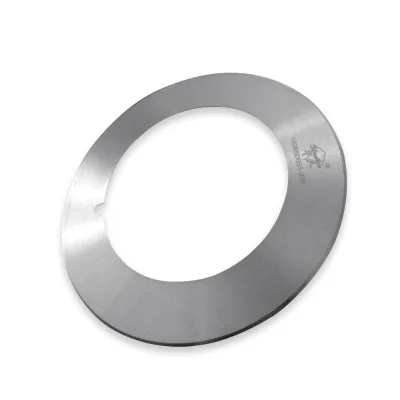
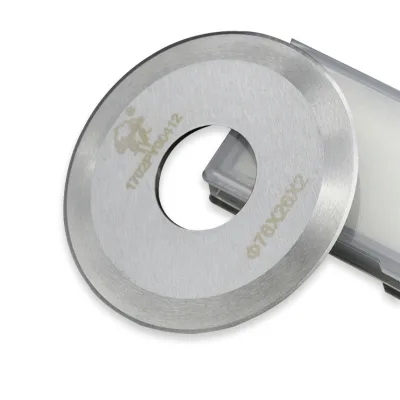
Paper cutting machine blade corrugator slitting knife
$12.99 - $24.99

Ma Anshan Yinuo Manchinery Tool Co., Ltd.
- Verified by TUVRHEINLAND
- Combined
- China Anhui
- Lead time23 days
- Avg. response≤ 1h
Main productsLog Saw Blade, Doctor Blade, Perforation Blade, Serrated Blade, Round Blade, Bottom Blade, Top Blade, Toilet Tissue Blade
Main marketsSoutheast Asia/ Mideast,Europe


Tungsten Steel Alloy Circular Slitting Knife Cutting Blades Round Blade Knife
$3.80 - $5.00
MOQ: 1 pieces


Nanjing Quality Machinery Technology Co., Ltd
- Verified by SGS
- Trading Company,Manufacturer/Factory
- China Jiangsu
- Lead time23 days
- Avg. response≤ 2h
Main productsMachine and Machine Parts, Paper Roll Machine, Crusher, Shredder Machine, Copper Wire Granulator, Crusher Blade, Mini Shredder Machine, Shredder Blade, Recycling Machine, Single Shaft Shredders
Main marketsSouth America,Mid East,North America,Southeast Asia,Oceania,Western Europe,Africa
Maanshan Yongzhou Machinery Technology Co., Ltd.
- Verified by Intertek
- Manufacturer, Trading Company
- Lead time15 days
- Avg. response≤ 2h
Main productsIndustrial Blade, Round Blade, Cutting Blade, Circular Blade, Shredder and Crusher Blade
Main marketsEastern Europe(16%), Domestic Market(16%), North America(15%)
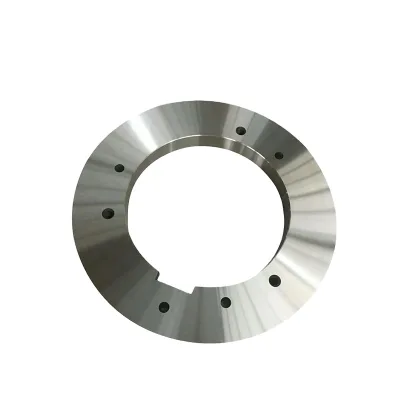
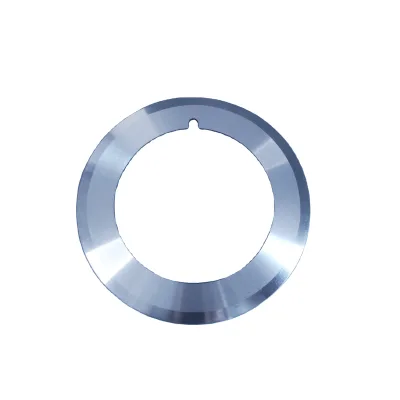
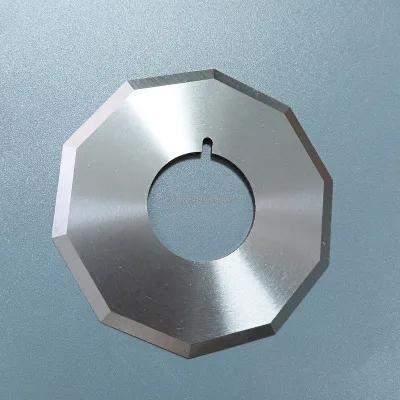
Quality Assurance Round Cutter Blade Leather Slitting Knife Disc Round Blade for Machine Parts
$5.1666 - $8.266
MOQ: 20 pieces
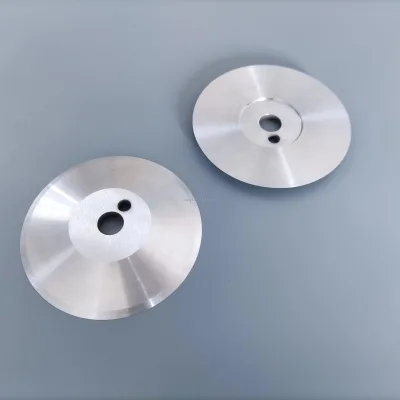
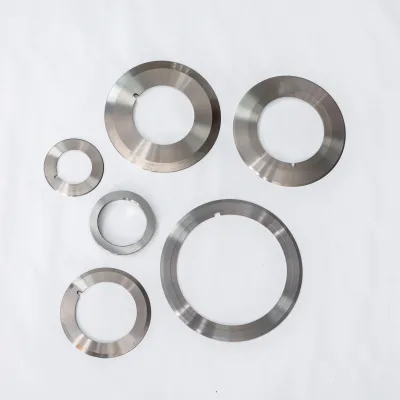
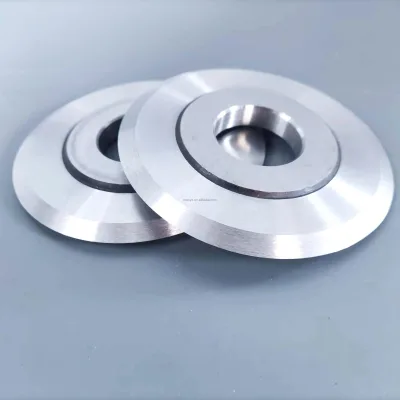

ANHUI YAFEI MACHINE TOOL CO., LTD.
- Verified by TUVRHEINLAND
- Trading Company,Manufacturer/Factory,Group Corporation
- China Anhui
- Lead time23 days
- Avg. response≤ 4h
Main productsMechanical Blade, Industry Knife, Knife for Metal Industry, Knife for Paper Industry, Knife for Recycling Industry, Knife for Packaging Industry, Knife for Print Industry, Knife for Wood Industry, Slitting Blades, Shear Blades
Main marketsSouth America,Eastern Europe,Mid East,North America,Southeast Asia,Eastern Asia,Oceania,Western Europe,Africa

Nanjing Hangjin Machinery Equipment Co., Ltd.
- Verified by CTI
- Trading Company
- China Jiangsu
- Lead time30 days
- Avg. response≤ 7h
Main productsBlade, Knife, Machine Cutter, Rubber Blade, Machine Knife, Circle Blade, Cutting Tools Knife, Cutting Tools Blade, Processing Knives, Cutting Blade
Main marketsSouth America,Southeast Asia/ Mideast,Europe


Litting Line Cutting Blade Circular Slitter Blades Rotary Cutting Tool Round Knife Cutter
$3.00 - $60.00
MOQ: 1 Pieces

HSS Round Slitting Blades Bottom Slitter Machine Blade Paper Cutting Round Blade Circular Knives
$3.00 - $60.00
MOQ: 1 Pieces

Carbide Cutting Blades for Paper Cutting Machine Circular Slitting Round Blade Knife
$3.00 - $60.00
MOQ: 1 Pieces
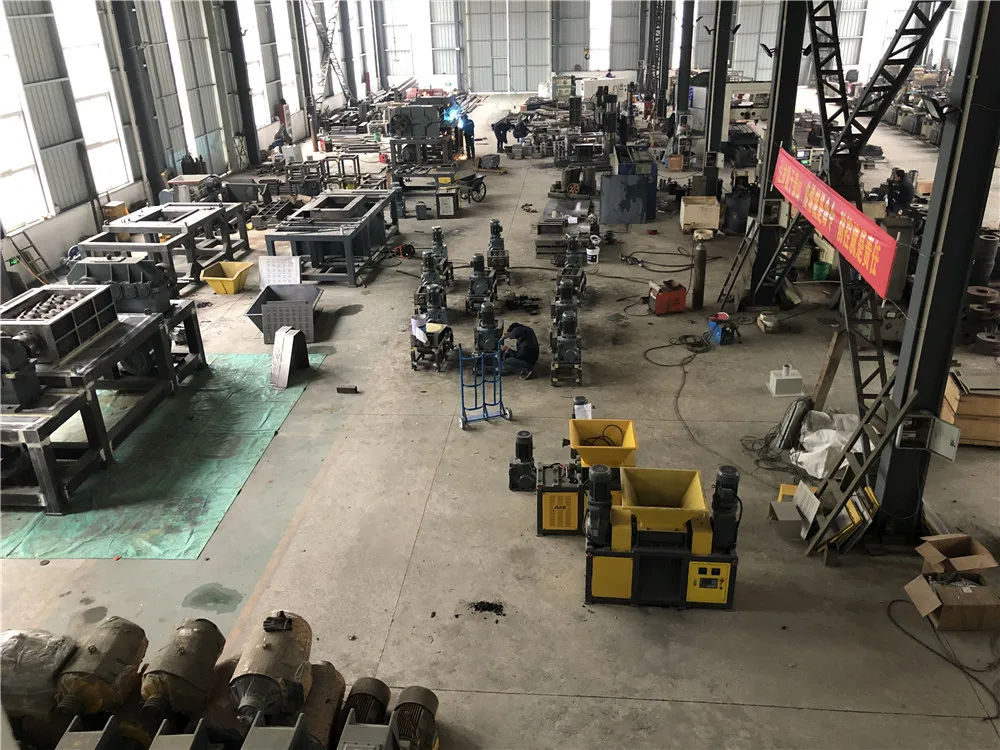
Maanshan Jiahe Machinery Technology Co., Ltd.
- Trading Company
- Anhui, China
- Lead time10 days
- Avg. response≤ 6h
Main productsSingle Shaft Shredder,Double Shaft Shredder,Four Shaft Shredder,Shredder Chamber Box,Industrial Blade
Main marketsWestern Europe(37.00%), Domestic Market(19.00%), North America(9.00%), Africa(9.00%), Southeast Asia(9.00%), Eastern Asia(5.00%), South Asia(2.00%), Southern Europe(2.00%), Central America(2.00%), Eastern Europe(2.00%), South America(1.00%), Oceania(1.00%), Northern Europe(1.00%), Mid East(1.00%)
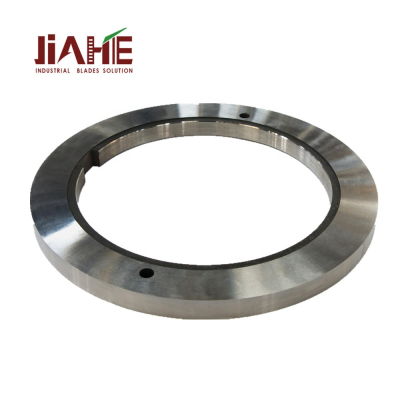
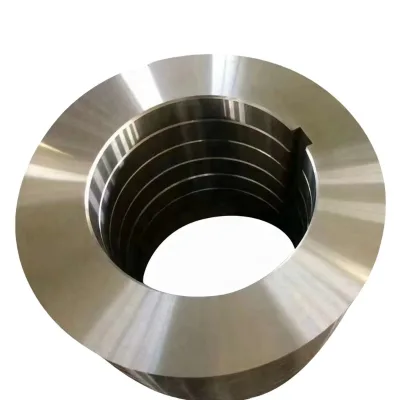
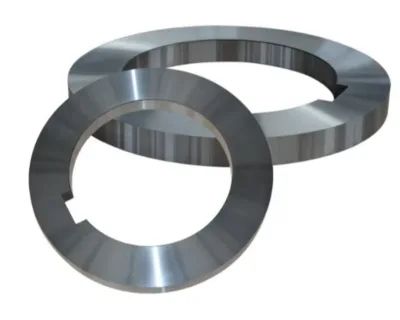
$65.00

ZHUZHOU STAR SPARE PARTS CO., LTD.
- Verified by TUVRHEINLAND
- Trading Company,Manufacturer/Factory
- China Hunan
- Lead time23 days
- Avg. response≤ 8h
Main productsTungsten Carbide Rollers, Tungsten Carbide Wire Descaling Rollers, Tungsten Carbide Guide Rollers, Tungsten Carbide Straightening Rollers, Nail Cutting Knives, Nail Head Punches, Nail Gripper Dies, Round Gripper Dies, PCD Wire Drawing Dies, Tungsten Carbide Wire Drawing Dies
Main marketsSouth America,Eastern Europe,Mid East,North America,Southeast Asia,Eastern Asia,Oceania,Western Europe,Africa


High Speed Steel Circular Blade Slitting Blade for Slitting Rewinding Machine
$190.00 - $260.00
MOQ: 5 Pieces

Shear Rotating knives Rotating Blade for Longitudinal and Cross Cutting Process
$190.00 - $260.00
MOQ: 5 Pieces

Ma'anshan Fengerli Mechanical Blade Technology Co., Ltd.
- Trading Company
- Anhui, China
- Lead time0 days
- Avg. response≤ 1h
Main productsMachinery,Machinery Accessories,Industrial Blades & Knives,Industrial Blades,Special-shaped knife
Main marketsEastern Asia(10.00%), South Asia(10.00%), Southeast Asia(8.00%), Africa(8.00%), Mid East(8.00%), Western Europe(8.00%), Central America(8.00%), Northern Europe(8.00%), Southern Europe(8.00%), North America(5.00%), South America(5.00%), Eastern Europe(5.00%), Domestic Market(5.00%), Oceania(3.00%)

Nanjing Licheng Machinery Blade Co., Ltd.
- Trading Company
- Jiangsu, China
- Lead time25 days
- Avg. response≤ 7h
Main productsslitting knife,cutting blade,shredder knife,crushing knife,doctor knife
Main marketsNorth America(44.00%), Southeast Asia(20.00%), Eastern Europe(15.00%), Mid East(11.00%), Western Europe(5.00%), South America(5.00%)

Huizhou YeeTop Trading Co., Ltd.
- Verified by SGS
- Trading Company
- China Guangdong
- Lead time30 days
- Avg. response≤ 1h
Main productsMachine Knives, Blade, Thermoforming Machine Knives, Circular Knives & Slitter Blades, Food Processing Blades, Toothed Blades, Converting Knives, Tray Seal Knives, Packaging Knives
Main marketsNorth America

High Performance Circular Blade Round Slitting Knives Precision Blades for Paper Machinery
$3.00 - $40.00
MOQ: 10 Pieces


- Verified by TUVRHEINLAND
- Combined
- China Anhui
- Lead time30 days
- Avg. response≤ 7h
Main productsShearing Blade, Press Brake Tooling, Slitting Blade
Main marketsSouth America,Southeast Asia/ Mideast,Domestic


Disc Circular Knives Shear Blade Machine Cutting Blade Roll Blade for Metal Slitting Line
$55.00 - $80.00
MOQ: 1 Pieces
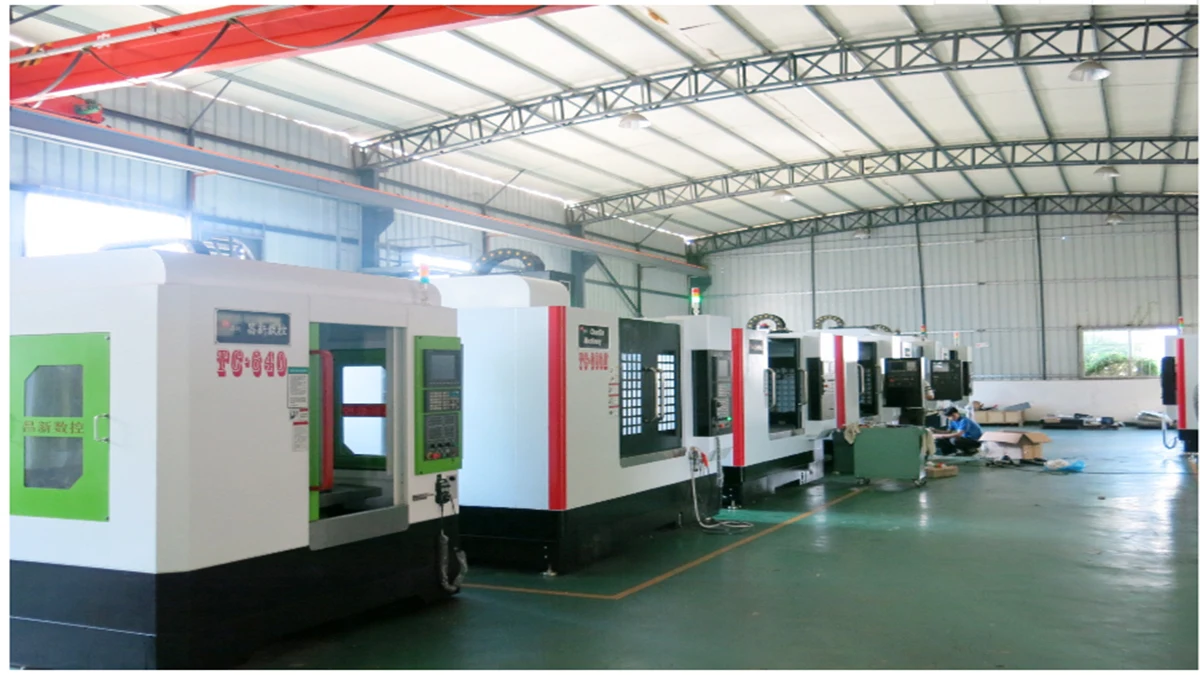
Nanjing Ld Machine Knife Manufacturing Co., Ltd.
- Manufacturer, Trading Company
- Jiangsu, China
- Lead time15 days
- Avg. response≤ 1h
Main productsIndustrial Blades,Machine Knives,Shear Blades,Granulator Knives,Chipper Blades
Main marketsMid East(20.00%), South Asia(10.00%), North America(10.00%), Eastern Asia(8.00%), Western Europe(6.00%), Domestic Market(5.00%), Central America(5.00%), Southeast Asia(5.00%), Eastern Europe(5.00%), South America(5.00%), Southern Europe(5.00%), Oceania(3.00%), Northern Europe(2.00%), Africa(2.00%)
Liuzhou Lian United Knives Co., Ltd.
- Verified by TüVRheinland
- Manufacturer, Trading Company
- Lead time45 days
- Avg. response≤ 5h
Main productsMachine Knife
Main marketsWestern Europe(36%), North America(28%), Domestic Market(10%)
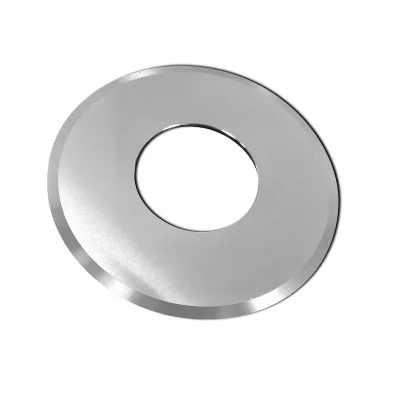
Paper Cutter Blade Rotational Knife for Cardboard Roll Slitting Blade Log Saw Blade
$3.99 - $15.99
MOQ: 50 Minimum
- Verified by Intertek
- Manufacturer, Trading Company
- Lead time0 days
- Avg. response≤ 16h
Main productsProfile Twist Drills, Milling Cutters for Bank Cards & SIM Card, Inserts and Holders for Seal Rings, High Precision Torque Wrenches, Carbide Ball-Fluted & Ball-Diamond
Main marketsDomestic Market(33%), Eastern Europe(26%), Eastern Asia(11%)
$1.0306 - $9.2666
MOQ: 1 Minimum
Maanshan Junfei Machinery Technology Co., Ltd.
- Verified by TüVRheinland
- Manufacturer, Trading Company
- Lead time0 days
- Avg. response≤ 3h
Main productsFood Machinery Blades, Packaging Machinery Blades, Rubber Machinery Blades, Crushing Machine Blades, Lithium Battery Industry Blades
Main marketsDomestic Market(68%), Eastern Europe(8%), North America(6%)

Maanshan Songlin Doctor Blade & Saw Manufacture Co., Ltd.
- Verified by SGS
- Combined
- China Jiangsu
- Lead time23 days
- Avg. response≤ 25h
Main productsCircular Blade, Cutting Kinfe, Log Saw Blade, Paper Converting Machine, Slitting Knife, Knife Grinding Machine, Slitting Kinfe, Knife for Tissue Machine, Knife for Packing Machine, Creping Doctor
Main marketsAfrica,Domestic,North America

Nanjing BHT Intelligent Equipment Co., Ltd.
- Verified by BV
- Trading Company
- China Jiangsu
- Lead time15 days
- Avg. response≤ 5h
Main productsPress Brake Tool, Plastic Injection, Cutting Blade, Punch Tool, Plastic Forming and Mold, Punch Press Machine, Press Brake Machine, Cutting Knife, Press Tool, Plastic Injection Molding
Main marketsEurope

Shanghai Minghui Technology Development Co., Ltd
- Combined
- China Shanghai
- Lead time15 days
- Avg. response≤ 11h
Main productsHandle Hole Punch, Butterfly Hole Punch
Main marketsSoutheast Asia/ Mideast,Europe,North America




Comprehensive Sourcing Guide
Round Slitting Blades with Keyway Lock Supplier Concentration and Factory Types
The current supplier landscape for Round Slitting Blades with Keyway Lock features a mix of manufacturers and trading companies, offering buyers diverse procurement pathways. Evidence indicates that suppliers operate as both direct manufacturers and trading entities, which influences pricing structures and service flexibility. Manufacturers typically provide deeper technical customization capabilities, such as CNC milling processes and specific surface treatments like polishing, while trading companies may offer broader product assortments including metalworking knives, food processing knives, and packaging knives. This dual presence allows buyers to choose between direct factory engagement for specialized industrial blades or trading partners for consolidated sourcing. The availability of combined company types suggests that some entities may bridge the gap, offering both production capacity and commercial trading services. Buyers should recognize that the supplier type directly impacts the level of direct communication with engineering teams and the potential for rapid prototyping. Understanding whether a supplier is primarily a manufacturer or a trading company helps in assessing the authenticity of technical claims and the reliability of supply chain transparency.
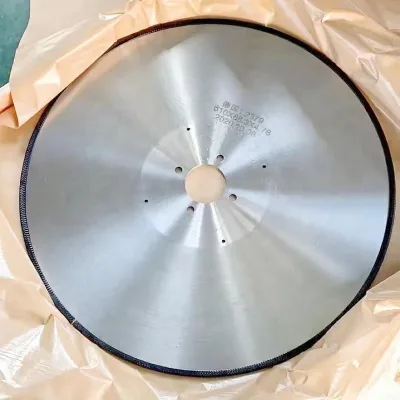
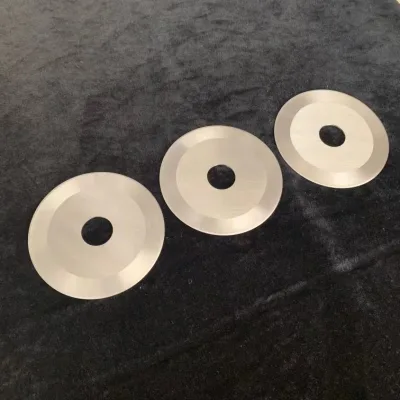
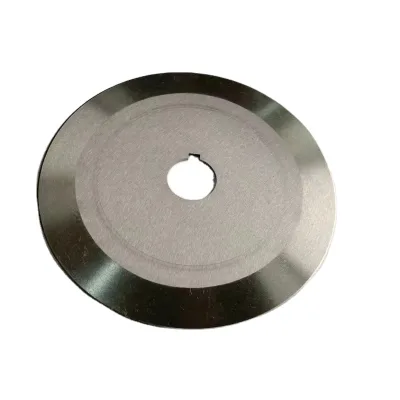
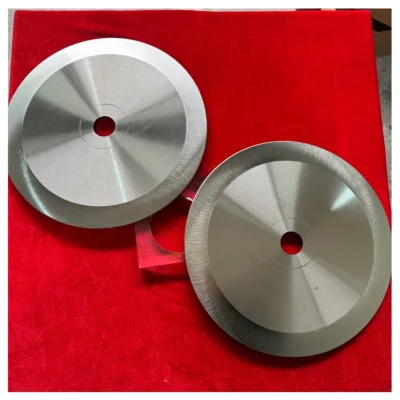
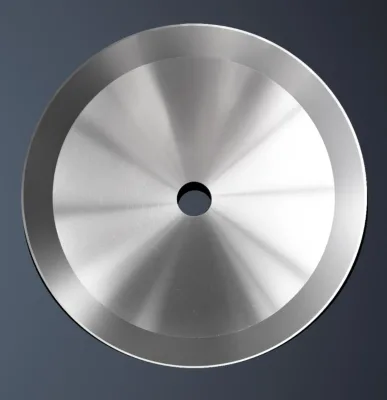
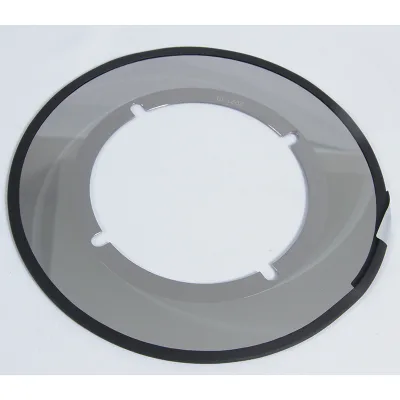
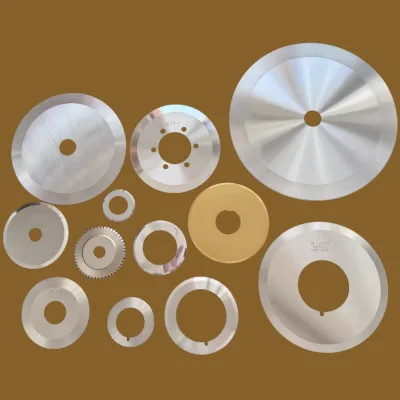
Product evidence highlights specific offerings such as high-precision paper blade slitting knives with round keyways and circular slitting blades for various industrial applications. These products are categorized under industrial machinery accessories, indicating a specialized niche within the broader industrial blades market. The presence of customized on-demand processing and graphic processing capabilities suggests that suppliers are equipped to handle bespoke requirements rather than just standard off-the-shelf items. This is particularly relevant for buyers needing specific keyway dimensions or hardness levels for their slitting machines. The variety of main products, including log saw blades, doctor blades, and perforation blades, further demonstrates the technical breadth of these suppliers. Buyers evaluating this category should look for suppliers who explicitly mention keyway lock compatibility in their product descriptions, as this is a critical mechanical interface for secure blade mounting. The concentration of such specialized products indicates a mature supply chain capable of meeting precise industrial standards.
How to Verify Round Slitting Blades with Keyway Lock Suppliers
Verification is a critical step in ensuring the reliability of suppliers offering Round Slitting Blades with Keyway Lock. Buyers should prioritize suppliers who have undergone third-party verification processes, as this adds a layer of credibility to their operational claims. Evidence shows that some suppliers hold TüVRheinland verification, which indicates a rigorous assessment of their business practices and product quality. Additionally, the presence of ISO 9001:2015 and ISO 14001:2015 certificates among suppliers suggests adherence to international quality and environmental management standards. These certifications are particularly important for industrial components where consistency and precision are paramount. Buyers should request copies of these certificates and verify their validity through the issuing bodies. The verification status, combined with certification details, provides a strong foundation for assessing a supplier’s commitment to quality control and regulatory compliance. It is essential to confirm that the certifications are current and cover the specific manufacturing processes involved in producing round slitting blades.
Beyond certifications, buyers should examine the supplier’s response time and communication efficiency as indicators of their operational maturity. A response time of less than one hour, as observed in some supplier profiles, suggests a highly responsive and customer-centric approach. This is crucial for resolving technical queries regarding keyway dimensions, material specifications, and customization options. Suppliers with faster response times are often better equipped to handle urgent orders and provide timely support throughout the procurement process. Additionally, buyers should verify the supplier’s capacity for sample processing and customized production, as these capabilities are essential for validating product quality before committing to large orders. The ability to provide samples allows buyers to test the blades in their actual machinery, ensuring compatibility and performance. By combining verification status, certification checks, and responsiveness assessment, buyers can build a comprehensive profile of a supplier’s reliability and suitability for their specific needs.
What to Compare Across Round Slitting Blades with Keyway Lock Suppliers
When evaluating suppliers for Round Slitting Blades with Keyway Lock, buyers must compare several key dimensions to identify the best fit for their requirements. Lead time is a critical factor, with evidence showing variations such as 23 days and 30 days for different suppliers. Understanding these lead times helps in planning production schedules and managing inventory levels effectively. Buyers should also compare the minimum order quantity (MOQ) requirements, which range from 1 piece to 10 pieces in the observed data. Lower MOQs offer flexibility for testing new suppliers or fulfilling small-scale production needs, while higher MOQs may indicate a focus on bulk efficiency. Response speed is another important metric, with some suppliers responding within 0.80 hours, which facilitates quicker decision-making and issue resolution. By comparing these operational metrics, buyers can assess which suppliers align best with their logistical and financial constraints. It is also advisable to compare the range of main products offered, as suppliers with diverse product lines may have more robust manufacturing capabilities.
Price and customization options are equally important factors in the comparison process. The observed price ranges for round slitting blades vary, with some products priced between $3.80 and $5.00, while others range from $12.99 to $24.99. These differences may reflect variations in material quality, such as carbon steel versus stainless steel, or the complexity of the keyway lock design. Buyers should request detailed quotations that break down costs based on material, processing, and packaging. Customization availability is another key differentiator, with many suppliers offering OEM and ODM support. This allows buyers to specify exact dimensions, hardness levels, and surface treatments to meet their specific machinery requirements. Additionally, comparing the packaging methods, such as wooden box or paper box packaging, can impact product protection during transit. By systematically comparing lead times, MOQs, response speeds, prices, and customization capabilities, buyers can make informed decisions that balance cost, quality, and delivery efficiency.
Common Round Slitting Blades with Keyway Lock Sourcing Risks
Sourcing Round Slitting Blades with Keyway Lock involves several potential risks that buyers must mitigate to ensure successful procurement. One significant risk is the mismatch between product specifications and actual delivery, particularly regarding the keyway lock dimensions and blade hardness. Evidence shows that some suppliers offer customizable models, but without clear technical drawings or samples, there is a risk of receiving blades that do not fit the machinery correctly. This can lead to production downtime and additional costs for modifications or replacements. Another risk is the variability in material quality, with some blades made from carbon steel and others from stainless steel or tungsten steel alloy. Buyers must verify the material composition to ensure it meets their operational requirements for durability and corrosion resistance. Failure to do so can result in premature blade wear or failure during high-speed slitting operations.
Packaging and logistics also pose risks, as improper handling can damage the sharp edges of the blades. Evidence indicates that suppliers use various packaging methods, including wooden boxes, paper boxes, and foam packaging. Inadequate packaging can lead to damage during transit, resulting in defective products upon arrival. Additionally, the risk of supplier reliability cannot be overlooked, as some suppliers may have longer lead times or slower response rates. Buyers should assess the supplier’s track record and verification status to minimize the risk of delays or poor communication. Furthermore, the lack of standardized pricing can lead to unexpected costs, especially if customization fees are not clearly disclosed upfront. To mitigate these risks, buyers should request detailed product specifications, verify material certifications, and ensure robust packaging standards are in place. Establishing clear communication channels and setting realistic expectations regarding lead times and quality standards can also help reduce sourcing risks.
Round Slitting Blades with Keyway Lock Regional Sourcing and Logistics
Regional sourcing plays a crucial role in the procurement of Round Slitting Blades with Keyway Lock, as location impacts logistics costs and delivery times. Evidence indicates that suppliers are located in regions such as China Anhui and China Jiangsu, which are known for their industrial manufacturing capabilities. These regions offer a concentration of suppliers specializing in industrial blades, providing buyers with access to a diverse range of products and technical expertise. Sourcing from these regions can offer competitive pricing due to the economies of scale and established supply chains. However, buyers must consider the logistical implications of sourcing from specific locations, including shipping times and customs procedures. Understanding the regional strengths of these manufacturing hubs can help buyers identify suppliers with the most relevant experience and capabilities for their specific needs.
Logistics planning is essential to ensure the safe and timely delivery of round slitting blades. Given the sharp nature of the blades, proper packaging and handling are critical to prevent damage during transit. Evidence shows that suppliers use various packaging methods, including wooden boxes and paper boxes, which offer different levels of protection. Buyers should work with suppliers to select the most appropriate packaging for their shipping requirements, considering factors such as distance, mode of transport, and handling conditions. Additionally, buyers should be aware of any regional trade regulations or tariffs that may affect the cost and speed of delivery. By understanding the regional sourcing landscape and planning logistics carefully, buyers can optimize their supply chain and minimize the risks associated with international procurement. This includes selecting suppliers with proven track records in exporting and ensuring that all documentation is in order for smooth customs clearance.
Round Slitting Blades with Keyway Lock Commercial Terms and Order Planning
Commercial terms and order planning are vital components of a successful procurement strategy for Round Slitting Blades with Keyway Lock. Buyers should negotiate clear payment terms, delivery schedules, and warranty policies to protect their interests. Evidence shows that suppliers offer various commercial options, including support for OEM and ODM projects, which can be beneficial for buyers seeking customized solutions. Understanding these terms helps in aligning the procurement process with the buyer’s financial and operational goals. Additionally, buyers should plan their orders based on lead times and MOQs to avoid stockouts or excess inventory. By establishing a structured order planning process, buyers can ensure a steady supply of high-quality blades while minimizing costs and disruptions.
Effective order planning also involves monitoring supplier performance and maintaining open communication channels. Buyers should track key metrics such as response time, lead time adherence, and product quality to assess supplier reliability over time. This data can inform future purchasing decisions and help identify potential issues before they escalate. Furthermore, buyers should consider the scalability of their supplier relationships, ensuring that the supplier can handle increased order volumes as their business grows. By integrating commercial terms and order planning into a cohesive strategy, buyers can build a resilient supply chain that supports their long-term operational needs. This includes regular reviews of supplier performance, negotiation of favorable terms, and proactive management of order schedules to maintain efficiency and cost-effectiveness.
FAQs
What is the typical lead time for round slitting blades?
Manufacturers typically require 23 to 30 days to produce and ship round slitting blades. This timeframe allows for precision machining, quality control checks, and secure packaging. Buyers should confirm specific delivery schedules with suppliers before placing orders to ensure alignment with production timelines.
What certifications do these blades usually hold?
Many suppliers provide ISO 9001 and ISO 14001 certifications for their manufacturing processes. Some products also carry CE certification for international compliance. These certifications indicate adherence to quality management and environmental standards, ensuring consistent performance and reliability for industrial slitting applications.
What materials are used for round slitting blades?
Common materials include carbon steel, stainless steel, and tungsten steel alloy. The choice depends on the specific application requirements, such as hardness and corrosion resistance. Some blades feature a hardness rating of HRC 44-68 or HRC 56-65 for durability.
What is the minimum order quantity for these blades?
The minimum order quantity varies by supplier, ranging from 1 piece to 10 pieces. Some manufacturers support low MOQs to accommodate sample testing or small batch production. Buyers should verify the specific MOQ requirements with the supplier to plan their procurement strategy effectively.
What is the price range for round slitting blades?
Prices typically range from $1.00 to $24.99 per unit, depending on material, size, and customization. Basic carbon steel blades may start around $1.00, while high-precision or specialized alloy blades can cost up to $24.99. Volume discounts may apply for larger orders.
Are customizations available for round slitting blades?
Yes, most suppliers offer customization options for size, shape, and surface treatment. Buyers can request specific models, hardness levels, or packaging types. OEM and ODM services are often supported, allowing for tailored solutions that meet precise industrial machinery requirements and operational needs.
How quickly do suppliers respond to inquiries?
Response times vary, with some suppliers replying within 0.80 hours and others taking up to 2 hours. Faster response times indicate active customer support teams. Buyers should expect prompt communication regarding quotes, technical specifications, and order status updates from verified manufacturers.