Air Water Transportation Polyethylene Hose Suppliers and Manufacturers
Compare 20 verified suppliers of Air Water Transportation Polyethylene Hose based on location, lead times, certifications, and response times. Review product specifications like working pressure and temperature ranges before contacting factories in China Zhejiang and Shandong; review the available evidence before requesting comparable quotations from suitable candidates.
Updated
Suppliers List

Ningbo Langchi New Materials Technology Co Ltd
- Verified by TUVRHEINLAND
- Combined
- China Zhejiang
- Lead time23 days
- Avg. response≤ 1h
Main marketsSouth America,Southeast Asia/ Mideast,Domestic,Europe


Cost-Effective Polyethylene PE Air Hose for Low Pressure Pneumatic Applications
$0.085 - $0.31
MOQ: 200 Meters

High Quality Flexible Polyethylene Tube Lightweight PE Hose for Air and Water Transfer
$0.09 - $0.48
MOQ: 200 Meters


Hangzhou Haikuo Rubber and Plastic Products Co., Ltd.
- Trading Company
- China Zhejiang
- Lead time30 days
- Avg. response≤ 4h
Main productsRubber Hose, Hydraulic Hose, Air/Water Hose, Oil/Fuel Hose, Suction Hose, Layflat Hose, PVC Hose, PU Hose, Fitting, Hose Guard
Main marketsSoutheast Asia/ Mideast,Europe,North America

Qingdao Hyrotech Rubber & Plastic Products Co., Ltd.
- Verified by SGS
- Manufacturer/Factory
- China Shandong
- Lead time23 days
- Avg. response≤ 6h
Main productsHydraulic Hose, Rubber Hose, Welding Hose, Teflon Hose, Oil Hose, PVC Hose, Sand Blast Hose, Chemical Hose, Food Hose, Air Hose
Main marketsSouth America,Eastern Europe,Mid East,North America,Southeast Asia,Eastern Asia,Oceania,Western Europe,Africa


Layflat Hose PVC Clear Hose PVC Suction Hoses Discharge Water Transport Air Hose
$0.30
MOQ: 1000 Meters


- Verified by TUVRHEINLAND
- Combined
- China Hebei
- Lead time15 days
- Avg. response≤ 1h
Main productsRubber Strips, Silicone Rubber Seal Strip, PVC Sealing Strips, Automobile Rubber Strip, Door and Window Rubber Strips, Rubber Hose, Hose Protector, Mud Flaps, EPDM/PVC Profile, Window & Door Weatherstrip
Main marketsSouth America,Southeast Asia/ Mideast,Europe,Australia,North America

Dongying Lixin New Material Co., Ltd.
- Verified by SGS
- Combined
- China Shandong
- Lead time15 days
- Avg. response≤ 1h
Main productsRubber Hose
Main marketsDomestic

- Manufacturer/Factory
- China Shandong
- Lead time23 days
- Avg. response≤ 3h
Main productsHydraulic Hose, Welding Hose, Rubber Hose, Conveyor Belt, Air Hose, Water Hose, Rubber Sheet, Rubber Tiles, V Belt, Fittings
Main marketsSouth America,Eastern Europe,Mid East,North America,Southeast Asia,Eastern Asia,Oceania,Western Europe,Africa
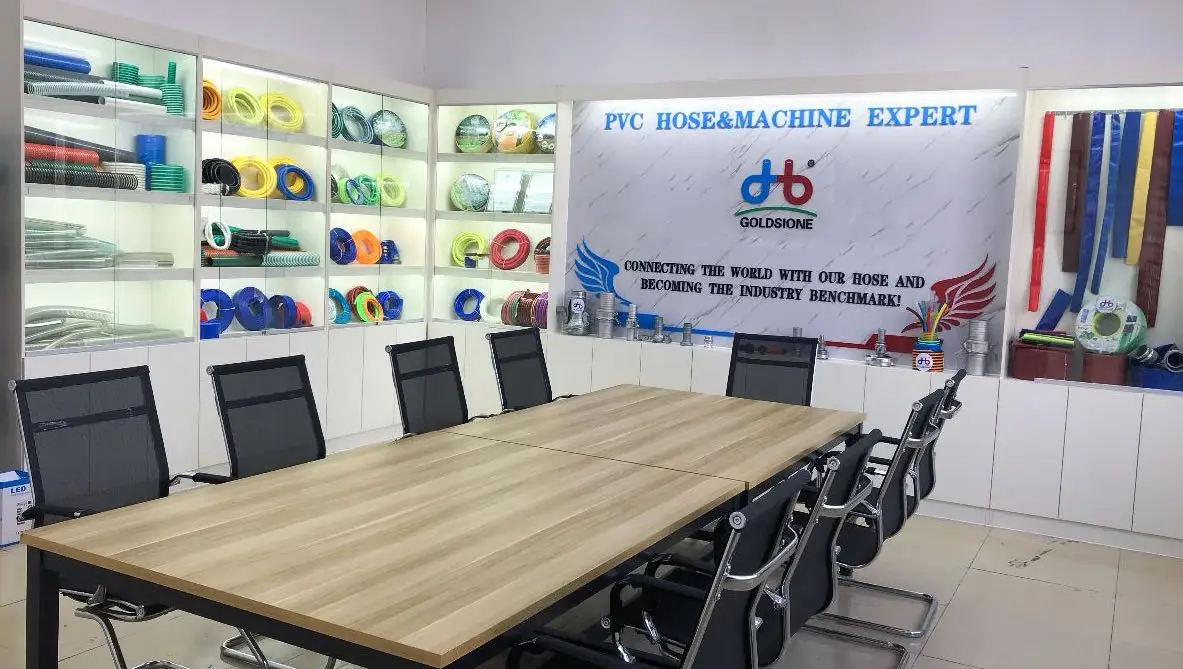
Weifang Goldsione Plastic Products Co., Ltd.
- Trading Company
- Shandong, China
- Lead time20 days
- Avg. response≤ 3h
Main productsPVC hose,PVC tube,mower,hose extruder machine,fog machine
Main marketsWestern Europe(20.00%), North America(20.00%), Domestic Market(10.00%), Mid East(10.00%), South America(10.00%), Africa(10.00%), Eastern Europe(10.00%), Eastern Asia(5.00%), Oceania(5.00%)
Dongying Harmony Rubber & Plastic Co., Ltd.
- Trading Company
- Shandong, China
- Lead time20 days
- Avg. response≤ 3h
Main productsRubber hose,pvc hose,hydraulic hose
Main marketsNorthern Europe(20.00%), Western Europe(20.00%), Mid East(20.00%), South America(20.00%), North America(20.00%)
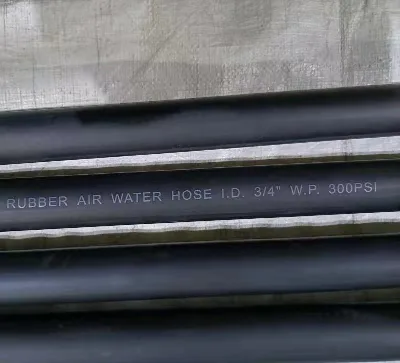
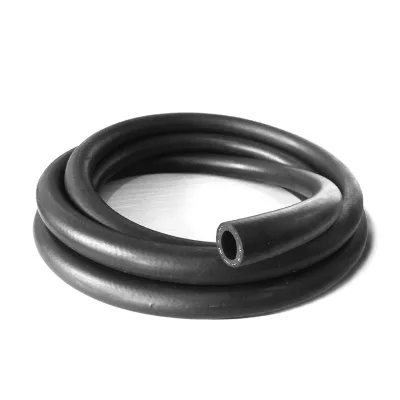
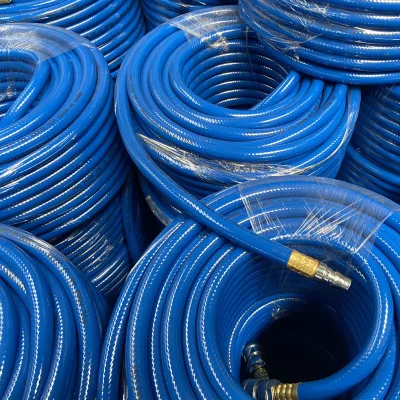
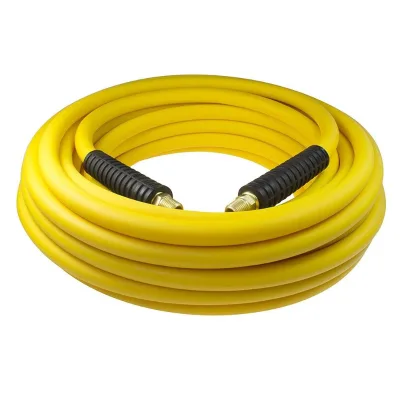
5/16 Inch Flexible PVC Air Hose for Transportation, Red, Black, Blue 6mm8mm13mm OEM/ODM
$0.60 - $1.40
MOQ: 1000
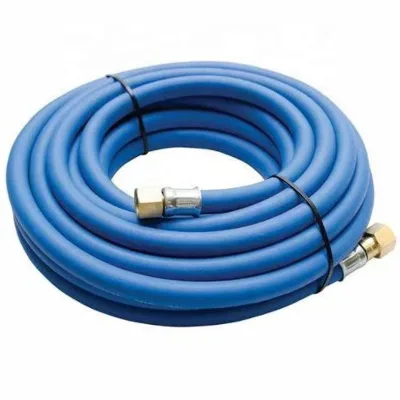
Henan Liwang Fluid Technology Co., Ltd.
- Manufacturer
- Henan, China
- Lead time30 days
- Avg. response≤ 1h
Main productshydraulic hose,industrial hose,hydraulic hose fitting,adaptor,API 7K
Main marketsDomestic Market(46.00%), North America(18.00%), Eastern Europe(15.00%), South Asia(5.00%)
Dongying Wanhe Rubber & Plastic Co., Ltd.
- Manufacturer, Trading Company
- Shandong, China
- Lead time25 days
- Avg. response≤ 3h
Main productsrubber hose,rubber sheet,pvc hose,Industrial hose,hydraulic hose
Main marketsWestern Europe(11.11%), Eastern Asia(11.11%), Mid East(11.11%), Oceania(11.11%), Africa(11.11%), Southeast Asia(11.11%), Eastern Europe(11.11%), South America(11.11%), North America(11.11%)
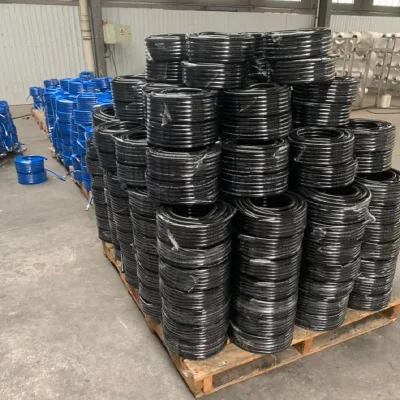
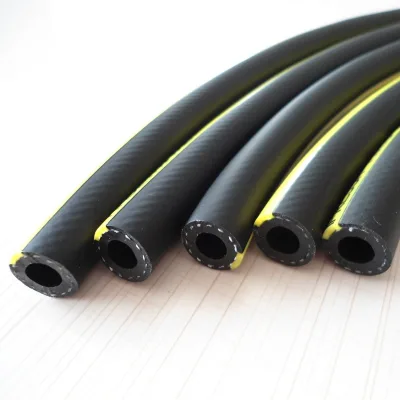
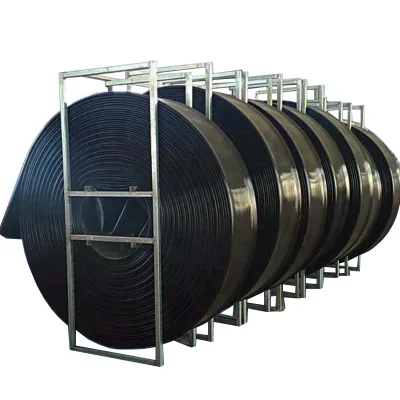
1/2 Inch Flexible PVC air Hose for Natural Gas Liquefied air Transportation
$0.20 - $0.60
MOQ: 2000 meters
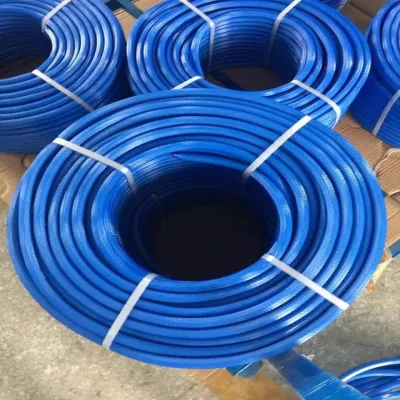
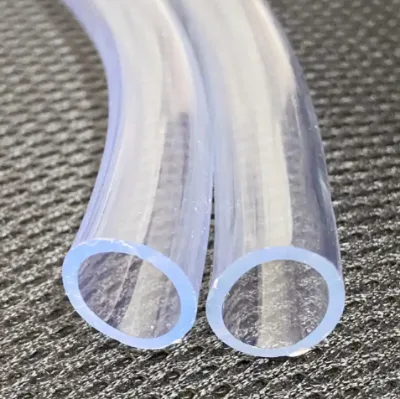
WANFLEX or Customized logo PVC Water Hose air Compressor Hose with OEM Service
$0.20 - $0.60
MOQ: 2000

Shijiazhuang Continent Rubber & Plastic Co., Ltd.
- Verified by CTI
- Trading Company
- China Hebei
- Lead time15 days
- Avg. response≤ 2h
Main marketsDomestic

Ningbo Shijun Auto Parts Technology Co., Ltd.
- Verified by TUVRHEINLAND
- Combined
- China Zhejiang
- Lead time23 days
- Avg. response≤ 6h
Main productsBrake Hose, Fuel Hose, Charging Hose, Power Steering Hose, Rubber Air Hose, EPDM Rubber Hose, Hose Assembly, Metal Tube, Rubber Water Hose, Rubber Oil Hose
Main marketsSouth America,Domestic,Europe,Australia,North America

SHANDONG RESPOWER INDUSTRIAL CO., LTD.
- Manufacturer/Factory
- China Shandong
- Lead time23 days
- Avg. response≤ 6h
Main productsConveyor Belt, Rubber & PVC Hose, Conveyor Components, Crusher Spare Parts, Electric Motor & Gear Box, Related Industrial Products, Hardware Tools
Main marketsSouth America,Eastern Europe,Mid East,North America,Southeast Asia,Eastern Asia,Oceania,Western Europe,Africa
Hebei Hangqiu Rubber And Plastic Technology Co., Ltd.
- Verified by SGS Group
- Manufacturer, Trading Company
- Lead time5 days
- Avg. response≤ 1h
Main productsHydraulic Hoses, Industrial Hoses, Hose Crimping Machines, Custom Rubber Parts, Hydraulic Fittings
Main marketsNorth America(50%), South America(20%), Southeast Asia(10%)
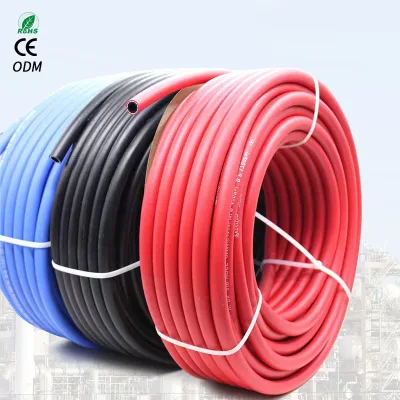
$0.2577 - $2.2605
MOQ: 50 Minimum
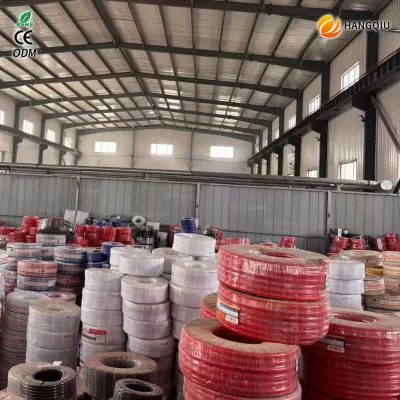
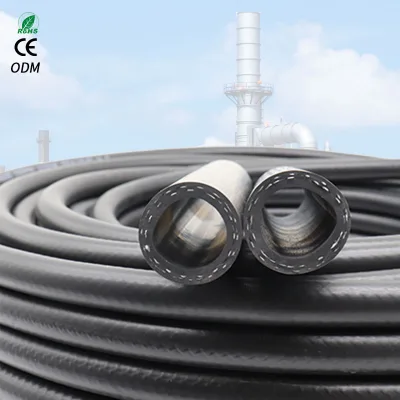
High-strength Fiber PVC air Hose 6mm 13mm 10mm High-pressure Multi-purpose Water air Hose
$0.2577 - $2.2605
MOQ: 50 Minimum
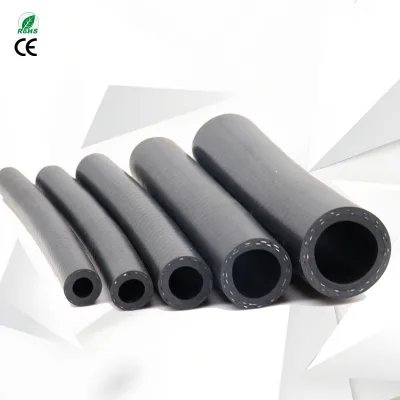
Factory Wholesale 1-inch 2-inch Knitted Rubber Hose, Water-based Hose, Black air Oil-water Gas Hose
$0.65 - $1.12
MOQ: 20 Minimum
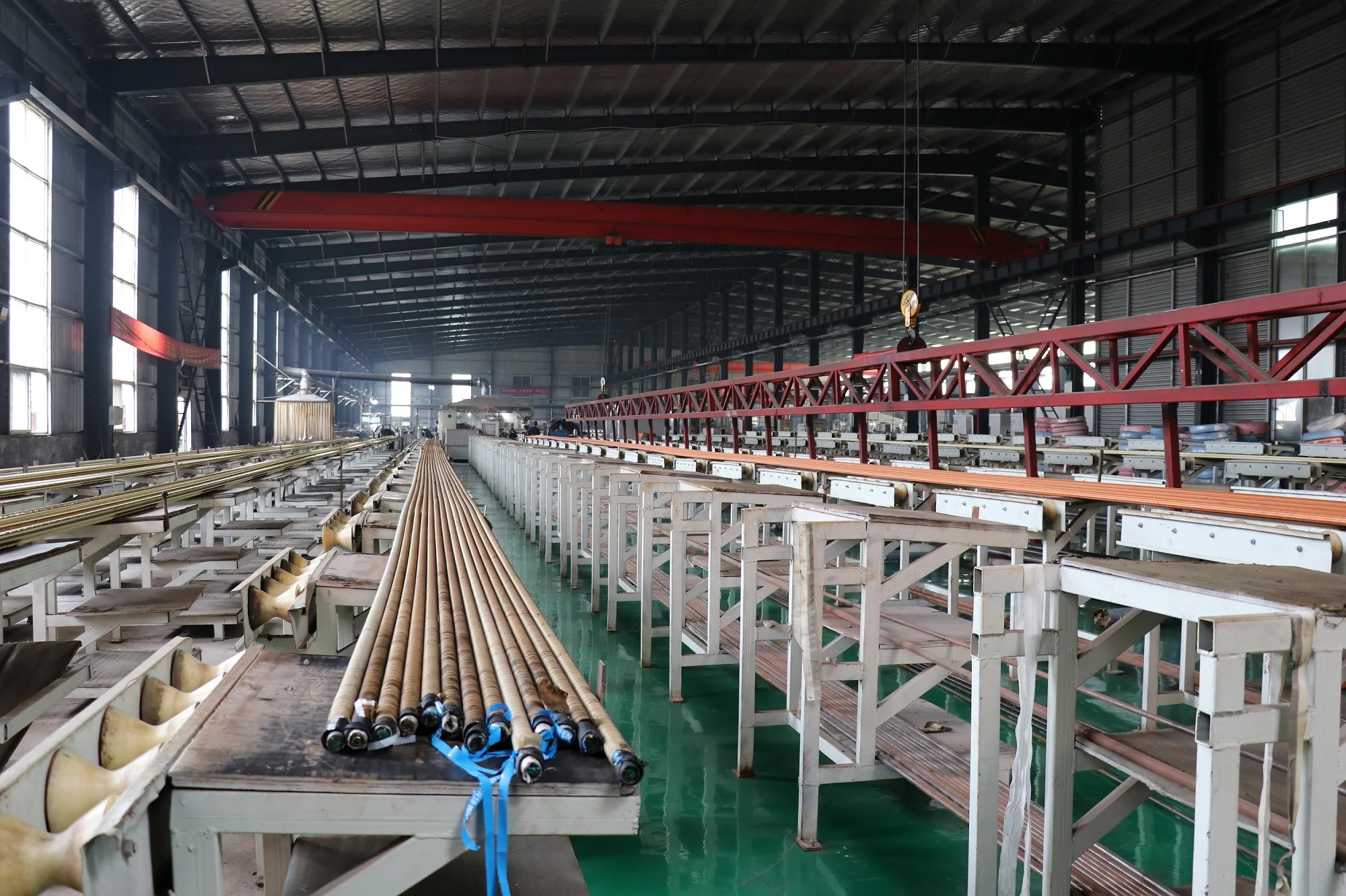
Henan Lange Hydraulic Technology Co., Ltd.
- Manufacturer, Trading Company
- Henan, China
- Lead time15 days
- Avg. response≤ 2h
Main productshydraulic hose,high pressure hose,steam hose,mining rubber hose,braided hydraulic hose
Main marketsDomestic Market(70.00%), Africa(9.00%), South America(8.00%), Southeast Asia(7.00%), Eastern Asia(5.00%), South Asia(1.00%)
Guangrao Juyuan Rubber And Plastic Co., Ltd.
- Verified by Intertek
- Manufacturer, Trading Company
- Lead time0 days
- Avg. response≤ 1h
Main productsRubber Hoses

Hangzhou Keyi Technology Co., Ltd.
- Verified by BV
- Combined
- China Zhejiang
- Lead time45 days
- Avg. response≤ 5h
Main productsFitting, Hose, Lubricant, Hydraulic Fluid Pipe, Base Oil, Engineering Machinery
Main marketsEurope

Qingdao Smartco Import and Export Co., Ltd
- Verified by TUVRHEINLAND
- Trading Company
- China Shandong
- Lead time30 days
- Avg. response≤ 3h
Main productsLay Flat Hose, PVC Hose, Rubber Hose, Water Hose, Suction Hose, Camlocks, Clamps, Discharge Hose, Steel Wire Hose, Braided Hose
Main marketsNorth America


Flexible PVC Air Hose with Superior Cold Weather Performance 3layers 4layers
$0.03 - $2.50
MOQ: 100 Meters


Hengshui Hua Hou Hydraulic Fluid Co.,ltd.
- Manufacturer, Trading Company
- Hebei, China
- Lead time0 days
- Avg. response≤ 3h
Main productshydraulic fitting,adapter,coupling,sleeve,hydraulic hose
Main marketsSoutheast Asia(10.00%), Eastern Europe(10.00%), South Asia(10.00%), South America(10.00%), North America(10.00%), Mid East(10.00%), Oceania(5.00%), Africa(5.00%), Domestic Market(5.00%), Southern Europe(5.00%), Northern Europe(5.00%), Central America(5.00%), Western Europe(5.00%), Eastern Asia(5.00%)
Guangdong Heli Plastics Co., Ltd.
- Manufacturer, Trading Company
- Guangdong, China
- Lead time20 days
- Avg. response≤ 6h
Main productsGarden Hose,High Pressure Spray Hose,Lay Flat Hose,High Pressure Washing Hose,Air Hose
Main marketsNorth America(30.00%), South America(30.00%), Domestic Market(20.00%), Mid East(10.00%), Africa(5.00%), Central America(3.00%), Eastern Europe(2.00%)






Comprehensive Sourcing Guide
Air Water Transportation Polyethylene Hose Supplier Concentration and Factory Types
The current supplier landscape for air and water transportation polyethylene hoses reveals a distinct mix of manufacturing capabilities and trading structures. Evidence indicates that suppliers are located in regions such as China Zhejiang and China Shandong, suggesting specific industrial clusters where these products are concentrated. Within these locations, the company types vary significantly, ranging from combined entities that handle both production and sales to pure trading companies and dedicated manufacturers or factories. This diversity in business models directly impacts the buyer’s ability to source customized or standard polyethylene tubing solutions. For instance, some suppliers offer ODM, OEM, and own brand services, indicating a strong in-house engineering and production capacity. Others may focus primarily on distributing existing inventory, which can affect lead times and customization flexibility. Understanding this structural composition is the first step in identifying partners who align with your specific operational needs, whether you require high-volume standard goods or specialized low-pressure pneumatic applications.
When evaluating the factory types, it is crucial to look beyond the basic company classification to understand their actual output capabilities. Suppliers listing main products such as rubber hoses, hydraulic hoses, and air/water hoses often have broader manufacturing lines that include polyethylene options. Some manufacturers highlight specific brand names like HYROTEFLEX, signaling a focus on proprietary product lines and quality control. In contrast, trading companies might offer a wider variety of sources but with less direct oversight of the production process. The presence of combined companies suggests a hybrid approach where internal manufacturing supports external trading activities. Buyers should assess whether the supplier’s primary focus aligns with their volume requirements and technical specifications. A manufacturer with an own brand may offer more consistent quality for long-term contracts, while a trading company might provide better flexibility for smaller, diverse orders. This distinction is vital for ensuring that the supply chain remains robust and responsive to market changes.
How to Verify Air Water Transportation Polyethylene Hose Suppliers
Verification is a critical step in mitigating risk when sourcing polyethylene hoses for air and water transportation. Buyers should prioritize suppliers who have undergone third-party verification processes, as this provides an additional layer of confidence in their operational legitimacy. For example, some suppliers display verification badges from recognized entities such as TÜV Rheinland or SGS. These verifications often involve on-site audits that assess manufacturing capabilities, quality management systems, and business practices. Additionally, checking for system certifications like ISO9001:2015 or ISO14001:2015 can indicate a supplier’s commitment to standardized quality and environmental management. While not all suppliers may display these specific certifications, their presence is a strong positive indicator. Buyers should also look for product-specific certifications such as CE or ISO marks, which confirm that the hoses meet relevant safety and performance standards for their intended applications.
Beyond certifications, buyers should actively engage with suppliers to assess their responsiveness and transparency. The response time metric provides a quantitative measure of how quickly a supplier communicates, with some showing response times under one hour while others may take several hours. A faster response time often correlates with better customer service and more agile problem-solving capabilities. Buyers should also verify the supplier’s ability to provide detailed product attributes, such as working pressure, temperature ranges, and material composition. For polyethylene hoses, confirming details like the working temperature range of -20℃ to +60℃ or working pressures of 10bar to 20bar is essential. Suppliers who can provide comprehensive and accurate technical data are more likely to be reliable partners. Additionally, asking for samples or case studies can help validate their claims. A transparent supplier will willingly share information about their production processes, quality control measures, and past performance with similar clients.
What to Compare Across Air Water Transportation Polyethylene Hose Suppliers
When comparing suppliers, several key dimensions should be evaluated to determine the best fit for your procurement strategy. Lead time is a critical factor, as it directly impacts your inventory management and project timelines. Some suppliers offer lead times around 23 days, while others may require 30 days or more, with specific delivery schedules for container loads. For instance, one supplier might offer delivery in 35 days for a 40HQ container, which is useful for planning large-scale shipments. Buyers should also compare the minimum order quantity (MOQ) requirements, which can range from 200 units to 1000 meters or more. Lower MOQs may be preferable for testing new markets or fulfilling smaller orders, while higher MOQs might offer better unit economics for bulk purchases. Additionally, response speed should be considered, as quicker communication can facilitate faster decision-making and issue resolution.
Price and customization options are also vital comparison points. The price range for polyethylene hoses can vary significantly, with some products starting as low as $0.085 per unit and going up to $1.20, depending on specifications and volume. Buyers should request detailed quotes that break down costs based on size, material, and quantity. Customization capabilities, such as the ability to produce hoses in specific sizes like 4mm to 16mm or with custom colors, can be a decisive factor. Suppliers that offer OEM services or customizable standards provide greater flexibility for unique application requirements. Furthermore, comparing the range of main products offered can reveal a supplier’s breadth of expertise. A supplier offering a wide array of hoses, from pneumatic to hydraulic, may have more robust supply chain relationships and production facilities. Evaluating these factors holistically ensures that you select a supplier who offers the best balance of cost, quality, and service.
Common Air Water Transportation Polyethylene Hose Sourcing Risks
Sourcing polyethylene hoses involves several potential risks that buyers must proactively manage to ensure a smooth procurement process. One significant risk is the variability in product quality and specifications. While some suppliers provide detailed attributes like working pressure and temperature ranges, others may lack comprehensive technical data. This discrepancy can lead to mismatches between the ordered product and the actual requirements, resulting in operational failures. For example, a hose rated for 10bar might be used in a system requiring 20bar, leading to catastrophic failure. Buyers should mitigate this risk by rigorously verifying product specifications and requesting test reports or certifications. Additionally, the risk of delayed deliveries is prevalent, especially when dealing with suppliers who have longer lead times or complex production schedules. Delays can disrupt production lines and increase inventory holding costs, so it is essential to establish clear delivery terms and monitor progress regularly.
Another common risk is the lack of transparency in pricing and additional costs. Some suppliers may quote low initial prices but add hidden fees for packaging, shipping, or customization. This can inflate the total cost of ownership and reduce the expected savings from sourcing. Buyers should request all-inclusive quotes that account for all potential charges. Furthermore, the risk of intellectual property infringement exists when working with suppliers who offer OEM services. If a supplier uses proprietary designs or materials without proper authorization, it can lead to legal disputes. To mitigate this, buyers should ensure that all agreements include clear intellectual property clauses and that the supplier has the necessary rights to produce the customized products. Additionally, the risk of poor after-sales support can arise if the supplier lacks a robust customer service infrastructure. Buyers should assess the supplier’s warranty policies and return procedures to ensure that any issues can be resolved efficiently.
Air Water Transportation Polyethylene Hose Regional Sourcing and Logistics
Regional sourcing plays a crucial role in determining the efficiency and cost-effectiveness of procuring polyethylene hoses. Suppliers located in China Zhejiang and China Shandong represent key industrial hubs for this category. These regions are known for their robust manufacturing infrastructure and access to raw materials, which can contribute to competitive pricing and reliable production capacities. When sourcing from these regions, buyers should consider the logistical implications, including shipping routes and transit times. Zhejiang, being a coastal province, often offers convenient access to major ports, facilitating efficient export operations. Shandong, with its strong industrial base, may provide advantages in terms of production scale and specialization. Understanding the geographic distribution of suppliers allows buyers to optimize their supply chain by selecting partners who are strategically located for their target markets.
Logistics planning should also account for the specific requirements of polyethylene hose shipments. These products are often packaged in rolls, boxes, or woven bags, which can affect stacking and container utilization. Buyers should work with suppliers to determine the most cost-effective packaging solutions that minimize damage during transit. Additionally, considering the weight and volume of the hoses is essential for calculating freight costs. For large orders, consolidating shipments or using full container loads can reduce per-unit shipping expenses. Buyers should also be aware of any regional trade regulations or tariffs that may impact the final cost. Engaging with experienced freight forwarders who specialize in industrial goods can help navigate these complexities. By aligning regional sourcing strategies with logistical best practices, buyers can enhance supply chain resilience and reduce overall procurement costs.
Air Water Transportation Polyethylene Hose Commercial Terms and Order Planning
Effective order planning requires a thorough understanding of the commercial terms offered by suppliers. Payment terms, such as deposits and balance payments, vary among suppliers and can impact cash flow management. Buyers should negotiate terms that align with their financial capabilities and risk tolerance. Additionally, warranty policies are an important aspect of commercial agreements. Some suppliers offer warranties of 12 months or more, providing assurance against defects. Buyers should ensure that warranty terms are clearly defined and include provisions for replacement or repair. Incoterms, such as FOB or CIF, determine the responsibility for shipping and insurance. Selecting the appropriate Incoterms can help manage logistics risks and costs. Buyers should also consider the supplier’s flexibility in handling order modifications or cancellations, as market conditions can change rapidly.
Order planning should also incorporate strategies for managing inventory and demand fluctuations. Given the variability in MOQs and lead times, buyers should develop a flexible ordering schedule that balances stock levels with cash flow. For suppliers with longer lead times, placing orders well in advance is crucial to avoid stockouts. Additionally, considering the supplier’s capacity to handle rush orders can be beneficial for urgent requirements. Buyers should also evaluate the supplier’s ability to provide consistent quality over time, as this reduces the need for frequent reordering and quality checks. By establishing clear commercial terms and robust order planning processes, buyers can build a reliable and efficient supply chain for polyethylene hoses. This approach minimizes disruptions and ensures that production needs are met consistently.
FAQs
What is the price range for polyethylene air hoses?
Polyethylene air hoses are priced between $0.085 and $0.48 per unit depending on specifications. Flexible pneumatic versions start at the lower end, while high-quality lightweight options for water transfer reach higher costs. Buyers should verify exact pricing based on order volume and customization needs.
What certifications do these polyethylene hoses have?
Manufacturers typically hold ISO9001:2015 and ISO14001:2015 system certifications. Products often carry CE and ISO marks for compliance. Some suppliers also provide SGS or API certificates for specific industrial applications. Buyers should request current documentation to ensure the hoses meet their specific regulatory requirements.
What is the minimum order quantity for these hoses?
Minimum order quantities vary by product type. Polyethylene tubing generally requires a minimum of 200 units. Rubber hybrid hoses often have a higher threshold of 1000 units. Flexible suction hoses may require a minimum of 500 meters. Buyers should confirm the specific MOQ with the supplier.
Where are these polyethylene hoses manufactured?
These hoses are primarily manufactured in China. Specific production locations include Zhejiang and Shandong provinces. Zhejiang suppliers often offer combined trading and manufacturing services. Shandong facilities typically operate as dedicated manufacturers. Buyers can verify the exact origin to assess logistics and supply chain reliability.
What is the typical lead time for delivery?
Lead times generally range from 23 to 35 days. Some suppliers offer a standard 23-day turnaround for production. Others may require 30 days or up to 35 days for a full container load. Buyers should confirm the exact delivery schedule based on their order size and customization requirements.
What applications are suitable for these hoses?
Polyethylene hoses are suitable for chemical, industrial, and food applications. They are also used for water supply, drainage systems, and pneumatic tools. The working temperature typically ranges from -20°C to +60°C. Buyers should verify pressure ratings and material compatibility for their specific fluid transfer needs.