Diesel Engine Adapter Elbow Suppliers and Manufacturers
Compare 19 verified suppliers of diesel engine adapter elbows based on location, lead times, and certifications. Review product specs like part numbers and MOQs, then contact vendors directly to request quotes for K19 or K50 models; review the available evidence before requesting comparable quotations from suitable candidates.
Updated
Suppliers List

Hubei Sunwell Auto Parts Co., Ltd.
- Verified by BV
- Trading Company
- China Hubei
- Lead time15 days
- Avg. response≤ 4h
Main productsTurbocharger, Engine Parts, Fuel Injection Parts, Pistons, Cylinder Liner, Bearings, Oil Pump, Gasket Sets
Main marketsSouth America,Southeast Asia/ Mideast,North America

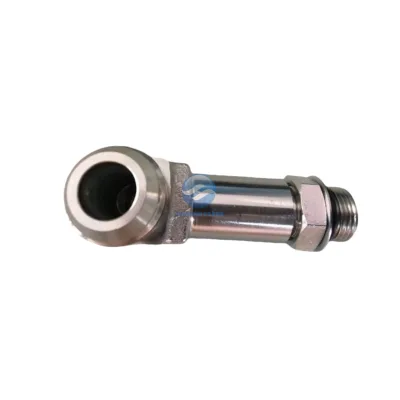
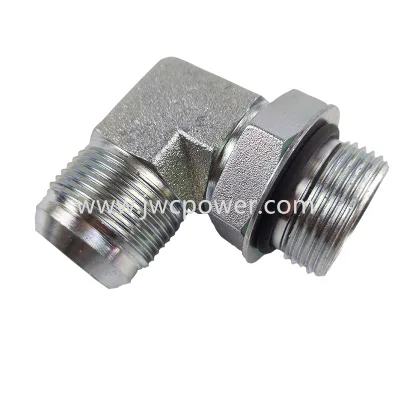
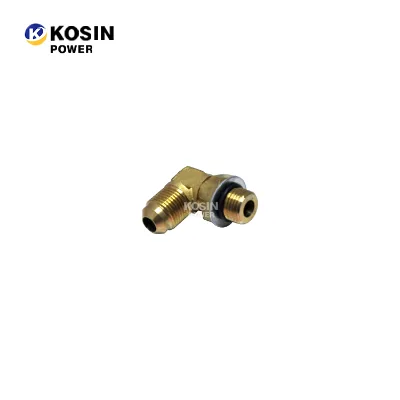
Factory Stock Diesel Engine Parts Elbow Connection 68645 Male Adapter Elbow
$4.20 - $4.50
MOQ: 1 Pieces


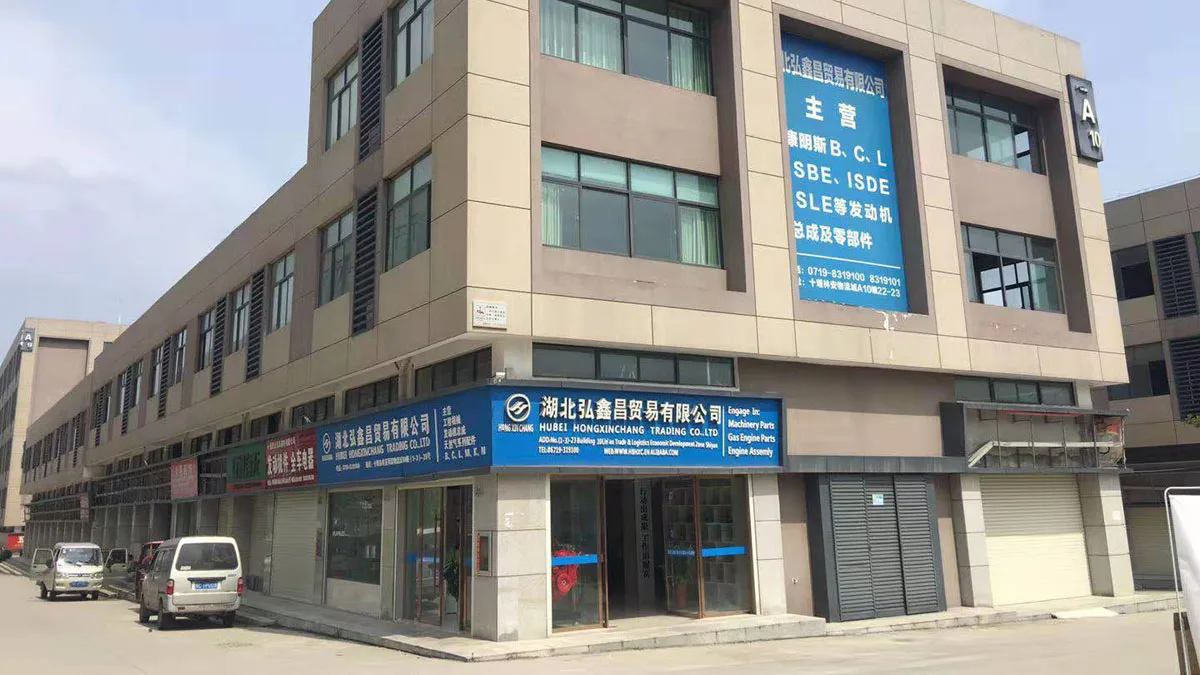
Hubei Hongxinchang Trading Co., Ltd.
- Trading Company
- Hubei, China
- Lead time3 days
- Avg. response≤ 4h
Main productsEngine Parts,Auto Parts
Main marketsNorth America(25.00%), Africa(15.00%), Southeast Asia(15.00%), South Asia(15.00%), South America(10.00%), Eastern Asia(10.00%), Mid East(5.00%), Oceania(5.00%)
Chongqing Gengwei Machinery Accessories Co., Ltd.
- Verified by TüVRheinland
- Trading Company
- Lead time20 days
- Avg. response≤ 4h
Main productsDiesel Engine Parts, Micro-tiller Parts, Water Pump Parts, Generator Parts, Welding Machine
Main marketsSoutheast Asia(25%), Africa(25%), South America(15%)

Guangzhou Gu-Power Technology Co., Ltd.
- Verified by TUVRHEINLAND
- Trading Company
- China Guangdong
- Lead time30 days
- Avg. response≤ 6h
Main productsEngine Power Unit Diesel Engine Generator Set
Main marketsEurope

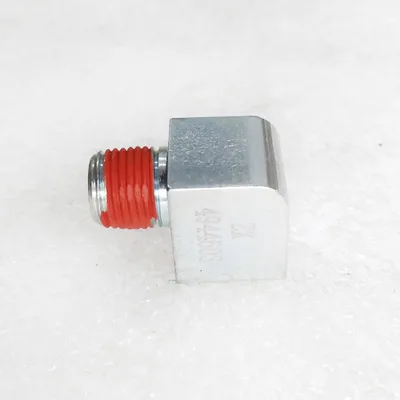
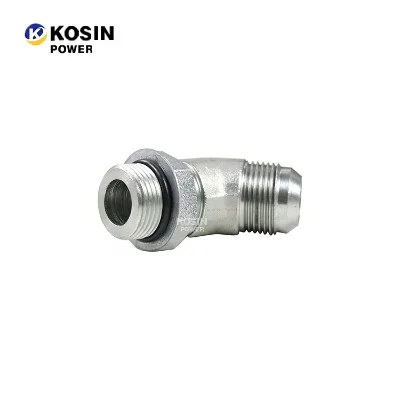
Original Kta19 Kta38 Kta50 Auto Truck Diesel Engine Parts Male Adapter Elbow 144372
$10.00
MOQ: 100 pieces


GUANGZHOU GUP POWER MACHINERY MFG CO,.LTD
- Verified by BV
- Combined
- China Guangdong
- Lead time15 days
- Avg. response≤ 2h
Main productsDiesel Engine, Engine Power Unit, Diesel Generator, Engine Spare Parts, Tractor, Filters
Main marketsDomestic


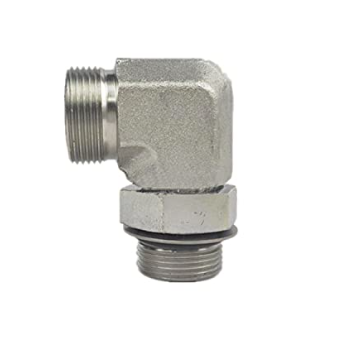
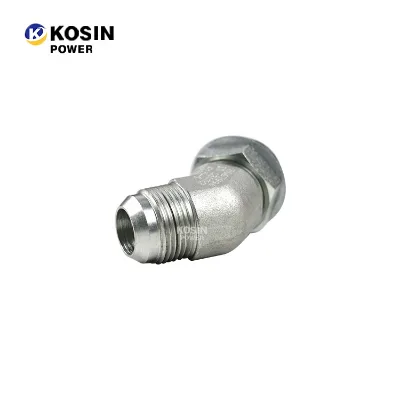
Cummins K19 Diesel Engine Parts Male Adapter Elbow 112105 for Excavator Engines
$1.00 - $3.00
MOQ: 10 Pieces


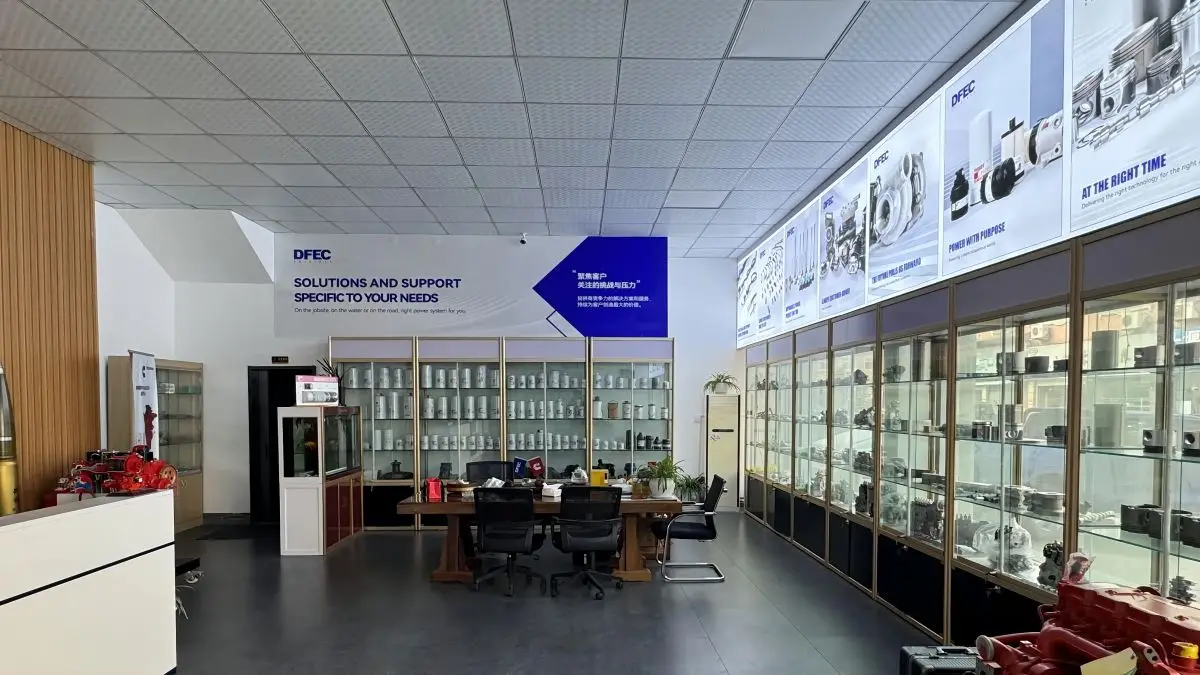
Hubei Diyue Auto Parts Co., Ltd.
- Trading Company
- Hubei, China
- Lead time7 days
- Avg. response≤ 3h
Main productsAuto parts,Construction machinery parts,Truck parts,Engine with accessories,SCR parts
Main marketsEastern Europe(40.00%), South America(30.00%), Africa(20.00%), Southern Europe(5.00%), Oceania(5.00%)
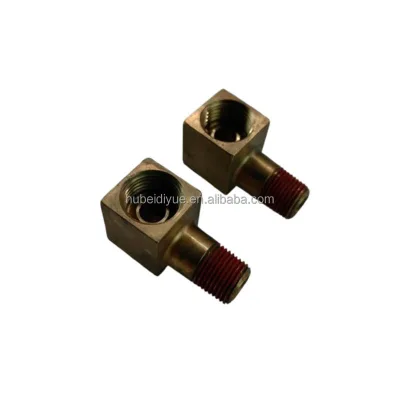
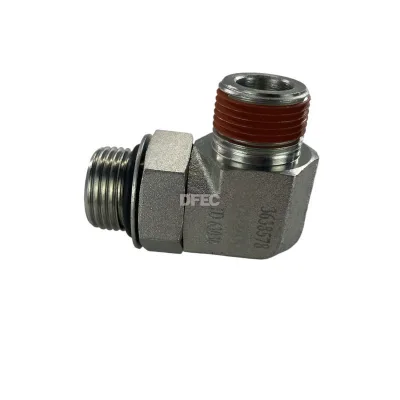
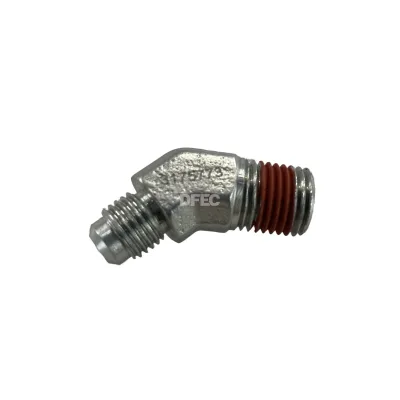
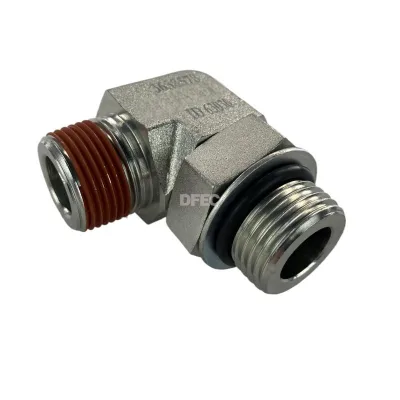
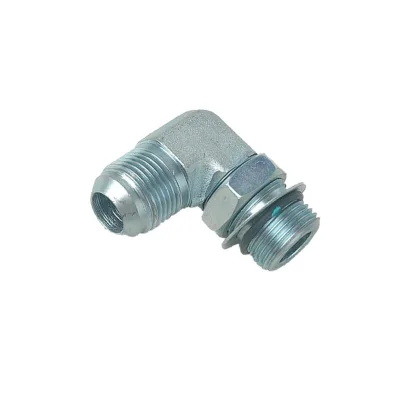
Original Best Selling K19 Diesel Engine Spare Part Male Adapter Elbow 3638578
$15.00 - $16.14
MOQ: 1 pieces
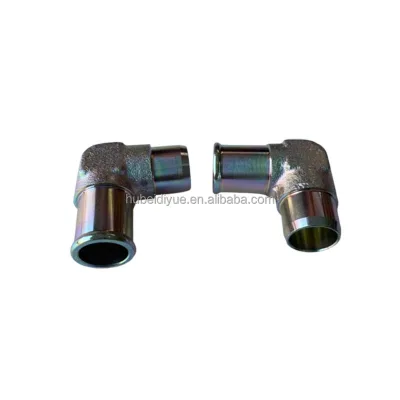
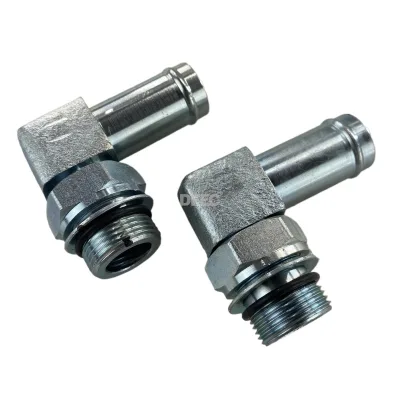
3638578 for Engineering Machinery Equipment KTA19 Thread Adapter Elbow Male Adapter Elbow 3638578
$12.8708 - $16.4735
MOQ: 5 pieces

Hubei Diyue Auto Parts Co., Ltd.
- Verified by SGS
- Trading Company
- China Hubei
- Lead time15 days
- Avg. response≤ 3h
Main productsDiesel Engine Parts, Auto Spare Parts, Engine Assembly, Fuel Pump Oil Pump Doser Pump Urea Pump, Fuel Injector, Ecm & ECU, Filter Fleetguard, Turbocharger Holset, Sensor Nox Sensor Wiring Harness, Bearing Rocker Arm Tappet Valves
Main marketsEurope

Chongqing Longshine Import And Export Co., Ltd.
- Trading Company
- Chongqing, China
- Lead time7 days
- Avg. response≤ 4h
Main productsPT Fuel System Parts,Engine Spare Parts,Common Rail Fuel System Parts,SAIC Hongyan Truck Parts,Engine Assembly
Main marketsDomestic Market(55.00%), Southeast Asia(12.00%), Africa(9.00%), North America(8.00%), South America(6.00%), Mid East(4.00%), Eastern Europe(4.00%), Oceania(1.00%), Northern Europe(1.00%)
Hubei Junvoch Industrial and Trade Co., Ltd
- Trading Company
- Hubei, China
- Lead time5 days
- Avg. response≤ 4h
Main productsDiesel engine assembly,Fuel Pump,Injector,Engine Parts,Diesel Water Pump
Main marketsSouth America(12.00%), Africa(11.00%), Mid East(11.00%), Eastern Europe(11.00%), Western Europe(10.00%), Southeast Asia(10.00%), Northern Europe(8.00%), North America(8.00%), South Asia(7.00%), Southern Europe(5.00%), Oceania(5.00%), Domestic Market(1.00%), Eastern Asia(1.00%)
Shiyan Dakang Power Technology Co., Ltd.
- Verified by TüVRheinland
- Trading Company
- Lead time7 days
- Avg. response≤ 3h
Main productsEngine Bearing, Cylinder Liner Kit, Water Pump, Oil Pump, Engine Gasket Set
Main marketsDomestic Market(50%), Southeast Asia(15%), North America(12%)

Dynamic Energy (Dongying) Co., Ltd.
- Verified by SGS
- Combined
- China Shandong
- Lead time30 days
- Avg. response≤ 21h
Main productsGas Engine, Gas Generator Set, Generator Set, Natural Gas Generator, Biogas Generator, Syngas Generator, Coal Gas Generator, Wood Gas Generator, Flue Gas Generator
Main marketsNorth America

Hubei Junvoch Industrial & Trade Co., Ltd.
- Verified by SGS
- Trading Company
- China Hubei
- Lead time15 days
- Avg. response≤ 3h
Main productsDiesel Engine Part, Engine Part, Auto Spare Part, Engine Parts, Engine, Diesel Engine Assembly, Diesel Engine Parts, FAW Engine Parts, Weichai Engine Parts, Shacman Parts
Main marketsSouth America,Southeast Asia/ Mideast,Europe,Australia,North America


Qsx15 Cummins Original Diesel Engine Part Elbow Hose Fittings Male Union 3331873 Hose Couplings
$3.90 - $9.00
MOQ: 1 Sets

Nt855 K19 Cummins Diesel Engine Parts Male Union Elbow 3175847 Male Thread Connector for Dump Trucks
$10.00 - $20.00
MOQ: 1 Sets
Huahai Ship Equipment (hubei) Co., Ltd.
- Manufacturer, Trading Company
- Hubei, China
- Lead time0 days
- Avg. response≤ 3h
Main productsBellows,Flexible hose,EGR Pipes,Expansion Joints
Main marketsDomestic Market(50.00%), Eastern Asia(20.00%), South America(20.00%), North America(10.00%)

Guangzhou Gaosheng Power Co., Ltd.
- Manufacturer, Trading Company, Distributor/Wholesaler
- Guangdong, China
- Lead time7 days
- Avg. response≤ 3h
Main productsEngine parts,Mining machinery parts,Marine engine parts,Generator set parts,Bulldozer parts
Main marketsEastern Asia(20.00%), Mid East(20.00%), South America(20.00%), North America(20.00%), Africa(10.00%), Southeast Asia(10.00%)
Hubei Runxi Electromechanical Co., Ltd.
- Trading Company
- Hubei, China
- Lead time0 days
- Avg. response≤ 2h
Main productsTruck Fuel Injector,Diesel Fuel Pump,Engine Accessories,Common Rail Pipe,Urea Pump
Main marketsCentral America(15.00%), Africa(15.00%), Southeast Asia(15.00%), Eastern Europe(15.00%), South America(15.00%), North America(15.00%), Mid East(10.00%)
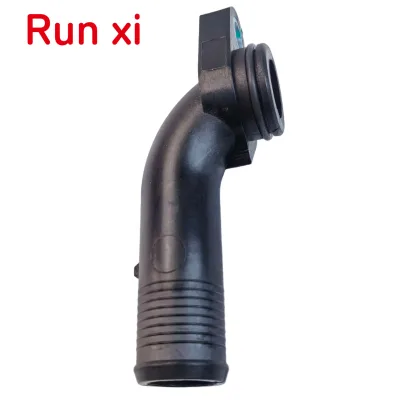
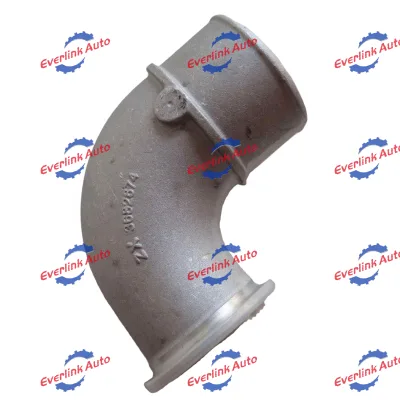
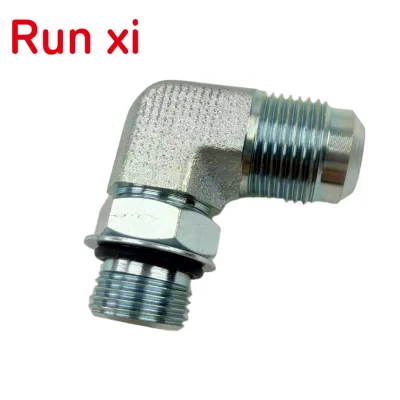
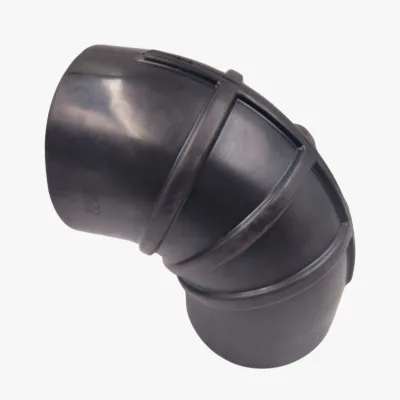
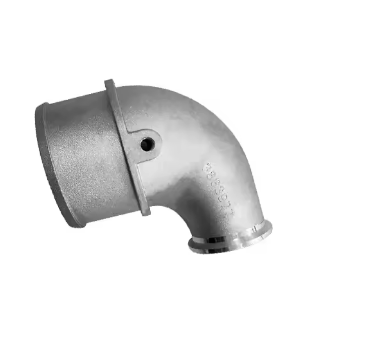
High Quality and Durable Engine Assembly Components Air Intake Pipe Elbow 3682674 for QSB6.7 Engine
$20.00 - $29.00
MOQ: 1 pieces
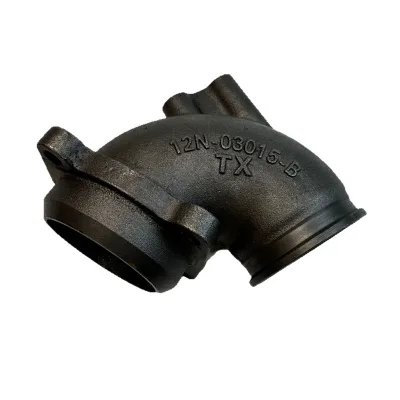
$8.2765 - $10.3467
MOQ: 1 pieces

Hubei Hanton Machinery Co., Ltd.
- Verified by SGS
- Trading Company
- China Hubei
- Lead time23 days
- Avg. response≤ 3h
Main productsDiesel Engine, Diesel Engine Parts, Cummins, Deutz, Detroit, Isuzu, Cat, Mwm, Truck Engine, Marine Engine
Main marketsSouth America,Africa,Southeast Asia/ Mideast,Europe,Australia
Shandong Xingyao Special Steel Co., Ltd.
- Verified by SGS Group
- Trading Company
- Lead time14 days
- Avg. response≤ 1h
Main productsLaser Cutting of Plates and Tubes, Welded Sheet Metal, Stamped Parts, Pipes and Fittings, Precision Mechanical Parts
Main marketsMid East(30%), Southeast Asia(20%), Eastern Asia(20%)
Xi'an Kaka Power Machinery Co., Ltd.
- Verified by Intertek
- Trading Company
- Lead time0 days
- Avg. response≤ 4h
Main productsCaterpillar Engine, Perkins Engine, Caterpillar injector, Caterpillar Filter, Other Caterpillar Parts
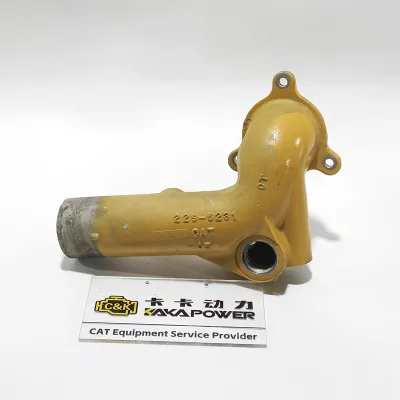
Dismantled Water Pump Elbow for CAT C11 C13 New Genuine 229-6231 2296231 Elbow
$272.00 - $280.00
MOQ: 1
Shenzhen Deuvols Mechinery Co., Ltd.
- Trading Company, Buying Office, Distributor/Wholesaler
- Guangdong, China
- Lead time2 days
- Avg. response≤ 6h
Main productsdeutz engine parts,deutz parts,volvo engine parts,perkins parts,cummins parts
Main marketsSoutheast Asia(25.00%), North America(15.00%), Northern Europe(15.00%), Mid East(11.00%), Eastern Europe(6.00%), Eastern Asia(6.00%), South Asia(5.00%), Southern Europe(3.00%), Oceania(3.00%), Africa(3.00%), Domestic Market(2.00%), Central America(2.00%), Western Europe(2.00%), South America(2.00%)
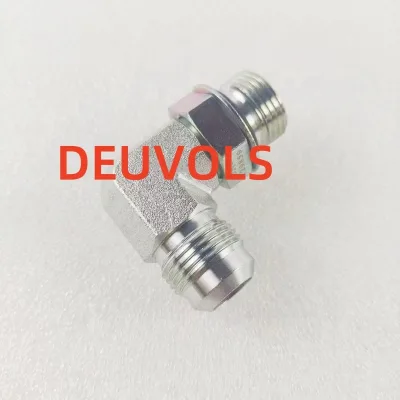
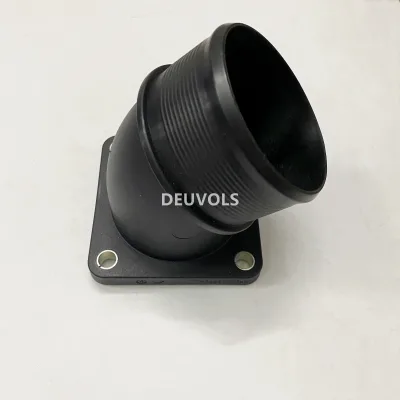
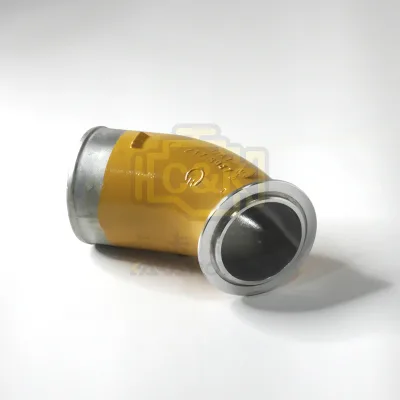
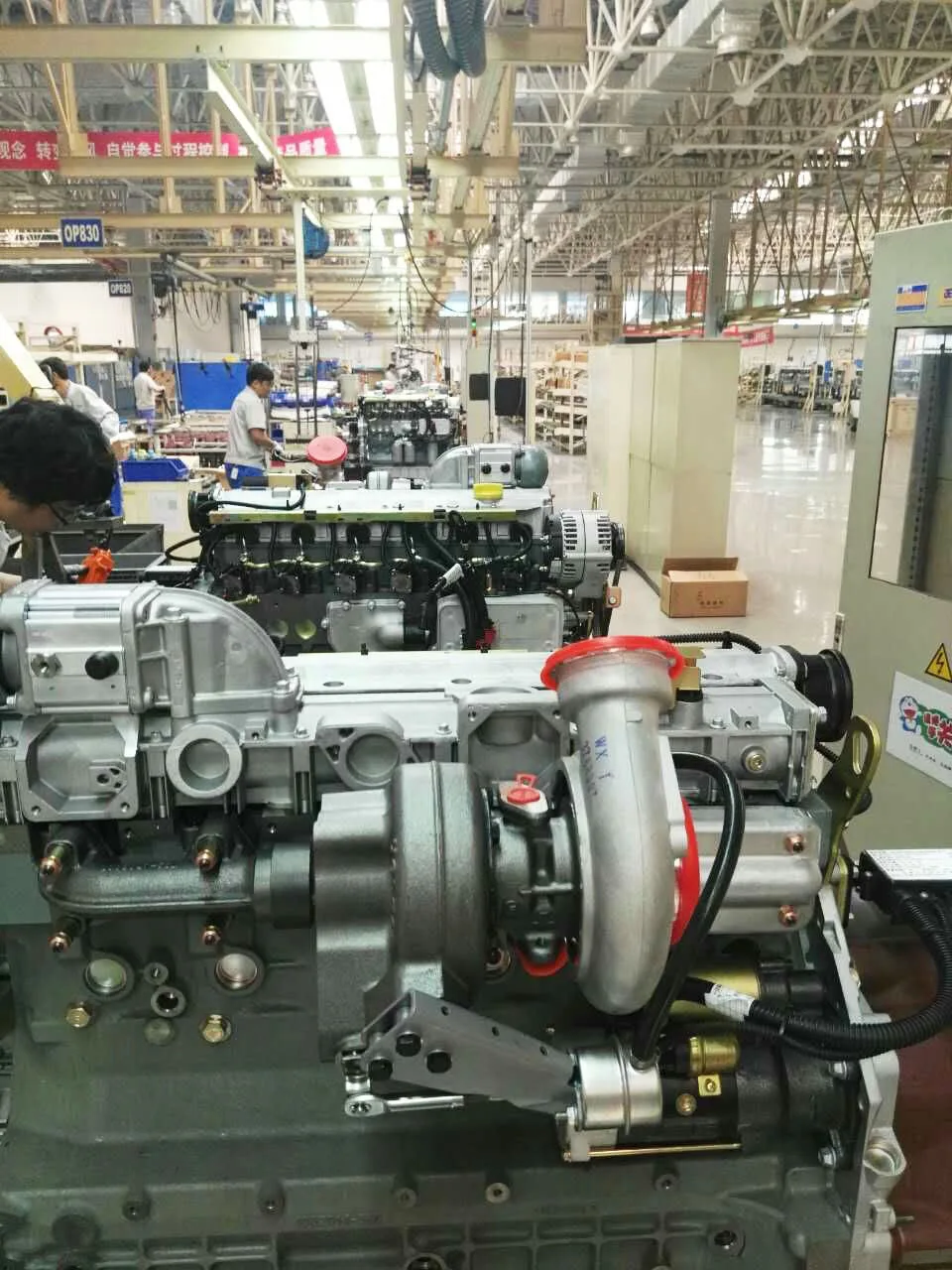
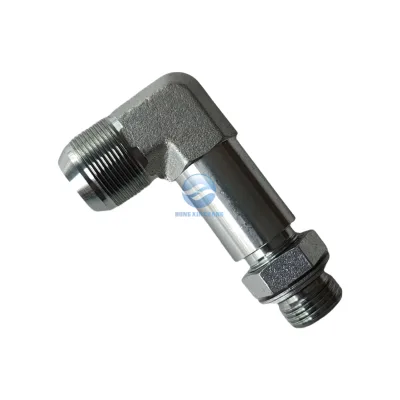
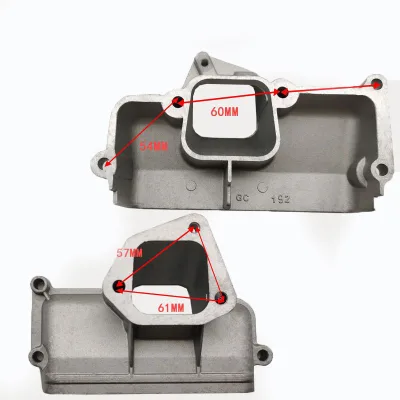
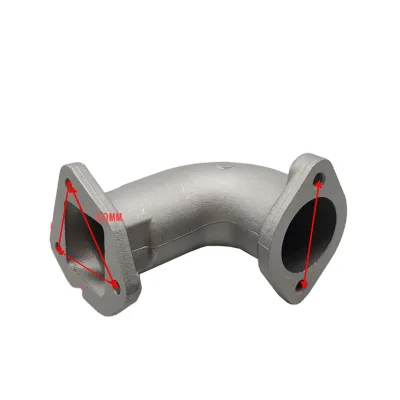
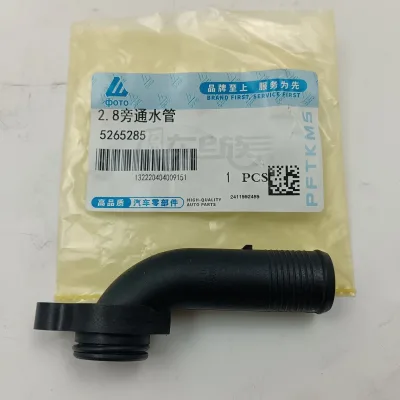
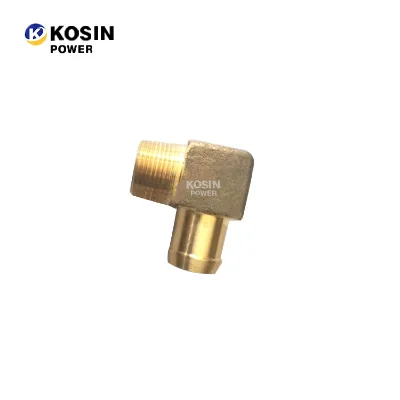
C6.6 inlet elbow 277-4374 4148k014
MOQ: 1 Minimum






Comprehensive Sourcing Guide
Diesel Engine Adapter Elbow Supplier Concentration and Factory Types
The current supplier landscape for diesel engine adapter elbows reveals a distinct concentration of manufacturing and trading entities within specific industrial regions. Data indicates that a significant portion of available suppliers are located in Hubei, China, establishing this area as a primary hub for these components. This geographic clustering suggests a mature supply chain ecosystem where raw materials, casting facilities, and assembly lines are co-located, potentially reducing logistical friction for bulk orders. Buyers observing search results should note that many listings explicitly state their place of origin as Hubei, China, which serves as a strong indicator of the supplier's operational base. This concentration is not merely a random distribution but reflects the historical development of heavy machinery parts manufacturing in central China. For buyers evaluating potential partners, recognizing this regional focus allows for more targeted due diligence. It enables the assessment of local infrastructure, such as proximity to major ports like Wuhan or Shanghai, which can impact shipping costs and transit times. Furthermore, understanding that suppliers are clustered in Hubei helps in predicting the availability of specialized labor and technical expertise specific to diesel engine components. When reviewing supplier profiles, buyers should prioritize those who clearly identify this location, as it often correlates with established production capabilities. However, buyers must also remain aware that while the location is a strong signal, it does not automatically guarantee quality or reliability without further verification. The presence of multiple suppliers in this region creates a competitive environment, which can be beneficial for price negotiation but requires careful screening to ensure that cost savings do not come at the expense of product integrity. By focusing on suppliers from this identified cluster, buyers can streamline their sourcing process by dealing with vendors who are accustomed to international trade standards and have established logistics networks. This regional insight is crucial for building a resilient supply chain, as it allows for better risk management regarding geopolitical or logistical disruptions specific to that area.
In addition to geographic concentration, the types of entities supplying diesel engine adapter elbows vary significantly in their operational models. The majority of the observed suppliers are classified as trading companies rather than direct manufacturers. This distinction is critical for buyers to understand, as it influences pricing structures, communication channels, and quality control processes. Trading companies act as intermediaries, aggregating products from various factories and presenting them to international buyers. While this model offers a wider selection of parts and often more flexible minimum order quantities, it introduces an additional layer between the buyer and the actual production facility. Buyers must recognize that when engaging with a trading company, they are relying on the supplier’s ability to manage their upstream factory relationships effectively. This can sometimes lead to delays or miscommunication if the trading company lacks direct oversight of the production line. Conversely, some suppliers may have their own casting facilities, as indicated by product attributes mentioning "Casting" as the primary technique. These suppliers might offer more direct control over quality and lead times. However, even among those claiming manufacturing capabilities, the line between pure manufacturing and trading can be blurred. Buyers should investigate whether the supplier has a physical factory or operates primarily as a procurement agent. This verification is essential for determining the true source of the adapter elbows and assessing the reliability of the supply chain. Understanding the supplier type helps buyers set appropriate expectations regarding communication speed, customization capabilities, and the ability to resolve technical issues. It also informs the negotiation strategy, as trading companies may have different margin structures compared to direct factories. By carefully distinguishing between these entity types, buyers can make more informed decisions about which suppliers align best with their specific sourcing needs and risk tolerance.
How to Verify Diesel Engine Adapter Elbow Suppliers
Verifying the authenticity and reliability of Diesel Engine Adapter Elbow suppliers requires a multi-layered approach that goes beyond simple profile reviews. One of the primary indicators of supplier credibility is the presence of third-party verification badges. In the current market, some suppliers display verification status from recognized agencies such as Bureau Veritas (BV). This badge signifies that an independent auditor has inspected the supplier’s business license, factory premises, or operational capabilities. Buyers should prioritize suppliers who hold such verifications, as it reduces the risk of engaging with fraudulent entities. However, the absence of a verification badge does not automatically disqualify a supplier, but it necessitates more rigorous due diligence. Buyers can request copies of business licenses, tax registration documents, and export records to confirm the supplier’s legal standing. Additionally, asking for recent factory audit reports or video tours can provide tangible evidence of the supplier’s operational capacity. For trading companies, verifying their relationship with actual manufacturers is crucial. Buyers should ask for references from other international clients or request direct communication with the factory if possible. This step helps ensure that the supplier is not merely a middleman with limited control over product quality. Another important aspect of verification is checking the supplier’s response time and communication quality. A reliable supplier typically responds to inquiries within a reasonable timeframe, such as within a few hours or days. Slow or generic responses may indicate a lack of professionalism or insufficient staffing. Buyers should also assess the technical knowledge of the supplier’s staff. Asking specific questions about the adapter elbow’s material composition, casting process, or compatibility with specific engine models can reveal the depth of their expertise. Suppliers who provide detailed, accurate, and prompt technical answers are more likely to be reliable partners. Furthermore, buyers should verify the supplier’s track record by checking their transaction history and customer reviews if available. Consistent positive feedback and a history of successful transactions are strong indicators of reliability. It is also advisable to start with a small trial order to test the supplier’s performance before committing to larger volumes. This approach allows buyers to evaluate product quality, packaging, and shipping reliability in a low-risk manner. By combining these verification methods, buyers can build a comprehensive picture of the supplier’s capabilities and trustworthiness.
In addition to operational verification, buyers must scrutinize the certifications and standards claimed by suppliers. Many Diesel Engine Adapter Elbow listings include certifications such as TSRoHS, E-Mark, CE, ISOCOP, and CCC. These certifications indicate compliance with specific safety, environmental, and quality standards. However, buyers should not take these claims at face value. It is essential to request copies of the actual certification documents and verify their validity with the issuing bodies. Some suppliers may list certifications that are not relevant to the specific product or may have expired. Buyers should also check if the certifications are specific to the adapter elbow or if they are general company certifications. For instance, CE marking is crucial for products sold in the European market, while CCC is required for China. Understanding the relevance of these certifications to the buyer’s target market is vital. Additionally, buyers should inquire about the supplier’s quality control processes. Do they conduct incoming material inspections? Do they perform final product testing before shipment? Requesting information on their quality management system, such as ISO 9001 certification, can provide further assurance. Buyers should also ask about the supplier’s return policy and warranty terms. A reliable supplier typically offers a warranty period, such as six months or one year, and has a clear process for handling defective products. This indicates confidence in their product quality and a commitment to customer satisfaction. Furthermore, buyers should verify the supplier’s ability to provide necessary documentation, such as certificates of origin, commercial invoices, and packing lists. These documents are essential for customs clearance and compliance. By thoroughly verifying certifications, quality control processes, and documentation capabilities, buyers can mitigate risks and ensure that they are working with a compliant and professional supplier. This due diligence is particularly important for critical engine components where failure can lead to significant operational disruptions.
What to Compare Across Diesel Engine Adapter Elbow Suppliers
When evaluating multiple suppliers for diesel engine adapter elbows, buyers must systematically compare key operational and commercial metrics to identify the most suitable partner. One of the most critical factors is the minimum order quantity (MOQ). The current market data shows a wide range of MOQs, with some suppliers offering as low as one piece, while others require higher volumes, such as six pieces or more. For buyers seeking to test the market or manage inventory tightly, suppliers with low MOQs are advantageous. However, buyers should also consider the unit price implications, as lower MOQs may come with higher per-unit costs. Conversely, suppliers with higher MOQs may offer better economies of scale. Buyers should align their MOQ requirements with their inventory strategy and cash flow constraints. Another important metric to compare is the lead time. Some suppliers indicate a lead time of three days, while others suggest fifteen days or a delivery window of seven to ten days. Lead time directly impacts the buyer’s ability to maintain uninterrupted engine operations. For urgent repairs, suppliers with shorter lead times are preferable. Buyers should also consider the supplier’s response time, which can indicate their operational efficiency. A response time of around three to four hours suggests a responsive customer service team, which is crucial for resolving issues quickly. Buyers should compare these metrics across different suppliers to find a balance between cost, speed, and flexibility. Additionally, buyers should evaluate the range of main products offered by each supplier. Some suppliers specialize in turbochargers and fuel injection parts, while others focus broadly on engine and auto parts. A supplier with a diverse product range may offer better convenience for buyers who need multiple components. However, specialization can also indicate deeper expertise in specific areas. Buyers should assess whether the supplier’s product portfolio aligns with their long-term sourcing needs.
Price is another critical dimension for comparison, but it must be analyzed in context. The price range for diesel engine adapter elbows varies significantly, from as low as $2.50 to over $22.00 per unit. This variation is often driven by factors such as part number complexity, material quality, and certification requirements. For example, a standard male adapter elbow for a K19 engine may be priced differently than a specialized union elbow for an S1040A model. Buyers should not simply choose the lowest price but should evaluate the value proposition. This includes considering the warranty period, which can range from six months to one year. A supplier offering a longer warranty may provide better long-term value, even if the initial price is slightly higher. Buyers should also compare the shipping methods and associated costs. Some suppliers offer shipping by air, sea, or express couriers like FedEx, DHL, and UPS. The choice of shipping method affects both the cost and the delivery speed. Buyers should calculate the total landed cost, including shipping and duties, to make an accurate comparison. Additionally, buyers should inquire about customization options. Some suppliers offer customization services, which can be valuable for unique engine configurations. However, customization may increase lead times and costs. Buyers should assess whether customization is necessary for their specific application. Furthermore, buyers should compare the packing standards. Some suppliers use neutral packing, while others may offer branded or protective packaging. Proper packing is essential to prevent damage during transit. By systematically comparing these metrics, buyers can make data-driven decisions that optimize their sourcing strategy. This comparative analysis helps in identifying suppliers that offer the best combination of price, quality, and service, ensuring a successful procurement outcome.
Common Diesel Engine Adapter Elbow Sourcing Risks
Sourcing diesel engine adapter elbows from international suppliers involves several inherent risks that buyers must proactively manage to ensure supply chain integrity. One of the most significant risks is the potential for product quality inconsistencies. Since many suppliers are trading companies, there is a risk that the actual product may not match the specifications provided in the listing. This discrepancy can arise from poor quality control at the factory level or miscommunication between the trading company and the manufacturer. Buyers may receive parts that do not fit their engine models or fail prematurely under operational stress. To mitigate this risk, buyers should request detailed technical specifications and drawings before placing an order. They should also ask for samples to verify the physical dimensions and material quality. Another common risk is the delay in delivery.
FAQs
What is the minimum order quantity for diesel engine adapter elbows?
The minimum order quantity is typically one piece for most available models. This low threshold allows buyers to test product quality before committing to larger volumes. Some specific items may require a minimum of six pieces, so verifying the exact requirement for your chosen part number is essential before placing an order.
How long does delivery take for these engine parts?
Delivery times generally range from three to fifteen days depending on the supplier and stock availability. Some items can be shipped within seven to ten days, while others may require up to fifteen days for processing. Buyers should confirm the specific lead time with the supplier to ensure it meets their project schedule.
What certifications are provided with these adapter elbows?
Products typically come with certifications including TSRoHS, E-Mark, CE, ISOCOP, and CCC. These documents verify compliance with various international standards for quality and safety. Buyers should request copies of these certificates during the inquiry process to ensure the parts meet the regulatory requirements of their destination market.
Where are these diesel engine parts manufactured?
These parts are manufactured in Hubei, China. This region is a known hub for engine component production. Buyers can verify the origin on product listings and request additional documentation if specific regional sourcing requirements are part of their procurement strategy or supply chain compliance protocols.
What warranty is offered for these adapter elbows?
Most suppliers offer a warranty period of six months for their adapter elbows. Some specific models may provide a one-year warranty instead. This coverage protects against manufacturing defects. Buyers should review the specific warranty terms listed for each product to understand the duration and conditions of the coverage provided.
What is the price range for these engine parts?
Prices vary significantly based on the model and part number, ranging from approximately 2.50 to 23.00 USD. Basic models like the K19 union elbow start at the lower end, while specialized K50 variants cost more. Buyers should check the specific price range for their required part number to budget accurately.