Seamless Tie-Dye Yoga Suit Suppliers and Manufacturers
Explore 31 verified options for seamless tie-dye yoga suit suppliers offering ODM and OEM capabilities. Compare locations in China, response times, lead times, and product specifications like material and MOQ before requesting quotes; review the available evidence before requesting comparable quotations from suitable candidates.
Updated
Suppliers List

Shanghai Jspeed Industry Co., Ltd.
- Verified by BV
- Trading Company
- China Shanghai
- Lead time60 days
- Avg. response≤ 7h
Main productsMen/Women Swimwear, Underwear, Bra, Socks, Men/Women Pants, Men/Women Jackets, Dress, Sportwear, Skirt, Shirt
Main marketsEurope

Efirsty Enterprise (Anhui) Co., Ltd.
- Verified by TUVRHEINLAND
- Trading Company
- China Anhui
- Lead time30 days
- Avg. response≤ 4h
Main productsLeggings Yoga Pants Swimwear, Swimsuit
Main marketsSouth America,Southeast Asia/ Mideast,East Asia(Japan/ South Korea),Europe,Australia,North America


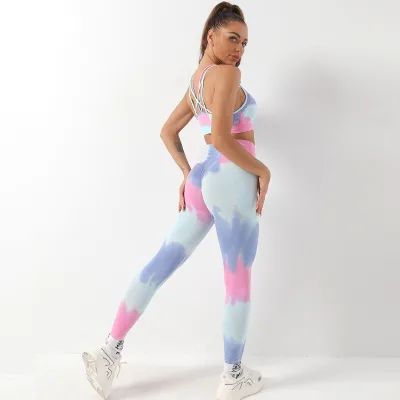
Tie-Dye Yoga Suit Long-Sleeved Hip-Lifting Fitness Clothes Hollow Seamless Yogaset
$13.50 - $17.50
MOQ: 2 Sets

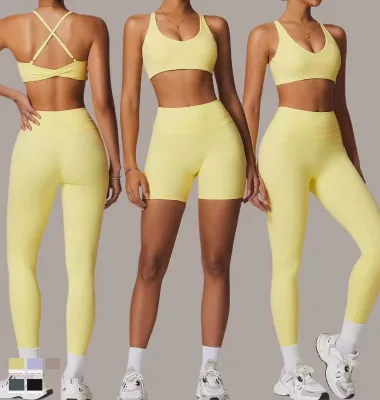
Seamless Knit Tie Dye Yoga Wear Fitness Suit Exercise High Waist Stretchy Leggings Women
$12.50 - $13.90
MOQ: 2 Sets


Seamless Yoga Suit Tight Hip Lifting Tie Dye Fitness Suit Women's Bra Pants Sports Set
$14.00 - $16.00
MOQ: 2 Sets
Yiwu Basha Sports Development Co., Ltd.
- Verified by SGS Group
- Manufacturer, Trading Company
- Lead time15 days
- Avg. response≤ 2h
Main productsSeamless yoga wear; Cut and Sew Gym wear, Tracksuit; Long & Short Sleeve Shirts, Swimwear
Main marketsNorth America(30%), Oceania(20%), Eastern Europe(15%)
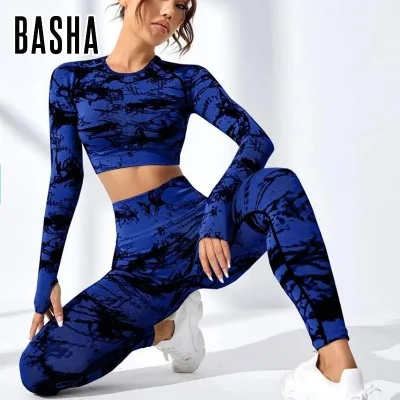
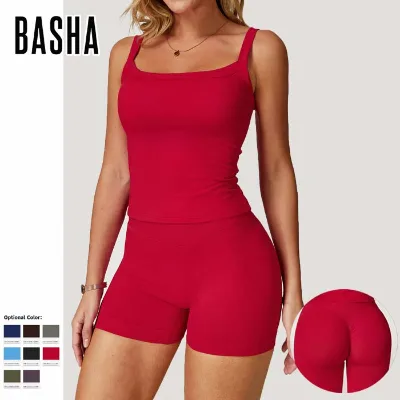
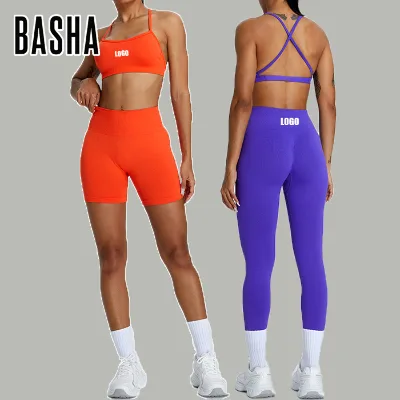
$15.9043 - $16.827
MOQ: 1 Minimum
Xiamen Customing Garment Co., Ltd.
- Verified by TüVRheinland
- Trading Company
- Fujian, China
- Lead time15 days
- Avg. response≤ 5h
Main productsYoga Set, Jumpsuit, Yoga Bra, Yoga Leggings, Tennis Wear
Main marketsNorth America(60%), Southern Europe(15%), Domestic Market(15%)

- Verified by BV
- Manufacturer/Factory
- China Fujian
- Lead time30 days
- Avg. response≤ 9h
Main productsSeamless Activewear, Private Label Yoga Set, Sports Bra & Leggings OEM, Seamless Yoga Sets, High Waist Leggings, Sports Bra Sets, Men's Activewear, Swimwear OEM
Main marketsSouth America,Eastern Europe,Mid East,North America,Southeast Asia,Eastern Asia,Oceania,Western Europe,Africa


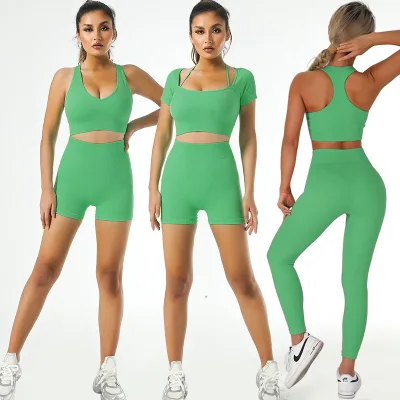
Camouflage Printed Yoga Suit Sets Sport Bra Shorts Seamless Women Yoga Clothes
$10.00 - $13.00
MOQ: 50 Sets


shanghai jspeed industry co.,ltd
- Trading Company
- China Shanghai
- Lead time60 days
- Avg. response≤ 5h
Main productsSwimwear, Underwear, Sportswear, Socks, Dress, Skirt, Pants, Shorts, Textile
Main marketsSouth America,Southeast Asia/ Mideast,Domestic,Europe,Australia,North America


Seamless Women's Yoga Pants Hip Breathable Yoga Suit Tight Waist Exercise Leggings Fitness Pants
$3.90 - $19.90
MOQ: 100 Pieces

Seamless Yoga Pants Women Lift Hip High Waist Tight Running Fitness Fast Dry
$3.90 - $19.90
MOQ: 100 Pieces
Jinhua Yongxing Knitting Co., Ltd
- Manufacturer
- Zhejiang, China
- Lead time40 days
- Avg. response≤ 4h
Main productsSeamless Jumpsuit, Yoga Suit, Seamless Body Shaping Suit, Yoga Legging, Sports Bra
Main marketsNorth America(54.00%), Eastern Europe(30.00%), Southeast Asia(9.00%), Domestic Market(7.00%)
Yiwu Chunwei Clothing Co., Ltd.
- Verified by SGS Group
- Manufacturer, Trading Company
- Lead time0 days
- Avg. response≤ 8h
Main productsYoga clothes, Yoga pants, Yoga leggings, Sports bras, Yoga jumpsuits
Main marketsNorth America(70%), Western Europe(20%), Southeast Asia(10%)

Ganzhou Shenwei Garments Co., Ltd.
- Trading Company
- Jiangxi, China
- Lead time30 days
- Avg. response≤ 2h
Main productsSport Bra,Yoga Leggings,Yoga Sets,Fitness Wear,Tennis Wear
Main marketsSouth America(20.00%), Eastern Europe(20.00%), North America(10.00%), Oceania(10.00%), Mid East(10.00%), Western Europe(10.00%), Central America(10.00%), Northern Europe(10.00%)

Hangzhou Shangyou Apparel Co., Ltd.
- Verified by TUVRHEINLAND
- Combined
- China Zhejiang
- Lead time30 days
- Avg. response≤ 7h
Main productsSport Bra, Yoga Leggings, Sports Jackets, Active Wear, Underwear Lingerie, Gym Wear, Athletic Wear, Fitness Wear
Main marketsEurope,North America

Seamless fashion Yoga Suit Women's Running Quick-Drying Yoga Suit Sports Fitness Suit
$13.50 - $17.00
MOQ: 2 Sets

Camo Print Seamless Yoga Suit Quick-Drying High-Waisted Running Fitness Tight Suit
$12.50 - $13.90
MOQ: 3 Pieces


Xiamen Junmao Technology Co., LTD
- Verified by BV
- Combined
- China Fujian
- Lead time30 days
- Avg. response≤ 4h
Main productsFootball Kit, Sportswear, Football Equipment, Gym Wear, Yoga Set, Sports Products
Main marketsAfrica,Southeast Asia/ Mideast,Europe,Australia,North America

Gym Workout Clothes Yoga Suit for Women Gradient Seamless Yoga Suit for Women
$5.90 - $13.00
MOQ: 2 PCS

Tight Printed Tie Dye Sports Peach Butt Gym Bra High Waisted Pants Seamless Yoga Suit
$13.20 - $15.60
MOQ: 2 Pcs

$10.00 - $17.00
MOQ: 5 Pieces

New Arrivals Women Seamless Leggings Soft High Waist Yoga Pants Fitness Leggings
$5.80 - $6.70
MOQ: 2 Pieces

Nuolang (Guangdong) Garment Industry Co., Ltd.
- Verified by BV
- Combined
- China Guangdong
- Lead time15 days
- Avg. response≤ 2h
Main productsT-Shirt, Polo Shirt, Shirt, Coverall, Suit, Uniform, Sportswear, Casual Wear
Main marketsSoutheast Asia/ Mideast
Zhejiang G Top Clothing Co., Ltd.
- Verified by TüVRheinland
- Manufacturer, Trading Company
- Lead time25 days
- Avg. response≤ 3h
Main productsYoga Clothes, Sports Clothes, Swimsuit, Underwear, Casual Wear
Main marketsNorth America(85%), Eastern Europe(10%), South America(5%)

Dongguan Humen Hucai Garment Co., Ltd.
- Verified by SGS
- Combined
- China Guangdong
- Lead time30 days
- Avg. response≤ 6h
Main productsSportswear, Yoga Pants, Sports Bra, T Shirt, Tank Top, Jogger Pants, Tracksuit, Hoodies, Shorts, Leggings
Main marketsSouth America,Africa,Southeast Asia/ Mideast,East Asia(Japan/ South Korea),Domestic,Europe,Australia,North America

- Verified by TUVRHEINLAND
- Trading Company
- China Zhejiang
- Lead time15 days
- Avg. response≤ 9h
Main productsSport Wear, Yoga Pants, Sports Bra, Sports Cap, Waist Bag, Sports Sock, Sports Towel, Quick Dry Clothes, Yiwu Buying Agent, Sourcing Agent
Main marketsSouth America,Europe,North America


Quick Dry Seamless Breathable Women′ S Long Sleeve Sports Yoga Suit
$6.34 - $7.46
MOQ: 50 Pieces

Xiamen Meiju Garment Co., Ltd.
- Verified by TUVRHEINLAND
- Trading Company,Manufacturer/Factory
- China Fujian
- Lead time23 days
- Avg. response≤ 4h
Main productsSports Wear, Yoga Wear, Gym Wear, Fashion Fitness, Sportswear, Hoodies, Sportswear Fitness Wear, Tracksuit, Swimwear, Men's Sportswear
Main marketsSouth America,Eastern Europe,Mid East,North America,Southeast Asia,Eastern Asia,Oceania,Western Europe,Africa


Women High-Strength Beauty Back Seamless Yoga Suit Thread Elastic Tight Bodybuilding Wear
$6.50 - $8.50
MOQ: 1 Set
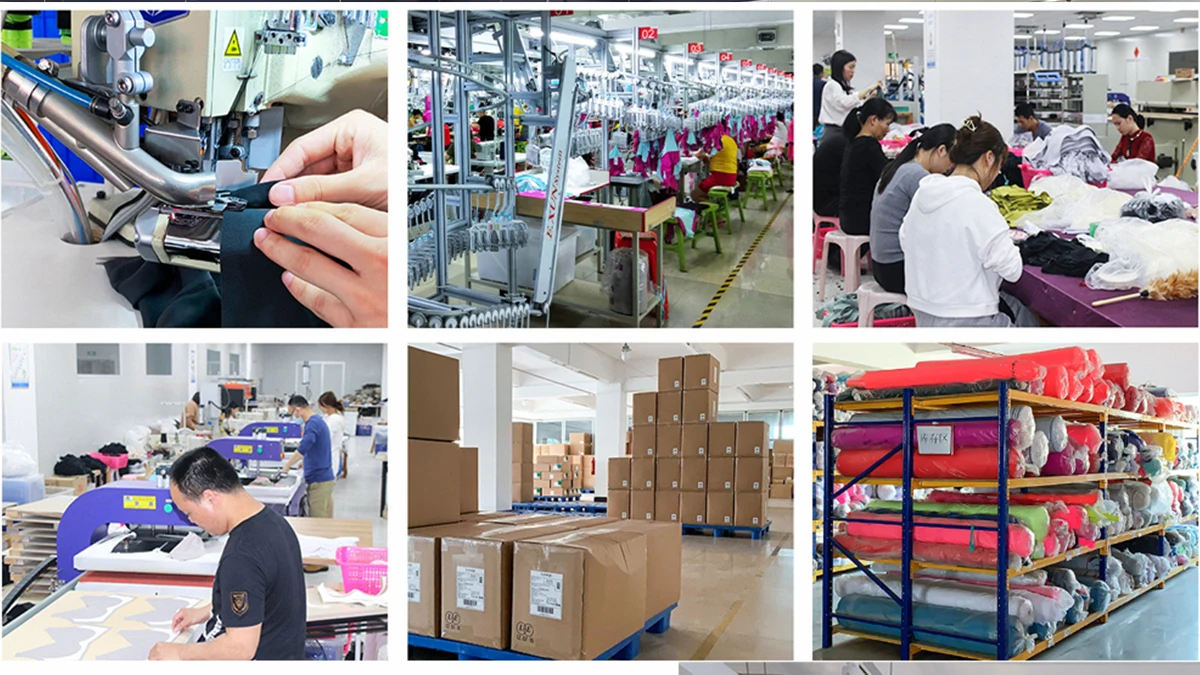
Quanzhou Helian Trading Co., Ltd.
- Trading Company
- Fujian, China
- Lead time45 days
- Avg. response≤ 2h
Main productssportswear,jersey,sauna suit,fitness yoga wear,outdoor clothing
Main marketsNorth America(20.00%), Southeast Asia(15.00%), South America(15.00%), Western Europe(10.00%), Oceania(10.00%), Eastern Europe(10.00%), Southern Europe(5.00%), Northern Europe(5.00%), Central America(5.00%), Eastern Asia(5.00%)
Dongguan Yuxiangchun Clothing Co., Ltd.
- Verified by SGS Group
- Manufacturer, Trading Company
- Lead time30 days
- Avg. response≤ 5h
Main productsYoga Pants, T-Shirt, Hoodies
Main marketsNorth America(40%), Western Europe(20%), South America(10%)
- Manufacturer, Trading Company
- Guangdong, China
- Lead time15 days
- Avg. response≤ 3h
Main productsFitness clothes,yoga clothes,sport clothes,gym clothes,football/ basketball uniform
Main marketsNorth America(42.00%), Northern Europe(26.00%), Mid East(17.00%), South America(10.00%), South Asia(5.00%)
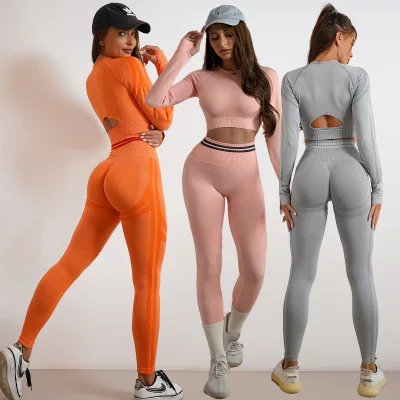
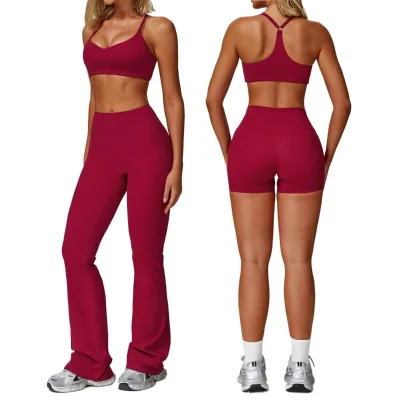
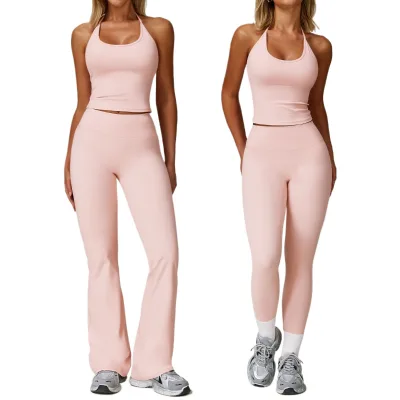
$13.2843 - $16.8615
MOQ: 2 Minimum
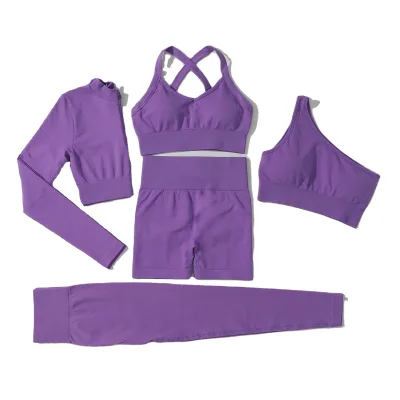
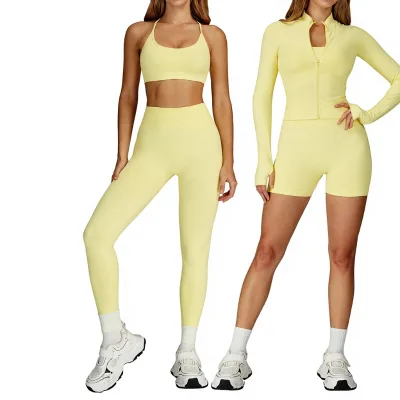
High Waist Sports Hip Lift Fitness Pants Knitted Yoga Sets Seamless Yoga Bra Zipper Long Sleeve Sets
$6.1313 - $8.1761
MOQ: 2 Minimum

Yuanyang Jiaxi Department Store Co., Ltd.
- Trading Company
- Henan, China
- Lead time35 days
- Avg. response≤ 3h
Main productsClothing and Apparel,Men's sports training and fitness clothing,Men's sports training and fitness clothing,Men's sports training and fitness clothing,Fitness swimwear
Main marketsNorth America(60.00%), Southern Europe(10.00%), Northern Europe(10.00%), Western Europe(10.00%), Eastern Europe(10.00%)
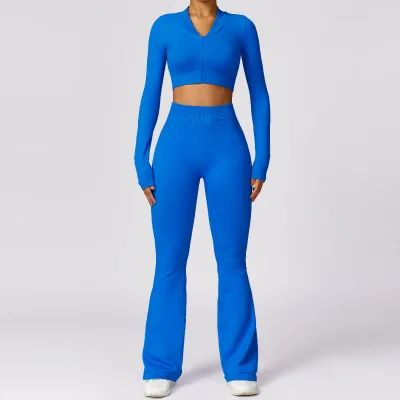
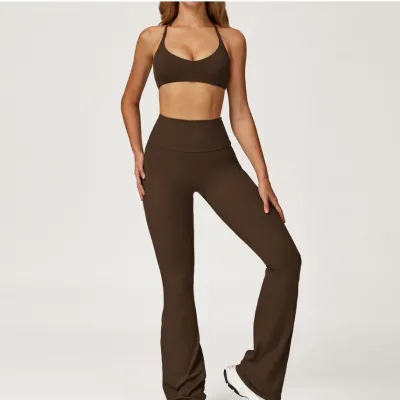
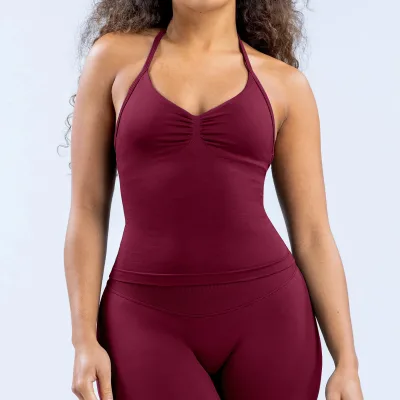
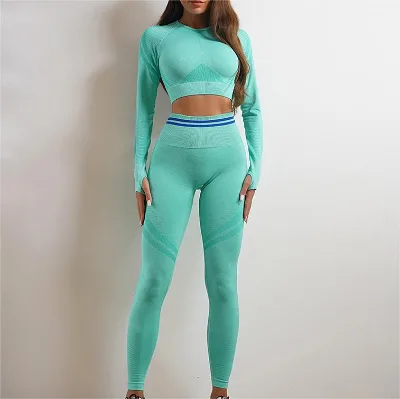
Women's yoga vest, camisole, fitness suit
$7.80 - $8.20

Ningbo East Packaging Technology Co., Ltd.
- Verified by BV
- Trading Company
- China Zhejiang
- Lead time23 days
- Avg. response≤ 3h
Main productsDisposable Gloves, Nitrile Gloves, Vinyl Gloves, Latex Gloves, Food Packaging, Disposable Tableware, PPE Products, Packaging & Labels, Flashlights, General Consumer Products
Main marketsDomestic
Shenzhen Danying Technology Co., Ltd.
- Manufacturer, Trading Company, Distributor/Wholesaler
- Guangdong, China
- Lead time7 days
- Avg. response≤ 2h
Main productsYOGA LEGGINGS,YOGA SET,SPORTS BRA,MEN'S WEAR,SPORTSWEAR
Main marketsNorth America(60.00%), Northern Europe(20.00%), Western Europe(10.00%), Southern Europe(2.00%), South America(2.00%), Eastern Europe(2.00%), Mid East(2.00%), Southeast Asia(2.00%)
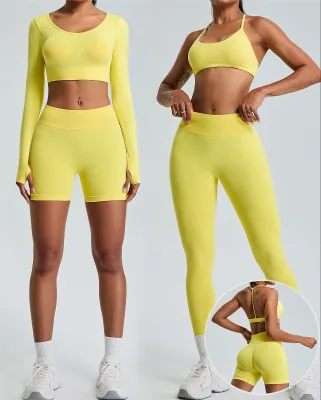
$13.2453 - $15.2991
MOQ: 5 pieces
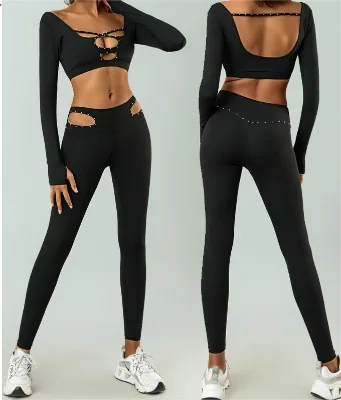
$19.4321 - $20.4612
MOQ: 5 pieces

Nanchang Ketai Safety Protective Articles Co., Ltd.
- Verified by TUVRHEINLAND
- Trading Company
- China Jiangxi
- Lead time30 days
- Avg. response≤ 12h
Main productsWorkwear, Uniform, Work Clothing, Work Pants, Work Shirts, Coveralls, Jackets, Salon Uniform, Lab Coat, Hospital Uniform
Main marketsSouth America,Africa,Southeast Asia/ Mideast,East Asia(Japan/ South Korea),Europe,Australia,North America

Women Seamless Fitness Sport Cloth High Waist Running Leggings Yoga Suit
$7.00 - $10.00
MOQ: 300 Pieces

Seamless Fitness Stretchy Workout Sport Set Bra Legging Gym Women Yoga Suit
$7.00 - $10.00
MOQ: 300 Pieces

- Verified by TüVRheinland
- Trading Company
- Lead time90 days
- Avg. response≤ 6h
Main productsFitness Wear, Yoga Wear, Running Wear, Team Wear
Main marketsWestern Europe(65%), North America(15%), Oceania(10%)
Xiamen Biyou Clothing Co., Ltd.
- Verified by SGS Group
- Trading Company
- Lead time0 days
- Avg. response≤ 1h
Main productsYoga Wear, Sweatshirts, Muslim Sportwear
Main marketsWestern Europe(40%), Oceania(30%), North America(30%)
- Verified by Intertek
- Trading Company
- Lead time45 days
- Avg. response≤ 2h
Main productsYoga Wear, Tennis Wear, Hoodies Sweatshirt T-shirt, Pickleball Wear, Golf Wear
Main marketsNorth America(40%), Western Europe(40%), South America(10%)
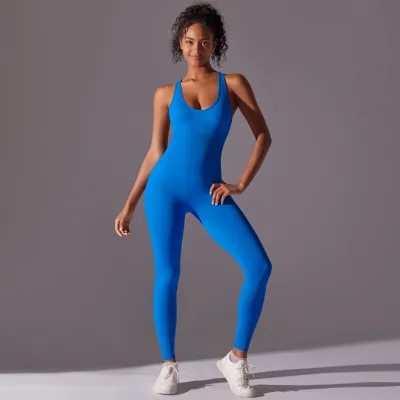
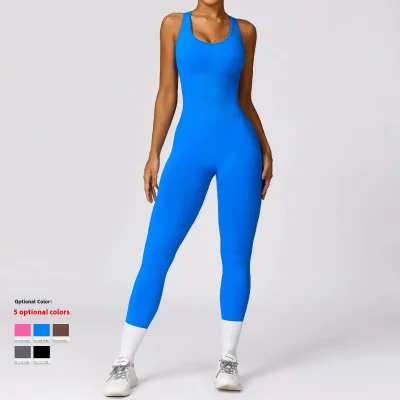
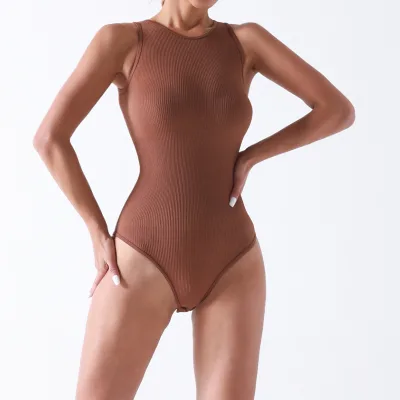
New Style European-American Style Tight-fitting Solid-color One-piece Yoga Suit
$6.4369
MOQ: 1 Minimum
$12.1997 - $12.6851
MOQ: 50 pieces
Jiangxi Love Nature Outdoor Products Co., Ltd.
- Verified by TüVRheinland
- Trading Company
- Lead time25 days
- Avg. response≤ 2h
Main productsYoga Sets, T-Shirts, Outdoor& Hiking Clothing, Athletic Bags, Sport Glove
Main marketsNorth America(40%), Oceania(10%), Western Europe(10%)

Xiamen Honore Supply Chain Management Co., Ltd.
- Trading Company
- Fujian, China
- Lead time15 days
- Avg. response≤ 3h
Main productsSport Wear, Hoodie, T-shirt, Swiming Wear, Yoga Wear
Main marketsNorth America(60.00%), Western Europe(15.00%), Eastern Europe(15.00%), Mid East(10.00%), South Asia(0.00%), Eastern Asia(0.00%), South America(0.00%), Oceania(0.00%), Southern Europe(0.00%), Central America(0.00%), Northern Europe(0.00%), Africa(0.00%), Domestic Market(0.00%), Southeast Asia(0.00%)
Yiwu Xingyue Knitting Co., Ltd.
- Trading Company
- Zhejiang, China
- Lead time0 days
- Avg. response≤ 5h
Main productsPantyhose,Fishnet,Stockings,Leggings,yoga pants
Main marketsNorth America(25.00%), Eastern Europe(15.00%), Eastern Asia(10.00%), Mid East(10.00%), Africa(10.00%), Southeast Asia(10.00%), Western Europe(10.00%), South Asia(5.00%), South America(5.00%)
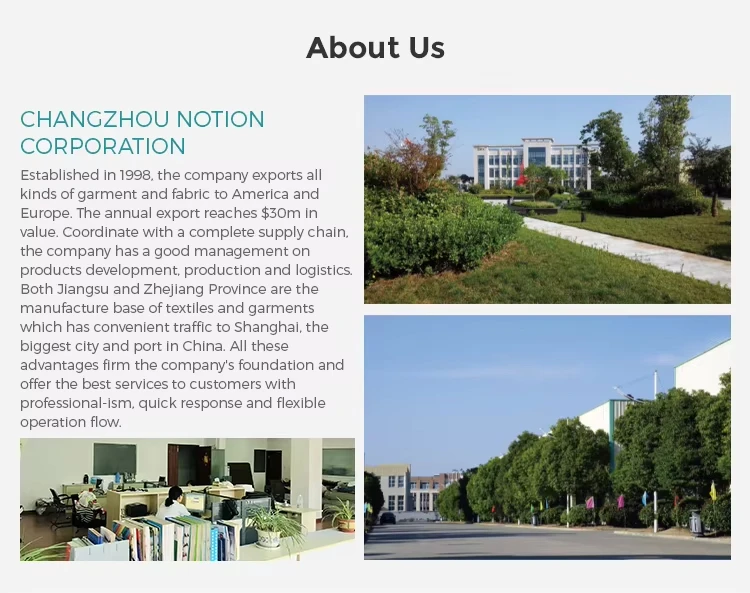
Changzhou Notion Trading Co., Ltd.
- Trading Company
- Jiangsu, China
- Lead time60 days
- Avg. response≤ 2h
Main productsLegging,Jacket,Pant,Shirt,Skirt
Main marketsNorth America(90.00%), Western Europe(10.00%)
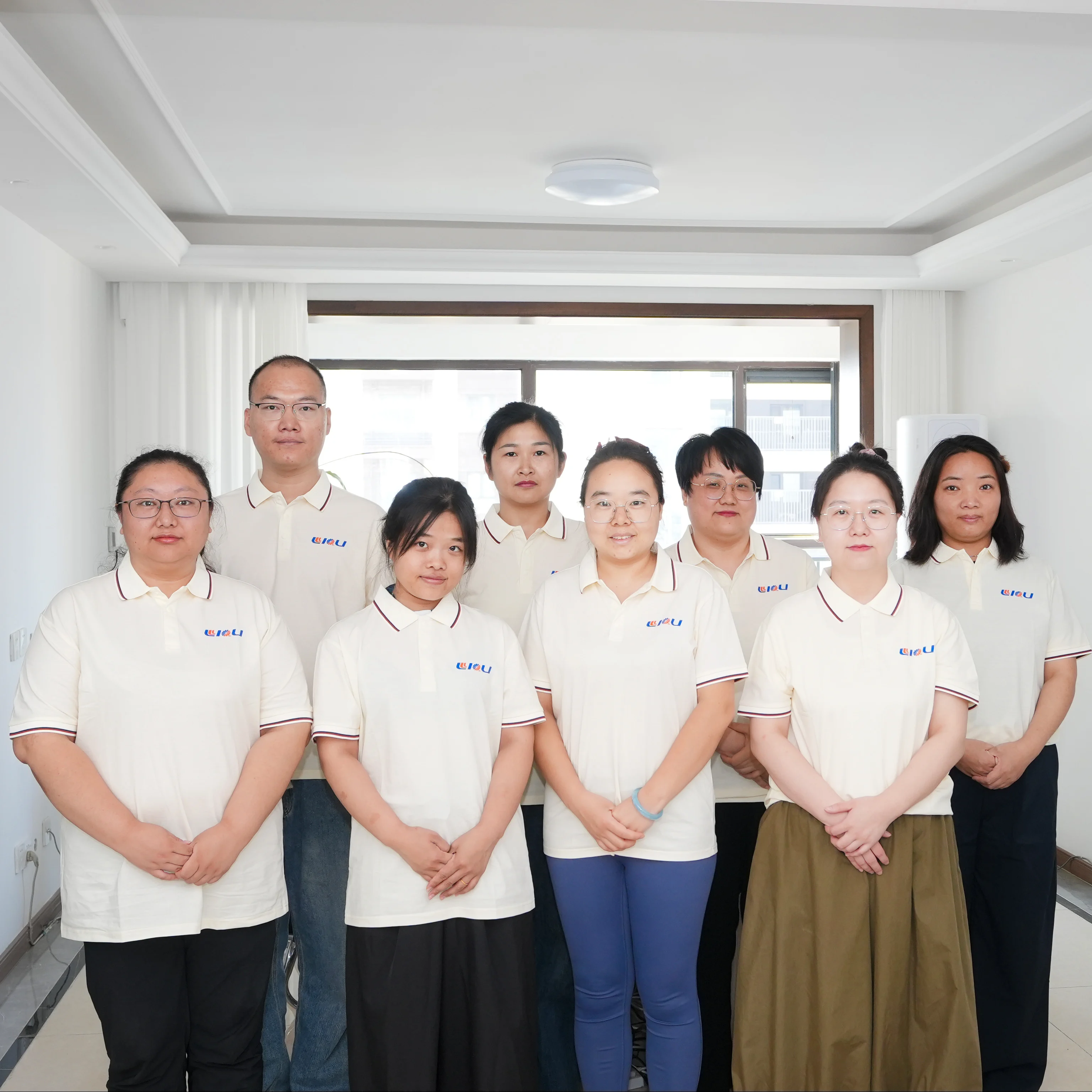
Hengshui Lihao Import And Export Trading Co., Ltd.
- Trading Company
- Hebei, China
- Lead time15 days
- Avg. response≤ 4h
Main productsMen's clothing,Women's clothing,Underwear,watch,socks
Main marketsNorth America(50.00%), Eastern Europe(10.00%), Southeast Asia(9.00%), Western Europe(5.00%), South America(5.00%), Africa(4.00%), Eastern Asia(4.00%), Mid East(4.00%), Oceania(4.00%), Domestic Market(1.00%), South Asia(1.00%), Southern Europe(1.00%), Northern Europe(1.00%), Central America(1.00%)
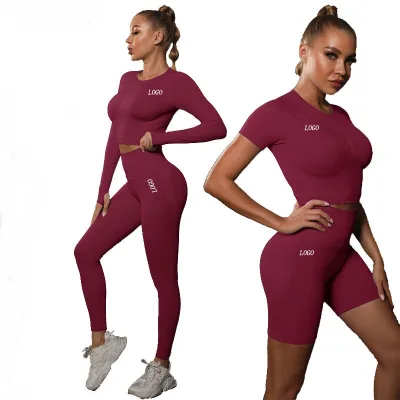
$10.4545 - $10.9773
MOQ: 10 pieces
$10.3677 - $10.886
MOQ: 10 pieces


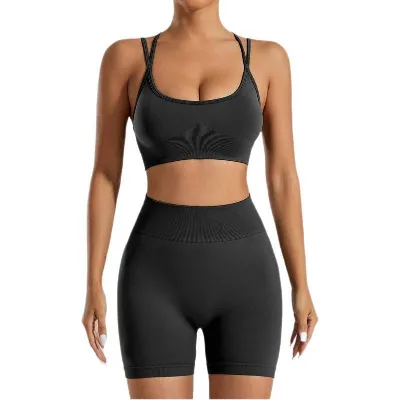
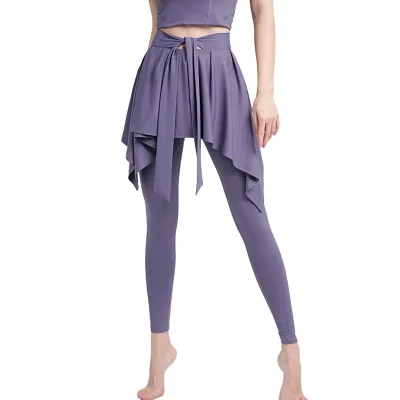
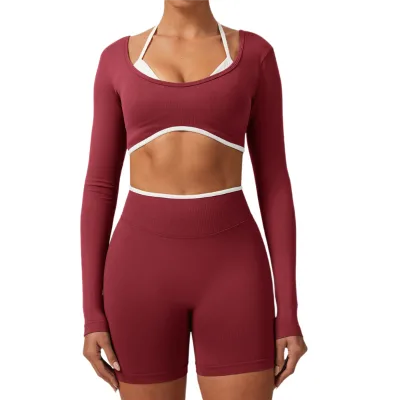
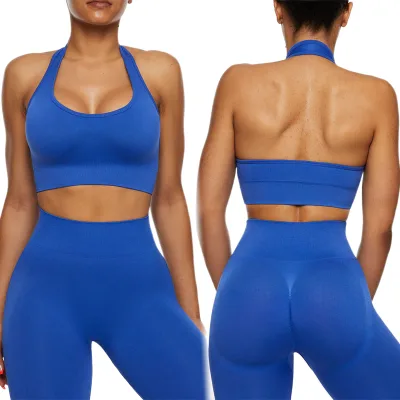


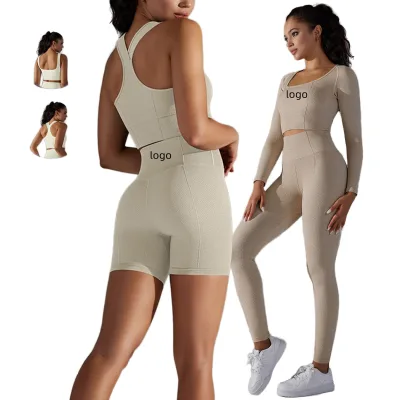


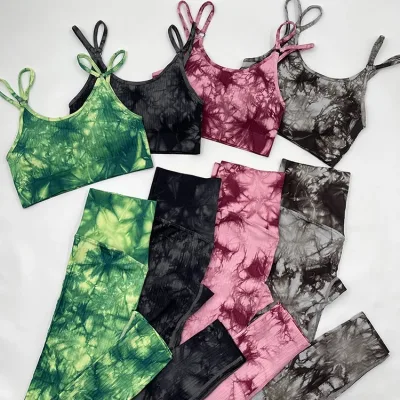
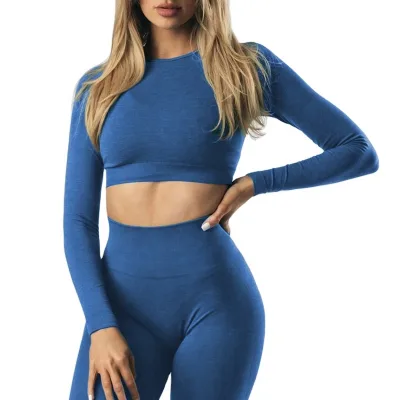
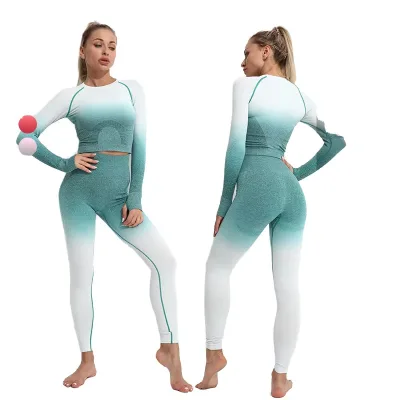


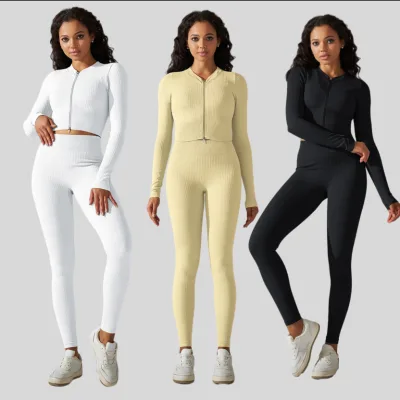
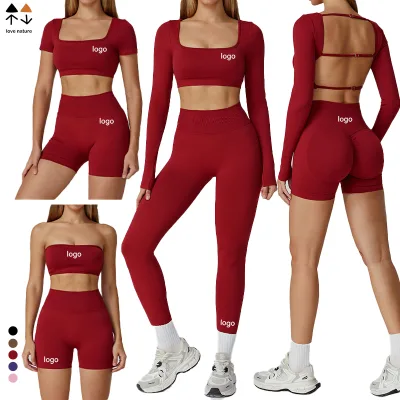
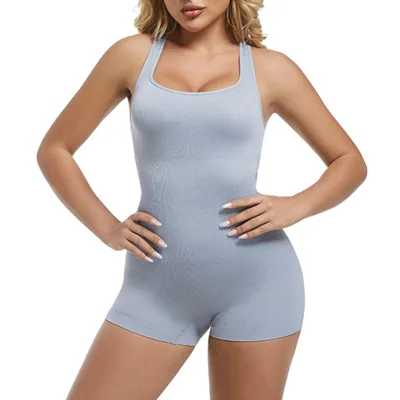
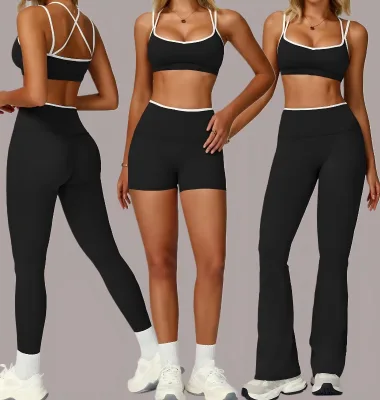
Comprehensive Sourcing Guide
Seamless Tie-Dye Yoga Suit Supplier Concentration and Factory Types
The current supplier landscape for seamless tie-dye yoga suits reveals a distinct geographic concentration in China, specifically within the Shanghai and Anhui provinces. These regions serve as primary hubs for apparel manufacturing, offering established supply chains for knitwear and activewear. Suppliers located in Shanghai often operate as trading companies, leveraging their proximity to major ports and logistics networks to facilitate international trade. This trading company model allows for a broader aggregation of products, including men’s and women’s swimwear, underwear, and various sportswear categories, providing buyers with a one-stop solution for diverse apparel needs. In contrast, suppliers based in Anhui, such as those in Hefei, may present a different operational structure, potentially focusing more directly on production capabilities for specific items like leggings and swimsuits. Understanding this geographic distribution is crucial for buyers, as it influences shipping costs, communication time zones, and the overall reliability of the supply chain. The presence of verified suppliers in these specific locations indicates a mature industrial ecosystem capable of handling complex manufacturing requests, such as the intricate dyeing processes required for tie-dye patterns. Buyers should consider how the location of the factory impacts their specific logistical requirements, whether they prioritize rapid prototyping in Shanghai or specialized production in Anhui. The concentration of these suppliers suggests that sourcing from these areas can offer competitive advantages in terms of material availability and skilled labor, which are essential for producing high-quality seamless garments.
Factory types vary significantly among the available suppliers, ranging from pure trading entities to those with direct manufacturing capabilities. Trading companies often act as intermediaries, connecting buyers with multiple factories and managing quality control and logistics on their behalf. This can be beneficial for buyers who need to consolidate orders from different sources or require a single point of contact for diverse product lines. However, it is essential to verify whether the trading company has direct oversight of the production process or merely resells goods from other sources. Some suppliers offer both OEM and ODM services, indicating a level of technical expertise in design and manufacturing. This capability is particularly relevant for seamless yoga suits, where the knitting technology and dyeing techniques are critical to the final product’s quality and fit. Suppliers that provide OEM services allow buyers to customize designs, while those offering ODM can provide ready-made designs that can be slightly modified. The distinction between these factory types affects the level of control a buyer has over the production process, from material selection to final packaging. Buyers must carefully assess the supplier’s stated company type to ensure it aligns with their strategic goals, whether they seek deep customization or efficient standard production. The availability of both types in the current results provides flexibility, allowing buyers to choose based on their specific operational needs and risk tolerance.
How to Verify Seamless Tie-Dye Yoga Suit Suppliers
Verification is a critical step in ensuring the reliability and legitimacy of seamless tie-dye yoga suit suppliers. Buyers should prioritize suppliers who have undergone third-party verification processes, as these provide an independent assessment of the supplier’s business practices and capabilities. In the current results, some suppliers are verified by BV, while others hold TUVRHEINLAND certifications. These verifications indicate that the suppliers have met specific standards for business legitimacy and operational integrity. However, it is important to note that not all suppliers display certification information, with some showing NIL for system certifications. Buyers should actively seek out suppliers with visible verification badges and review the details of the verification report if available. This step helps mitigate the risk of engaging with fraudulent or unreliable entities. Additionally, buyers should verify the supplier’s response time, as a quick and professional response can indicate a well-organized and customer-focused operation. Suppliers with response times under four hours, for example, demonstrate a high level of attentiveness, which is crucial for resolving issues quickly during the sourcing process. Buyers should also check for any additional credentials or industry memberships that may further validate the supplier’s expertise in activewear manufacturing.
Beyond verification badges, buyers should conduct thorough due diligence on the supplier’s product offerings and production capabilities. Reviewing the specific product details, such as material composition, size standards, and customization options, can provide insights into the supplier’s technical proficiency. For seamless yoga suits, key attributes to verify include the fabric blend, such as Nylon and Spandex, which are common for their stretch and durability. Buyers should also examine the supplier’s ability to handle complex designs, such as tie-dye patterns, which require specialized dyeing techniques. The availability of samples is another important factor, as it allows buyers to assess the quality of the product before committing to a large order. Suppliers that offer samples demonstrate confidence in their product quality and are more likely to be reliable partners. Additionally, buyers should verify the supplier’s production capacity and lead times to ensure they can meet the buyer’s delivery requirements. This includes understanding the minimum order quantities (MOQ) and the flexibility of the supplier to accommodate smaller or larger orders. By combining verification checks with detailed product and operational assessments, buyers can build a comprehensive profile of each supplier, reducing the risk of sourcing errors and ensuring a smoother procurement experience.
What to Compare Across Seamless Tie-Dye Yoga Suit Suppliers
When evaluating seamless tie-dye yoga suit suppliers, buyers must compare several key dimensions to identify the most suitable partner for their needs. One of the primary factors is the lead time, which varies significantly among suppliers. For instance, some suppliers offer a lead time of 30 days, while others may require up to 60 days. This difference can impact the buyer’s inventory planning and ability to respond to market demands. Buyers should align their choice of supplier with their required delivery schedules, considering whether they need rapid turnaround for urgent orders or can accommodate longer production cycles for cost savings. Another critical comparison point is the minimum order quantity (MOQ). Suppliers may have MOQs ranging from as low as two sets to as high as 200 units. This variation allows buyers with different order volumes to find a supplier that matches their scale, whether they are testing the market with small batches or placing large bulk orders. Buyers should also compare the pricing structures, noting that prices can range from approximately $4.00 to $17.50 per unit depending on the product complexity and order volume. Understanding these cost differences helps buyers budget effectively and negotiate better terms.
In addition to lead times and MOQs, buyers should compare the suppliers’ response times and main product offerings. A faster response time, such as under four hours, can facilitate quicker communication and problem resolution, which is essential for maintaining a smooth supply chain. Buyers should also assess the supplier’s main products to ensure they have expertise in the specific category of seamless yoga suits. Suppliers that specialize in sportswear, fitness wear, and yoga sets are likely to have more refined processes and higher quality standards for these items. Furthermore, buyers should compare the customization options available, such as logo printing, fabric choices, and design modifications. Suppliers that offer extensive customization capabilities can help buyers create unique products that stand out in the market. The availability of OEM and ODM services is another important factor, as it indicates the supplier’s ability to support the buyer’s brand development. By systematically comparing these dimensions, buyers can make informed decisions that balance cost, quality, and service, ultimately selecting a supplier that best supports their business objectives. This comparative approach ensures that buyers do not overlook critical factors that could impact the success of their sourcing efforts.
Common Seamless Tie-Dye Yoga Suit Sourcing Risks
Sourcing seamless tie-dye yoga suits involves several potential risks that buyers must be aware of and mitigate. One significant risk is the inconsistency in product quality, particularly regarding the tie-dye patterns and fabric durability. Tie-dye processes can be complex, and variations in dye application may lead to uneven colors or fading after washing. Buyers should request samples to verify the quality of the dyeing process and ensure that the colors are vibrant and consistent. Additionally, the fabric composition, such as the blend of Nylon and Spandex, must meet the buyer’s specifications for stretch, comfort, and longevity. Inconsistent fabric quality can lead to customer dissatisfaction and returns, damaging the buyer’s brand reputation. Another risk is the reliability of the supplier’s delivery schedule. Suppliers may experience delays due to material shortages, production bottlenecks, or logistical issues. Buyers should establish clear communication channels and regular check-ins to monitor production progress and address any potential delays promptly. It is also important to verify the supplier’s capacity to handle the order volume, as overcommitting can lead to quality compromises or missed deadlines.
Intellectual property and design theft are additional risks, especially when working with suppliers that offer OEM services. Buyers should ensure that their designs and branding are protected through appropriate legal agreements and confidentiality clauses. Suppliers may inadvertently or intentionally share designs with other clients, leading to market saturation and reduced competitive advantage. Buyers should also be cautious of suppliers that do not provide clear information about their manufacturing processes or certifications. Lack of transparency can indicate potential issues with labor practices, environmental standards, or product safety. Buyers should verify that the supplier adheres to relevant industry standards and regulations, particularly for products intended for international markets. Furthermore, the risk of currency fluctuations and trade tariffs can impact the final cost of goods. Buyers should consider these financial factors when negotiating prices and planning their budgets. By identifying and addressing these risks proactively, buyers can minimize disruptions and ensure a more secure and profitable sourcing experience. Understanding these common pitfalls allows buyers to implement effective risk management strategies and protect their interests throughout the procurement process.
Seamless Tie-Dye Yoga Suit Regional Sourcing and Logistics
Regional sourcing plays a crucial role in determining the logistics and overall cost structure for seamless tie-dye yoga suits. Suppliers located in China, particularly in Shanghai and Anhui, offer distinct logistical advantages due to their proximity to major shipping ports and manufacturing hubs. Shanghai, as a global trade center, provides efficient access to international shipping routes, reducing transit times and costs for buyers in North America, Europe, and other regions. This geographic advantage can be particularly beneficial for buyers who require fast delivery and reliable logistics support. On the other hand, suppliers in Anhui, such as those in Hefei, may offer competitive pricing due to lower operational costs in the region. However, buyers should consider the additional logistics costs associated with transporting goods from inland locations to coastal ports. Understanding these regional differences allows buyers to optimize their supply chain by selecting suppliers that align with their logistical preferences and budget constraints. Buyers should also evaluate the supplier’s experience with international shipping, including their ability to handle customs clearance and documentation requirements.
Logistics planning should also account for the packaging and handling of the products. Seamless yoga suits are often packaged in polybags or cartons, which can affect the volume and weight of the shipment. Buyers should verify the packaging specifications with the supplier to ensure they meet the buyer’s storage and display requirements. Efficient packaging can reduce shipping costs and minimize the risk of damage during transit. Additionally, buyers should consider the supplier’s ability to provide tracking information and updates throughout the shipping process. Reliable logistics partners and suppliers can provide real-time visibility into the shipment’s status, allowing buyers to plan their inventory and sales strategies accordingly. Buyers should also be aware of any regional trade agreements or tariffs that may impact the cost of importing goods from China. Understanding these logistical and regulatory factors helps buyers make informed decisions about their sourcing strategy and ensures a smooth transition from production to delivery. By prioritizing efficient logistics and regional advantages, buyers can enhance their competitiveness and customer satisfaction in the activewear market.
Seamless Tie-Dye Yoga Suit Commercial Terms and Order Planning
Commercial terms and order planning are essential components of a successful sourcing strategy for seamless tie-dye yoga suits. Buyers should carefully review the payment terms, including the deposit requirements and balance payment schedules, to ensure they align with their cash flow management. Suppliers
FAQs
What is the price range for seamless tie-dye yoga suits?
Prices for these yoga suits typically range from $4.00 to $17.50 per unit. The lower end reflects basic polyester blends, while higher costs cover nylon-spandex mixes with advanced features like moisture-wicking and anti-UV protection. Buyers should expect variations based on material quality and customization options.
What is the minimum order quantity for these suits?
Minimum order quantities vary significantly by supplier. Some manufacturers require a bulk purchase of 200 units, while others accept small trial orders of just two sets. Buyers seeking low-volume testing should specifically look for suppliers offering the lower MOQ threshold to minimize initial inventory risk.
How long does production take for these orders?
Lead times generally span 30 to 60 days depending on the supplier's capacity and order volume. Some providers offer rapid delivery windows of three to five working days for samples or specific stock items. Standard bulk production usually requires the longer timeframe to ensure quality control and manufacturing completion.
What materials are used in these yoga suits?
Common materials include polyester-spandex blends and nylon-spandex combinations. These fabrics are selected for their breathability, quick-drying properties, and four-way stretch capabilities. The materials ensure comfort during intense workouts while maintaining the suit's shape and providing features like moisture-wicking and anti-static protection for various sports activities.
Are these suits available with custom logos?
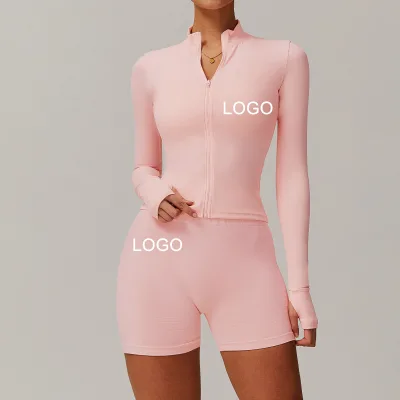
Yes, most suppliers offer customized logo printing services for these yoga suits. Buyers can typically add their branding to the garments, often with flexible packaging options. This customization allows businesses to create unique product lines, though specific requirements and additional costs should be confirmed directly with the manufacturer before ordering.
Where are these suppliers located?
Manufacturers for these products are primarily located in China, specifically in regions like Shanghai and Anhui. These areas are known for their strong apparel manufacturing infrastructure. Buyers sourcing from these locations can access a wide variety of styles, from seamless designs to tie-dye patterns, with established supply chains.