Second Generation Fog Lamp Suppliers and Manufacturers
Compare 23 verified suppliers offering Second Generation Fog Lamp products with varying lead times, certifications, and response speeds. Review specifications like E-mark and ISO standards, then contact vendors directly to request quotes for your specific automotive lighting needs; review the available evidence before requesting comparable quotations from suitable candidates.
Suppliers List

Shenzhen Aurora Technology Limited
- Verified by TUVRHEINLAND
- Combined
- China Guangdong
- Lead time15 days
- Avg. response≤ 9h
Main productsLED Display, LED Lighting, LED Tube Light, LED Bulb Light, LED Ceiling Light, LED Street Light, LED Spot Light, LED Down Light, LED Panel Light, LED Headlight
Main marketsNorth America

Guangzhou Brace Auto Parts Co., Ltd.
- Verified by BV
- Trading Company
- China Guangdong
- Lead time23 days
- Avg. response≤ 9h
Main productsAuto Parts, Engine, Radiator, Brakeswindshield, Taillights, Headlights, Shock Absorber, Resonator, Rear Axle, Alternator
Main marketsSouth America,Eastern Europe,Mid East,North America,Southeast Asia,Eastern Asia,Oceania,Western Europe,Africa
Ningbo Fenghua Gogo Automatic Trading Company Limited
- Trading Company
- Lead time旺季: "1 - 6":15,"> 6":"To be negotiated", 淡季: "1 - 6":15,"> 6":"To be negotiated"
- Avg. response≤ 7h
Main productsMechanical Parts, Auto Parts, Electric Parts, Pneumatic, Valve
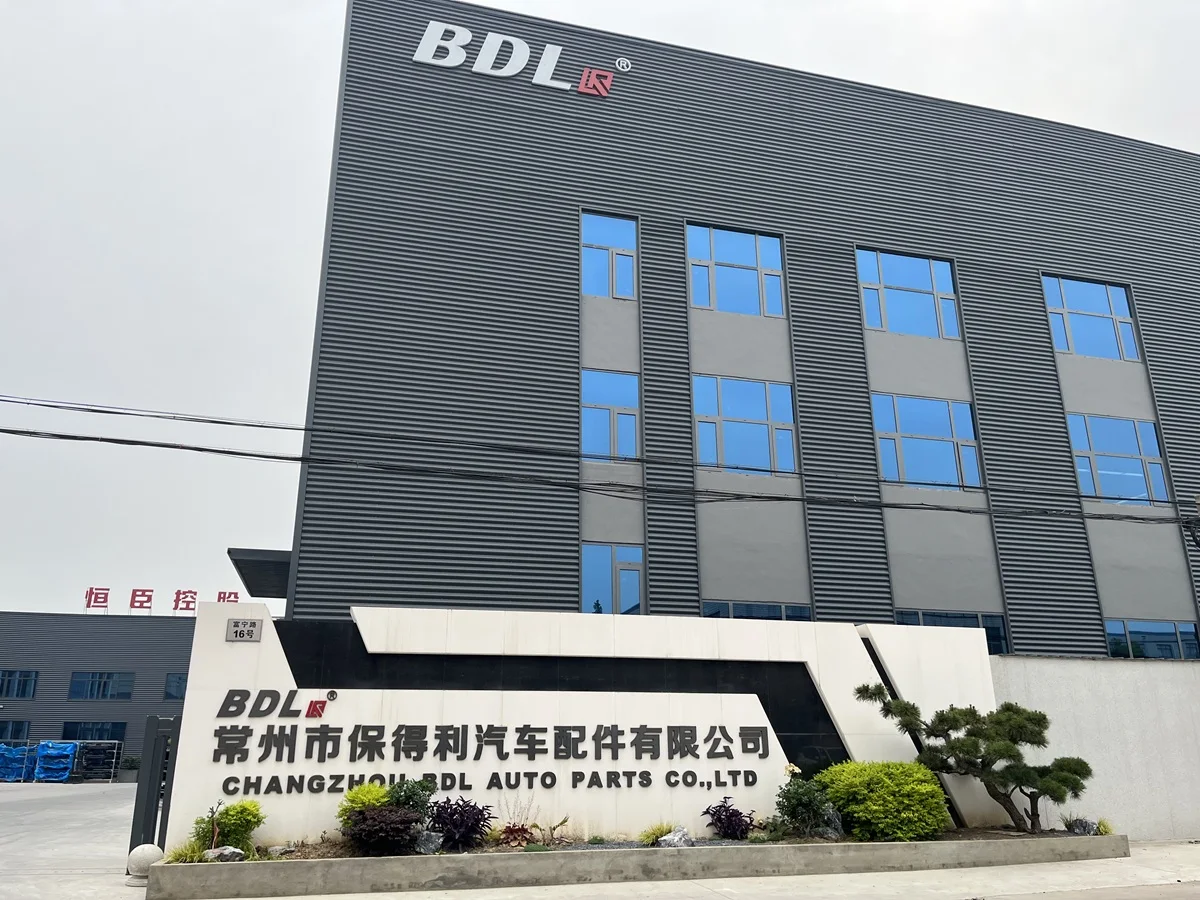
Changzhou Youke Auto Accessories Co., Ltd.
- Manufacturer
- Jiangsu, China
- Lead time5 days
- Avg. response≤ 3h
Main productsbody kits,grilles,air vents,headlamps,tail lamps
Main marketsEastern Europe(18.00%), Western Europe(15.00%), Southern Europe(12.00%), Northern Europe(10.00%), Eastern Asia(9.00%), South Asia(8.00%), Mid East(7.00%), Central America(6.00%), North America(4.00%), Southeast Asia(4.00%), Africa(3.00%), Oceania(2.00%), South America(2.00%)
Ningbo TM International Trade Co., Ltd
- Trading Company
- China Zhejiang
- Lead time0 days
- Avg. response≤ 11h
Main productsAuto Body Parts

GUANGDONG YTSF AUTO SPARE PARTS CO.,LTD
- Trading Company,Manufacturer/Factory,Group Corporation,Other
- China Guangdong
- Lead time23 days
- Avg. response≤ 11h
Main productsAuto Parts, Truck Parts, JAC Spare Parts, HOWO Spare Parts, Foton/Forland Spare Parts, FAW Spare Parts, Styer Spare Parts, Isuzu Spare Parts
Main marketsSouth America,Eastern Europe,Mid East,Southeast Asia,Eastern Asia,Africa

Ningbo Autocare Car Accessory Co., Ltd.
- Trading Company
- China Zhejiang
- Lead time30 days
- Avg. response≤ 5h
Main productsAuto Accessories, Car Accessories, Car Steering Wheel Cover, Steering Wheel Cover, Seat Cushion, Sun Shade
Main marketsSouth America,Africa,Southeast Asia/ Mideast,East Asia(Japan/ South Korea),Europe,Australia,North America

Guangzhou Lingyue Auto Parts Co., Ltd.
- Verified by TUVRHEINLAND
- Trading Company,Manufacturer/Factory
- China Guangdong
- Lead time15 days
- Avg. response≤ 5h
Main productsJapanese Car Auto Parts, Auto Lamp, Bumper, Auto Parts, Brake Pads, Shock Absorbers, Bearing, Control Arm, Steering Pump, Turbo
Main marketsSouth America,Eastern Europe,Mid East,North America,Southeast Asia,Eastern Asia,Oceania,Western Europe,Africa
Changzhou Jiecheng Photoelectric Technology Co., Ltd
- Verified by CTI
- Trading Company,Manufacturer/Factory
- China Jiangsu
- Lead time0 days
- Avg. response≤ 2h
Main productsHeadlight Projector Lens, Foglamp Projector Lens, Bi LED Projector Lens, Car Headlight Lens, LED Headlight Bulb, Bi LED Lens, LED Projector Lens, Fog Lamp, Car Fog Lamp, Universal Fog Lamp

$12.31 - $16.28
MOQ: 4 Pieces


Stock Available Long Lifespan Durable Stable Outdoor Driving LED Fog Lamp for Low Visibility
$14.12 - $18.68
MOQ: 4 Pieces

Professional Manufacturer Yellow Light 140W LED Fog Light Auto Fog Lamp for Rural Road
$20.40 - $26.98
MOQ: 4 Pieces

Guangzhou Carest Auto Parts Co., Ltd.
- Manufacturer, Distributor/Wholesaler, Business Service (Transportation, finance, travel, Ads, etc)
- guangdong, China
- Lead time10 days
- Avg. response≤ 7h
Main productsCar Conditioning sysytem,Automobile braking system,Car decoration parts,Auto lighting system,Automotive electronics
Main marketsEastern Europe(30.00%), North America(20.00%), Mid East(15.00%), South America(15.00%), South Asia(12.00%), Southeast Asia(5.00%), Africa(3.00%)
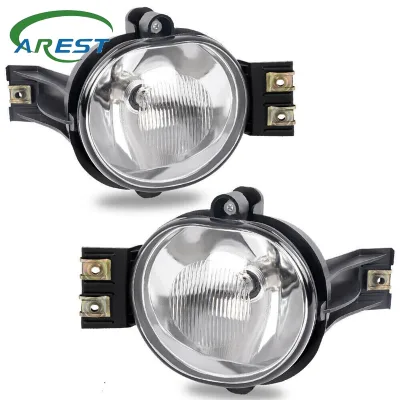
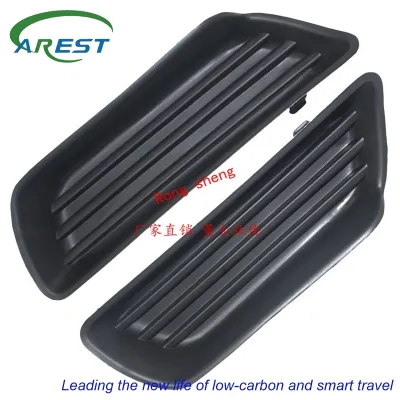
Applicable to Ram 1500 2500 3500 02-08 front bumper Fog lamp anti-fog lamp Fog lamp frame
$1.00 - $10.00
MOQ: 100 Minimum
Xiamen Longhuitong Automobile Technology Co., Ltd.
- Verified by TUVRHEINLAND
- Combined
- China Fujian
- Lead time60 days
- Avg. response≤ 2h
Main productsSpecial Truck, Chassis, Bus, Bus Part, Electric Auto Part, Garbage Truck, Pick up, Van, Tricycle, Air Pump Oil Pump Four in One Charging Station V
Main marketsSoutheast Asia/ Mideast
Chongqing Jinqian Import And Export Trading Co., Ltd.
- Verified by Intertek
- Trading Company
- Lead time7 days
- Avg. response≤ 1h
Main productsAuto Parts, Engine Parts, Chassis Fitting, Complete Vehicle Parts, Modified Spare Parts
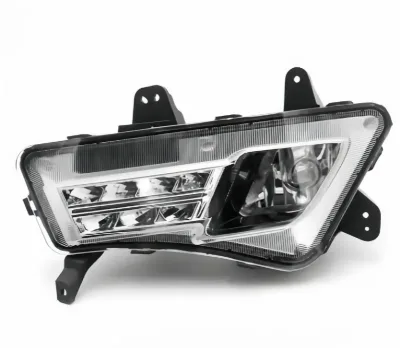
Durable Sealed Beam Fog Lamp Coastal Areas with Frequent Fog for Great Wall tank 400
$51.00 - $53.60
MOQ: 1

Lian Sheng (Xiamen) Import & Export Co., Ltd.
- Verified by SGS
- Trading Company,Manufacturer/Factory
- China Fujian
- Lead time98 days
- Avg. response≤ 5h
Main productsAuto Lamp, Auto Side Mirror, Auto Grille, Auto Body Part, Auto Bumper, Auto Mirror, Car Body Kit, Auto Fender, Auto Light, Auto Accessories
Main marketsSouth America,Eastern Europe,Mid East,North America,Southeast Asia,Eastern Asia,Oceania,Western Europe,Africa

Shandong Lianwo Heavy Truck Components Co., Ltd.
- Trading Company
- China Shandong
- Lead time15 days
- Avg. response≤ 3h
Main productsTruck Part, Truck Spare Part, Sinotruk HOWO, Gear Box, Mining Truck, Axle Part
Main marketsAfrica,Southeast Asia/ Mideast,Europe


Contact supplier

Contact supplier

European Truck Fog Lamp for Truck Front Fog Lamp 1446356 1446355
Contact supplier

Fog Lamp Fits for Heavy Duty Truck OEM Light 1446354 1446353
Contact supplier

Fog Light for Truck 5 Series 1446355 1446356
Contact supplier

Anhui Light Industries International Co., Ltd.
- Verified by SGS
- Trading Company
- China Anhui
- Lead time30 days
- Avg. response≤ 19h
Main productsConstruction Machinery Parts, Heavy Truck Parts, Undercarriage Parts
Main marketsNorth America

JINAN GUYUE AUTO PARTS CO., LTD.
- Verified by SGS
- Trading Company
- China Shandong
- Lead time15 days
- Avg. response≤ 9h
Main productsFAW Sinotruck Shacman Beiben Truck Spare Part, Bus Spare Parts, Light Truck Spare Parts, Tyre, Construction Machinery, Fuwa Ror BPW Trailer Spare Parts
Main marketsAfrica,Southeast Asia/ Mideast,North America
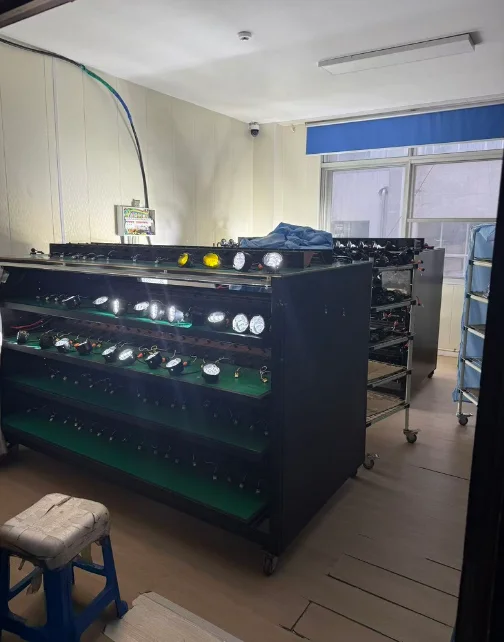
Changzhou Future Auto Parts Co., Ltd.
- Manufacturer
- Jiangsu, China
- Lead time10 days
- Avg. response≤ 4h
Main productsOff-road LED work lights,Automotive LED fog lights,SUV and four-wheel drive modification accessories,LED light bars for pickup trucks,Accessories for other lamps and lanterns
Main marketsNorth America(32.00%), South America(24.00%), Domestic Market(20.00%), Southeast Asia(12.00%), Oceania(7.00%), Mid East(5.00%)
GUANGZHOU PRO LIGHT AUTO PARTS CO., LTD.
- Manufacturer
- Guangdong, China
- Lead time15 days
- Avg. response≤ 13h
Main productsfog lamp,auto light,driving light,search light,work light
Main marketsSouth America(38.00%), North America(12.00%), Mid East(8.00%), Eastern Asia(5.00%), South Asia(5.00%), Central America(5.00%), Africa(5.00%), Southeast Asia(5.00%), Domestic Market(4.00%), Western Europe(3.00%), Eastern Europe(3.00%), Oceania(3.00%), Southern Europe(2.00%), Northern Europe(2.00%)
Hangzhou Fortek Electronics Co., Limited
- Trading Company
- Zhejiang, China
- Lead time10 days
- Avg. response≤ 5h
Main productsTruck Lights,Side Marker,Bus Lights,Trailer Lights,Truck Accessories
Main marketsNorth America(30.00%), Western Europe(20.00%), Southern Europe(10.00%), Northern Europe(10.00%), South America(10.00%), Eastern Europe(10.00%), Oceania(5.00%), South Asia(1.00%), Eastern Asia(1.00%), Africa(1.00%), Central America(1.00%), Southeast Asia(1.00%)

Pingxiang Bowang Industry Co.,Ltd.
- Verified by TUVRHEINLAND
- Manufacturer/Factory
- China Jiangxi
- Lead time15 days
- Avg. response≤ 2h
Main productsLED Car Light, LED Marker Light, LED Work Light, Truck Lamp, Trailer Light, Tail Light, High Mount Brake Light, Whip Light, Boat Light, RV Light
Main marketsSouth America,Eastern Europe,Mid East,North America,Southeast Asia,Eastern Asia,Oceania,Western Europe,Africa
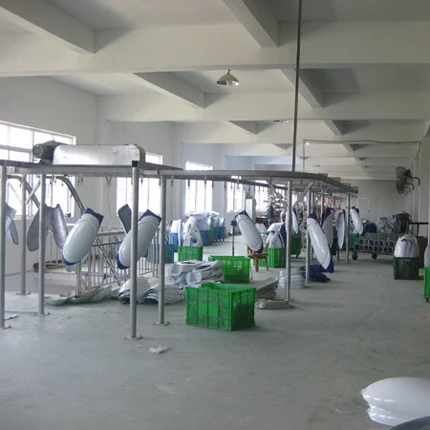
Danyang Ronny Lighting Co., Ltd.
- Manufacturer, Trading Company
- Jiangsu, China
- Lead time10 days
- Avg. response≤ 18h
Main productsstreet light,LED street light,LED highbay light,LED garden light,LED floodlight
Main marketsWestern Europe(25.00%), Southeast Asia(20.00%), Mid East(15.00%), Domestic Market(10.00%), Eastern Asia(10.00%), North America(10.00%), Eastern Europe(5.00%), Africa(5.00%)

Changzhou Super Auto Parts Co., Ltd.
- Verified by CTI
- Combined
- China Jiangsu
- Lead time30 days
- Avg. response≤ 4h
Main productsAuto Lamp, Auto Mirror, Auto Parts, Bus Lamp, Bus Mirror, Bus Parts, Truck Light, Truck Mirror, Truck Parts, Bus Light
Main marketsSouth America,Southeast Asia/ Mideast,Europe,Australia


3%off Front Fog Lamp 249.1*109.6 Hc-B-4017-1
Contact supplier

Guangzhou FDong Auto Parts Co., Ltd.
- Verified by SGS
- Trading Company
- China Guangdong
- Lead time15 days
- Avg. response≤ 12h
Main productsTrailer Part
Main marketsSouth America,Southeast Asia/ Mideast,East Asia(Japan/ South Korea),Europe,Australia


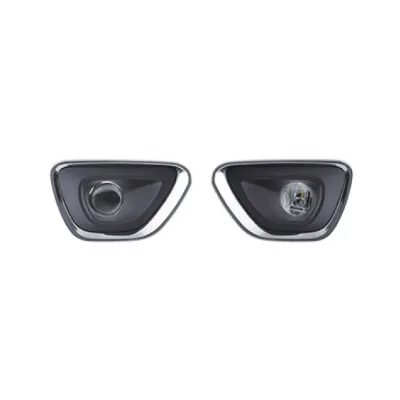
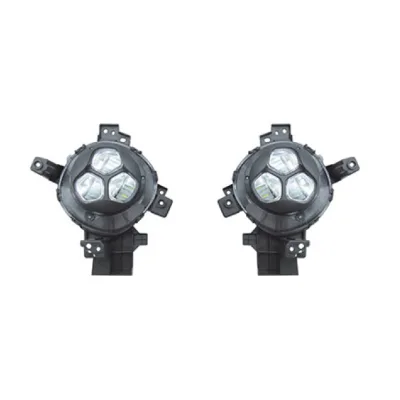
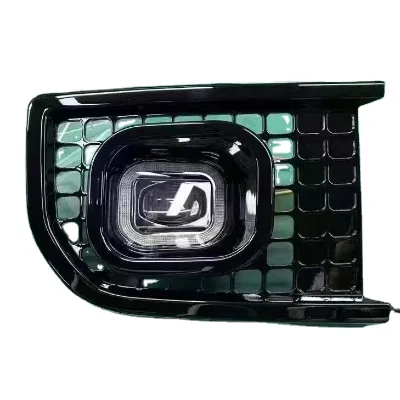
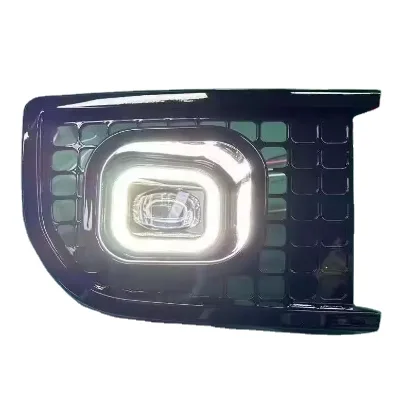
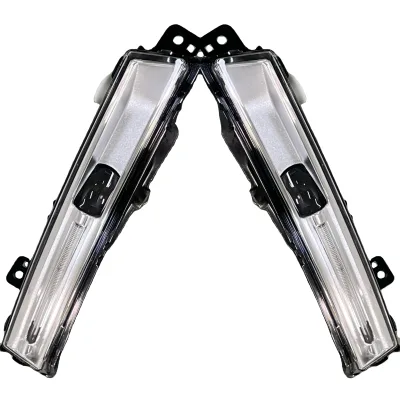




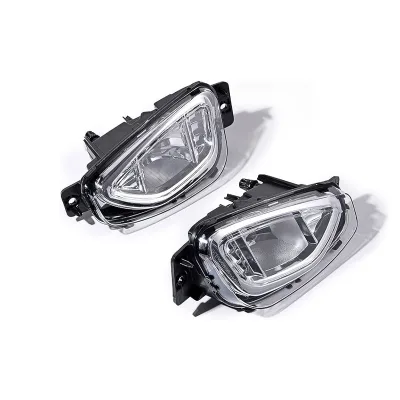


Comprehensive Sourcing Guide
Second Generation Fog Lamp Supplier Concentration and Factory Types
The current supplier landscape for second generation fog lamps reveals a concentration of manufacturing capabilities primarily within China, specifically in the Guangdong province. This region hosts a mix of combined entities and trading companies that manage the supply chain for automotive lighting components. Evidence indicates that many suppliers in this cluster possess capabilities for both Original Design Manufacturing and Own Brand production, allowing them to offer customized solutions for specific vehicle models. The presence of facilities in Shenzhen, Guangdong, suggests a mature ecosystem for LED and halogen fog lamp assembly, where supply chains for components like CREE LED chips and waterproofing materials are readily accessible.
Factory types in this sector vary significantly, ranging from combined manufacturers who handle both production and sales to pure trading companies that source from various factories. Some suppliers list main products that include a broad array of LED lighting, while others focus exclusively on auto parts like radiators, brakes, and fog lamps. This diversity means buyers must distinguish between a factory with direct ODM capabilities and a trading company that aggregates products from multiple sources. The distinction is critical because combined entities often provide more direct control over the production timeline and quality assurance processes compared to intermediaries who may have less visibility into the actual manufacturing floor.
How to Verify Second Generation Fog Lamp Suppliers
Verification of suppliers for second generation fog lamps requires a rigorous check of their certification status and third-party validation records. Available data shows that some suppliers hold ISO14001:2015 certificates, indicating adherence to environmental management standards, while others display E-mark or CCC certifications specific to automotive lighting safety. It is essential to confirm whether a supplier has been verified by recognized bodies such as TÜV Rheinland or Bureau Veritas, as these marks provide a layer of trust regarding the company's operational legitimacy. Buyers should not assume that all listed suppliers possess these credentials and must request specific proof of certification for the exact fog lamp models they intend to purchase.
Beyond certifications, the response time and verification status of a supplier offer immediate insights into their reliability. Data indicates response times ranging from approximately 7 to 9 hours, which can serve as a proxy for the supplier's operational efficiency and customer service readiness. A supplier with a verified status and a rapid response time is more likely to be responsive to urgent inquiries or custom requests. However, buyers must verify that the verification badge is current and not a static image, as the status of these credentials can change. Always cross-reference the supplier's claimed verification with the official database of the certifying body to ensure the information is accurate and up-to-date before proceeding with any commercial engagement.
What to Compare Across Second Generation Fog Lamp Suppliers
When evaluating potential partners, buyers should prioritize comparing lead times, minimum order quantities, and pricing structures to ensure alignment with their procurement strategy. The observed data reveals lead times that can vary from 15 days to 23 days, with some suppliers offering expedited options of 1 to 3 days for specific orders. Minimum order quantities also differ significantly, ranging from a single piece for certain replacement parts to 100 units for standard LED fog lamps. These variations directly impact inventory planning and cash flow, making it necessary to compare these metrics across multiple suppliers to find the best fit for the buyer's specific volume requirements and delivery schedules.
Pricing and product specifications are equally critical dimensions for comparison, as they determine the total cost of ownership and product suitability. Prices for second generation fog lamps in the current market range from as low as $1.00 to $45.00 per unit, depending on the model, material, and certification level. Buyers must compare not just the unit price but also the included specifications such as wattage, operating temperature ranges, and material composition like LED or HID Xenon. Additionally, the availability of customization options and the specific car model compatibility, such as for Mg Zs or Jeep Grand Cherokee, must be verified. A lower price point may come with higher minimum order requirements or less flexible customization, so a holistic comparison is necessary to avoid hidden costs.
Common Second Generation Fog Lamp Sourcing Risks
One of the primary risks in sourcing second generation fog lamps involves the discrepancy between claimed product attributes and actual performance standards. While some suppliers list certifications like E-mark or CCC, others may only claim generic compliance without providing verifiable test reports. There is a risk that products advertised as waterproof or capable of operating in extreme temperatures, such as -40 to +145 degrees, may not meet these specifications in real-world conditions. Buyers must be cautious of suppliers who provide vague product descriptions or fail to specify the exact standards their products adhere to, as this can lead to product failures and safety liabilities in the field.
Another significant risk is the inconsistency in delivery timelines and the potential for supply chain disruptions. Although some suppliers advertise lead times of 15 days, others may have seasonal variations where lead times extend to "to be negotiated" periods during peak seasons. This unpredictability can disrupt inventory levels and delay product launches. Furthermore, the reliance on trading companies introduces a layer of complexity where the actual factory location and production capacity might be obscured. If a trading company fails to secure production slots at the factory, the buyer may face delays without clear recourse. Verifying the actual production capacity and understanding the supplier's contingency plans for peak demand is essential to mitigate these logistical risks.
Second Generation Fog Lamp Regional Sourcing and Logistics
Sourcing second generation fog lamps from China, particularly from the Guangdong and Zhejiang provinces, offers access to a dense network of automotive lighting manufacturers. The concentration of suppliers in these regions facilitates efficient logistics and reduces shipping costs for bulk orders. However, buyers must account for the specific origin details listed on product data, such as Shenzhen or Zhejiang, as these locations may have different port access and shipping routes. Understanding the specific origin helps in calculating accurate freight costs and transit times, which can vary depending on the destination port and the chosen shipping method.
Logistics planning must also consider the packaging standards and dimensions provided by suppliers, as these directly impact shipping efficiency. Data shows packaging variations ranging from single-piece boxes to cartons containing 10 pieces with specific weight limits like 12 kilograms per carton. These dimensions, such as 69x31x17 cm or 57x38x24 cm, are crucial for optimizing container loading and minimizing freight expenses. Buyers should verify the packing details with the supplier to ensure that the packaging is robust enough to protect the fog lamps during transit, especially for international shipping. Properly planning the logistics based on these specific packaging metrics can prevent damage and reduce overall shipping costs.
Second Generation Fog Lamp Commercial Terms and Order Planning
Commercial terms for second generation fog lamps often include specific requirements regarding payment, customization, and warranty coverage. Some suppliers offer customization services, allowing buyers to tailor products to specific vehicle models or branding needs, while others may require standard orders. Warranty periods, such as the 12-month coverage noted for certain models, are critical factors in the commercial agreement. Buyers must clarify the terms of the warranty, including what constitutes a defect and the process for claims, to ensure they are protected against potential product failures. Additionally, the availability of OEM services and the handling of original equipment numbers must be confirmed to ensure compatibility with existing vehicle systems.
Order planning should be guided by the minimum order quantities and the flexibility of the supplier to accommodate varying order sizes. With MOQs ranging from 1 piece to 100 units, buyers have the opportunity to start with small test orders before committing to larger volumes. However, the lead time and production capacity must be factored into the planning process to avoid stockouts. For instance, a supplier with a 23-day lead time requires earlier planning than one offering 15-day delivery. Buyers should also consider the pricing tiers and how volume discounts might apply, ensuring that the order size aligns with both the budget and the anticipated demand. Careful planning of these commercial terms ensures a smooth procurement process and minimizes the risk of supply chain bottlenecks.
FAQs
What is the typical lead time for fog lamps?
Lead times vary by supplier and order volume. Some suppliers offer 15 days for standard orders, while others may require 23 days. For large quantities exceeding six months, delivery times are often negotiated directly with the manufacturer to ensure timely fulfillment.
What certifications do fog lamps typically hold?
Common certifications include E-mark, CCC, ISO, CE, and RoHS. Specific models may carry E-mark for vehicle compliance or ISO14001:2015 for environmental management. Always verify the exact certification listed for the specific product model to ensure it meets your regional safety standards.
What is the minimum order quantity for fog lamps?
Minimum order quantities range from 1 piece to 100 pieces depending on the supplier and product type. Some vendors accept single unit orders for specific car models, while others require a batch of 10 or 100 units. Check the specific product listing for the exact MOQ.
Where are these fog lamps manufactured?
Most fog lamps originate from China, specifically in Guangdong province or Zhejiang province. Shenzhen is a noted production hub for LED components. Verify the product origin listed on the item page to confirm the specific manufacturing location before placing an order.
What is the price range for second generation fog lamps?
Prices typically range from 1.00 to 45.00 per unit depending on specifications and quantity. LED models often cost between 13.80 and 25.00, while specialized halogen or xenon units may vary. Bulk orders usually secure lower unit prices compared to single-item purchases.
Are customization options available for fog lamps?
Yes, customization is available for many fog lamp models. Suppliers offer options for specific car models, light colors, and packaging requirements. ODM services and own brand capabilities are common, allowing buyers to tailor products to their specific branding or vehicle compatibility needs.
How quickly do suppliers respond to inquiries?
Response times generally range from 7 to 9 hours based on supplier activity levels. Some suppliers respond within 8.78 hours, while others may take up to 8.98 hours. Faster response times often indicate higher availability and readiness to discuss order details immediately.