Security Gradient Jewelry Pouch Suppliers and Manufacturers
Source 31 verified suppliers for security gradient jewelry pouches. Compare response times, lead times, MOQs, and certifications like ISO9001:2015. Review pricing and customization options to identify the right partner for your packaging needs; review the available evidence before requesting comparable quotations from suitable candidates.
Suppliers List

Dongguan Chengsheng Gloves Purification Technology Co.,Ltd.
- Verified by TUVRHEINLAND
- Combined
- China Guangdong
- Lead time15 days
- Avg. response≤ 2h
Main productsCotton Gloves, Microfiber Cleaning Cloth, Kinesiology Tape, Arthritis Gloves, Sports Gloves
Main marketsEast Asia(Japan/ South Korea)

Shenzhen Hengda Xin Jewelry Co., Ltd.
- Verified by BV
- Combined
- China Guangdong
- Lead time15 days
- Avg. response≤ 2h
Main productsJewelry, Stainless Steel Fittings, Stainless Steel Jewelry, Necklace, Bracelet, Stud Earrings, Ring, Pendant, Fashion Jewelry, Fashion Accessories
Main marketsSoutheast Asia/ Mideast,East Asia(Japan/ South Korea),Domestic,Europe,Australia,North America
Dongguan Chengsheng Gloves Purification Technology Co., Ltd.
- Verified by SGS Group
- Manufacturer, Trading Company
- Lead time20 days
- Avg. response≤ 2h
Main productsGloves, Microfiber Cleaning Cloth, Fitness Glove
Main marketsDomestic Market(40%), Western Europe(20%), North America(10%)

Guangzhou Blf Packing Co., Ltd.
- Verified by TUVRHEINLAND
- Trading Company,Manufacturer/Factory
- China Guangdong
- Lead time15 days
- Avg. response≤ 11h
Main productsPaper Bag, Paper Box, Gift Box, Non Woven Bag, Book, Tag, Sticker, Air Freshener, Cards, Jewelry Box
Main marketsSouth America,Eastern Europe,Mid East,North America,Southeast Asia,Eastern Asia,Oceania,Western Europe,Africa


Custom Logo Jewelry Lock The Pocket Gift Paper Jewelry Packaging Pouch with Logo
$0.25 - $0.65
MOQ: 500 Pieces

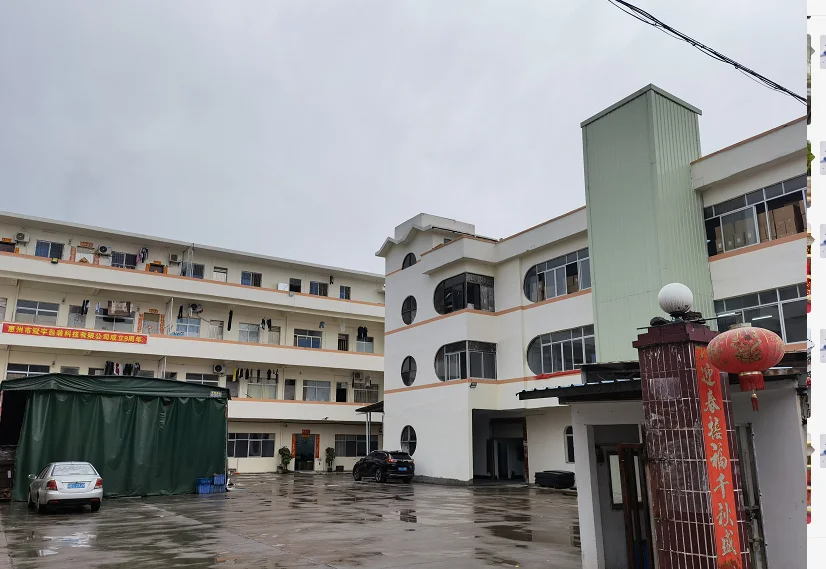
Shenzhen Jie Li Yang Technology Co., Ltd.
- Manufacturer, Trading Company
- Guangdong, China
- Lead time20 days
- Avg. response≤ 1h
Main productswatch box,gift box,jewelry case,perfume box,electronic packaging
Main marketsNorth America(50.00%), Western Europe(10.00%), Domestic Market(10.00%), Northern Europe(10.00%), South America(10.00%), Eastern Asia(5.00%), Eastern Europe(5.00%)

Quanzhou Changyi Crafts Gifts Limited
- Verified by TUVRHEINLAND
- Manufacturer/Factory
- China Fujian
- Lead time23 days
- Avg. response≤ 7h
Main productsBallpoint Pen, Silicone Bracelet, Name Card Holder, Luggage Tag, Gift Set, Mobile Phone Accessory, Passport Cover, Ceramic Coaster, Gift Bag, Gift Box
Main marketsSouth America,Mid East,North America,Southeast Asia,Eastern Asia,Oceania,Western Europe,Africa


Jewelry Bag Transparent Clear Storage Bags with Logo Custom PVC Packaging Pouch
$0.05 - $0.20
MOQ: 100 Pieces

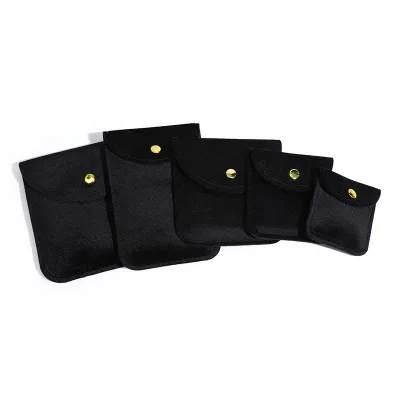
Custom Button Suede Bag Jewelry Package Bags Fold Suede Jewelry Velvet Pouch
$0.30 - $0.50
MOQ: 500 Pieces


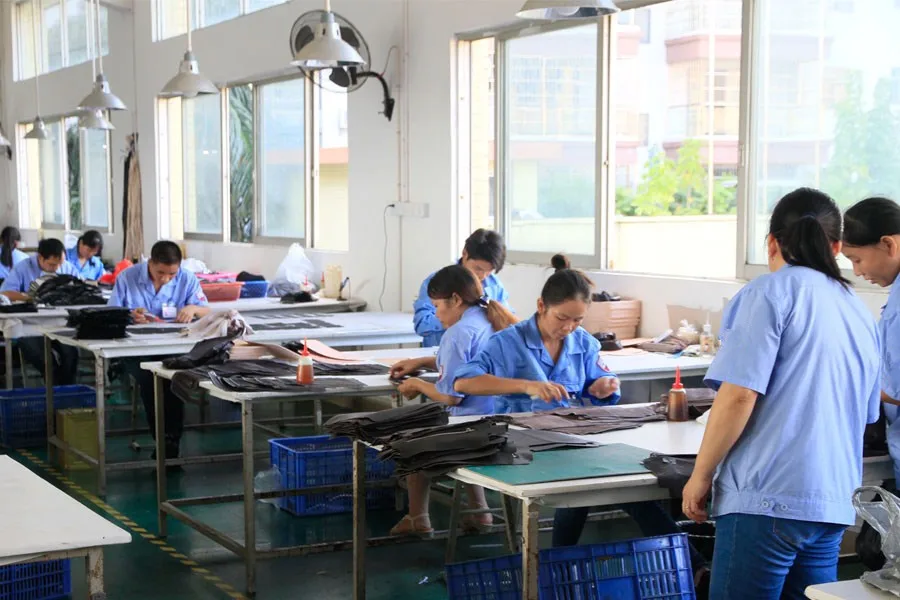
Shenzhen Green Owner Leather Co., Ltd.
- Manufacturer, Trading Company, Distributor/Wholesaler
- Guangdong, China
- Lead time25 days
- Avg. response≤ 3h
Main productsleather watch case,leather jewelry case,leather keychain,leather pouch,leather sunglasses case
Main marketsNorthern Europe(30.00%), North America(20.00%), Western Europe(15.00%), Southern Europe(10.00%), South America(10.00%), South Asia(5.00%), Southeast Asia(5.00%), Africa(5.00%)

Fuzhou Haomin Imp. & Exp. Co., Ltd.
- Verified by SGS
- Manufacturer/Factory
- China Fujian
- Lead time23 days
- Avg. response≤ 4h
Main productsBackpacks, Beach Bags, School Bags, Shopping Bags, Canvas Bags, Sports Bags, Cosmetic Bags, Pet Bags, Cotton Bag, Travel Bag
Main marketsSouth America,Eastern Europe,Mid East,North America,Southeast Asia,Eastern Asia,Oceania,Western Europe,Africa

- Verified by BV
- Manufacturer/Factory
- China Zhejiang
- Lead time15 days
- Avg. response≤ 2h
Main productsJewelry Bag, Jewelry Card, Box, Promotion Gifts
Main marketsSouth America,Eastern Europe,Mid East,North America,Southeast Asia,Eastern Asia,Oceania,Western Europe,Africa


Gold Logo Black Microfiber Jewelry Pouch Velvet Jewelry Bag with Gold String
$0.10 - $0.15
MOQ: 2000 Pieces

Custom High-End Rosered Suede Velvet Jewelry Bag Pouch for Necklace Earrings Rings Bracelet
$0.15 - $0.20
MOQ: 2000 Pieces

Anhui Magic Industry Co., Ltd.
- Verified by SGS
- Manufacturer/Factory
- China Anhui
- Lead time98 days
- Avg. response≤ 8h
Main productsCanvas Bag, Tote Bag, Backpack, Shoulder Bag, Drawstring Bag, Cosmetic Bag, Customize Bag, Sports Bag, Shopping Bag, Cooler Bag
Main marketsSouth America,Eastern Europe,Mid East,North America,Southeast Asia,Eastern Asia,Oceania,Western Europe,Africa


Pink Customized Portable Packaging Pouch Jewelry Logo Small Jewelri Bag Suede Travel Pouch Pockets
$0.20 - $0.50
MOQ: 500 Pieces

Custom Logo Pink Velvet Jewelry Pouch with Drawstring Small Jewelry Bag Luxury Soft Velvet Gift Bag
$0.10 - $0.15
MOQ: 500 Pieces

Wholesale Custom Velvet Storage Pouch Drawstring Jewelry Bag for Ring Pendant
$0.20 - $0.50
MOQ: 500 Pieces

Low MOQ Custom Satin Pouch Bags Jewelry Bags with Logo Custom Pouches for Jewelry
$0.81 - $0.97
MOQ: 100 Pieces

Wuhan Eco Faith Packing Co., Ltd.
- Manufacturer/Factory
- China Hubei
- Lead time23 days
- Avg. response≤ 9h
Main productsFabrics Drawstring Bag, Cotton Bags, Satin Bag, Velvet Bag, Organza Bag, Jute Bag, Jewelry Bag, Non-Woven Bag, Thermal Bag, Gift Box
Main marketsSouth America,Eastern Europe,Mid East,North America,Southeast Asia,Eastern Asia,Oceania,Western Europe,Africa

Lime Green Jewelry Bag Velvet Cosmetics Storage Bag Makeup Organizer Pouch Velvet Envelope Pouch
$0.30 - $0.60
MOQ: 1000 Pieces


Jewelry Bag Customize Different Fabrics Jewelry Pouch Small Microfiber Travel Jewelry Pouch
$0.30 - $0.60
MOQ: 1000 Pieces


Guangzhou Fu Li Ya Industry Co., Ltd.
- Verified by TUVRHEINLAND
- Combined
- China Guangdong
- Lead time30 days
- Avg. response≤ 10h
Main productsShopping Bag, Promotional Bag, Canvas Bag, Polyester Bag, Cotton Bag, Tote Bag, Non Woven Bag, Garment Bag, Cooler Bag, Hand Bag
Main marketsEurope,North America
Hong Kong Shero Interior Decoration Limited
- Trading Company
- Hong Kong S.A.R.
- Lead time15 days
- Avg. response≤ 1h
Main productsShowcase, Jewelry Showcase, Store Fixture, Display Cabinet, Kiosk
Main marketsNorth America(40.00%), South America(15.00%), Eastern Europe(10.00%), Mid East(10.00%), Africa(5.00%), Southeast Asia(5.00%), Northern Europe(4.00%), Eastern Asia(3.00%), Oceania(2.00%), Central America(2.00%), South Asia(1.00%), Western Europe(1.00%), Southern Europe(1.00%), Domestic Market(1.00%)
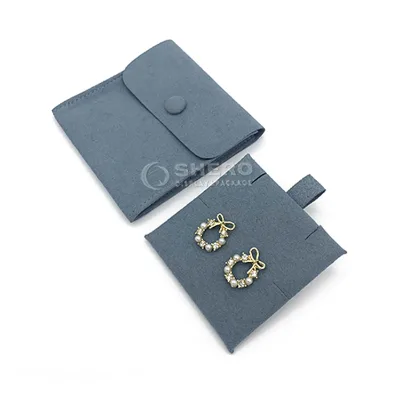
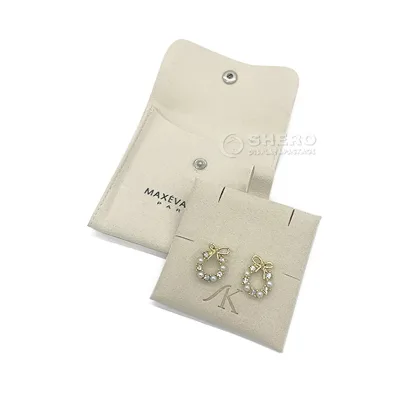
Luxury Jewelry Pouch Travel Velvet Earring Pouch Jewelry Pouch With Insert Pad
$0.27 - $0.36
MOQ: 1000 pieces
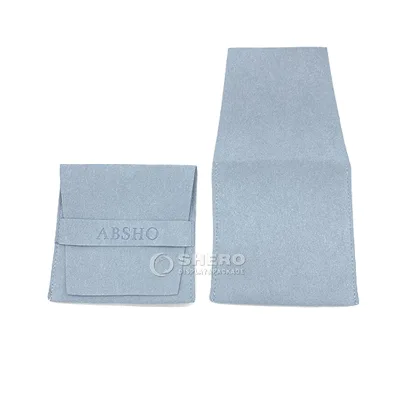
Jewelry Pouches Mini Bag Custom logo Jewelry Travel Pouch With Insert Pad
$0.26 - $0.35
MOQ: 1000 pieces
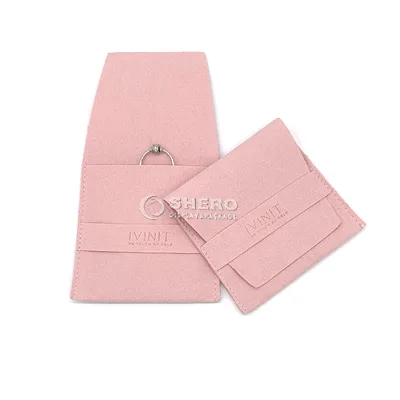
$0.35 - $0.45
MOQ: 1000 pieces
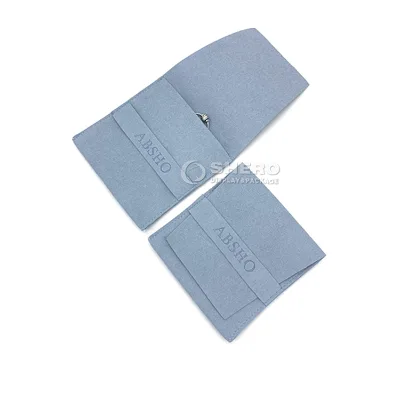
Luxurious Soft Velvet Pink Microfiber Jewelry Pouch Bag Hot Stamping Logo Flap Jewelry Dust Bag
$0.35 - $0.45
MOQ: 1000 pieces
Microfiber Jewelry Packaging Pouch Pendant Ring Earring Pouch Bag Flap Jewelry Dust Bag
$0.36 - $0.47
MOQ: 1000 pieces
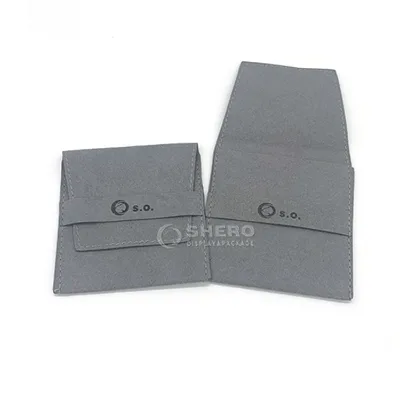
High End Jewelry Pouch Dust Bag Necklace Bracelet Packaging Envelope Bag Hot Stamp Deboss Logo
$0.35 - $0.45
MOQ: 1000 pieces

- Verified by TUVRHEINLAND
- Combined
- China Guangdong
- Lead time15 days
- Avg. response≤ 4h
Main productsPatches, Badges, Woven Labels, Hang Tag, Lanyard, Gift Pouch, Promotional Caps, Promotonal Bracelet, Keychain, Bracelet
Main marketsSoutheast Asia/ Mideast,East Asia(Japan/ South Korea),North America


High-End Customized Jewelry Packaging Pouch for Velvet Jewellery Pouch Bag with Logo Jewelry Pouch
$0.25 - $0.86
MOQ: 500 Pieces


Zhangzhou Taki Industry and Trade Co., Ltd
- Verified by BV
- Manufacturer/Factory
- China Fujian
- Lead time23 days
- Avg. response≤ 4h
Main productsPackaging Paper Bag, Packaging Paper Box, Products Box, Fold Boutique Gift Box, Shopping Paper Bag, Fruit Packaging Cartons Box, Kraft Paper Bags Food Bag, Plastic Box Pet PVC Boxes, Paper Sleeves with Brand Design, One-Stop Packaging Supplier
Main marketsSouth America,Eastern Europe,Mid East,North America,Southeast Asia,Eastern Asia,Oceania,Western Europe,Africa
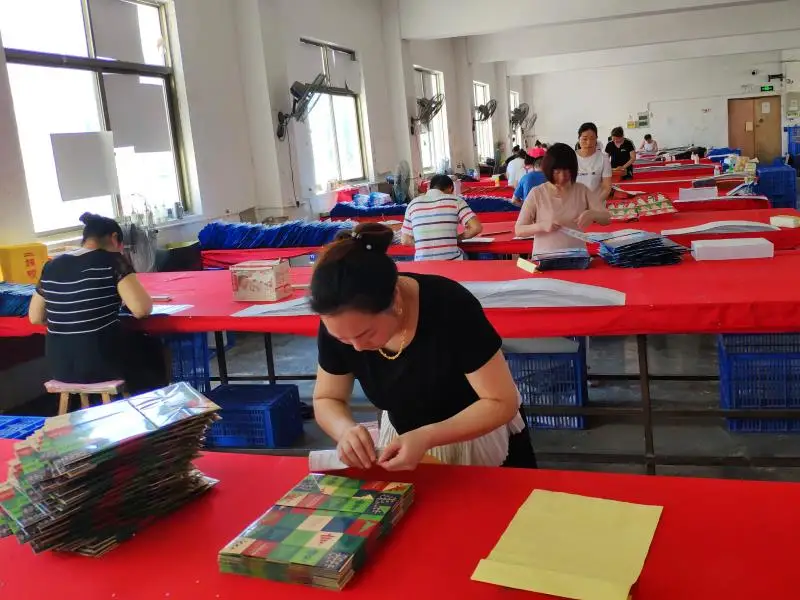
Yiwu Bangdi Packaging Products Co., Ltd.
- Trading Company
- Zhejiang, China
- Lead time15 days
- Avg. response≤ 3h
Main productsJewelry Packaging, Beauty Products Packaging, Gift Box, Gift Bag, Mailer Packaging
Main marketsNorth America(45.00%), Central America(12.00%), Eastern Asia(10.00%), Eastern Europe(10.00%), Mid East(10.00%), Northern Europe(8.00%), Oceania(3.00%), South America(2.00%)
Yiwu Linna Packaging Product Co., Ltd
- Verified by TüVRheinland
- Manufacturer, Trading Company
- Lead time20 days
- Avg. response≤ 2h
Main productsGift Packaging Bags
Main marketsDomestic Market(45%), North America(32%), Western Europe(5%)

Xiamen Top Green Bags Co., Ltd.
- Verified by SGS
- Trading Company,Manufacturer/Factory
- China Fujian
- Lead time45 days
- Avg. response≤ 5h
Main productsCooler Bags, Sports Bags, Apron, Promotional Bag, Waist Bag, Shoulder Bag, Travel Bags, Cosmetic Bag, Laptop Bag, Pencil Bag
Main marketsSouth America,Eastern Europe,North America,Southeast Asia,Eastern Asia,Oceania,Western Europe,Africa

Promotional Velvet Pouches for Jewellery Bag Drawstring Velvet Jewelry Pouch Jewellery Pouch
$0.10 - $0.45
MOQ: 500 Pieces


Shenzhen Marvel Electronic Co., Ltd.
- Verified by TUVRHEINLAND
- Trading Company
- China Guangdong
- Lead time15 days
- Avg. response≤ 8h
Main productsCustom Jewelry, Silver Jewelry, Earring, Necklace, Bracelet, Nose Ring, Jewelry Set, Fashion Jewelry, Brooch
Main marketsEurope,North America
Shenzhen Baishun Packing Products Co., Ltd.
- Manufacturer, Trading Company
- Lead time旺季: "1 - 500":8,"501 - 1000":10,"1001 - 3000":12,"> 3000":"To be negotiated", 淡季: "1 - 500":8,"501 - 1000":10,"1001 - 3000":12,"> 3000":"To be negotiated"
- Avg. response≤ 2h
Main productsCotton Pouch, Velvet Pouch, Jute Pouch, Dust Bags, Jewelry Pouch
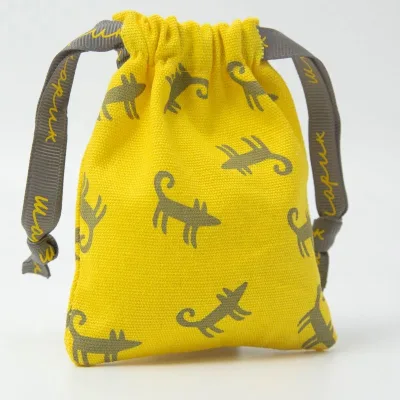
Durable Custom Yellow Canvas Gift Dust Pouch Jewelry Canvas Bag With Ribbon
$0.34 - $0.47
MOQ: 400 pieces
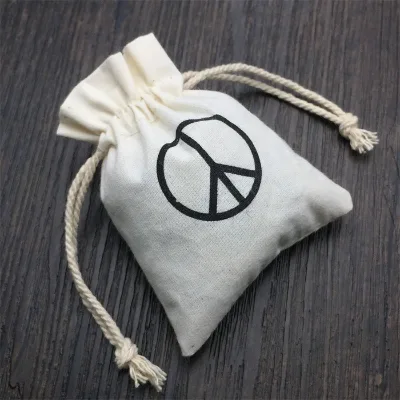
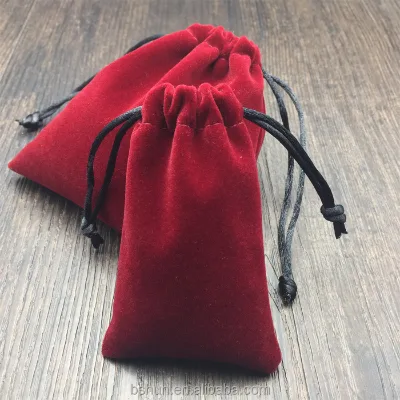
Small Jewelry Velvet Pouch for Wedding Ring Pack
$0.19 - $0.55
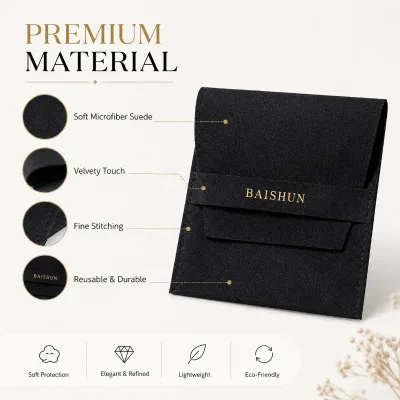
Jcbasic Garment Accessories (shanghai) Co., Limited
- Trading Company
- Lead time旺季: "1 - 1000":7,"1001 - 5000":10,"5001 - 10000":15,"> 10000":"To be negotiated", 淡季: "1 - 1000":7,"1001 - 5000":10,"5001 - 10000":15,"> 10000":"To be negotiated"
- Avg. response≤ 2h
Main productsGarment Bags, Canvas Cotton Tote Bags, Jewelry Container Pouch, Paper Bags, Paper Boxes
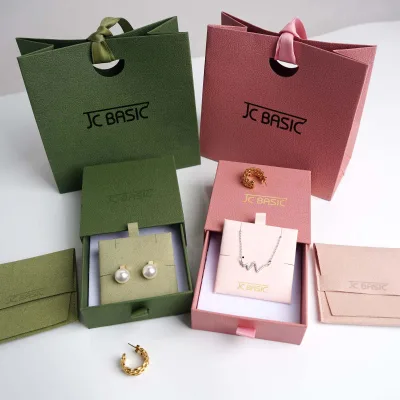
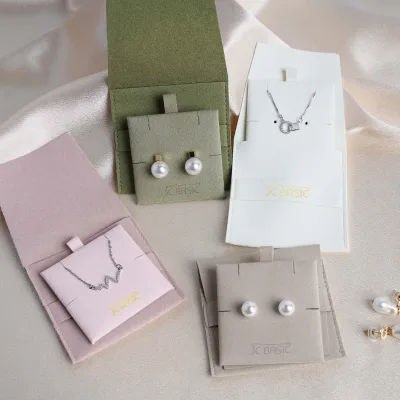
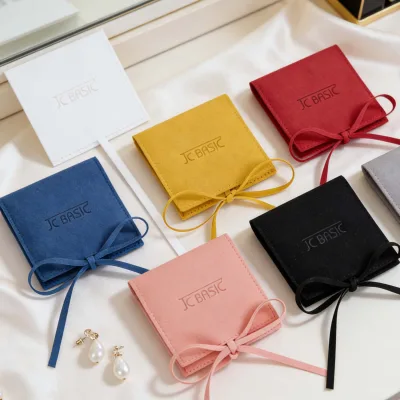
Customized Flip-top Jewelry Storage Pouch Display Bag Rings Necklaces Jewelry Storage Bags
$0.22 - $0.30
MOQ: 1 pieces
Shantou Kaicheng Craft Co., Ltd.
- Verified by BV
- Combined
- China Guangdong
- Lead time15 days
- Avg. response≤ 5h
Main productsJewelry Box, Jewelry Organizer, Cosmetic Bags, Watch Box, Jewelry Packaging Box, Jewelry Storage Pouch, Wooden Jewelry Box, Velvet Jewelry Box, Musical Jewelry Box, Make up Bags
Main marketsSouth America,Africa,Southeast Asia/ Mideast,East Asia(Japan/ South Korea),Europe,Australia,North America
Guangzhou Blf Packing Co., Ltd.
- Verified by SGS Group
- Manufacturer, Trading Company
- Lead time7 days
- Avg. response≤ 4h
Main productsGift Box, Paper Box, Packaging Box, Jewelry Box, Paper Bag
Main marketsNorth America(20%), Southeast Asia(16%), South America(10%)

Qingdao Chenghaoda Science and Technology Co., Ltd.
- Verified by BV
- Manufacturer/Factory
- China Shandong
- Lead time15 days
- Avg. response≤ 14h
Main productsCustom Packaging Paper Bag, Custom Packaging Paper Box, Corrugated Carton/Gift Box, Custom Notebook, Decorative Books, Book/Booklet/Brochure/Catalog/Magazine Printing, Disposable Dishware
Main marketsNorth America,Eastern Asia,Western Europe


Most Popular Jewelry Packaging Hot Selling Custom Jewelry Pouch Bag for Rings & Pendants
$0.18 - $0.25
MOQ: 300 Pieces

DONGGUAN JIN YU PACKAGE CO.,LTD
- Verified by TUVRHEINLAND
- Trading Company
- China Guangdong
- Lead time15 days
- Avg. response≤ 17h
Main productsJewelry Box, Gift Box, Watch Box, Pen Box, Cufflinks Box Box, Cosmetic Box, Pouch, Shopping Bag, Cardboard Box, Paper Box
Main marketsEurope
Foshan Hua Li Bao Jewelry Package Co., Ltd.
- Verified by Intertek
- Manufacturer, Trading Company
- Lead time13 days
- Avg. response≤ 1h
Main productsJewelry Box, Jewelry Display Set, Jewelry Tray, Necklace Display Stand, Watch Display Stand
Main marketsNorth America(40%), Western Europe(20%), South America(10%)
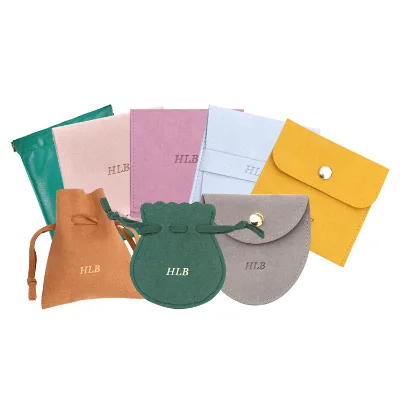
High-end Customized Jewelry Pouches with logo Ring Packaging Microfiber Jewelry Bag Pouch with
$0.20 - $0.46
MOQ: 1000 pieces
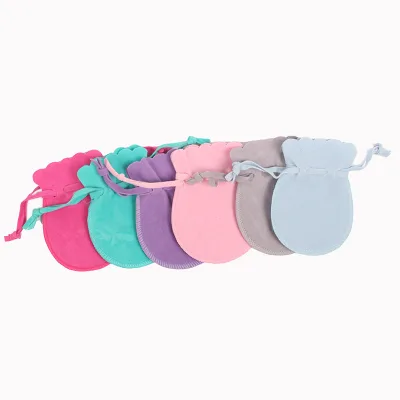
Custom Jewelry Packaging Pouch Drawstring Velvet Bag for Jewellery Gift
$0.27 - $0.51
MOQ: 1000 Minimum

- Verified by TUVRHEINLAND
- Manufacturer/Factory
- China Jiangsu
- Lead time0 days
- Avg. response≤ 10h
Main productsPerfume Bottle, Perfume Cap, Deodorant Cap, Perfume Box, Gift Box, Jewelry Box, Watch Box, Paper Box, Wine Box, Aerosol Cap

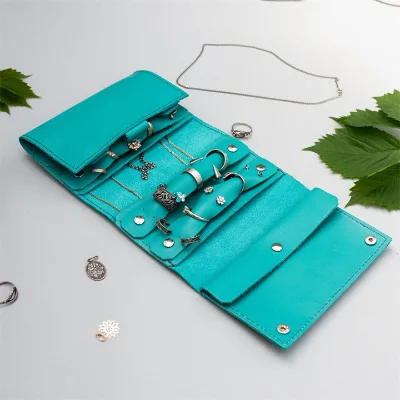
Custom Leather Foldable Jewellery Pouch for Necklace Ring and Watches Leather Jewelry Roll Bag
$5.90 - $6.50
MOQ: 500 Pieces

- Verified by SGS
- Trading Company
- China Guangdong
- Lead time15 days
- Avg. response≤ 5h
Main productsPackaging Boxes, Gift Packaging, Jewelry Packaging, Gift Wrapping, Sterling Silver Jewelry, Jewelry, Necklace
Main marketsSoutheast Asia/ Mideast,Europe,Australia
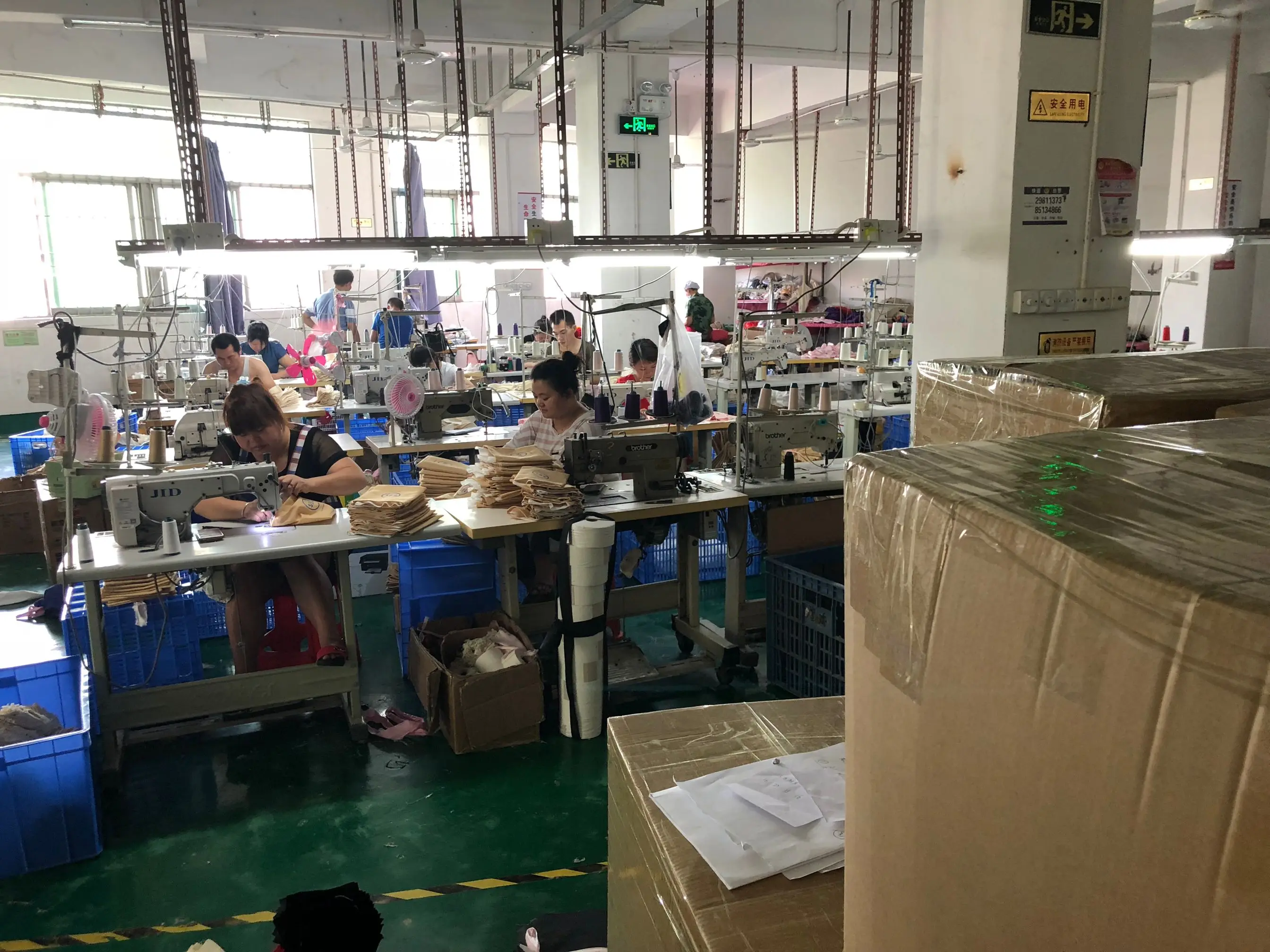
Guangzhou Liangyou Trading Co., Ltd.
- Manufacturer, Trading Company, Distributor/Wholesaler
- Guangdong, China
- Lead time20 days
- Avg. response≤ 2h
Main productsCotton Pouch,Velvet Pouch,Jute Pouch,Satin Pouch,Leather Pouch
Main marketsNorth America(35.00%), Oceania(10.00%), Eastern Europe(10.00%), South America(10.00%), Domestic Market(5.00%), Southern Europe(5.00%), Northern Europe(5.00%), Central America(5.00%), Western Europe(5.00%), Southeast Asia(5.00%), Africa(5.00%)
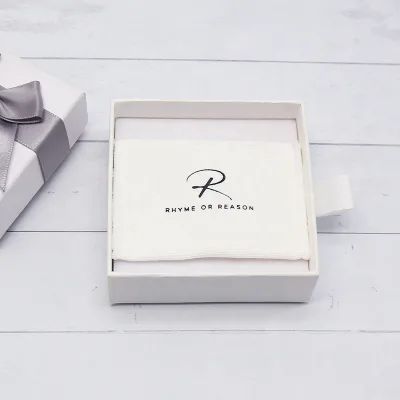
Customized white canvas envelope pouch small ring pouches for packing canvas jewelry bag
$0.51 - $1.02
MOQ: 500 pieces
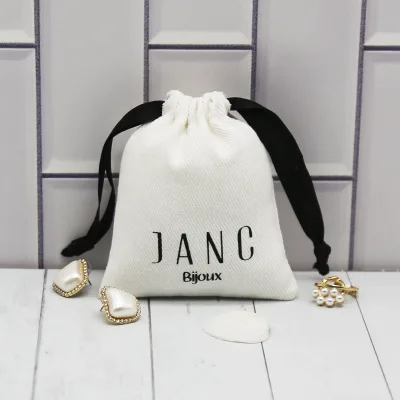
High Quality Muslin logo Jewelry Pouches White Bags for Small Ring Earring
$0.23 - $0.87
MOQ: 500 pieces

Qingdao Chenghaoda Science and Technology Co., Ltd.
- Verified by BV
- Manufacturer/Factory
- China Shandong
- Lead time23 days
- Avg. response≤ 16h
Main productsRFID Card, NFC Card, Pcv Card, RFID Wristbands, RFID Sticker/Tag
Main marketsSouth America,Eastern Europe,Mid East,North America,Southeast Asia,Eastern Asia,Oceania,Western Europe,Africa
Shenzhen Xinxing Gift Packaging Co., Ltd.
- Verified by SGS Group
- Trading Company
- Lead time35 days
- Avg. response≤ 2h
Main productsJewelry Box, Jewelry Tray, Jewelry Bag, Jewelry Display, Jewelry Pouch
Main marketsNorth America(24%), Western Europe(15%), Southern Europe(15%)




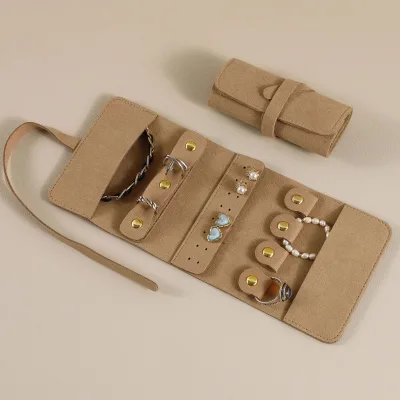
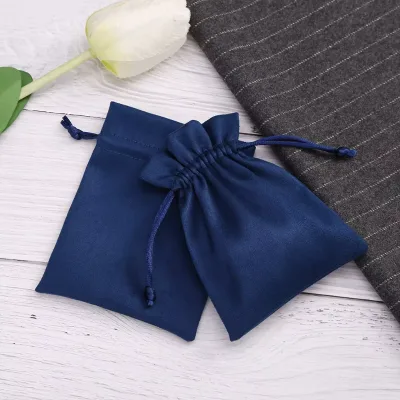
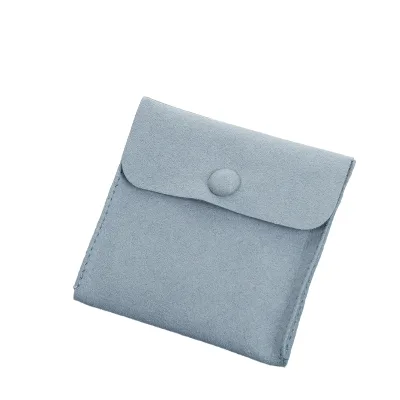
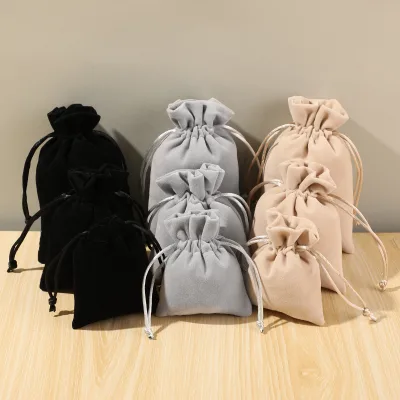
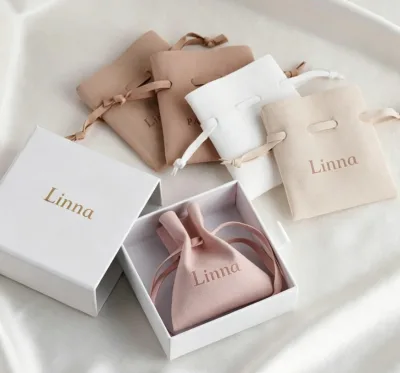


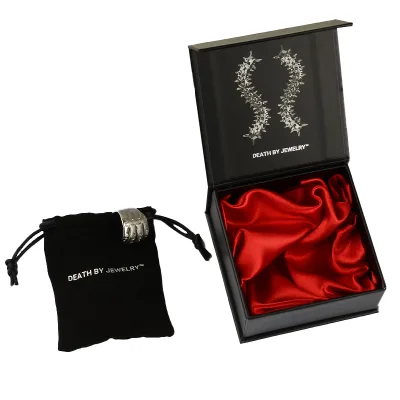
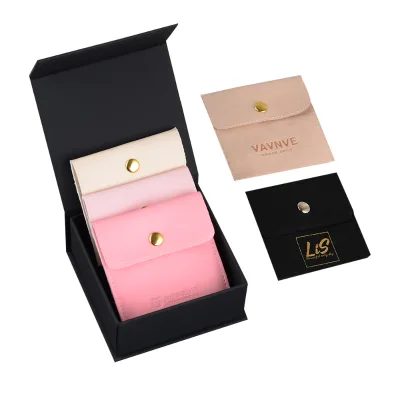
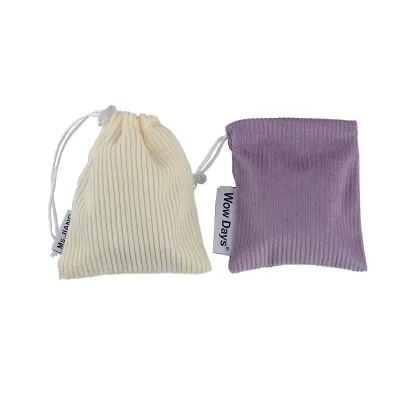


Comprehensive Sourcing Guide
Security Gradient Jewelry Pouch Supplier Concentration and Factory Types
Current data indicates a concentration of manufacturing capabilities within China Guangdong, where specific suppliers list their origin as this province. These facilities often operate as combined entities, functioning as both manufacturers and trading companies to offer broader product ranges. The observed main products in this cluster include cotton gloves, microfiber cleaning cloths, kinesiology tape, and various jewelry packaging items like velvet and organza pouches. This mix suggests that factories in this region frequently diversify their output to serve multiple market segments, from sports accessories to luxury jewelry storage solutions. Buyers should note that while some suppliers focus heavily on textile-based packaging, others integrate metal fittings and fashion jewelry into their core offerings, creating a complex landscape of specialized and generalist producers.
When assessing factory types, it is essential to distinguish between pure manufacturers and combined entities that may outsource specific production stages. The available evidence shows suppliers with ODM and OEM capacities, indicating they can handle custom designs and branding requirements. However, not all suppliers in the region possess the same level of in-house capability; some may rely on external partners for specific materials like velvet or organza. Buyers must verify the actual production location for their specific order, as a combined company might source the base fabric from one facility and handle the printing or assembly in another. Understanding this distinction helps in predicting lead times and quality control consistency, as direct factory control often correlates with tighter adherence to custom specifications and faster turnaround for complex designs.
How to Verify Security Gradient Jewelry Pouch Suppliers
Verification of supplier credentials is a critical step that relies on third-party audit reports rather than self-declared claims. The current dataset includes suppliers verified by recognized bodies such as TÜV Rheinland, BV, and SGS Group, which provide a baseline of operational legitimacy. These certifications often cover quality management systems, with some suppliers holding ISO9001:2015 certificates, indicating a structured approach to quality control. However, the absence of a system certification for some suppliers does not automatically disqualify them, but it does require a deeper dive into their specific production processes. Buyers should request current audit reports to confirm that the verification status is active and relevant to the specific product category being sourced, ensuring the supplier's claims are backed by independent inspection.
Beyond formal certifications, response time and communication efficiency serve as practical indicators of supplier reliability. The observed response times in the dataset range from approximately 1.36 to 2 hours, suggesting a generally responsive market, though this can vary significantly by individual supplier. A fast response time often correlates with a dedicated sales team and efficient internal communication channels, which are vital for resolving issues during the sampling and production phases. Buyers should test these channels by asking specific technical questions about material composition, such as the difference between velvet and microfiber, or asking for detailed customization options for logos and packaging. Consistent, detailed, and timely replies are strong signals of a supplier's ability to manage complex orders and maintain the high standards required for luxury jewelry packaging.
What to Compare Across Security Gradient Jewelry Pouch Suppliers
Comparing suppliers requires a systematic evaluation of key operational metrics, including lead times, minimum order quantities, and pricing structures. The data reveals lead times ranging from 15 to 20 days, with some specific product listings indicating delivery windows of 15 to 25 days. Minimum order quantities vary widely, with some suppliers offering low thresholds as low as 2 pieces for certain organza bags, while others require orders of 500 or even 1000 units for custom velvet pouches. Buyers must align these constraints with their inventory needs and budget, as high MOQs may be necessary to achieve the lowest unit prices, which can range from $0.03 to $0.50 depending on material and customization. Understanding these variables is crucial for balancing cost efficiency with the flexibility required for new product launches or small-batch testing.
Material composition and customization capabilities are equally vital comparison points that define the final product quality. Suppliers offer a diverse range of materials including velvet, cotton, microfiber, jute, canvas, suede, and organza, each with distinct aesthetic and functional properties. The ability to provide custom logos, specific shapes like hearts or diamonds, and tailored packaging solutions is a common feature, yet the extent of this customization varies. Some suppliers list "Customized OEM" as a standard attribute, while others specify "Available" for customization, implying potential limitations in design complexity. Buyers should compare the specific attributes of the pouches, such as closure types, inner linings, and weight, to ensure the selected supplier can meet the precise requirements of their brand identity and customer expectations.
Common Security Gradient Jewelry Pouch Sourcing Risks
One significant risk in sourcing jewelry pouches is the discrepancy between advertised capabilities and actual production capacity, particularly regarding material sourcing and quality consistency. While many suppliers claim to offer a wide array of materials like velvet and microfiber, the actual availability of specific grades or colors may be limited, leading to potential delays or substitutions. The variation in product attributes, such as single gross weight and package dimensions, suggests that even within the same product category, specifications can differ significantly between suppliers. Buyers must verify that the sample received matches the exact material and finish of the bulk order, as inconsistencies in texture or color can undermine the perceived value of the jewelry being packaged.
Another critical risk involves the reliability of delivery timelines and the potential for hidden costs associated with shipping and packaging. Although lead times are often cited as 15 to 25 days, external factors such as raw material shortages or logistical bottlenecks can extend these periods. The data shows varying shipping options like DHL, UPS, and FedEx, but the actual cost and speed of these services depend on the destination and the weight of the shipment, which can range from 0.500kg to heavier bulk loads. Additionally, packaging requirements such as OPP bags or cartons may incur extra charges if not explicitly included in the initial quote. Buyers should clarify all terms regarding packaging and shipping to avoid unexpected expenses that could erode profit margins and disrupt the supply chain schedule.
Security Gradient Jewelry Pouch Regional Sourcing and Logistics
The primary sourcing hub identified in the current data is Guangdong, China, a region known for its robust manufacturing infrastructure and access to raw materials. This concentration of suppliers in Guangdong offers logistical advantages, including proximity to major ports and a well-developed supply chain for textiles and packaging materials. However, some product origins are listed specifically as Shen Zhen, indicating that even within the broader Guangdong region, specific clusters may specialize in different aspects of production. Buyers should consider the proximity of the factory to the port of loading, as this can significantly impact shipping costs and transit times. Understanding the specific location of the manufacturing facility allows for more accurate estimation of lead times and better coordination with freight forwarders.
Logistics planning must account for the diverse packaging requirements and shipping methods available to suppliers. The data indicates that products are often packed in OPP bags, PP bags, or cartons, with some suppliers offering custom packaging solutions. Shipping options include major carriers like DHL, UPS, and FedEx, which provide reliable tracking and faster delivery times for smaller orders. However, for larger shipments, sea freight may be more cost-effective, though it requires longer lead times. Buyers should evaluate the trade-off between speed and cost, considering the urgency of their orders and the volume of goods being shipped. Additionally, the single gross weight of the products, often around 0.500kg, should be factored into the overall shipping calculation to ensure accurate budgeting and efficient container utilization.
Security Gradient Jewelry Pouch Commercial Terms and Order Planning
Commercial terms for security gradient jewelry pouches often include flexible payment structures and clear definitions of customization rights. Suppliers typically offer OEM services with custom logo printing, allowing buyers to brand the packaging to match their specific aesthetic. The pricing structure is often tiered, with unit costs decreasing as order volumes increase, ranging from $0.03 to $0.50 per unit. Buyers should negotiate terms that include clear specifications for material quality, color accuracy, and logo placement to avoid disputes during the production phase. It is also important to confirm whether the quoted price includes all necessary packaging materials and if there are any additional fees for tooling or sample creation, as these can vary significantly between suppliers.
Order planning should be driven by a clear understanding of the minimum order quantities and the production lead times required. With MOQs ranging from 2 pieces to 1000 units, buyers can start with small test orders to validate quality before committing to larger volumes. The lead times of 15 to 25 days provide a reasonable window for production, but buyers should build in buffer time for potential delays or quality rework. Establishing a long-term relationship with a reliable supplier can lead to more favorable terms, such as reduced lead times or priority production scheduling. By carefully planning orders based on these commercial terms and lead times, buyers can ensure a steady supply of high-quality jewelry pouches that meet their brand standards and customer expectations.
FAQs
What is the typical delivery time for jewelry pouches?
Most suppliers listed offer a delivery time of 15 to 25 days for custom orders. Some manufacturers specify a standard lead time of 15 days for production. Buyers should verify specific timelines based on order volume and customization requirements before confirming purchases.
What are the minimum order quantities for velvet pouches?
Minimum order quantities vary significantly by supplier and product type. Some velvet pouch options require a minimum of 500 units, while others may accept orders as low as 50 or even 2 pieces. Always check the specific MOQ listed for the desired material and design.
Which certifications do these jewelry pouch suppliers hold?
Certification status varies among the available suppliers. Some manufacturers hold ISO9001:2015 system certification, while others currently show no listed system certifications. Verification services like TÜV Rheinland, BV, and SGS Group are also associated with specific suppliers in the results.
Where are the jewelry pouch manufacturers located?
The primary manufacturing locations for these suppliers are in Guangdong, China, with some specific origins noted in Shenzhen. Buyers sourcing from these regions can expect products to originate from established industrial hubs known for textile and packaging production capabilities.
What materials are used for luxury jewelry pouches?
Common materials include velvet, cotton, microfiber, jute, canvas, and suede. Some products also utilize organza or linen for inner materials. Suppliers offer customization options to select specific materials that match the desired aesthetic and functional requirements for jewelry storage.
How quickly do suppliers typically respond to inquiries?
Response times for these suppliers generally range from 1.36 to 2 hours. This indicates a high level of responsiveness for initial inquiries regarding product specifications, pricing, and customization details. Buyers can expect relatively quick communication when contacting these verified vendors.
What customization options are available for jewelry pouches?
Customization is widely available, including custom logos, colors, and shapes. Suppliers offer OEM and ODM services for design and branding. Options include specific packaging types like OPP or PP bags, and custom dimensions to fit various jewelry items securely and attractively.
What is the price range for custom jewelry pouches?
Prices for custom jewelry pouches typically range from 0.03 to 0.50 USD per unit depending on material and order size. Specific listings show ranges such as 0.16 to 0.20 USD for certain velvet pouches. Costs vary based on the selected material, customization level, and quantity ordered.