Vintage Distressed Cargo Pants Suppliers and Manufacturers
Explore 28 verified suppliers offering Vintage Distressed Cargo Pants with options for OEM service and digital printing. Compare dimensions like response time, lead time, and certifications such as REACH. Contact suppliers directly to request samples or custom quotes; review the available evidence before requesting comparable quotations from suitable candidates.
Updated
Suppliers List
Guangzhou Disai Garment Co., Ltd.
- Verified by TüVRheinland
- Manufacturer, Trading Company
- Lead time0 days
- Avg. response≤ 2h
Main productsDenim Jeans, Denim Jackets, Denim Shorts, Hoodie, T-shirt
Main marketsNorth America(50%), Eastern Europe(25%), Oceania(13%)
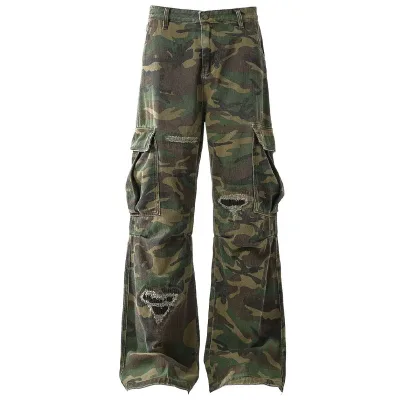
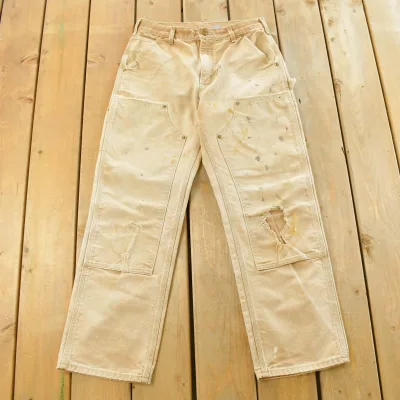
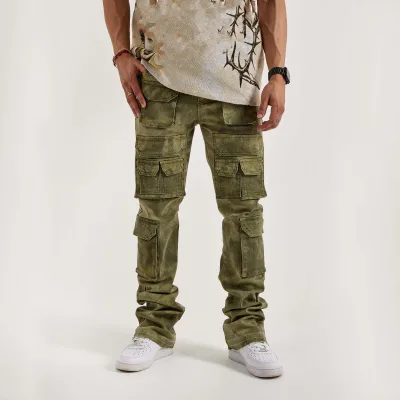
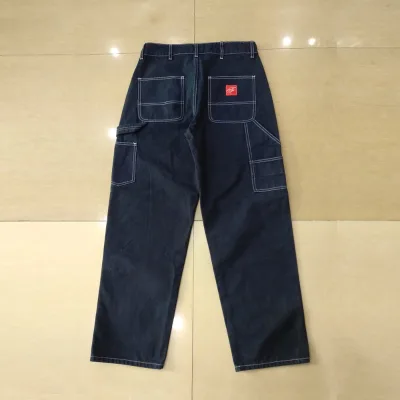
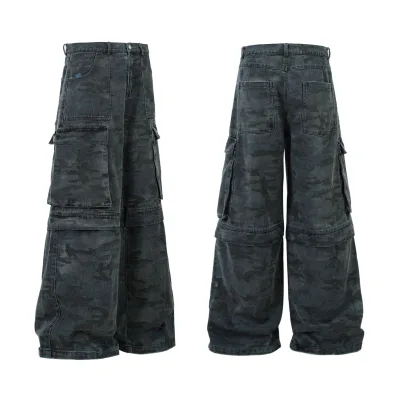
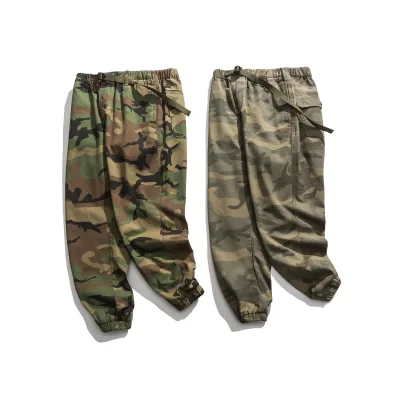
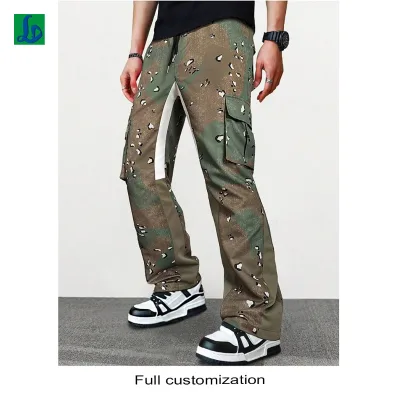
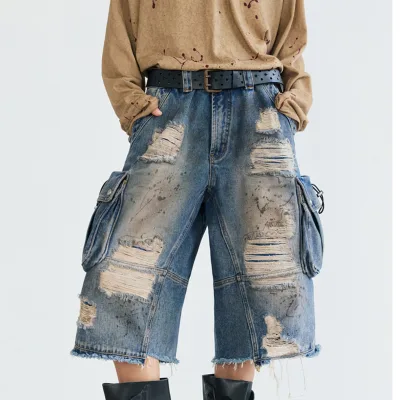
Custom Men Unisex Vintage Washed Distressed Casual Cargo Pants Camouflage Drawstring Outdoor Casual
$11.5721 - $16.8315
MOQ: 50 pieces
Jiangxi Bangyuan Garment Co., Ltd.
- Manufacturer, Trading Company
- Jiangxi, China
- Lead time30 days
- Avg. response≤ 3h
Main productsT-Shirts/Polo shirt/Pants/Hoodies/shorts
Main marketsNorth America(37.00%), Mid East(18.00%), South America(10.00%), Africa(5.00%), Oceania(5.00%), Northern Europe(5.00%), Eastern Asia(5.00%), Eastern Europe(5.00%)

Shenzhen Fairy Tale Kingdom Technology Co., Ltd.
- Manufacturer, Trading Company
- Guangdong, China
- Lead time18 days
- Avg. response≤ 2h
Main productsHoodie,Jacket,Jeans,T-shirts,Sweatpants
Main marketsNorth America(28.00%), Oceania(21.00%), Western Europe(17.00%), South America(5.00%), Northern Europe(5.00%), Eastern Europe(5.00%), Central America(4.00%), Mid East(3.00%), Domestic Market(3.00%), Eastern Asia(3.00%), Southern Europe(2.00%), Africa(2.00%), Southeast Asia(1.00%), South Asia(1.00%)
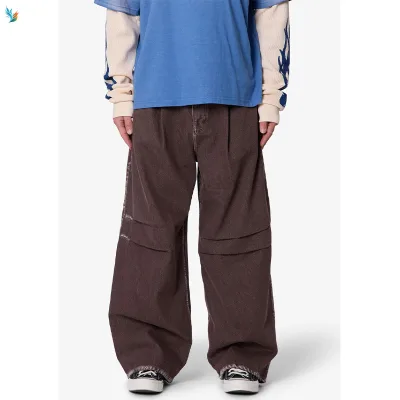
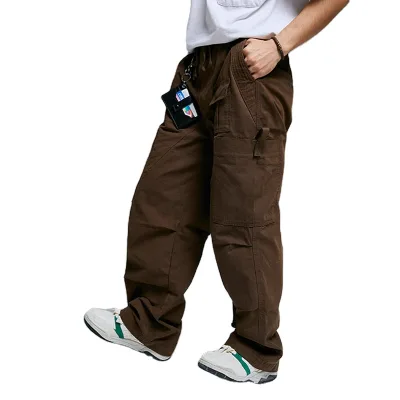
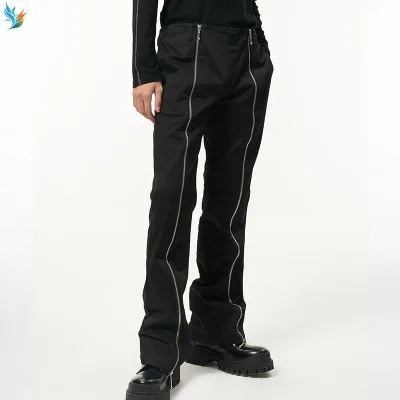
$16.51 - $19.40
MOQ: 100 pieces
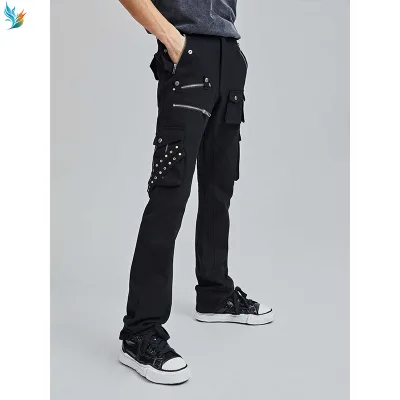
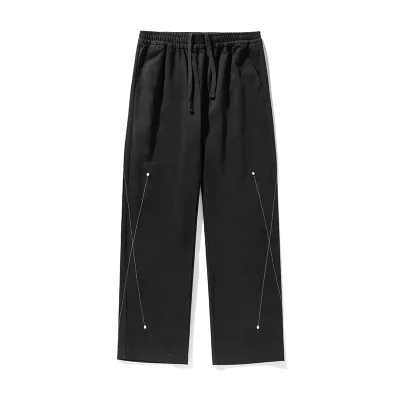
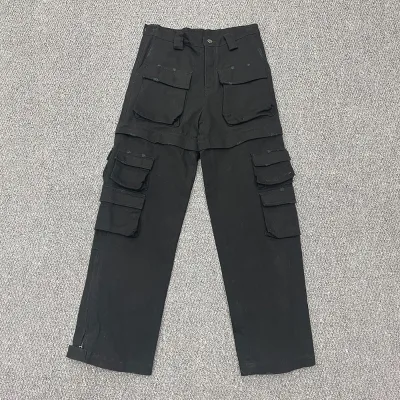
Custom Factory Studded Rivet Slim Fit Cargo Multi Pocket Cotton Cargo Pants with Tape for Men
$16.51 - $19.40
MOQ: 100 pieces
Jiangxi Dezhuang Import And Export Trading Co., Ltd.
- Manufacturer, Trading Company
- Jiangxi Province, China
- Lead time30 days
- Avg. response≤ 2h
Main productsT-shirt,Hoodie,Waistcoat,Trousers,Jeans
Main marketsNorth America(60.00%), Eastern Europe(20.00%), Domestic Market(10.00%), Southeast Asia(10.00%)
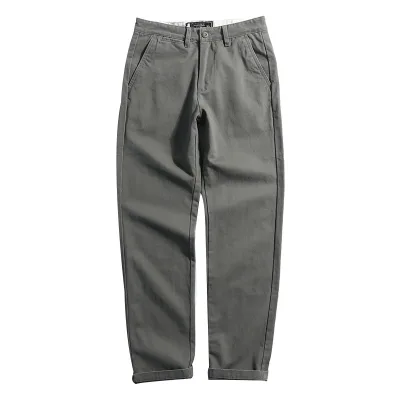
$15.33 - $17.80
MOQ: 30 pieces
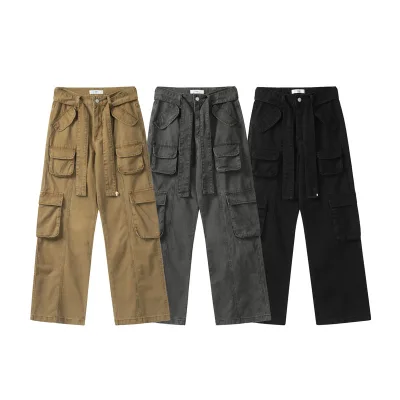
$17.00 - $20.00
MOQ: 30 pieces
Foshan Haode Garments Co., Ltd.
- Manufacturer, Distributor/Wholesaler
- Guangdong, China
- Lead time15 days
- Avg. response≤ 13h
Main productsTSHIRT,TANK TOP,HOODIES,SWEATSHIRT,SHORTS
Main marketsCentral America(6.00%), Eastern Europe(6.00%), Northern Europe(5.00%), North America(5.00%), South America(4.00%)
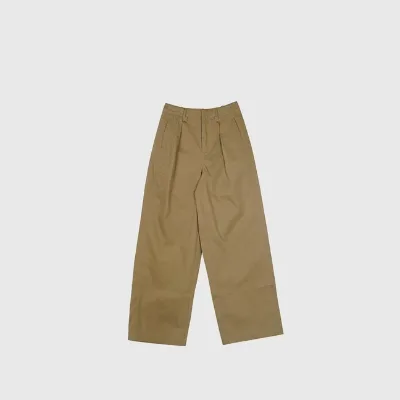
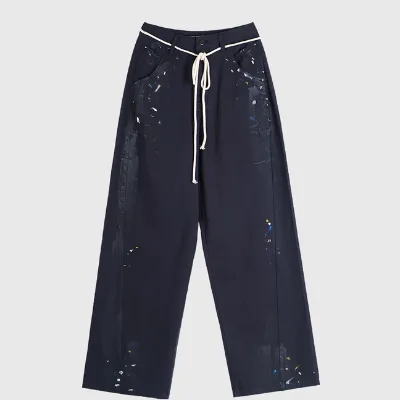
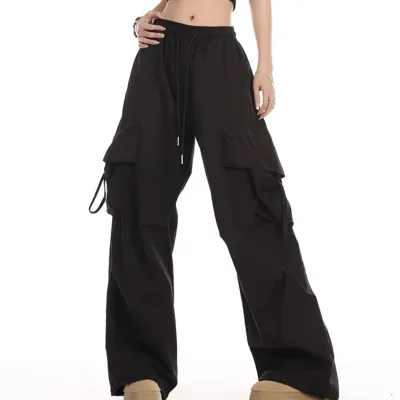
Summer Retro vintagewomen pants Overalls Women's Wide Leg Straight Tube Loose Cargo Pants
$17.36 - $26.87
MOQ: 2 bags

$16.15 - $28.50
MOQ: 2 pieces

Power Ascent (Xiamen) International Ltd.
- Verified by BV
- Trading Company,Manufacturer/Factory
- China Fujian
- Lead time90 days
- Avg. response≤ 25h
Main productsMen's Suit, Business Suit, Shirt, Trousers, Casual Jacket, Ski Wears, Softshell Jacket, Function Garments, Office Uniform, Worker Uniform
Main marketsSouth America,Eastern Europe,Mid East,North America,Oceania,Western Europe

Guangzhou Ouzun Clothing Co., Ltd.
- Verified by CTI
- Combined
- China Guangdong
- Lead time23 days
- Avg. response≤ 2h
Main productsUniforms, Pants, Suits&Blazer, T Shirt, Polo Shirt, Sportswear, Jacket, Hoodies&Sweatshirts
Main marketsDomestic

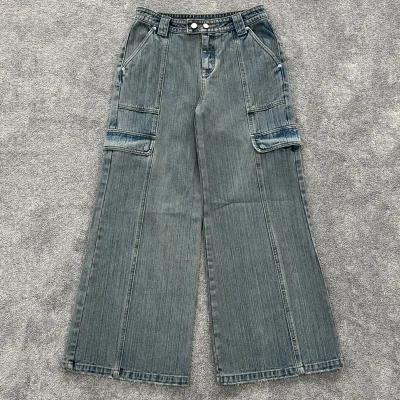
Vintage Washed Denim Jean Style Cargo Pants with Pockets Women's Cargo Pants Jeans
$3.99 - $5.99
MOQ: 100 Sets


Huizhou Chaoli Gravity Technology Co., Ltd.
- Verified by SGS
- Trading Company
- China Guangdong
- Lead time15 days
- Avg. response≤ 11h
Main productsHoodie, Jeans, T-Shirt, Sweatshirt, Sweatpants, Tank Top, Sports Wear, Jersey
Main marketsEurope,Australia,North America

Wholesale High Quality Custom Logo Design Cargo Pants with Multi Pocket Vintage Trousers
$12.90 - $18.90
MOQ: 100 Pieces


Guangzhou Yuchen Clothing Co., Ltd
- Verified by TUVRHEINLAND
- Combined
- China Guangdong
- Lead time30 days
- Avg. response≤ 3h
Main productsCustom Made; Custom-Tailor; , T-Shirt, Polo Shirt, Uniforme, Wholeale T-Shirt, Hoody, Sportswear, Shool Uniform, Workclothes, Medical Scrubs
Main marketsDomestic

Retro Multi-Pocket Distressed Washed Work Pants with Loose and Casual Fit
$9.00 - $10.00
MOQ: 100 Pieces


Jiangxi Shujin Garments Co., Ltd
- Trading Company
- China Jiangxi
- Lead time0 days
- Avg. response≤ 2h
Main productsTrousers, Cargo Pants, Pant, Jeans, Women's Jeans, High Waist Stretch Jeans, Men's Jeans, Cargo Pocket Jeans, Long Pants, Stretch Skinny Jeans


MID Waist Men's Casual Cargo Pants with Trend Multi-Pocket Plus Size Polyester Fibre
$6.00 - $9.00
MOQ: 100 pc
Dongguan Dali Clothing Co., Ltd.
- Manufacturer, Trading Company
- Guangdong, China
- Lead time30 days
- Avg. response≤ 4h
Main productsMen's Clothing
Main marketsNorth America(40.00%), Oceania(30.00%), Western Europe(15.00%), South Asia(5.00%), Northern Europe(5.00%), Southeast Asia(5.00%)

Yancheng Yunqian Apparel Co.,Ltd
- Verified by CTI
- Trading Company
- China Jiangsu
- Lead time30 days
- Avg. response≤ 5h
Main productsT Shirt, Hawaiian Shirt, Flannel Shirt, Hoodies, Dress Shirt, Leggings, Pants, Polo Shirt, Jacket
Main marketsSouth America,Europe,Australia,North America
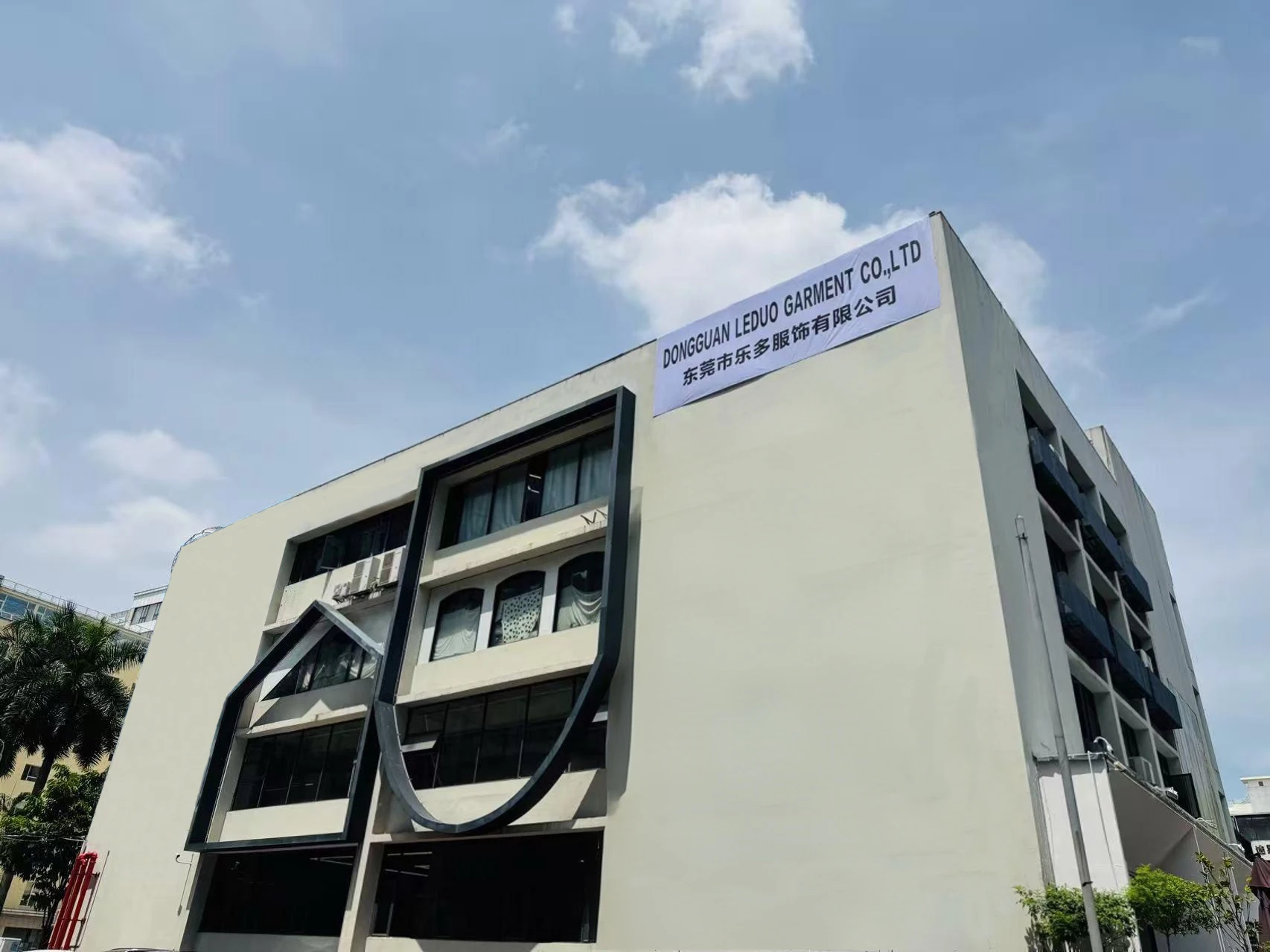
Dongguan Leduo Garment Co., Ltd.
- Manufacturer
- Guangdong, China
- Lead time20 days
- Avg. response≤ 2h
Main productsMen Jacket, Men Shorts , Men Hoodies, Men Tracksuit, Women Hoodies
Main marketsNorth America(50.00%), Oceania(30.00%), Western Europe(20.00%)

Isaiah Trading (Linyi) Co., Ltd.
- Verified by SGS
- Trading Company
- China Shandong
- Lead time60 days
- Avg. response≤ 2h
Main productsDenim Coat, Denim Jacket, Jeans, Western Shirt, Casual Coat, Denim Shirts, Trucker Jacket, Windbreaker Coat, Trench Coat, Women Jeans
Main marketsNorth America

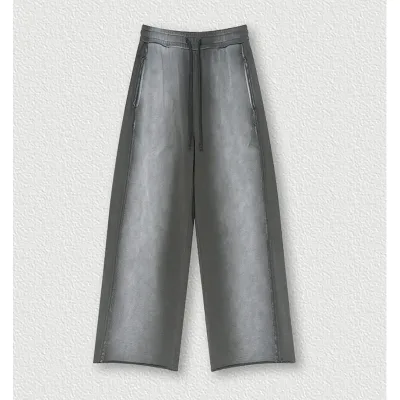
Women's Vintage Tr Fabric Grey Color Customer Design Loose Cargo Straight Pants
$9.20 - $15.00
MOQ: 500 PC


Kinglong Protective Products (Hubei) Co., Ltd.
- Verified by TUVRHEINLAND
- Combined
- China Hubei
- Lead time60 days
- Avg. response≤ 2h
Main productsWork Clothes, Workwear, Coveralls, Work Garment, Uniforms, Pants, Cargo Pants, Leisure Pants, Outdoor Wear
Main marketsSouth America,Southeast Asia/ Mideast,Europe


Top Quality Factory Direct Custom Heavy Duty Zippered Pocket Cargo Pants
$5.56 - $6.89
MOQ: 3000 piece


Elastic Waist Stretch Cargo Pants for Men: Premium Cotton Twill and Standard Fit
$6.80 - $9.50
MOQ: 3000 piece

Shenyang Sunnytex Apparel Co., Ltd.
- Verified by BV
- Trading Company
- China Liaoning
- Lead time30 days
- Avg. response≤ 3h
Main productsPants, Jackets, Workwear, Cargo Pants, Swimwear, Uniform, Vest, Coverall, Reflective Clothes, Work Clothes
Main marketsEast Asia(Japan/ South Korea),Europe,Australia

QUANZHOU LONGHUA TRADING CO., LTD.
- Trading Company,Manufacturer/Factory
- China Fujian
- Lead time90 days
- Avg. response≤ 14h
Main productsShoes & Garments, Jacket, Shorts, Pants Joggers, Hoodies, Kid Shoes, Sport Shoes, Casual Shoes
Main marketsSouth America,Eastern Europe,Mid East,North America,Southeast Asia,Eastern Asia,Western Europe

- Verified by CTI
- Trading Company
- China Anhui
- Lead time23 days
- Avg. response≤ 2h
Main productsFurniture, Home Furniture
Main marketsSoutheast Asia/ Mideast

Fuzhou Changtai Textile Co., Ltd.
- Manufacturer
- China Fujian
- Lead time60 days
- Avg. response≤ 16h
Main productsJacket, Softshell Jacket, Padding Jacket, Wind Jacket, Safety Jacket, Reflective Jacket, Down Jacket, Rain Wear, Sports Wear, Outdoor Wear
Main marketsEurope,Australia
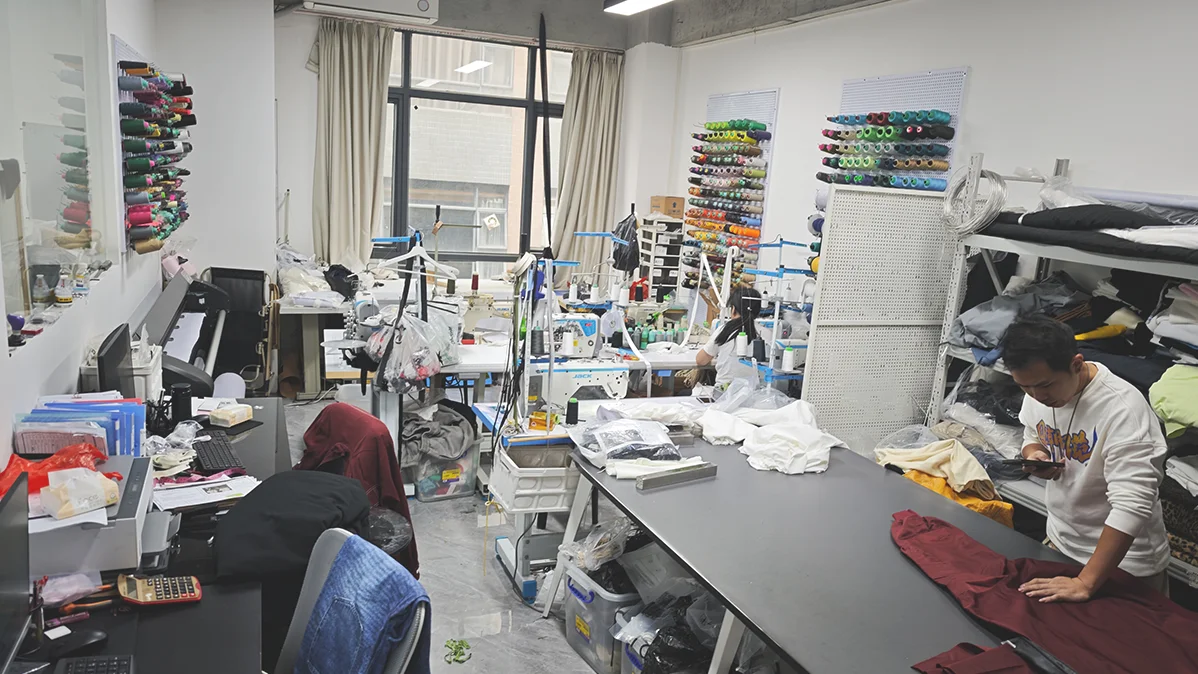
Foshan Bige Brothers Clothing Co., Ltd.
- Manufacturer, Trading Company, Distributor/Wholesaler
- Guangdong, China
- Lead time14 days
- Avg. response≤ 5h
Main productsHoodie&Sweatshirt,T-shirt,Polo Shirt,Men Shirt,Trousers&Pants
Main marketsNorth America(50.00%), Western Europe(30.00%), Eastern Europe(20.00%)
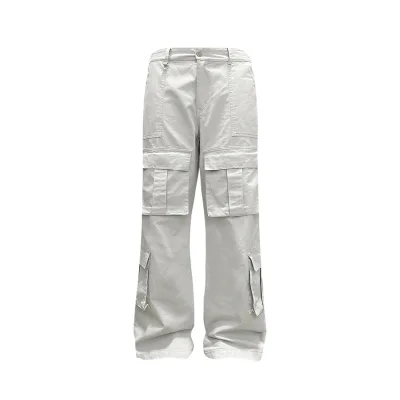
Durable Trendy Design White Cotton Baggy Pants Multiple Pockets Men's Streetwear Cargo Pants
$19.9264 - $24.0144
MOQ: 100 pieces
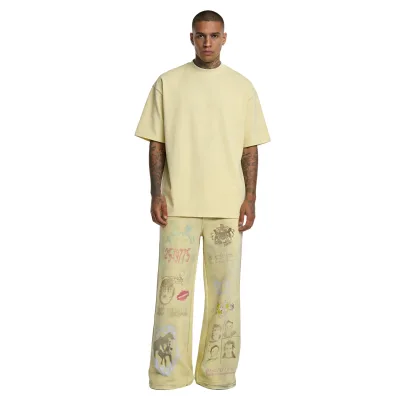
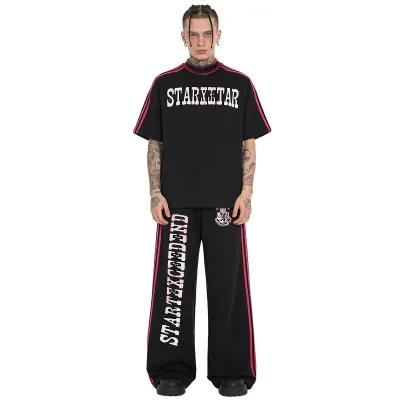

Jiangxi Oubo Garment Co., Ltd.
- Manufacturer, Trading Company
- Jiangxi Province, China
- Lead time10 days
- Avg. response≤ 2h
Main productshoodie,T-shirt,pants,sweater,tank top
Main marketsNorth America(70.00%), Northern Europe(20.00%), Mid East(10.00%)
Dongguan Helobro Garment Co.,Ltd.
- Verified by SGS Group
- Manufacturer, Trading Company
- Lead time20 days
- Avg. response≤ 3h
Main productsHoodies, T-shirts, Shorts, Track Suit, Yoga Sets
Main marketsNorth America(50%), Western Europe(30%), Northern Europe(10%)
Guangzhou Etai Apparel Co., Ltd.
- Verified by SGS Group
- Manufacturer, Trading Company
- Lead time15 days
- Avg. response≤ 4h
Main productsT-shirt, Shorts, Hoodie, Team Uniform, Jogger Pants
Main marketsNorth America(30%), South America(20%), South Asia(7%)
Dongguan Jinhui Clothing Co., Ltd.
- Verified by TüVRheinland
- Manufacturer, Trading Company
- Lead time15 days
- Avg. response≤ 3h
Main productsHoodie, T-Shirts, Shorts, Jackets, Coats
Main marketsEastern Europe(40%), North America(30%), Oceania(10%)
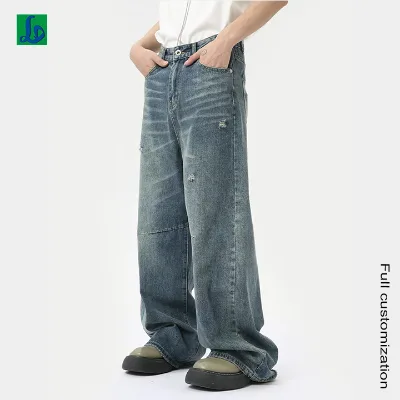
$7.7222 - $11.3264
MOQ: 50 pieces
Dongguan Meiting Garment Co., Ltd.
- Verified by SGS Group
- Manufacturer, Trading Company
- Lead time30 days
- Avg. response≤ 2h
Main productsT shirt, Jacket, Hoodie, Pants, Coat
Main marketsNorth America(80%), Western Europe(15%), Eastern Asia(3%)
Shishi Mengdiqiu Garment Co., Ltd.
- Verified by TüVRheinland
- Trading Company
- Lead time45 days
- Avg. response≤ 2h
Main productsMen's Casual Pants, Men's Shorts, Men's Jeans, Men's Hoodie, Men's T-Shirts
Main marketsNorth America(70%), Eastern Europe(5%), Southeast Asia(5%)
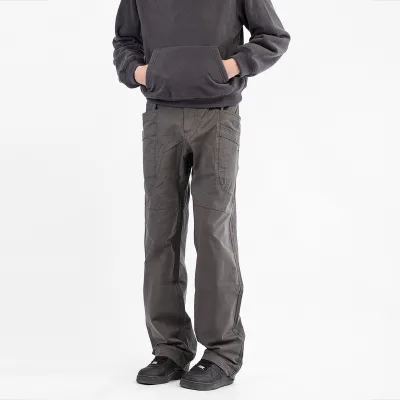
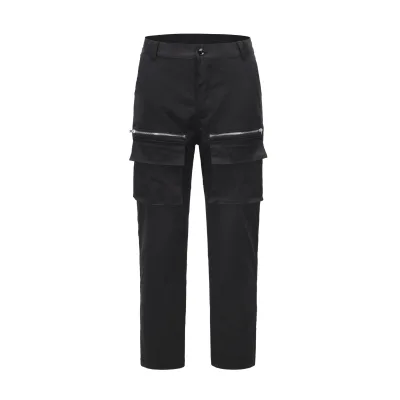
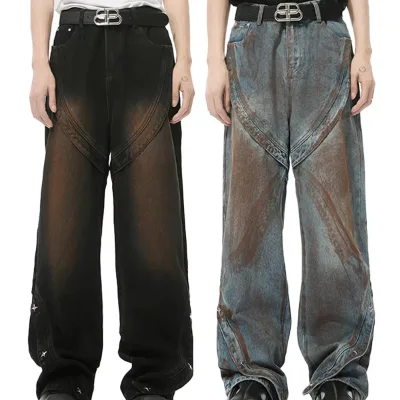
$14.8167 - $17.3094
MOQ: 100 pieces

- Verified by CTI
- Manufacturer/Factory
- China Hebei
- Lead time0 days
- Avg. response≤ 19h
Main productsWork Clothes, Men's Clothes, Women's Clothes, Children's Clothes, Ski Suit, High Visibility Workwear Jacket, Winter Jacket, Beach Pants, High Visibility Workwear Pants, Fashion Shirt

$9.50 - $10.00
MOQ: 1000 pieces


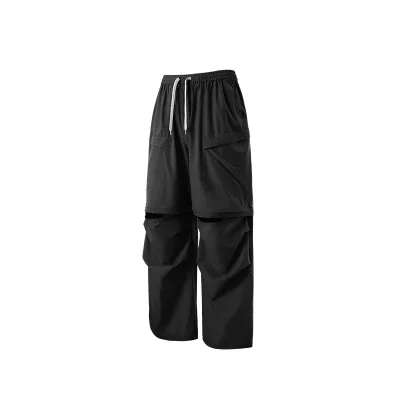
Men's Dual Color Multifunctional Casual Workwear Pants, Men's Cargo Pants
$8.00 - $8.50
MOQ: 1000 pieces

Hangzhou Young Mao Import And Export Trading Co., Ltd.
- Trading Company
- Zhejiang, China
- Lead time0 days
- Avg. response≤ 1h
Main productsJacket,Jeans,Casual Pants,Hoodie,T-shirt
Main marketsNorth America(30.00%), South America(20.00%), Mid East(10.00%), Africa(10.00%), Southeast Asia(10.00%), Central America(10.00%), Northern Europe(5.00%), Eastern Europe(5.00%)
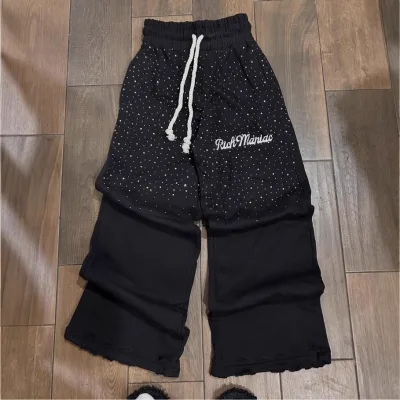
$10.3467 - $25.8645
MOQ: 50 pieces






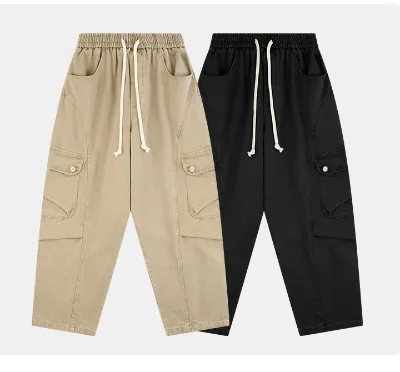
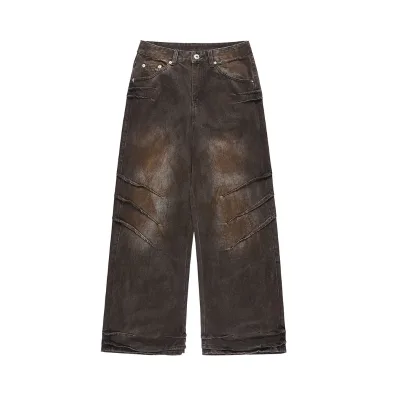
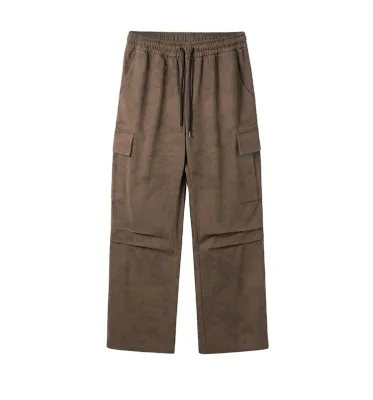
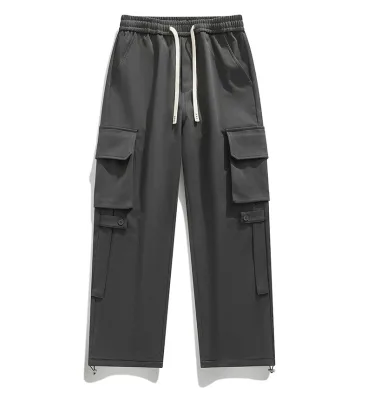
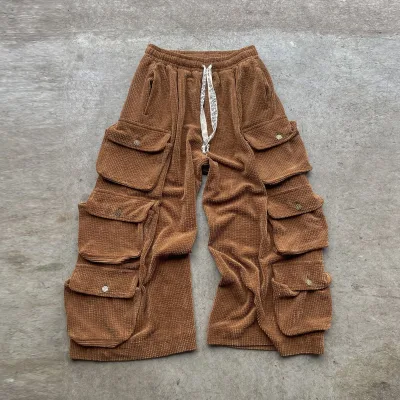
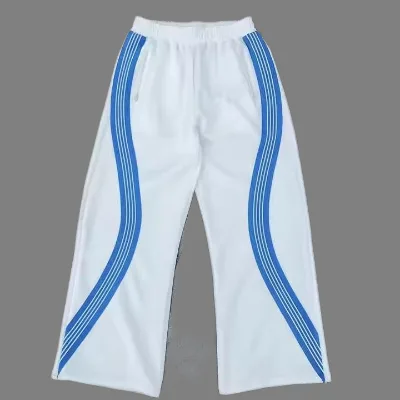
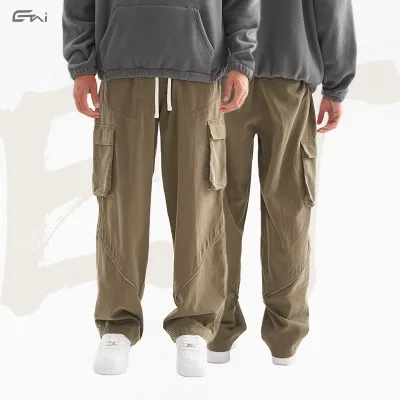
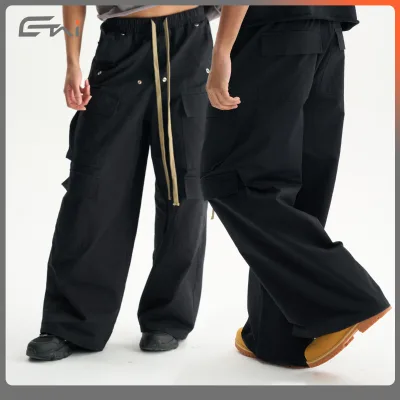
Comprehensive Sourcing Guide
Vintage Distressed Cargo Pants Supplier Concentration and Factory Types
The current supplier landscape for Vintage Distressed Cargo Pants reveals a mix of manufacturing capabilities and trading structures, offering buyers diverse engagement models. Data indicates that the available suppliers operate primarily as either manufacturers or trading companies, a distinction that significantly impacts direct communication and production control. Manufacturers typically possess the physical infrastructure for sample processing, graphic processing, and customized on-demand production, which is crucial for brands seeking specific vintage washes or distressing techniques. Trading companies, on the other hand, may aggregate products from multiple factories, potentially offering a broader range of styles but with less direct oversight of the manufacturing process. This structural diversity means buyers must carefully evaluate whether they prioritize direct factory access for cost efficiency or the flexibility of a trading partner for variety and logistics support.
Geographic concentration plays a vital role in supply chain efficiency, with specific regions emerging as key hubs for this product category. Evidence points to suppliers located in Guangdong, China, a well-known textile and apparel manufacturing cluster, as well as Jiangxi, China, another significant region for garment production. These locations are not merely administrative labels but indicators of established industrial ecosystems that support the complex processes required for denim and cargo pants, such as washing, distressing, and embroidery. Buyers should consider these regional facts when assessing logistics costs and lead times, as proximity to these manufacturing hubs can influence shipping speeds and communication ease. Understanding the geographic distribution helps in predicting potential bottlenecks and aligning supplier locations with your own distribution network requirements.
How to Verify Vintage Distressed Cargo Pants Suppliers
Verification is the cornerstone of mitigating risk when sourcing Vintage Distressed Cargo Pants, especially given the specialized nature of the product. Buyers should prioritize suppliers who have undergone third-party verification processes, such as those conducted by TüVRheinland, which provides an additional layer of trust regarding the supplier’s operational legitimacy. This verification status is a critical data point that separates established entities from unverified traders. Beyond basic verification, buyers must scrutinize the supplier’s certification portfolio, specifically looking for compliance with standards like REACH and (EC) 1907/2006. These certifications are particularly relevant for denim and cargo pants due to the chemical processes involved in washing, dyeing, and distressing fabrics. Ensuring that the supplier adheres to these environmental and safety standards is essential for maintaining brand integrity and avoiding regulatory hurdles in target markets.
Response time is another tangible metric that reflects a supplier’s operational efficiency and customer service quality. The observed data shows response times of 2 and 3, which serve as indicators of how quickly a supplier can engage with inquiries and provide necessary documentation. A faster response time often correlates with a more organized internal process, which is beneficial when managing complex orders involving custom designs and multiple production stages. Buyers should use these response metrics as a preliminary filter, reaching out to suppliers with quicker response rates to gauge their professionalism and attention to detail. Additionally, verifying the supplier’s ability to provide needle detection services, as indicated in some product attributes, is crucial for ensuring product safety and compliance with international textile standards. This technical verification step ensures that the final product meets all safety requirements before shipment.
What to Compare Across Vintage Distressed Cargo Pants Suppliers
When evaluating multiple suppliers, buyers must compare a range of operational and product-specific attributes to find the best fit for their needs. Key dimensions include lead time, minimum order quantity (MOQ), and response speed, all of which directly impact inventory planning and cash flow. The available data highlights an MOQ of 50, which is a significant threshold for many buyers, particularly those testing new designs or operating with limited capital. Comparing suppliers based on their ability to accommodate this MOQ or negotiate lower quantities for initial trials is essential. Furthermore, lead time information, although currently showing a value of 0 in some datasets, requires careful interpretation. Buyers should clarify whether this indicates a standard production window or a placeholder, and compare it against suppliers who provide clear, realistic timelines for sample and bulk production.
Product attributes and customization capabilities are equally critical in the comparison process. Suppliers offer various styles, including cargo pants, straight-leg jeans, and baggy fits, with materials ranging from 100% cotton to other blends. Buyers should compare the specific features offered, such as wash types (light, enzyme, distressed), decoration methods (crystal, rhinestone, patches), and printing techniques (digital printing). The ability to customize logo positions, such as front or back placement, and to offer OEM services is a key differentiator. Additionally, comparing the price ranges, which span from approximately $9.00 to $25.00 per unit, helps in aligning supplier offerings with budget constraints. Buyers must also consider the supplier’s main product focus, whether they specialize in denim jeans, hoodies, or a broader apparel range, to ensure they have the expertise required for high-quality Vintage Distressed Cargo Pants.
Common Vintage Distressed Cargo Pants Sourcing Risks
Sourcing Vintage Distressed Cargo Pants involves several inherent risks that buyers must proactively manage to ensure a smooth procurement process. One significant risk is the variability in product quality, particularly regarding the consistency of distressing and washing effects. Since vintage finishes are often achieved through manual or semi-manual processes, there is a risk of inconsistency between samples and bulk production. Buyers must mitigate this by requesting detailed photos of bulk production runs and establishing clear quality control standards for wash variations and fabric integrity. Another risk is the potential for miscommunication regarding customization details, such as logo placement, embroidery styles, or specific wash colors. This can lead to costly rework or rejected shipments if not carefully documented and confirmed with the supplier before production begins.
Supply chain disruptions and lead time delays are also common risks, especially when dealing with suppliers who have ambiguous lead time data. The current data shows a lead time of 0, which is likely an error or placeholder, highlighting the need for buyers to verify actual production schedules. Delays can occur due to material shortages, particularly for specific cotton blends or specialized fabrics, or due to bottlenecks in the washing and finishing stages. Buyers should establish clear communication channels and regular update protocols with their suppliers to monitor production progress. Additionally, the risk of non-compliance with safety standards, such as needle detection failures, poses a legal and reputational threat. Ensuring that suppliers have robust quality control measures in place, including final product inspections, is essential to avoid these risks and maintain product safety.
Vintage Distressed Cargo Pants Regional Sourcing and Logistics
Regional sourcing decisions significantly influence logistics costs, lead times, and overall supply chain resilience for Vintage Distressed Cargo Pants. The identified supplier locations in Guangdong and Jiangxi, China, offer distinct advantages based on their industrial ecosystems. Guangdong is a major hub for apparel manufacturing, known for its efficient supply chains and advanced production capabilities, which can facilitate faster turnaround times for complex designs. Jiangxi, while also a significant producer, may offer different cost structures and logistical considerations. Buyers should evaluate these regional factors in the context of their own distribution networks, considering shipping routes, customs procedures, and potential transit times. Understanding the geographic advantages of each region helps in selecting suppliers that align with your logistical preferences and cost targets.
Logistics planning must also account for the specific requirements of denim and cargo pants, which are often heavier and bulkier than other apparel items. This impacts shipping costs and packaging requirements, making it essential to work with suppliers who have experience in handling such products. Buyers should inquire about the supplier’s packaging methods to ensure that the vintage finishes are protected during transit, preventing damage to the distressed details. Additionally, considering the environmental impact of shipping and exploring options for consolidated shipments can help reduce costs and carbon footprint. By carefully analyzing the regional sourcing options and their logistical implications, buyers can optimize their supply chain for efficiency, cost-effectiveness, and reliability, ensuring that the Vintage Distressed Cargo Pants reach the market in optimal condition.
Vintage Distressed Cargo Pants Commercial Terms and Order Planning
Commercial terms and order planning are critical components of a successful sourcing strategy for Vintage Distressed Cargo Pants. Buyers must carefully review the pricing structures, which vary based on factors such as material quality, customization complexity, and order volume. The observed price range of $9.00 to $25.00 per unit provides a baseline for budgeting, but buyers should negotiate for better rates based on order quantity and long-term partnership potential. Understanding the payment terms, including deposit requirements and balance payment schedules, is essential for cash flow management. Buyers should also clarify any additional costs, such as sample fees, mold charges, or shipping expenses, to avoid unexpected financial burdens.
Order planning should begin with a clear understanding of the supplier’s capacity and lead times. Given the observed MOQ of 50, buyers should plan their initial orders to meet this threshold while considering future scalability. It is advisable to start with a smaller trial order to assess quality and supplier reliability before committing to larger volumes. Buyers should also establish a timeline for sample approval, production, and delivery, ensuring that all milestones are met to avoid delays. Regular communication with the supplier regarding production status and any potential issues is crucial for maintaining control over the order. By meticulously planning commercial terms and order timelines, buyers can minimize risks and ensure a smooth procurement process for Vintage Distressed Cargo Pants.
FAQs
What is the price range for Vintage Distressed Cargo Pants?
Prices for these pants typically range from $9.00 to $25.00 per unit. The final cost depends on specific fabric choices, wash techniques, and order volume. Buyers should expect variations based on customization needs and material quality.
What is the minimum order quantity for these items?
The minimum order quantity is generally set at 50 units. This threshold allows suppliers to cover production costs while offering competitive pricing. Buyers seeking smaller quantities may need to negotiate directly or look for stock items.
How quickly do suppliers respond to inquiries?
Suppliers typically respond within two to three days. This timeframe ensures buyers receive timely information regarding pricing, samples, and production schedules. Faster responses often indicate higher operational efficiency and readiness to handle urgent sourcing requests.
Are these pants made from 100% cotton?
Many listings specify 100% cotton fabric for durability and comfort. Some variations may use blended materials or canvas for a heavier weight. Buyers should verify the exact material composition in product specifications to ensure it meets their quality standards.
What certifications do these manufacturers hold?
Manufacturers often hold REACH and (EC) 1907/2006 system certifications. These ensure compliance with chemical safety standards for textiles. Buyers should request valid certificates to verify that the production processes meet international environmental and safety regulations.
Where are these cargo pants manufactured?
Production primarily occurs in Guangdong and Jiangxi, China. These regions are known for their established textile infrastructure and manufacturing capabilities. Buyers can expect efficient logistics and access to a wide variety of denim and canvas styles.