eco-friendly customized shape embroidery patch Suppliers and Manufacturers
Source eco-friendly customized shape embroidery patch options from 22 verified suppliers in China. Compare key dimensions including lead times, MOQs, and certifications like RoHS. Review product attributes and request samples to verify quality and fit for your specific garment or accessory needs.
Updated
Suppliers List

Zhongshan Yingying Textile Co., Ltd.
- Verified by SGS
- Manufacturer
- China Guangdong
- Lead time15 days
- Avg. response≤ 2h
Main productsPatch, Keychain, Sequin Patch, Towel Embroidery Patch, Embroidery Patch, Embroidery Keychain, Woven Label Patch, Woven Patch, Woven Keychain, Lanyard

LIZHUO INTERNATIONAL CO., LTD.
- Verified by SGS
- Trading Company
- China Guangdong
- Lead time23 days
- Avg. response≤ 3h
Main productsEmbroidery Patch, Woven Label, Embroidery Lace, Hangtag, Printing Label, School Bag, Embroidery Fabric, String
Main marketsEast Asia(Japan/ South Korea)


Iron-Onembroidered Patch, Customized Self-Adhesive Embroidery Patch for Decoration
$0.05 - $0.75
MOQ: 100 Pieces


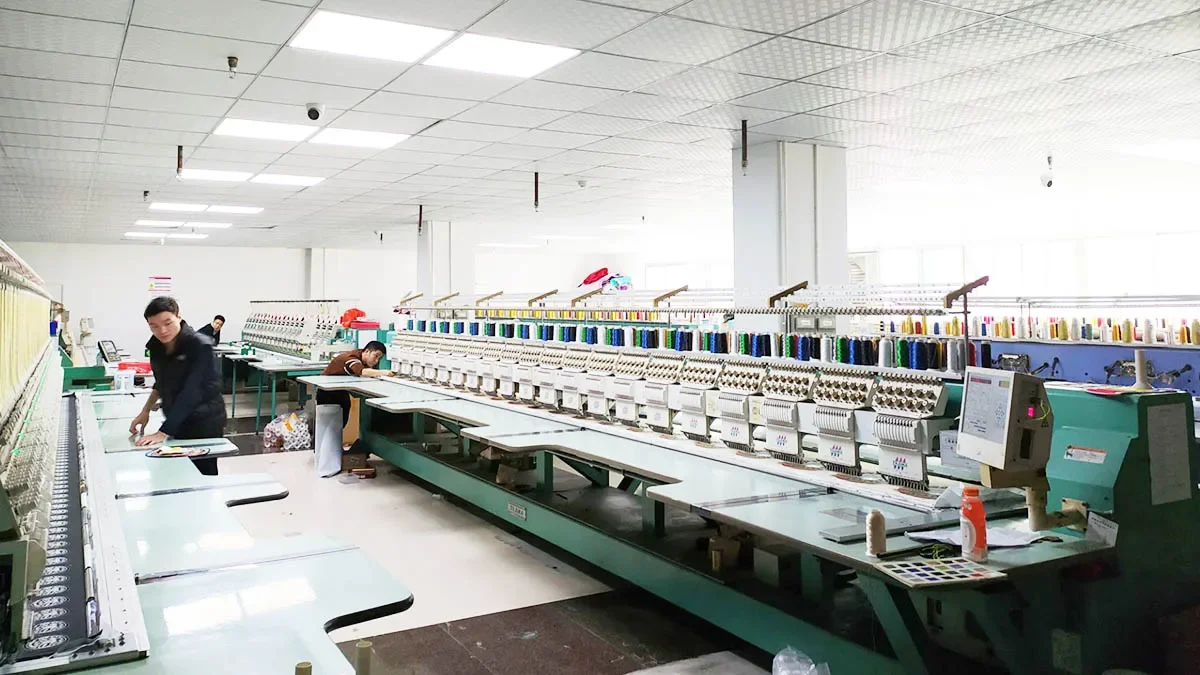
Guangxi Chengyu Computer Embroidery Co., Ltd.
- Manufacturer, Trading Company
- Guangxi, China
- Lead time7 days
- Avg. response≤ 3h
Main productsembroidery patch,embroidered keychain,chenille patch,woven patch,Clothing Label
Main marketsNorth America(50.00%), Domestic Market(10.00%), Western Europe(10.00%), Oceania(10.00%), Eastern Europe(6.00%), Central America(2.00%), Southern Europe(2.00%), Northern Europe(2.00%), Mid East(2.00%), South America(2.00%), Southeast Asia(1.00%), South Asia(1.00%), Africa(1.00%), Eastern Asia(1.00%)
Haiyan Lesheng Embroidery Co., Ltd.
- Manufacturer, Trading Company
- Zhejiang, China
- Lead time10 days
- Avg. response≤ 5h
Main productsEmbroidery Patches,Woven label,PVC Patches,Leather Patches,Digital Patches
Main marketsNorth America(40.00%), Domestic Market(15.00%), Western Europe(10.00%), Eastern Europe(10.00%), Southern Europe(5.00%), Oceania(5.00%), Northern Europe(5.00%), Eastern Asia(5.00%), South America(5.00%)
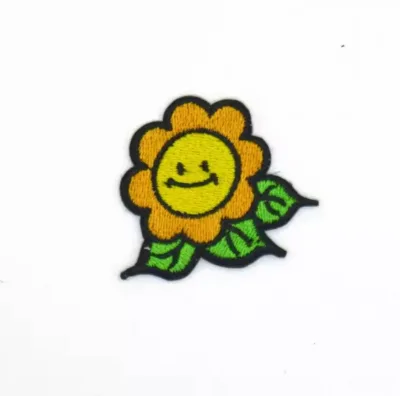
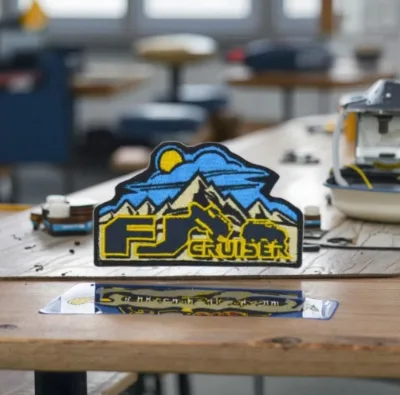
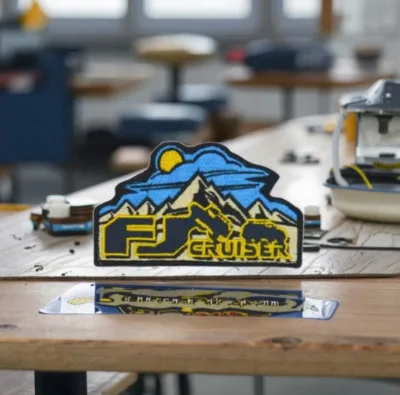
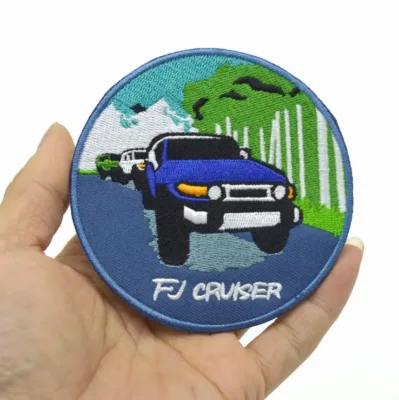
Factory-customized logo Letters, Sewn Clothing, Embroidered Patches, Self-adhesive
$0.14 - $0.50
MOQ: 1 pieces

Eco-friendly custom woven patches for durable clothing uniforms fabric embroidered patches for girls
$0.10 - $0.45
MOQ: 10 pieces
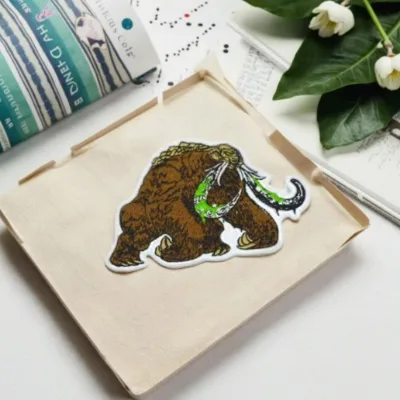
New style patch twill fabric cartoon animal patch clothing and shirt custom embroidery
$0.19 - $0.60
MOQ: 50 pieces

Zhongshan Lixin Crafts Co.,Ltd.
- Verified by BV
- Combined
- China Guangdong
- Lead time15 days
- Avg. response≤ 1h
Main productsPatch, Sports Event Medal, Enamel Pin, Custom Keychain, Challenge Coin, Fridge Magnet
Main marketsDomestic
Zhongshan He Yang Craft Gifts Co., Ltd.
- Verified by SGS Group
- Manufacturer, Trading Company
- Lead time12 days
- Avg. response≤ 1h
Main productsEmbroidery patch, woven label patch, Chenille patch, Sequin patch, Clothing Label
Main marketsNorth America(25%), Western Europe(25%), Eastern Europe(9%)
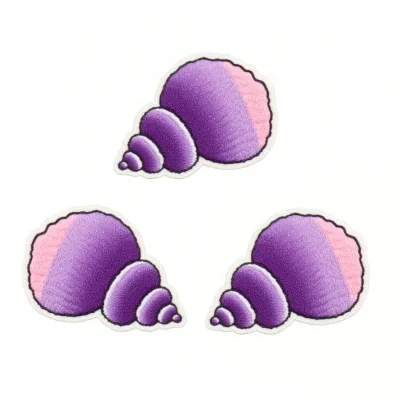
$0.10 - $0.48
MOQ: 100 pieces
Cartoon Wholesale Customized Embroidery Custom Patch/Badge of Colorado
$0.1038 - $0.4988
MOQ: 100 pieces
- Verified by TüVRheinland
- Trading Company
- Lead time10 days
- Avg. response≤ 3h
Main productsMetal Crafts, Acrylic Crafts, Embroidery Crafts, PVC Crafts, Wooden Crafts
Main marketsNorth America(70%), South America(5%), Eastern Europe(5%)

Zhongshan Xinyuan Silicone Rubber Co., Ltd.
- Verified by TUVRHEINLAND
- Combined
- China Guangdong
- Lead time15 days
- Avg. response≤ 2h
Main productsEmbroidery Patch, PVC Keychain, Pin Badge, Medal, Lanyard, Challenge Coin, Paper Air Freshener, Coffee Maker, Luggage Tag, Coffee Maker/Grinder
Main marketsSouth America,Southeast Asia/ Mideast,Domestic,Europe,North America

Shenzhen Awells Gift Co., Ltd.
- Verified by SGS
- Combined
- China Guangdong
- Lead time15 days
- Avg. response≤ 1h
Main productsEmbroidery Patch, PVC Patch, Woven Patch, Chenille Patch, Embroidery Keychain, Woven Keychain, PVC Keychain, Lanyard, Lapel Pin, Cap
Main marketsSoutheast Asia/ Mideast,Europe,Australia,North America


High Quality Embroidered Custom Embroidery Patch and Woven Sublimation Embroidered Patches
$0.15 - $0.72
MOQ: 50 Pieces

Dongguan FengSuer Textile Co., Ltd
- Verified by TUVRHEINLAND
- Trading Company
- China Guangdong
- Lead time23 days
- Avg. response≤ 4h
Main productsWoven Patches, Woven Labels, Embroidery Patch, Keychians, Hantags, Printing Labels, Printing Patches, Woven Tape, Ribbon
Main marketsEurope

Hangzhou Tengzhuo Garment Accessories Co., Ltd.
- Verified by SGS
- Trading Company
- China Zhejiang
- Lead time0 days
- Avg. response≤ 1h
Main productsWoven Labels, Printing Labels, Hang Tags, Leather Patches, PVC Patches
Dongguan Saiming Garment Accessories Co., Ltd.
- Verified by TüVRheinland
- Manufacturer, Trading Company
- Lead time7 days
- Avg. response≤ 2h
Main productsWoven Label, Woven Patch, Care Label, Printing Label, Embroidery Patch
Main marketsNorth America(10%), South America(10%), Eastern Europe(10%)

Zhongshan Lucky Art & Crafts Gifts Co., Ltd.
- Verified by BV
- Combined
- China Guangdong
- Lead time15 days
- Avg. response≤ 3h
Main productsCustom Medal, Key Chain, Custom Coin, Custom Lapel Pin, Custom Lanyard, Custom Badge, Custom Patch, Custom Air Fresheners, Custom Silicone Bracelets, Custom Cufflinks
Main marketsEast Asia(Japan/ South Korea),Europe,North America
Dongguan Jian Plastic & Metal Products Ltd.
- Verified by Intertek
- Manufacturer, Trading Company
- Lead time20 days
- Avg. response≤ 4h
Main productsLapel Pin, Metal Coin, Medal, Keychain, Cufflink
Main marketsNorth America(37%), Domestic Market(25%), Western Europe(8%)

Ningbo Yinzhou Guda Imp. & Exp. Co., Ltd.
- Verified by SGS
- Trading Company,Manufacturer/Factory
- China Zhejiang
- Lead time15 days
- Avg. response≤ 4h
Main productsSticker, Emblem, Decal, Metal Sticker, Vinyl Sticker, Keyring, Fridge Magnet, Key Chain, Badge, Label
Main marketsSouth America,Eastern Europe,Mid East,North America,Southeast Asia,Eastern Asia,Oceania,Western Europe,Africa

Zhongshan Xinyihong Metal Craft Products Factory
- Verified by TUVRHEINLAND
- Combined
- China Guangdong
- Lead time15 days
- Avg. response≤ 2h
Main productsBadge, Lape Pin, Coin, Medal, Key Chain, Cufflink, Tie Clip, Bottle Opener, Golf Divolt, Name Plate
Main marketsNorth America
Hefei Devote Health Import & Export Co., Ltd.
- Verified by Intertek
- Trading Company
- Lead time45 days
- Avg. response≤ 4h
Main productsSilicone Wristband, Lanyard, Keychain, Lapel Pin, Coin
Main marketsNorth America(60%), Western Europe(18%), Southern Europe(7%)
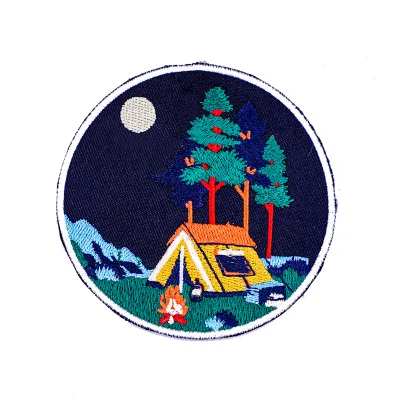
New Design Embroidered Patch Custom Embroidery Woven Iron-on Patches for Clothing
$0.21 - $0.30
MOQ: 100 pieces

XIAMEN POPTRIMS TEXTILE CO.,LTD.
- Verified by BV
- Trading Company
- China Fujian
- Lead time15 days
- Avg. response≤ 8h
Main productsElastic Webbing, Elastic Suspender, Custom Lanyard, Garment Label, Rubber Patch, Shoelace, Strings & Drawcords, Fancy Satin Grosgrain Ribbon, Jacquard Ribbon, Custom Print Ribbon
Main marketsSouth America,Africa,Southeast Asia/ Mideast,East Asia(Japan/ South Korea),Europe,Australia,North America


Custom Fabric Embroidered Patch Badges Embroidery Patches Clothing Woven Patch
$0.08 - $0.12
MOQ: 500 Pieces
Guilin Kangrui Culture Communication Co., Ltd.
- Verified by SGS Group
- Trading Company
- Lead time10 days
- Avg. response≤ 3h
Main productsDice, Coin, Medal, Embroidered patch, Pin
Main marketsNorth America(50%), Western Europe(30%), Eastern Europe(10%)
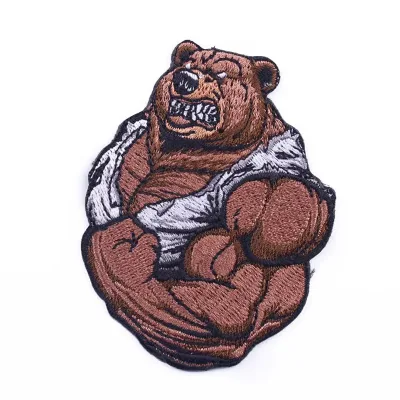
Nice Quality Custom Chenille Embroidery Patch Towel Chenille Embroidery Patch
$0.20 - $0.60
MOQ: 100 pieces
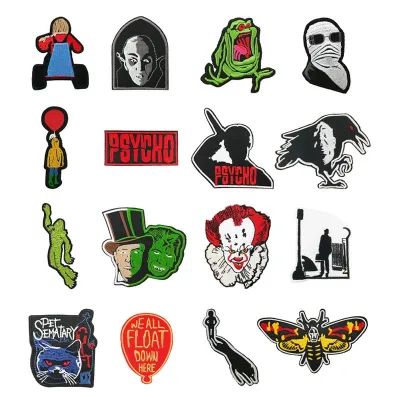
Custom Patches Embroidered Iron on Custom Logo Embossed Patch Soft Hat Patch for Backpack Clothing
$0.20 - $0.60
MOQ: 100 pieces
Huzhou Double Qing Clothing Accessory Co., Ltd.
- Manufacturer, Trading Company
- Zhejiang, China
- Lead time7 days
- Avg. response≤ 3h
Main productsResin Ribbon,TTR wax Resin Ribbon,Nylon Taffeta Lable,Polyester Satin,Cotton Ribbon
Main marketsNorthern Europe(20.00%), Southeast Asia(20.00%), Central America(20.00%), North America(20.00%), South America(15.00%), Mid East(5.00%)
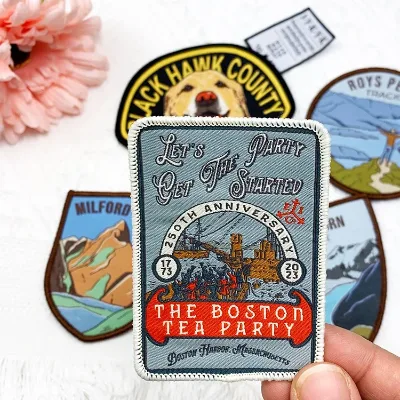
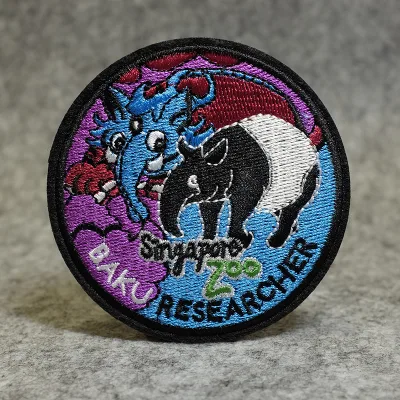
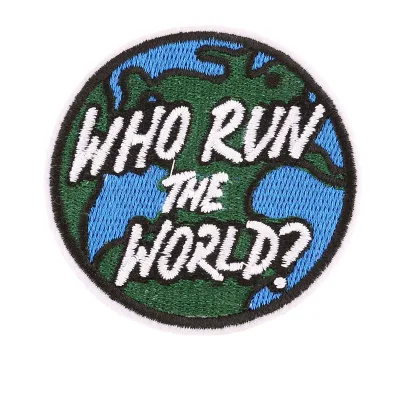
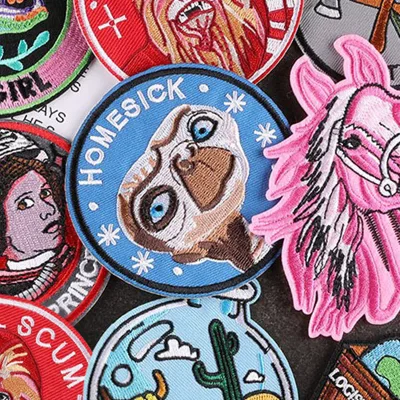
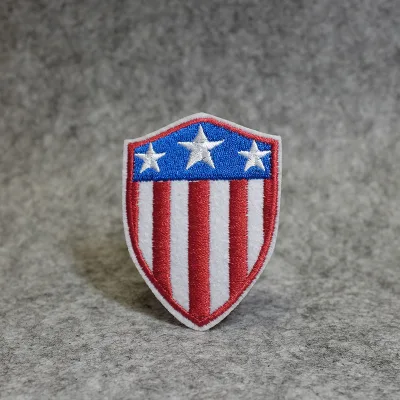
High Quality Custom Embroidery Patches New Design 3D LOGO Woven Patches for Clothing Labels
$0.05 - $0.25
MOQ: 100 pieces

Fuzhou Chongkang Gifts Trade Co., Ltd.
- Verified by SGS
- Manufacturer/Factory
- China Fujian
- Lead time23 days
- Avg. response≤ 5h
Main productsPromotional Gifts, Baseball Cap, Beanies Hat, Gift Bags, Scarf, Microfiber Cleaning Cloth, Keychain, USB Charging Line, Luggage Tag, Mobile Phone Holder
Main marketsSouth America,Eastern Europe,Mid East,North America,Southeast Asia,Eastern Asia,Oceania,Western Europe,Africa

Ningbo DH Textile Industry&Trade Co., Ltd.
- Verified by TUVRHEINLAND
- Trading Company
- China Zhejiang
- Lead time15 days
- Avg. response≤ 8h
Main productsLace, Interlining, Embroidery Thread, Poplin, Hook and Loop, Satin Ribbon, Sewing Thread, Button, Zipper, Lace Fabric
Main marketsAfrica,Southeast Asia/ Mideast,North America


$0.001 - $0.20
MOQ: 1500 Pieces











Comprehensive Sourcing Guide
Eco-Friendly Customized Shape Embroidery Patch Supplier Concentration and Factory Types
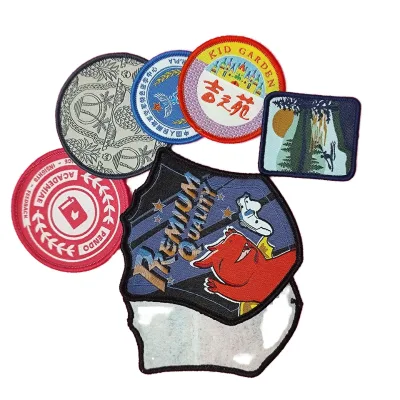
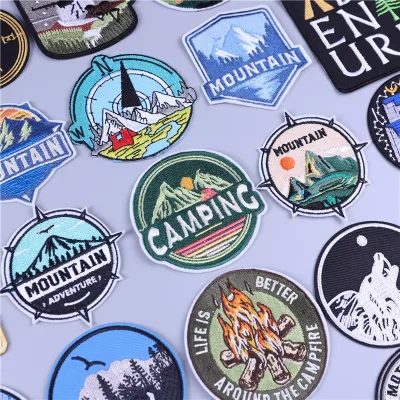
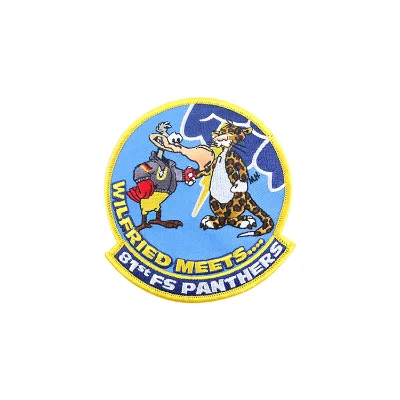
Suppliers of the eco-friendly customized shape embroidery patch concentrate in Guangdong, China, with product origin records pointing specifically to Zhongshan. This region is a practical starting point because many listed factories there combine patch production with related categories such as keychains, sequin patches, towel embroidery patches, woven label patches, woven patches, and lanyards. When a supplier's main-product list covers both embroidered and woven formats, it often signals deeper machine capability for varied stitch densities, edge cuts, and backing types, which matters when your designs demand unusual silhouettes or three-dimensional effects.
Supplier types on B2B listings generally split into manufacturers and trading companies. Manufacturer-labeled suppliers in this category typically list customization, ODM capability, and product-level detail such as twill or cotton base fabric, iron-on or velcro-on attachment, and custom color matching. Trading companies may carry broader catalogs, including labels, lace, hangtags, and school bags, and can be useful when you want one consolidated shipment, but they add a layer between you and the factory. The distinction is not always displayed accurately, so ask any supplier whether production happens in-house or is subcontracted. Because location and company type are among the few attributes consistently shown in search results, use them as a first filter, then confirm workshop photos, machine counts, and whether sample development is handled by the same team that will run your bulk order.
How to Verify Eco-Friendly Customized Shape Embroidery Patch Suppliers
Verification starts with the attributes a platform actually displays and ends with what you confirm directly. Some listings in this category carry third-party verification labels such as SGS, which indicates an on-site assessment has occurred, but a verification badge is not a quality guarantee for your specific eco-friendly customized shape embroidery patch. System certification fields may show as empty or nil on some supplier profiles; treat that as missing information rather than proof of non-compliance, and request current documentation for any eco-claims the product page makes, such as RoHS entries noted in product attributes.
Move from paperwork to process evidence. Ask for a sample cut from the same twill, cotton, polyester, or chenille material you intend to order, and test the iron-on or sew-on backing on your actual garment fabric. Confirm that customization is genuinely available by sending a non-standard shape and requesting a design proof; several listings state that design assistance is provided before production, so check whether that service is free or charged. Verify the factory's real location, since product origin attributes point to Guangdong cities but company registration may differ. Record response behavior during this stage: one measured supplier profile shows a response time of roughly two hours, while another sits just above two hours, and consistent quick replies during sampling usually predict smoother production communication. Finally, ask which certifications apply to your specific materials and dyes, request dated test reports, and never rely on certification text copied from a product template without confirming it applies to your order.
What to Compare Across Eco-Friendly Customized Shape Embroidery Patch Suppliers
Build a comparison table using the dimensions visible on supplier listings, but do not assume every supplier shows every attribute. Useful displayed fields include location, company type, main products, response time, lead time, verification status, and product-level details such as MOQ, price range, sample time, and production time. In this category, observed product listings show MOQs as low as a single piece for one customization-friendly patch, and batch minimums of 50 or 100 pieces for other embroidered and chenille items, so MOQ varies widely and should be compared per design rather than per supplier.
Compare quoted pricing against specifications, since unit prices in observed listings range from roughly $0.07 to $0.50 depending on material, size, and stitch coverage. Lead time is another differentiator: measured supplier profiles show lead times of about 15 days and about 23 days, and product attributes mention sample times of 3 to 5 shipping days with production in 5 to 7 days, but these figures describe only the suppliers that published them. Also compare main-product breadth, because a supplier listing patches alongside keychains and woven labels can cover more of your trim program. Ask each candidate the same questions so answers are comparable: in-house embroidery versus subcontracting, Pantone color matching, edge finishing options such as merrow or heat cut, backing choices including self-adhesive and stick-on, packing format such as OPP bags, and ODM design support. Weight the scores by what your project actually needs.
Common Eco-Friendly Customized Shape Embroidery Patch Sourcing Risks
The most common risk is assumption drift between a listing template and your actual order. Many product pages reuse attribute blocks, so certification entries such as RoHS, material descriptions like twill or cotton, and feature lists such as eco-friendly or nickel-free may reflect a generic template rather than the specific patch you order. Counter this by writing every eco-claim, material, backing, and size into the purchase contract and requiring a signed pre-production sample as the binding reference.
Timing risk is second. Published lead times in this category range from about 15 to 23 days at the supplier level, while product attributes cite 3 to 5 shipping days for samples and 5 to 7 days for production; these numbers can describe different scopes, and peak seasons, thread shortages, or complex multi-color shapes can push real schedules longer. Build buffer time into your garment calendar and confirm the clock starts at artwork approval, not at inquiry. Third is customization ambiguity: a low MOQ of one piece may apply only to a simple design, while detailed custom shapes carry higher minimums, so confirm MOQ per artwork before committing. Fourth is attachment failure, where iron-on backing bonds poorly to your fabric; test wash durability before bulk. Fifth is trading-company opacity, where the intermediary changes factories without telling you. Mitigate by requiring notification of any production-site change. Finally, color mismatch against your Pantone reference is frequent; approve a physical strike-off under your garment's lighting conditions rather than relying on screen images.
Eco-Friendly Customized Shape Embroidery Patch Regional Sourcing and Logistics
The evidence on this page points to Guangdong as the relevant production region, with product origin attributes naming Zhongshan specifically, so plan logistics around southern China's export infrastructure. Guangdong offers dense access to embroidery thread, backing materials, and garment-trim freight forwarders, which shortens material sourcing for customized shapes and supports the 3D, handmade, and layered techniques these patches require. When evaluating suppliers, ask whether the registered company address, the factory address, and the product origin attribute all align; discrepancies are common with trading companies and can affect audit visits and QC scheduling.
For shipping, patch orders are light and compact, so air freight is viable for samples and small runs, while consolidated sea shipments suit full trim programs packed in polybags and cartons, as one listing describes with 50 pieces per polybag and 2,000 pieces per carton. Confirm carton dimensions and gross weight early so your forwarder can quote accurately. If you source other trims such as woven labels, keychains, or lanyards from the same region, consider combining them into one shipment to reduce freight cost per unit, but separate them clearly on packing lists to simplify customs description. Because lead times differ by supplier, with observed profiles showing roughly 15 and 23 days, sequence your purchase orders so patches arrive when your garment factory needs them, not before. Finally, verify export documentation experience: suppliers accustomed to international buyers will handle commercial invoices and product descriptions for embroidered trim smoothly, reducing clearance delays.
Eco-Friendly Customized Shape Embroidery Patch Commercial Terms and Order Planning
Commercial terms for this category revolve around MOQ, pricing tiers, sampling charges, and payment protection. Observed listings show MOQs of 1, 50, and 100 pieces and unit prices from about $0.07 to $0.50, which illustrates why you should request a tiered quotation: ask for pricing at your target quantity and at two higher volumes so you can judge whether scaling rewards you meaningfully. Clarify whether sample fees and design-assist charges are credited against the bulk order, since some suppliers state they help with design before production but do not state the cost. Record response-time expectations in your agreement, using the roughly two-hour response figures seen on some profiles as a benchmark rather than a promise.
For order planning, anchor milestones to the published timing bands: samples in 3 to 5 shipping days, production in 5 to 7 days, and supplier-level lead times around 15 to 23 days, then add approval and shipping buffers. Plan payment structure to protect both sides; avoid paying large sums upfront to unverified accounts, and consider whether any escrow or platform protection applies to your transaction, since verification status varies across suppliers. Specify packing, such as OPP bags, and label requirements in the contract. Finally, plan reorders: embroidered patch tooling, digitized artwork, and approved color standards should be retained by the factory under agreed terms so repeat orders reproduce the eco-friendly customized shape embroidery patch exactly without repeated sampling costs.
FAQs
What customization options are available for embroidery patches?
Customization is available for size, logo, color, and shape. Buyers can request specific designs before production begins. Materials like twill, cotton, and chenille are supported. Eco-friendly and 3D features are also offered for unique fashion styles.
What are the typical lead times for custom patch orders?
Sample production typically takes 3 to 5 shipping days. Full production time ranges from 5 to 7 days for standard orders. Some suppliers may require up to 23 days for larger or more complex manufacturing runs depending on current capacity and order volume.
What is the minimum order quantity for these patches?
Minimum order quantities vary by supplier and product type. Some listings accept orders as low as one piece for samples. Other options require a minimum of 50 or 100 pieces. Buyers should verify specific MOQ requirements before placing bulk orders.
Are these embroidery patches certified for safety and quality?
Certain products carry RoHS certification to ensure safety standards. Suppliers are verified by SGS for reliability. Materials are often described as eco-friendly and nickel-free. Buyers should confirm specific certification details for their intended application and market requirements.
What materials are used to make these custom patches?
Common materials include twill, cotton, polyester, canvas, and chenille. The fabric type depends on the specific design and style requested. Buyers can choose from various textures to match their garment or accessory needs effectively.
How quickly do suppliers typically respond to inquiries?
Response times generally range between 1.96 and 2.07 hours. This indicates a high level of responsiveness for most listed manufacturers. Buyers can expect prompt communication regarding customization details, pricing, and production schedules.
What styles of backing are available for the patches?
Available backing styles include iron-on, velcro-on, sew-on, and self-adhesive options. Some patches feature heat cut or merrow edges. Buyers can select the attachment method that best suits their specific garment or accessory application.