thickened anti-pilling pullover hoodies Suppliers and Manufacturers
Explore 31 verified options for thickened anti-pilling pullover hoodies with data on location, lead times, and response speeds. Compare supplier capabilities, certifications, and pricing ranges to find the right partner. Request quotes to proceed with sourcing your next bulk order efficiently.
Updated
Suppliers List

Guangzhou Shangshang Industrial Co., Ltd.
- Combined
- China Guangdong
- Lead time15 days
- Avg. response≤ 17h
Main productsHoodies, T Shirt, Sweatpant, Shorts, Jacket
Main marketsDomestic

- Verified by SGS
- Trading Company
- China Zhejiang
- Lead time15 days
- Avg. response≤ 2h
Main productsT-Shirt, Hoodie, Shorts, Baseball Cap, Sweatshirt, Pants, Gym Wear, Football Jersey, Waistcoat, Hat
Main marketsSouth America,Southeast Asia/ Mideast,East Asia(Japan/ South Korea),Domestic,Europe,Australia,North America


Wholesale Men's Cotton High Quality Oversized Hooded Pullover Custom Hoodies
$8.99 - $11.90
MOQ: 50 Pieces

Factory Mens Pullover Hoodies Cotton Oversized Custom Hoodies for Unisex
$15.20 - $16.99
MOQ: 30 Pieces

High Quality Heavyweight Hoodie Custom Fleece Sweatshirt Men's Hoody Oversized Pullover Hoodie
$9.91 - $13.65
MOQ: 50 Pieces

Guangzhou Tianyuan Clothing Co., Ltd
- Verified by SGS
- Combined
- China Guangdong
- Lead time30 days
- Avg. response≤ 3h
Main productsPolo Shirt, Shirt, Suit, T-Shirt, School Uniform, Hooded Sweatshirt, Medical Uniform, Chef's Uniform, Trousers, Work Clothes
Main marketsDomestic


Camouflage Print Style Hooded Sweatshirt Men's Heavyweight Pullover Hoodie
$6.80 - $9.30
MOQ: 100 Pieces


Hangzhou Dangtou Cannon Technology Co., Ltd
- Verified by TüVRheinland
- Trading Company
- Lead time7 days
- Avg. response≤ 2h
Main productsHoodie, Sweatershirt, T-shirt, Polo Shirt, Shorts
Main marketsNorth America(80%), Oceania(10%), Eastern Europe(5%)

Shanghai Easun Group Imp & Exp Co., Ltd.
- Verified by BV
- Trading Company
- China Shanghai
- Lead time15 days
- Avg. response≤ 21h
Main productsHoodies, Pajamas, T-Shirt, Bath Robe, Sleepwear, Polo Shirts, Safety Shoes
Main marketsAfrica


100% Cotton Hoodie Unisex 100% Cotton Pullover Sweatshirt Distressed Hoodie
$4.00 - $7.50
MOQ: 300 Pieces


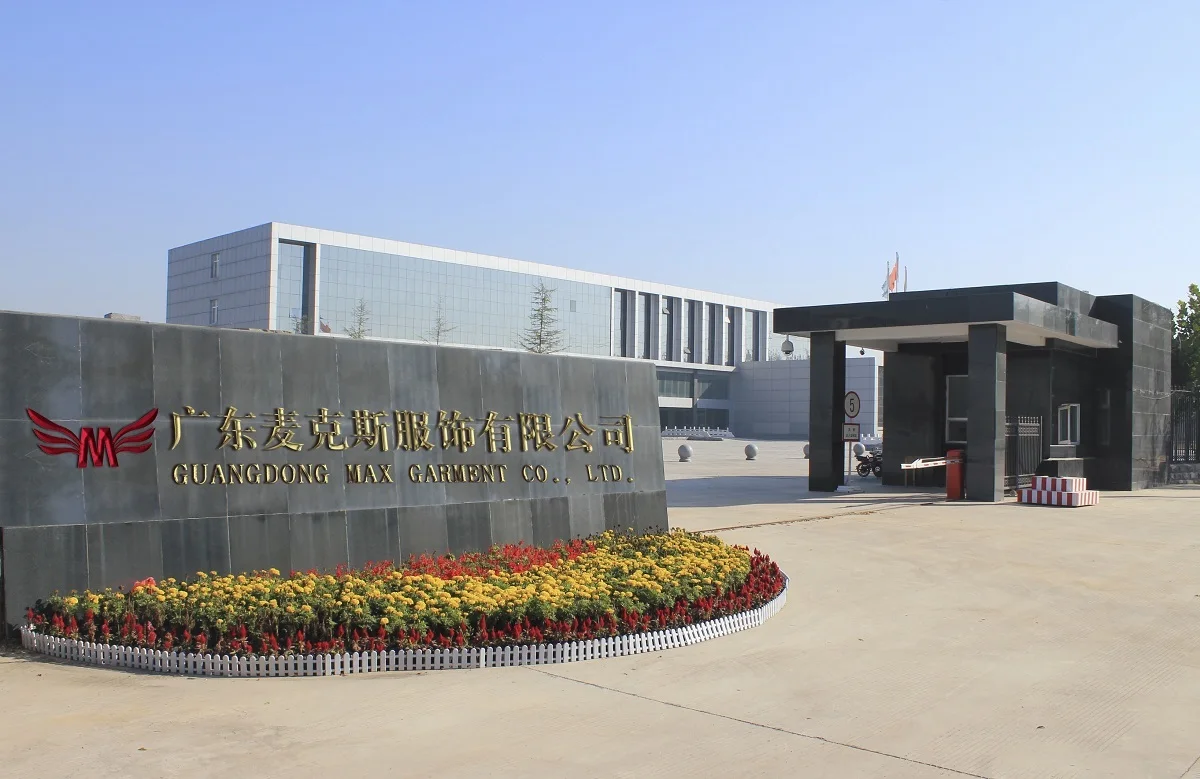
Dongguan Max Garment Co., Ltd.
- Manufacturer, Trading Company
- Guangdong, China
- Lead time30 days
- Avg. response≤ 15h
Main productsShell Jacket,Hoodie&Sweatshirt,T-shirts,Hiking Pants,Ski Jacket
Main marketsSouth America(30.00%), North America(30.00%), Northern Europe(10.00%), Western Europe(10.00%), Eastern Europe(10.00%), Southern Europe(2.00%), Mid East(2.00%), Central America(2.00%), Southeast Asia(2.00%), Eastern Asia(2.00%)

Guangzhou Nolai Garment Co., Ltd.
- Verified by TUVRHEINLAND
- Combined
- China Guangdong
- Lead time30 days
- Avg. response≤ 1h
Main productsT Shirt, School Uniform
Main marketsDomestic

Anti Pilling Long Sleeve Customized Size Crew Neck Unisex Pullover Oversized Hoodies
$4.32 - $6.88
MOQ: 100 Pieces


Wrinkle Resistant Customized Size Long Sleeve Pullover Unisex Washed Hoodie
$4.32 - $6.88
MOQ: 100 Pieces

Lightweight Warmth Customized Size Long Sleeve Pullover Unisex Sweatshirts Hoodies
$4.32 - $6.88
MOQ: 100 Pieces

Wrinkle Resistant Long Sleeve Customized Size Pullover Crew Neck Unisex Sweatshirts Hoodies
$4.32 - $6.88
MOQ: 100 Pieces

Guangzhou Jialifa Trading Co., Ltd.
- Trading Company
- China Guangdong
- Lead time0 days
- Avg. response≤ 5h
Main productstshirt

Nuolang (Guangdong) Garment Industry Co., Ltd.
- Verified by BV
- Combined
- China Guangdong
- Lead time15 days
- Avg. response≤ 2h
Main productsT-Shirt, Polo Shirt, Shirt, Coverall, Suit, Uniform, Sportswear, Casual Wear
Main marketsSoutheast Asia/ Mideast


High Quality Men's Hoodies Sweatshirts Unisex Oversized Pullover Hoodies Heavyweight Cotton Hoodie
$4.90 - $9.90
MOQ: 50 Pieces
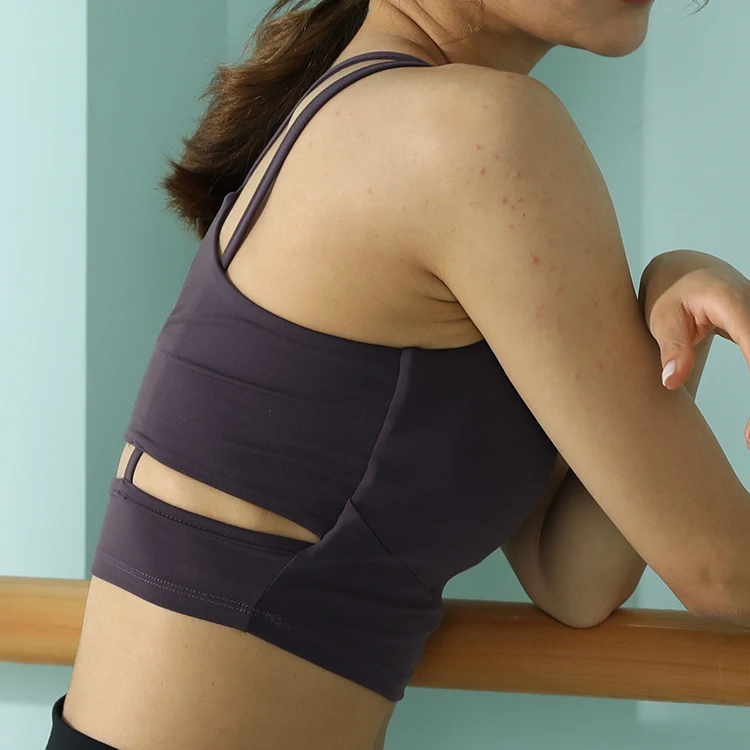
Guangzhou Hengyu Sports Co., Ltd.
- Manufacturer, Trading Company, Distributor/Wholesaler
- Guangdong, China
- Lead time7 days
- Avg. response≤ 11h
Main productsjerseys,shorts,jackets,windbreakers,hoodies
Main marketsNorth America(60.00%), Eastern Asia(15.00%), Oceania(10.00%), Western Europe(5.00%), Northern Europe(5.00%), Southern Europe(3.00%), Africa(2.00%)

Goldely Garment Import and Export Inc.
- Verified by SGS
- Trading Company
- China Guangdong
- Lead time15 days
- Avg. response≤ 5h
Main marketsNorth America
Dongguan Lianyishang Clothing Co., Ltd.
- Manufacturer
- Guangdong, China
- Lead time20 days
- Avg. response≤ 24h
Main productsT-shirt,Hoodie,Tracksuit,Jacket,Shorts
Main marketsNorth America(50.00%), Southern Europe(30.00%), Oceania(20.00%)
Guangzhou Etai Apparel Co., Ltd.
- Verified by SGS Group
- Manufacturer, Trading Company
- Lead time15 days
- Avg. response≤ 4h
Main productsT-shirt, Shorts, Hoodie, Team Uniform, Jogger Pants
Main marketsNorth America(30%), South America(20%), South Asia(7%)

- Verified by CTI
- Trading Company
- China Anhui
- Lead time23 days
- Avg. response≤ 2h
Main productsFurniture, Home Furniture
Main marketsSoutheast Asia/ Mideast

Shenzhen Chenxi Lingdong Technology Co., Ltd.
- Verified by BV
- Trading Company
- China Guangdong
- Lead time15 days
- Avg. response≤ 13h
Main marketsSoutheast Asia/ Mideast,Europe,North America


Logo Design Hoodie Custom High Frequency Manufacturer Heavyweight Oversized
$20.00 - $25.00
MOQ: 2 Pieces

Jurong Mujie Apparel Co., Ltd.
- Verified by TUVRHEINLAND
- Combined
- China Jiangsu
- Lead time23 days
- Avg. response≤ 10h
Main productsJersey Beanie, Knitting Beanie, Knitting Scarf, Bandana
Main marketsDomestic

Zhousi (Shenzhen) Clothing Co., Ltd.
- Verified by CTI
- Trading Company
- China Guangdong
- Lead time23 days
- Avg. response≤ 2h
Main marketsDomestic
Jiangxi Lebond Textile Co., Ltd.
- Verified by SGS Group
- Trading Company
- Lead time60 days
- Avg. response≤ 4h
Main productsFashion T-shirt, Hoodies, Pants, Active Wear, Work Uniforms
Main marketsNorth America(50%), Eastern Europe(20%), Oceania(20%)
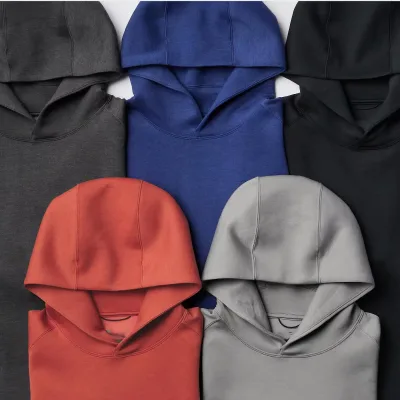
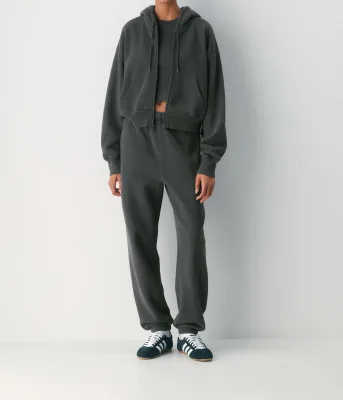
OEM New Fashion Stretch Dry Sweat Pullover Hoodie
$13.98 - $17.98
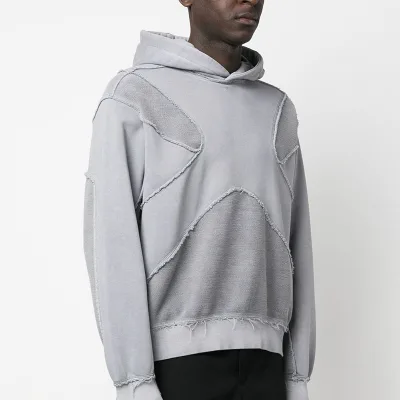
$5.85 - $17.85
MOQ: 50 pieces
Guangzhou Healy Apparel Co., Ltd.
- Manufacturer, Trading Company
- Lead time旺季: "1 - 500":30,"> 500":"To be negotiated", 淡季: "1 - 500":30,"> 500":"To be negotiated"
- Avg. response≤ 4h
Main productsSoccer Wear, Basketball Wear, Tracksuit, T-shirt, Windbreaker
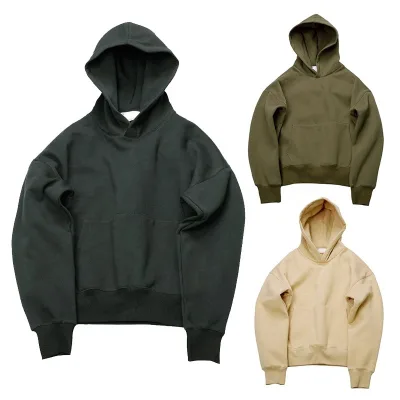
Pullover Mens Casual High Quality Cotton Fleece 3D Embossed Hoodie Custom
$13.90 - $17.90
MOQ: 50 pieces
Jiangxi Leebol Garment Co., Ltd.
- Verified by Intertek
- Manufacturer, Trading Company
- Lead time15 days
- Avg. response≤ 2h
Main productsHoodie, T shirt, Sweatshirt, Tracksuit, Pants
Main marketsNorth America(40%), Oceania(40%), Western Europe(20%)
Ningbo Yituhui Clothing Co., Ltd.
- Manufacturer, Trading Company
- Zhejiang, China
- Lead time10 days
- Avg. response≤ 3h
Main productsStreet fashion brand,Sports series,Ethnic costume,Home furnishings and clothing,Fur series
Main marketsNorth America(25.00%), Oceania(15.00%), South America(10.00%), Central America(10.00%), Northern Europe(10.00%), Eastern Europe(5.00%), Mid East(5.00%), Western Europe(5.00%), Domestic Market(5.00%), Southern Europe(3.00%), Southeast Asia(2.00%), Africa(2.00%), Eastern Asia(2.00%), South Asia(1.00%)
Dongguan Anyu Textile Co., Ltd.
- Verified by TüVRheinland
- Manufacturer, Trading Company
- Lead time60 days
- Avg. response≤ 3h
Main productsHoodies, T-Shirts, Shorts, Jackets, Men's Sets
Main marketsNorth America(40%), Northern Europe(30%), Eastern Europe(15%)
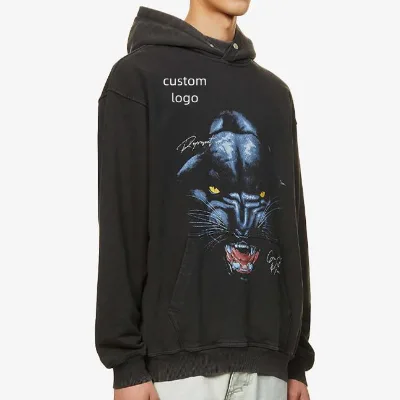
$14.50 - $18.70
MOQ: 50 pieces

Yancheng Yunqian Apparel Co.,Ltd
- Verified by CTI
- Trading Company
- China Jiangsu
- Lead time30 days
- Avg. response≤ 5h
Main productsT Shirt, Hawaiian Shirt, Flannel Shirt, Hoodies, Dress Shirt, Leggings, Pants, Polo Shirt, Jacket
Main marketsSouth America,Europe,Australia,North America
Henan Boders Industrial Limited Company
- Verified by TüVRheinland
- Manufacturer, Trading Company
- Lead time15 days
- Avg. response≤ 3h
Main productsMen Knit Wear Clothing, Women Knit Wear Clothing, Hoodies, T-Shirts, Children Knit Wear Clothing
Main marketsNorth America(50%), Western Europe(22%), South America(5%)
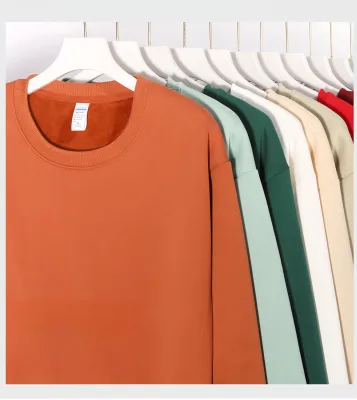
Hoodies 100% Cotton Heavyweight Drop Shoulder Hoodies Custom logo Heavyweight Hoodies
$8.39 - $10.99
MOQ: 50 Minimum

Yancheng Chimei Apparel Co., Ltd.
- Verified by CTI
- Trading Company
- China Jiangsu
- Lead time30 days
- Avg. response≤ 4h
Main productsT Shirt, Hoodie, Jacket
Main marketsSouth America,Europe,Australia,North America

100% Cotton Long Sleeves Customized Pullover Unisex Oversized Breathable Hoodies
$4.19 - $8.00
MOQ: 100 Pieces

Comfortable Custom Thick Men's Winter Proof Anti Pilling Polar Fleece Grey Hoodie
$8.00 - $13.00
MOQ: 100 Pieces

GUANGZHOU HUMLISUN IMP & EXP CO.,LTD.
- Verified by SGS
- Trading Company
- China Guangdong
- Lead time30 days
- Avg. response≤ 17h
Main productsSwimwear, Sports Wear, Bikini, Tracksuit, Yoga Suit, Cover up, Women Dresses, Beachwear
Main marketsSouth America,Others(foreignTradeCapacity.exportBusinessCapacityMarketOther),Southeast Asia/ Mideast,Europe,North America


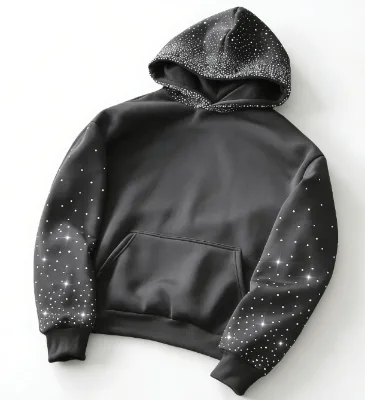
Retro Distressed Hoodie High-Quality Detachable Sleeve Hoodie Loose Short-Style Studded Hoodie
$20.00 - $30.00
MOQ: 2 Pieces

Nanning Dingming Trading Co., Ltd.
- Verified by SGS
- Trading Company
- China Guangxi
- Lead time23 days
- Avg. response≤ 2h
Main productsCustom T-Shirt Manufacturer, Custom Activewear Manufacturer, Custom Hoodie Manufacturer, Private Label Clothing Manufacturer, Custom Apparel Manufacturer, OEM ODM Apparel Manufacturer, Streetwear Clothing Manufacturer, Custom Sweatshirt Manufacturer, Custom Gym Wear Manufacturer, Custom Team Uniforms
Main marketsEurope,Australia,North America

Custom Logo 3D Embossed Hoodie Oversized Pullover Anti-Pilling Breathable Men Premium Cotton
$7.35 - $7.36
MOQ: 2 Pieces

Custom 100% Cotton Oversized Heavyweight Hoodie with Logo for Men's Streetwear
$8.15 - $19.90
MOQ: 10 Pieces
Dongguan Jinhui Clothing Co., Ltd.
- Verified by TüVRheinland
- Manufacturer, Trading Company
- Lead time15 days
- Avg. response≤ 3h
Main productsHoodie, T-Shirts, Shorts, Jackets, Coats
Main marketsEastern Europe(40%), North America(30%), Oceania(10%)
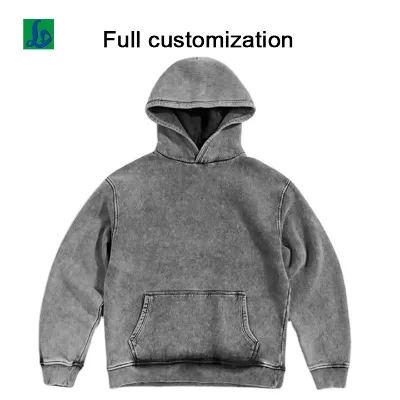
$16.50 - $18.00
MOQ: 50 pieces
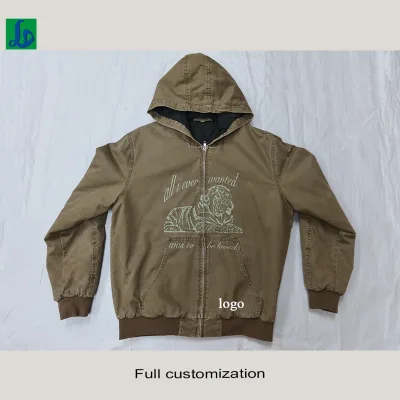
$12.8259 - $18.2636
MOQ: 50 sets
Dongguan City Hongyu Apparel Co., Ltd.
- Verified by SGS Group
- Manufacturer, Trading Company
- Lead time20 days
- Avg. response≤ 5h
Main productsHoodie, America Football Jersey, T-shirt, Shorts, Jacket
Main marketsNorth America(55%), Oceania(20%), South America(5%)

Hangzhou Yuanzhe Clothing Technology Co., Ltd.
- Verified by SGS
- Combined
- China Zhejiang
- Lead time15 days
- Avg. response≤ 4h
Main marketsSouth America,Europe,Australia,North America


Windproof Double Layer Outdoor Providing Extra Protection Against Harsh Weather Conditions Hoodie
$13.99 - $17.99
MOQ: 500 pieces

Durable S Long-Lasting Built to Withstand Frequent Wear Washing Without Losing Shape Hoodie
$13.99 - $17.99
MOQ: 100 pieces
Shenzhen Kai Wei Garment Co., Ltd.
- Verified by Intertek
- Manufacturer, Trading Company
- Lead time15 days
- Avg. response≤ 2h
Main productsPolo Shirt, Golf Shirt, Fishing Shirt, T-Shirt, Tracksuits
Main marketsNorth America(62%), Domestic Market(10%), Oceania(7%)


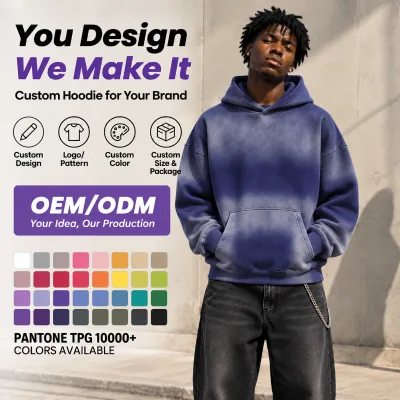
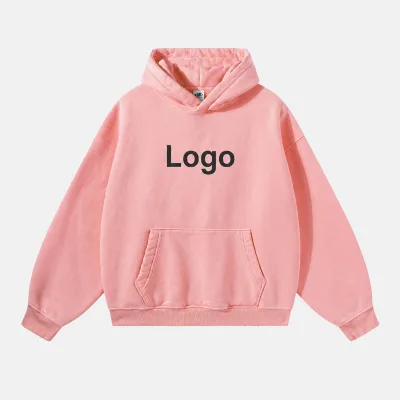
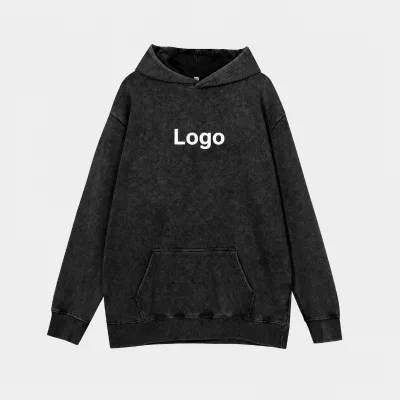
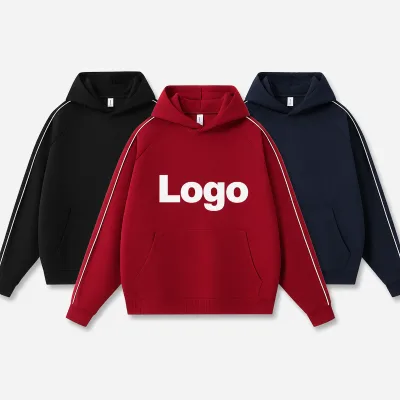
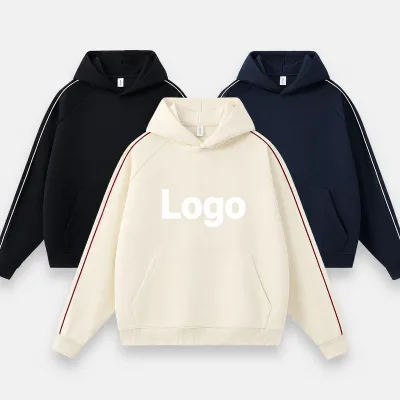

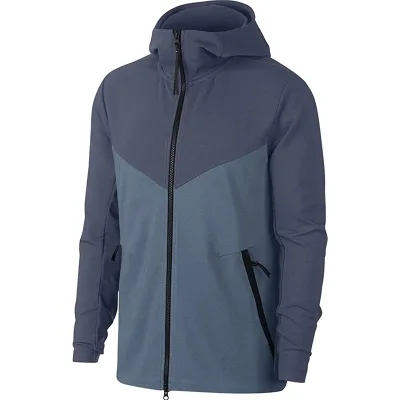




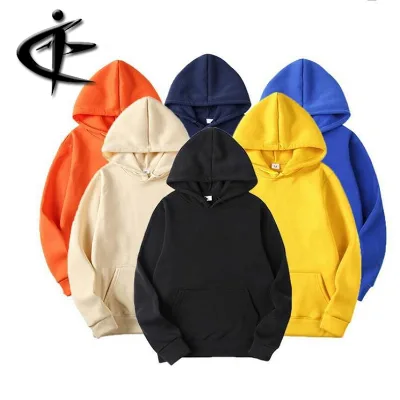
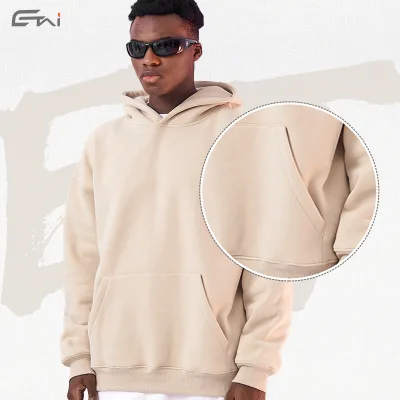
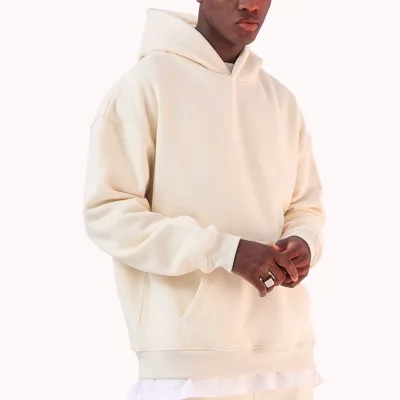
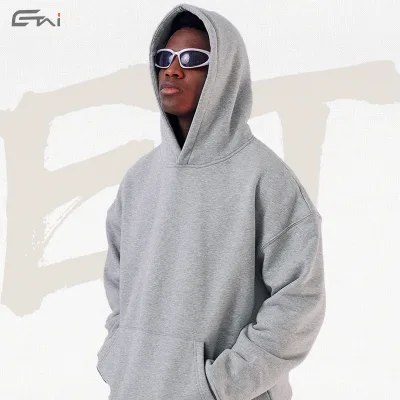


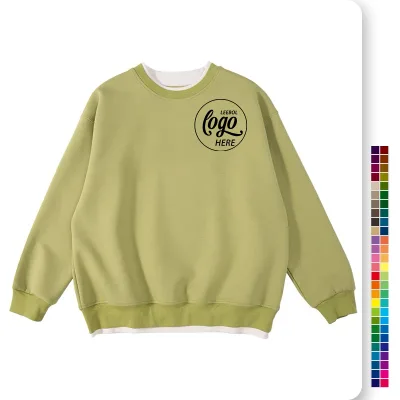
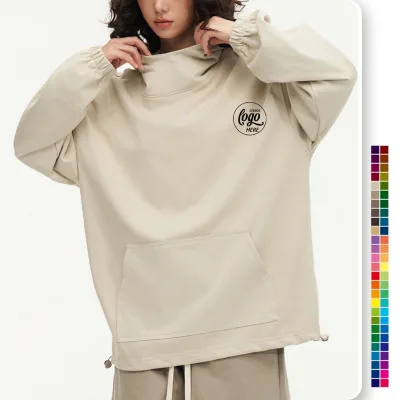
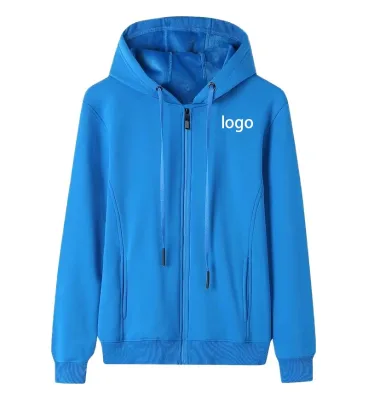
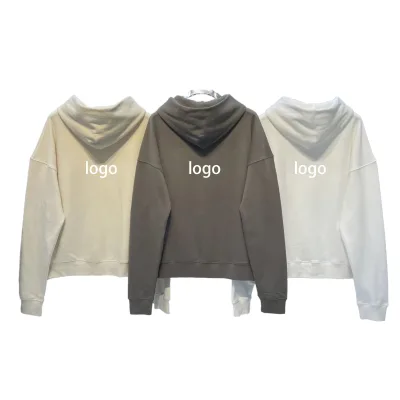


Comprehensive Sourcing Guide
Thickened Anti-Pilling Pullover Hoodies Supplier Concentration and Factory Types
The current supplier landscape for thickened anti-pilling pullover hoodies reveals a distinct geographic and operational split that buyers must navigate carefully. Evidence indicates that manufacturing capabilities are concentrated in specific Chinese provinces, with Guangdong and Zhejiang emerging as primary hubs for this apparel category. Suppliers located in Guangdong often operate as combined entities, meaning they may blend manufacturing and trading functions under one roof. This structure can offer flexibility, allowing for both original equipment manufacturing (OEM) and original design manufacturing (ODM) services. In contrast, suppliers based in Zhejiang are frequently identified as trading companies, which may focus more on sourcing and logistics rather than direct production. Understanding this distinction is crucial because it directly impacts how a buyer interacts with the supplier, negotiates terms, and verifies the actual source of the goods. The presence of these regional clusters suggests that buyers can find specialized partners depending on whether they prioritize direct factory access or the broader network capabilities of a trading firm.
Beyond geography, the type of company significantly influences the product range and customization options available. Many suppliers in this sector offer a wide array of main products, including hoodies, t-shirts, sweatpants, and jackets, indicating a broad apparel focus rather than a niche specialization. This diversity can be advantageous for buyers seeking a one-stop-shop for multiple garment types, but it may also dilute the depth of expertise in any single category. Some suppliers explicitly list their capacity as including own brands, ODM, and OEM, suggesting they have the internal resources to develop new designs or produce under a buyer’s label. Others may limit their capacity to ODM only, which restricts the buyer’s ability to make significant structural changes to the product. The verification status of these suppliers also varies, with some holding third-party verifications like SGS, while others may have no displayed system certifications. Buyers should assess whether the supplier’s operational model aligns with their need for control over the production process or if they are comfortable relying on the supplier’s existing design and manufacturing infrastructure.
How to Verify Thickened Anti-Pilling Pullover Hoodies Suppliers
Verifying the legitimacy and capability of suppliers requires a multi-layered approach that goes beyond simple profile reviews. One of the most critical steps is to check for third-party verification badges, such as SGS, which provide an external validation of the supplier’s business practices and operational stability. However, the absence of such a badge does not automatically disqualify a supplier, as many legitimate manufacturers may not have undergone this specific verification process. Buyers should also scrutinize the supplier’s response time, which serves as an indicator of their operational efficiency and customer service quality. A response time of around 1.56 hours suggests a highly responsive team, whereas a time of 16.12 hours may indicate a slower, less agile operation. This metric is particularly important for buyers who need quick turnaround times for samples or urgent order modifications. Additionally, buyers should look for evidence of past performance, such as product models and detailed specifications, to ensure the supplier has experience with thickened, anti-pilling fabrics.
Another essential verification step involves examining the supplier’s product attributes and customization capabilities. Buyers should request detailed product properties, including material composition, size ranges, and specific features like anti-pilling treatments or moisture-wicking properties. The presence of detailed product attributes, such as "Anti-Pilling/Breathable/Sustainable" features, indicates a level of technical knowledge and quality control. Buyers should also verify the supplier’s ability to handle customizations, such as logo printing, embroidery, or specific packaging requirements. Some suppliers offer workmanship options like DTF, DTG, or screen printing, which are crucial for branded apparel. It is also important to confirm the supplier’s origin and packing standards, as these details can impact shipping costs and product presentation. Buyers should ask for samples to physically inspect the fabric quality, stitching, and overall construction. This hands-on verification is the only way to confirm that the supplier can deliver the promised thickened, anti-pilling performance and meet the buyer’s specific quality standards.
What to Compare Across Thickened Anti-Pilling Pullover Hoodies Suppliers
When evaluating multiple suppliers, buyers must compare key commercial and operational metrics to identify the best fit for their needs. One of the most significant factors is the minimum order quantity (MOQ), which can vary widely across different suppliers. Some suppliers may require an MOQ of 50 pieces, while others might accept orders as low as 30 pieces. This difference can be critical for buyers who are testing the market or launching a new product line with limited initial inventory. Additionally, buyers should compare the price ranges offered by different suppliers. Prices for thickened anti-pilling pullover hoodies can range from approximately $9.00 to $28.00 per unit, depending on the material, customization level, and order volume. Buyers should not solely focus on the lowest price but should consider the value proposition, including quality, service, and reliability. A slightly higher price may be justified by better fabric quality, more consistent production, or superior customer support.
Lead time and response speed are also crucial comparison points that can impact the buyer’s supply chain efficiency. Suppliers may have lead times ranging from 15 to 30 days, which can affect the buyer’s ability to meet seasonal demand or respond to market trends. A shorter lead time of 15 days may be preferable for buyers who need to restock quickly or launch products with tight deadlines. Similarly, response speed can indicate how quickly a supplier can address inquiries, provide samples, or resolve issues. Buyers should also compare the main products offered by each supplier to ensure they align with their broader sourcing strategy. Some suppliers may specialize in hoodies and sweatshirts, while others may offer a wider range of apparel, including t-shirts, jackets, and accessories. This breadth of product offering can be beneficial for buyers looking to consolidate their supply chain. Finally, buyers should assess the supplier’s capacity for OEM and ODM services, as this will determine their ability to support the buyer’s branding and design requirements.
Common Thickened Anti-Pilling Pullover Hoodies Sourcing Risks
Sourcing thickened anti-pilling pullover hoodies from overseas suppliers introduces several potential risks that buyers must proactively manage. One of the most common risks is quality inconsistency, particularly regarding the fabric’s anti-pilling properties and overall durability. Buyers may receive samples that meet their expectations but find that bulk production does not match the same standard. This discrepancy can arise from variations in raw materials, manufacturing processes, or quality control measures. To mitigate this risk, buyers should establish clear quality specifications and conduct regular inspections during production. Another significant risk is the delay in delivery, which can disrupt the buyer’s supply chain and lead to missed sales opportunities. Suppliers may face challenges such as raw material shortages, labor issues, or logistical bottlenecks that can extend lead times beyond the agreed-upon period. Buyers should maintain open communication with their suppliers and have contingency plans in place to address potential delays.
Intellectual property and customization risks are also prevalent in the apparel sourcing industry. Buyers who rely on custom designs or branding may face the risk of their intellectual property being copied or used without authorization. This is particularly concerning when working with suppliers who also serve other clients in the same market. Buyers should implement strict confidentiality agreements and monitor the market for unauthorized use of their designs. Additionally, there is a risk of miscommunication regarding product specifications, such as size, color, or material composition. These errors can lead to costly returns or customer dissatisfaction. Buyers should provide detailed and unambiguous product specifications and confirm all details with the supplier before production begins. Finally, buyers should be aware of the financial risks associated with international transactions, including currency fluctuations and payment security. Using secure payment methods and escrow services can help protect buyers from fraud and ensure that payments are only released when the goods meet the agreed-upon standards.
Thickened Anti-Pilling Pullover Hoodies Regional Sourcing and Logistics
The geographic location of suppliers plays a pivotal role in determining logistics costs, lead times, and overall supply chain efficiency. Suppliers located in Guangdong and Zhejiang, China, offer distinct advantages in terms of manufacturing infrastructure and export capabilities. Guangdong is known for its robust manufacturing ecosystem, particularly in apparel and textiles, with well-established supply chains for fabrics and accessories. This region’s proximity to major ports like Shenzhen and Guangzhou facilitates efficient export logistics, reducing transit times to international markets. Buyers sourcing from Guangdong-based suppliers may benefit from faster shipping options and lower freight costs, especially for orders destined for North America or Europe. Additionally, the concentration of suppliers in this region fosters competition, which can drive down prices and improve service quality. However, buyers should also consider the potential for higher labor costs and regulatory compliance requirements in this mature manufacturing hub.
In contrast, suppliers in Zhejiang may offer different logistical advantages, particularly for buyers seeking trading company services. Zhejiang is a major hub for international trade, with many trading companies specializing in sourcing and exporting a wide range of products. These companies often have extensive networks of factories and can offer greater flexibility in terms of product variety and customization. However, the logistics from Zhejiang may involve additional handling and transit times, depending on the specific port of departure. Buyers should evaluate the total landed cost, including freight, insurance, and customs duties, when comparing suppliers from different regions. Additionally, buyers should consider the environmental and social impact of their sourcing decisions, as some regions may have stricter regulations regarding sustainability and labor practices. By understanding the logistical implications of regional sourcing, buyers can make informed decisions that balance cost, speed, and reliability.
Thickened Anti-Pilling Pullover Hoodies Commercial Terms and Order Planning
Effective order planning and clear commercial terms are essential for successful sourcing of thickened anti-pilling pullover hoodies. Buyers should negotiate payment terms that align with their cash flow and risk tolerance, such as using escrow services to secure transactions. Escrow provides a layer of protection by holding funds until the buyer confirms receipt of goods that meet the agreed-upon quality standards. This is particularly important for first-time buyers or those sourcing from new suppliers. Additionally, buyers should clarify the terms for samples, including whether they are free or paid, and how they are credited against bulk orders. Understanding the supplier’s return and refund policies is also crucial, as it defines the buyer’s recourse in case of quality issues or delivery failures. Buyers should also discuss the terms for customization, including any additional costs for logo printing, embroidery, or special packaging.
Lead time commitments and penalties for delays should be explicitly stated in the contract to ensure accountability. Buyers should specify the expected lead time from order confirmation to shipment and include clauses for penalties if the supplier fails to meet these deadlines. This can help mitigate the risk of supply chain disruptions and ensure that products arrive in time for seasonal demand. Buyers should also plan for potential variations in order quantities, negotiating flexibility to increase or decrease orders based on market performance. Additionally, buyers should consider the total cost of ownership, including shipping, insurance, and customs duties, when evaluating supplier quotes. By establishing clear commercial terms and planning orders carefully, buyers can minimize risks and maximize the value of their sourcing investments. This proactive approach ensures a smoother procurement process and fosters a long-term, mutually beneficial relationship with suppliers.
FAQs
What is the price range for thickened anti-pilling pullover hoodies?
Prices for these hoodies typically range from $8.99 to $28.00 per unit. The final cost depends on material composition, customization options, and order volume. Buyers should expect higher prices for heavyweight cotton blends or complex embroidery work compared to standard fleece options.
What is the minimum order quantity for custom hoodies?
The minimum order quantity usually starts at 30 pieces for some suppliers and 50 pieces for others. This threshold allows for efficient production setup while accommodating small batch testing. Buyers seeking larger volumes may negotiate better pricing tiers with the manufacturer.
How long does production take for these hoodies?
Standard lead times are approximately 15 days for some suppliers and up to 30 days for others. This duration covers material sourcing, cutting, sewing, and quality control. Expedited shipping options may be available for urgent orders, though they incur additional costs.
Are these hoodies suitable for winter wear?
Yes, many options are specifically designed for winter wear with thickened fleece and anti-pilling features. They offer warmth and durability for cold weather conditions. The breathable fabric ensures comfort during active use, making them ideal for both casual and fitness activities.
What customization options are available for these hoodies?
Customization is widely available, including logo embroidery, screen printing, and custom labels. Buyers can choose from various sizes, colors, and patterns. The suppliers support OEM and ODM services, allowing for tailored designs that meet specific brand requirements and quality standards.
Where are these hoodies manufactured?
These hoodies are primarily manufactured in China, specifically in Guangdong and Zhejiang provinces. These regions are known for their robust textile industries and efficient supply chains. Buyers can expect consistent quality and competitive pricing due to the concentration of specialized manufacturers in these areas.