Seashell Led Night Light Suppliers and Manufacturers
Explore 21 verified suppliers offering Seashell Led Night Light with customizable designs and specific certifications like CE and LVD. Buyers can compare lead times, MOQs, and response speeds to select the right partner for indoor decoration needs; review the available evidence before requesting comparable quotations from suitable candidates.
Updated
Suppliers List
Shanghai Houpai Industrial Co., Ltd.
- Verified by Intertek
- Trading Company
- Lead time20 days
- Avg. response≤ 2h
Main productsLight Chain, Candle Light, Decoration Light, Solar Light, Tree Light
Main marketsEastern Asia(30%), North America(20%), South America(10%)
Shenzhen Keep-Mart Technology Development Co., Ltd.
- Manufacturer
- Guangdong, China
- Lead time35 days
- Avg. response≤ 6h
Main productsWake up lights,Sunrise alarm clock,LED table lamp,Digital table clock,Magnetic suction LED lamp
Main marketsNorth America(20.00%), Domestic Market(15.00%), Western Europe(15.00%), Mid East(15.00%), Eastern Asia(10.00%), Africa(5.00%), South Asia(5.00%), Central America(5.00%), Eastern Europe(5.00%), South America(5.00%)
Green Lantern Optoelectronic Light Factory
- Trading Company
- Lead time旺季: "1 - 1000":7,"1001 - 5000":9,"> 5000":"To be negotiated", 淡季: "1 - 1000":7,"1001 - 5000":9,"> 5000":"To be negotiated"
- Avg. response≤ 6h
Main productsLED strip light,LED Neon Flex,LED Controller,holiday light,led grow light

Ningbo Qingyang Import and Export Co., Ltd.
- Verified by SGS
- Trading Company
- China Zhejiang
- Lead time45 days
- Avg. response≤ 3h
Main productsLED Lights, Table Lamp, Night Light, Solar Garden Light, LED Sensor Light, LED String Light, Decorative Light, LED Work Light, Camping Lantern, LED Candle
Main marketsEast Asia(Japan/ South Korea),Europe,North America

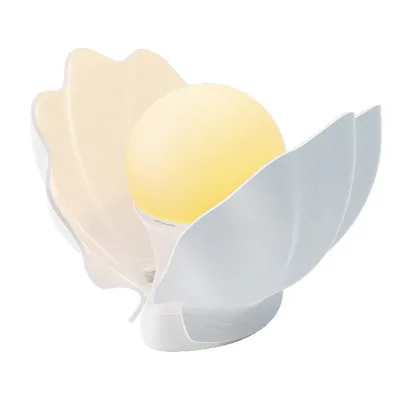
Festival Novelty Gift Warm White LED Ceramic Sea Shell Shaped Night Light for Romantic Home Decor
$2.50 - $2.80
MOQ: 3000 Pieces


Fuzhou Sansheng Industry and Trade Co., Ltd.
- Verified by CTI
- Combined
- China Fujian
- Lead time30 days
- Avg. response≤ 8h
Main productsPorcelain Lamp Holder Insulator Knife Swith, Fuse Holder Plastic Lamp Holder
Main marketsDomestic

Portable Bedside LED Night Light Desktop LED Night Light for Bedside and Desktop
$2.60 - $8.50
MOQ: 3000 Pieces

Modern Elegant LED Night Caring Light Bedside LED Night Light for Night Caring and Bedside
$2.50 - $8.50
MOQ: 3000 Pieces


Portable Cute Bedside LED Night Light Aisle LED Night Light for Bedside and Aisle
$2.60 - $8.50
MOQ: 3000 Pieces

Cute Multi-Use Bedside LED Night Light Aisle LED Night Light for Bedside and Aisle
$2.60 - $8.50
MOQ: 3000 Pieces

Ezhou Knute E-Commerce Co., Ltd.
- Trading Company
- Hubei, China
- Lead time0 days
- Avg. response≤ 3h
Main productsnight light,phone accessories
Main marketsNorth America(50.00%)
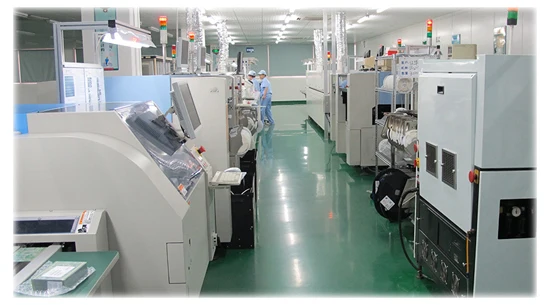
Shenzhen Chenhao Industrial Co., Ltd.
- Manufacturer, Agent, Distributor/Wholesaler
- Guangdong, China
- Lead time5 days
- Avg. response≤ 2h
Main productsled projector lamp,paper caving Lamp,Lightbox 3d lamp,Led holiday decor lamp,Night light
Main marketsWestern Europe(20.00%), North America(20.00%), Central America(10.00%), South America(10.00%), Mid East(10.00%), Southeast Asia(10.00%), Eastern Europe(10.00%), South Asia(5.00%), Northern Europe(5.00%)
Evermore Enterprise (Zhejiang) Ltd.
- Verified by SGS Group
- Trading Company
- Lead time45 days
- Avg. response≤ 10h
Main productsLED Lights, LED Neon Lights, Advertising LED Light, Motif Light, Holiday Lighting
Main marketsNorth America(30%), Northern Europe(12%), Southern Europe(12%)
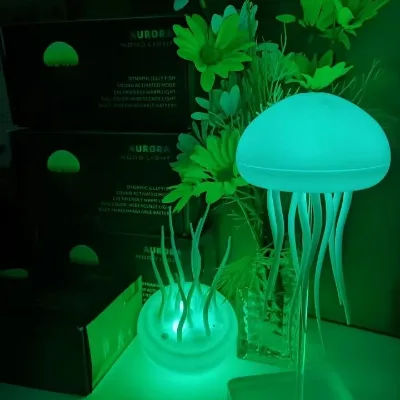
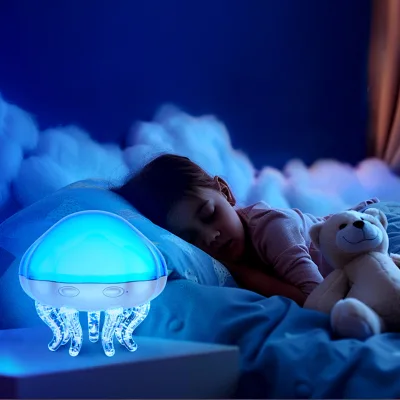
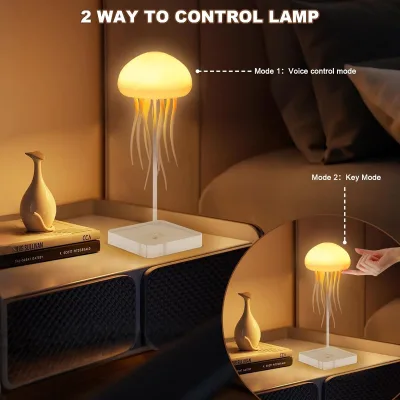
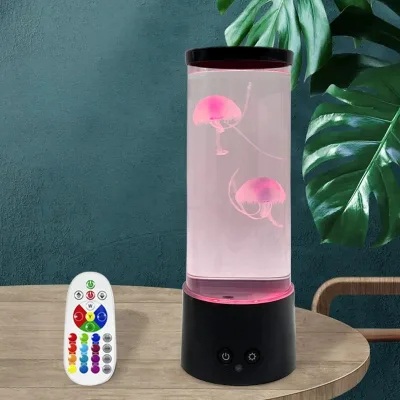
Jellyfish LED Night Light USB Bedroom Hangable Voice Control Rotatable Jellyfish LED Lamp
$11.2934 - $15.4371
MOQ: 2 sets
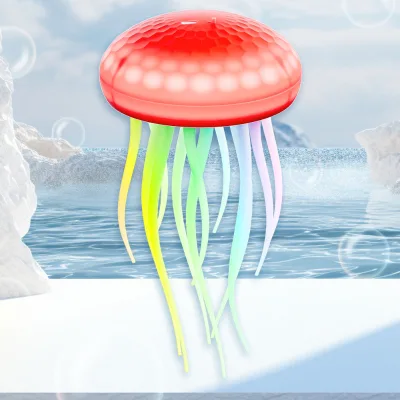
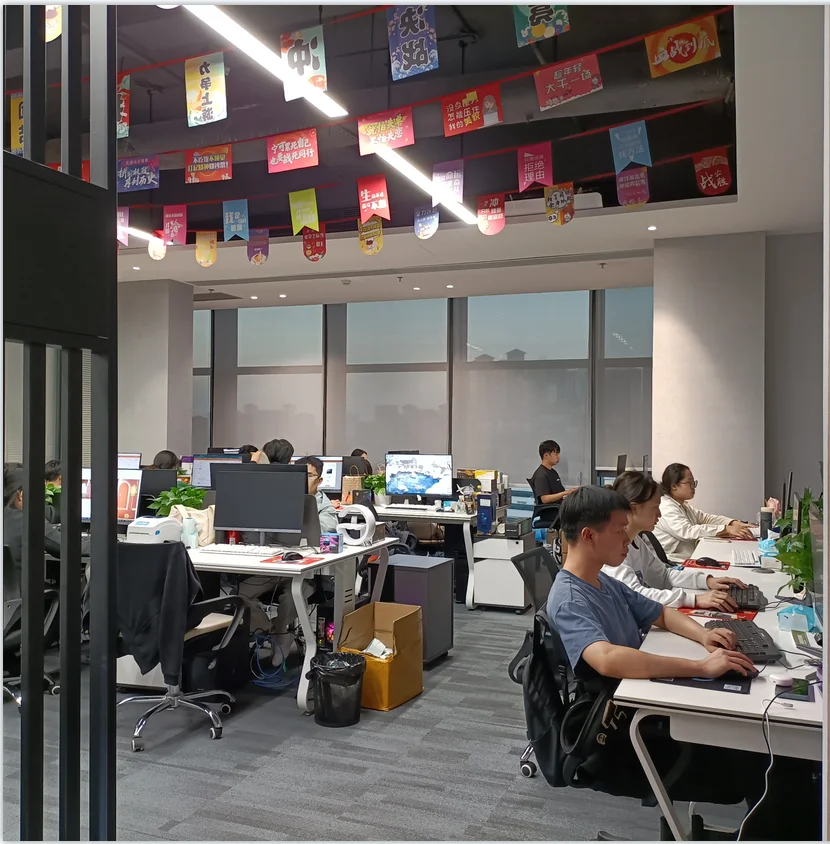
Jiangxi Blue Label Technology Co., Ltd.
- Manufacturer, Trading Company
- Jiangxi, China
- Lead time10 days
- Avg. response≤ 3h
Main products3D Night Lights, Star Projector, Silicone Light, String Light, Book Light
Main marketsEastern Europe(20.00%), Northern Europe(20.00%), North America(20.00%), Central America(10.00%), Africa(10.00%), Southeast Asia(10.00%), South America(5.00%), Oceania(5.00%)
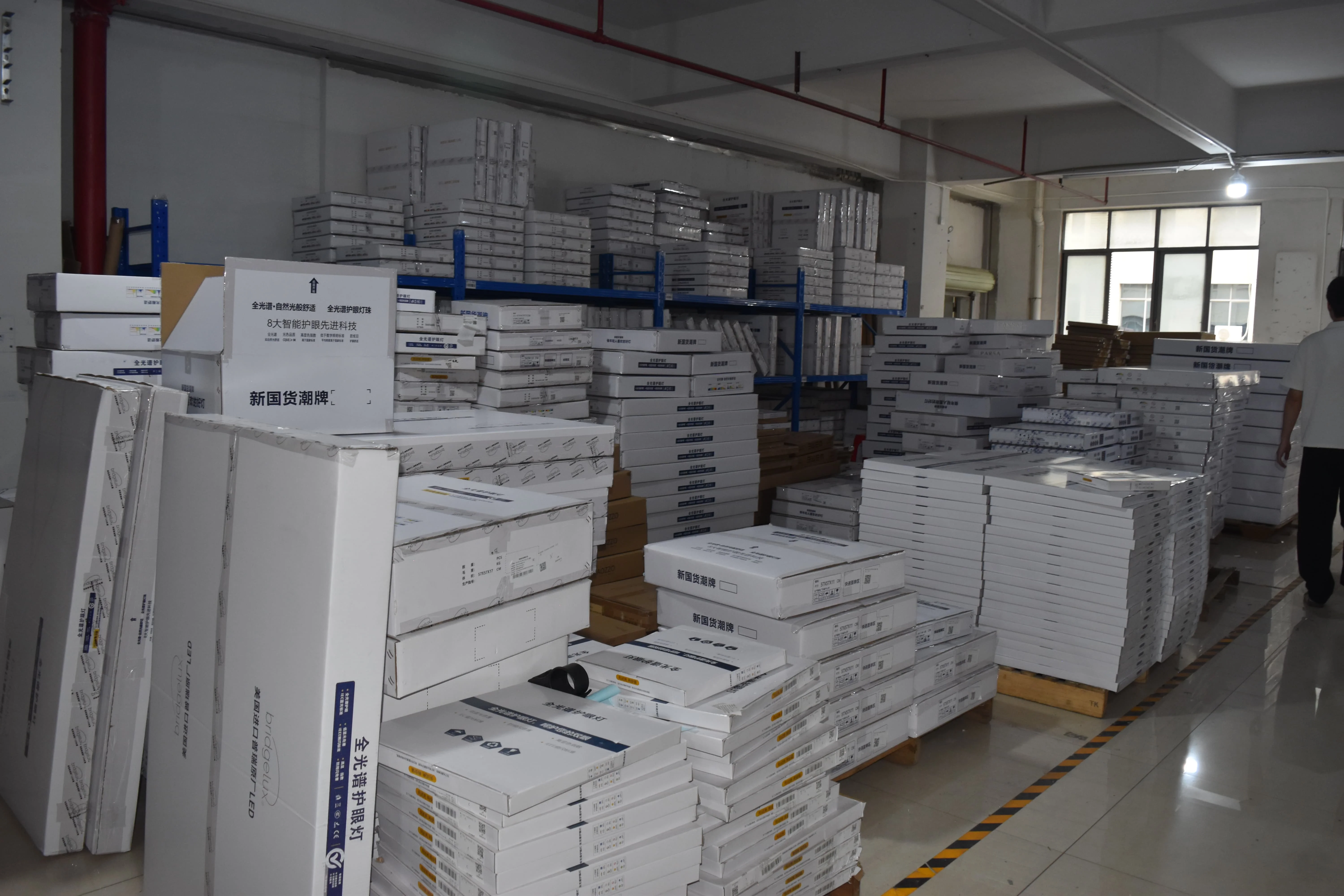
Hefei Bahe Import Export Co., Ltd.
- Manufacturer
- Anhui, China
- Lead time7 days
- Avg. response≤ 2h
Main productsChandeliers & Pendant Lights,Floor Lamps,Wall Lamps,Table Lamps,LED Ceiling Fans
Main marketsNorth America(60.00%), Western Europe(15.00%), Mid East(5.00%), Oceania(5.00%), Eastern Europe(5.00%), Southern Europe(3.00%), Northern Europe(3.00%), South America(3.00%), Domestic Market(1.00%)
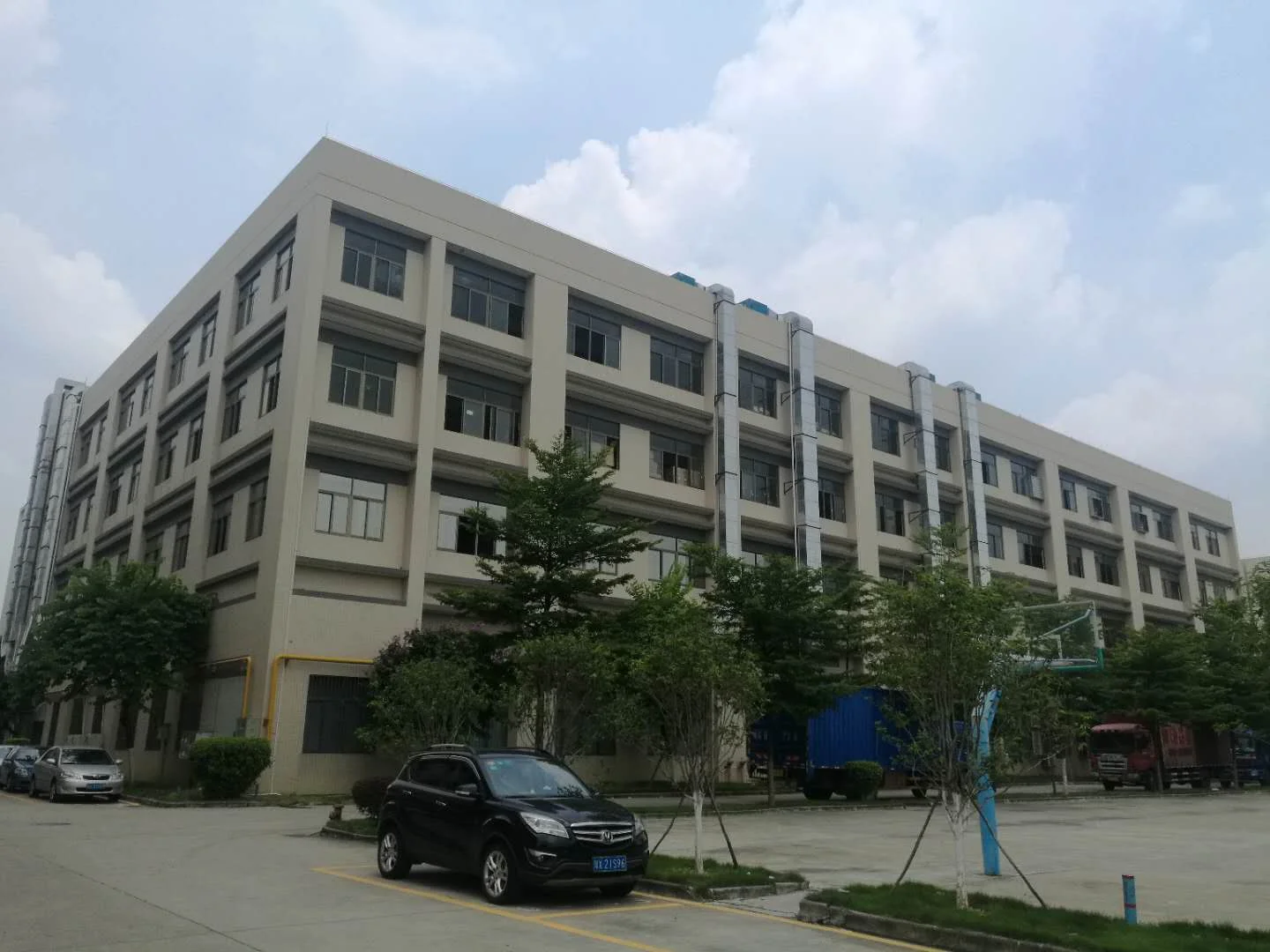
Guangzhou Bowei Trading Co., Ltd.
- Manufacturer
- Guangdong, China
- Lead time15 days
- Avg. response≤ 2h
Main products3d night light,sensor light,night light base,led lamp base,3d lamp
Main marketsWestern Europe(30.00%), North America(30.00%), Domestic Market(10.00%), Southern Europe(10.00%), Northern Europe(10.00%), Eastern Europe(10.00%)
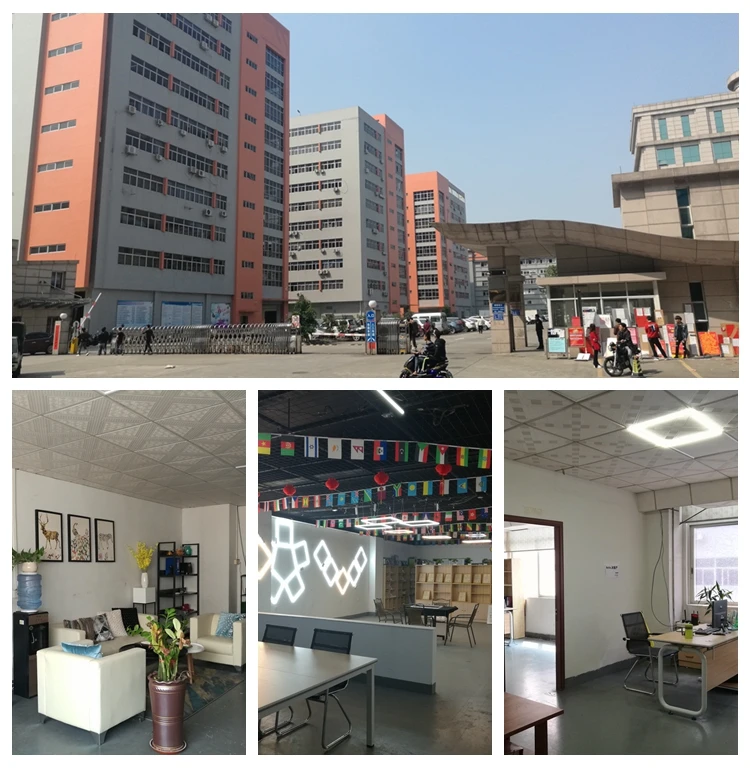
Meizhou Juncheng Technology Co., Ltd.
- Trading Company
- Guangdong, China
- Lead time7 days
- Avg. response≤ 5h
Main productsled strip light,led flex neon light,led solar light,led street light,led wall light
Main marketsEastern Europe(20.00%), South America(20.00%), North America(20.00%), Eastern Asia(5.00%), Mid East(5.00%), Central America(5.00%), Africa(5.00%), Southeast Asia(5.00%), Northern Europe(3.00%), Oceania(3.00%), Domestic Market(3.00%), Western Europe(2.00%), South Asia(2.00%), Southern Europe(2.00%)
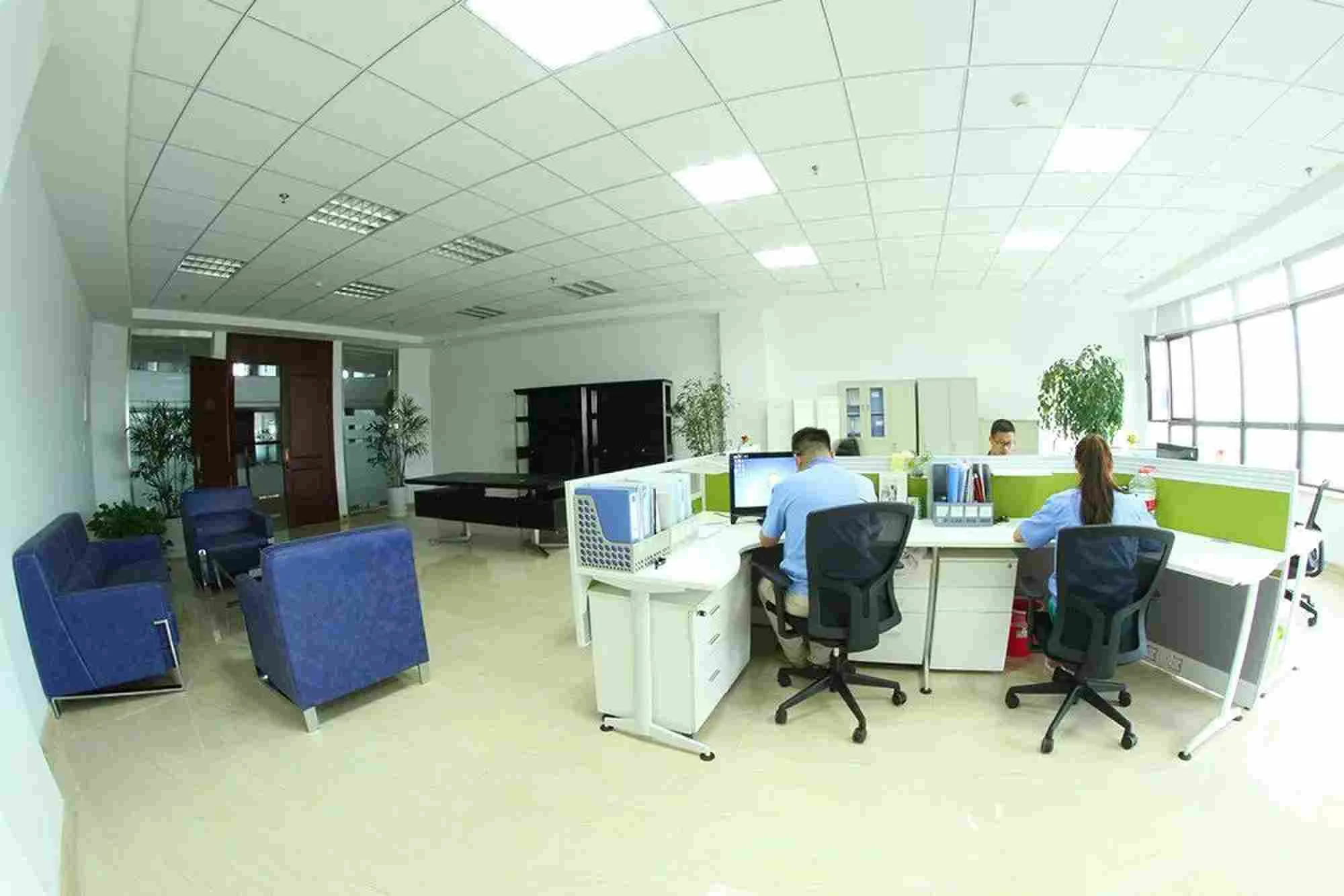
Shenzhen Jartown Trade Co., Ltd
- Manufacturer, Trading Company, Buying Office
- Guangdong, China
- Lead time15 days
- Avg. response≤ 3h
Main productsLED light,Gift& Crafts
Main marketsNorth America(35.00%), Eastern Europe(20.00%), Northern Europe(20.00%), Central America(10.00%), Western Europe(8.00%), South America(5.00%), South Asia(2.00%)
- Manufacturer, Trading Company
- Jiangxi, China
- Lead time旺季: "1 - 10":15,"> 10":"To be negotiated", 淡季: "1 - 10":15,"> 10":"To be negotiated"
- Avg. response≤ 2h
Main products3D Night Light,Light picture,led string switch,sound control light,sound control light
Main marketsDomestic Market(20.00%), Central America(10.00%), North America(10.00%), Southeast Asia(10.00%), Mid East(10.00%), South America(10.00%), South Asia(5.00%), Oceania(5.00%), Western Europe(5.00%), Southern Europe(5.00%), Eastern Europe(5.00%), Northern Europe(2.00%), Eastern Asia(2.00%), Africa(1.00%)
Shenzhen CSX Electric Technology Co., Ltd.
- Manufacturer, Trading Company
- Guangdong, China
- Lead time25 days
- Avg. response≤ 4h
Main productsLED Desk Lamp,Foldable LED Desk Lamp,Metal Table Lamp,Bar Table Lamp,Rechargeable Table Lamp
Main marketsEastern Europe(40.00%), Mid East(15.00%), Oceania(15.00%), Eastern Asia(10.00%), South America(10.00%), Southern Europe(5.00%), Africa(5.00%)

NINGBO HAISHU HOPE-U INTERNATIONAL TRADING CO., LTD.
- Manufacturer/Factory
- China Zhejiang
- Lead time45 days
- Avg. response≤ 25h
Main productsGift, Beauty Device, Bluetooth Speaker, Skin Care, Cosmetics, Promotional Products, Camping Lamp, Fan, Keyboard and Mouse, Humidifier
Main marketsSouth America,Eastern Europe,North America,Southeast Asia,Western Europe

Creative Gifts USB Rechargeable Funny Silicone LED Kids Bedside Lamp Night Light
$3.75
MOQ: 3000 Pieces


Christmas Night Light RGB Color Changing Rechargeable Children's Night Light Lamp
$3.95
MOQ: 3000 Pieces
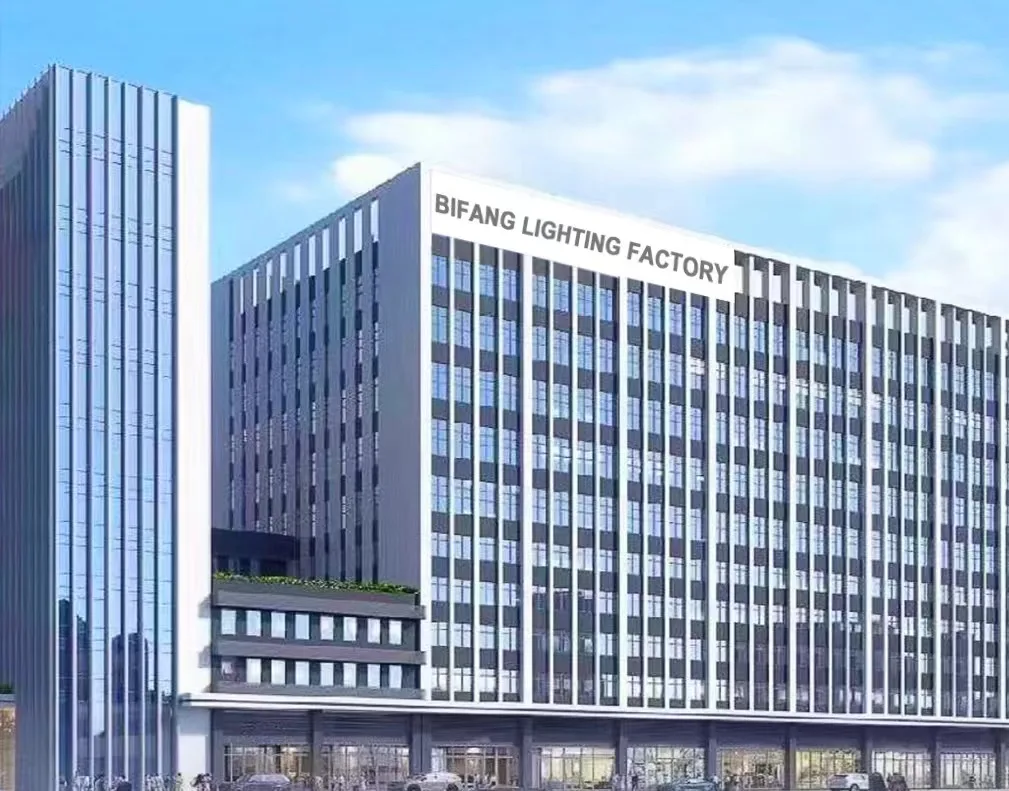
Henan Bifang Lighting Technology Co., Ltd.
- Trading Company
- /henan, China
- Lead time7 days
- Avg. response≤ 2h
Main productstable lamp,floor lamp,Mood lighting,Rechargeable night light,Interior lighting
Main marketsNorthern Europe(25.00%), North America(20.00%), Eastern Asia(15.00%), Eastern Europe(5.00%), Western Europe(5.00%), Southeast Asia(5.00%)
Ningbo Hooya Imp. & Exp. Group Co., Ltd.
- Trading Company
- Zhejiang, China
- Lead time30 days
- Avg. response≤ 8h
Main productsGeneral Merchandise (Including Household Items,Kitchen Supplies,Cleaning Stuff,Baby Supplies,Hardware Tools
Main marketsSouth America(25.00%), North America(20.00%), Mid East(10.00%), Northern Europe(7.00%), Eastern Asia(6.00%), Southern Europe(6.00%), Central America(5.00%), Southeast Asia(5.00%), Eastern Europe(5.00%), Africa(5.00%), Western Europe(4.00%), South Asia(1.00%), Oceania(1.00%)

Dongguan Awesome Technology Co., Ltd.
- Manufacturer
- Guangdong, China
- Lead time10 days
- Avg. response≤ 4h
Main productsLED Furniture, LED Table, LED Chair, LED Sofa, LED Light,, LED Flower
Main marketsNorth America(20.00%), South America(15.00%), Mid East(15.00%), Western Europe(10.00%), Eastern Europe(10.00%), Oceania(9.00%), Southern Europe(5.00%), Central America(5.00%), Southeast Asia(5.00%), Eastern Asia(2.00%), Northern Europe(2.00%), South Asia(1.00%), Domestic Market(1.00%)
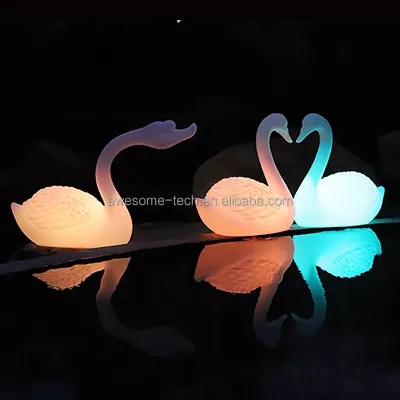
Rechargeable Color Changing Led Night Light Multicolored Waterproof Plastic Swan Shaped Night Lamps
$59.2992 - $65.2288
MOQ: 2 pieces
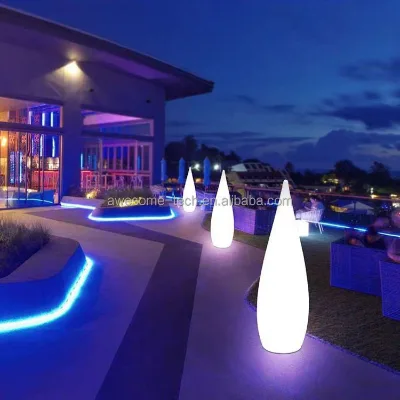

NINGBO YICHEN ELECTRIC CO., LTD.
- Trading Company,Manufacturer/Factory
- China Zhejiang
- Lead time0 days
- Avg. response≤ 8h
Main productsLED Flashlight, Head Lamp, Camping Lantern, Solar Flashlight, Rechargeable Flashlight, High Power Flashlight, Keychain Flashlight, LED Tweezer, Xenon Flashlight, Shopping Trolley

- Trading Company,Manufacturer/Factory
- China Guangdong
- Lead time0 days
- Avg. response≤ 11h
Main productsChristmas Ball, Christmas Decoration, Christmas Ornaments, Christmas Tree, Tinsel Garland, Mirror Ball, Disco Ball, Inside Painted Glass Ball
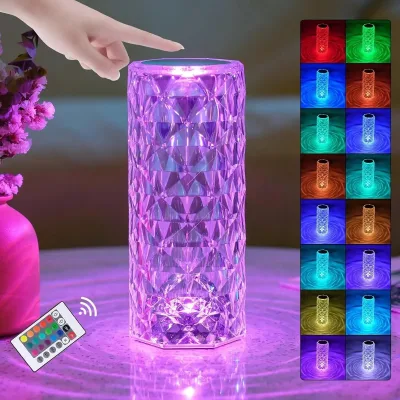
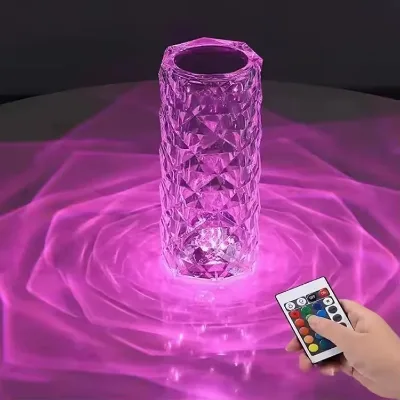
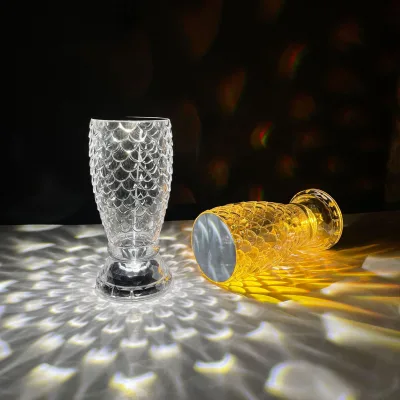
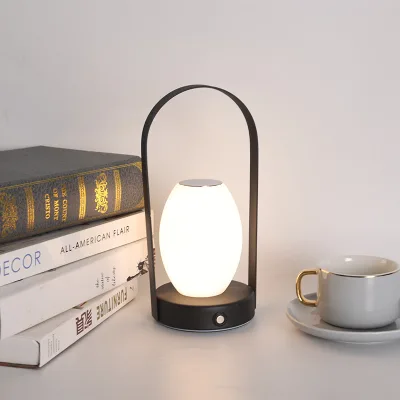


Comprehensive Sourcing Guide
Seashell Led Night Light Supplier Concentration and Factory Types
When evaluating the landscape for seashell LED night lights, buyers must first understand the structural composition of the available supplier base. The current market data indicates a predominant presence of trading companies rather than direct manufacturing entities. This distinction is critical for procurement strategy, as trading companies often act as intermediaries that consolidate products from multiple smaller workshops or factories. For buyers seeking direct factory engagement, this structure may introduce additional layers of communication and potential markup. However, trading companies can also offer significant advantages in terms of product variety and logistical coordination, particularly for buyers who require a mix of different lighting styles, such as candle lights, solar lights, and tree lights, within a single order. Understanding this dynamic helps in setting realistic expectations regarding direct factory access and pricing structures.
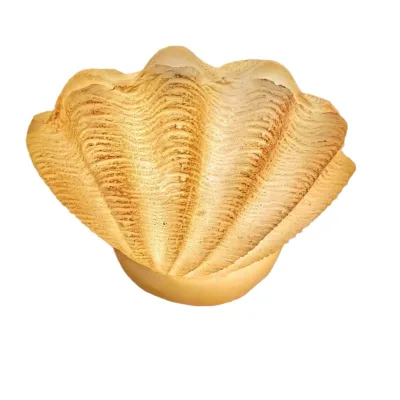
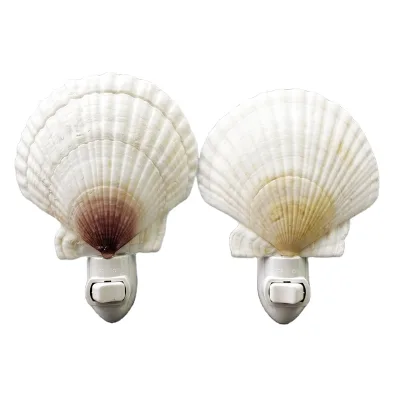
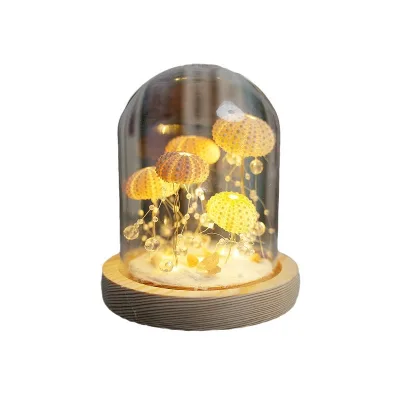
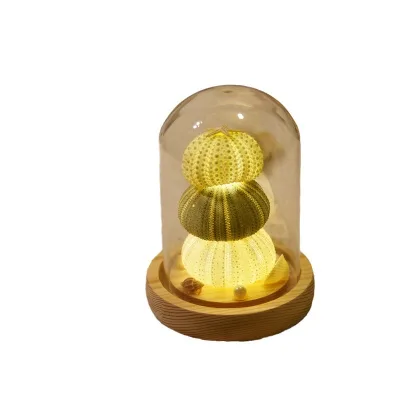
The product range observed in current results highlights a strong focus on decorative and aesthetic lighting solutions. Specific items include night sleeping lights made of seashells, creative Nordic decorative natural sea snail lamps, and LED luminous sea urchin night lights. These products often feature materials like PVC, resin, and glass, with light sources ranging from LED to other unspecified types. The diversity in main products suggests that many suppliers are not specialized exclusively in seashell lighting but rather offer a broader portfolio of decorative lighting options. This generalization can be beneficial for buyers looking to diversify their inventory but may complicate the verification of specialized manufacturing capabilities for specific seashell designs. Buyers should carefully review the main products listed for each supplier to determine if their specific Seashell Led Night Light requirements are a core competency or a peripheral offering.
How to Verify Seashell Led Night Light Suppliers
Verification is a crucial step in mitigating risk when sourcing from the current supplier pool. One key indicator of supplier reliability is the presence of third-party verification services. In the observed data, some suppliers are verified by Intertek, a globally recognized inspection and certification company. This verification status provides a layer of confidence regarding the supplier's business legitimacy and operational capabilities. Buyers should prioritize suppliers with such verifications, as it implies that an independent party has assessed the company's existence and potentially its production environment. However, verification alone does not guarantee product quality or compliance with specific technical standards, so it should be viewed as a baseline requirement rather than a comprehensive quality assurance measure.
Beyond basic verification, buyers must scrutinize the specific certifications and standards claimed by suppliers. The available data shows that some suppliers hold CE and LVD certifications, which are essential for selling lighting products in certain international markets, particularly Europe. CE certification indicates conformity with health, safety, and environmental protection standards, while LVD addresses low voltage directives. Buyers should request copies of these certificates and verify their validity with the issuing bodies. It is important to note that not all suppliers may display these certifications prominently, so proactive inquiry is necessary. Additionally, buyers should ask for test reports from accredited laboratories to confirm that the products meet specific electrical safety and performance criteria, ensuring that the seashell LED night lights are safe for consumer use and compliant with destination market regulations.
What to Compare Across Seashell Led Night Light Suppliers
When comparing suppliers, several key dimensions emerge from the current data that can significantly impact procurement decisions. One critical factor is the Minimum Order Quantity (MOQ). The observed MOQs vary widely, ranging from as low as 10 pieces for certain creative Nordic decorative lamps to 1000 pieces for other night sleeping lights. This variance allows buyers with different scale requirements to find suitable partners. Small MOQs are advantageous for testing new markets or launching limited edition collections, while higher MOQs may offer better unit economics for established brands. Buyers should align their order volume with the supplier's MOQ policies to avoid unnecessary capital tie-up or missed opportunities for bulk discounts.
Another vital comparison point is the lead time and response speed. The data indicates a lead time of approximately 20 days for production, which is a standard benchmark for many lighting products. However, buyers should confirm if this lead time includes material sourcing, production, and quality control, or if it starts after order confirmation. Additionally, the response time of suppliers is a key indicator of their operational efficiency. A response time of 2 hours suggests a high level of responsiveness, which is crucial for resolving queries quickly and maintaining smooth communication throughout the procurement process. Buyers should also compare the customization capabilities, such as light customization or customized on-demand options, to ensure the supplier can meet specific design or branding requirements. These factors collectively determine the flexibility and reliability of the supply chain.
Common Seashell Led Night Light Sourcing Risks
One significant risk in sourcing seashell LED night lights is the potential mismatch between product descriptions and actual specifications. The current data shows a variety of product attributes, including different power supply modes, light sources, and materials. For instance, some products use AAA batteries, while others are plug-in or DC powered. Buyers must carefully verify these technical details to ensure compatibility with their target market's electrical standards and user preferences. Misalignment in power supply modes can lead to product rejection or safety hazards. Additionally, the color temperature and light color specifications, such as 2700K soft warm white or 3500K warm white, must be confirmed to match the desired aesthetic and functional requirements. Inaccurate specifications can result in customer dissatisfaction and returns.
Another risk is the variability in product quality and durability, which can be influenced by the materials used. The observed products utilize materials like PVC, resin, and glass, each with different durability and safety profiles. For example, glass components may be fragile and require careful packaging to prevent breakage during transit. The waterproof rating of IP-20, as seen in some products, indicates that they are not suitable for outdoor or wet environments. Buyers must ensure that the product's application and usage claims align with its technical specifications. Furthermore, the warranty periods, such as the 1-year warranty observed for some items, provide some protection but may not cover all potential defects. Buyers should establish clear quality control protocols and consider third-party inspections to mitigate these risks and ensure consistent product quality.
Seashell Led Night Light Regional Sourcing and Logistics
The geographical origin of seashell LED night lights is a critical factor in logistics and compliance. The current data indicates that the place of origin for many of these products is China. This concentration in a specific region offers advantages in terms of manufacturing scale and supply chain efficiency but also requires buyers to be aware of regional trade regulations and shipping logistics. Sourcing from China often involves navigating complex import procedures, tariffs, and customs clearance processes. Buyers should work with experienced freight forwarders who can optimize shipping routes and ensure timely delivery. Additionally, understanding the regional manufacturing clusters can help in identifying suppliers with specialized expertise in specific lighting technologies or design styles.
Logistics considerations also extend to packaging and handling. The observed single package sizes and gross weights vary significantly, from small items weighing 0.2 kg to larger items weighing up to 2.0 kg. These dimensions impact shipping costs and storage requirements. Buyers should calculate the total landed cost, including freight, insurance, and duties, to determine the true cost of goods. The packaging details, such as color boxes, white boxes, or customized boxes, also play a role in protecting the products during transit and enhancing their market appeal. Ensuring that the packaging is robust enough to withstand handling and environmental conditions is essential to minimize damage and maintain product integrity upon arrival. Buyers should also consider the environmental impact of packaging materials and explore sustainable options if required by their brand values or market regulations.
Seashell Led Night Light Commercial Terms and Order Planning
Commercial terms and order planning are essential for successful procurement of seashell LED night lights. The price ranges observed in the data provide a baseline for budgeting, with prices varying from approximately $2.66 to $5.85 per unit depending on the product specifications and order volume. Buyers should negotiate prices based on their order quantity and long-term partnership potential. It is also important to clarify the payment terms, such as whether escrow services are available, to ensure secure transactions. Escrow can protect buyers by holding funds until the goods are received and verified, reducing the risk of fraud or non-delivery. Understanding the payment structure helps in managing cash flow and financial planning.
Order planning should also account for the customization options and lead times. The data shows that some suppliers offer light customization and customized on-demand services, which can be valuable for creating unique products. However, customization may extend lead times and increase costs. Buyers should plan their orders well in advance to accommodate these variables and avoid stockouts or missed market opportunities. Additionally, buyers should establish clear communication channels with suppliers to monitor production progress and address any issues promptly. Regular updates and quality checks during production can help ensure that the final products meet the agreed-upon specifications. By carefully planning orders and managing commercial terms, buyers can optimize their sourcing strategy and achieve better outcomes in the Seashell Led Night Light market.
FAQs
What is the typical lead time for seashell LED night lights?
The standard production lead time is 20 days for most orders. This duration allows for material sourcing, assembly, and quality checks before shipment. Buyers should confirm specific timelines with suppliers, as rush orders may incur additional fees or require alternative scheduling arrangements.
What certifications do these suppliers typically hold?
Suppliers generally hold CE and LVD system certifications for their lighting products. These certifications ensure compliance with European safety and low voltage directives. Buyers should request valid certificate copies to verify that the specific models meet the required regulatory standards for their target market.
What is the minimum order quantity for these products?
Minimum order quantities vary significantly by product type. Some items require 1000 pieces, while others accept orders as low as 10 pieces. Buyers must check the specific MOQ for each model, as bulk discounts and pricing tiers often depend on meeting these minimum thresholds.
How quickly do suppliers respond to inquiries?
The average response time for suppliers is approximately 2 hours. This rapid turnaround helps buyers clarify specifications and negotiate terms efficiently. Prompt communication is essential for resolving technical questions about power supply modes, color temperatures, and customization options before placing a formal purchase order.
What power supply options are available for these lights?
Options include AAA battery, plug-in, and DC power supplies. Some models use adapters while others rely on internal batteries. Buyers should select the mode that fits their installation needs, noting that battery-powered units often lack dimmer support and require separate battery purchases.
Are customization services available for these night lights?
Light customization and customized on-demand services are available from many suppliers. Buyers can request specific sizes, colors, and packaging details. However, full customization may require higher minimum order quantities and longer lead times compared to standard stock items available for immediate shipment.