Semi-Automatic Single Cup Coffee Maker Suppliers and Manufacturers
Explore 15 verified options for Semi-Automatic Single Cup Coffee Maker suppliers and manufacturers in China. Compare response times, lead times, certifications, and pricing to find the right partner. Review product specifications and request quotes today; review the available evidence before requesting comparable quotations from suitable candidates.
Suppliers List
Ningbo Jiexiang Electric Appliance Co., Ltd.
- Manufacturer, Trading Company
- Zhejiang, China
- Lead time20 days
- Avg. response≤ 15h
Main productsAS SEEN ON TV ITEMS,KITHEN ITEMS,HOUSE ITEMS,FITNESS ITEMS,PERSONAL ITEMS
Main marketsSouthern Europe(11.11%), Northern Europe(11.11%), Central America(11.11%), Western Europe(11.11%), Mid East(11.11%), Africa(11.11%), Eastern Europe(11.11%), South America(11.11%), North America(11.11%)
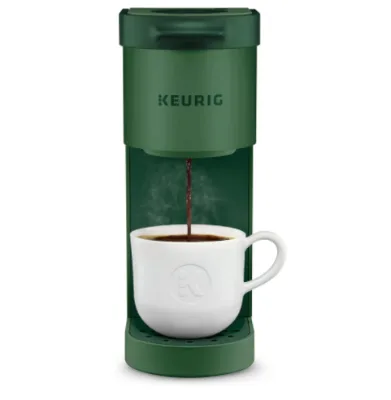
$5.00 - $19.00
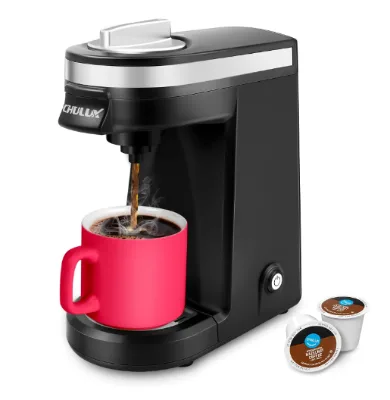
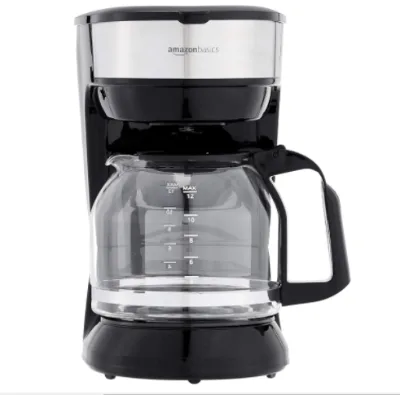
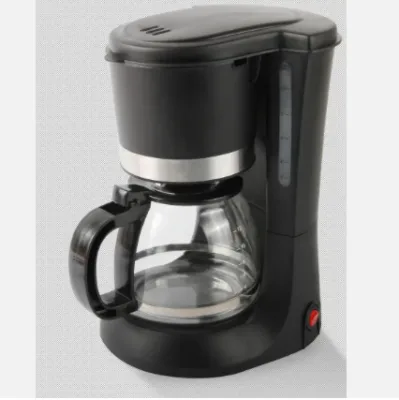
Cold Brew Coffee Maker Small Kitchen Appliance
$3.00 - $10.00

- Verified by TUVRHEINLAND
- Trading Company
- China Zhejiang
- Lead time30 days
- Avg. response≤ 8h
Main productsVacuum Cleaner, Garment Steamer, Window Cleaner, Steam Cleaner, Low Sugar Cooker, Air Fryer, Floor Srubber, Robot Vacuum Cleaner, Wet Dry Hardfloor Washer, Pet Vacuum Cleaner
Main marketsSouth America,Southeast Asia/ Mideast,Europe

Guangzhou Nantian Sources Co., Ltd.
- Manufacturer/Factory
- China Guangdong
- Lead time15 days
- Avg. response≤ 6h
Main productsKitchen Equipment, Kitchenware, Food Machine, Kitchen Appliance, Glassware, Food Machinery, Bakery Equipment, Dinnerware, Kitchen Utensils, Food Processor
Main marketsSouth America,Mid East,Southeast Asia,Eastern Asia,Oceania,Africa

Fully Automatic Espresso Coffee Maker, Espresso Coffee Machine, Coffee Machines
$2020.00
MOQ: 1 Pieces


Automatic Coffee Equipment, Coffee Maker
MOQ: 1 Pieces

Espresso Coffee Maker, Espresso Coffee Machine
MOQ: 1 Pieces
Shanghai Prime Technology Co., Ltd.
- Verified by SGS
- Trading Company
- China Shanghai
- Lead time45 days
- Avg. response≤ 2h
Main productsCoffee Machine Bread Machine, Blender Food Processor Juicer, Air Fryer Hair Dryer Ect.
Main marketsSouth America,Eastern Europe,Mid East,North America,Southeast Asia,Eastern Asia,Oceania,Western Europe,Africa


Semi-Automatic Drip Coffee Maker Machine Coffeemaker with Easy Cleanup Design
$7.68 - $10.68
MOQ: 500 Pieces

Compact Portable Espresso Capsule Coffee Maker Machine Coffeemaker with Dual Cup Sizes
$33.56 - $51.68
MOQ: 500 Pieces


Semi-Automatic Household Coffeemaker Coffee Machine Maker with 20 Bar Pressure
$40.56 - $58.63
MOQ: 500 Pieces

Ningbo Mingni Import And Export Co., Ltd.
- Verified by SGS
- Manufacturer/Factory
- China Zhejiang
- Lead time23 days
- Avg. response≤ 3h
Main productsWindow Handle, Door Handle, Hinge, Gas Cooker Knob, Oven Knob, Name Plate, Cabinet Handle, Bathroom Hardware, Auto Parts
Main marketsSouth America,Eastern Europe,North America,Western Europe


Fully Automatic Portable Coffee Machine Italian Coffee Maker 12V Coffee Cup
$40.00 - $45.00
MOQ: 100 Pieces


Fully Automatic Home Coffee Machine Portable Machine Coffee Maker 12V Coffee Machine
$40.00 - $45.00
MOQ: 100 Pieces


Ningbo Jewin Electrical Appliances Co., Ltd.
- Verified by BV
- Trading Company,Manufacturer/Factory
- China Zhejiang
- Lead time23 days
- Avg. response≤ 7h
Main productsAir Fryer, Air Fryer Oven, Water Filter, Water Dispenser, Blender, Stand Mixer, Juicer, Ice Maker, Coffee Maker, Washing Machine
Main marketsSouth America,Eastern Europe,Mid East,North America,Southeast Asia,Eastern Asia,Oceania,Western Europe,Africa

Electric Drip Coffee Machine 0.6L 4 Cups Semi-Automatic Household Coffee Maker
$5.00 - $5.70
MOQ: 1002 Pieces


Zhongshan Xinyuan Silicone Rubber Co. Ltd
- Verified by TUVRHEINLAND
- Combined
- China Guangdong
- Lead time15 days
- Avg. response≤ 2h
Main productsSilicone Mold, Silicone Ice Cube Tray, Silicone Wristband, Silicone Tea Infuser, Silicone Bakeware, Silicone Keychain, Silicone Cup Coaster, Silicone Bag
Main marketsSouth America,Southeast Asia/ Mideast,Domestic,Europe,North America

- Verified by BV
- Combined
- China Guangdong
- Lead time15 days
- Avg. response≤ 2h
Main productsHood Type Dishwasher, Conveyor Type Dishwasher, Ultrasonic Dishwasher, Undercounter Dishwasher, Bakery Equipment, Food Processor
Main marketsSouth America,Africa,Others(foreignTradeCapacity.exportBusinessCapacityMarketOther),North America
Hangzhou Galileo Technology Co., Ltd.
- Verified by SGS
- Trading Company
- China Zhejiang
- Lead time15 days
- Avg. response≤ 10h
Main marketsOthers(foreignTradeCapacity.exportBusinessCapacityMarketOther)

$148.00 - $198.00
MOQ: 50 Pieces

$148.00 - $198.00
MOQ: 50 Pieces

Guangzhou Tenyu Coffee Electrical Appliance Co., Ltd
- Verified by SGS
- Trading Company
- China Guangdong
- Lead time23 days
- Avg. response≤ 1h
Main productsCoffee Equipment, Coffee Machine, Coffee Grinder, Coffee Tamper, Coffee Tools, Coffee Accessories
Main marketsSouth America,Eastern Europe,Mid East,North America,Southeast Asia,Eastern Asia,Oceania,Western Europe,Africa

Commercial Semi Automatic Coffee Machine Italian Expresso Coffee Maker High Quality
$500.00 - $520.00
MOQ: 1 Pieces


Dongguan Jinsen Craft Technology Co., Ltd.
- Verified by TUVRHEINLAND
- Trading Company,Manufacturer/Factory
- China Guangdong
- Lead time23 days
- Avg. response≤ 2h
Main productsKitchen Household Appliances, Kitchenware, Blender, Air Fryer, Meat Grinder, Stainless Steel Pot, Breakfast Machine, Electric Fan Solar Fans, Vacuum Cup, Vacuum Bottle
Main marketsSouth America,Eastern Europe,Mid East,North America,Southeast Asia,Eastern Asia,Oceania,Western Europe,Africa


Electric Espresso Coffee Maker Automatic Espresso Coffee Maker Office Home Espresso Maker Sale
$45.00 - $48.00
MOQ: 12 Pieces


Xuzhou Sheng Ming Casting Co., Ltd
- Verified by SGS
- Combined
- China Jiangsu
- Lead time30 days
- Avg. response≤ 4h
Main productsManhole Cover, Ductile Iron Pipes, Valves, Water Meter Tank Cover, Iron Castings(Support Customization), Hardware Tools, Cast Iron Fireplace, Air Fryer, Kettle, coffee Machine
Main marketsDomestic


Vintage Style Semi-Automatic Coffee Maker with Precision Temperature Control
$45.60 - $56.55
MOQ: 4 Pieces


Guangdong Jieguan Kitchen Equipment Manufacturing Co., Ltd.
- Combined
- China Guangdong
- Lead time30 days
- Avg. response≤ 8h
Main productsCombi Oven, Convection Oven, Fryer, Griddle, Induction Cooker, Coffee Maker, Chicken Rotisserie, Food Warmer, Bain Marie, Pasta Cooker and Cooking Range
Main marketsSouth America,Africa,Others(foreignTradeCapacity.exportBusinessCapacityMarketOther),Europe,Australia

Commercial Semi-Automatic Espresso Coffee Maker Espresso Coffee Coffee Maker
$780.00 - $1300.00
MOQ: 1 Pieces


Shenzhen Pengcheng Haina Foreign Trade Co., Ltd.
- Manufacturer/Factory
- China Guangdong
- Lead time23 days
- Avg. response≤ 17h
Main productsKitchenware, Household Products, Home Appliance, Outdoor Products, Hardware, LED Panel
Main marketsSouth America,Eastern Europe,Mid East,North America,Southeast Asia,Eastern Asia,Oceania,Western Europe,Africa

ZHONGSHAN KWANGNA GLOBAL SUPPLY CHAIN CO., LTD
- Trading Company
- China Guangdong
- Lead time0 days
- Avg. response≤ 4h
Main productsMosquito Repellent Light, Small Kitchen Air Conditioner, Air Frier, Coffee Maker, Vacuum Cup, Coffee Steel Cup, Portable Mini Fan, Steel Milk Cup, Rice Cooker, Smart Rice Cooker

Home Appliance Kitchen 1.8L Compact Semi-Automatic Espresso Machine Coffee Maker
$85.00 - $86.00
MOQ: 100 Pieces

Compact Italian-Style Semi-Automatic Home Appliance Kitchen Espresso Machine Coffee Maker
$85.00 - $86.00
MOQ: 100 Pieces

1.8L Compact Italian-Style Semi-Automatic Home Appliance Kitchen Espresso Machine Coffee Maker
$85.00 - $86.00
MOQ: 100 Pieces

1.8L Compact Italian-Style Semi-Automatic Home Appliance Kitchen Espresso Machine Coffee Maker
$85.00 - $86.00
MOQ: 100 Pieces

Home Appliance 1.8L Compact Kitchen Italian-Style Semi-Automatic Espresso Machine Coffee Maker
$85.00 - $86.00
MOQ: 100 Pieces

1.8L Compact Home Appliance Kitchen Italian-Style Semi-Automatic Espresso Machine Coffee Maker
$85.00 - $86.00
MOQ: 100 Pieces


Comprehensive Sourcing Guide
Semi-Automatic Single Cup Coffee Maker Supplier Concentration and Factory Types
Current data indicates that manufacturers and trading companies offering semi automatic single cup coffee makers are concentrated in specific Chinese provinces, with Zhejiang and Guangdong emerging as primary hubs. Fact records show suppliers located in Zhejiang, China, listing main products that include kitchen items, fitness items, and personal care goods alongside small appliances. Another cluster is identified in China Guangdong, where suppliers specialize in kitchen equipment, food machinery, and bakery equipment. These regional concentrations suggest that buyers can expect a density of factories capable of producing espresso machines, coffee makers, and related small kitchen appliances within these two distinct manufacturing zones.
The supplier landscape includes a mix of manufacturer entities and trading companies, each offering different value propositions for sourcing semi automatic single cup coffee makers. Some suppliers in the results are classified strictly as trading companies, while others operate as manufacturers or factories with their own production lines. This distinction is critical because manufacturers often provide direct control over production processes and customization, whereas trading companies may offer a broader range of products from multiple factories. Buyers should verify the specific company type listed in supplier profiles to understand whether they are dealing with a direct producer or an intermediary, as this impacts lead times, communication channels, and the ability to implement custom modifications for the Semi-Automatic Single Cup Coffee Maker.
How to Verify Semi-Automatic Single Cup Coffee Maker Suppliers
Verification of Semi-Automatic Single Cup Coffee Maker suppliers requires checking for specific third-party certifications and verification badges that confirm operational legitimacy. Evidence from current results shows that some suppliers hold TUVRHEINLAND verification status, which serves as a tangible indicator of factory audits and compliance checks. Additionally, product listings for espresso machines and coffee makers often display certifications such as CE, GS, RoHS, EMC, CB, and LFGB. These standards are essential for ensuring that the Semi-Automatic Single Cup Coffee Maker meets international safety and environmental requirements. Buyers must confirm that these certifications are current and applicable to the specific model being sourced, rather than assuming they apply to the entire supplier catalog.
Beyond certifications, buyers should assess the response time and verification status of the supplier to gauge reliability and communication efficiency. Data indicates that response times for suppliers in this category can vary significantly, with some showing response metrics around 7.84 hours and others at 15 hours. A faster response time often correlates with better customer service and more active account management, which is vital when discussing technical specifications for semi automatic single cup coffee makers. Furthermore, checking if a supplier is verified by platforms or third parties provides an additional layer of security. Buyers should prioritize suppliers who display clear verification badges and demonstrate consistent, rapid communication to ensure a smoother procurement process for their Semi-Automatic Single Cup Coffee Maker orders.
What to Compare Across Semi-Automatic Single Cup Coffee Maker Suppliers
When evaluating suppliers for semi automatic single cup coffee makers, comparing lead times is a fundamental step to ensure supply chain alignment. Current facts show lead times ranging from 15 days to 30 days depending on the supplier and their production capacity. Some manufacturers in Guangdong report a lead time of 15 days, while others in Zhejiang may require up to 30 days. This variation directly impacts inventory planning and delivery schedules. Buyers must request specific lead time estimates for their order volume, as these figures can fluctuate based on raw material availability and production scheduling. Understanding these timelines helps in setting realistic expectations for when the Semi-Automatic Single Cup Coffee Maker will be ready for shipment.
Another critical comparison point is the Minimum Order Quantity (MOQ) and pricing structure, which vary widely across different suppliers. Evidence shows MOQs ranging from 200 units for commercial-grade machines to 1700 units for specific espresso models. Prices also differ significantly, with some single cup coffee makers listed between $3.00 and $19.00, while more complex semi automatic espresso machines range from $29.55 to $49.00. Buyers should analyze these figures in the context of their budget and sales volume. It is essential to verify if the price includes customization options, packaging types, or specific plug configurations like US, AU, UK, or EU standards. Comparing these financial and logistical parameters allows buyers to select a supplier that aligns with their specific market requirements for the Semi-Automatic Single Cup Coffee Maker.
Common Semi-Automatic Single Cup Coffee Maker Sourcing Risks
One significant risk in sourcing semi automatic single cup coffee makers involves mismatched product specifications and certification claims. While some listings indicate certifications like CE, GS, and RoHS, buyers must verify that these apply to the exact model and voltage requirements of their target market. For instance, a product might list voltage compatibility for 110-120V and 220-240V, but the actual plug type and internal components must match local electrical standards. Relying solely on general product descriptions without confirming specific technical attributes can lead to compliance issues or product failures. Buyers should request detailed specification sheets and test reports to ensure the Semi-Automatic Single Cup Coffee Maker meets all necessary regulatory requirements before placing an order.
Another risk is the inconsistency in after-sales service and warranty provisions across different suppliers. Some product listings explicitly state that no after-sales service is provided, while others offer warranties ranging from one year to three years. This discrepancy can severely impact the long-term viability of the business if the Semi-Automatic Single Cup Coffee Maker requires maintenance or repair. Buyers must carefully review the warranty terms and service availability before committing to a supplier. Additionally, the lack of app control or specific functional features, such as touch screen displays, may not be clearly communicated in initial listings. Clarifying these functional details and service commitments is essential to avoid unexpected costs and operational disruptions after the Semi-Automatic Single Cup Coffee Maker is delivered.
Semi-Automatic Single Cup Coffee Maker Regional Sourcing and Logistics
Sourcing semi automatic single cup coffee makers from China involves navigating logistics based on the specific regional location of the supplier. Fact records confirm that suppliers are located in Zhejiang and Guangdong, two major manufacturing provinces with distinct logistical advantages. Zhejiang suppliers often handle a mix of kitchen and personal items, while Guangdong suppliers focus heavily on kitchen equipment and food machinery. The distance from these factories to major ports can influence shipping costs and transit times. Buyers should consider the proximity of the supplier to the nearest port to optimize freight expenses. Additionally, the type of packaging, such as color boxes or gift boxes, affects how efficiently the Semi-Automatic Single Cup Coffee Maker can be loaded into containers, impacting overall logistics efficiency.
Logistics planning also requires attention to the specific plug types and voltage standards required for the destination market. Product evidence shows that semi automatic single cup coffee makers are available with plug types for US, AU, UK, EU, and CN regions. Ensuring that the supplier produces the correct plug configuration is crucial to avoid costly modifications or returns. Furthermore, the operating language and interface, such as English touch screens, must align with the end-user's expectations. Buyers should verify that the supplier can accommodate these regional customization needs before finalizing the order. Proper logistics planning ensures that the Semi-Automatic Single Cup Coffee Maker arrives ready for immediate use in the target market, minimizing delays and additional expenses associated with rework or repackaging.
Semi-Automatic Single Cup Coffee Maker Commercial Terms and Order Planning
Commercial terms for semi automatic single cup coffee makers often include specific customization options and production procedures that must be clearly defined. Evidence shows that suppliers offer customization for materials, such as coffee powder or coffee pill processing, and procedures ranging from semi-automatic to full-automatic. Buyers should explicitly state their requirements for the production procedure and material processing to ensure the final product matches their brand standards. Additionally, the availability of OEM and ODM services, along with own branding capabilities, varies by supplier. Confirming these terms early in the negotiation process helps prevent misunderstandings and ensures that the Semi-Automatic Single Cup Coffee Maker is produced exactly to the buyer's specifications.
Order planning for semi automatic single cup coffee makers must account for the specific model numbers and production standards provided by the supplier. Listings include model numbers like CF0519, TC28AL, and SV-825, each with unique dimensions and capacities. Buyers should cross-reference these model numbers with their product requirements to ensure compatibility. Furthermore, understanding the production standard dimensions, such as 368155260mm or 24.51229.5mm, is vital for packaging and shipping calculations. Buyers should also verify the capacity of the water tank and drip tray, as these affect the usability of the Semi-Automatic Single Cup Coffee Maker. Detailed order planning based on these precise technical parameters ensures a smooth transition from order placement to product delivery.
FAQs
What is the price range for mini single cup coffee makers?
Mini single cup coffee makers typically range from 3 to 42 dollars per unit depending on features and capacity. Basic models start at 3 dollars while advanced espresso machines with certifications can reach 42 dollars. Prices vary based on plug types, voltage compatibility, and whether customization is available for bulk orders.
How long does it take to receive these coffee makers?
Lead times for these coffee makers generally range from 15 to 30 days after order confirmation. Some suppliers in Zhejiang offer faster 15-day delivery, while others may require up to 30 days. Buyers should confirm specific timelines with the manufacturer before placing an order to ensure timely delivery.
What certifications do these coffee makers usually have?
Many semi-automatic coffee makers carry CE, GS, RoHS, EMC, and CB certifications. Some models also include LFGB certification for food safety. These certifications ensure the appliances meet international safety and quality standards, making them suitable for both commercial and home use in various global markets.
What is the minimum order quantity for these machines?
Minimum order quantities vary significantly, ranging from 200 to 1700 units depending on the specific model and supplier. Some high-capacity commercial machines require 1700 units, while others may accept orders as low as 200 units. Buyers must check the specific MOQ for their desired product type before proceeding.
Where are these coffee makers manufactured?
These coffee makers are primarily manufactured in Zhejiang and Guangdong provinces in China. Suppliers in these regions offer a mix of manufacturer and trading company options. The products are designed for global markets with various plug types and voltage specifications to meet local electrical standards.
Do these machines come with a warranty?
Warranty periods for these coffee makers typically range from 1 to 3 years depending on the model. Some semi-automatic machines offer a 1-year warranty, while others provide up to 3 years of coverage. Buyers should verify the specific warranty terms with the supplier to understand the scope of protection.
What plug types are available for these coffee makers?
Available plug types include US, AU, UK, EU, and CN standards to suit different countries. Many models support multiple voltage ranges like 110-120V and 220-240V. This flexibility ensures the coffee makers can be used in various regions without requiring additional adapters or voltage converters.